2026 GuideVoyage Roams Best in Travel: Top 10 Bucket List Destinations
Read Rankings
Angkor Wat
regionAsia
4.96 / 5.0

Angkor Wat

Unearth the colossal stone temples of a lost divine empire.

Advertisement
Editorial Guide

About Angkor Wat

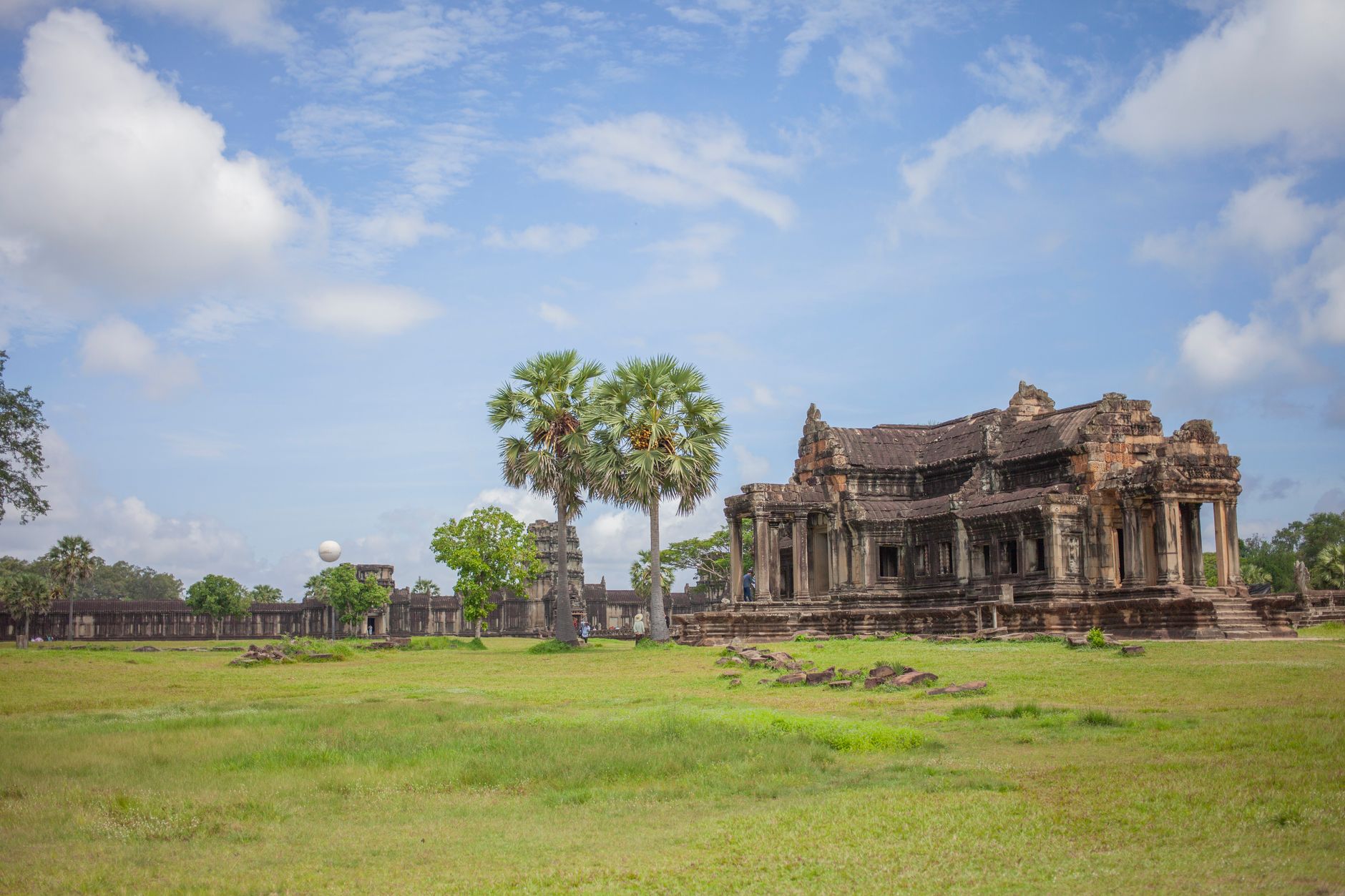
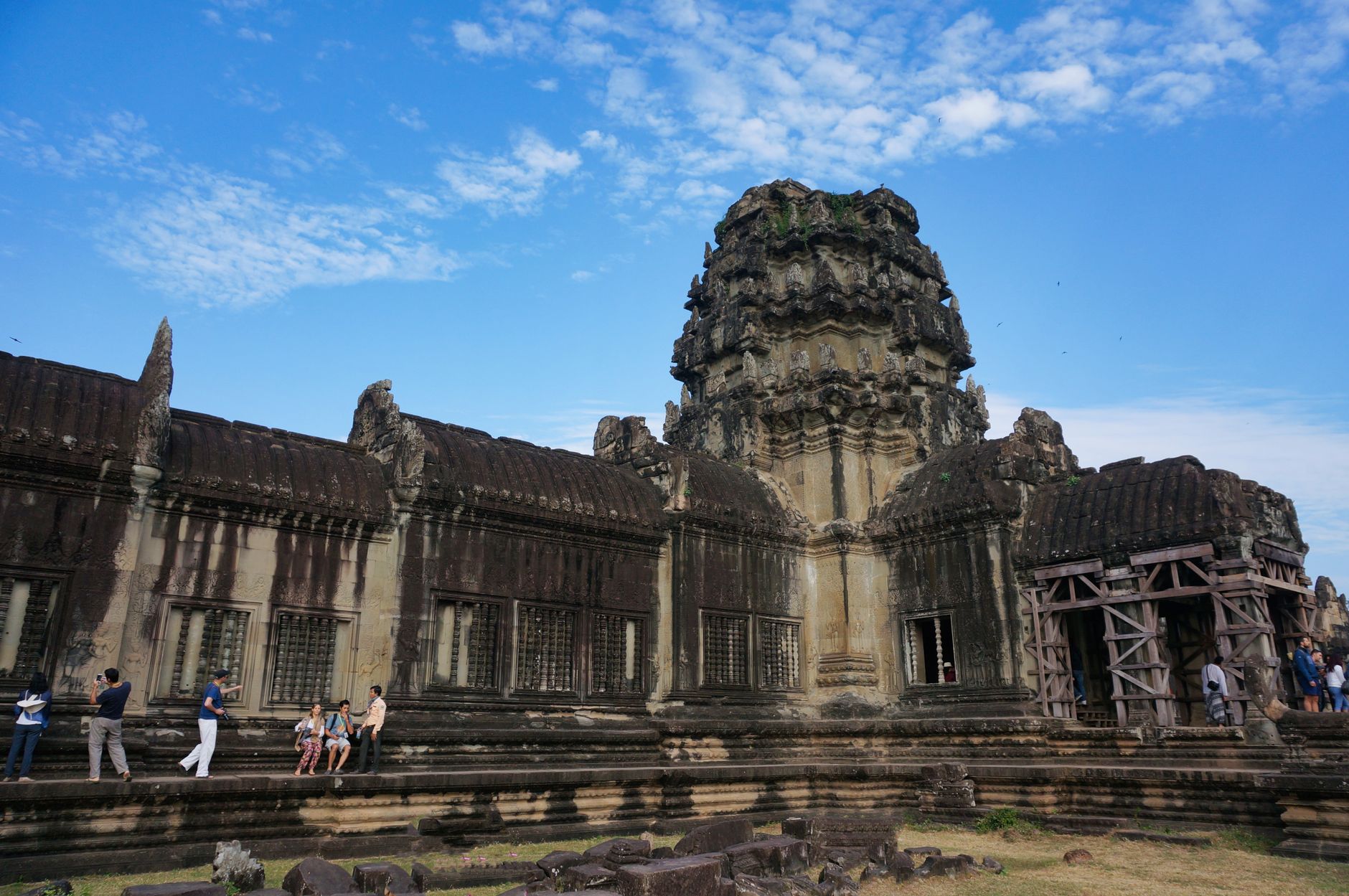
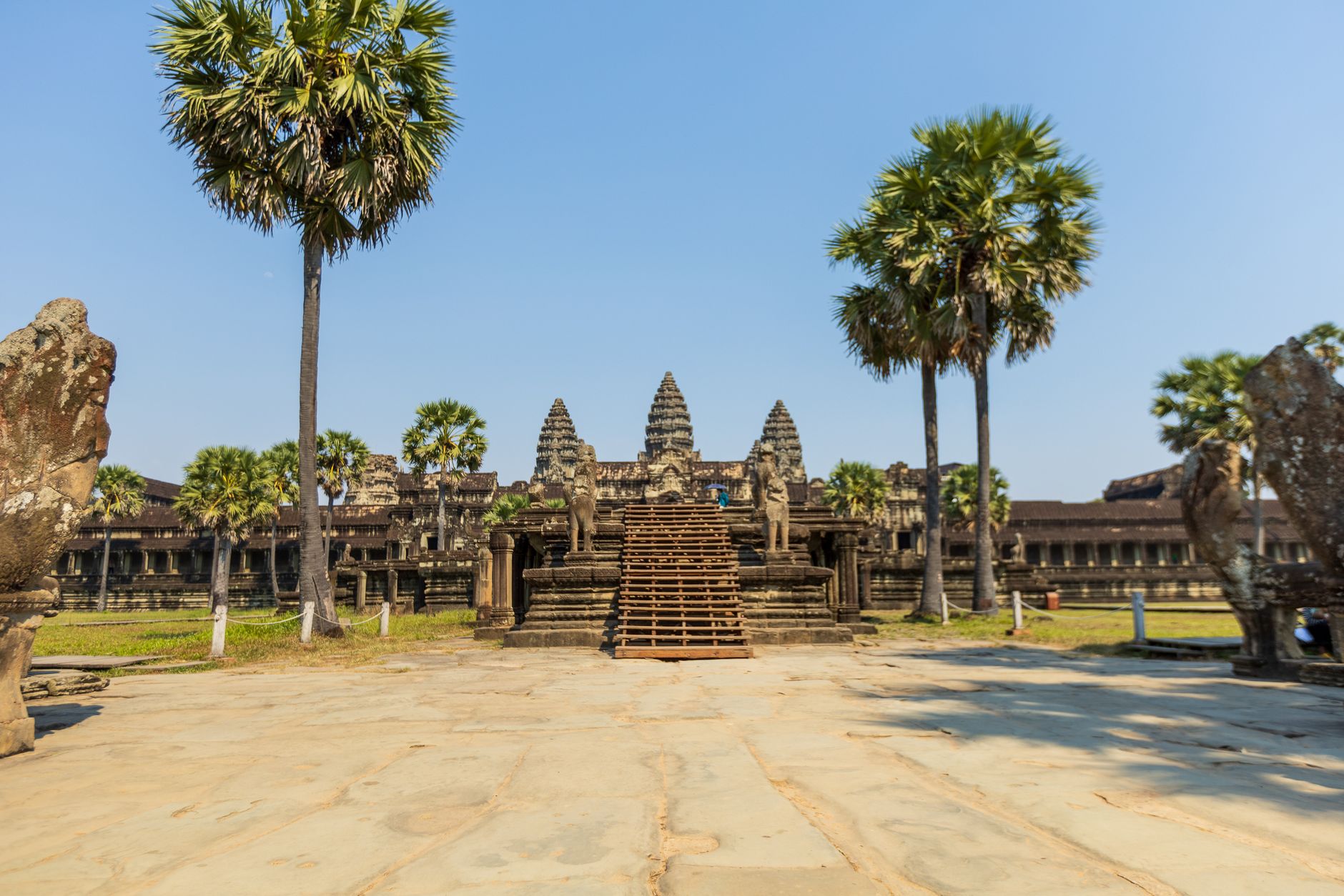
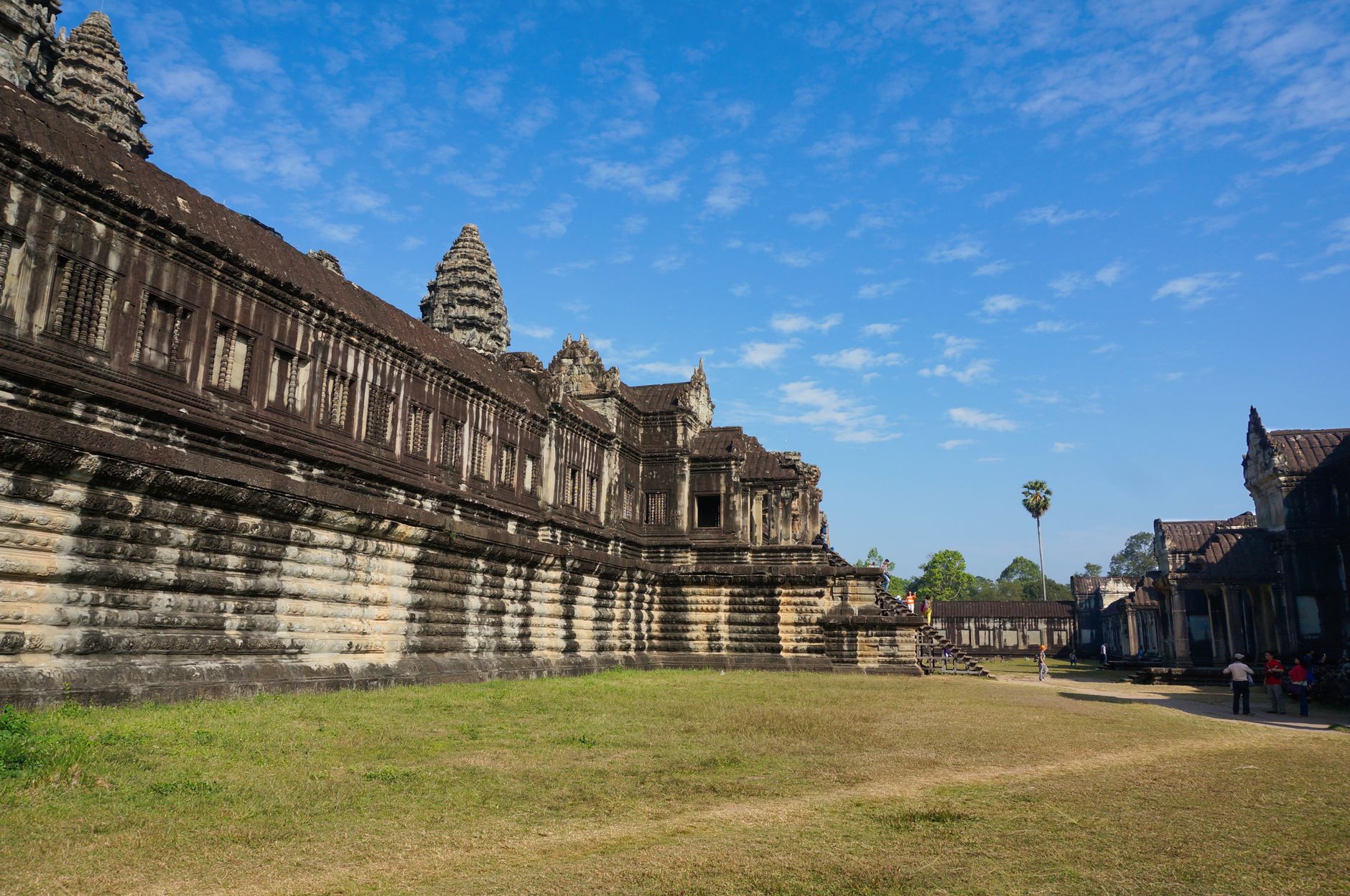
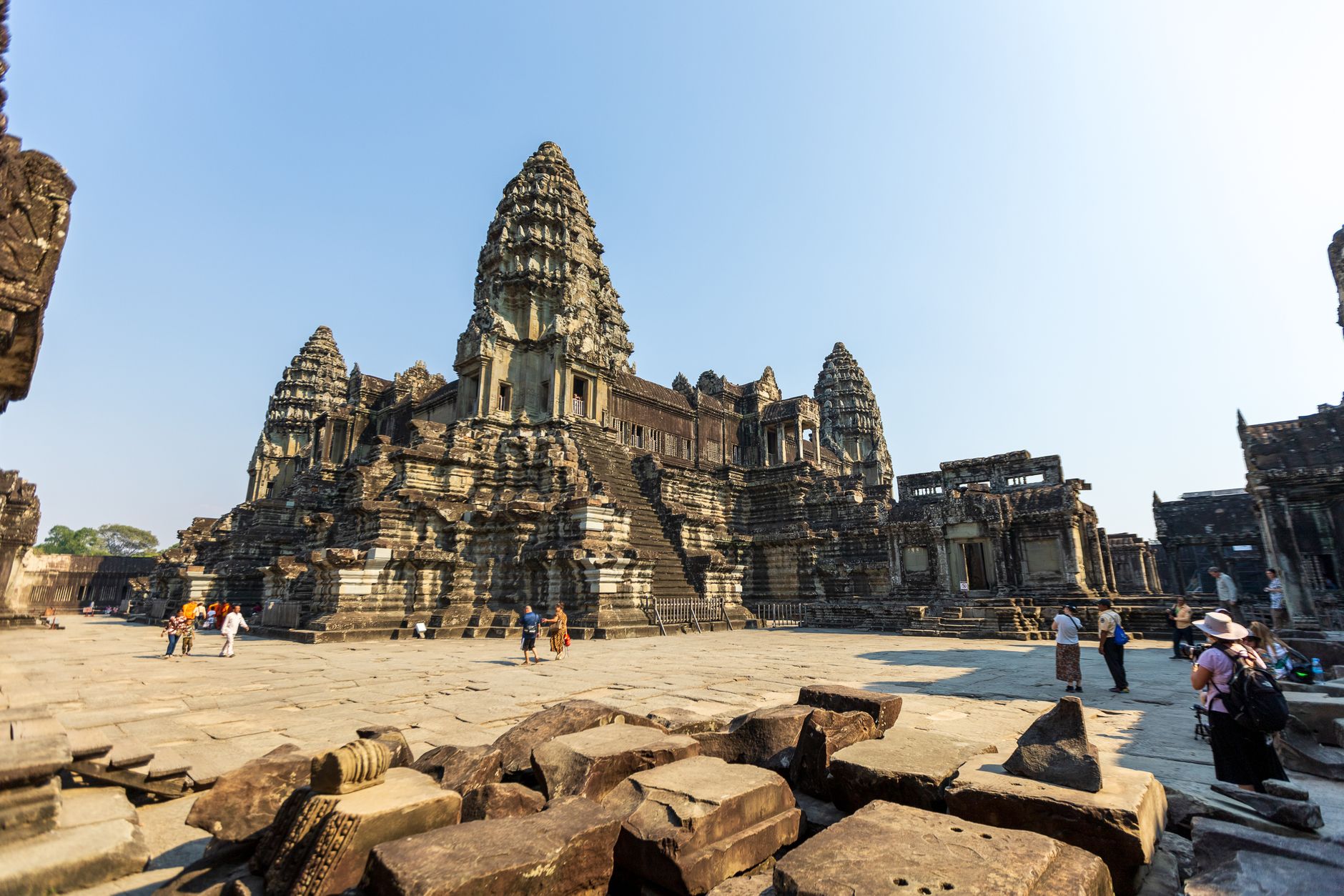
Rising majestically from the emerald jungles of northern Cambodia, the archaeological park of Angkor Wat stands as one of humanity's most breathtaking architectural achievements. Constructed in the 12th century by King Suryavarman II, this sprawling complex was originally conceived as a Hindu temple dedicated to Vishnu before gradually transforming into a profound Buddhist sanctuary. Its iconic lotus-bud towers pierce the tropical horizon, symbolizing Mount Meru, the center of the universe in Hindu mythology, while miles of intricately carved bas-reliefs narrate epic mythological battles and royal processions with astonishing artistic precision.

The broader Angkor region, which served as the thriving heartland of the Khmer Empire between the 9th and 15th centuries, is a vast cultural landscape spanning over 400 square kilometers. Beyond the iconic silhouette of the main temple lie forgotten citadels, overgrown monastic complexes, and serene water reservoirs that once sustained a medieval metropolis larger than any in contemporary Europe. The geography is an intricate dance of ancient hydraulic engineering—vast moats, barays, and canals designed to harness the ferocious monsoonal rains, creating an ecosystem where nature and monumental stone architecture have engaged in a centuries-long embrace.

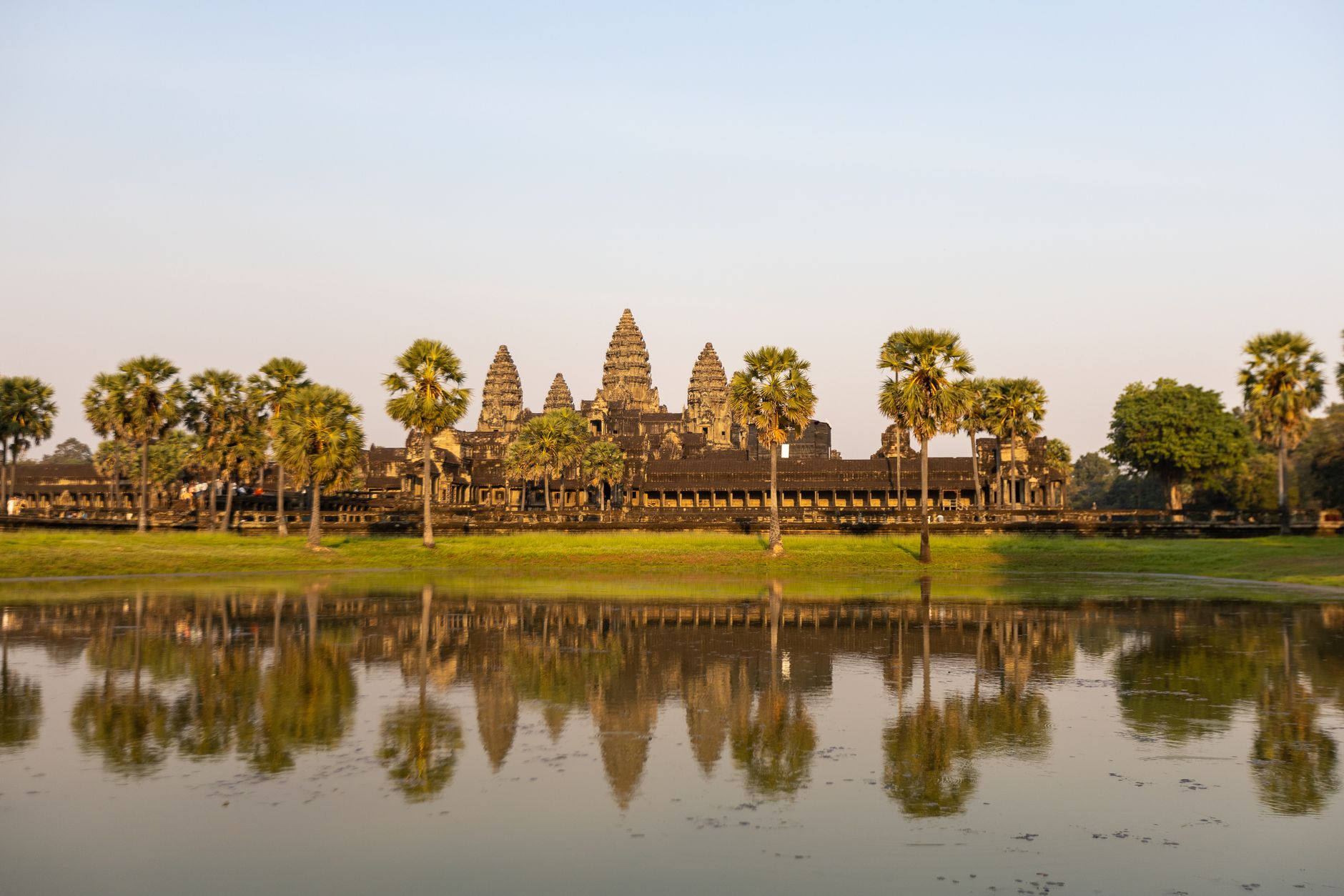
Today, the atmosphere of Angkor is a mesmerizing blend of sacred stillness and palpable history. As dawn breaks over the lotus ponds, casting a fiery amber glow across the western facade, travelers share a reverent silence mirrored by the saffron-robed monks who still walk these ancient flagstones. The surrounding jungle, alive with the calls of cicadas and the flutter of tropical birds, constantly reclaims its territory, most dramatically visible at Ta Prohm, where massive silk-cotton and strangler fig roots grip the crumbling masonry in an eternal, symbiotic struggle.

Local life in the shadow of the temples pulses through the vibrant nearby gateway city of Siem Reap and its surrounding rural farming communities. Traditional wooden stilt houses, emerald-green rice paddies, and bustling morning markets offer a deeply grounding contrast to the grand archaeological marvels. The warm, resilient spirit of the Khmer people infuses every interaction, whether you are sharing a bowl of steaming kuy teav noodle soup at a roadside stall or learning traditional pottery techniques from village artisans preserving ancient ancestral crafts.

Navigating Angkor is as much an inner pilgrimage as it is an external journey through time. Whether you choose to explore the vast geometric perfection of Angkor Wat, marvel at the enigmatic smiling stone faces of the Bayon, or lose yourself in the remote jungle ruins of Beng Mealea, the destination demands slow, contemplative travel. It is a place where every weathered bas-relief whispers secrets of a golden age, leaving an indelible imprint on the soul of every wanderer who ventures into its sacred embrace.

Visual Impressions & Moments
Angkor Wat photo 1
Angkor Wat photo 2
Angkor Wat photo 3
Angkor Wat photo 4
Angkor Wat photo 5
Angkor Wat photo 6
Unmissable Moments

Top Things to Do in Angkor Wat

Must-Do

Witness Sunrise Over the Lotus Ponds of Angkor Wat

Stand before the western reflection pools well before dawn as the sky shifts from indigo to vibrant magenta, framing the iconic silhouette of the five lotus towers. Arrive by 5:00 AM to secure a prime spot at the water's edge, then head inside immediately after sunrise to explore the Churning of the Ocean of Milk bas-relief before the main tour buses arrive.

Culture

Decipher the Enigmatic Stone Faces of Bayon

Wander through the upper terrace of the Bayon temple in Angkor Thom, where over 200 colossal, serene stone faces gaze out in four directions across the Cambodian jungle. Built by King Jayavarman VII, these monumental visages—believed to be a fusion of Avalokiteshvara and the king himself—radiate an eternal, mysterious smile that shifts expression as the tropical sun moves across the sky.

Adventure

Explore the Root-Enwrought Ruins of Ta Prohm

Walk in the footsteps of cinematic explorers through Ta Prohm, where massive silk-cotton and strangler fig trees have burst through stone corridors and roof vaults over centuries. Visit during the mid-morning when dappled sunlight filters through the dense canopy, creating dramatic shadows across moss-covered masonry and unrestrained root systems.

Scenic

Sunset Views Over the Jungle from Phnom Bakheng

Ascend the steep slopes of Phnom Bakheng hill for a panoramic golden-hour vista overlooking the dense canopy of the Angkor Archaeological Park and the distant moat of Angkor Wat. Due to strict conservation limits on the number of visitors allowed on the summit, hike up at least 90 minutes before sunset to secure your entry pass.

Area Guide

Where to Stay & Best Neighborhoods

Siem Reap Central & Old Market (Phsar Chas)

Best for: First-time visitors, foodies, boutique shopping, nightlife

Vibe: Bustling, vibrant, colonial-era architecture, vibrant night markets

The lively beating heart of Siem Reap, this walkable district centers around the historic Old Market and Pub Street. Lined with French colonial shophouses converted into cafes, artisan galleries, and cocktail bars, it offers easy access to tuk-tuks heading to the temples while providing an energetic evening atmosphere after a long day of exploring ruins.

Wat Bo & Wat Damnak Cultural Quarter

Best for: Slow travelers, art lovers, wellness seekers, romantic getaways

Vibe: Artistic, leafy, peaceful riverside tranquility, boutique design hotels

Flanking the eastern banks of the Siem Reap River, this serene neighborhood is renowned for its historic pagodas, contemporary art spaces, and upscale dining. It offers a sophisticated refuge away from the backpacker bustle, featuring shady boulevards, artisanal coffee shops, and tranquil spa sanctuaries tucked behind tropical gardens.

Chreav & Rural Countryside Outskirts

Best for: Cultural immersion, cycling enthusiasts, off-the-beaten-path photography

Vibe: Traditional stilt houses, emerald rice paddies, authentic village life

Just a short journey south of Siem Reap toward the Tonle Sap lake, the rural farming communities offer a glimpse into authentic Cambodian village life. Here, narrow dirt paths wind past grazing water buffalo, swaying sugar palms, and community-led organic farms, providing a profound connection to the agricultural rhythms that have sustained this region for millennia.

Food & Drink Scene

What to Eat in Angkor Wat

Fish Amok (Amok Trey)

Cambodia's national dish features fresh river fish coated in an aromatic kroeung paste made from lemongrass, galangal, turmeric, kaffir lime leaves, and garlic, gently steamed inside a banana leaf cup with rich coconut milk and noni leaves until it reaches a delicate, mousse-like consistency.

🍴 Top spot: Cuisine Wat Damnak

Khmer Beef Lok Lak

Tender cubes of marinated beef stir-fried quickly over high heat with garlic, onions, and oyster sauce, served atop a bed of crisp lettuce, sliced tomatoes, and cucumbers. It is traditionally accompanied by a tangy dipping sauce made from freshly squeezed lime juice, cracked black pepper from Kampot, and coarse salt.

🍴 Top spot: Malis Restaurant Siem Reap

Nom Banh Chok (Khmer Noodles)

Often eaten for breakfast, this beloved dish consists of hand-made fermented rice noodles topped with a rich, greenish fish-based green curry gravy made from lemongrass, kaffir lime, and wild roots, garnished generously with fresh crisp banana blossoms, water lily stems, bean sprouts, and fresh herbs.

🍴 Top spot: Phsar Chas (Old Market Stalls)
Excursions

Best Day Trips from Angkor Wat

Tonle Sap Floating Villages & Mangrove Forests

45 mins by tuk-tuk or taxi

Journey south to Southeast Asia's largest freshwater lake to explore the extraordinary floating communities of Kampong Phluk or Chong Khneas. Witness stilt houses towering up to ten meters above the water level during the dry season and take a wooden boat tour through the flooded mangrove forests where local fishermen ply their trade.

Beng Mealea Jungle Temple & Kulen Mountain

1.5 to 2 hours by car

Venturing deeper into the jungle reveals Beng Mealea, a sprawling 12th-century temple left entirely in its ruinous state, blanketed in moss and massive tree roots just as French explorers first found it. Combine the trip with a visit to Phnom Kulen National Park to see the River of a Thousand Lingas carved into the sandstone riverbed.

When to Go

Best Time to Visit & Seasonality

Editor’s Pick: November to February offers the ideal window, featuring cooler temperatures and minimal rainfall, though the dry months of March to April bring intense heat. The monsoon season from May to October transforms the moats into mirror-like expanses and paints the jungle a vibrant, dramatic emerald.

Spring Overview

(March - May)
Moderate
Average Temperature & Climate35°C - 40°C (95°F - 104°F)

Extremely hot, humid, occasional pre-monsoon tropical downpours

Crowd & Travel ConditionsModerate Tourist Traffic

Fewer lines and better deals.

✨ Seasonal Highlights:Khmer New Year celebrations in April; significantly fewer tourists at midday.
Travel Smarter

Practical Travel Essentials

CurrencyCambodian Riel (KHR) / US Dollar (USD)
LanguageKhmer (English widely spoken in tourism)
Time ZoneICT (Indochina Time, UTC+7)

Visa & Entry

Most travelers can obtain a 30-day Tourist Visa on Arrival at Siem Reap International Airport or via e-Visa online for $30 USD. Ensure your passport has at least 6 months validity and two blank pages.

Getting Around & Transit

Tuk-tuks are the quintessential way to travel between Siem Reap and the temples. For more distant sites like Banteay Srei or Beng Mealea, hire an air-conditioned private car or taxi for the day.

Daily Budget Expectation

$45 - $120 USD per day covers comfortable mid-range guesthouse accommodation, temple passes, tuk-tuk transport, and delicious local dining.

Safety & Health

Very high. Siem Reap and the temple complex are extremely safe for tourists, though standard precautions against petty theft and scams in crowded markets apply.

Local Etiquette & Customs

Always dress modestly when visiting sacred sites: shoulders and knees must be covered for both men and women. Greet locals with 'Sampeah' (placing palms together in a prayer gesture) and always remove shoes before entering temples or homes.

Questions & Answers

Frequently Asked Questions about Angkor Wat

A 3-day temple pass is the gold standard for most travelers. It allows you to cover the major highlights (Angkor Wat, Bayon, Ta Prohm) on day one, explore the grand outer temples (Preah Khan, Neak Pean, Banteay Srei) on day two, and venture to distant ruins or sunrise viewpoints on day three without burning out.