🌟 Best in Travel 2026 is here!
Austria
countryEurope
4.92 / 5.0

Austria

An alpine symphony of imperial grandeur, pristine wilderness, and timeless classical elegance.

Advertisement
Editorial Guide

About Austria

Austria occupies a breathtaking intersection of Central European geography and cultural majesty, bound by the towering majesty of the Eastern Alps and the gentle, vineyard-laced curves of the Danube River valley. Its history reads like a dramatic opera score, shaped by centuries of Habsburg imperial rule that left behind opulent palaces, sprawling baroque monasteries, and a coffeehouse tradition recognized by UNESCO as intangible cultural heritage. The nation's cultural fabric is deeply woven with the ghosts of musical titans—Mozart, Beethoven, Schubert, and Strauss—whose compositions still echo through gilded concert halls in Vienna and Salzburg.

Beyond the urban splendors of grand museums and horse-drawn fiacres lie pristine alpine landscapes that have beckoned travelers for generations. Western Austria unfolds into a dramatic playground of jagged limestone peaks, cascading glacial waterfalls, and emerald valleys where traditional pastoral life continues undisturbed by modernity. Villages like Hallstatt cling precariously to mirrored lake shores, while world-class ski resorts such as Kitzbühel and St. Anton draw winter sports enthusiasts from across the globe.

Local life in Austria is anchored in a philosophy of Gemütlichkeit—a unique concept encompassing coziness, warmth, and a deep sense of contentment. This is experienced in smoke-filled Beisl taverns pouring local Grüner Veltliner, in the quiet reverence of mountain hiking huts serving hearty Kasnocken, and in the meticulous craftsmanship of local pastry chefs perfecting the art of the Sachertorte. Whether you are scaling sheer rock faces in the Hohe Tauern National Park or losing yourself in the labyrinthine alleys of Graz's medieval old town, Austria rewards the curious traveler with an exquisite blend of high culture and raw, untamed natural beauty.

The geography of Austria also acts as a vital bridge between Western and Eastern Europe, fostering a rich culinary and architectural mosaic influenced by its neighbors—Germany, the Czech Republic, Slovakia, Hungary, Slovenia, Italy, and Switzerland. This geopolitical crossroads has forged a remarkably diverse identity where regional dialects change drastically every few valleys, yet an underlying commitment to quality of life, environmental stewardship, and historic preservation remains steadfast throughout the federation.

Visual Impressions & Moments
Austria photo 1
Austria photo 2
Austria photo 3
Austria photo 4
Austria photo 5
Austria photo 6
Unmissable Moments

Top Things to Do in Austria

Culture

Attend a Classical Concert in Vienna's Musikverein

Immerse yourself in the golden acoustics of the Musikverein's Great Hall, widely considered one of the finest concert halls in the world. Booking tickets for a Vienna Philharmonic performance requires planning months in advance, but standing room tickets are often available on the day of the show for a fraction of the cost. Dress elegantly to match the sophisticated local audience.

Adventure

Drive the Grossglockner High Alpine Road

Navigate one of the most breathtaking panoramic roads in Europe, sweeping up to 2,504 meters at the Edelweißspitze. You will wind past cascading waterfalls, massive alpine meadows, and the mighty Pasterze Glacier. Go early in the morning to beat the tourist buses and experience the dramatic mist rolling over the peaks.

Culinary

Savor Wine and Heuriger Culture in the Wachau Valley

Rent a bicycle and pedal along the Danube River path past terraced vineyards, medieval ruins, and picturesque wine villages like Dürnstein. Stop at traditional Heurigen (wine taverns) run by local winemakers to sample crisp Grüner Veltliner paired with rustic cold-cut platters.

Scenic

Hike the Dachstein Salzkammergut Region

Explore the dramatic alpine landscape of Hallstatt and Lake Gosau, where dramatic peaks plunge into impossibly clear turquoise water. Take the cable car up to the Dachstein Five Fingers viewing platform for a stomach-churning panorama over the abyss, then explore the ancient subterranean salt mines.

Must-See Highlights

Top Places & Things to Do in Austria

Curated attractions and cultural landmarks with local insider advice.

Schönbrunn Palace
culture
4.85

Schönbrunn Palace

The former summer residence of the Habsburg monarchs, this magnificent Rococo palace boasts 1,441 rooms set within immaculate, sprawling baroque gardens. Visitors can tour the lavish Grand Apartments, climb up to the Gloriette for sweeping views of Vienna, and explore the world's oldest operating zoo on the palace grounds. The palace park is a favorite gathering spot for locals and visitors alike, offering tree-lined jogging paths, secret fountains, and the striking Neptune Fountain. During winter, a charming Christmas market unfolds in the main courtyard, filling the crisp air with the scent of roasted chestnuts and spiced punch.

Daily 8:30 AM - 5:00 PM
Admission: €24 (Grand Tour)
Insider Tip: Book the Classic Pass or Grand Tour online in advance to skip the lengthy ticket queues. Allocate at least half a day to fully explore both the interior and the extensive gardens.
Hohensalzburg Fortress
attraction
4.8

Hohensalzburg Fortress

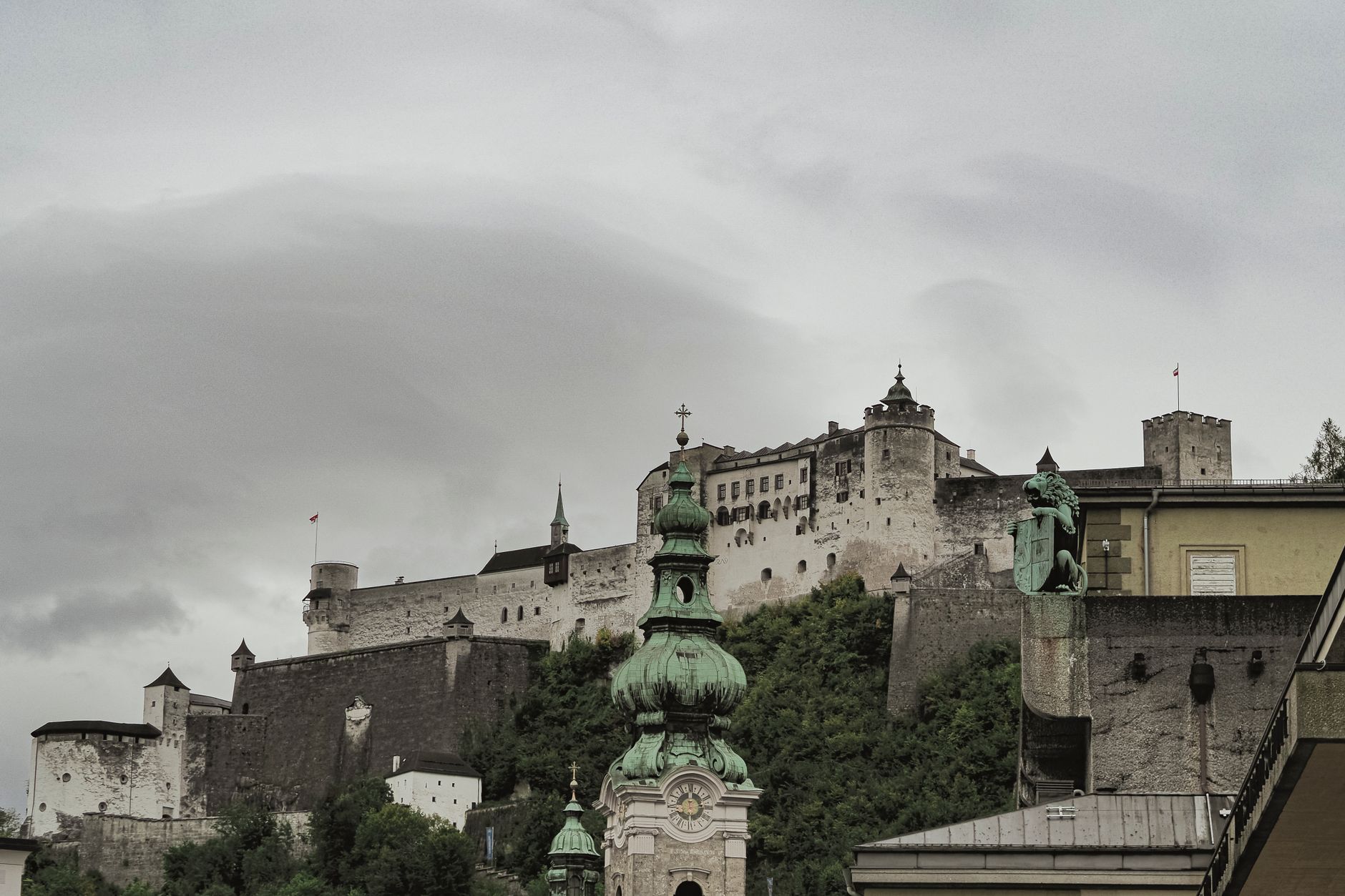
Perched menacingly yet majestically atop the Festungsberg hill, Hohensalzburg is one of the largest and best-preserved medieval castles in Europe. Built in 1077, it has never been successfully captured by foreign invaders, serving for centuries as a formidable seat for the Prince-Archbishops of Salzburg. Inside the fortress walls, visitors can explore fascinating museums detailing medieval weaponry, historic state rooms, and the infamous Salzburg Bull mechanical organ. The panoramic views from the ramparts sweep across the winding Salzach River and the snow-capped peaks of the Berchtesgaden Alps.

Daily 9:30 AM - 5:00 PM
Admission: €16.30 (including funicular)
Insider Tip: Take the historic funicular up for speed, but consider walking down the scenic woodland path for fantastic photo angles of the old town.
Melk Abbey
culture
4.88

Melk Abbey

A triumphant masterpiece of Austrian baroque architecture, Stift Melk sits high on a granite outcrop overlooking the Danube River. Founded in 1089, the Benedictine monastery has served as a beacon of learning and spirituality for nearly a millennium, housing priceless medieval manuscripts and dazzling ceiling frescoes by Johann Michael Rottmayr. The abbey's crown jewel is its breathtaking library, which contains over 100,000 rare volumes beneath sweeping allegorical ceiling paintings. The terraced gardens and the marble hall provide stunning vistas over the rolling hills of the Wachau Valley.

Daily 9:00 AM - 5:30 PM
Admission: €13
Insider Tip: Combine your abbey visit with a leisurely coffee and slice of Marillenknödel (apricot dumpling) in Melk's charming historic town center.
Hallstatt Lake Village
nature
4.75

Hallstatt Lake Village

Tucked away between the steep slopes of the Dachstein Alps and the dark waters of the Hallstätter See, Hallstatt is a postcard-perfect alpine village steeped in 7,000 years of salt-mining history. Its timber-framed houses cling precariously to the rock face, and church spires pierce the mountain mist in a scene of sublime tranquility. Despite its small size, Hallstatt offers incredible depth for travelers willing to explore beyond the main square. Visit the ancient Charnel House (Beinhaus) with its hundreds of artistically painted human skulls, or take the salt mine funicular to discover underground brine lakes.

Accessible 24/7
Admission: Free (Attractions vary)
Insider Tip: To experience Hallstatt without the intense daytime tour-bus crowds, stay overnight in the village or arrive before 8:30 AM.
Area Guide

Where to Stay & Best Neighborhoods

Innere Stadt (Vienna)

Best for: First-time visitors, history buffs, luxury shoppers, and classical music lovers.

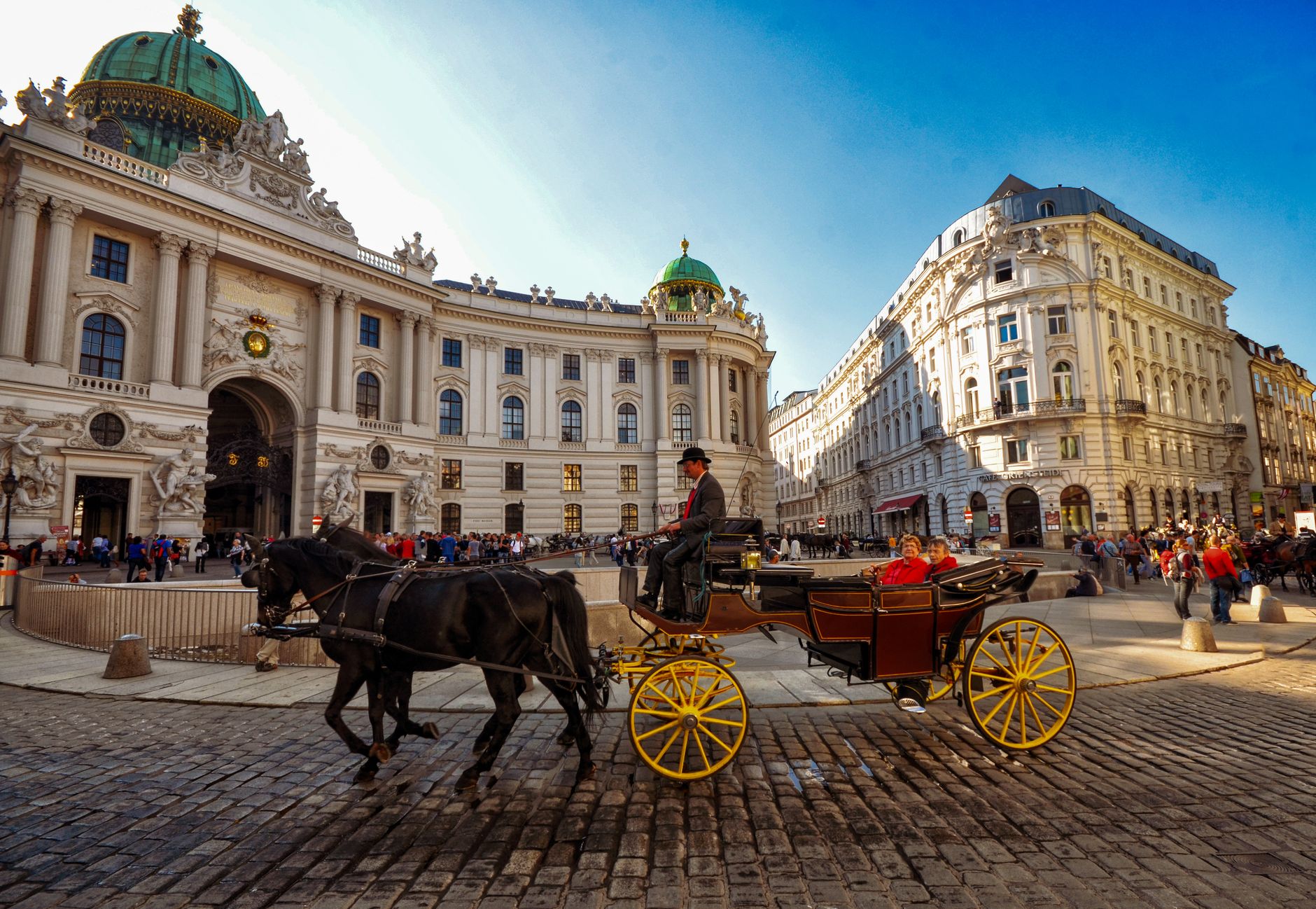
Vibe: Imperial architecture, horse-drawn carriages, grand pedestrian boulevards, and historic cafes.

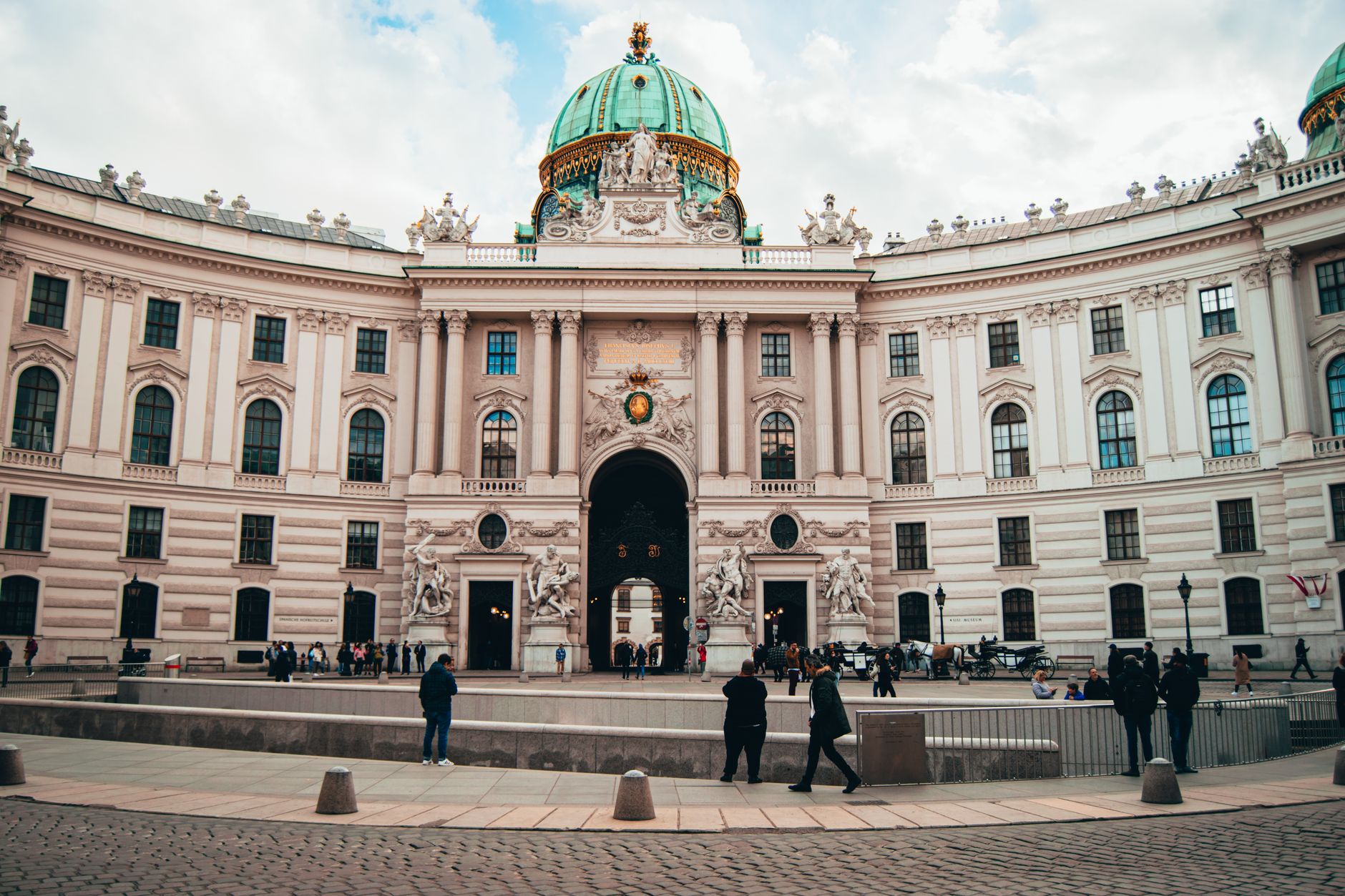
Encircling the grand Ringstraße, Vienna's historic core is an open-air museum of Gothic, Baroque, and Gründerzeit architecture. Walking through its immaculate cobblestone streets reveals legendary coffeehouses like Central and Sacher, majestic cathedrals like St. Stephen's, and the sprawling courtyards of the Hofburg Imperial Palace.

Altstadt (Salzburg)

Best for: Romantic getaways, Mozart enthusiasts, and fans of architectural charm.

Vibe: Baroque church spires, winding medieval alleys, pastel townhouses, and alpine backdrops.

Clustered beneath the imposing Hohensalzburg Fortress, Salzburg's old town is a remarkably preserved UNESCO World Heritage site. Dominated by Italian-style baroque churches, romantic squares, and the famous Getreidegasse—where shop signs are wrought in intricate ironwork—it offers an intimate, walkable fairytale atmosphere.

Innsbruck Old Town & Nordkette

Best for: Outdoor adventurers, winter sports enthusiasts, and alpine photographers.

Vibe: Gothic facades, dramatic mountain views towering right over the city streets, alpine adventure spirit.

Innsbruck effortlessly merges urban sophistication with extreme mountain wilderness. Step out from the medieval Goldenes Dachl (Golden Roof) and find yourself boarding a funicular that transports you straight into high alpine terrain in less than twenty minutes.

Food & Drink Scene

What to Eat in Austria

Wiener Schnitzel

A cultural icon of Austrian cuisine consisting of a thin, butterflied veal cutlet that is lightly pounded, breaded in flour, egg, and breadcrumbs, and fried in clarified butter until golden and crisp. Traditionally served with a wedge of lemon, parsley potatoes, or warm potato salad.

🍴 Top spot: Figlmüller Bäckerstraße, Vienna

Tafelspitz

Tender prime beef boiled gently in a spiced vegetable broth until it melts in the mouth, traditionally served with a creamy apple-horseradish sauce (Apfelkren), chive sauce, and roasted potato slices. It was famously the favorite dish of Emperor Franz Joseph I.

🍴 Top spot: Plachutta Wollzeile, Vienna

Kaiserschmarrn

A light, fluffy caramelized shredded pancake made from sweet batter separated by beaten egg whites, fried in butter, and torn into bite-sized pieces. Generously dusted with powdered sugar and served alongside stewed plums (Zwetschkenröster).

🍴 Top spot: Café Central, Vienna
Excursions

Best Day Trips from Austria

Melk Abbey & The Wachau Valley

1 hour by train from Vienna

Marvel at the brilliant yellow Benedictine Abbey perched dramatically on a rock cliff overlooking the blue Danube, featuring a jaw-dropping library with ancient illuminated manuscripts. Combine this with a boat cruise down the valley.

Hallstatt Day Trip from Salzburg

1.5 hours by bus and train or guided tour from Salzburg

Venture into the Salzkammergut lake district to witness Austria's most photographed lakeside village, featuring 16th-century pastel houses, a stunning alpine backdrop, and the world's oldest salt mine.

When to Go

Best Time to Visit & Seasonality

Editor’s Pick: May to June and September to October offer the ideal balance of pleasant weather, blooming alpine flora or autumn foliage, and manageable crowds. July and August are prime for alpine hiking and music festivals, while December is magical for festive Christmas markets.

Spring Overview

(April - May)
Moderate
Average Temperature & Climate10°C to 20°C (50°F to 68°F)

Mild, increasingly sunny, with lingering snow in high alpine passes.

Crowd & Travel ConditionsModerate Tourist Traffic

Fewer lines and better deals.

✨ Seasonal Highlights:Spring blooms in the Wachau Valley, Salzburg Festival preview events, and lower tourist crowds in major cities.
Travel Smarter

Practical Travel Essentials

CurrencyEUR (€)
LanguageGerman
Time ZoneCentral European Time (UTC+1)

Visa & Entry

Austria is part of the Schengen Area. US, Canadian, UK, and Australian citizens do not require a visa for tourist stays up to 90 days within any 180-day period.

Getting Around & Transit

Austria boasts one of the most efficient public transportation networks in the world. The state-owned ÖBB (Austrian Federal Railways) connects all major cities and towns with high-speed Railjet trains. In cities like Vienna and Salzburg, clean and frequent subways, trams, and buses make getting around seamless. Renting a car is recommended primarily for exploring remote alpine regions and wine valleys.

Daily Budget Expectation

A comfortable mid-range budget is €120 - €200 per day, covering a comfortable hotel, public transit, museum entries, and dining at traditional restaurants and cafes.

Safety & Health

Extremely High. Austria is consistently ranked among the safest countries in the world. Violent crime is exceptionally rare, though standard precautions against petty pickpocketing should be exercised in crowded tourist zones and transit hubs.

Local Etiquette & Customs

Always greet shopkeepers and service staff with 'Grüß Gott' (in the south/alpine regions) or 'Guten Tag' (in Vienna). When entering a restaurant, wait to be seated unless a sign indicates open seating. Tipping around 5-10% in restaurants is customary by rounding up the bill.

Questions & Answers

Frequently Asked Questions about Austria

Not at all. English is widely and fluently spoken by almost everyone in the hospitality, tourism, and retail sectors throughout Austria. However, learning a few polite phrases like 'Danke' (Thank you) and 'Bitte' (Please) is greatly appreciated.