🌟 Best in Travel 2026 is here!
Auvergne
regionEurope
4.88 / 5.0

Auvergne

France's volcanic heartland of raw wilderness, thermal springs, and timeless pastoral beauty.

Advertisement
Editorial Guide

About Auvergne

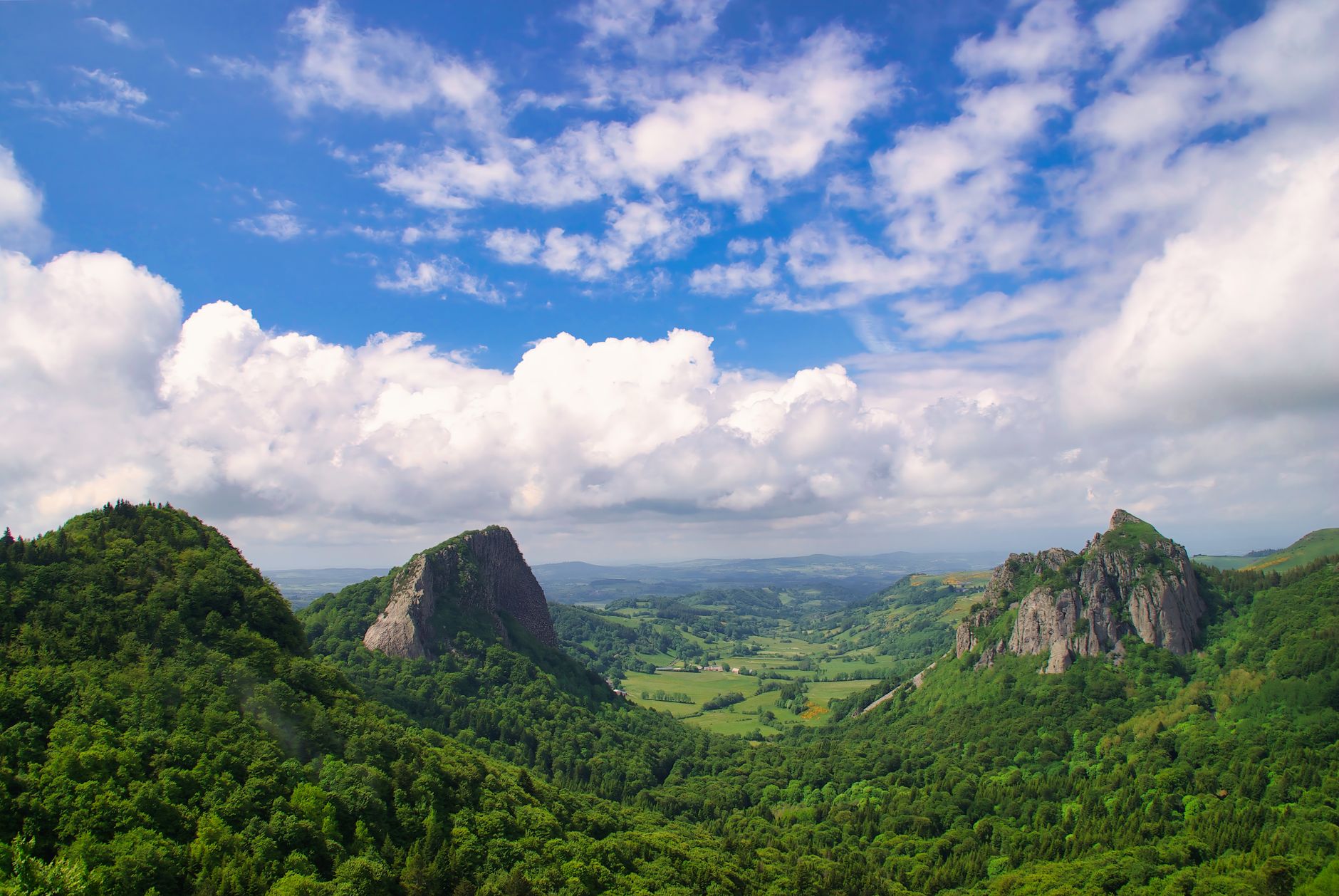
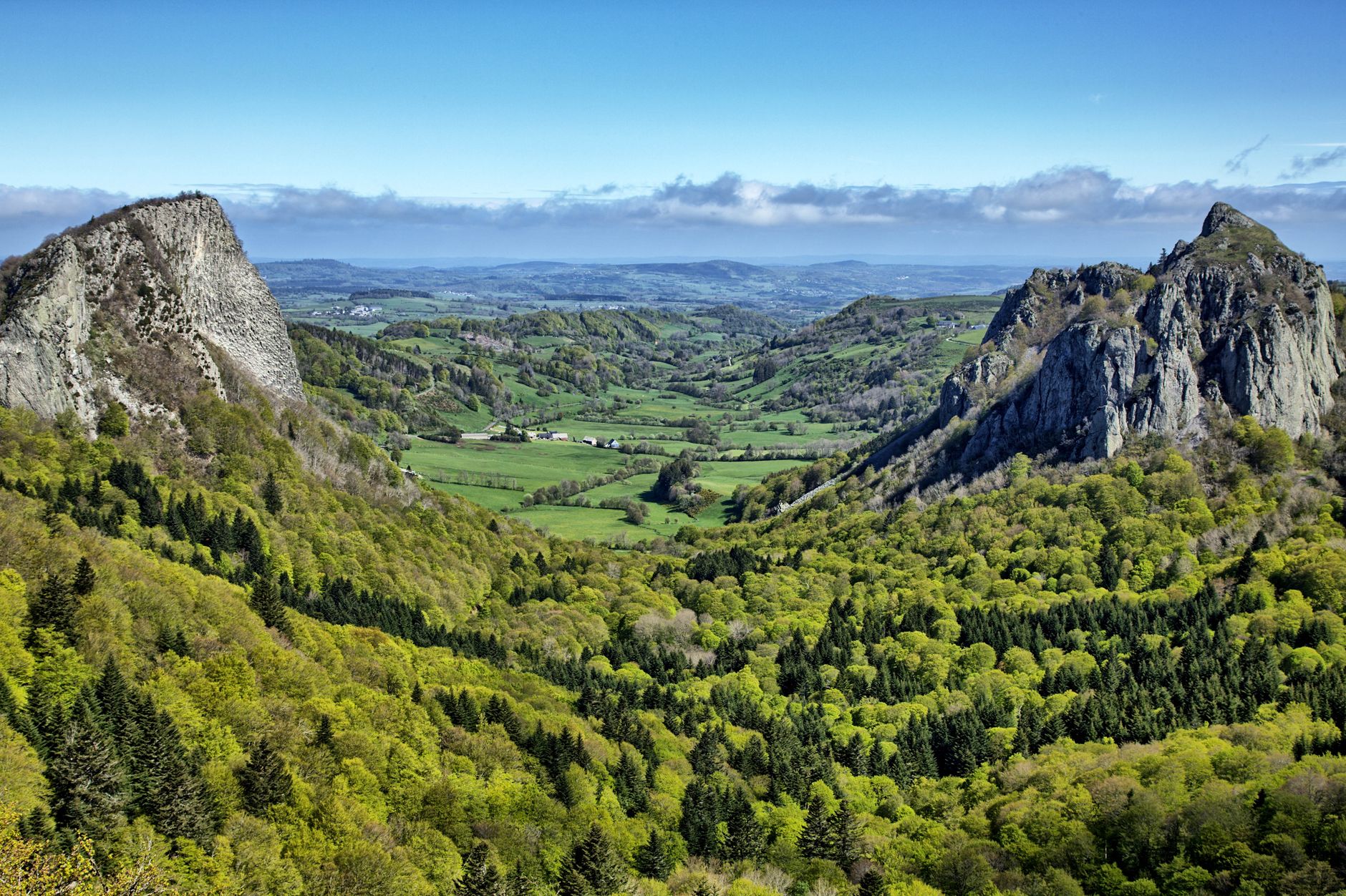
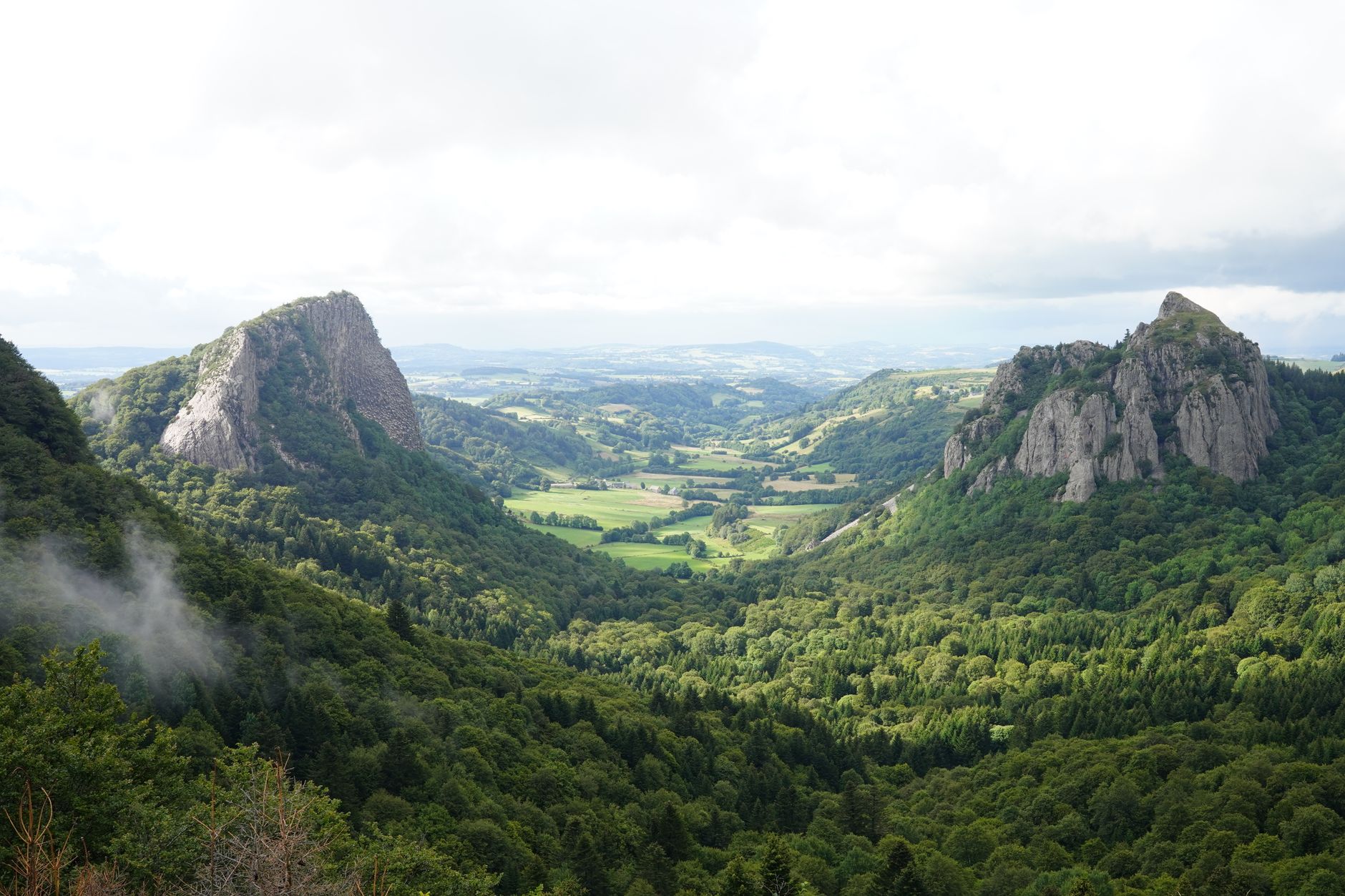
Nestled in the heart of France, the Auvergne region is a dramatic tapestry of ancient, sleeping volcanoes, sweeping plateaus, and deeply entrenched river valleys that feel delightfully disconnected from the frantic pace of modern Europe. Dominated by the Chaîne des Puys—a breathtaking alignment of nearly 80 dormant volcanic cones recognized as a UNESCO World Heritage site—the landscape is an absolute paradise for geologists, hikers, and romantics alike. Historically forged through elemental fire and shaped by centuries of pastoral isolation, Auvergne retains a rugged, authentic identity that sets it apart from the more manicured regions of France. Its soil has birthed rich agricultural traditions, producing world-renowned cheeses and hearty peasant fare that warms the soul after a long day trekking across high alpine pastures.

Culturally, Auvergne is defined by its stone-built medieval villages, Romanesque churches with striking polychrome tile work, and castles perched precariously on volcanic plugs. Towns like Salers and Saint-Flour whisper tales of medieval barons, religious pilgrims, and cattle drovers, while urban hubs like Clermont-Ferrand provide a vibrant counterpoint with their striking black lava-stone cathedrals and bustling university atmosphere. The region's geography has historically protected its heritage, allowing ancient dialects, traditional crafts, and localized culinary secrets to endure across generations.

The atmosphere here is one of profound tranquility and elemental grandeur. Whether you are driving along winding country roads bordered by ancient stone walls, listening to the chime of cowbells echoing across misty upland meadows, or soaking in thermal waters that have bubbled up from the earth's crust since Roman times, Auvergne invites a slower, more contemplative style of travel. It is a place where nature still dictates the rhythm of daily life, and where every sweeping vista feels like a landscape painting untouched by time.

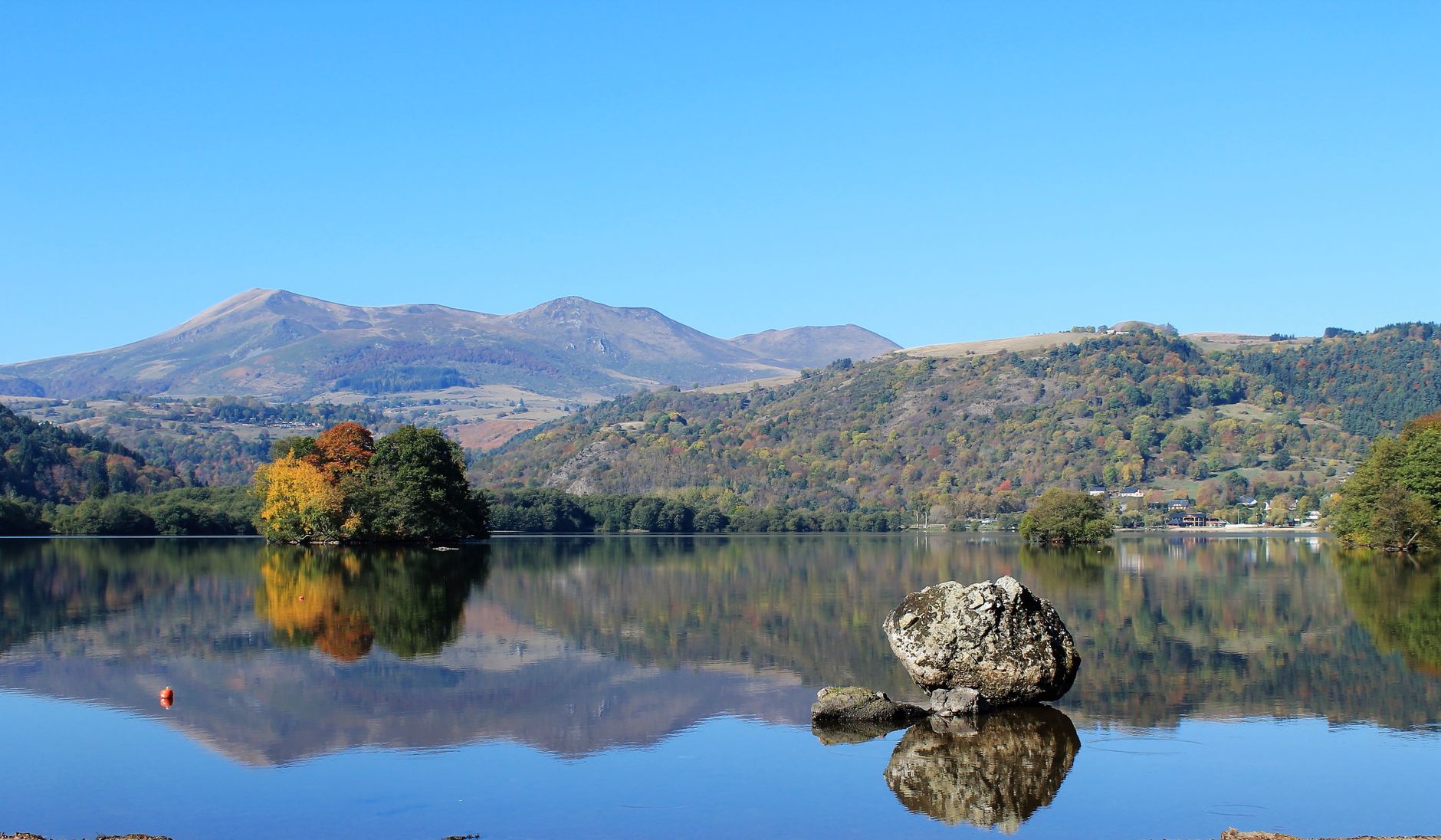
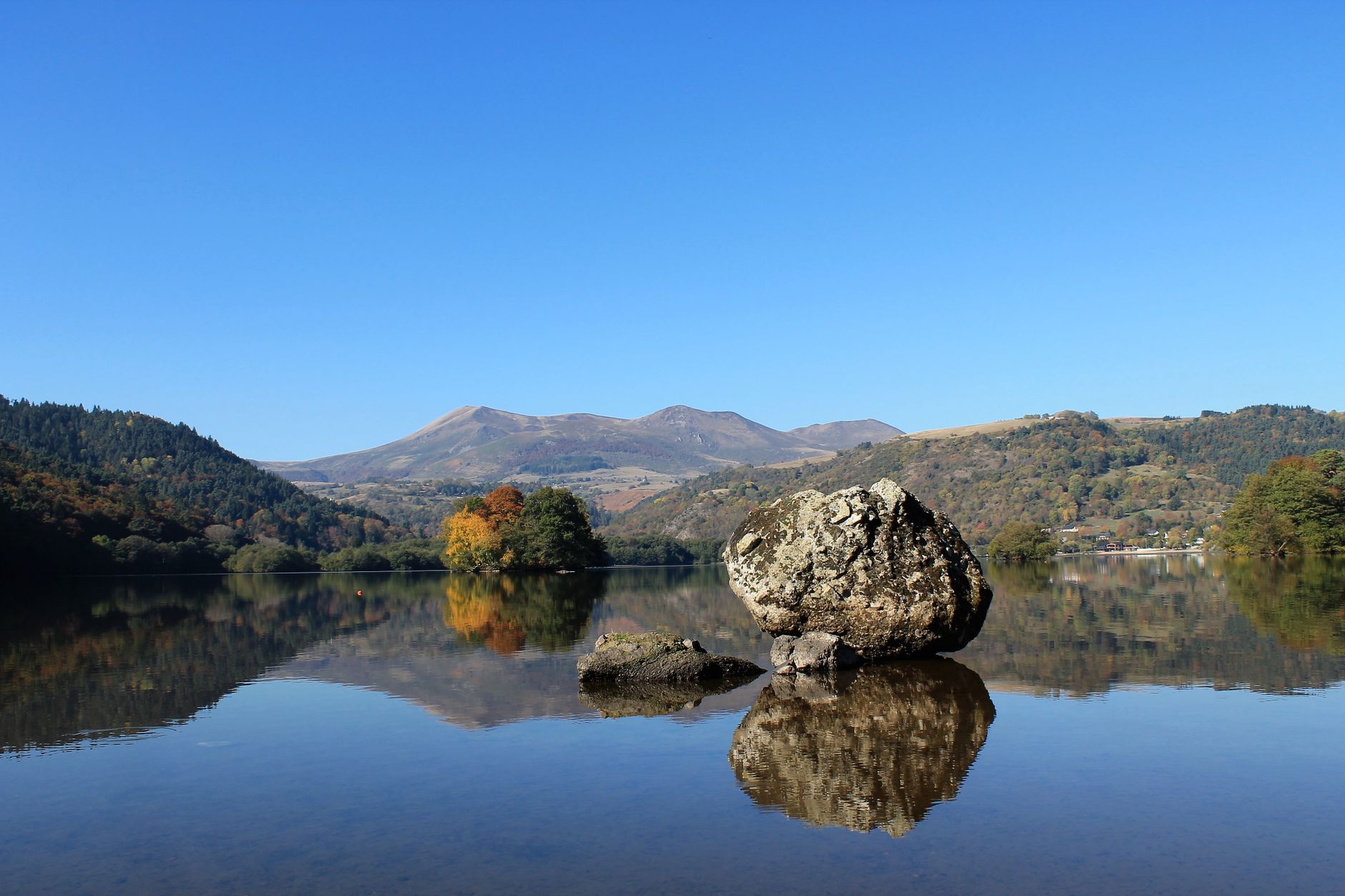
Geographically, Auvergne forms the core of the Massif Central, encompassing department territories such as Puy-de-Dôme, Cantal, and Haute-Loire. Its high altitudes ensure crisp, invigorating mountain air, while its network of pristine lakes—many occupying old volcanic craters known as maars—offer mirrored reflections of the sky. Local life revolves around the land, local markets bursting with seasonal produce, and a fiercely proud community spirit that welcomes curious travelers with genuine warmth and generosity.

Visual Impressions & Moments
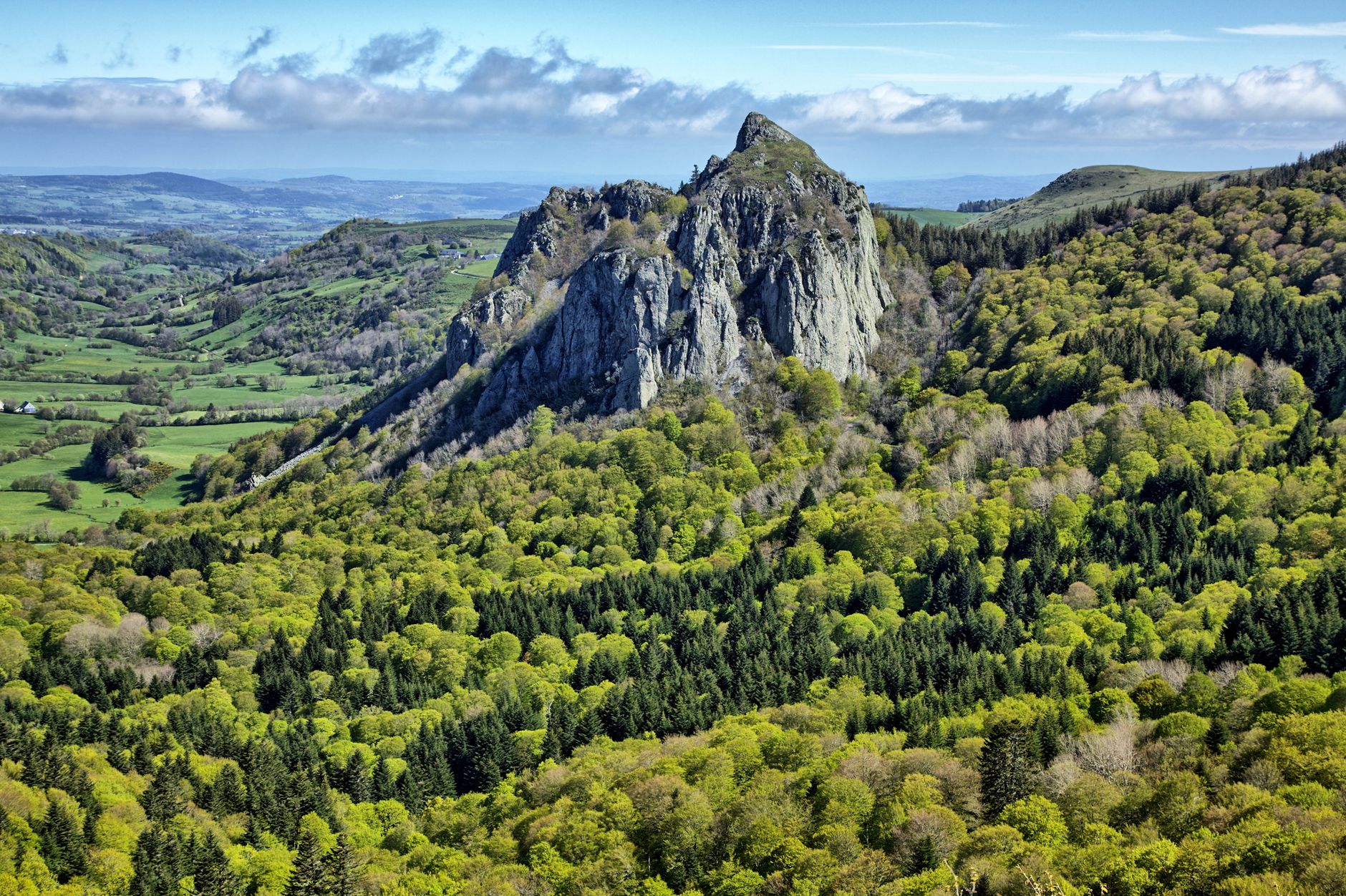
Auvergne photo 1
Auvergne photo 2
Auvergne photo 3
Auvergne photo 4
Auvergne photo 5
Auvergne photo 6
Unmissable Moments

Top Things to Do in Auvergne

Adventure

Conquer the Summit of Puy de Dôme at Sunrise

Ascend the iconic giant of the Chaîne des Puys in the early morning hours to watch the sunrise wash over a sleeping sea of volcanic craters. You can hike the historic mule track or take the panoramic electric cog railway (Panoramique des Dômes). At the summit, explore the excavated Gallo-Roman Temple of Mercury before the crowds arrive. Insider tip: Pack a hot thermos of coffee and a windproof jacket, as the summit winds can be bracing even in summer.

Culinary

Indulge in a Traditional St-Nectaire and Salers Cheese Tasting

Embark on a gastronomic pilgrimage through the local cheese-making heartlands, visiting alpine cellars where raw-milk cheeses mature on rye straw. Sample creamy, nutty Saint-Nectaire, robust Salers, and sharp Cantal directly from local producers. Insider tip: Pair your tasting with a glass of local Boudes or Côtes d'Auvergne volcanic red wine for the ultimate regional flavor profile.

Culture

Wander the Medieval Marvel of Salers

Step back in time by walking through Salers, officially ranked among France's most beautiful villages. Constructed entirely from dark volcanic stone, its turreted manors and defensive ramparts have stood guard over the surrounding valleys for centuries. Insider tip: Visit the local shops to sample traditional Salers gentiane aperitif, crafted from the golden roots of wild mountain gentian flowers.

Scenic

Soak in the Thermal Waters of Mont-Dore

Rejuvenate your body in the historic thermal spa town of Mont-Dore, nestled at the foot of the Sancy massif. The town's magnificent Neo-Byzantine thermal bath establishment offers mineral-rich waters celebrated since Roman times for their healing properties. Insider tip: Book a afternoon hydrotherapy session after a rigorous day of mountain trekking to completely melt away muscle fatigue.

Must-See Highlights

Top Places & Things to Do in Auvergne

Curated attractions and cultural landmarks with local insider advice.

Chaîne des Puys & Puy de Dôme
nature
4.9

Chaîne des Puys & Puy de Dôme

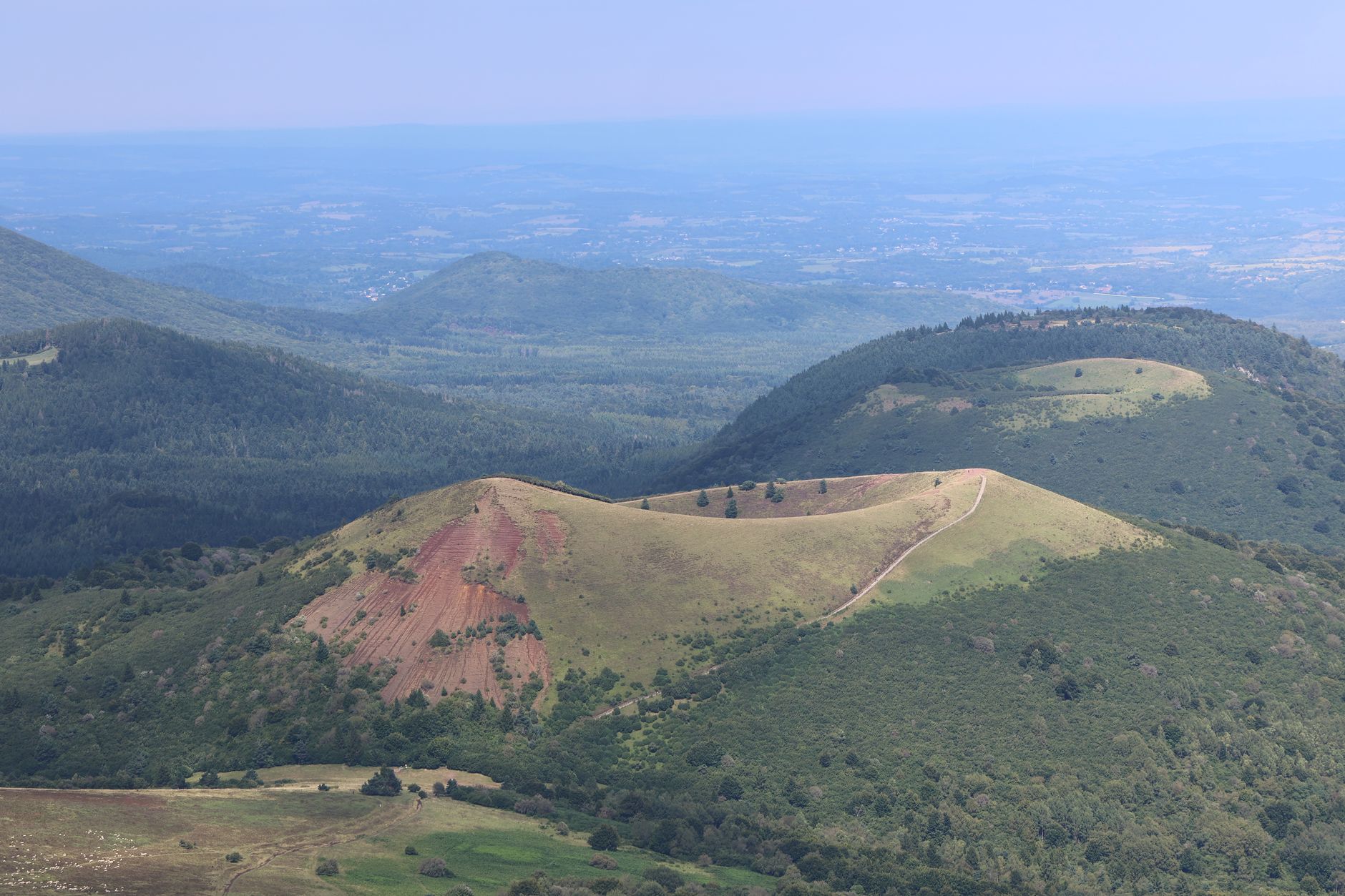
A stunning linear alignment of nearly 80 dormant volcanoes stretching across the Auvergne landscape like a sleeping green spine. At its crown stands the majestic Puy de Dôme, offering 360-degree panoramic views over the surrounding plateau, ancient craters, and distant mountain ranges. The site is a geological wonder and a UNESCO World Heritage treasure, crisscrossed by impeccably maintained hiking trails such as the famous GR4. Visitors can explore ancient archaeological ruins at the summit, experience world-class paragliding launch sites, and witness some of the most dramatic cloud inversions and sunsets in all of France.

Open 24/7 (Railway operates seasonally from 8:30 AM to 7:00 PM)
Admission: Free (Cog railway fee applies)
Insider Tip: Check live webcams before heading up, as the summit is frequently shrouded in fog even when the valleys are clear.
Yellowstone of France: Lac Pavin
nature
4.7

Yellowstone of France: Lac Pavin

Lac Pavin is one of the most perfectly circular and deep volcanic crater lakes in France, formed approximately 6,000 years ago by a violent phreatomagmatic explosion. Surrounded by dense beech forests, its striking deep-blue and emerald waters possess an aura of tranquil mystery, inspiring numerous local legends about an ancient submerged city. The lake is encircled by an easy, shaded walking trail that takes about an hour to complete. It is a favored spot for peaceful forest walks, trout fishing, and renting small boats to glide across its glassy, mirror-like surface.

Open 24/7
Admission: Free
Insider Tip: Combine your visit with a stop at the nearby medieval village of Besse-et-Saint-Anastaise for lunch.
Cathedral of Clermont-Ferrand (Cathédrale Notre-Dame-de-l'Assomption)
culture
4.7

Cathedral of Clermont-Ferrand (Cathédrale Notre-Dame-de-l'Assomption)

Dominating the city skyline with its striking twin spires, the Cathedral of Clermont-Ferrand is an awe-inspiring example of French Gothic architecture built entirely from dark Volvic volcanic trachyandesite stone. Construction began in the 13th century and was famously completed centuries later, resulting in a dramatic facade that absorbs and reflects light in unique ways depending on the weather. Inside, visitors are greeted by magnificent 13th-century stained glass windows that flood the cavernous nave with jewel-toned light, alongside intricate choir stalls and historic liturgical art. Climbing the Bayette Tower provides sweeping views over the city rooftops and the distant Puys.

9:00 AM – 12:00 PM, 2:00 PM – 6:30 PM daily
Admission: Free (Tower climb has a small fee)
Insider Tip: Time your visit for the late afternoon when the western sun streams through the massive rose window.
Chapelle Saint-Michel d'Aiguilhe
culture
4.8

Chapelle Saint-Michel d'Aiguilhe

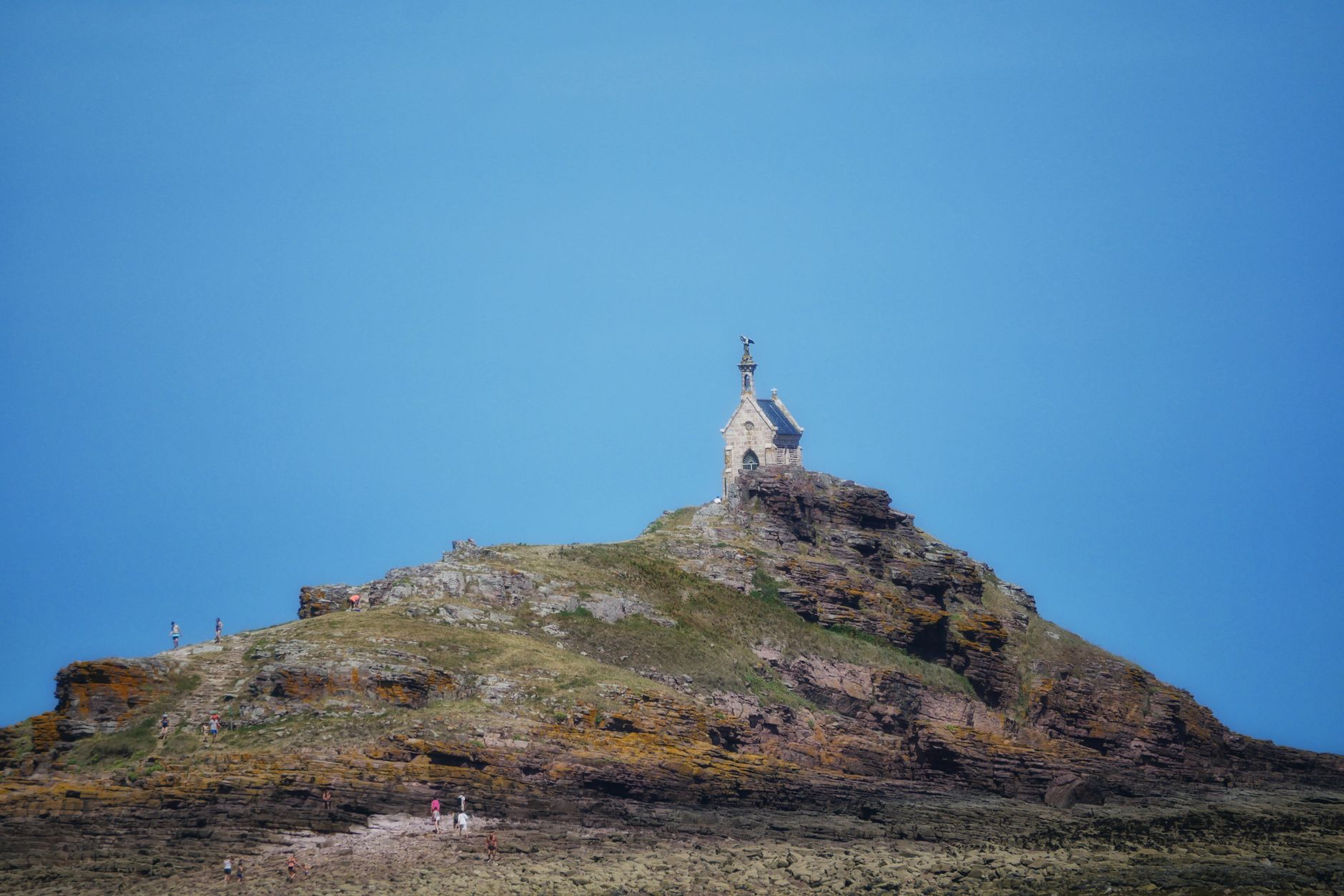
Perched precariously atop an 82-meter-high volcanic needle (neck) that shoots dramatically into the sky, this 10th-century Romanesque chapel is an architectural masterpiece of faith and engineering. Built in 969 to celebrate the return from the Santiago de Compostela pilgrimage, it is reached by climbing 268 stone steps carved directly into the rock face. The interior features delicate medieval frescoes and an intimate, prayerful ambiance that rewards every step of the steep climb. From the summit terrace, visitors are treated to sweeping views over the terracotta rooftops of Le Puy-en-Velay and the surrounding river basin.

9:00 AM – 7:00 PM (Summer), hours vary in winter
Admission: €5.50
Insider Tip: Visit early in the morning to beat the midday heat and climbing congestion on the narrow stone staircase.
Area Guide

Where to Stay & Best Neighborhoods

Clermont-Ferrand Historic Center

Best for: History buffs, architecture lovers, museum-goers, and food enthusiasts.

Vibe: Vibrant urban energy, striking black lava architecture, lively café culture, and student life.

Walking through the historic core of Clermont-Ferrand feels like stepping into a gothic fantasy carved from volcanic rock. The twin spires of the Cathédrale Notre-Dame-de-l'Assomption pierce the sky, built entirely from dark Volvic stone that gives the city a moody yet majestic character. Paneled streets wind past Renaissance townhouses, bustling squares filled with outdoor terraces, and the lively Place de la Victoire, where locals gather over espresso or local aperitifs.

Le Puy-en-Velay Old Town

Best for: Pilgrims, photographers, hikers, and medieval history enthusiasts.

Vibe: Dramatic volcanic needle formations, pilgrimage crossroads, ancient stairways, and spiritual serenity.

Le Puy-en-Velay is a visual marvel where human architecture clings precariously to towering volcanic plugs rising dramatically from the valley floor. The neighborhood is an intricate maze of steep, cobblestone medieval lanes lined with lace-maker boutiques and centuries-old stone residences. The crowning jewels are the cliff-perched Chapelle Saint-Michel d'Aiguilhe and the monumental cathedral, marking the historic starting point for the famous Camino de Santiago pilgrimage route.

The Sancy Massif & Mont-Dore Valley

Best for: Nature lovers, hikers, skiers, and wellness seekers.

Vibe: Alpine wilderness, rushing glacial streams, dense pine forests, and quiet thermal hamlets.

This upland valley region is the roof of the Auvergne, centered around the highest peak in the Massif Central, Puy de Sancy. The neighborhood encompasses picturesque mountain villages, cascading waterfalls like the Cascade de Queuille, and high-altitude grazing pastures where Salers cattle roam freely. It is an area defined by fresh mountain air, quiet rural roads, and direct access to some of the most dramatic volcanic ridge walks in France.

Food & Drink Scene

What to Eat in Auvergne

Truffade

A deeply comforting and rustic mountain dish made from thin slices of potato sautéed slowly in garlic and goose fat or lard, then bound together with fresh, unripened Cantal cheese (tomme fraîche) until it melts into a rich, stretchy, golden masterpiece. Originating from the peasant kitchens of the high plateaus, it is traditionally served with crisp green salad and local cured ham.

🍴 Top spot: Auberge de la Toma in Saint-Genès-Champanelle

Pounti

A unique and delicious Auvergnat specialty that bridges the gap between sweet and savory. It is a savory cake or terrine made from a batter of flour, eggs, and milk, generously packed with minced pork, Swiss chard or spinach, herbs, and occasionally prunes for a subtle touch of sweetness. Baked until golden, it is served warm or sliced cold as a hearty countryside picnic staple.

🍴 Top spot: Restaurant Le Pré in Clermont-Ferrand

Aligot

Though sharing regional roots with neighboring Aubrac, this legendary potato and cheese purée is beloved across Auvergne. Crafted by vigorously working fresh tomme cheese into hot mashed potatoes with garlic and cream until it achieves an impossibly smooth, elastic, ribbon-like consistency that can be stretched high into the air.

🍴 Top spot: L'Ostal in Clermont-Ferrand
Excursions

Best Day Trips from Auvergne

The Castles and Gorges of the Haute-Loire

1 hour by car from Le Puy-en-Velay

Explore the dramatic gorges of the Allier River and visit breathtaking architectural landmarks such as the fortress of Château de Chavaniac-Lafayette (birthplace of the Marquis de Lafayette) and the cliffside medieval village of Alleyras.

Vulcania and the Northern Puys

30 minutes by car from Clermont-Ferrand

Discover Europe's premier volcano theme park and educational center, Vulcania, where interactive exhibits, simulator rides, and guided geological tours bring the fiery birth of the Earth to life. Combine with a scenic drive around the pristine volcanic crater lakes of Gour de Tazenat.

When to Go

Best Time to Visit & Seasonality

Editor’s Pick: The ideal time to visit Auvergne is from late spring (May to June) through early autumn (September to October). During these months, the weather is pleasantly mild for outdoor exploration, wildflowers carpet the volcanic plateaus in spring, and the autumn foliage paints the forests in breathtaking shades of amber and rust. July and August bring warmer weather and lively local festivals, but also higher numbers of domestic tourists, particularly around major natural sites like Puy de Dôme.

Spring Overview

(April to June)
Quiet / Low Season
Average Temperature & Climate10°C to 20°C (50°F to 68°F)

Refreshing and changeable with blooming flora and occasional afternoon rain showers.

Crowd & Travel ConditionsLow Tourist Traffic

Fewer lines and better deals.

✨ Seasonal Highlights:Witnessing the vibrant green resurgence of the volcanic hillsides and spring wildflowers.
Travel Smarter

Practical Travel Essentials

CurrencyEUR (€)
LanguageFrench
Time ZoneCentral European Time (CET, UTC+1 / CEST, UTC+2)

Visa & Entry

Auvergne is part of France and the Schengen Area. Travelers from the US, Canada, Australia, and the UK do not need a visa for tourist stays up to 90 days.

Getting Around & Transit

Renting a car is essential for exploring Auvergne thoroughly, as public transportation between rural villages and natural parks is limited. Regional trains and buses connect major hubs like Clermont-Ferrand and Le Puy-en-Velay.

Daily Budget Expectation

€80 - €180 per day depending on accommodation style, dining choices, and car rental splits.

Safety & Health

High. Auvergne is an exceptionally safe region with low crime rates. Standard precautions apply against petty theft in crowded urban areas.

Local Etiquette & Customs

Always greet shopkeepers and locals with a polite 'Bonjour' (or 'Bonsoir' after 6 PM) before asking questions or making purchases. Tipping is not mandatory as service is included in restaurant bills, but leaving a small cash tip for good service is appreciated.

Questions & Answers

Frequently Asked Questions about Auvergne

Yes, renting a car is highly recommended. While trains and buses connect larger cities like Clermont-Ferrand, the true beauty of Auvergne lies in its remote volcanic peaks, rural villages, and natural parks that are largely inaccessible via public transit.