🌟 Best in Travel 2026 is here!
Bavaria
regionEurope
4.92 / 5.0

Bavaria

Where fairy-tale castles, alpine peaks, and centuries-old beer traditions weave a timeless spell.

Advertisement
Editorial Guide

About Bavaria

Bavaria (Bayern) stands as Germany's largest, most culturally distinct, and arguably most enchanting federal state, stretching from the northern Franconian wine country to the jagged, snow-capped peaks of the High Alps along the Austrian border. Its history is an epic tapestry of Celtic roots, Roman outposts, medieval merchant empires, and the eccentric architectural dreams of monarchs like King Ludwig II. The atmosphere shifts seamlessly from the bustling, beer-stein-clinking beer halls of Munich to the serene, misty mornings over alpine lakes like Königsee and the quiet cobblestones of walled medieval time capsules like Rothenburg ob der Tauber.

Culturally, Bavarians fiercely protect their regional identity—known locally as 'Gemütlichkeit,' a cozy sense of warmth, belonging, and unhurried celebration. Traditional dirndls and lederhosen are not merely costumes for tourists, but cherished attire worn proudly at festivals, church services, and Sunday family gatherings. The landscape is a geographic masterpiece, featuring the brooding majesty of the Black Forest's spiritual cousin, the Bavarian Forest, the shimmering blue expanses of the Fünfseenland (Five Lakes Region), and the dramatic limestone ramparts of the Wetterstein mountains.

Geographically and economically, Bavaria is a powerhouse that has mastered the balance between ultra-modern industrial innovation—anchored by automotive and aerospace giants in Munich and Nuremberg—and preservation of pastoral heritage. Onion-domed baroque churches punctuate rolling green hills where dairy cows graze with heavy cowbells chiming in the crisp breeze. Along the famous Romantic Road, travelers encounter walled towns that have survived centuries of conflict virtually unchanged, offering a portal straight into the Holy Roman Empire.

Local life revolves around community, seasonal rhythms, and the culinary trinity of pork roast, dumplings, and world-class lager. Whether you are scaling the heights of the Zugspitze, Germany’s highest peak, exploring the opulent, gilded halls of Herrenchiemsee Palace, or sitting beneath ancient chestnut trees in a sun-dappled Munich beer garden, Bavaria offers an immersive sensory journey that feels profoundly rooted in an older, more romantic European epoch.

Visual Impressions & Moments

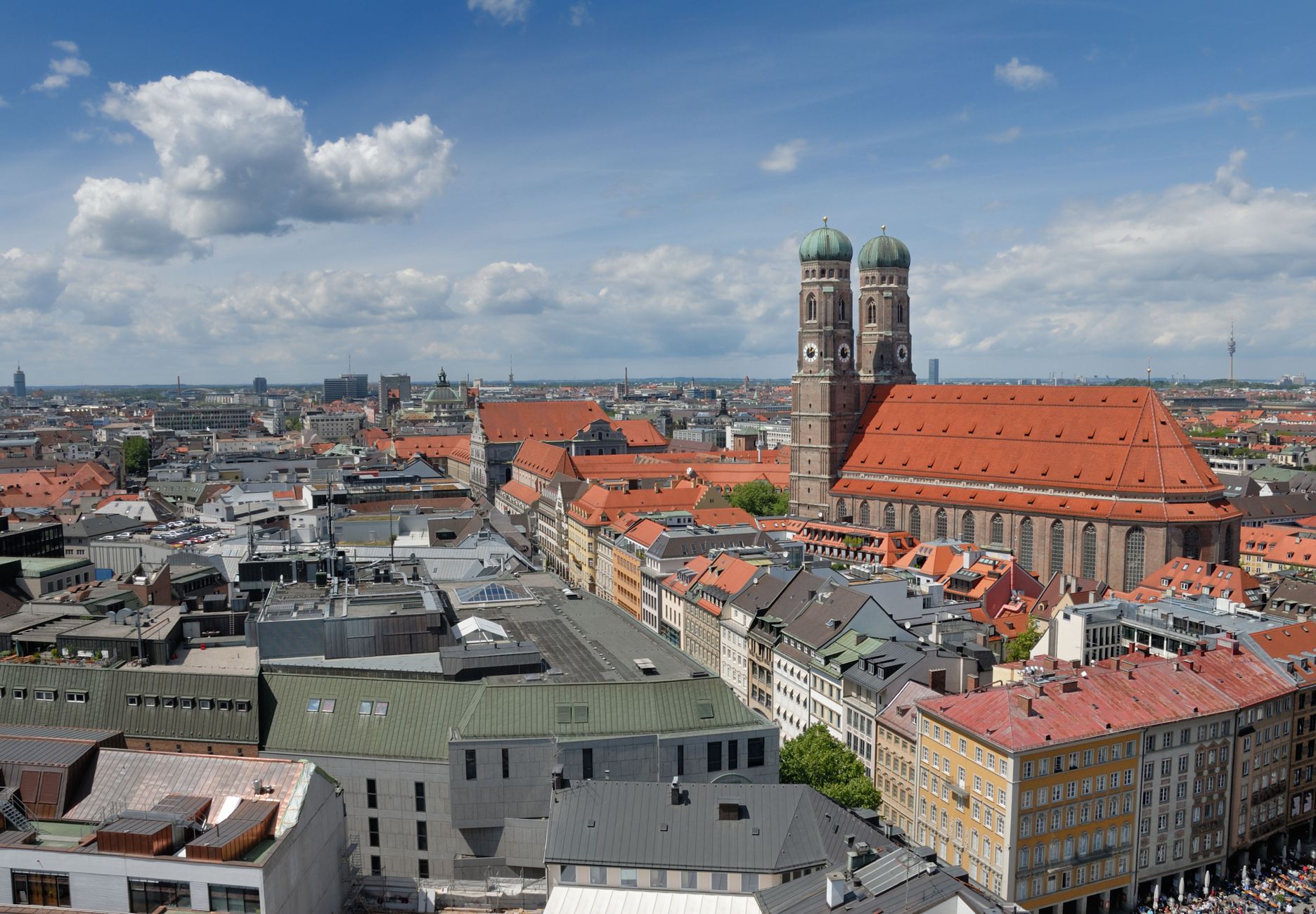
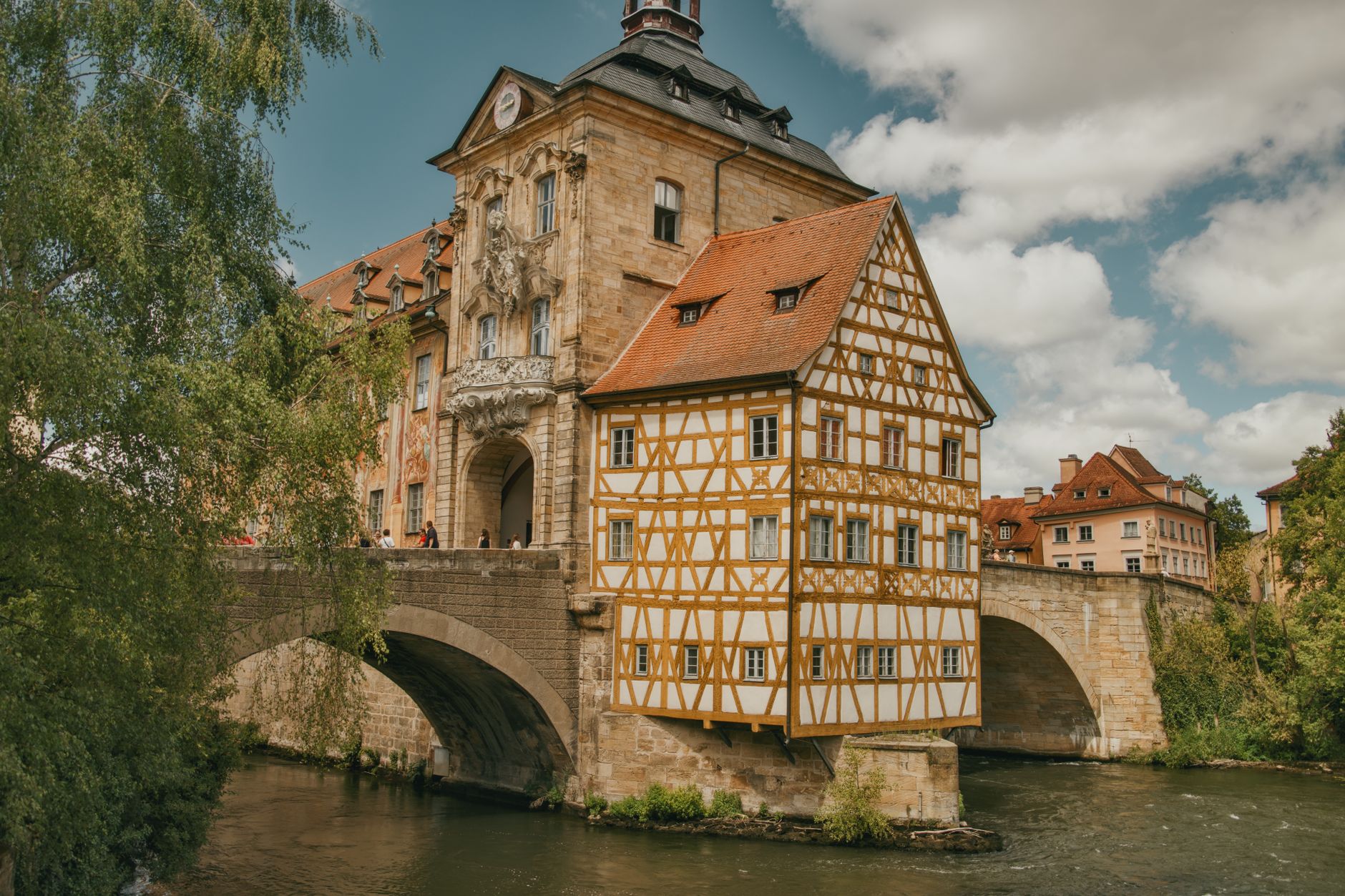
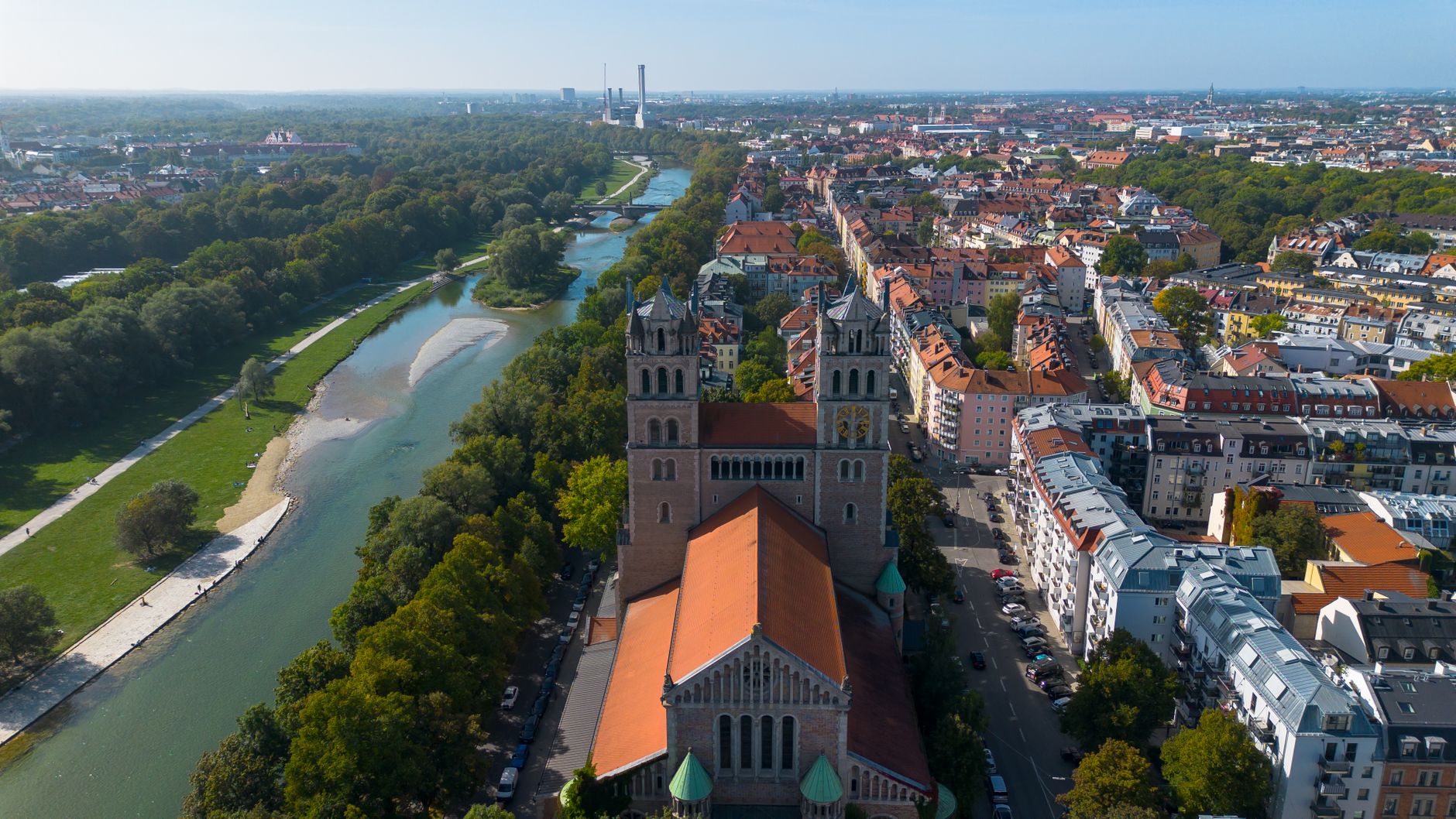
Bavaria photo 1
Bavaria photo 2
Bavaria photo 3
Bavaria photo 4
Bavaria photo 5
Bavaria photo 6
Unmissable Moments

Top Things to Do in Bavaria

Must-Do

Explore the Fantasy of Neuschwanstein Castle at First Light

Perched dramatically on a rugged precipice above the gorge of the Pöllat River, King Ludwig II’s masterpiece inspired Disney and countless imaginations. Beat the tour buses by arriving at sunrise to catch the morning mist rolling over Hohenschwangau valley, and walk up to Queen Mary's Bridge (Marienbrücke) for the definitive panoramic view before exploring the lavishly painted, neo-romanesque royal apartments inside.

Culture

Sip Kellerbier Under Chestnut Trees at Munich's English Garden

Join locals in the world's quintessential beer culture experience at the Chinesischer Turm or Seehaus beer gardens in Munich's sprawling English Garden. Order a Maß (liter) of Helles and a fresh pretzel, watch the river surfers carve waves on the Eisbachwelle nearby, and soak in the communal, convivial spirit of Gemütlichkeit.

Adventure

Hike the Dramatic Gorge and Alpine Trails of Partnachklamm

Venture into the limestone wonderland near Garmisch-Partenkirchen where the Partnach River has carved a jaw-dropping, roaring canyon through sheer rock walls. Walk along the secure tunnels and pathways cut directly into the cliffside, listening to thundering waterfalls and gazing up at towering alpine pines.

Scenic

Journey Back in Time Along the Romantic Road (Romantische Straße)

Drive or cycle the historic 350-kilometer route from Würzburg to Füssen, passing through immaculately preserved medieval walled towns like Rothenburg obder Tauber and Dinkelsbühl. Wander along ancient ramparts, timber-framed squares, and Gothic cathedrals that feel untouched by the modern world.

Must-See Highlights

Top Places & Things to Do in Bavaria

Curated attractions and cultural landmarks with local insider advice.

Neuschwanstein Castle
culture
4.7

Neuschwanstein Castle

Commissioned by King Ludwig II in 1869 as a romanticized tribute to Richard Wagner and medieval knightly myths, Neuschwanstein is the archetype of fairy-tale architecture. Perched dramatically amidst alpine peaks, its soaring white limestone towers and opulent throne room captivate millions of visitors annually. Inside, the castle reveals a fascinating blend of technological marvels for its era—including central heating and running water—alongside lavish murals depicting Wagnerian operas and German sagas. The interior tour guides visitors through the singer's hall, the grotto, and the king's private bedroom, offering a glimpse into the tragic, romantic psyche of the 'Mad King.'

Daily 9:00 AM - 6:00 PM (April-October), 10:00 AM - 4:00 PM (November-March)
Admission: €18
Insider Tip: Tickets must be booked online weeks in advance; walk-up tickets at the ticket center in Hohenschwangau sell out early every morning.
Zugspitze
nature
4.9

Zugspitze

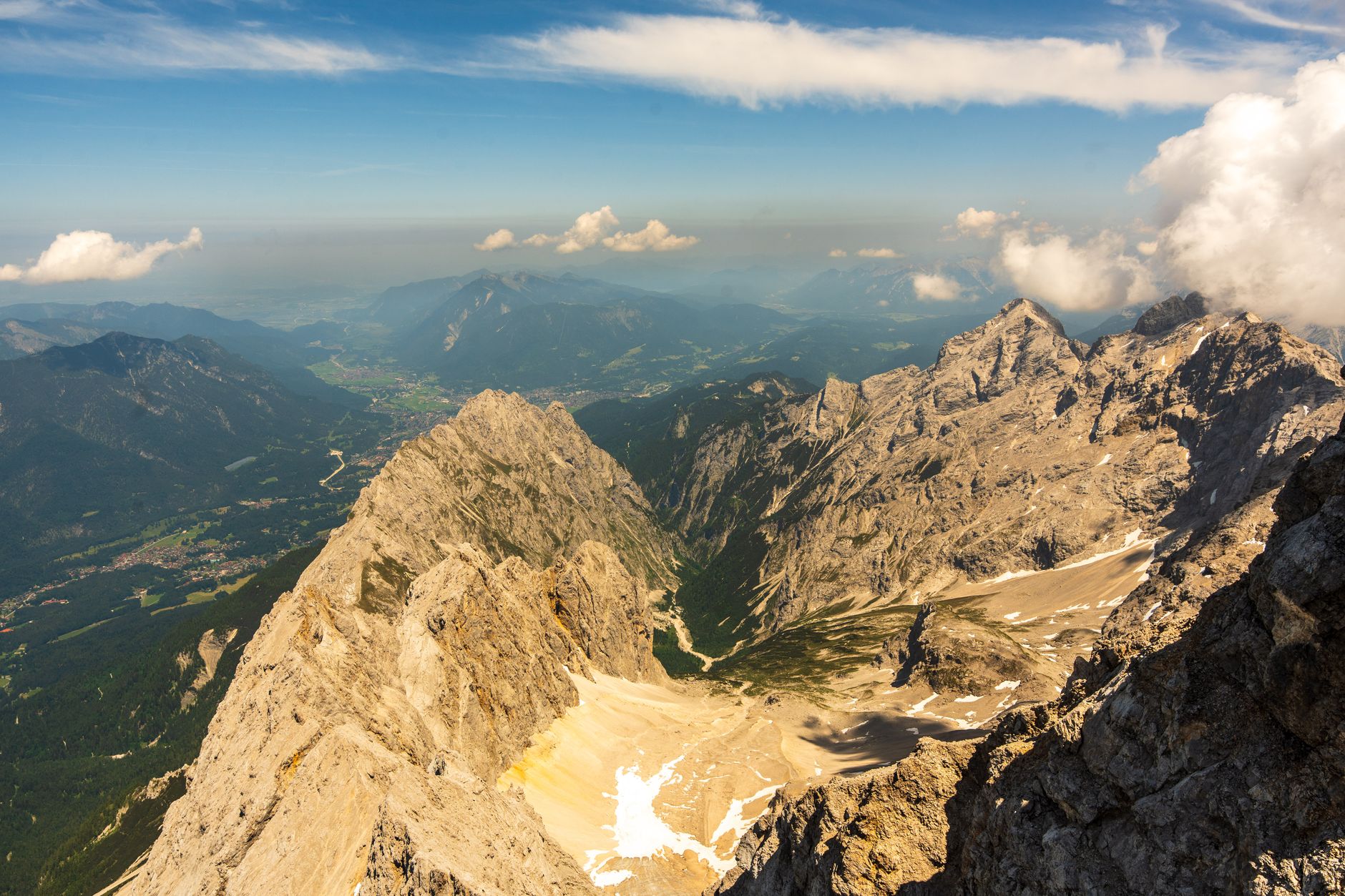
At 2,962 meters (9,718 feet) above sea level, the Zugspitze is Germany's highest peak, offering breathtaking, panoramic vistas across the alpine ranges of four countries: Germany, Austria, Italy, and Switzerland. Accessible via a modern cable car and cogwheel train, the summit features high-altitude restaurants, interactive exhibitions, and year-round snow. On a clear day, the horizon reveals over 400 mountain peaks. Visitors can explore the glacier plateau via easy walking paths in summer or experience glacier skiing and winter wonderland magic during the colder months.

Daily 8:30 AM - 4:45 PM
Admission: €68 (Round-trip cable car/train)
Insider Tip: Weather at the summit changes rapidly; check the live webcam before heading up and dress in warm layers even in summer.
Rothenburg ob der Tauber Town Walls
culture
4.9

Rothenburg ob der Tauber Town Walls

Enclosing the medieval old town of Rothenburg, these exceptionally well-preserved 14th-century fortifications offer an immersive step back into the Middle Ages. Visitors can walk along the covered wooden ramparts that stretch for nearly 2.5 kilometers, protected by numerous watchtowers and arched stone gates. Walking the wall provides unique overhead perspectives into private residential gardens, ancient courtyards, and the rolling green valleys of the Tauber River below. Many of the historic towers still bear plaques honoring international donors who helped restore the city after World War II damage.

Open 24/7
Admission: Free
Insider Tip: Visit during golden hour just before sunset when the stone walls and tiled roofs glow warmly in the fading light, and crowds disperse.
Area Guide

Where to Stay & Best Neighborhoods

Altstadt-Lehel (Munich)

Best for: First-time visitors, architecture enthusiasts, and museum lovers.

Vibe: Historic grandeur, bustling pedestrian plazas, royal palaces, and luxury shopping.

Encompassing the historic heart of Munich, Altstadt-Lehel is bounded by the remnants of medieval fortification walls. Stroll through the massive Marienplatz to witness the Glockenspiel chime, explore the sprawling indoor food market at Viktualienmarkt, and marvel at the breathtaking interior of the Asamkirche.

Garmisch & Partenkirchen

Best for: Outdoor adventurers, winter sports enthusiasts, and mountain hikers.

Vibe: Alpine village charm, frescoed Lüftlmalerei houses, and dramatic mountain backdrops.

Originally two distinct towns that merged for the 1936 Winter Olympics, this twin-town settlement retains distinct traditional character. Historic cobblestone lanes feature houses adorned with intricate religious and mythological murals, while cable cars whisk visitors directly up to Germany's highest summit.

Rothenburg ob der Tauber Altstadt

Best for: Romantic getaways, history buffs, and photography enthusiasts.

Vibe: Fairytale medieval perfection, timber-framed houses, and lantern-lit cobblestone streets.

A living museum of the Middle Ages, this completely walled old town sits high above the Tauber River. Walking the top of the covered town wall provides sweeping views of tiled rooftops and orchards, while the inner alleys house traditional sweet shops and year-round Christmas stores.

Food & Drink Scene

What to Eat in Bavaria

Schweinshaxe (Roasted Pork Knuckle)

A legendary Bavarian delicacy featuring a massive pig knuckle roasted for hours until the outer skin achieves an ear-shattering, glass-like crunch while the meat inside remains meltingly tender and juicy. Traditionally served with dark beer gravy, a potato dumpling (Knödel), and sauerkraut.

🍴 Top spot: Hofbräuhaus, Munich

Weisswurst & Brezn (White Sausage & Pretzel)

The quintessential Bavarian breakfast, consisting of minced veal and pork spiced with parsley, lemon, and mace. Traditionally eaten before noon alongside a soft, lye-glazed pretzel (Brezn), sweet Bavarian mustard (Händlmaier), and a refreshing Weissbier.

🍴 Top spot: Wirtshaus in der Au, Munich

Nürnberger Rostbratwürste

Tiny, finger-sized pork sausages seasoned with marjoram, dating back to the early 14th century. Grilled over beechwood fires, they are traditionally served in sets of six or twelve on a pewter plate with sauerkraut, potato salad, and freshly grated horseradish.

🍴 Top spot: Bratwurstglöcklein, Nuremberg
Excursions

Best Day Trips from Bavaria

Herrenchiemsee Palace & Lake Chiemsee

1 hour by train from Munich plus a 15-minute ferry

Take a ferry across the shimmering 'Bavarian Sea' (Lake Chiemsee) to Herren Island, where King Ludwig II built his extravagant, mirror-filled replica of Versailles as a monument to absolute monarchy. Explore the opulent state rooms and the stunning formal gardens with ornate fountains.

Nuremberg Imperial Castle & Historic Old Town

1 hour by high-speed ICE train from Munich

Discover Bavaria’s second-largest city, a place of profound historical complexity. Walk up to the imposing Kaiserburg (Imperial Castle), explore the sprawling medieval market square where the Christkindlesmarkt takes place, and visit the Documentation Center Nazi Party Rally Grounds for sobering historical context.

When to Go

Best Time to Visit & Seasonality

Editor’s Pick: May through September offers the finest weather for hiking, swimming in alpine lakes, and enjoying open-air beer gardens. September and October are especially magical for experiencing the golden autumn foliage and the world-famous Oktoberfest in Munich.

Spring Overview

(April - May)
Quiet / Low Season
Average Temperature & Climate8°C to 18°C (46°F to 64°F)

Blooming meadows, crisp mountain air, and occasional April showers.

Crowd & Travel ConditionsLow Tourist Traffic

Fewer lines and better deals.

✨ Seasonal Highlights:Franchian orchard blossoms, spring beer festivals (Starkbierzeit), and fewer crowds at major palaces.
Travel Smarter

Practical Travel Essentials

CurrencyEUR (€)
LanguageGerman (Bavarian dialect widely spoken)
Time ZoneCentral European Time (UTC+1, UTC+2 in summer)

Visa & Entry

Bavaria is part of Germany and the Schengen Area. Citizens of the US, Canada, Australia, UK, and EU do not require a visa for short-term tourist stays up to 90 days.

Getting Around & Transit

Bavaria features an exceptional public transit network. The Deutsche Bahn regional trains and the Bayern-Ticket allow affordable, unlimited day travel across regional trains for individuals and groups. Renting a car is ideal for exploring rural alpine roads and the Romantic Road.

Daily Budget Expectation

€100 - €250 per day, covering a mix of mid-range hotel accommodation, traditional tavern meals, public transit or car rental, and major sightseeing admissions.

Safety & Health

Bavaria is one of the safest regions in Europe with very low rates of violent crime. Standard precautions against pickpocketing should be taken in crowded tourist areas and train stations.

Local Etiquette & Customs

Always greet shopkeepers and servers with 'Grüß Gott' (in Bavaria) or 'Guten Tag'. Tipping around 5% to 10% in restaurants is customary by rounding up the bill or leaving cash on the table; never leave tips on credit cards.

Questions & Answers

Frequently Asked Questions about Bavaria

No! Despite its name, Oktoberfest almost entirely takes place in September. It traditionally begins in mid-September and runs for about 16 to 18 days, concluding on the first Sunday in October.