🌟 Best in Travel 2026 is here!
Blue Ridge Parkway
regionNorth America
4.95 / 5.0

Blue Ridge Parkway

America's favorite drive winding through the majestic, mist-veiled Appalachian Highlands.

Advertisement
Editorial Guide

About Blue Ridge Parkway

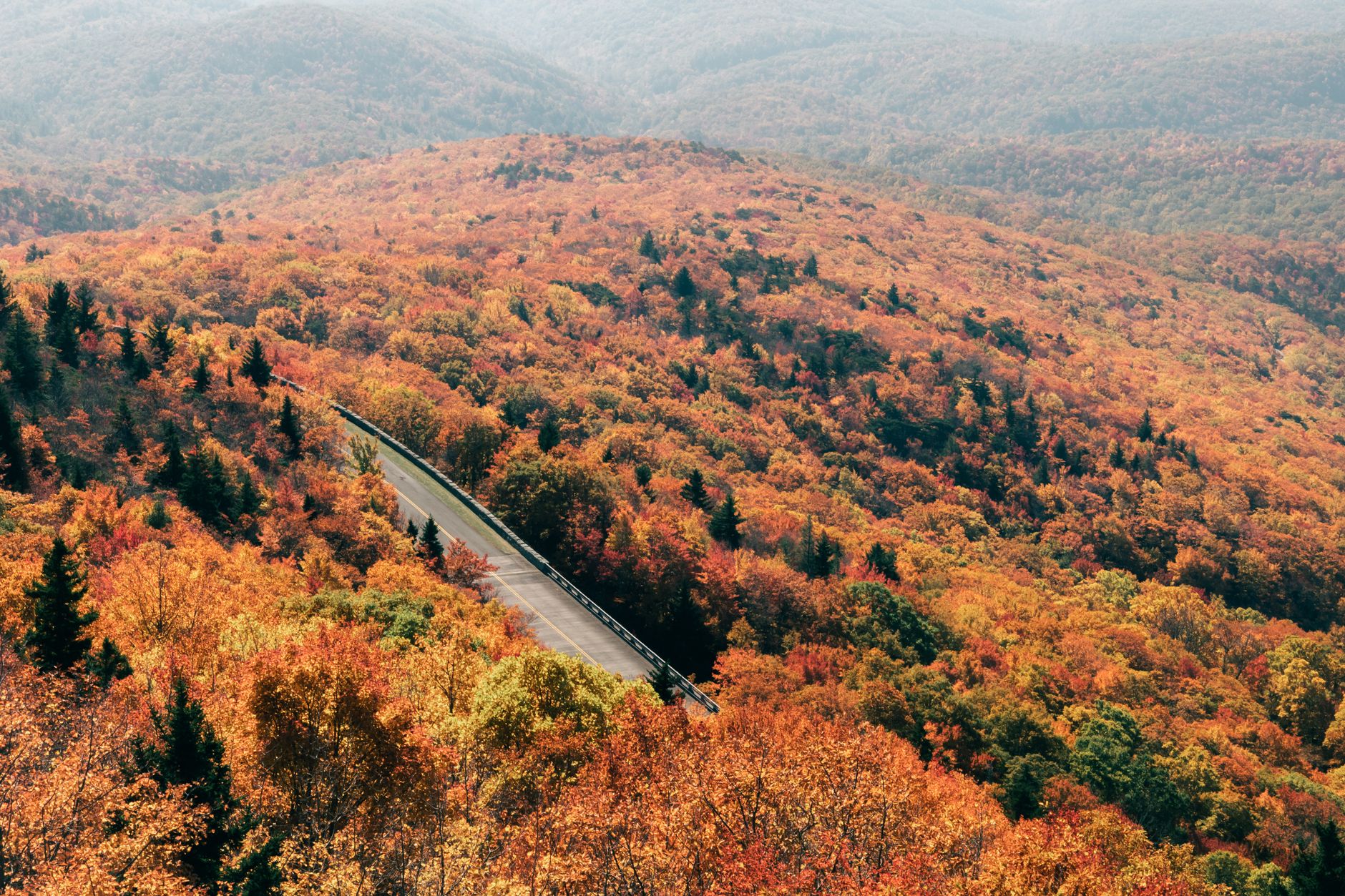
Winding 469 miles through the rugged spine of the Southern Appalachian Mountains, the Blue Ridge Parkway is a masterpiece of scenic engineering. Conceived during the Great Depression and slowly brought to life over five decades, this legendary road connects Shenandoah National Park in Virginia to the Great Smoky Mountains National Park in North Carolina. It was designed not merely as a transit route, but as a slow-paced visual journey where every curve reveals a new masterpiece of folded blue ridges, deep green valleys, and cascading waterfalls. The atmosphere here is defined by a serene, timeless quiet, occasionally pierced by the call of a hawk or the rustle of black bears roaming through dense oak and pine forests.

Culturally, the Parkway serves as a living museum of Appalachian heritage. The region is rich in traditional crafts, old-time mountain music, and folkways preserved by generations of resilient families who carved out lives in these isolated hollows. Historic log cabins, working gristmills, and stone fences dot the rolling hillsides, reminding travelers of a simpler, yet deeply demanding era. Communities along the corridor proudly celebrate their roots through storytelling, intricate basket weaving, and haunting fiddle tunes that echo the spirit of the mountains.

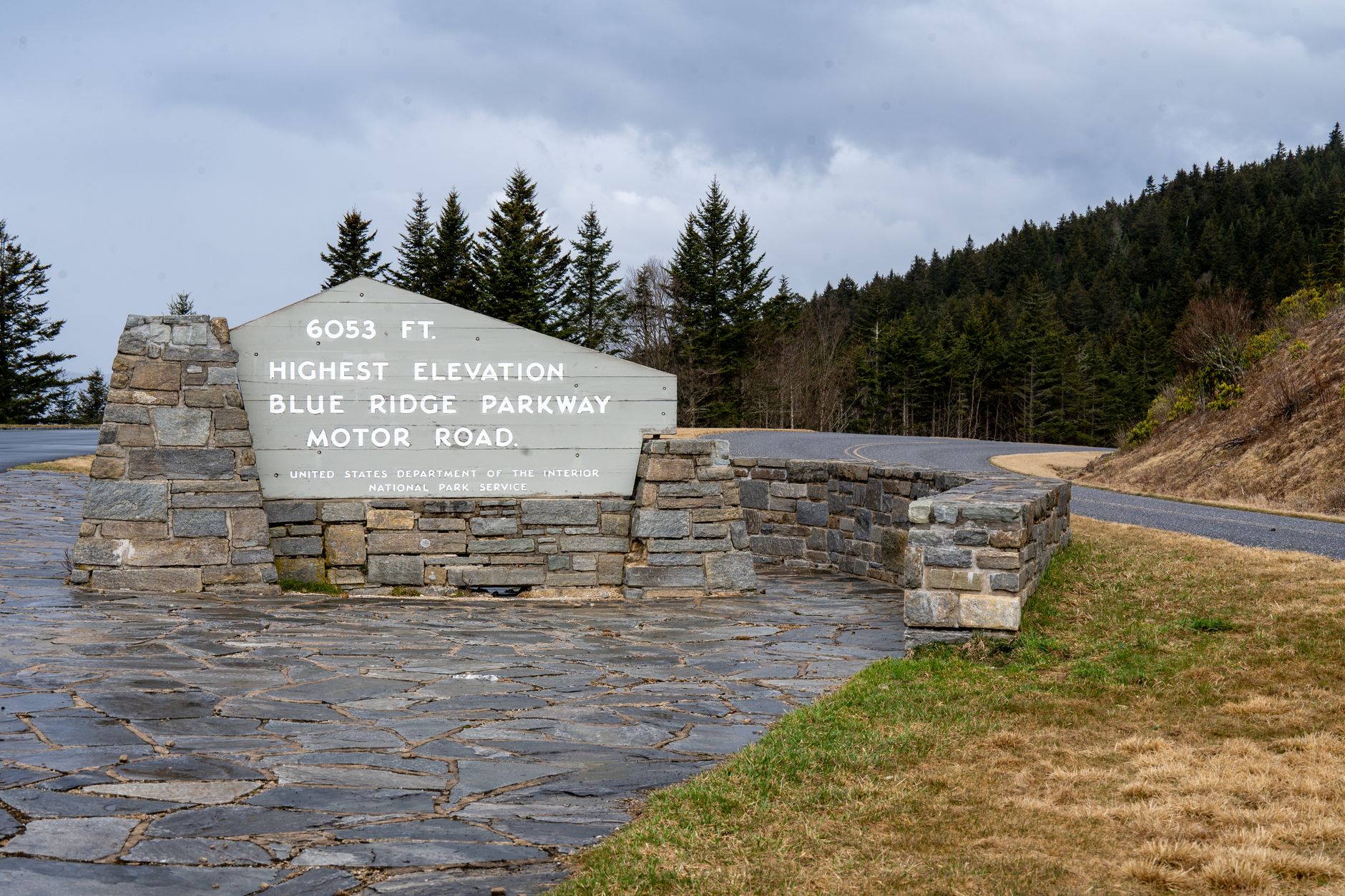
Geographically, the Parkway is a diverse ecological wonderland, boasting some of the oldest mountains on Earth. Elevations range from just under 650 feet at the James River in Virginia to a staggering 6,053 feet at Richland Balsam in North Carolina, creating a mosaic of microclimates akin to traveling from the American South to the Canadian boreal forest in a matter of hours. This dramatic vertical relief supports an astonishing variety of flora and fauna, from flame azaleas and delicate mountain orchids to soaring peregrine falcons and herds of elk.

Life along the Blue Ridge Parkway moves at the gentle, deliberate pace of a winding two-lane blacktop with a strict 45 mph speed limit. There are no commercial billboards, no frantic rush, and very little cellular service, forcing travelers to disconnect from the modern digital world and reconnect with the natural rhythms of the earth. Whether you are stopping at a rustic overlook to watch the sunset paint the sky in shades of violet and gold, or pulling into a historic lodge for a warm cup of chicory coffee, the Parkway offers a deeply restorative pilgrimage into the wild heart of America.

Visual Impressions & Moments
Blue Ridge Parkway photo 1
Blue Ridge Parkway photo 2
Blue Ridge Parkway photo 3
Blue Ridge Parkway photo 4
Blue Ridge Parkway photo 5
Blue Ridge Parkway photo 6
Unmissable Moments

Top Things to Do in Blue Ridge Parkway

Must-Do

Drive the Entire 469 Miles from Shenandoah to Great Smoky Mountains

Embark on the ultimate American road trip, traversing the entire length of the Parkway over 4 to 7 days. Take your time stopping at historic overlooks, hiking short spurs to dramatic crags, and sampling local cuisine in gateway mountain towns. Timing your drive to catch the golden hour over the Linn Cove Viaduct is an absolute rite of passage. Insider tip: Keep your gas tank full, as fuel stations are not located directly on the Parkway.

Adventure

Hike to the Summit of Grandfather Mountain via the Profile Trail

Test your stamina and nerve on one of North Carolina's most iconic peaks. The hike takes you through dense spruce-fir forests and up rocky scrambles to panoramic vantage points where you can see for miles across the Piedmont and Blue Ridge provinces. Crossing the Mile High Swinging Bridge near the summit offers a heart-pounding reward. Insider tip: Start early in the morning to beat the afternoon cloud cover and potential thunderstorms.

Culture

Experience Traditional Appalachian Music at the Blue Ridge Music Center

Immerse yourself in the soulful sounds of banjo, fiddle, and acoustic guitar at this outdoor amphitheater and indoor museum located near Galax, Virginia. Learn about the roots of American bluegrass and old-time music, and join local pickers during casual weekend jam sessions on the porch. Insider tip: Bring a lawn chair and a light jacket, as evening temperatures drop quickly in the high mountain air.

Scenic

Witness Sunrise at Mount Mitchell, the Highest Point East of the Mississippi

Rise well before dawn and drive up to the 6,684-foot summit of Mount Mitchell. Standing above a sea of swirling morning clouds as the first rays of sun ignite the sky in fiery orange and pink is a deeply spiritual experience. Insider tip: Temperatures at the summit can be up to 20 degrees cooler than the surrounding valleys, so pack a heavy fleece even in mid-summer.

Must-See Highlights

Top Places & Things to Do in Blue Ridge Parkway

Curated attractions and cultural landmarks with local insider advice.

Linn Cove Viaduct
nature
4.9

Linn Cove Viaduct

An engineering marvel that snakes gracefully around the rugged flanks of Grandfather Mountain. Completed in 1987 as the final link of the Blue Ridge Parkway, this 1,243-foot concrete segment bridge was meticulously designed to preserve the delicate boulder fields and fragile alpine vegetation beneath it. Driving across its sweeping curve offers a thrilling sensation of floating above the dense forest canopy. Pedestrians can access the adjacent Tanawha Trail to walk beneath the viaduct and marvel at the massive precast concrete segments held together by internal steel tendons. It is one of the most photographed spots on the entire east coast, especially when framed by autumn's brilliant orange and red foliage or dusted in a coat of crisp winter snow.

Open 24/7 (subject to seasonal weather closures)
Admission: Free
Insider Tip: Park at the Linn Cove Viaduct Visitor Center and walk the short, accessible path to the viewing platform for the classic photograph.
Craggy Gardens
nature
4.85

Craggy Gardens

Perched high along the crest of the Blue Ridge at an elevation of nearly 5,500 feet, Craggy Gardens is a windswept wonderland of gnarled trees, rocky outcroppings, and expansive meadows. In mid-to-late June, the area explodes into color when miles of native purple rhododendron bushes bloom across the mountainsides. The cool, misty microclimate often creates ethereal cloud inversions that leave visitors feeling as though they are walking above the sky. A network of hiking trails leads from the visitor center up to Craggy Pinnacle, where an observation shelter provides 360-degree views of the surrounding Pisgah National Forest. On exceptionally clear days, you can trace the folds of the mountains all the way to the horizon in every direction.

Open 24/7 (Visitor center open seasonally)
Admission: Free
Insider Tip: Bring a windbreaker even in summer; the high elevation and exposed ridgeline make it significantly cooler and windier than Asheville.
Moses H. Cone Memorial Park
culture
4.8

Moses H. Cone Memorial Park

Spanning 3,500 acres near Blowing Rock, this historic estate was once the summer home of textile entrepreneur Moses Cone. The property features 25 miles of wide, carriage trails lined by towering white pines and hemlocks, making it a premier destination for horseback riding, trail running, and leisurely woodland walks. At the center of the estate stands Flat Top Manor, a magnificent 23-room white colonial revival mansion. Today, the mansion serves as a Parkway Craft Center operated by the Southern Highland Craft Guild, where visitors can view and purchase authentic, juried Appalachian crafts including pottery, wood carving, and traditional textiles. The surrounding estate lakes offer peaceful fishing spots and serene reflections of the rolling High Country hills.

Park grounds open 24/7; Manor house open 9:00 AM – 5:00 PM
Admission: Free
Insider Tip: Hike up to the fire tower on Flat Top Mountain for sweeping views of Blowing Rock and Grandfather Mountain.
Mabry Mill
attraction
4.88

Mabry Mill

Perhaps the most iconic cultural landmark on the Blue Ridge Parkway, Mabry Mill is a testament to early 20th-century mountain ingenuity. Built by Ed Mabry over a period of several years starting in 1910, this historic gristmill is powered by a wooden water wheel and features a fully functioning flour and corn mill, a blacksmith shop, and a nearby wheelwright shop. Mabry was a self-taught machinist who also rigged up a sawmill and even a loom to make fabric. Surrounded by split-rail fences, tranquil ponds, and apple orchards, the mill captures the rustic charm of rural Appalachian life. Visitors can tour the historic structures, watch spinning and weaving demonstrations during summer months, and dine on traditional buckwheat pancakes at the adjacent restaurant.

Grounds open 24/7; Mill restaurant and gift shop open seasonally 8:00 AM – 5:00 PM
Admission: Free
Insider Tip: Arrive early in the morning during autumn to catch the mist rising off the millpond and avoid the midday tour buses.
Area Guide

Where to Stay & Best Neighborhoods

Asheville & The French Broad River Valley

Best for: Foodies, craft beer lovers, art collectors, and culture seekers

Vibe: Bohemian, artistic, culinary-focused mountain metropolis

Serving as the cultural heartbeat of the Southern Blue Ridge, Asheville offers a vibrant contrast to the remote wilderness of the Parkway. Historic brick architecture houses world-class farm-to-table restaurants, independent bookstores, and eclectic art galleries. The nearby River Arts District showcases hundreds of working studios, while the legendary Biltmore Estate provides a glimpse into Gilded Age opulence.

Boone & Blowing Rock

Best for: Outdoor adventurers, families, and boutique shoppers

Vibe: Historic, collegiate, alpine-village charm

Nestled in North Carolina's High Country, the twin communities of Boone and Blowing Rock are framed by rugged peaks and rushing trout streams. This area is a hub for outdoor recreation, featuring world-class rock climbing, skiing at Appalachian Ski Mountain, and quaint downtown main streets lined with artisan shops, cozy cafes, and Appalachian antique stores.

Roanoke & The Roanoke Valley

Best for: History enthusiasts, casual travelers, and museum-goers

Vibe: Railroad heritage, urban convenience meets mountain wilderness

Located in Virginia, Roanoke is known as the 'Star City of the South' due to its iconic mountainside illuminated star. The city serves as a convenient gateway to the northern sections of the Parkway, offering rich railway history, the Taubman Museum of Art, and immediate access to outdoor gems like McAfee Knob on the nearby Appalachian Trail.

Food & Drink Scene

What to Eat in Blue Ridge Parkway

Appalachian Biscuits and Sausage Gravy

A quintessential mountain breakfast staple consisting of towering, flaky buttermilk biscuits smothered in a rich, peppery pan-sausage gravy made from local pork drippings. It is hearty, comforting fuel designed to sustain loggers, farmers, and modern hikers alike.

🍴 Top spot: Themaston General Store & Cafe (near Parkway Milepost 170)

Mountain Trout (Pan-Fried or Smoked)

Sourced from the cold, crystalline streams and hatcheries of the Blue Ridge, local rainbow and brook trout are typically cornmeal-dusted and pan-fried to golden perfection, offering a delicate, sweet flavor profile.

🍴 Top spot: Pisgah Inn Restaurant (Milepost 408.6)

Green Bean Leather Britches & Cornbread

A traditional mountain preservation method where green beans are strung and dried, then rehydrated and slow-cooked with cured bacon, served alongside freshly baked cast-iron cornbread and local molasses.

🍴 Top spot: The Dillard House (A short drive from southern Parkway terminals)
Excursions

Best Day Trips from Blue Ridge Parkway

The Biltmore Estate & Antler Hill Village

15 minutes from Asheville Parkway exits

Explore America's largest private home, built by George Vanderbilt in the late 19th century. Tour the 250-room French Renaissance chateau, stroll through manicured formal gardens designed by Frederick Law Olmsted, and enjoy wine tastings at the estate winery.

Great Smoky Mountains National Park

Directly accessible at the southern terminus of the Parkway

Venture into America's most visited national park, where you can hike to breathtaking lookouts like Clingmans Dome, search for wild elk in the Oconaluftee River Valley, and explore preserved historic log buildings in Cades Cove.

When to Go

Best Time to Visit & Seasonality

Editor’s Pick: May through October offers the most favorable conditions. Spring (May-June) brings a riot of wildflowers and lush green canopies, while Autumn (mid-September to late October) dazzles with world-renowned fall foliage.

Spring Overview

(April - June)
Moderate
Average Temperature & Climate45°F to 70°F (7°C to 21°C)

Mild, crisp mornings turning to warm afternoons, with frequent mountain showers.

Crowd & Travel ConditionsModerate Tourist Traffic

Fewer lines and better deals.

✨ Seasonal Highlights:Rhododendron and flame azalea blooms, roaring waterfalls from spring snowmelt, and active wildlife.
Travel Smarter

Practical Travel Essentials

CurrencyUSD ($)
LanguageEnglish
Time ZoneEastern Time (ET)

Visa & Entry

Standard United States entry requirements apply for international visitors (ESTA or Visa).

Getting Around & Transit

A personal or rental car is essential, as there is no public transportation along the Parkway. Cell service is extremely limited; download offline maps before starting your journey.

Daily Budget Expectation

$150 - $300 USD per day for mid-range lodging, meals, and gas.

Safety & Health

Very safe regarding crime, but exercise caution regarding wildlife (black bears, venomous snakes), unpredictable weather, steep drop-offs without guardrails, and occasional rockfalls.

Local Etiquette & Customs

Drive courteously and use designated pull-offs to let faster traffic pass. Leave no trace, respect historic structures, and support local mountain artisans.

Questions & Answers

Frequently Asked Questions about Blue Ridge Parkway

No. There are no commercial gas stations, convenience stores, or lodging directly on the Parkway right-of-way. You must exit the Parkway and descend into nearby towns to refuel, so always monitor your gas gauge.