🌟 Best in Travel 2026 is here!
Canary Islands
regionEurope
4.88 / 5.0

Canary Islands

A volcanic paradise of eternal spring, dramatic landscapes, and Atlantic soul.

Advertisement
Editorial Guide

About Canary Islands

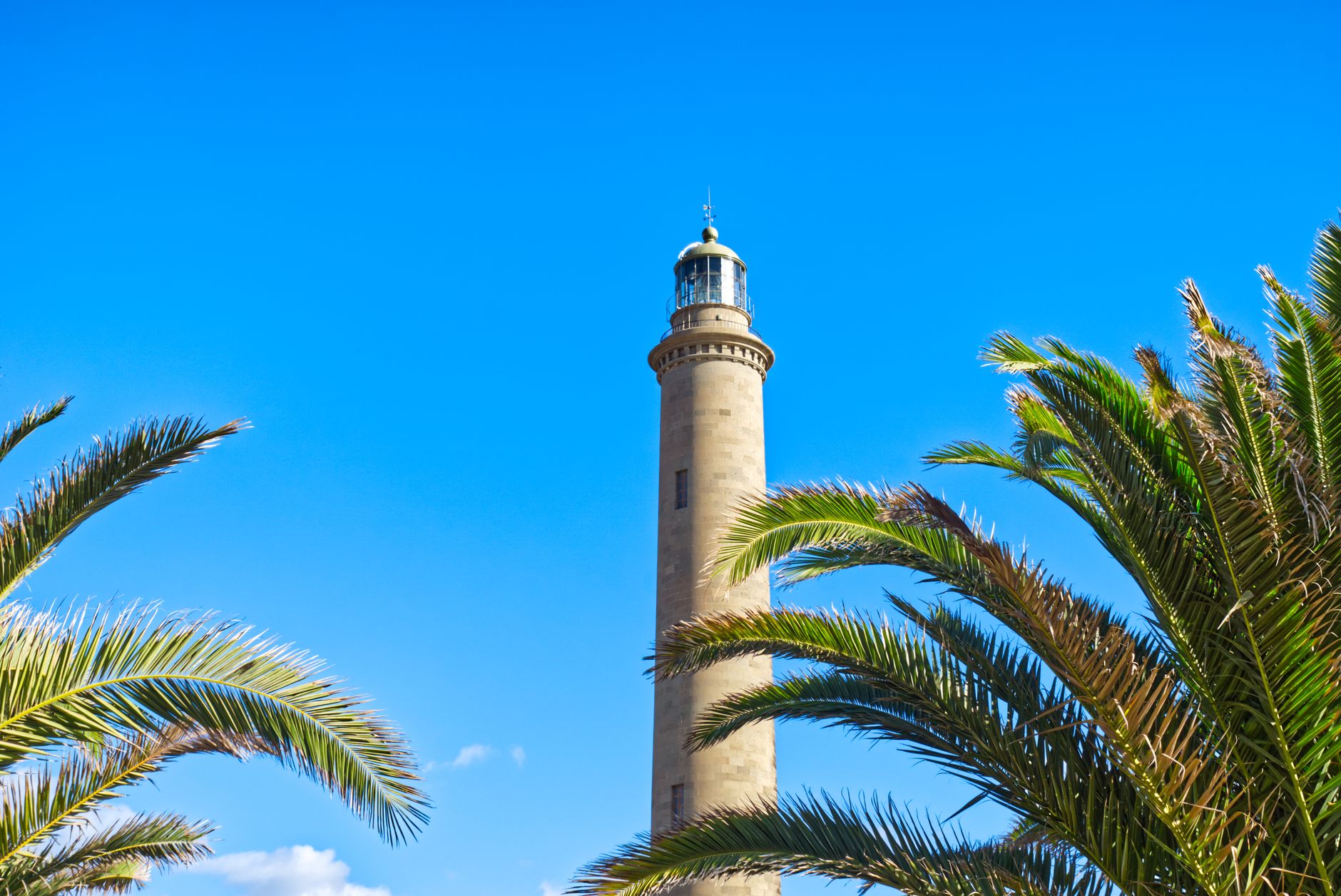
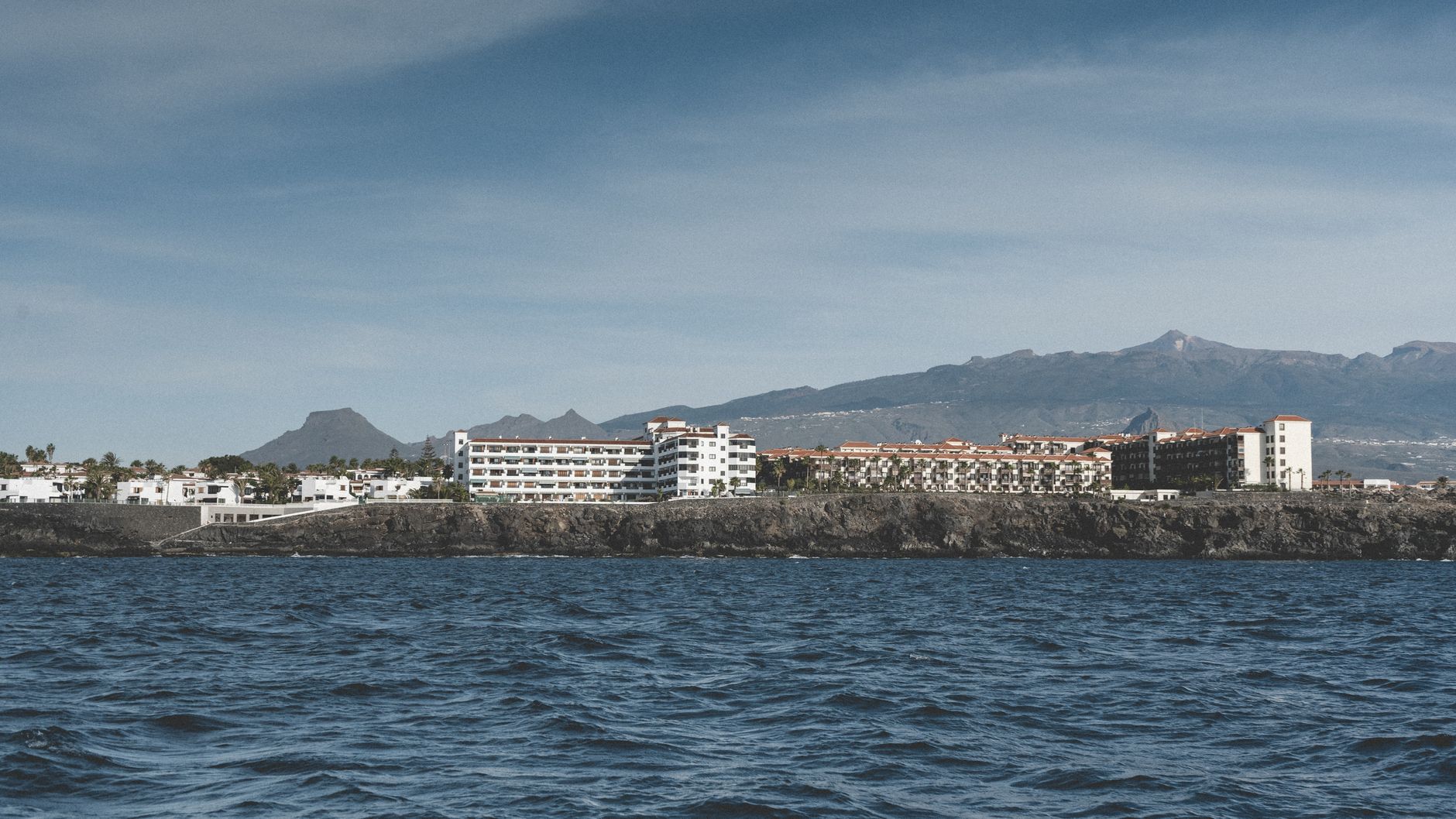
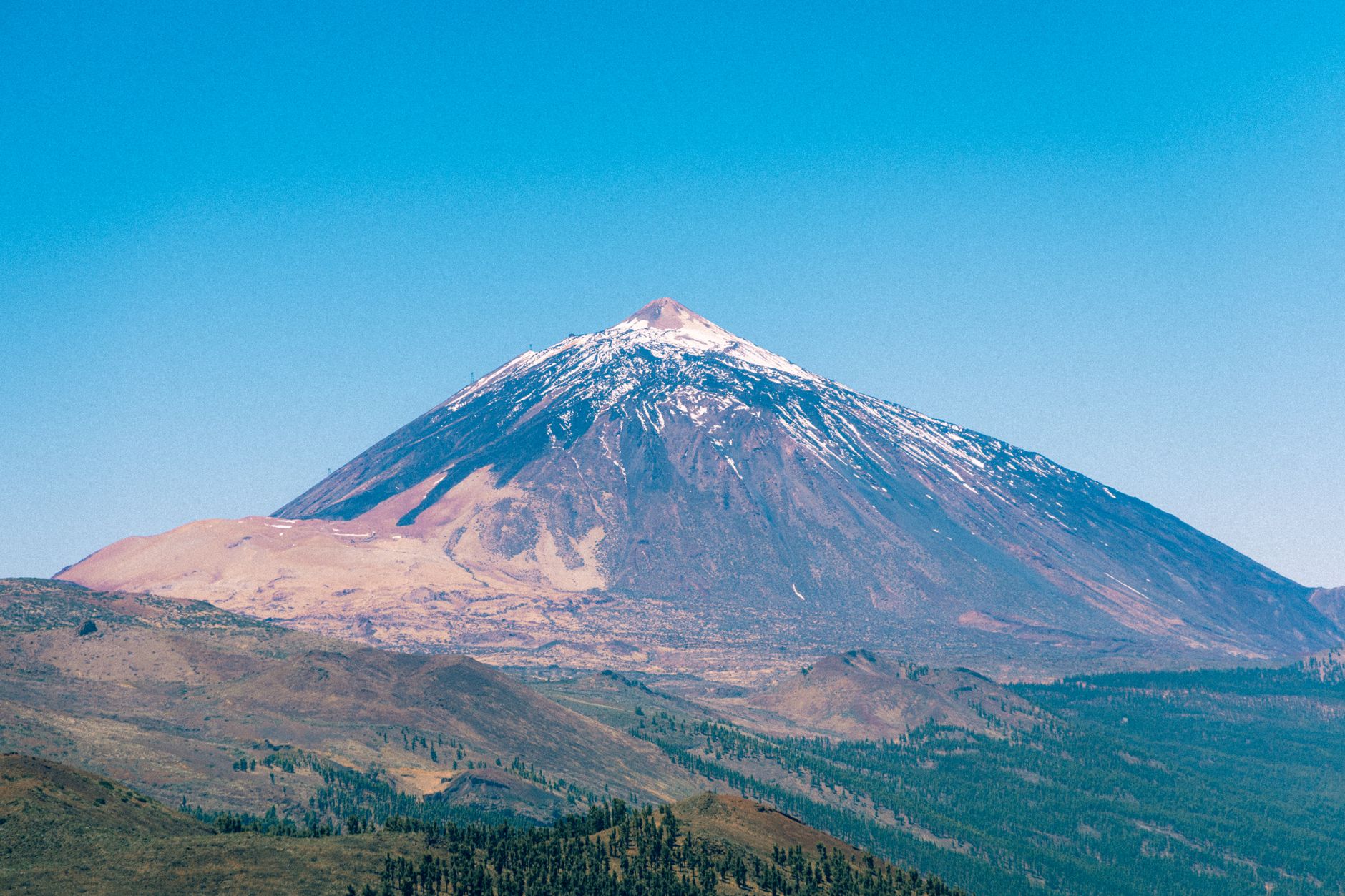
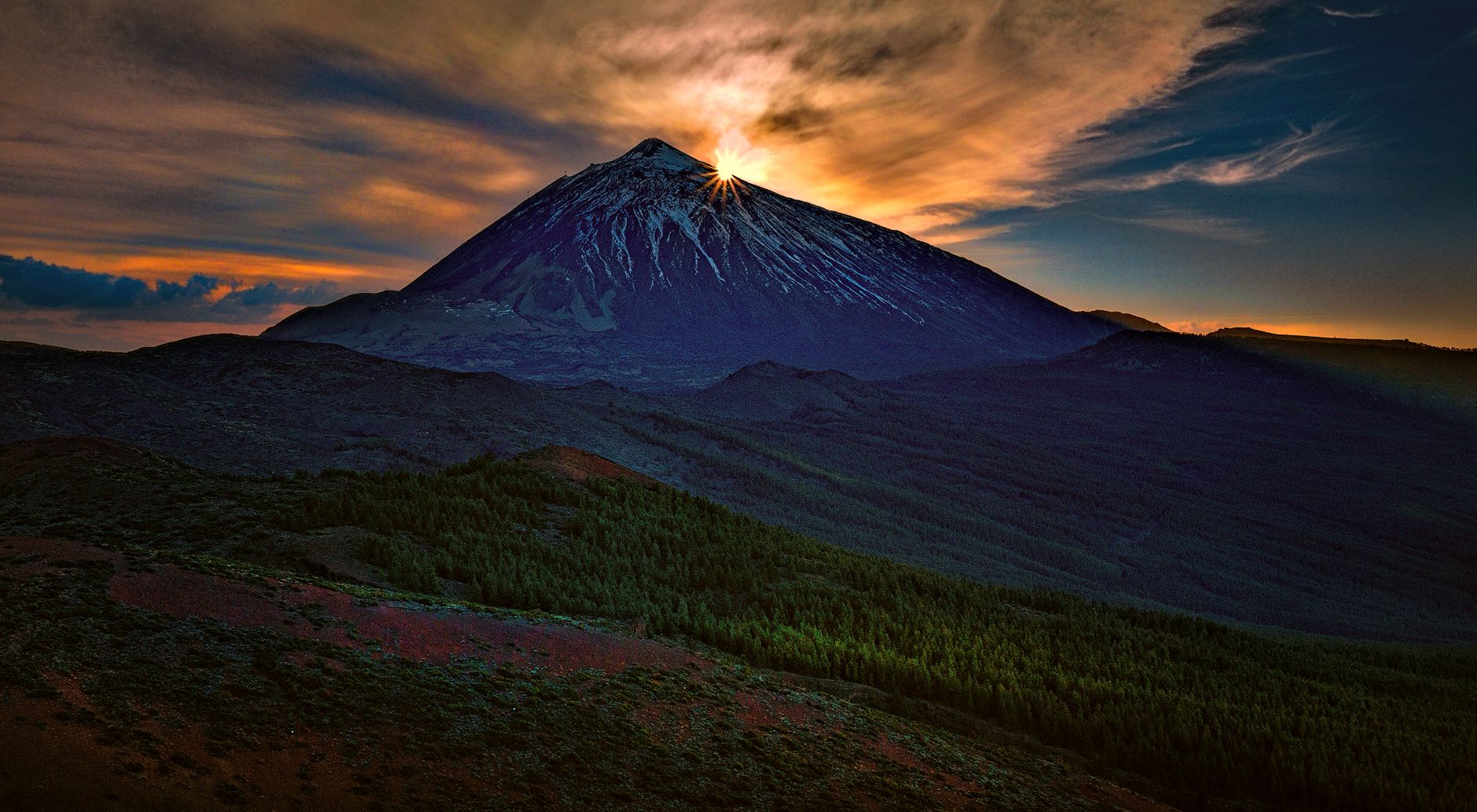
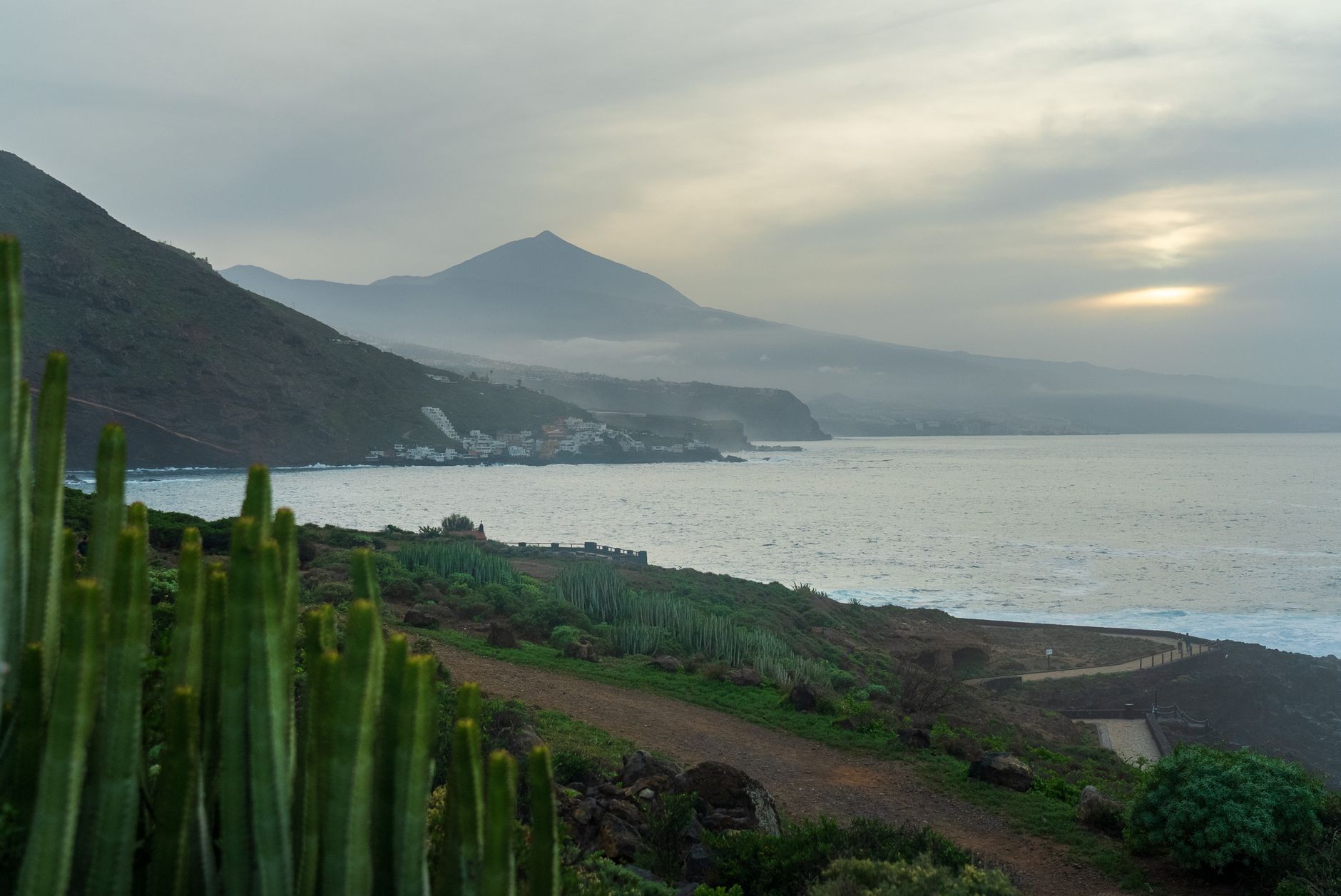
Rising from the deep blue expanse of the Atlantic Ocean off the northwest coast of Africa, the Canary Islands present an extraordinary theater of geographical extremes and ecological diversity. Formed by millions of years of volcanic activity, this Spanish archipelago of seven major islands—Tenerife, Gran Canaria, Lanzarote, Fuerteventura, La Palma, La Gomera, and El Hierro—offers a striking mosaic of landscapes. From the snow-capped peak of Mount Teide, Spain's highest mountain, to sweeping Saharan dunes, primordial laurel forests, and secluded black-sand coves, every island feels like a distinct continent in miniature. Historically, the islands served as a crucial provisioning stop for explorers charting the New World, bearing the rich heritage of the indigenous Guanche people mixed seamlessly with Andalusian Spanish influences.

Culturally, the Canaries pulsate with a vibrant, laid-back rhythm shaped by year-round sunshine and a temperate climate often described as the eternal spring. Life here revolves around the outdoors, where coastal fishing villages preserve ancient maritime traditions and inland agricultural terraces yield unique volcanic wines and artisanal cheeses. The local dialect, music, and cuisine reflect a melting pot of European, African, and Latin American elements, celebrated through colorful fiestas and passionate carnivals that rival the most famous in the world.

Geographically, the archipelago is a biosphere reserve paradise, boasting UNESCO World Heritage sites like Garajonay National Park and Teide National Park. Trade winds sculpt the landscape, creating microclimates where lush, misty rainforests sit mere miles away from arid desert plains and dramatic sea cliffs. For the traveler, this translates into an unmatched playground for adventure: hiking through ancient volcanic calderas, surfing world-class Atlantic breaks, stargazing under some of the clearest skies on the planet, and unwinding in hidden calas.

Local life in the Canaries is deeply tied to the land and sea, characterized by warm hospitality, a slower pace of time, and a profound appreciation for natural beauty. Whether sipping a cortado in a sun-drenched plaza in a historic colonial town like San Cristóbal de La Laguna or sampling fresh papas arrugadas with mojo picón at a seaside guachinche, visitors are invited to step out of the ordinary and immerse themselves in an island rhythm that refreshes the spirit and captivates the imagination.

Visual Impressions & Moments

Canary Islands photo 1
Canary Islands photo 2
Canary Islands photo 3
Canary Islands photo 4
Canary Islands photo 5
Canary Islands photo 6
Unmissable Moments

Top Things to Do in Canary Islands

Must-Do

Summit Mount Teide by Cable Car and Stargaze at Night

Ascend Spain's highest peak via cable car for sweeping panoramic views across the archipelago, then return after dusk to experience one of the world's premier stargazing destinations. Certified as a Starlight Reserve, Teide National Park offers crystal-clear skies free from light pollution. Tip: Secure your summit hiking permit months in advance if you plan to climb the final cone on foot.

Adventure

Hike the Primordial Laurel Forests of Garajonay National Park

Step back in time to the Tertiary period by walking through the mystical, mist-shrouded laurel forests of La Gomera. Moss-draped trees, fern-covered floors, and damp earth create a fairy-tale atmosphere unlike anywhere else in Europe. Tip: Bring waterproof layers, as the horizontal rain (mar de nubes) frequently envelops the trails.

Scenic

Sail the Atlantic for Whale and Dolphin Watching

Embark on a catamaran excursion from the southwest coast of Tenerife or Gran Canaria to spot resident pilot whales, bottlenose dolphins, and migrating marine mammals in their natural habitat. The deep, sheltered waters between Tenerife and La Gomera are globally renowned for cetacean diversity. Tip: Choose an eco-certified vessel that respects animal observation guidelines.

Culinary

Feast on Traditional Guachinche Cuisine in Tenerife

Discover authentic Canarian culinary culture by visiting a traditional guachinche—informal, family-run eateries originally opened to sell excess homemade wine alongside simple, hearty home-cooked dishes. Feast on grilled meats, local cheeses, and stews. Tip: Ask locals for directions, as true guachinches are often hidden in rural hillsides and open only seasonally.

Must-See Highlights

Top Places & Things to Do in Canary Islands

Curated attractions and cultural landmarks with local insider advice.

Jameos del Agua
attraction
4.8

Jameos del Agua

Conceived by the visionary Lanzarote artist César Manrique, Jameos del Agua is a stunning harmony of art, architecture, and volcanic nature. Built inside a collapsed volcanic lava tube, the site features an underground turquoise salt lake inhabited by blind albino crabs, an exquisite subterranean auditorium, and lush botanical gardens. This unique cultural center showcases Manrique's philosophy of blending human creation seamlessly into the raw, volcanic landscape without disrupting its natural integrity.

10:00 - 18:30 daily (evening events select nights)
Admission: €15 adult
Insider Tip: Visit in the late afternoon to experience the lighting change as the sun sets over the underground lagoon.
Teide National Park
nature
4.9

Teide National Park

Dominating the center of Tenerife, Teide National Park is a breathtaking lunar expanse dominated by Mount Teide, the highest peak in Spain. The park showcases a surreal landscape of petrified lava rivers, towering rock formations like Roques de García, and high-altitude endemic flora such as the red tower of the tajinaste. Walking its trails feels akin to exploring another planet. The dramatic play of light across multi-colored mineral deposits and the vast oceanic horizon visible from its heights make it an unforgettable ecological and visual masterpiece.

Open 24/7 (Cable car 9:00 - 17:00)
Admission: Free (Cable car €40 return)
Insider Tip: Book the summit hiking permit months in advance. Temperatures at altitude drop rapidly, so pack warm layers even in summer.
Timanfaya National Park
nature
4.8

Timanfaya National Park

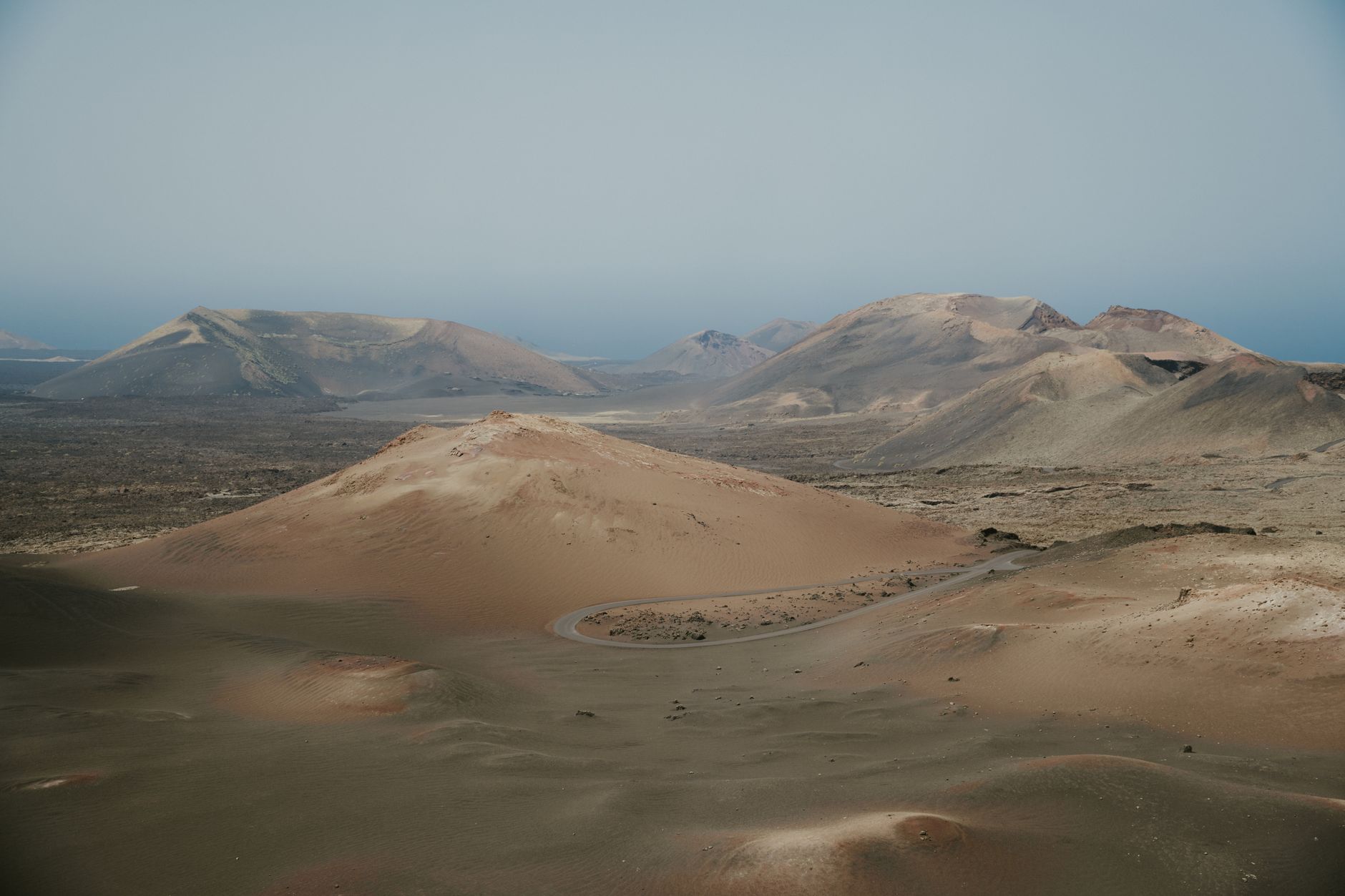
Timanfaya National Park on Lanzarote is a mesmerizing, fire-breathing testament to 18th-century volcanic eruptions that reshaped a quarter of the island. The fire mountains (Montañas del Fuego) present a rust-red, charred landscape where geothermal demonstrations prove that the earth just meters below remains intensely hot. Visitors tour the park via guided coach routes along the Ruta de los Volcanes to protect the fragile environment, stopping at the Islote de Hilario to witness water turning into boiling geysers from subterranean heat.

9:00 - 17:45 daily
Admission: €12 adult admission
Insider Tip: Arrive early in the morning to beat the tour bus queues and midday heat.
San Cristóbal de La Laguna Historic Centre
culture
4.7

San Cristóbal de La Laguna Historic Centre

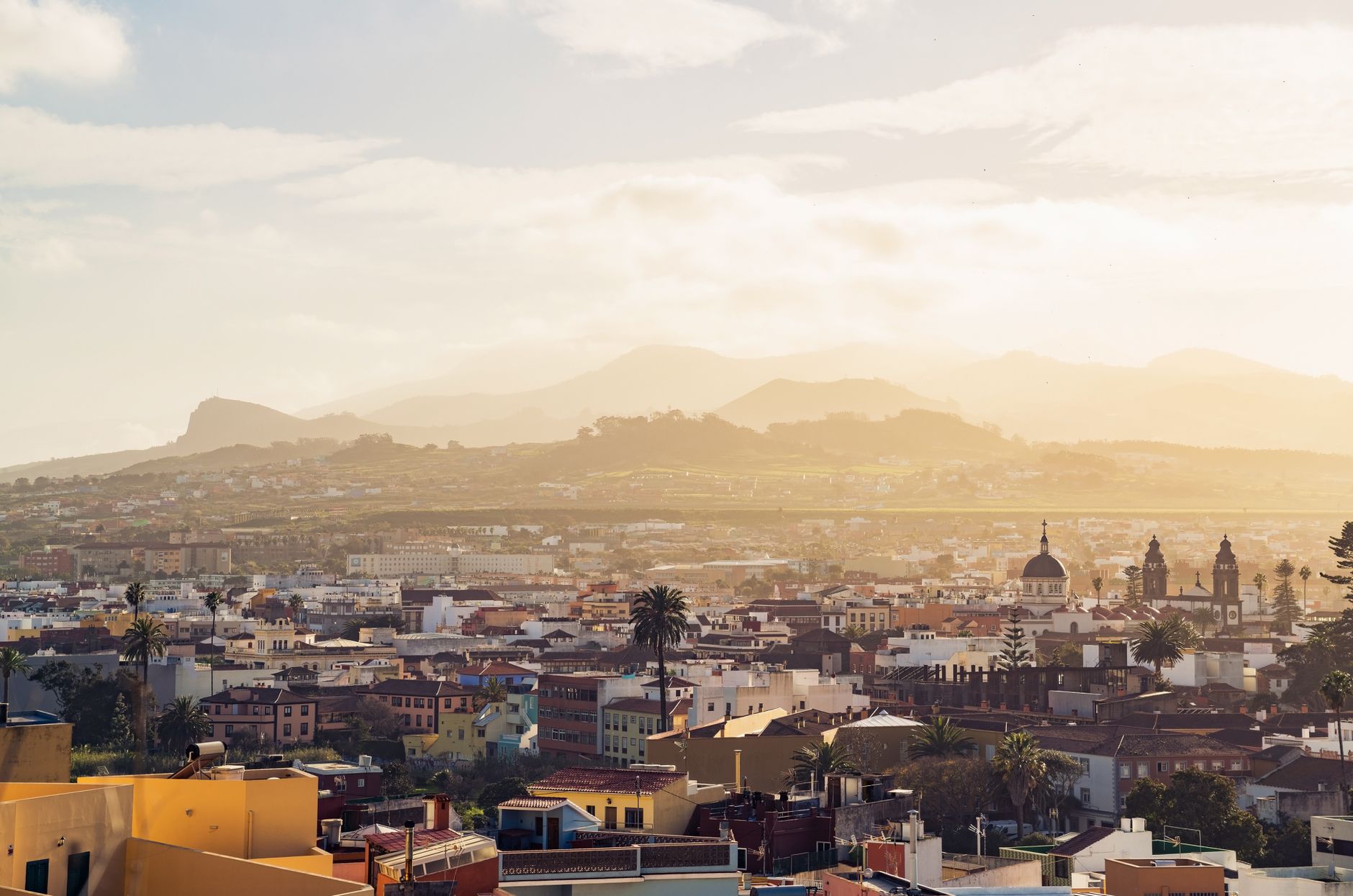
As the former capital of Tenerife, La Laguna is a UNESCO World Heritage treasure prized for its intact 15th-century unfortified colonial urban layout. Its vibrant pedestrian streets are flanked by noble courtyard houses featuring carved wooden balconies, vibrant facades, and historic convents. The city balances its academic prestige as a university hub with deep-rooted religious traditions, hosting stunning processions and vibrant street life anchored by traditional plazas and lively taverns.

Open 24/7
Admission: Free
Insider Tip: Take a guided walking tour to gain access to historical interior courtyards that are otherwise closed to the public.
Area Guide

Where to Stay & Best Neighborhoods

Vegueta (Las Palmas de Gran Canaria)

Best for: History buffs, architecture lovers, and museum enthusiasts.

Vibe: Cobbled colonial alleys, historic plazas, and grand 15th-century architecture.

As the historic founding core of Las Palmas, Vegueta oozes old-world charm with its stately merchant houses, iron balconies, and the imposing Cathedral of Santa Ana. Walking through its peaceful plazas reveals a rich maritime history tied directly to Christopher Columbus, who stayed nearby before his epic Atlantic voyage.

San Cristóbal de La Laguna (Tenerife)

Best for: Culture seekers, architecture fans, and café explorers.

Vibe: UNESCO-listed Renaissance-colonial layout, vibrant student culture, and pastel facades.

La Laguna served as the blueprint for many colonial Latin American cities. Its unfortified grid system is lined with magnificent palaces, convents, and bustling courtyards. The lively pedestrian streets pulse with artisanal cafes, traditional bakeries, and students from the nearby university.

Corralejo Old Town (Fuerteventura)

Best for: Beach lovers, water sports enthusiasts, and seafood gourmands.

Vibe: Seaside charm, whitewashed buildings, and energetic surf-town culture.

Blending traditional Canarian fishing village roots with modern bohemian surf energy, Corralejo sits right on the northern tip of Fuerteventura. Steps from sandy shores, narrow streets harbor lively tapas bars, craft beer spots, and direct ferry connections to the pristine dunes of Isla de Lobos.

Food & Drink Scene

What to Eat in Canary Islands

Papas Arrugadas with Mojo Picón

The quintessential Canarian side dish consisting of small local potatoes boiled in heavily salted sea water until wrinkled, served with two vibrant sauces: mojo rojo (garlic, paprika, and cumin) and mojo verde (coriander or parsley). Simple yet bursting with complex, savory flavors.

🍴 Top spot: Any authentic local guachinche or seaside chiringuito.

Queso Majorero

An exquisite goat's milk cheese from Fuerteventura, protected by DOP status. Aged varieties are often rubbed with paprika, gofio (toasted grain flour), or olive oil, yielding a rich, slightly spicy, and nutty flavor profile that pairs wonderfully with local honey.

🍴 Top spot: Mercado Municipal in Puerto del Rosario.

Sancocho Canario

A traditional festive dish featuring salted fish (usually grouper or sea bass) desalted and gently boiled with sweet potato, potatoes, and served with a generous dollop of green mojo and pella de gofio (a dense paste made of toasted cereal flour).

🍴 Top spot: Restaurante Casa Brito in Arucas, Gran Canaria.
Excursions

Best Day Trips from Canary Islands

Isla de Lobos Day Excursion from Fuerteventura

15 mins by ferry from Corralejo

Take a short water taxi from Corralejo to this uninhabited nature reserve. Hike up to the lighthouse, swim in the turquoise lagoon of La Caldera, and explore volcanic landscapes frozen in time.

Anaga Rural Park & Taganana from Santa Cruz

45 mins by car from Santa Cruz de Tenerife

Venture into Tenerife's wild northeastern promontory, where jagged mountain ridges plunge into the crashing ocean. Drive through ancient laurel forests and descend to the isolated black-sand hamlet of Taganana.

When to Go

Best Time to Visit & Seasonality

Editor’s Pick: The Canary Islands enjoy a benevolent climate year-round, making any month ideal depending on your pursuits. However, shoulder seasons from April to June and September to November offer warm weather, fewer crowds, and lower prices. Winter (December to February) is peak season for sun-seekers escaping European chills, while summer attracts families and windsurfers.

Spring Overview

(April - June)
Moderate
Average Temperature & Climate20°C - 24°C

Mild, sunny, and increasingly warm with low rainfall.

Crowd & Travel ConditionsModerate Tourist Traffic

Fewer lines and better deals.

✨ Seasonal Highlights:Wildflowers blooming in Teide National Park, whale watching, and comfortable hiking conditions.
Travel Smarter

Practical Travel Essentials

CurrencyEUR (€)
LanguageSpanish
Time ZoneWET (UTC+0) / WEST (UTC+1)

Visa & Entry

The Canary Islands are part of Spain and the European Union. Citizens of the EU, EEA, and countries with Schengen visa-free agreements can enter freely. Passport validity must extend at least 3 months beyond planned departure.

Getting Around & Transit

Renting a car is by far the best way to explore any of the islands, offering freedom to reach remote trails and hidden coves. Inter-island travel is handled by frequent ferries (Fred. Olsen, Naviera Armas) and regional airlines (Binter Canarias).

Daily Budget Expectation

€80 - €180 per day per person, covering mid-range accommodation, car rental, dining out, and excursions.

Safety & Health

High. The Canary Islands are exceptionally safe for travelers, with low violent crime rates. Standard precautions against petty theft in crowded tourist areas apply.

Local Etiquette & Customs

Greet locals with a warm 'Buenos días' or 'Buenas tardes'. Tipping is not mandatory or expected in the same way as in North America, but rounding up the bill or leaving 5-10% for exceptional service in restaurants is appreciated.

Questions & Answers

Frequently Asked Questions about Canary Islands

Tenerife or Gran Canaria are ideal for first-timers. Both offer a perfect balance of diverse landscapes, cultural heritage, excellent infrastructure, hiking trails, and beautiful beaches.