🌟 Best in Travel 2026 is here!
Charleston
cityNorth America
4.92 / 5.0

Charleston

A graceful coastal masterpiece of pastel antebellum architecture, haunting histories, and world-class Lowcountry cuisine.

Advertisement
Editorial Guide

About Charleston

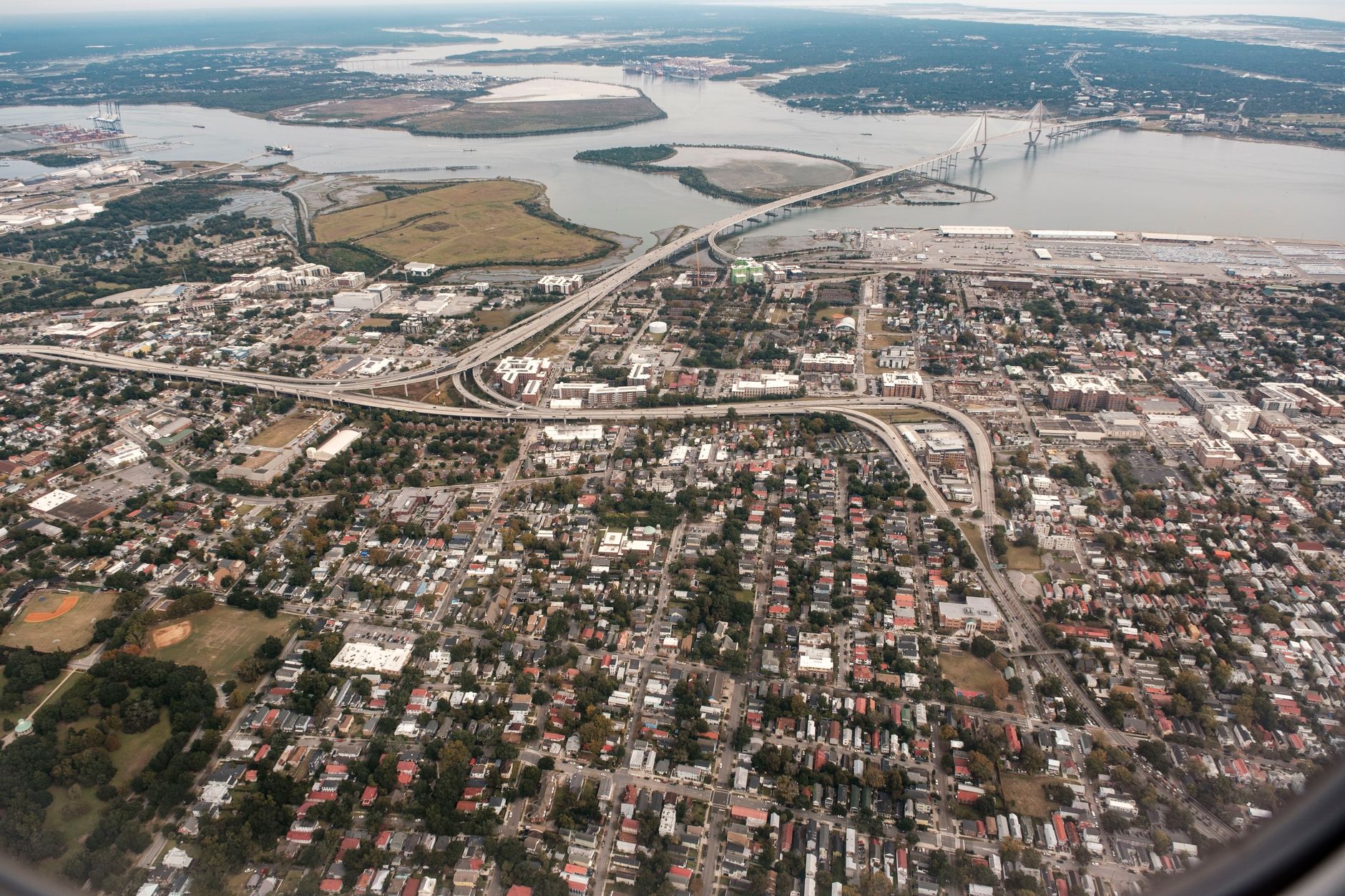
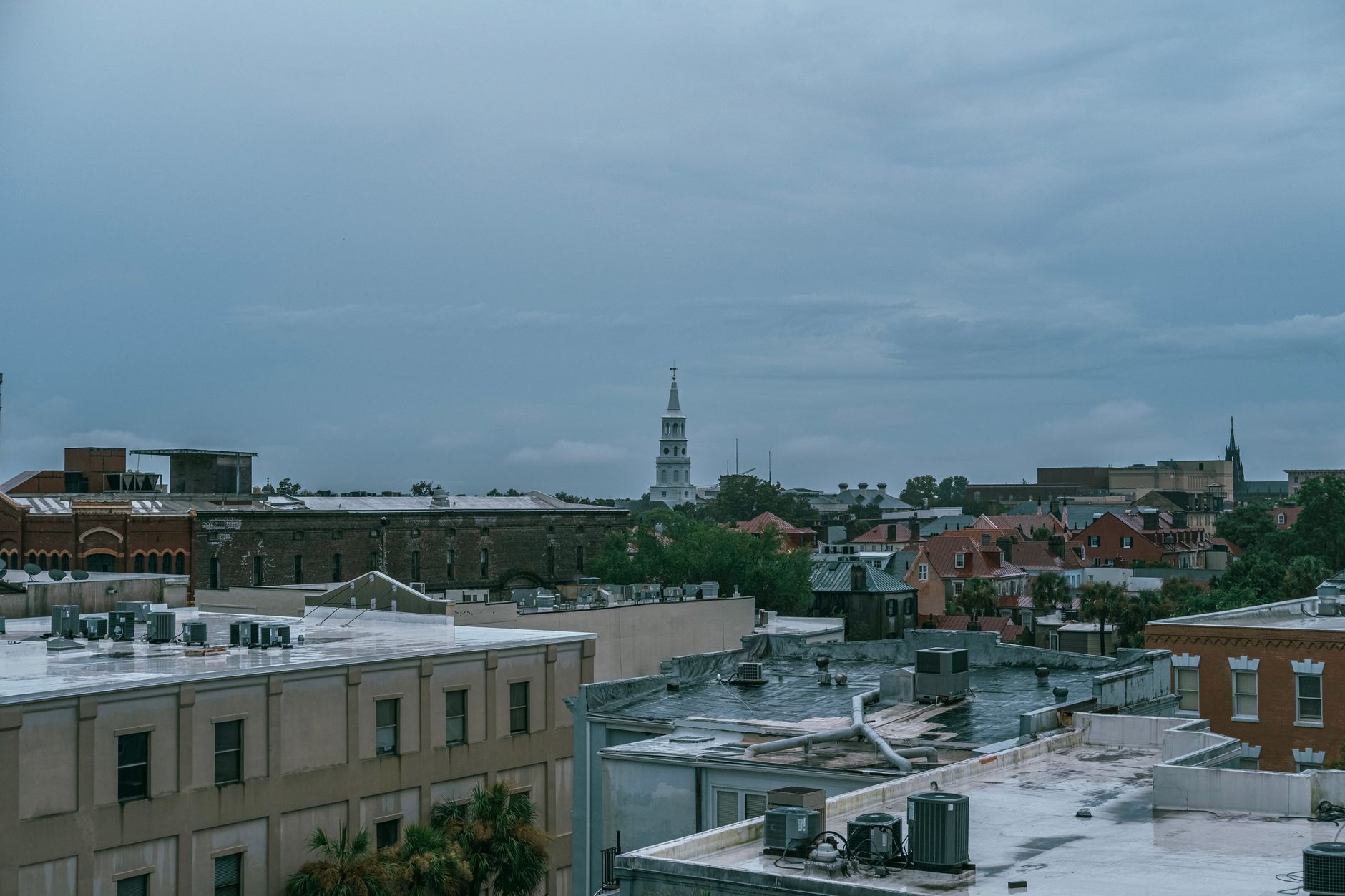
Founded in 1670 as Charles Town, Charleston occupies a storied peninsula where the Ashley and Cooper rivers merge to meet the Atlantic Ocean. Walking its cobblestone streets feels like stepping back through centuries, enveloped by the intoxicating scent of confederate jasmine, the rustle of palmetto fronds, and the delicate drip of Spanish moss hanging heavy from ancient live oaks. Its pastel-colored Georgian and Victorian townhouses stand as silent testaments to an extraordinarily complex history, ranging from wealthy colonial trade and Gilded Age maritime opulence to the harrowing realities of the transatlantic slave trade and the opening shots of the American Civil War at Fort Sumter.

Beyond its striking aesthetic, Charleston is a city of profound cultural resilience and deep-rooted traditions. It is the birthplace of the unique Gullah Geechee culture, whose resilient descendants have preserved West African linguistic, artistic, and culinary heritages that continue to infuse the region's character. The local pulse beats with an unmistakable Southern hospitality, where front-porch living is an art form and polite nods are exchanged between strangers under the shade of gas lanterns.

Geographically isolated by surrounding marshes, barrier islands, and winding tidal rivers, Charleston has successfully maintained a distinct architectural integrity that is strictly protected by historic preservation ordinances. From the ironwork masterpieces gracing East Bay Street to the weathered fishermen's shacks of Shem Creek, the landscape is an ever-shifting canvas of coastal light, marsh gold, and breathtaking Atlantic sunrises.

Today, Charleston has evolved into one of the world's premier culinary destinations while fiercely guarding its historic soul. It is a place where pioneering chefs reinterpret Lowcountry staples like shrimp and grits, benne seed wafers, and she-crab soup using hyper-local catches and farm-fresh heirloom produce. Whether you are exploring the labyrinthine alleyways of the French Quarter, sailing out to windswept sea islands, or listening to the clop of horse-drawn carriages at dusk, Charleston offers an immersive, soul-stirring travel experience unlike any other in America.

Visual Impressions & Moments

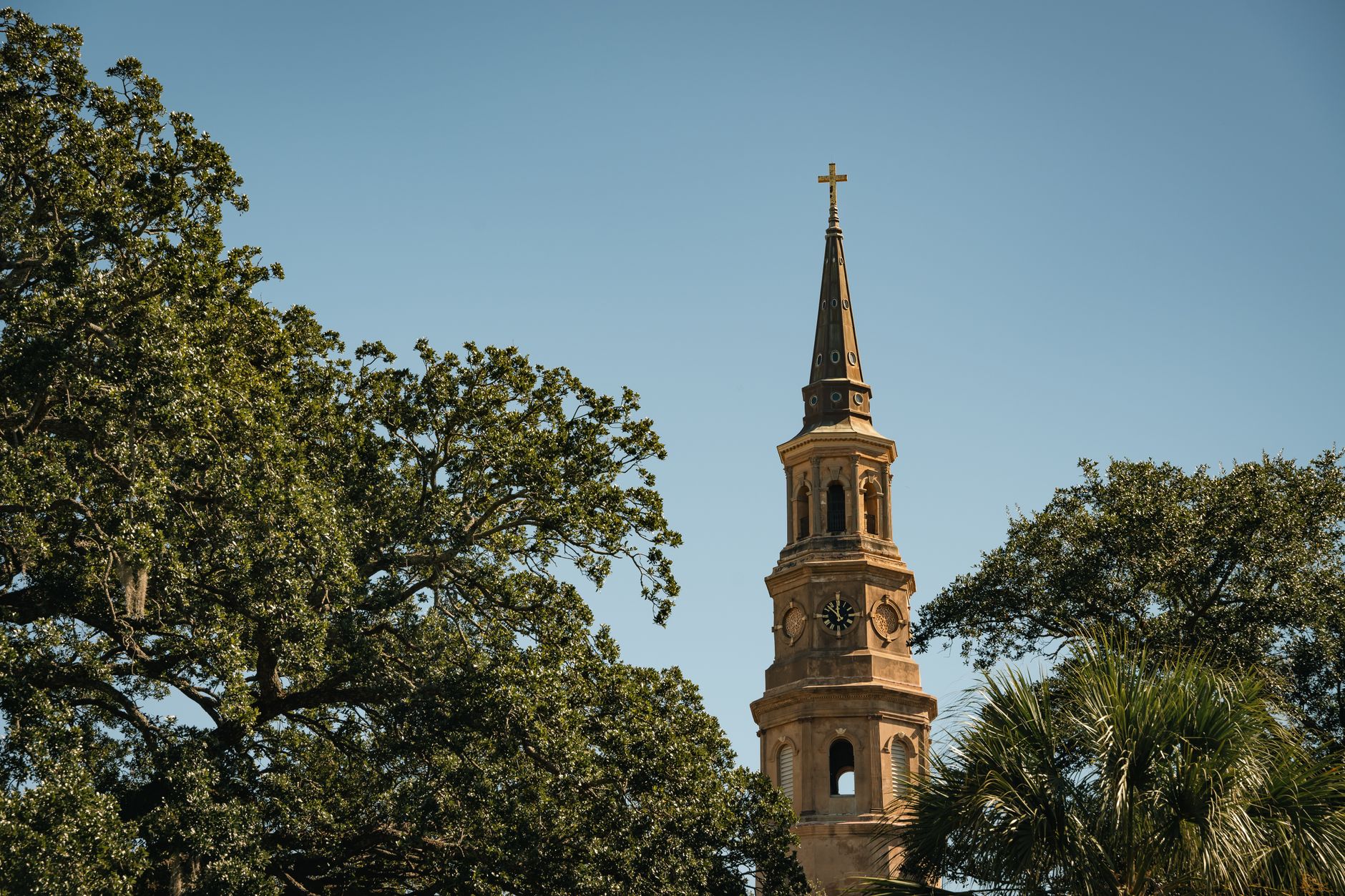
Charleston photo 1
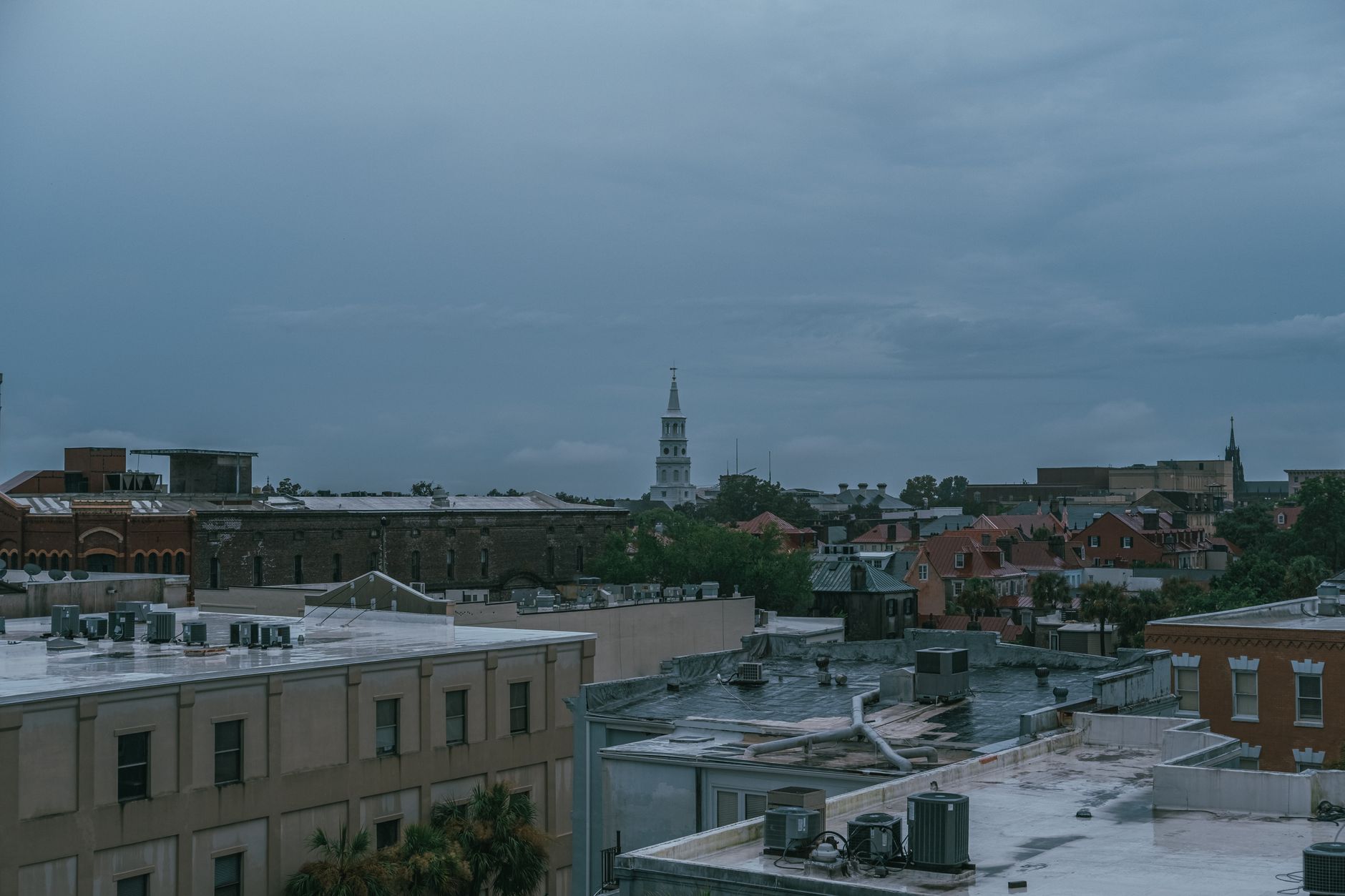
Charleston photo 2
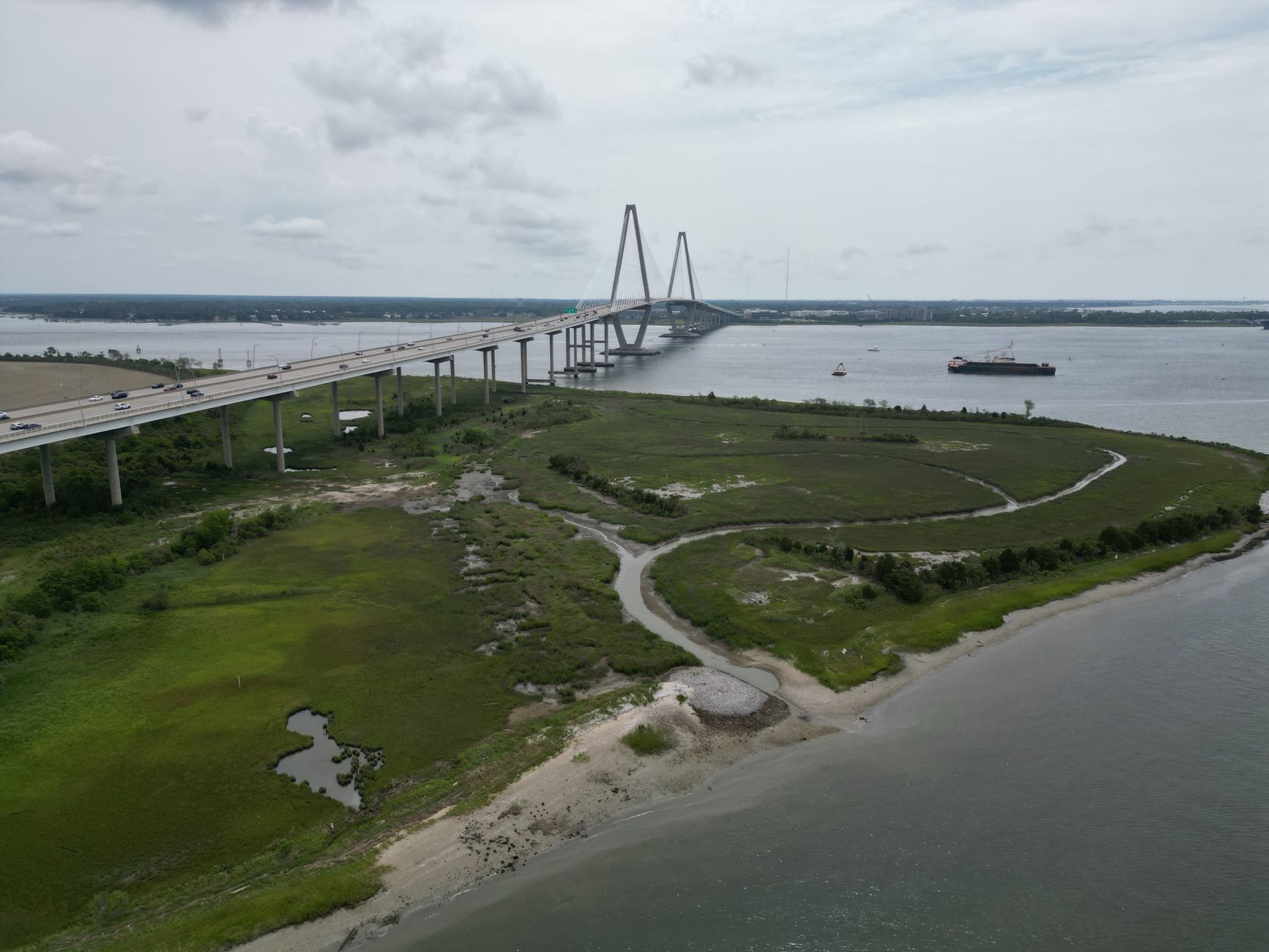
Charleston photo 3
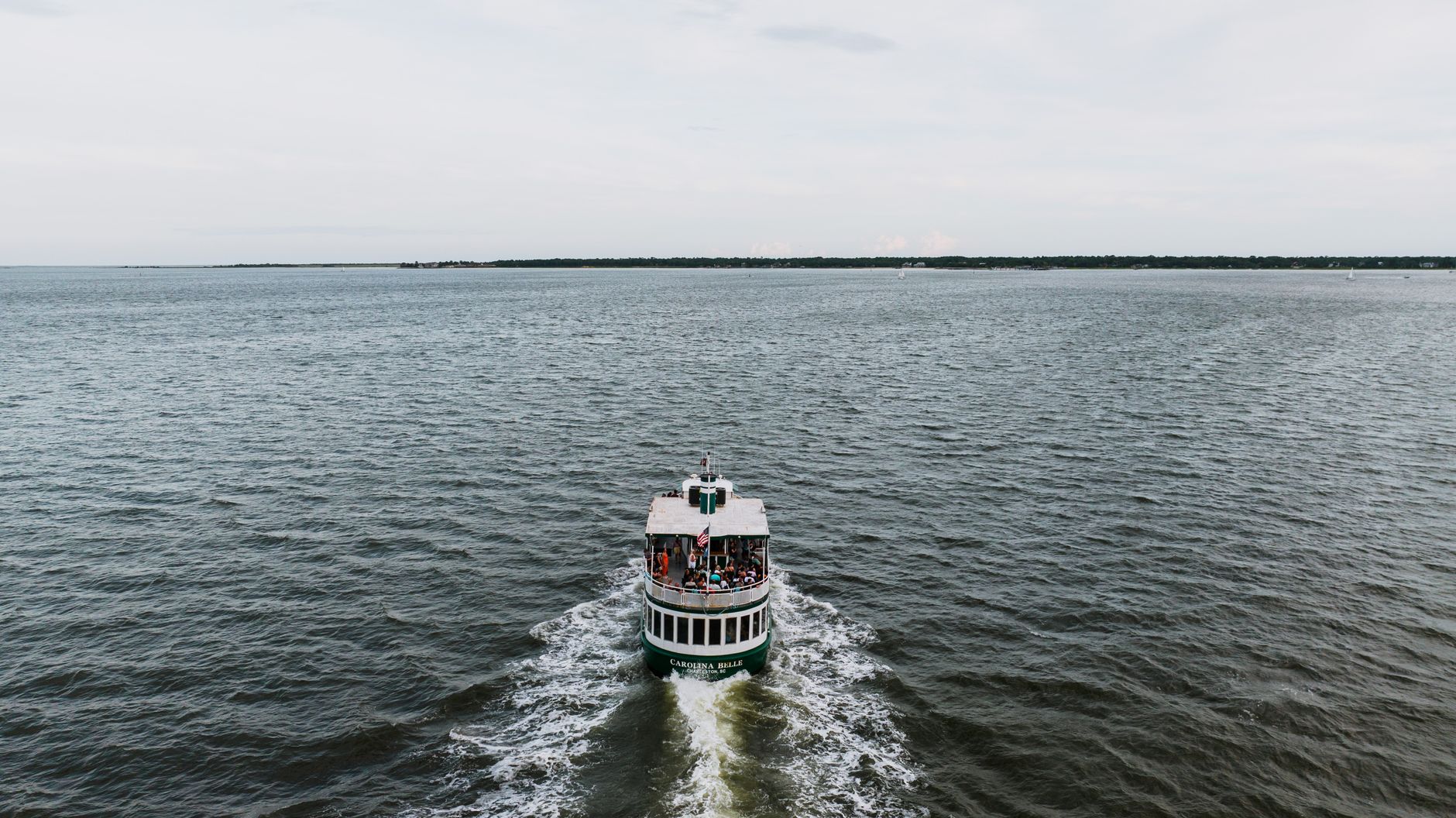
Charleston photo 4
Charleston photo 5
Charleston photo 6
Unmissable Moments

Top Things to Do in Charleston

Must-Do

Stroll the Historic Battery and Rainbow Row at Sunrise

Begin your exploration of Charleston before the crowds wake up by walking down East Bay Street to admire the famous pastel-colored historic row houses. Continue around the seawall of The Battery, where grand antebellum mansions look out over Charleston Harbor toward Fort Sumter, and the salty ocean breeze carries the timeless energy of the port.

Culture

Immerse in Gullah Geechee Culture and History at McLeod Plantation

Travel just across the Ashley River to James Island for a deeply moving, highly educational guided tour of McLeod Plantation Historic Site. Unlike plantations focused solely on planter wealth, McLeod honors the lived experiences, resilience, and enduring cultural contributions of the enslaved men, women, and children who labored here.

Culinary

Indulge in a Farm-to-Table Lowcountry Culinary Journey

Experience the culinary renaissance that has put Charleston on the global map. Secure a reservation well in advance at acclaimed spots like Husk or FIG, where chefs elevate traditional staples such as crispy catfish, Carolina Gold rice, and locally harvested shellfish into transcendent modern masterpieces.

Scenic

Relax on the Pristine Sands of Sullivan's Island

Escape the city heat for an afternoon by driving out to Sullivan's Island, a laid-back barrier island characterized by uncommercialized beaches, maritime forests, and historic Fort Moultrie. Grab a casual lunch at one of the beloved local taverns along Middle Street after a long walk on the Atlantic shore.

Must-See Highlights

Top Places & Things to Do in Charleston

Curated attractions and cultural landmarks with local insider advice.

Magnolia Plantation & Gardens
nature
4.78

Magnolia Plantation & Gardens

Founded in 1676 by the Drayton family, Magnolia Plantation boasts America's oldest public gardens, cultivated in an romantic, unformalized English style rather than rigid geometric symmetry. Visitors can wander across historic footbridges over blackwater cypress swamps, marvel at millions of blooming azaleas and camellias, and explore wildlife train and Audubon swamp garden boardwalks. The estate also offers deep historical context through slavery-era cabin restoration tours and nature tram rides, bridging the complex realities of antebellum agricultural history with breathtaking horticultural splendor.

Daily 9:00 AM - 5:30 PM
Admission: $29 (general admission)
Insider Tip: Wear comfortable walking shoes or rent a golf cart if you want to cover the extensive swamp trail and garden grounds without exhausting yourself.
Fort Sumter National Monument
culture
4.85

Fort Sumter National Monument

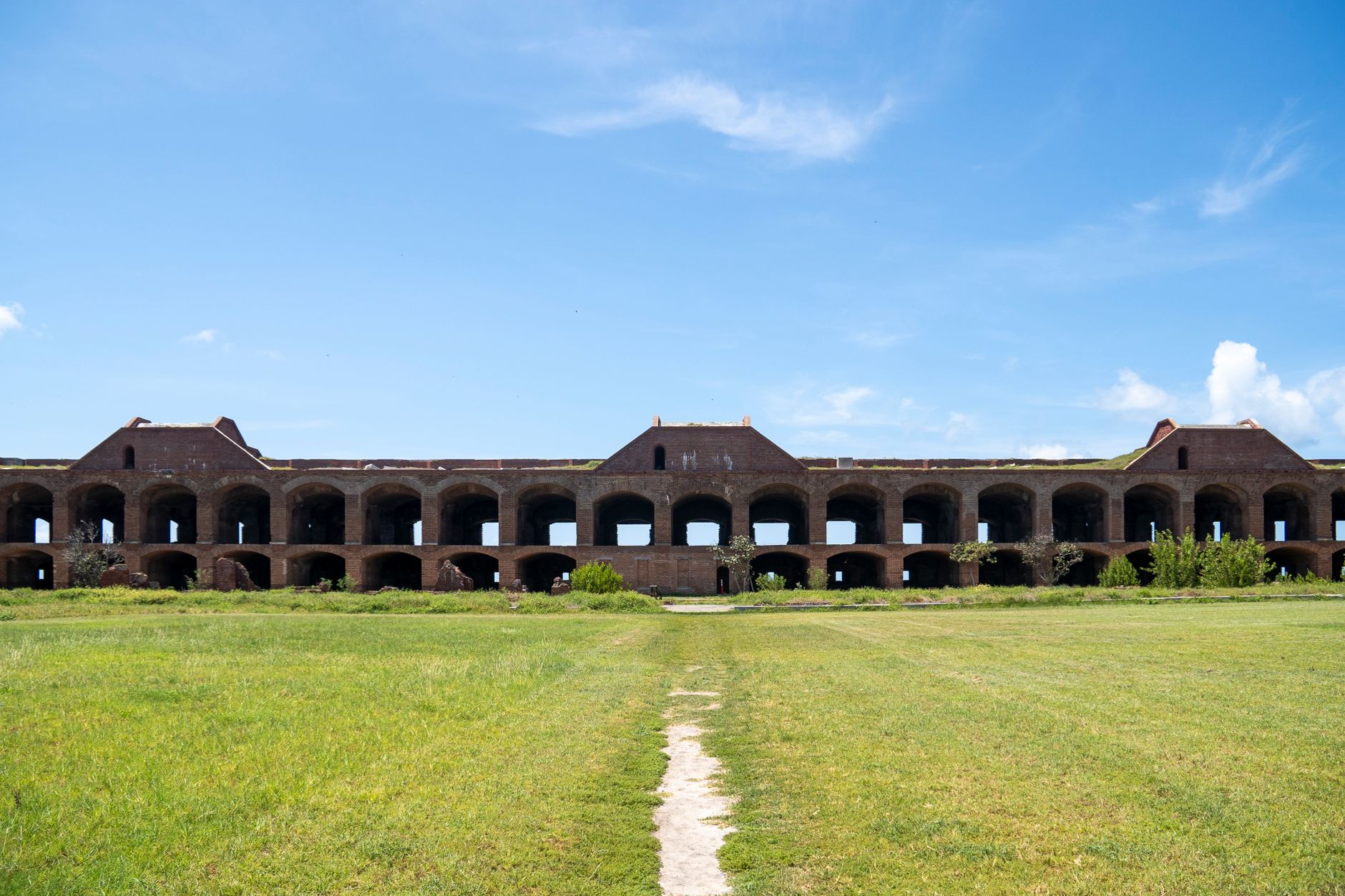
Accessible only by a scenic ferry ride across Charleston Harbor, Fort Sumter is where the first shots of the American Civil War were fired on April 12, 1861. Visitors can explore the brick fortress ruins, view historical artillery pieces, and examine museum exhibits detailing the monumental conflict that reshaped the nation. The boat journey across the harbor also provides stunning panoramic views of the Charleston skyline, the Arthur Ravenel Jr. Bridge, and passing commercial and military vessels, making the transit an integral part of the historical experience.

Daily 9:00 AM - 5:00 PM (ferry departure times vary)
Admission: $35 (includes ferry ticket)
Insider Tip: Book your ferry tickets well in advance, especially during spring and summer, and grab a seat on the top deck starboard side for the best harbor photos.
Charleston City Market
attraction
4.5

Charleston City Market

Spanning four city blocks through the historic downtown core, the Charleston City Market has been a bustling commercial hub since the 1790s. Underneath its soaring open-air metal and brick sheds, local artisans sell handmade crafts, most notably traditional sweetgrass baskets woven by Gullah descendants using techniques passed down through generations of enslaved West Africans. Surrounded by historic storefronts, carriage operators, and lively street musicians, the market offers a vibrant cross-section of Charleston’s enduring local culture, artisan community, and bustling daytime energy.

Daily 9:30 AM - 6:00 PM (Night Market on weekends in summer)
Admission: Free entry
Insider Tip: Take time to talk with the sweetgrass basket weavers about the history of their craft, and remember that authentic handmade baskets represent significant, heirloom-quality artistry.
The Charleston Museum
culture
4.65

The Charleston Museum

Founded in 1773—predating the American Revolution—The Charleston Museum is proudly recognized as America's first museum. Its extensive collections chronicle Lowcountry history, natural science, and material culture, featuring everything from Revolutionary War uniforms and antebellum silver to rare fossils and historic Charleston-made furniture. In addition to its main downtown facility, the museum operates two historic house museums: the elegant Nathaniel Russell House and the Aiken-Rhett House, offering profound windows into urban elite and enslaved domestic life in the 19th century.

Monday - Saturday 9:00 AM - 5:00 PM, Sunday 1:00 PM - 5:00 PM
Admission: $15 (museum only; combo tickets available)
Insider Tip: Purchase the multi-site admission ticket if you plan on visiting the historic houses, as touring the Aiken-Rhett House provides an exceptionally preserved look at urban slavery quarters.
Area Guide

Where to Stay & Best Neighborhoods

The Historic District (South of Broad & French Quarter)

Best for: First-time visitors, history lovers, architecture enthusiasts, and romantic getaways.

Vibe: Cobblestone alleys, gas lanterns, grand mansions, and secret courtyard gardens.

This is the beating heart of old Charleston, bounded by the Cooper and Ashley rivers. Walking through the French Quarter and South of Broad feels like navigating an open-air museum. Tree-lined streets boast magnificent wrought-iron gates, hidden brick pathways, and stately double-porch homes that capture every passing coastal breeze.

Upper King Street & The Design District

Best for: Foodies, shoppers, cocktail aficionados, and trendy boutique hotel seekers.

Vibe: Bohemian chic, cutting-edge restaurants, indie boutiques, and vibrant nightlife.

Stretching north from Calhoun Street, Upper King has transformed into Charleston’s modern playground. Once an overlooked commercial corridor, it is now lined with avant-garde cocktail bars, art galleries, high-end interior design shops, and some of the most innovative restaurants in the American South.

Harleston Village & The Philip Simmons Quarter

Best for: Quiet afternoon strolls, boutique coffee shop hopping, and experiencing local neighborhood life.

Vibe: Academic elegance, leafy neighborhood parks, and historic residential charm.

Anchored by the historic campus of the College of Charleston, Harleston Village offers a quieter, deeply residential side of the peninsula. Historic brick homes, wrought-iron balconies, and sprawling campus oak trees dripping with Spanish moss create a scholarly yet undeniably picturesque environment.

Food & Drink Scene

What to Eat in Charleston

Shrimp and Grits

A foundational Lowcountry comfort food combining savory, stone-ground grits with fresh local shrimp, often sautƩed with bacon, garlic, onions, and a rich pan gravy or tomato-based sauce.

šŸ“ Top spot: Husk

She-Crab Soup

A rich, creamy bisque traditionally made from heavy cream, stock, Atlantic blue crab meat, crab roe (which gives the soup its distinct orange hue), and a judicious splash of dry sherry.

šŸ“ Top spot: Hank's Seafood Restaurant

Lowcountry Boil (Frogmore Stew)

A communal feast featuring fresh shrimp, smoked sausage, sweet corn on the cob, and red potatoes, all heavily seasoned with Old Bay and boiled together in large pots.

šŸ“ Top spot: The Glass Onion
Excursions

Best Day Trips from Charleston

Cypress Gardens & Moncks Corner

40 mins by car north of Charleston

Explore blackwater swamp ecosystems by renting a flat-bottom rowboat and gliding silently among towering cypress trees draped in Spanish moss, famously featured in Hollywood films like The Notebook.

Historic Georgetown & Hopsewee Plantation

1 hour by car north via US-17

Discover South Carolina's third-oldest colonial port city, featuring peaceful waterfront boardwalks, historic museums, and the nearby pre-Revolutionary rice plantation Hopsewee.

When to Go

Best Time to Visit & Seasonality

Editor’s Pick: March through May and September through November offer the most pleasant weather, with warm, comfortable days and cooler evenings ideal for walking tours and outdoor dining. Spring brings a riot of blooming azaleas and confederate jasmine, while autumn features lower humidity and seasonal food festivals.

Spring Overview

(March - May)
Peak Crowds
Average Temperature & Climate65°F - 80°F (18°C - 27°C)

Mild, sunny, and increasingly warm with low humidity.

Crowd & Travel ConditionsPeak Tourist Traffic

Book hotels 3-6 months ahead.

✨ Seasonal Highlights:Historic House and Garden Tours, blooming azaleas, Cooper River Bridge Run, perfect walking weather.
Travel Smarter

Practical Travel Essentials

CurrencyUSD ($)
LanguageEnglish
Time ZoneEastern Time (ET)

Visa & Entry

Standard US entry requirements apply for international visitors (ESTA or visa).

Getting Around & Transit

The historic downtown peninsula is extremely walkable and pedestrian-friendly. For longer trips, use DASH shuttle buses, bicycle rentals, or rideshares like Uber and Lyft.

Daily Budget Expectation

$200 - $400+ per day depending on boutique accommodation choices and fine dining reservations.

Safety & Health

Very high in tourist and historic areas. Standard urban precautions apply at night.

Local Etiquette & Customs

Politeness and Southern hospitality are deeply valued; greeting strangers with a smile or 'good morning' is customary. Tipping 18-20% is standard in restaurants and bars.

Questions & Answers

Frequently Asked Questions about Charleston

Yes, the historic downtown peninsula is very compact and pedestrian-friendly. Most major sights, restaurants, and shops can easily be reached on foot.