🌟 Best in Travel 2026 is here!
Croatia
countryEurope
4.93 / 5.0

Croatia

A luminous tapestry of medieval walled cities, turquoise archipelagoes, and emerald cascades.

Advertisement
Editorial Guide

About Croatia

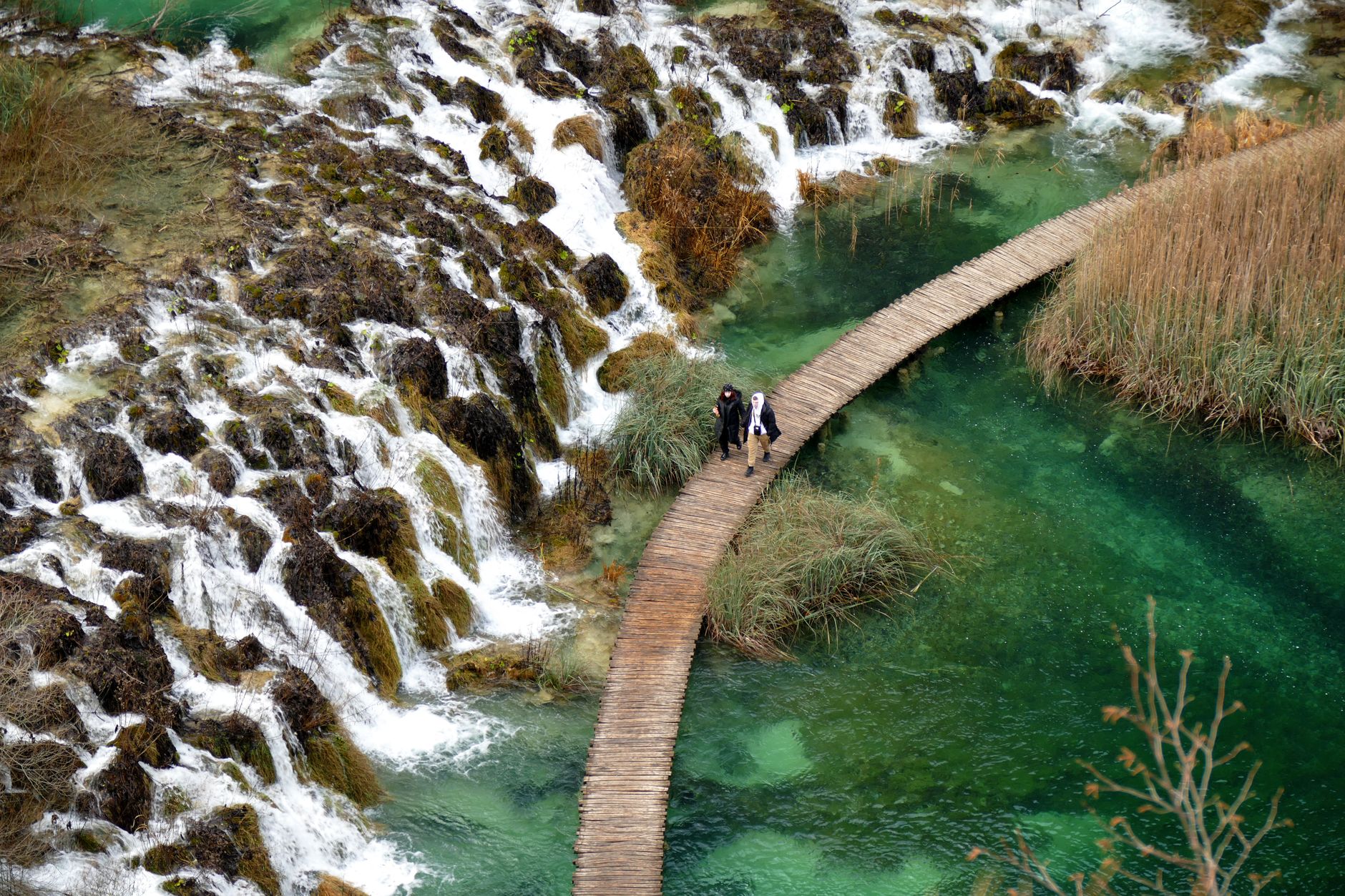
Croatia unfurls as a breathtaking crossroads where Central Europe gently dissolves into the sun-drenched, sapphire-toned embrace of the Mediterranean. Its storied history reads like an epic marble chronicle, layered with the imprints of Illyrian tribes, ancient Roman emperors, Venetian maritime doges, and Austro-Hungarian nobility. From the imposing ramparts of Dubrovnik that plunge directly into the Adriatic to the hauntingly romantic ruins of Diocletian's Palace in Split, the coastal cities are living museums where ancient stone alleys resonate with modern laughter, cafe chatter, and the clinking of local wine glasses. Inland, the topography shifts dramatically into rolling, vineyard-laced hills, dense oak forests, and the otherworldly karst wonderland of the Plitvice Lakes, where cascading travertine waterfalls carve through iridescent turquoise basins.

Culturally, Croatia is an intoxicating blend of rugged coastal independence and warm, unhurried Slavic hospitality. Life here moves to the rhythm of the 'fjaka'—a unique Dalmatian state of blissful relaxation and profound mental repose. Whether you are tasting earthy black truffles in the fertile red soils of the Istrian interior, harvesting sea salt from ancient pans on the island of Pag, or listening to the haunting melodies of Dalmatian klapa choirs echoing through stone archways, the country envelops you in an authentic sensory richness. The geographical diversity is staggering; over a thousand emerald islands and islets scatter along the indented coastline, each boasting secluded coves, ancient olive groves, and hidden swimming spots accessible only by private boat or rugged coastal footpaths.

The atmosphere fluctuates seamlessly between the cosmopolitan, coffee-obsessed cafe culture of Zagreb’s Austro-Hungarian boulevards and the sun-bleached, laid-back maritime spirit of the Dalmatian coast. Local life is deeply anchored in seasonal rhythms, family gatherings, and a profound respect for land and sea. Markets overflow with sun-ripened figs, wild asparagus, fragrant lavender, and the morning's freshest catch from the Adriatic. As the scorching midday sun gives way to the cooling amber glow of dusk, promenades along the Riva come alive for the traditional 'korzo'—an evening stroll where generations gather to see and be seen.

Ultimately, traveling through Croatia is an act of continuous discovery. It is found in the sudden scent of pine needles mixing with salty sea spray along the Makarska Riviera, the crumbling Venetian fortifications reclaimed by wild ivy on forgotten islands, and the robust, mineral-driven flavors of Pošip and Plavac Mali wines poured generously by generational winemakers. It is a destination that captures the imagination instantly and lingers in the soul long after your footprints have washed away from its pristine pebble shores.

Visual Impressions & Moments
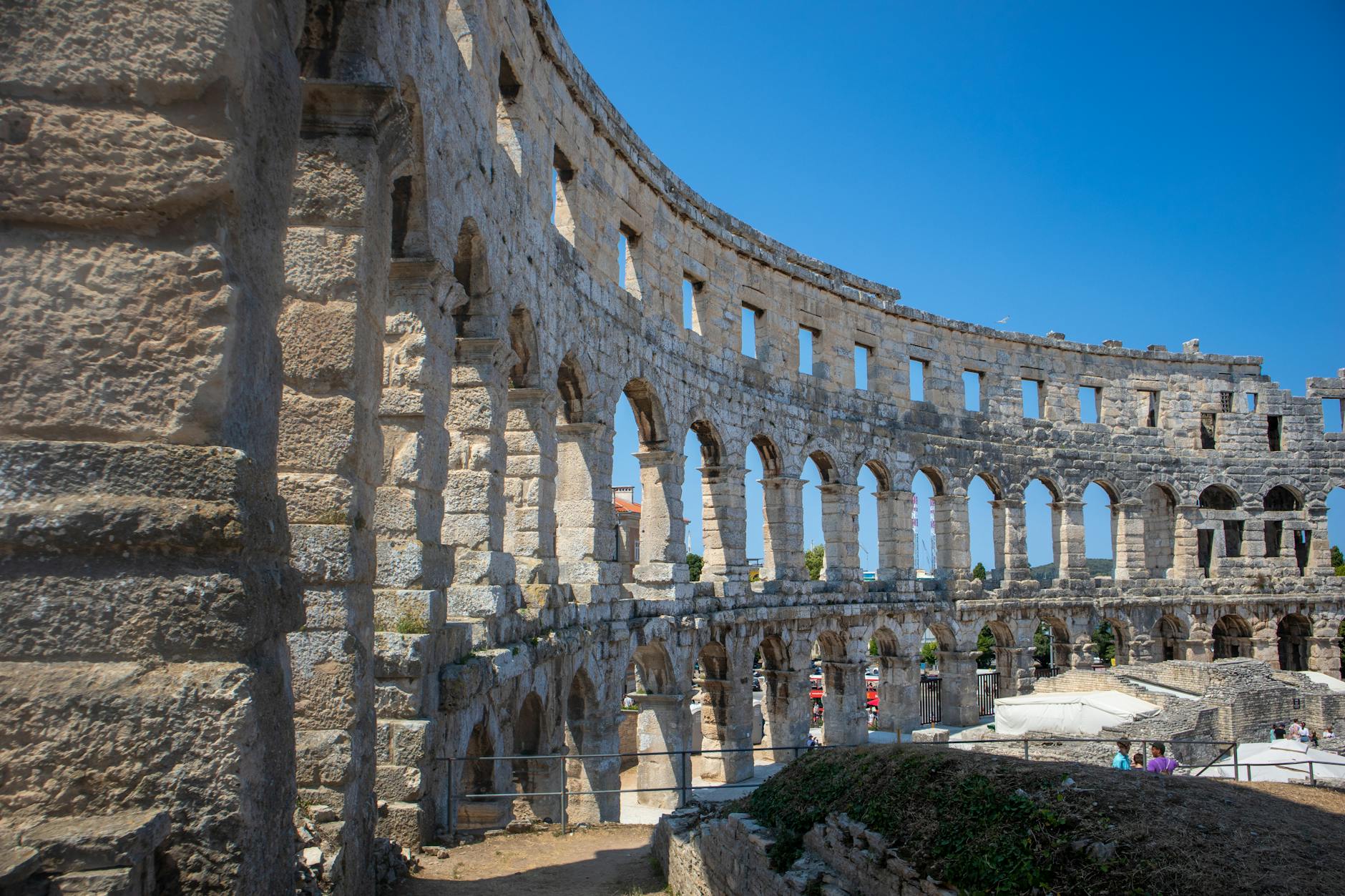
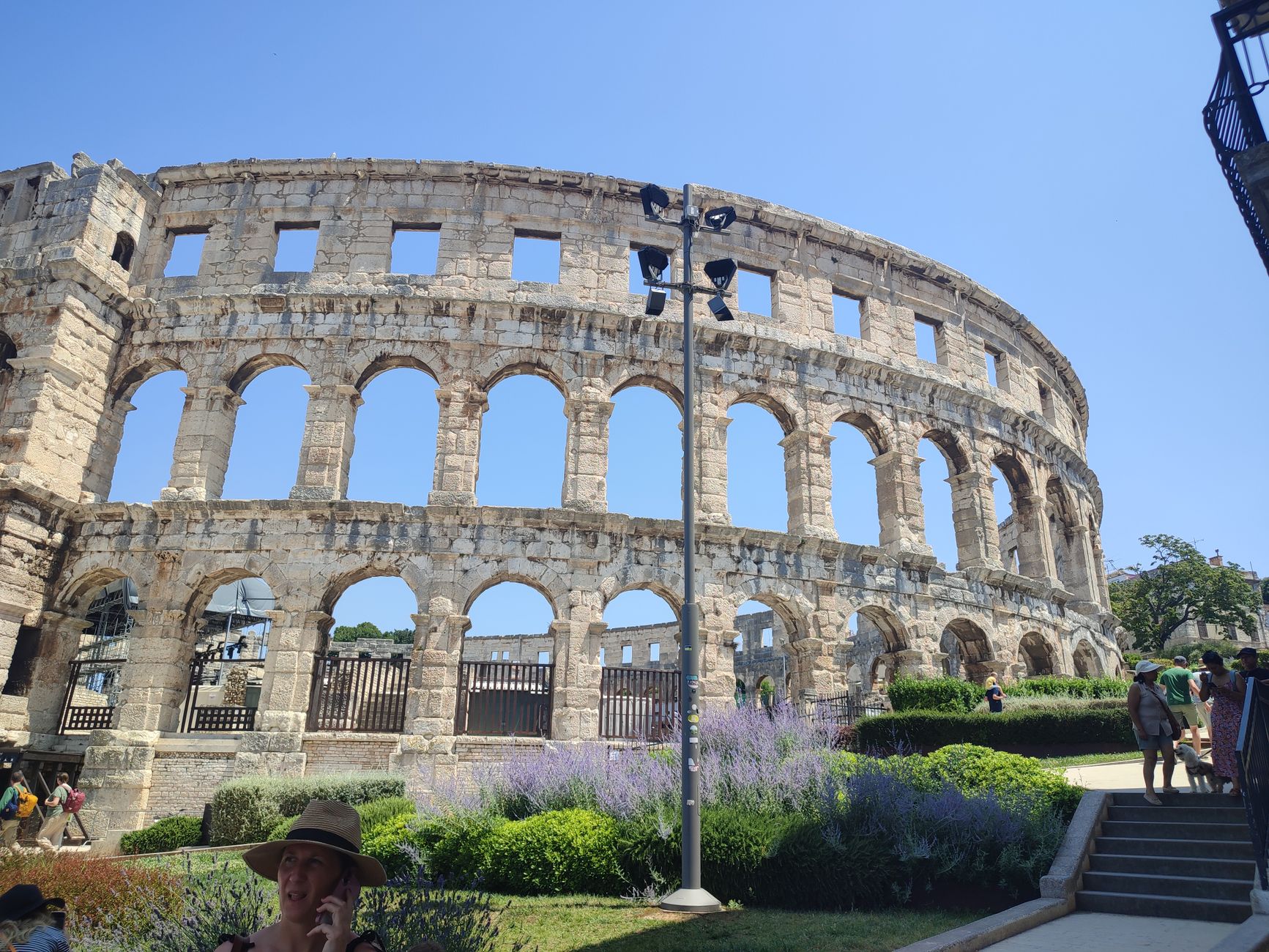
Croatia photo 1
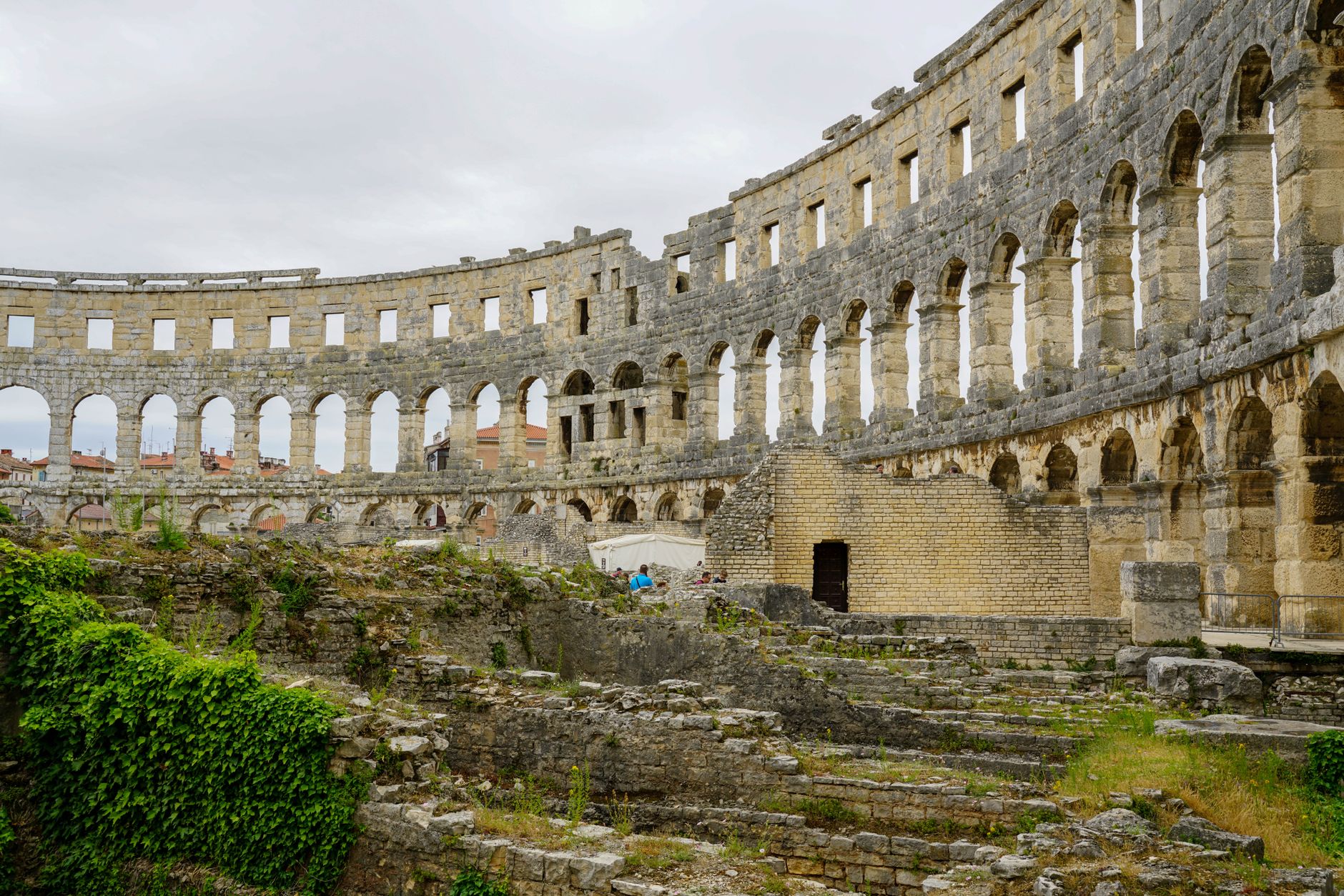
Croatia photo 2
Croatia photo 3
Croatia photo 4
Croatia photo 5
Croatia photo 6
Unmissable Moments

Top Things to Do in Croatia

Adventure

Sail the Sun-Drenched Kornati Archipelago

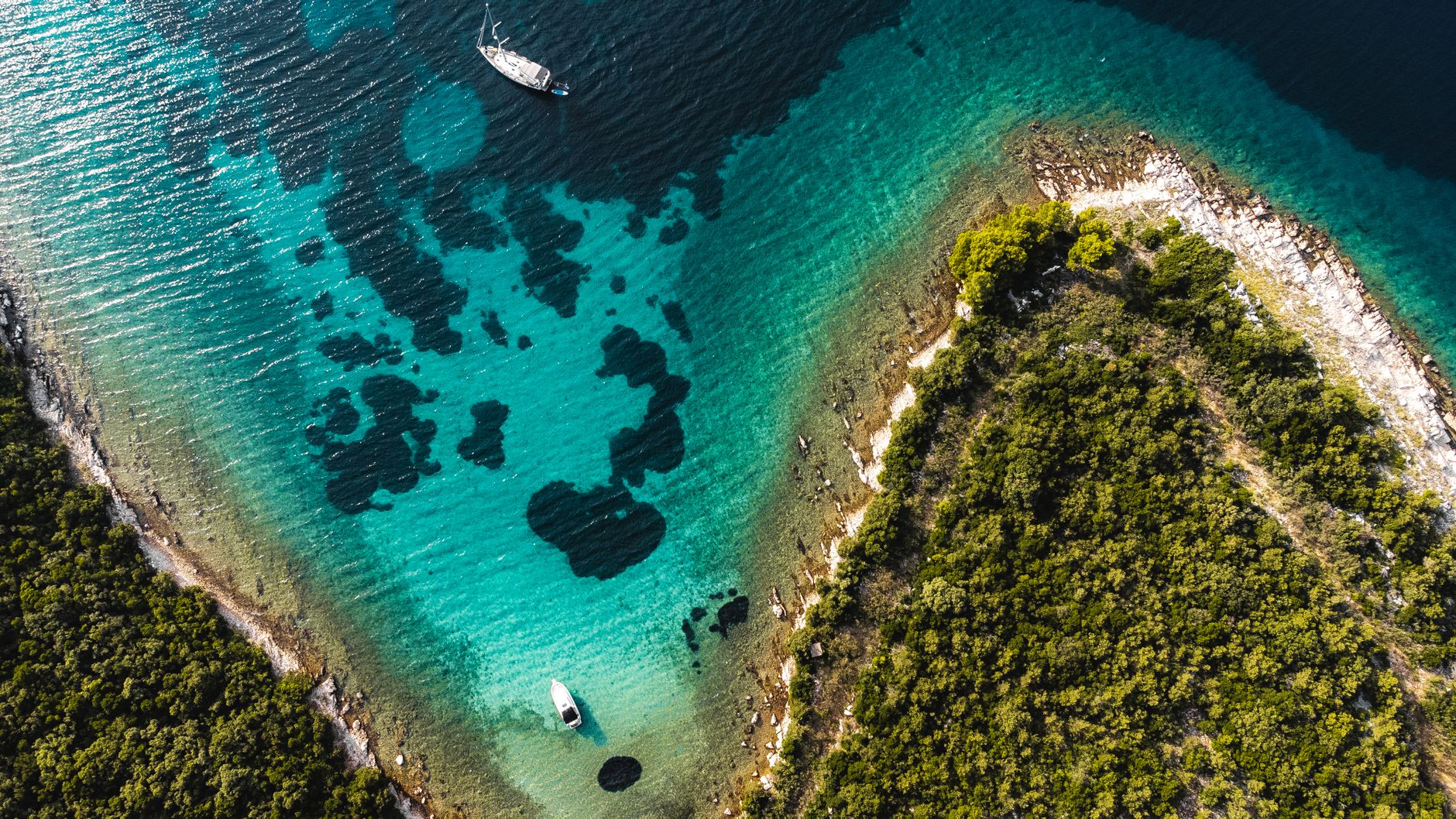
Charter a classic sailboat or join a guided island-hopping excursion through the mesmerizing Kornati National Park, an otherworldly labyrinth of nearly 90 barren, starkly beautiful limestone islands rising abruptly from deep blue waters. Navigate secret coves, anchor for a swim in crystal-clear lagoons, and dine on freshly grilled fish at a rustic family-run konoba accessible only by boat. Tip: Book a skippered wooden gulet for an authentic maritime experience and ask them to anchor in Lojena Beach on Levrnaka island.

Must-Do

Walk the Ancient Ramparts of Dubrovnik at Sunrise

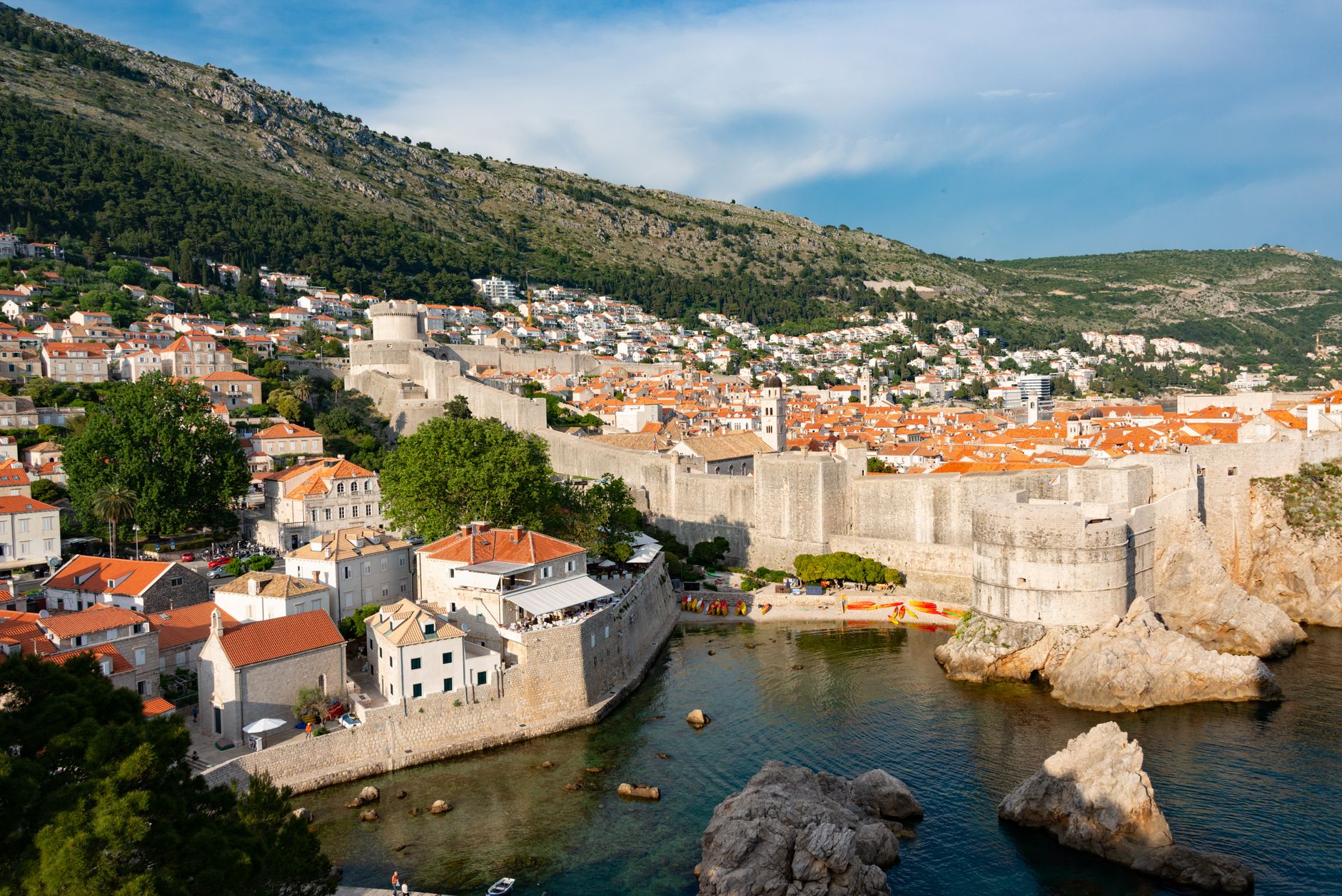
Experience the majestic 'Pearl of the Adriatic' before the cruise ship crowds descend by walking the complete 2-kilometer circuit of medieval stone walls just as the morning light illuminates the terracotta rooftops and the shimmering sea below. The cool morning breeze and the quiet serenity of the ancient fortresses provide a magical window into the city's seafaring past. Tip: Enter right when the gates open at 8:00 AM and head straight to Minceta Tower for unobstructed panoramic photographs.

Culinary

Hunt for Legendary White Truffles in the Istrian Forests

Journey into the misty, oak-rich Mirna River valley in Istria to join a master tartufaio (truffle hunter) and his exceptionally trained dogs as they sniff out elusive underground white and black truffles. Follow the exhilarating hunt with a sumptuous, truffle-infused farmhouse lunch featuring hand-rolled fuži pasta and robust local Teran red wine. Tip: Visit during the peak autumn truffle season in October for the ultimate culinary immersion.

Scenic

Marvel at the Emerald Cascades of Plitvice Lakes National Park

Trek across the wooden boardwalks suspended directly over a series of sixteen terraced, interconnected lakes that shimmer in kaleidoscopic shades of emerald, turquoise, and azure. Fed by subterranean rivers and surrounded by dense primeval forests, the park is a masterpiece of natural hydrology. Tip: Take the lower entrance (Entrance 1) early in the morning to catch the iconic view of the Great Waterfall before the tour buses arrive.

Must-See Highlights

Top Places & Things to Do in Croatia

Curated attractions and cultural landmarks with local insider advice.

Diocletian's Palace
culture
4.88

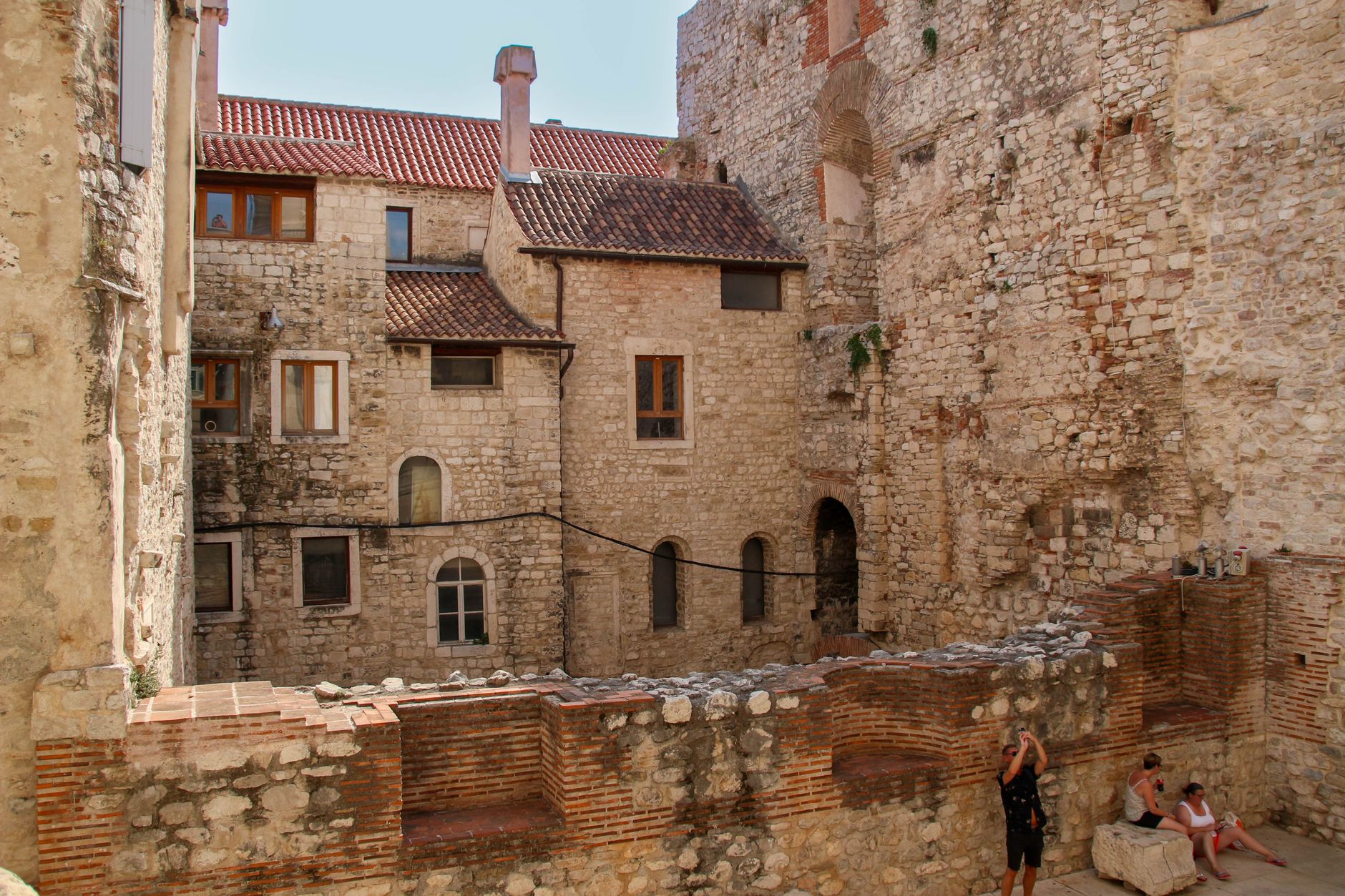
Diocletian's Palace

Commissioned by the Roman Emperor Diocletian at the turn of the 4th century AD, this sprawling imperial fortress forms the pulsating heart of modern Split. Rather than being a static ruin, the complex encompasses over 200 buildings, lively residential homes, vibrant piazzas, and ancient temples. Visitors can marvel at the remarkably preserved subterranean cellars, the majestic Peristyle courtyard flanked by original Egyptian granite sphinxes, and the soaring Cathedral of Saint Domnius, originally constructed as Diocletian's mausoleum.

Open 24/7 (Subterranean vaults and cathedral have specific daytime hours)
Admission: Free (Fees apply for specific vaults and tower)
Insider Tip: Visit the subterranean cellars early in the morning to avoid the midday crowds, and listen for traditional klapa a cappella singing echoing inside the palace vestibule.
Plitvice Lakes National Park
nature
4.92

Plitvice Lakes National Park

Croatia’s oldest and most renowned national park is a breathtaking wonderland of cascading forest lakes, travertine barriers, and roaring waterfalls. Sixteen interconnected lakes spill into one another across lush limestone canyons, shifting in color from deep emerald to vibrant turquoise depending on the minerals and sunlight. An extensive network of wooden boardwalks and hiking trails allows visitors to immerse themselves fully in this pristine ecosystem, home to brown bears, wolves, and over 160 species of birds.

7:00 AM – 8:00 PM (Summer hours vary)
Admission: €10 - €40 (seasonal pricing)
Insider Tip: Purchase tickets online well in advance during peak season. Program H offers the most comprehensive walking route for energetic hikers.
Hvar Town & Pakleni Islands
nature
4.86

Hvar Town & Pakleni Islands

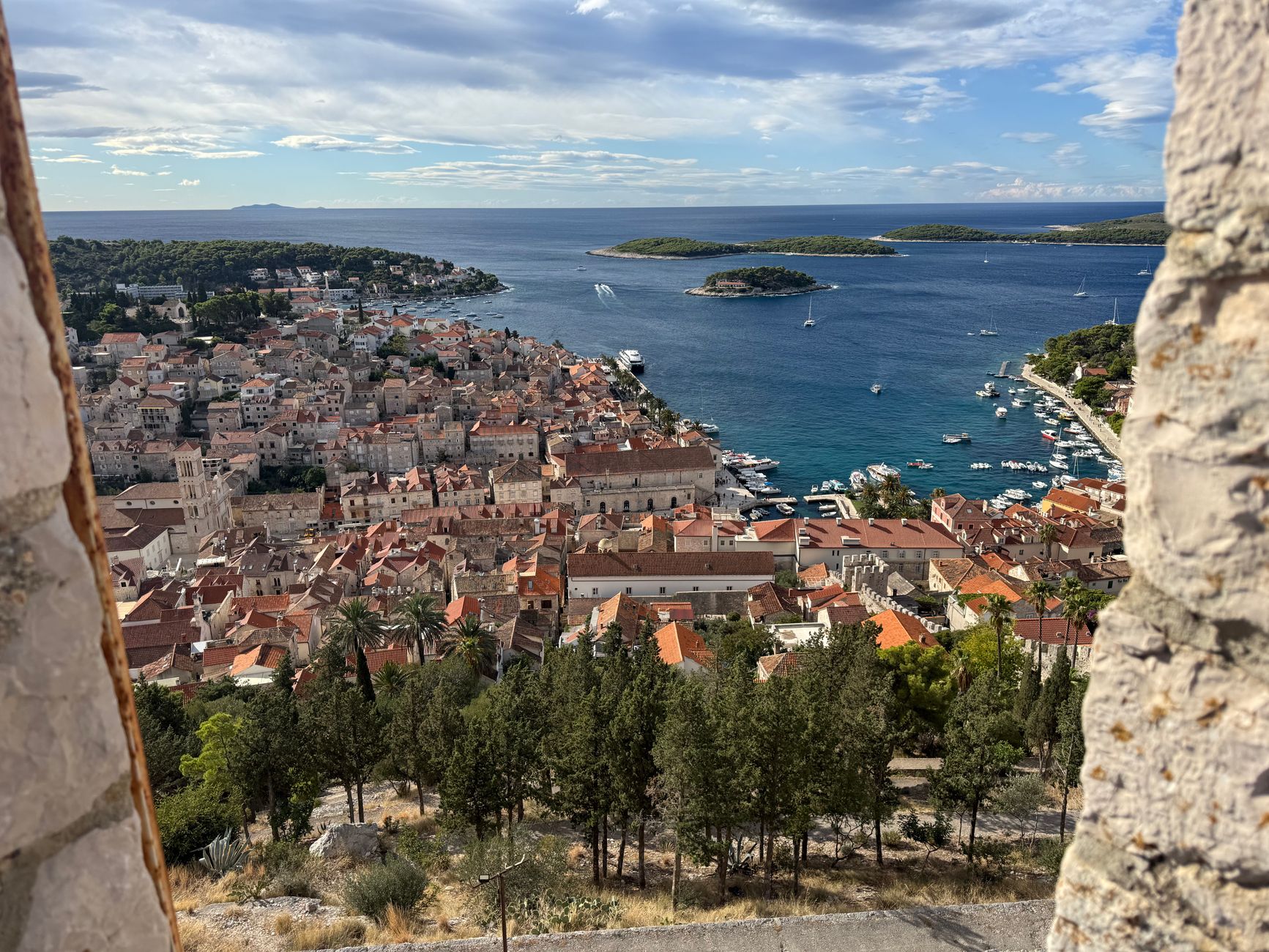
Hvar Town is the crown jewel of the Croatian islands, renowned for its Venetian-era architecture, glamorous yacht harbor, and vibrant nightlife scene. Just offshore lie the Pakleni Islands, a secluded, pine-scented archipelago of wooded islets boasting hidden swimming coves, crystal-clear turquoise lagoons, and bohemian beach clubs. The combination of rugged natural beauty, historical charm, and sophisticated Mediterranean lifestyle makes this region an absolute highlight of any coastal itinerary.

Open 24/7
Admission: Free (Boat rentals and water taxis vary)
Insider Tip: Take a water taxi from Hvar harbor to Palmizana on St. Clement Island for fantastic swimming and lunch at a secluded garden restaurant.
Dubrovnik City Walls
attraction
4.9

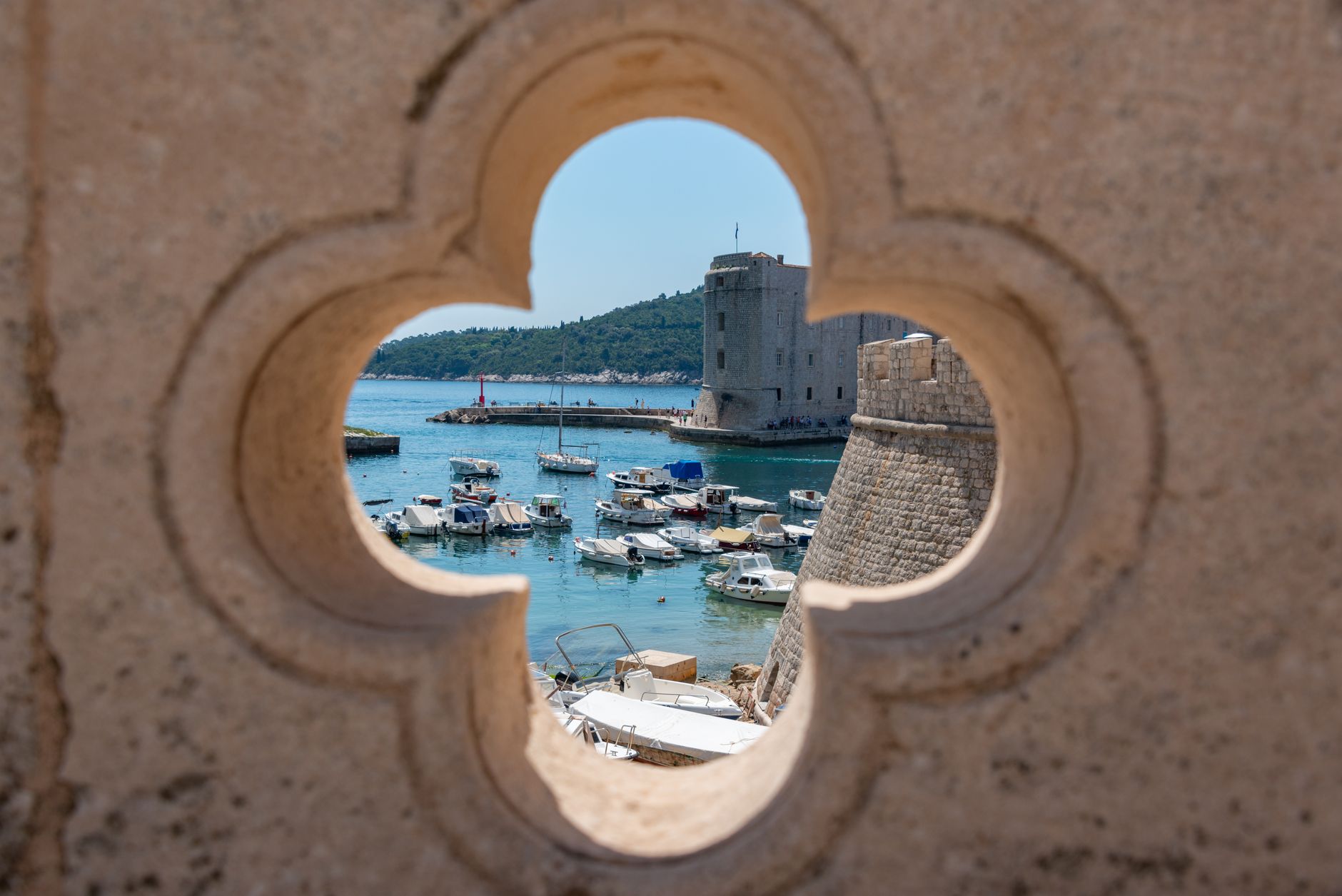
Dubrovnik City Walls

Encircling the historic Old Town of Dubrovnik, these formidable medieval defensive walls are considered among the finest fortification systems in the medieval world. Stretching nearly two kilometers in length and reaching heights of up to 25 meters, the stone ramparts offer panoramic vantage points overlooking the glittering Adriatic Sea and the terracotta rooftops below. The fortifications include massive bastions, fortresses, and towers such as Lovrijenac and Minceta, which have protected the independent Republic of Ragusa for centuries.

8:00 AM – 6:30 PM (Varies by season)
Admission: €35
Insider Tip: Bring a hat, sunglasses, and plenty of water, as there is very little shade along the stone ramparts. Do the walk early in the morning or late afternoon.
Area Guide

Where to Stay & Best Neighborhoods

Dubrovnik Old Town

Best for: History enthusiasts, romantic getaways, architecture lovers, and Game of Thrones fans

Vibe: Imposing medieval stone walls, glistening marble pedestrian streets, and historic baroque architecture

Enclosed entirely within massive 16th-century stone ramparts, Dubrovnik's car-free Old Town is an architectural marvel. Walking down the wide limestone-paved Stradun feels like stepping onto a meticulously preserved movie set, flanked by patrician palaces, Gothic churches, and vibrant outdoor cafes. Shaded alleyways climb steeply up the hillside, revealing hidden stairwells, laundry flapping overhead, and charming neighborhood restaurants serving fresh seafood.

Split Diocletian's Palace District

Best for: Ancient history buffs, social travelers, nightlife seekers, and foodies

Vibe: Living Roman antiquity seamlessly fused with bustling contemporary cafes, bars, and boutiques

Unlike traditional museums, Split's ancient heart is a living, breathing neighborhood where modern residents dry their laundry between Roman columns and sip espresso in subterranean vaults built over 1,700 years ago for Emperor Diocletian. The Peristyle square acts as an open-air living room, while the labyrinthine alleys bustle with vibrant music, artisan gelato shops, and energetic street performers.

Zagreb Upper Town (Gornji Grad)

Best for: Culture lovers, museum enthusiasts, romantic strolls, and cafe society

Vibe: Austro-Hungarian elegance, gas-lit lanterns, cobbled historical lanes, and cozy bohemian cafes

Perched gracefully above the bustling commercial hub of the Lower Town, Gornji Grad retains a charming, village-like tranquility. Dominated by the iconic colorful tiled roof of St. Mark's Church and the historic Lotrščak Tower—which fires its cannon every single day at noon—this district is defined by quiet courtyards, panoramic viewpoints, and historic apothecary shops.

Food & Drink Scene

What to Eat in Croatia

Peka (Octopus or Veal under the Bell)

A legendary slow-cooked Dalmatian masterpiece consisting of tender octopus, lamb, or veal combined with potatoes, root vegetables, Mediterranean herbs, and olive oil, sealed beneath a heavy iron dome (peka) buried directly under glowing wood embers for several hours until meltingly tender and deeply flavorful.

🍴 Top spot: Konoba Menejo, Hvar

Crni Rižot (Black Risotto)

An iconic coastal seafood dish made with arborio rice, cuttlefish (or squid), garlic, red wine, olive oil, and the cuttlefish's own ink, which imparts a dramatic pitch-black hue and a rich, intensely briny, oceanic flavor profile.

🍴 Top spot: Restaurant Proto, Dubrovnik

Istrian Fuži with Truffles

Traditional quill-shaped handmade Istrian pasta tossed in a luxurious, buttery sauce infused with freshly shaved indigenous white or black truffles and finished with grated local aged cheese.

🍴 Top spot: Konoba Bučaj, Motovun
Excursions

Best Day Trips from Croatia

Hvar Island Lavender Fields & Venetian Fortress

1 hour by catamaran from Split

Take a high-speed catamaran across the Adriatic to explore the sun-drenched island of Hvar. Wander through fragrant lavender fields on the Stari Grad Plain (a UNESCO World Heritage site), explore the labyrinthine marble alleys of Hvar Town, and hike up to the Spanish Fortress for breathtaking views over the Pakleni Islands.

Krka National Park & Historic Šibenik

1 hour 15 minutes by car or bus from Split

Discover the stunning series of travertine waterfalls at Krka National Park, where you can walk wooden nature trails alongside pristine pools. Combine the nature excursion with a visit to the nearby coastal city of Šibenik to admire the magnificent stone-crafted Cathedral of St. James.

When to Go

Best Time to Visit & Seasonality

Editor’s Pick: May to June and September to October offer the ultimate balance of warm, swimmable weather, comfortable sightseeing conditions, and significantly smaller crowds than the peak months of July and August.

Spring Overview

(April to May)
Quiet / Low Season
Average Temperature & Climate15°C to 22°C

Mild, increasingly sunny with occasional spring showers

Crowd & Travel ConditionsLow Tourist Traffic

Fewer lines and better deals.

✨ Seasonal Highlights:Wildflowers blooming in Plitvice, comfortable hiking conditions, olive oil harvest celebrations, uncrowded historic sites.
Travel Smarter

Practical Travel Essentials

CurrencyEUR (€)
LanguageCroatian
Time ZoneCentral European Time (CET, UTC+1)

Visa & Entry

Croatia is part of the European Union and the Schengen Area. Citizens of the US, Canada, Australia, and the UK do not require a visa for short-term tourist stays up to 90 days.

Getting Around & Transit

Car rental is ideal for exploring the interior and national parks. An extensive network of high-speed catamarans and ferries connects the mainland to the islands, while comfortable long-distance buses cover coastal routes efficiently.

Daily Budget Expectation

$120 - $250 USD per day for a comfortable mid-range traveler including accommodation, dining, and activities.

Safety & Health

Very High. Croatia is one of the safest countries in Europe with extremely low rates of violent crime.

Local Etiquette & Customs

Greeting locals with a polite 'Dobar dan' (Good day) is appreciated. Tipping around 10% in restaurants for good service is customary but not strictly mandatory.

Questions & Answers

Frequently Asked Questions about Croatia

It depends on your itinerary. A car is fantastic for exploring Istria, national parks like Plitvice, and coastal regions. However, if you are strictly visiting major cities (Zagreb, Split, Dubrovnik) and hopping between islands, ferries and buses are more convenient and save you from expensive parking and ferry car-surcharge fees.