🌟 Best in Travel 2026 is here!
Cuba
countryNorth America
4.85 / 5.0

Cuba

A timeless Caribbean symphony of vintage cars, crumbling colonial grandeur, and resilient rhythms.

Advertisement
Editorial Guide

About Cuba

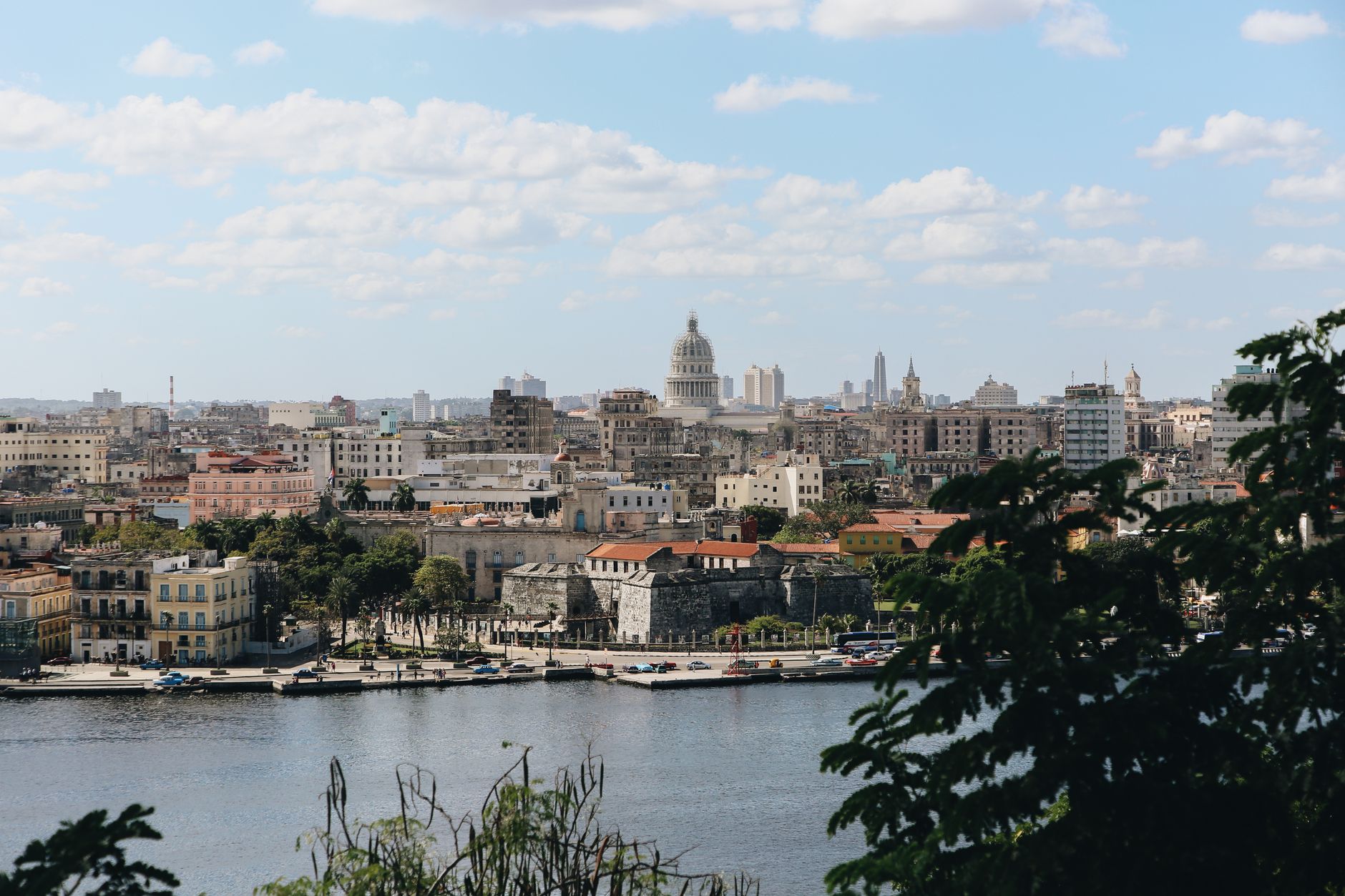
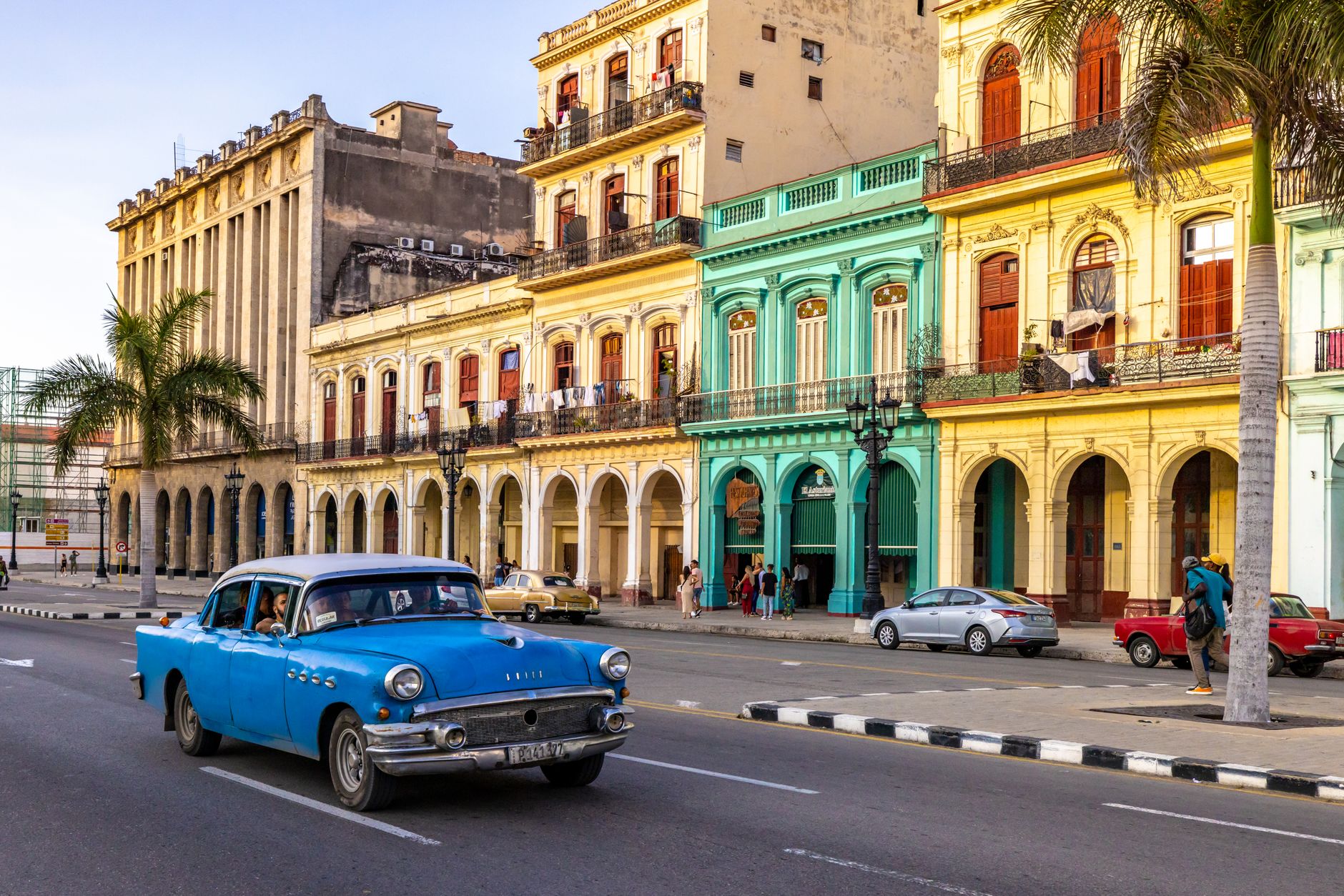
Cuba exists in a state of suspended animation, a captivating paradox where the vibrant echoes of a rich colonial past and a revolutionary present collide under a relentless Caribbean sun. Geographically the largest island in the Antilles, its landscape shifts dramatically from the mist-shrouded mogotes of the Viñales Valley to the glittering turquoise waters of the Cayos and the urban labyrinth of Havana. History here is not merely studied; it is lived and breathed on every corner, painted in fading pastel facades, whispered through the slats of wooden louvered windows, and punctuated by the roar of mid-century American sedans.

The cultural pulse of the island is deeply rooted in an intricate fusion of Spanish, African, and Caribbean influences. This unique syncretism manifests in the hypnotic syncopation of son cubano echoing from open-air plazas, the spiritual devotion of Santería ceremonies practiced behind closed doors, and a pervasive warmth among locals that transcends economic hardship. To travel through Cuba is to navigate an emotional spectrum: you will be simultaneously struck by profound infrastructure decay and breathtaking architectural majesty, by moments of scarcity and boundless generosity.

Everyday life in Cuba operates on its own distinct cadence, driven by resourcefulness, community, and the art of 'resolver'—finding a way through any obstacle. Markets might have sparse shelves, but street corners overflow with domino games, spirited political debates, and the sweet aroma of roasted pork and freshly rolled tobacco. The island's geography has isolated it from modern global consumerism, preserving a purity of experience that is increasingly rare in the modern world. Here, human connection takes precedence over digital connectivity.

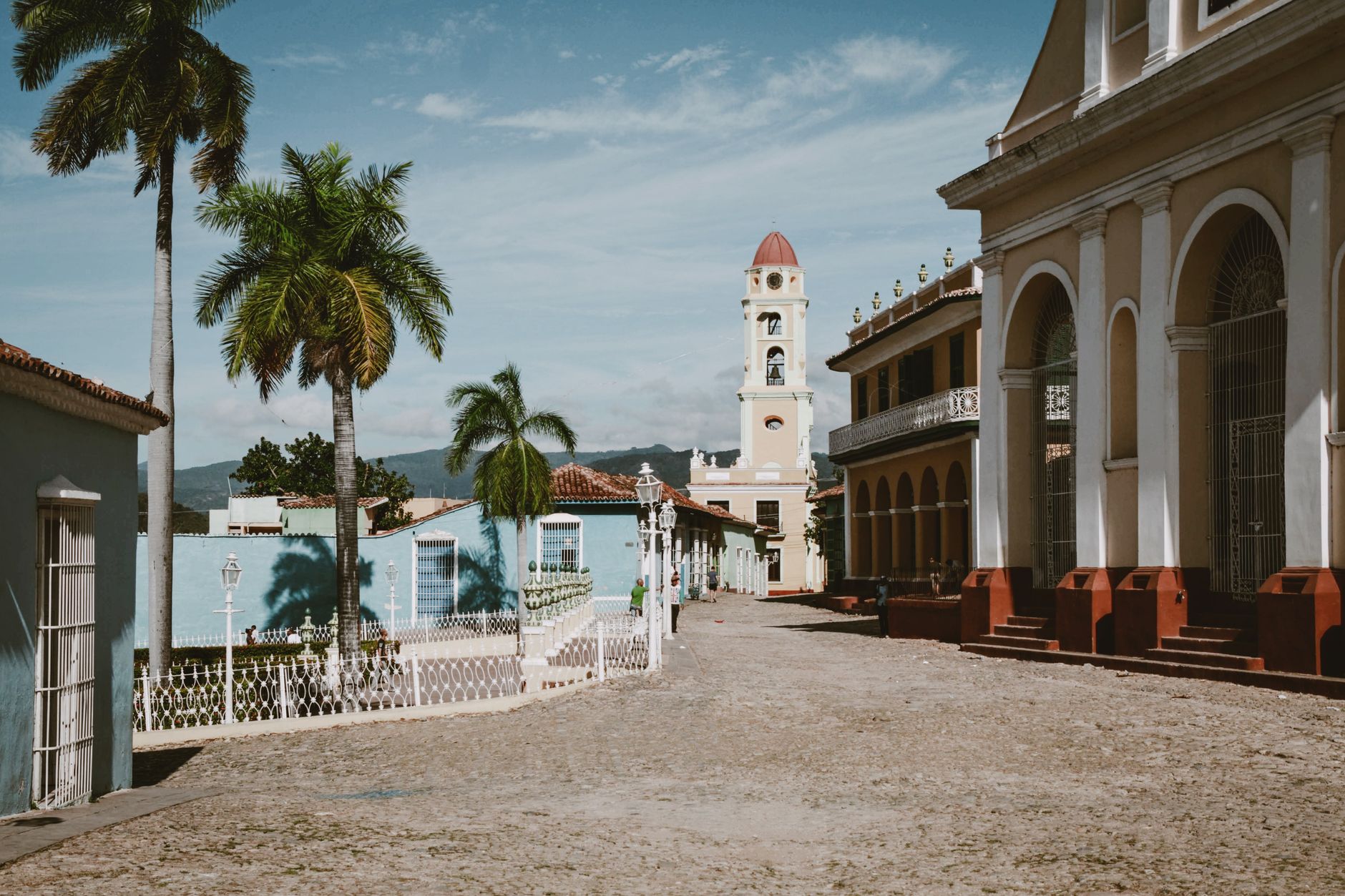
From the cobblestone plazas of Trinidad, where time seems to have stopped completely in the 19th century, to the intellectual hum of Santiago de Cuba, the nation's cultural bedrock, Cuba offers a sensory overload. It is a destination that demands patience, flexibility, and an open heart. Those willing to look past the bureaucratic hurdles and infrastructure challenges will be rewarded with an authentic, soulful journey that lingers in the memory long after the rum has faded and the vintage engines have fallen silent.

Visual Impressions & Moments

Cuba photo 1
Cuba photo 2
Cuba photo 3
Cuba photo 4
Cuba photo 5
Cuba photo 6
Unmissable Moments

Top Things to Do in Cuba

Must-Do

Cruise the Malecón in a 1950s Classic American Convertible

Renting a restored, candy-colored Chevrolet, Ford, or Cadillac with an open top to cruise along Havana's iconic seaside boulevard at sunset is the quintessential Cuban experience. Feel the salty ocean spray, listen to vintage radio or modern reggaeton, and watch the Havana skyline fade into twilight. Tip: Hire your driver from Parque Central and negotiate the route and price before setting off; sunset (around 6 PM) offers the most magical lighting for photography.

Adventure

Hike and Ride Through the Limestone Mogotes of Viñales

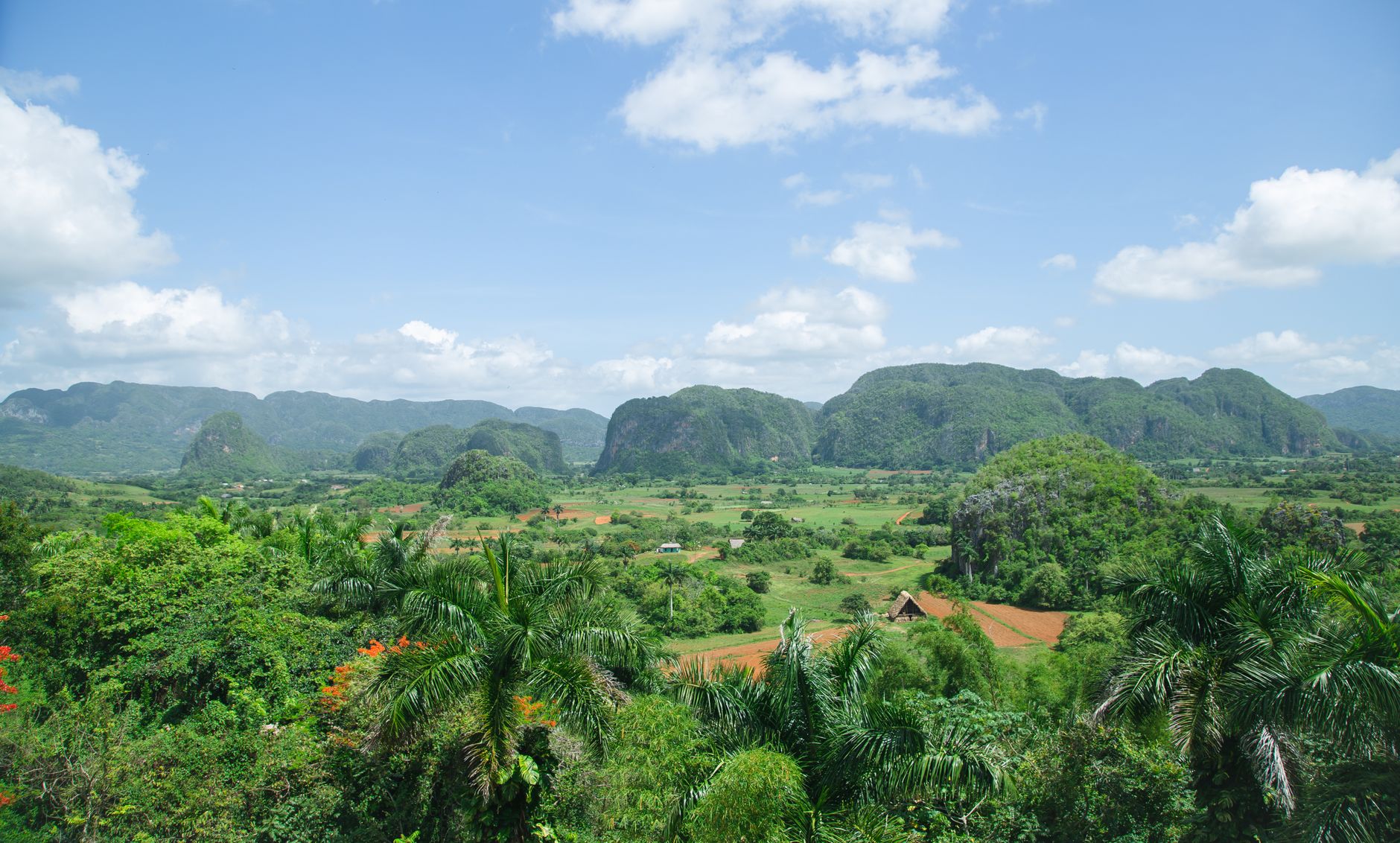
Venture west to the lush Viñales Valley, a UNESCO World Heritage site where dramatic limestone karsts rise abruptly from tobacco-farming red earth. Take a guided horseback ride through tobacco fields, visit local farmers who still roll world-class cigars without chemical additives, and explore subterranean caves like Cueva del Indio. Tip: Book a stay in a local casa particular with a rooftop terrace overlooking the valley for sunrise coffee.

Culture

Immerse Yourself in the Cobbled Time-Warp of Trinidad

Step back into the early 19th-century sugar boom era by wandering the UNESCO-listed streets of Trinidad. Lined with pastel-hued mansions, wrought-iron grilles, and uneven cobblestones, the town bursts into music every night at the outdoor Casa de la Música. Tip: Climb the bell tower of the former Convento de San Francisco for a sweeping panoramic view of the red-tiled roofs and the distant Caribbean Sea.

Culture

Learn the Art of Rolling Authentic Cuban Cigars

Visit a traditional tobacco farm in the Vuelta Abajo region or an authorized factory in Havana to witness the intricate craftsmanship behind the world's finest cigars. Master rollers meticulously sort leaves, press them, and hand-roll puros with remarkable precision. Tip: Only purchase cigars from state-verified stores (like Casa del Habano) with official tax seals if you plan to export them legally.

Must-See Highlights

Top Places & Things to Do in Cuba

Curated attractions and cultural landmarks with local insider advice.

Plaza Mayor, Trinidad
culture
4.9

Plaza Mayor, Trinidad

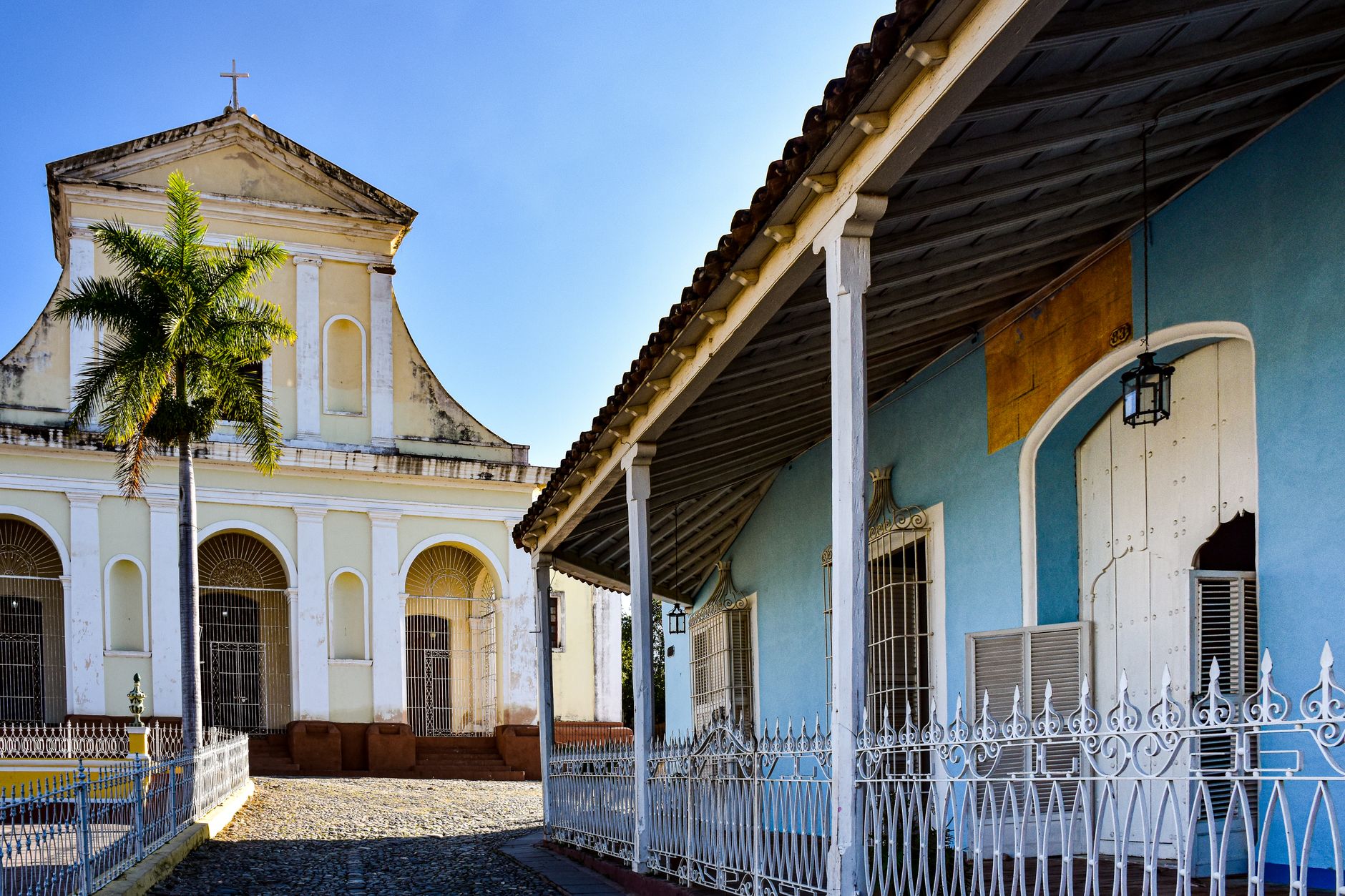
The beating heart of colonial Trinidad, Plaza Mayor is an architectural masterpiece framed by neoclassical palaces that once belonged to wealthy sugar barons. Palm trees sway over wrought-iron benches, while vibrant yellow and pastel museums rise along the perimeter, offering deep insights into the region's turbulent history. At night, the square transforms. Music spills down from the adjacent steps of the Casa de la Música, where travelers and locals alike sip rum cocktails and dance under the warm Cuban sky. It is a place that encapsulates the romanticism of colonial Cuba.

Open 24/7
Admission: Free
Insider Tip: Visit early in the morning before the tour buses arrive for serene photography, and return at dusk for the best musical atmosphere.
El Capitolio
attraction
4.8

El Capitolio

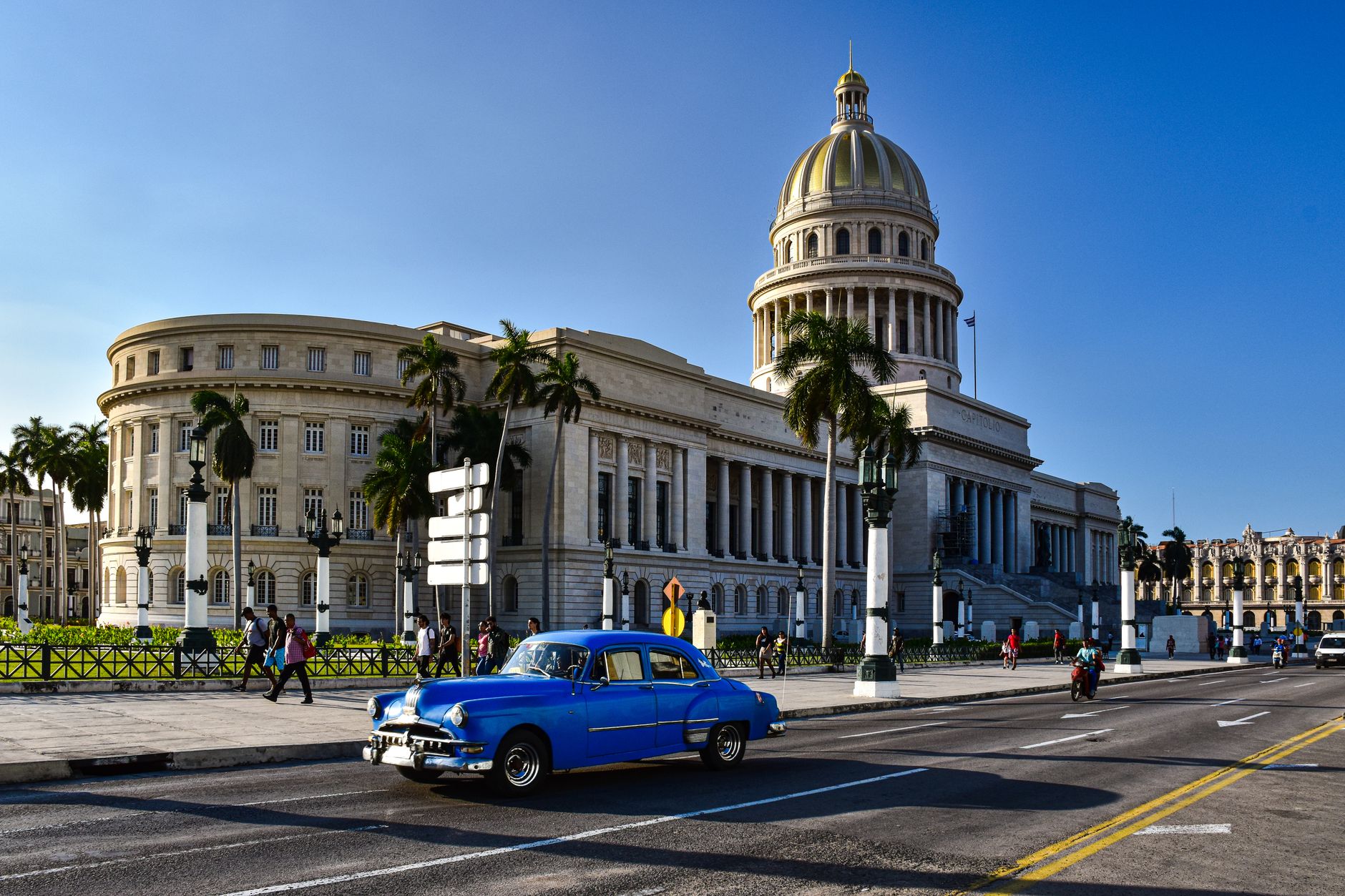
Dominating the Havana skyline, the National Capitol Building is an imposing architectural marvel completed in 1929, heavily inspired by the United States Capitol in Washington, D.C., but built on an even grander scale. Its magnificent dome towers over the city, housing a massive bronze statue of the Republic and an exact replica of a 24-karat diamond marking kilometer zero for the Cuban highway system. Recent meticulous restoration work has restored its opulent interior of polished marbles, bronze ornamentation, and intricate wood carvings to its former glory. It serves as the seat of the Cuban Academy of Sciences and National Assembly.

9:00 AM - 5:00 PM daily
Admission: Approx. €10 (guided tour)
Insider Tip: Hire an official guide inside to access the upper chambers and learn fascinating historical details about the building's construction.
Valle de Viñales
nature
4.92

Valle de Viñales

A breathtaking karstic depression in the Sierra de los Órganos mountains, the Viñales Valley is characterized by dramatic rounded limestone hills known as mogotes that jut dramatically out of fertile red soil. Traditional agriculture thrives here unchanged for centuries; oxen plow the fields, and farmers cultivate some of the most sought-after tobacco leaves on Earth. The valley is also a haven for spelunkers and hikers, featuring intricate cave systems like the Cueva del Indio, where boat rides take visitors along subterranean rivers. The relaxed, rural pace of life here provides a serene antidote to Havana's energetic hum.

Open 24/7
Admission: Free to enter valley; small fees for caves
Insider Tip: Book a local farmer-led horseback riding tour through the valley to gain exclusive access to tobacco curing barns and hidden coffee plantations.
Area Guide

Where to Stay & Best Neighborhoods

Habana Vieja (Old Havana)

Best for: History buffs, architecture enthusiasts, first-time visitors, and photography lovers.

Vibe: Grand colonial architecture, bustling historic plazas, crumbling facades, and street musicians.

A sprawling open-air museum encompassing four magnificent historical squares—Plaza de Armas, Plaza de la Catedral, Plaza Vieja, and Plaza de San Francisco de Asís. Walking through its narrow streets reveals a poignant mix of meticulously restored palaces and melancholic ruins where laundry flutters from wrought-iron balconies and children play stickball in the alleys.

Vedado

Best for: Nightlife seekers, architecture fans, travelers looking for a less touristy urban base.

Vibe: Tree-lined avenues, 1920s Art Deco and modernist mansions, intellectual cafes, and vibrant nightlife.

Built during the early 20th century, Vedado feels worlds away from Old Havana with its grid system, leafy parks, and grand architectural styles ranging from neoclassical to brutalist. Home to the legendary Hotel Nacional, vibrant jazz clubs, and cutting-edge independent art galleries, it is the cultural and nocturnal hub of modern Havana.

Trinidad Historic Center

Best for: Slow travel, romantic getaways, photographers, and culture lovers.

Vibe: Sleepy colonial hamlet, cobblestone lanes, artisan markets, and nocturnal salsa dancing.

This remarkably preserved colonial town feels entirely removed from the fast-paced world. Low-slung houses painted in ochre, turquoise, and rose flank streets that echo with the clip-clop of horse-drawn carriages and the rhythmic strumming of guitars. By day, explore artisan craft stalls; by night, gather on the grand stone steps by the church to dance salsa under the stars.

Food & Drink Scene

What to Eat in Cuba

Ropa Vieja (Shredded Beef Stew)

Cuba's national dish consists of flank steak slow-cooked until it falls apart tender, simmered in a rich, savory tomato-based criollo sauce with bell peppers, onions, and garlic. It is typically served alongside white rice, black beans (congrí), and crispy fried plantains (tostones).

🍴 Top spot: Doña Eutimia, tucked behind the Plaza de la Catedral in Old Havana.

Moros y Cristianos (Black Beans and Rice)

A foundational staple of Cuban cuisine, translating poetically to 'Moors and Christians'. Black beans and white rice are cooked together with garlic, onions, bell peppers, and cumin, absorbing deep, savory flavors that accompany nearly every traditional meal.

🍴 Top spot: La Guarida, Centro Habana.

Lechón Asado (Roasted Pork)

Marinated in a zesty mojo sauce made from bitter orange, garlic, oregano, and cumin, whole or large cuts of pork are slow-roasted until the skin is shatteringly crisp and the meat is succulent and melt-in-your-mouth tender. Essential at any Cuban celebration.

🍴 Top spot: El Ajibe, Miramar, famous for its sweet-orange roast chicken and pork dishes.
Excursions

Best Day Trips from Cuba

Viñales Valley & Tobacco Plantations

2.5 hours by taxi or tourist bus from Havana

Escape the urban intensity of Havana for the emerald-green landscapes of Pinar del Río. Explore limestone caves, visit traditional tobacco curing barns, and enjoy panoramic views from Hotel Los Jazmines overlooking the majestic mogotes.

Varadero Beach & Peninsula de Hicacos

2 hours by taxi or coach from Havana

Trade city streets for 20 kilometers of powdery white sand and translucent turquoise waters. While heavily resort-oriented, a day trip offers world-class swimming, catamaran trips to nearby cays, and fresh seafood lunches by the shore.

When to Go

Best Time to Visit & Seasonality

Editor’s Pick: The dry season, spanning from November to April, is widely considered the prime time to visit Cuba. During these months, temperatures are pleasantly warm rather than oppressively hot, and rainfall is minimal, making it ideal for exploring colonial cities, hiking in the western valleys, or relaxing on pristine beaches. December and January see peak tourist crowds and higher prices, especially around the holidays. The shoulder months of November and April offer a sweet spot of great weather and manageable crowds. May through October brings the wet season, characterized by high humidity, tropical downpours, and the potential for hurricanes between August and October.

Spring Overview

(March - May)
Moderate
Average Temperature & Climate24°C to 29°C (75°F to 84°F)

Warm, increasingly sunny, and relatively dry before summer humidity sets in.

Crowd & Travel ConditionsModerate Tourist Traffic

Fewer lines and better deals.

✨ Seasonal Highlights:Excellent conditions for exploring Havana's streets, attending the Havana Biennial (when scheduled), and hiking in Viñales.
Travel Smarter

Practical Travel Essentials

CurrencyCuban Peso (CUP)
LanguageSpanish
Time ZoneEastern Standard Time (EST, UTC-5)

Visa & Entry

Most international visitors require a Tourist Card (Tarjeta de Turista) prior to arrival, along with mandatory travel insurance that covers medical expenses in Cuba. US citizens must travel under specific authorized categories.

Getting Around & Transit

Inter-city travel is best done via Viazul tourist buses or shared private classic cars (taxis collectivos). Within cities, hop in vintage coco-taxis, bicitaxis, or registered state taxis. Always agree on fares before embarking.

Daily Budget Expectation

$50 - $120 USD equivalent per day, depending on whether you stay in private bed-and-breakfasts (casas particulares) and eat at local peso spots versus tourist restaurants.

Safety & Health

Cuba is one of the safest countries in Latin America for travelers, with extremely low rates of violent crime. Petty theft, scams targeting tourists, and hustlers (jineteros) exist, so standard urban vigilance is advised.

Local Etiquette & Customs

Cubans are remarkably warm, proud, and conversational. Always greet people with a polite 'Buenos días' or 'Buenas tardes'. Asking permission before photographing locals is essential. Tipping is customary and greatly appreciated.

Questions & Answers

Frequently Asked Questions about Cuba

You must bring sufficient physical cash (Euros, Canadian Dollars, or British Pounds are best) to exchange for Cuban Pesos (CUP). US-issued credit and debit cards do not work in Cuba, and foreign cards issued by other banks are widely unreliable due to internet connectivity and banking restrictions.