🌟 Best in Travel 2026 is here!
Dinant
cityEurope
4.85 / 5.0

Dinant

A dramatic symphony of stone, water, and saxophone along the Meuse River.

Advertisement
Editorial Guide

About Dinant

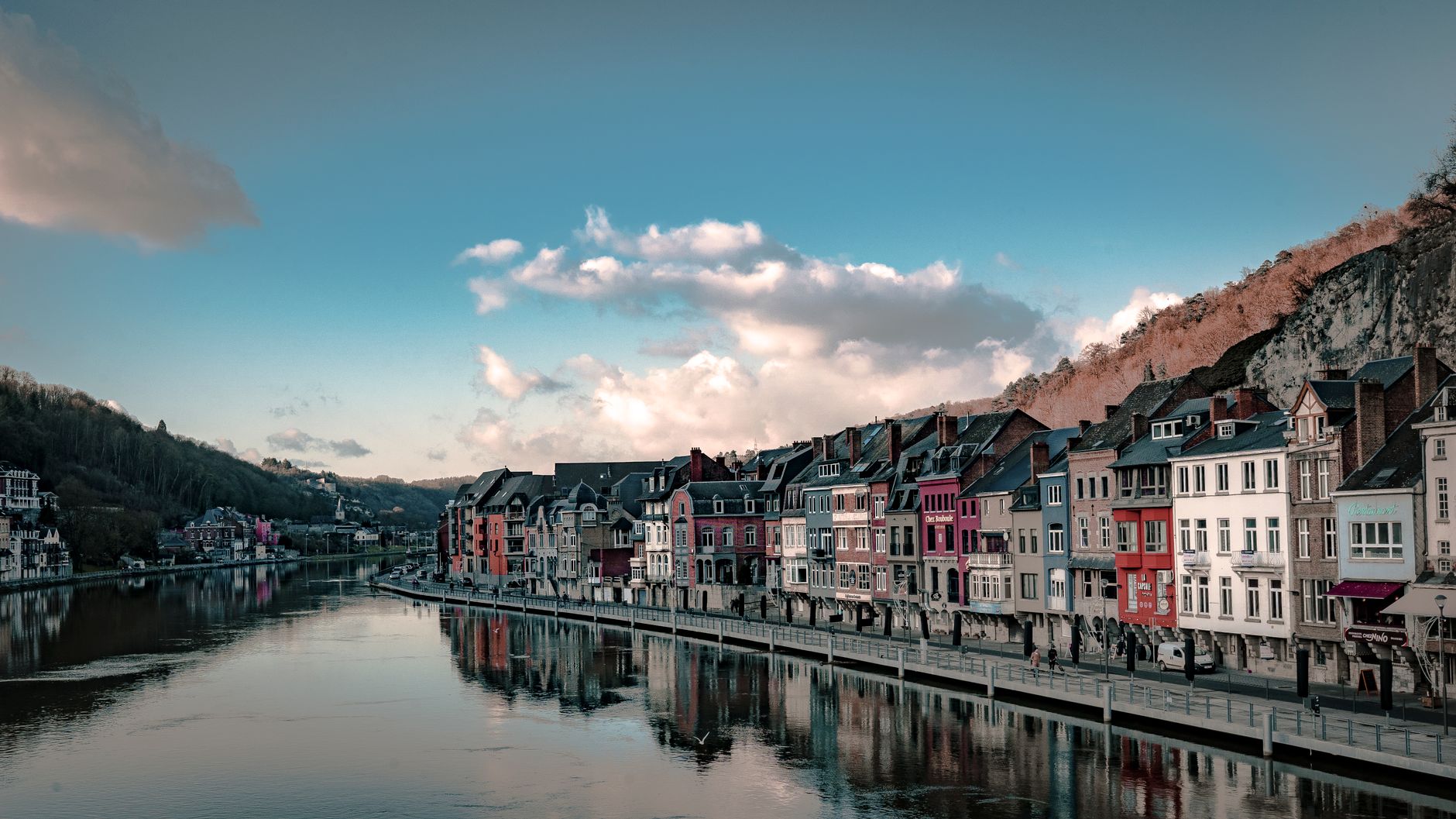
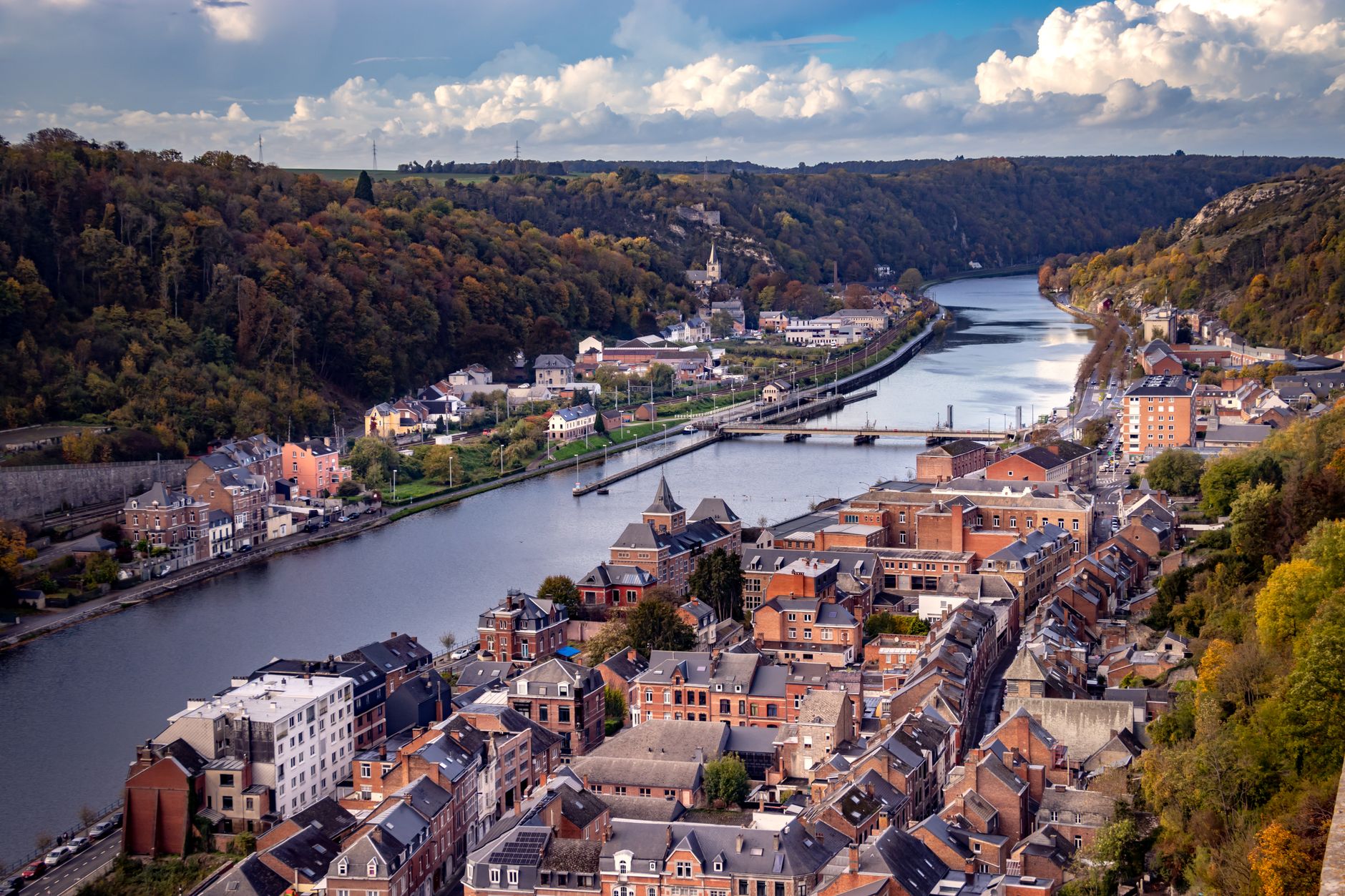
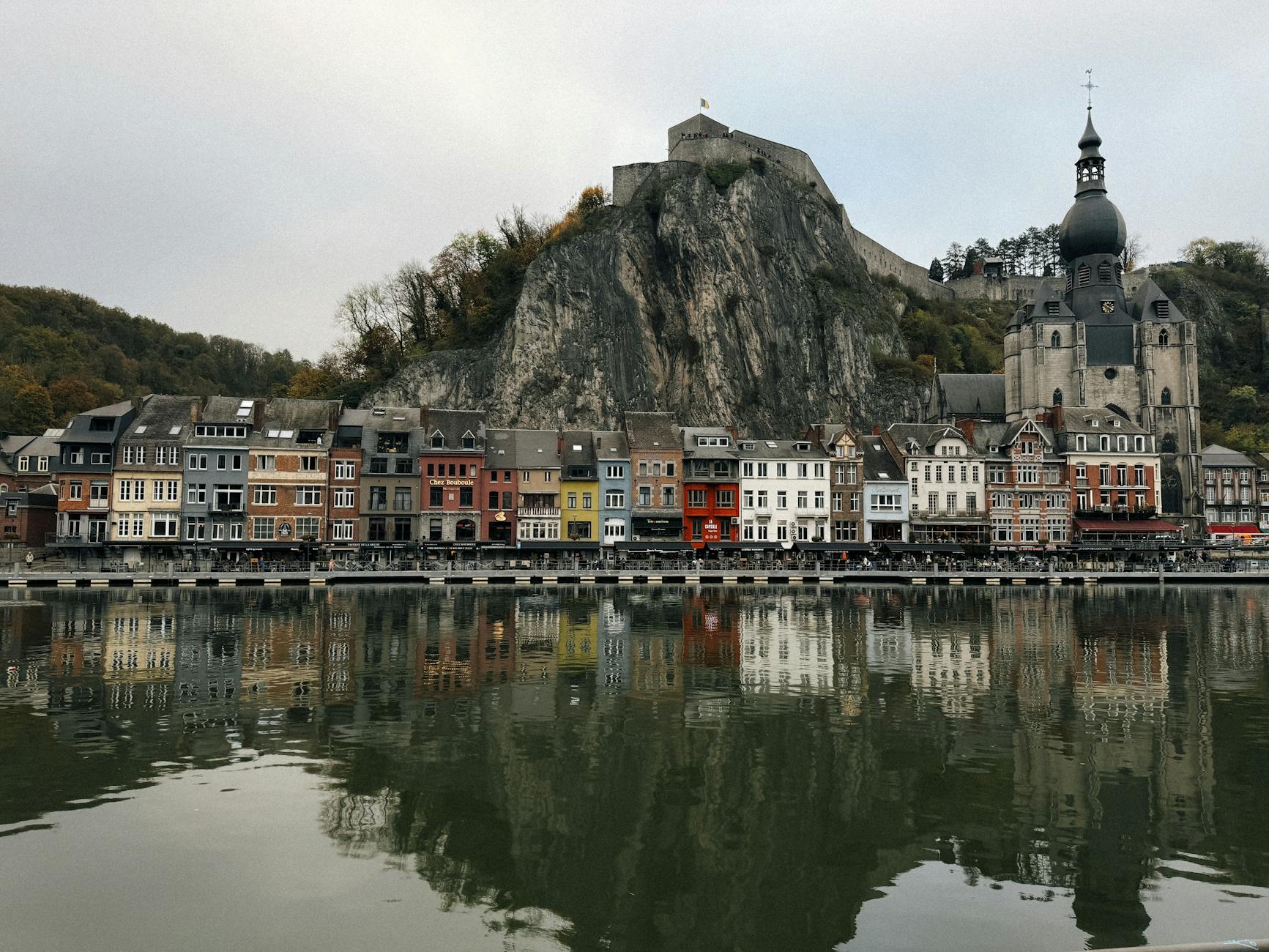
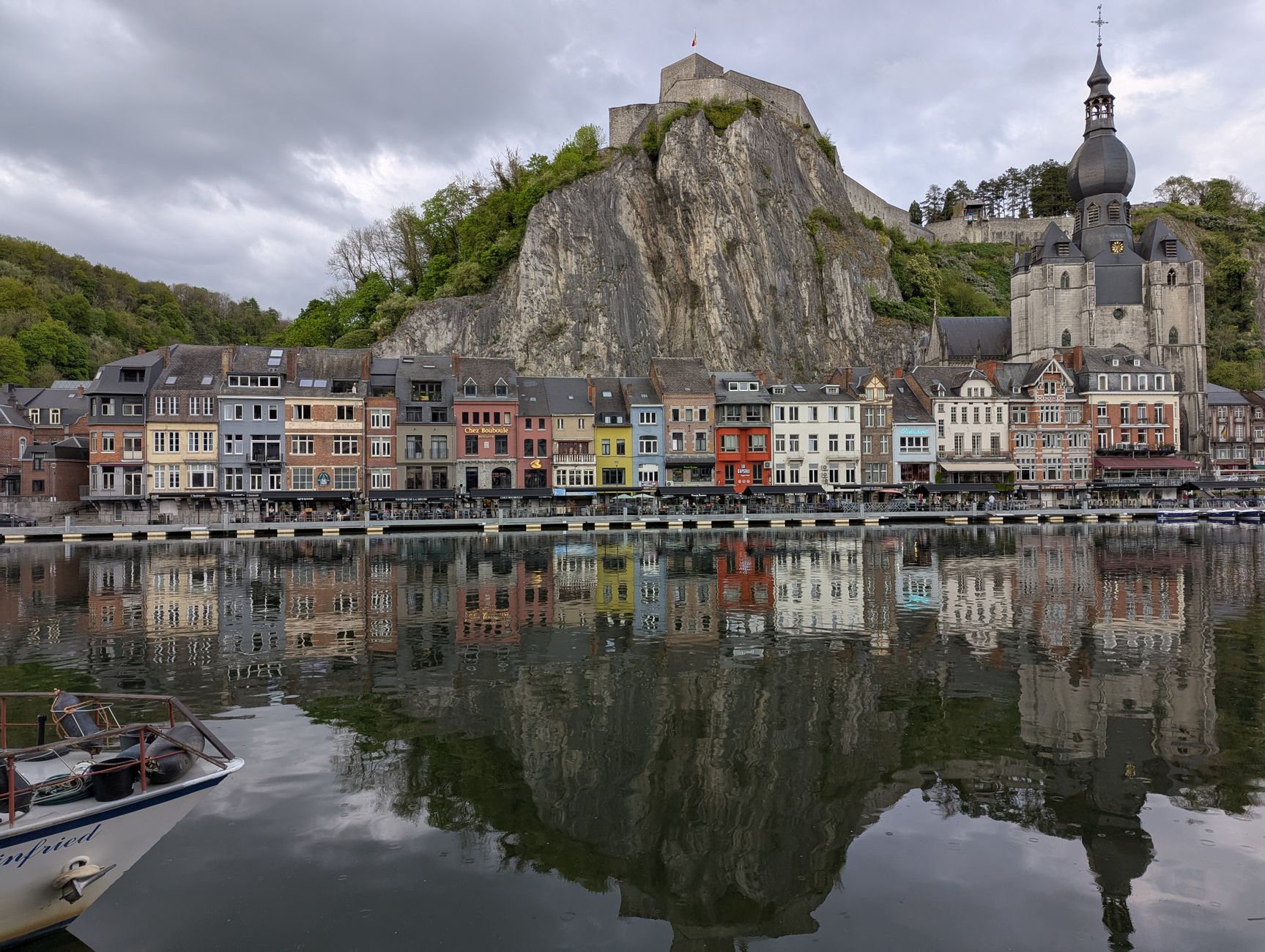
Cradled between a sheer, towering wall of grey limestone and the sweeping waters of the Meuse River, Dinant is one of Belgium's most visually arresting destinations. Located in the heart of Wallonia, this historic town exudes a dramatic, almost theatrical beauty. Its skyline is dominated by the pear-shaped bell tower of the Collegiate Church of Our Lady and the formidable stone ramparts of the Citadel perched high on the cliffs above. For centuries, Dinant was a prized and heavily contested prize of war, suffering numerous sieges and sackings, most notably during World War I, a turbulent history that contrasts sharply with its serene, picturesque appearance today.

Beyond its dramatic geography, Dinant is globally celebrated as the birthplace of Adolphe Sax, the visionary who invented the saxophone in the 1840s. The town embraces this musical heritage with playful reverence; colorful, oversized saxophone sculptures line the central bridge, and brassy notes often echo through the cobblestone streets. This deep connection to music lends the town an artistic, whimsical soul that complements its medieval architecture and rugged natural surroundings.

Life in Dinant moves at the leisurely pace of the river that defines it. Local culture is proudly Walloon, characterized by warm hospitality, a love for robust gastronomy, and a deep-seated connection to the surrounding Ardennes forest. Visitors will find a community that takes immense pride in its local products, from the jaw-breakingly hard Couque de Dinant biscuits to the world-famous abbey beers that originated in the nearby valleys.

As the gateway to the Upper Meuse Valley, Dinant serves as a natural playground for outdoor enthusiasts. Dramatic limestone cliffs attract rock climbers from across Europe, while the winding rivers invite kayakers, sailors, and hikers to explore the deep, emerald ravines. Whether you are sipping a blonde Leffe beer on a sun-drenched riverside terrace, exploring subterranean caves, or tracing the footsteps of medieval knights, Dinant offers a captivating blend of history, sensory delights, and natural grandeur.

Visual Impressions & Moments

Dinant photo 1
Dinant photo 2
Dinant photo 3
Dinant photo 4
Dinant photo 5
Dinant photo 6
Unmissable Moments

Top Things to Do in Dinant

Must-Do

Conquer the Heights of the Dinant Citadel

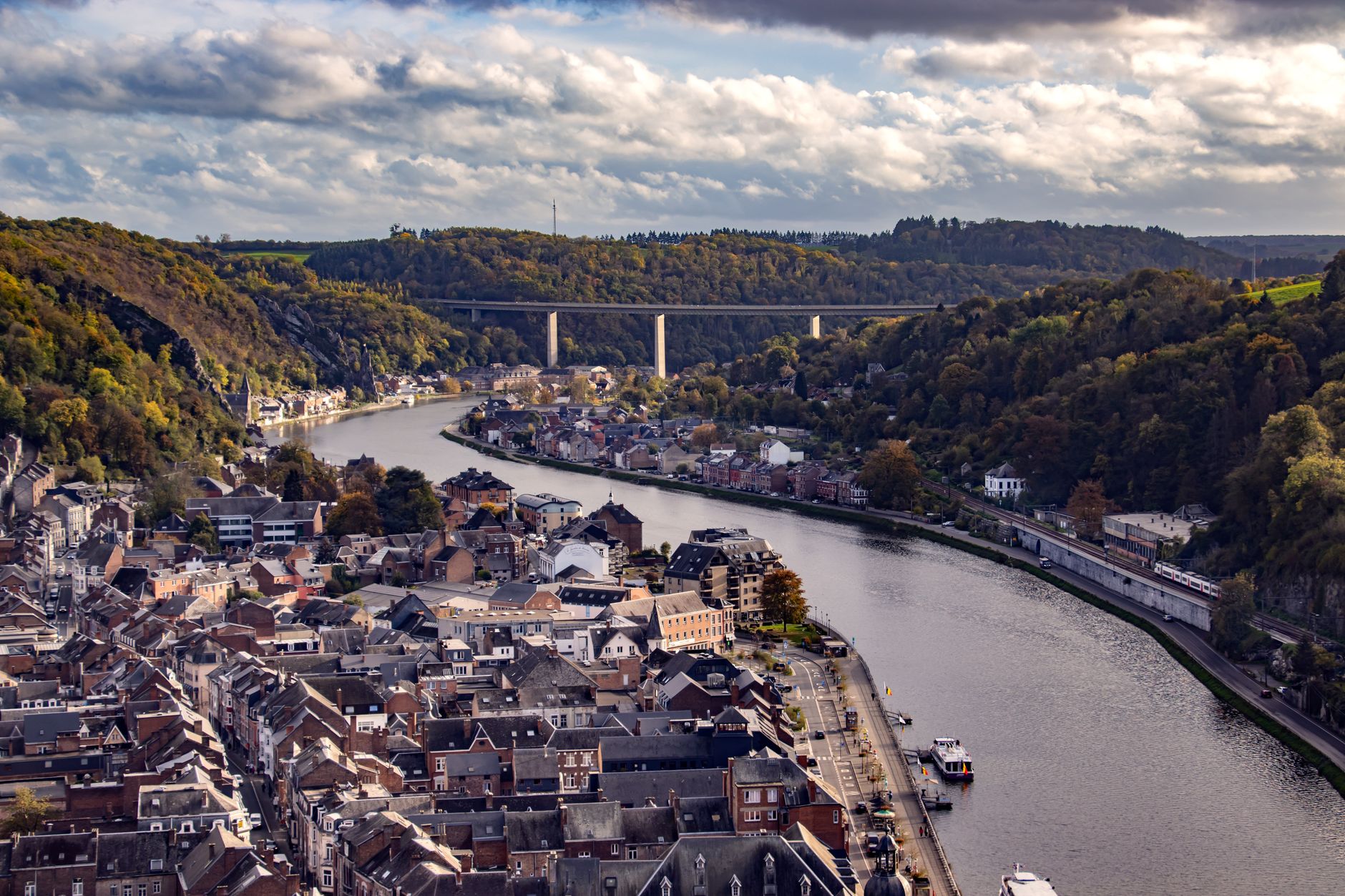
To truly appreciate Dinant's dramatic geography, scale the 408 stone steps carved directly into the cliffside—or opt for the panoramic cable car ride—to reach the Citadel. Originally constructed in the 11th century and heavily fortified by the Dutch in the 19th century, this clifftop fortress offers a breathtaking bird's-eye view of the Meuse river bend. Inside, a self-guided museum takes you through the harrowing history of the fortress, including a deeply moving, sensory-focused exhibition on the tragic events of August 1914. For an unforgettable photo, stand on the edge of the viewing platform at sunset when the town below begins to glow.

Culture

Stroll Across the Saxophone-Lined Charles de Gaulle Bridge

Pay homage to Dinant's most famous son, Adolphe Sax, by walking across the central Charles de Gaulle Bridge. This vibrant crossing is flanked by dozens of massive, highly stylized saxophone sculptures, each uniquely painted to represent a different country. The bridge offers the iconic postcard view of Dinant: the shimmering Meuse River in the foreground, the onion-domed Collegiate Church in the center, and the sheer cliff face rising sharply behind it. Visit in the late afternoon to catch the soft light illuminating the colorful instruments, then continue to the nearby 'Mr. Sax's House' for an interactive journey into the history of jazz.

Adventure

Paddle the Wild Waters of the Lesse River

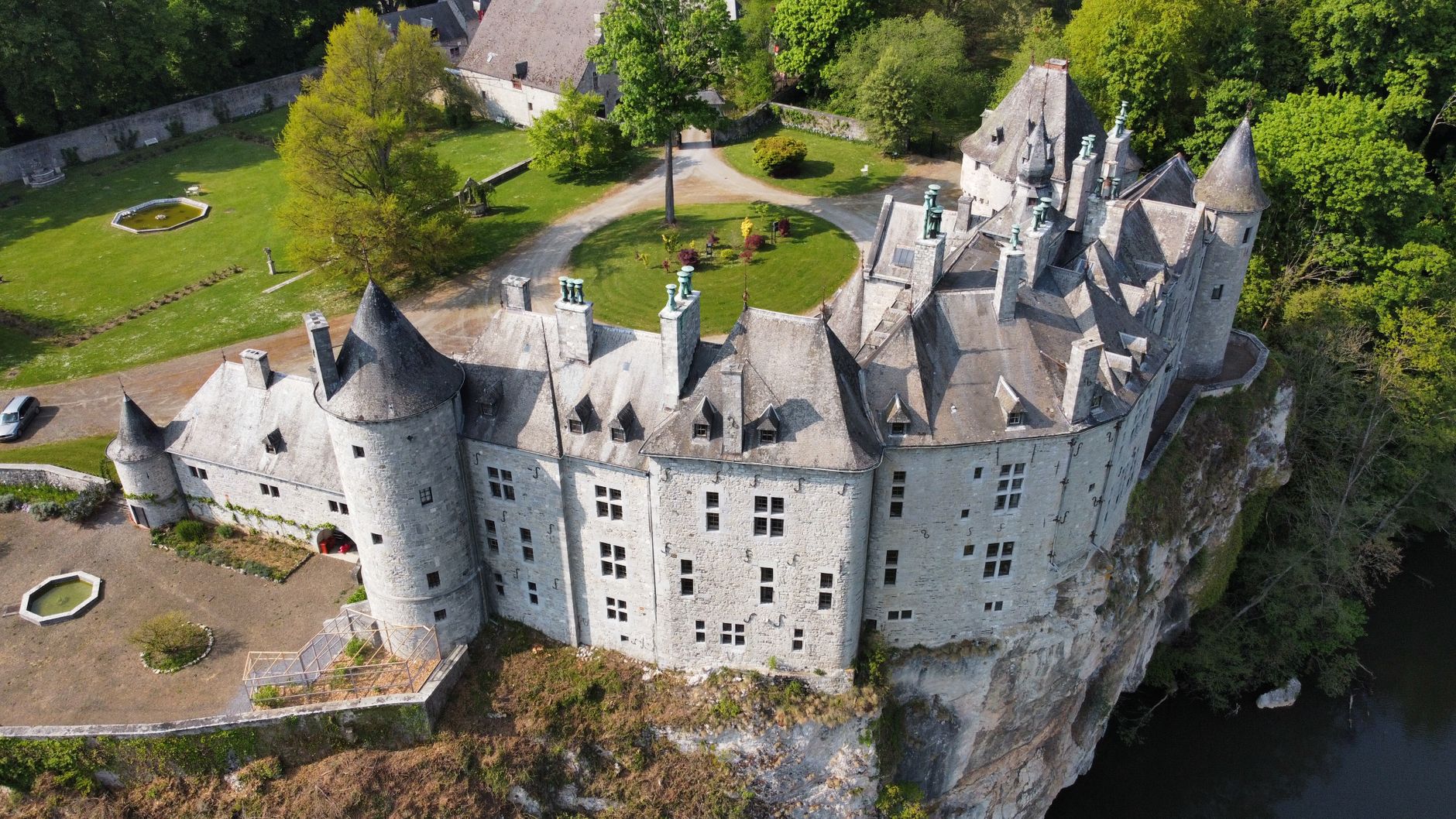
For a true Ardennes adventure, head just south of the town center to Anseremme and embark on a kayaking expedition down the Lesse River. This winding waterway snakes through dense forests, cuts past dramatic limestone crags, and glides beneath the towering, fairytale-like Walzin Castle. You can choose between a leisurely 12km route or a more challenging 21km journey. Along the way, you'll navigate small, exciting river rapids and find plenty of pebbled banks perfect for a wild picnic. Aim to start early in the morning to beat the afternoon tour groups and maximize your chances of spotting local herons and kingfishers.

Culinary

Indulge in a Tasting at Maison Leffe

While the famous Leffe Abbey itself is closed to the public, beer aficionados can dive into the history of this legendary Belgian brew at Maison Leffe, housed in a beautifully restored chapel of a former convent. This interactive, high-tech museum walks you through the intricate process of brewing abbey beer, the history of the Premonstratensian monks of Leffe, and the art of food pairing. The experience culminates in a curated tasting on a terrace overlooking the Meuse Valley, where you can sample rare varieties of Leffe paired with artisanal Walloon cheeses. It is an essential sensory experience for anyone wanting to understand Belgium's rich brewing heritage.

Must-See Highlights

Top Places & Things to Do in Dinant

Curated attractions and cultural landmarks with local insider advice.

Citadel of Dinant (Citadelle de Dinant)
attraction
4.7

Citadel of Dinant (Citadelle de Dinant)

Perched dramatically on a rocky spur 100 meters above the Meuse River, the Citadel of Dinant is the town's defining historic landmark. The fortress we see today was constructed by the Dutch between 1818 and 1821 on the site of a much older medieval castle built in 1051. Visitors can reach the summit via a scenic cable car ride or by climbing the challenging 408 stone steps. Once at the top, the Citadel offers unparalleled panoramic views of the entire Meuse Valley, framed by dramatic cliffs and lush forests. Inside, the fortress functions as a highly immersive living museum. Visitors can walk through damp stone corridors, explore the old weapons depots, and experience a simulated collapsed trench from World War I that tilts at a disorienting angle to replicate the sensory chaos of battle. The museum also features extensive exhibits detailing the tragic events of August 1914, when the town became a brutal battlefield between French and German forces, making it a deeply educational and moving experience.

10:00 AM - 6:00 PM (April to October), 10:00 AM - 4:30 PM (November to March)
Admission: €11 (includes cable car)
Insider Tip: Purchase a combination ticket that includes the Citadel admission, the cable car ride, and a 45-minute river cruise on the Meuse to save money and experience the town from both its highest and lowest vantage points.
Collegiate Church of Our Lady (Collégiale Notre-Dame de Dinant)
culture
4.6

Collegiate Church of Our Lady (Collégiale Notre-Dame de Dinant)

An iconic masterpiece of 13th-century Gothic architecture, the Collegiate Church of Our Lady is instantly recognizable by its unique, pear-shaped pear bell tower, which was added in the 16th century. Built from local grey limestone quarried directly from the cliffs behind it, the church looks as though it is physically emerging from the rock face itself. The interior is characterized by soaring ribbed vaults, dramatic pointed arches, and a solemn, spiritual atmosphere enhanced by the soft light filtering through its stained-glass windows. Among its most notable interior treasures is one of the largest stained-glass windows in Europe, designed by the Belgian artist Ladon, which depicts biblical stories in rich, vibrant blues and reds. The church also houses beautiful brass liturgical art, known historically as 'dinanderie,' which was the town's primary craft and source of wealth during the Middle Ages. Standing in the nave, you can feel the weight of centuries of history, survival, and architectural resilience.

9:00 AM - 6:00 PM daily
Admission: Free
Insider Tip: Respect the active place of worship by keeping voices low. Step inside during the late afternoon when the setting sun hits the massive stained-glass window, casting a kaleidoscope of colors across the stone altar.
Maison Adolphe Sax (Mr. Sax's House)
culture
4.5

Maison Adolphe Sax (Mr. Sax's House)

Located on the exact street where the famous instrument maker was born in 1814, Maison Adolphe Sax is a small, highly interactive museum dedicated to the life, genius, and legacy of the inventor of the saxophone. Rather than a dry, traditional museum, this space is designed as a sensory journey through sound and design. As you walk through the rooms, you are greeted by brass-accented exhibits, historical diagrams, and the iconic sounds of jazz, classical, and contemporary saxophone music playing through directional speakers. The museum successfully demystifies Adolphe Sax's life, showcasing how his revolutionary invention was initially met with fierce resistance and jealousy from rival instrument makers in Paris. Outside the entrance, a life-sized bronze statue of Sax sits on a bench, inviting visitors to sit beside him for a memorable photograph. It is a quick but deeply engaging visit that connects you directly to the musical soul of Dinant.

9:00 AM - 7:00 PM daily
Admission: Free
Insider Tip: Because the museum is relatively small, it can get crowded when tour groups arrive. Visit early in the morning or around lunchtime to enjoy the interactive audio stations in peace.
Grotte de Dinant 'La Merveilleuse'
nature
4.4

Grotte de Dinant 'La Merveilleuse'

Discovered accidentally in 1904 during railway construction works, 'La Merveilleuse' (The Marvelous) is widely considered one of the most beautiful subterranean caves in Belgium. Located just a short walk from the Dinant train station, this underground wonderland features a spectacular array of white, pristine stalactites, stalagmites, and delicate limestone draperies formed over thousands of years by dripping rainwater. The cave consists of several large chambers connected by easy-to-navigate walkways. A guided tour takes you deep into the earth, highlighting unique geological formations like the 'glacier' and the 'waterfall' of stone. The highlight of the tour is entering the Great Hall, where the sheer density of glittering crystals is breathtaking. The temperature inside remains a constant, cool 12°C year-round, making it a perfect refuge from the summer heat or a rainy day activity.

11:00 AM - 4:00 PM (weekends and holidays, daily in July and August)
Admission: €10
Insider Tip: Wear sturdy walking shoes with good grip, as the cave paths are damp and can be slippery. Bring a light jacket or sweater, even in the middle of summer, as the temperature underground is quite chilly.
Area Guide

Where to Stay & Best Neighborhoods

Centre-Ville (Town Center)

Best for: First-time visitors, photography, historic architecture, and waterfront dining.

Vibe: Charming, historic, bustling, and highly walkable.

Squeezed tightly between the river and the cliffs, the Centre-Ville is the beating heart of Dinant. This narrow strip of land is packed with historic buildings, cozy brass-accented brasseries, and artisanal bakeries selling the famous Couque de Dinant. Walking through this neighborhood feels like stepping into a living postcard, with the towering Collegiate Church of Our Lady acting as a constant north star. It is the liveliest part of town, especially along the Grand'Rue and the riverside promenade where boats dock.

Leffe

Best for: Beer enthusiasts, peaceful walks, and escaping the tourist crowds.

Vibe: Tranquil, historic, residential, and green.

Located just north of the town center, Leffe is a quiet, leafy district historically centered around the Abbey of Notre-Dame de Leffe. This neighborhood has a slower, more authentic local feel. Walking along the tree-lined streets reveals charming stone houses, babbling brooks, and the historic Maison Leffe. It is the perfect place for a quiet morning stroll, away from the day-trippers, where you can appreciate the architectural heritage and lush valley landscapes in relative solitude.

Anseremme

Best for: Kayakers, hikers, nature lovers, and adventure seekers.

Vibe: Outdoorsy, rustic, active, and scenic.

Situated at the southern confluence of the Lesse and Meuse rivers, Anseremme is Dinant's natural playground. The neighborhood is characterized by rustic stone cottages, active boat docks, and kayak rental outposts. It serves as the starting and ending point for most outdoor excursions in the region. Walking through Anseremme, you will encounter hikers geared up for the Ardennes trails and travelers preparing to launch their boats, giving the area a vibrant, active, and distinctly rustic energy.

Food & Drink Scene

What to Eat in Dinant

Couque de Dinant

A legendary and unique local specialty, the Couque de Dinant is an incredibly hard, sweet biscuit made from only two ingredients: wheat flour and pure honey. The dough is pressed into intricate, hand-carved wooden molds depicting historical scenes, animals, or local landmarks before being baked at an extremely high temperature, which caramelizes the honey. Warning: do not attempt to bite directly into this biscuit, as it is hard as brass! Instead, break off a small piece and let it melt slowly on your tongue, or dip it into a hot cup of coffee or tea to soften the rich, caramelized honey flavors.

🍴 Top spot: Pâtisserie Collard (Rue Grande 72, Dinant)

La Flamiche Dinantaise

This is Dinant's ultimate comfort food: a rich, savory, and incredibly decadent tart. It is made from a base of bread dough topped with a mixture of melted butter, fresh eggs, and 'boulette de Romedenne'—a sharp, salty, and pungent local cheese made from raw cow's milk. Baked until golden brown and bubbling, the Flamiche is traditionally eaten piping hot, straight out of the oven, and is classically accompanied by a glass of dry white wine or a crisp Belgian blond ale to cut through the rich, savory fats.

🍴 Top spot: Boulangerie Kempinaire (Rue Grande 152, Dinant)

Ardennes Trout (Truite à l'Ardennaise)

Freshly caught from the cold, clear streams of the surrounding Ardennes forest, the trout is a staple of Walloon river gastronomy. In the classic Ardennaise preparation, the whole fish is lightly dusted in seasoned flour, pan-fried in a generous amount of butter until the skin is perfectly crisp, and then garnished with crispy lardons (cured pork fat), fresh parsley, and a squeeze of lemon. It is a delightfully rustic dish that perfectly showcases the region's fresh river yields and love for hearty, forest-to-table ingredients.

🍴 Top spot: Chez Bouboule (Avenue Winston Churchill 8, Dinant)
Excursions

Best Day Trips from Dinant

The Fairytale Castle of Vêves & Celles Village

15 minutes by car south-east of Dinant

Step straight into a storybook by visiting the Château de Vêves, a magnificent medieval castle featuring pointed turrets, stone drawbridges, and a wonderfully preserved timber-framed courtyard that dates back to the 15th century. After exploring the castle's rich interior armor and tapestries, head down to the nearby village of Celles. Officially recognized as one of the prettiest villages in Wallonia, Celles is a picture-perfect collection of traditional grey limestone cottages, historic stone shrines, and cozy country taverns serving hearty local stews.

The Ancient Caves and Ruins of Furfooz

20 minutes by car or a scenic hike from Anseremme

Discover the rugged, mystical side of the Ardennes at the Furfooz Nature Reserve. This archaeological and geological park takes you on an easy 4km loop trail through a spectacular landscape of towering limestone cliffs, deep caves, and lush forests along the Lesse River. Along the way, you will explore ancient Roman and medieval ruins, including a reconstructed Roman bathhouse, and peer into dramatic karst caves that were inhabited by prehistoric humans. It is an exceptional escape for history buffs and nature lovers alike.

When to Go

Best Time to Visit & Seasonality

Editor’s Pick: The absolute best time to visit Dinant is during the late spring and summer months, from May to September. During this period, the weather is pleasantly warm, with temperatures hovering between 18°C and 25°C, making it ideal for river cruises, outdoor dining, and kayaking along the Lesse. Additionally, the town's famous terrace culture comes alive, and the surrounding Ardennes forests are lush and vibrant. Autumn (October to November) is also highly recommended for travelers seeking fewer crowds and spectacular fall foliage, paired with Wallonia's legendary game-hunting culinary season.

Spring Overview

(March - May)
Moderate
Average Temperature & Climate8°C - 15°C

Crisp mornings giving way to mild, sunny afternoons with occasional light showers.

Crowd & Travel ConditionsModerate Tourist Traffic

Fewer lines and better deals.

✨ Seasonal Highlights:Witnessing the valley wake up with blooming wildflowers, peaceful walks along the Meuse, and Easter celebrations.
Travel Smarter

Practical Travel Essentials

CurrencyEUR (€)
LanguageFrench
Time ZoneEurope/Brussels

Visa & Entry

Belgium is a member of the Schengen Area. Citizens of the EU, US, Canada, Australia, and New Zealand do not require a visa for stays up to 90 days. Ensure your passport is valid for at least three months beyond your planned departure date.

Getting Around & Transit

Dinant is highly walkable, with almost all major attractions packed into a narrow strip along the river. To travel further afield to places like Anseremme or the Furfooz Reserve, you can take a local train, rent a bicycle, or catch a regional bus. Direct trains run hourly from Brussels-Luxembourg station, taking approximately 90 minutes.

Daily Budget Expectation

Expect to spend around €90 - €160 per day. This covers a mid-range hotel stay, meals featuring local Walloon specialties, entry tickets to the Citadel and museums, and a couple of Belgian beers or coffees along the riverfront.

Safety & Health

Dinant is an exceptionally safe, family-friendly town with very low crime rates. Standard travel precautions apply: keep an eye on your belongings in busy tourist areas, especially around the train station and the crowded Citadel cable car queue.

Local Etiquette & Customs

A polite 'Bonjour' (Hello) or 'Bonsoir' (Good evening) when entering shops and restaurants is highly appreciated. When eating the local Couque de Dinant biscuit, never try to bite it directly—break off small pieces and let them dissolve in your mouth to avoid dental injury.

Questions & Answers

Frequently Asked Questions about Dinant

Dinant is the birthplace of Adolphe Sax, who invented the saxophone in 1840. The town celebrates this legacy with colorful saxophone art installations, a dedicated museum, and musical events throughout the year.