🌟 Best in Travel 2026 is here!
Dubrovnik
cityEurope
4.90 / 5.0

Dubrovnik

The gleaming Pearl of the Adriatic, wrapped in medieval stone and timeless azure waters.

Advertisement
Editorial Guide

About Dubrovnik

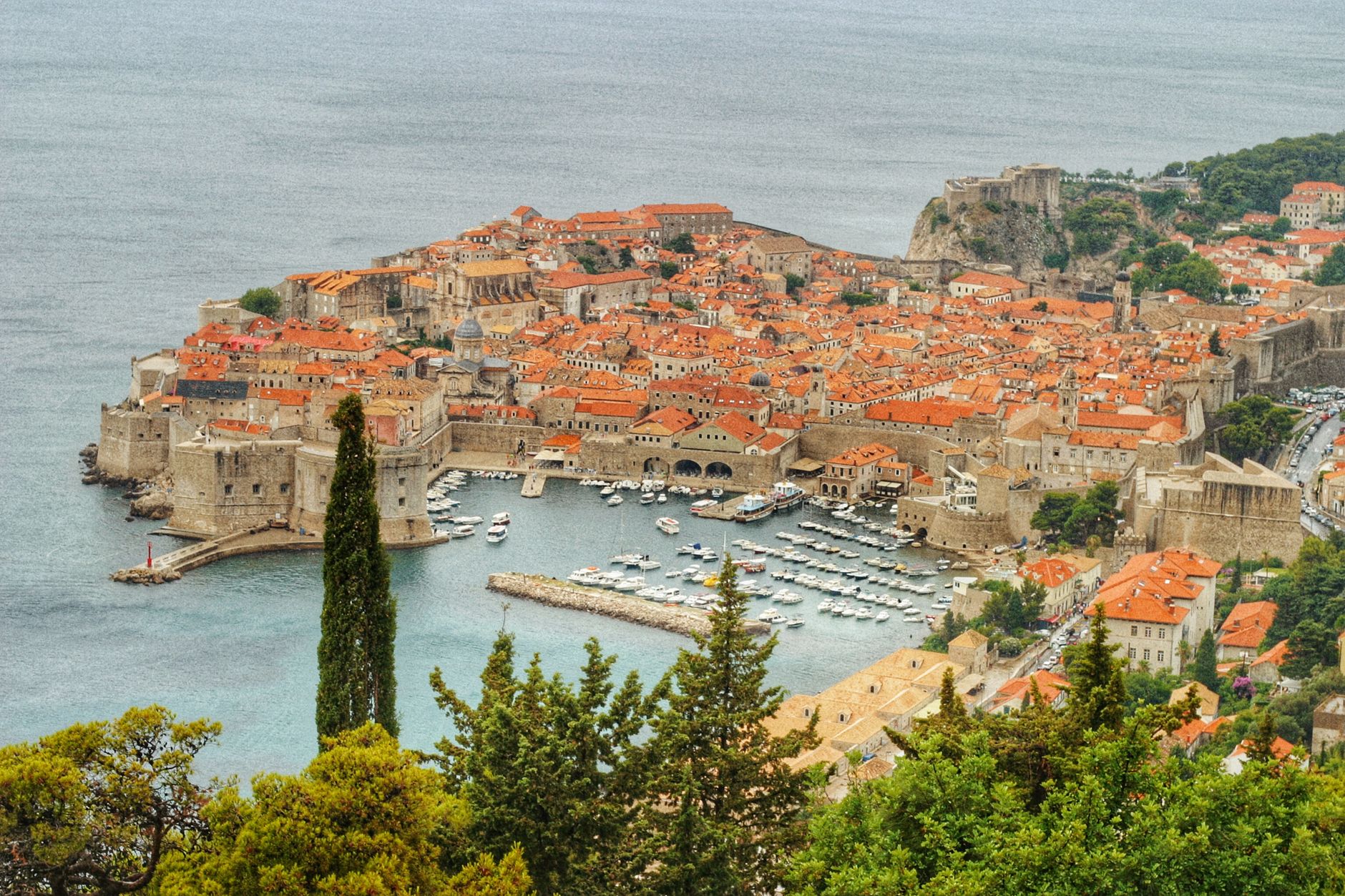
Perched dramatically on the southern tip of Dalmatia where the rugged Dinaric Alps plunge directly into the shimmering Adriatic Sea, Dubrovnik is a masterpiece of medieval urban planning and maritime history. Known historically as the Republic of Ragusa, this fiercely independent city-state rivaled Venice for dominance in Mediterranean trade, using diplomacy, fortresses, and a formidable merchant fleet to maintain its sovereignty for centuries. Today, its monumental stone ramparts enclose a labyrinth of gleaming limestone streets, baroque palaces, and orange-tiled rooftops that have survived earthquakes, sieges, and modern conflicts to emerge as one of the world's most captivating cultural destinations.

The atmosphere within the Old Town (Stari Grad) is a sensory tapestry of echoing footsteps on polished marble, the scent of fresh seafood and blooming oleander, and the chatter of cafe-goers spilling out onto ancient squares. Walking through the imposing Pile Gate feels akin to stepping onto a cinematic stage—an impression reinforced by its role as a premier filming location for major fantasy epics and historical dramas. Yet, beneath the undeniable glamour and the steady stream of global travelers lies a resilient local community striving to preserve the authentic Dalmatian spirit amid the shifting tides of international tourism.

Geographically isolated from the rest of Croatia by a narrow sliver of Bosnia and Herzegovina at Neum, Dubrovnik has historically looked outward toward the sea rather than inland. This maritime orientation shaped a culture defined by seafaring prowess, international diplomacy, and a sophisticated patronage of the arts and architecture. From the grand Gothic-Renaissance Rector's Palace to the quiet, hidden stairwells that snake up the limestone cliffs, the city's geography dictates a vertical, exploratory pace best embraced on foot.

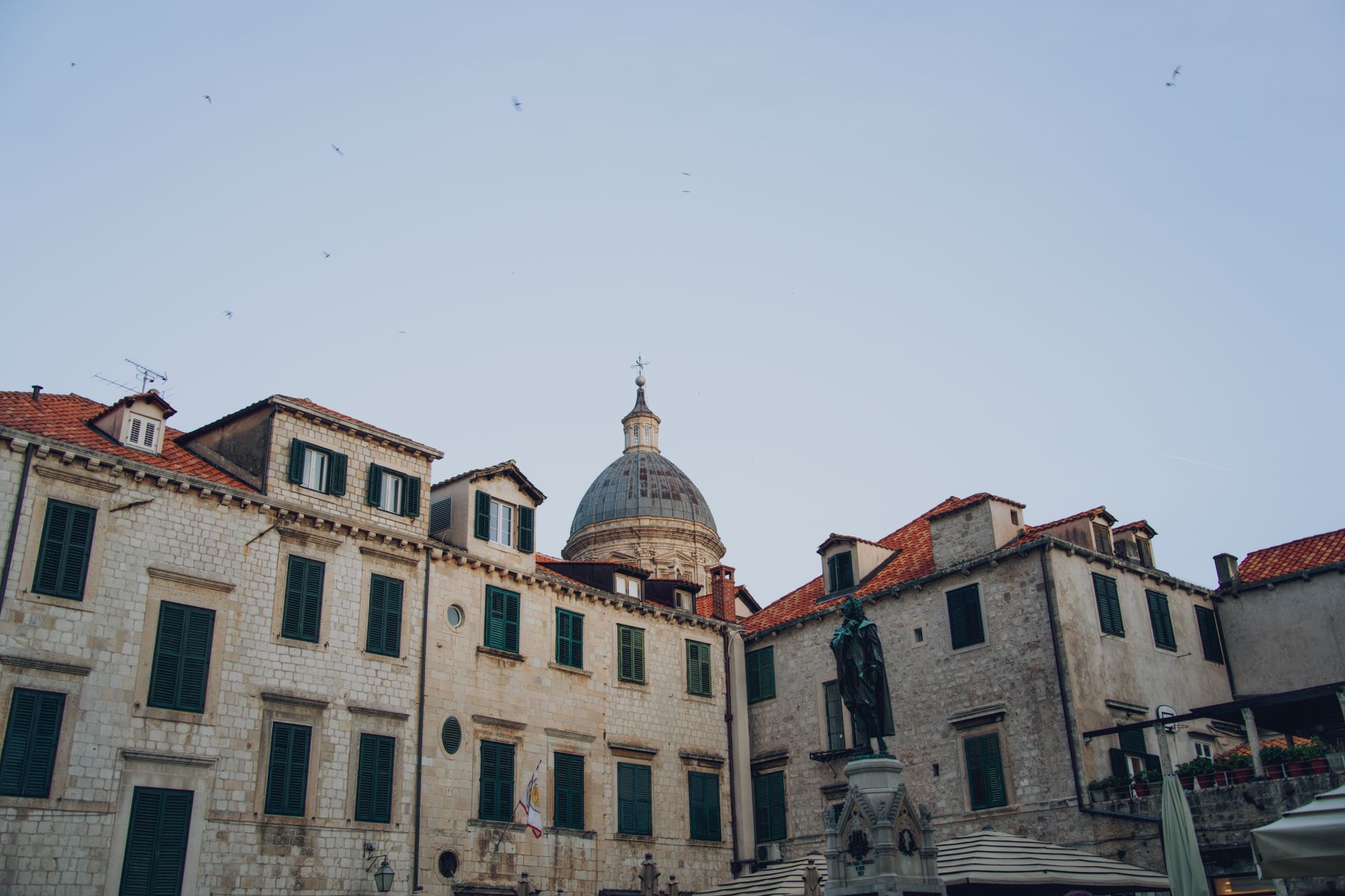
Local life here moves to the rhythm of the 'fjaka'—a unique Dalmatian state of mind akin to a sweet, languid mindfulness where nothing is rushed and the beauty of the present moment takes precedence. Mornings begin with a robust espresso at a local café on Gundulićev Poljana market, followed by the careful selection of fresh figs and citrus fruits. As the midday sun beats down on the gleaming stone, locals retreat from the heat, only to reemerge in the cool twilight for the traditional 'šetnja' (evening promenade) along the magnificent Stradun, greeting neighbors and soaking in the golden hour glow reflected off the Adriatic.

Visual Impressions & Moments

Dubrovnik photo 1
Dubrovnik photo 2
Dubrovnik photo 3
Dubrovnik photo 4
Dubrovnik photo 5
Dubrovnik photo 6
Unmissable Moments

Top Things to Do in Dubrovnik

Must-Do

Walk the Ancient City Walls at Sunset

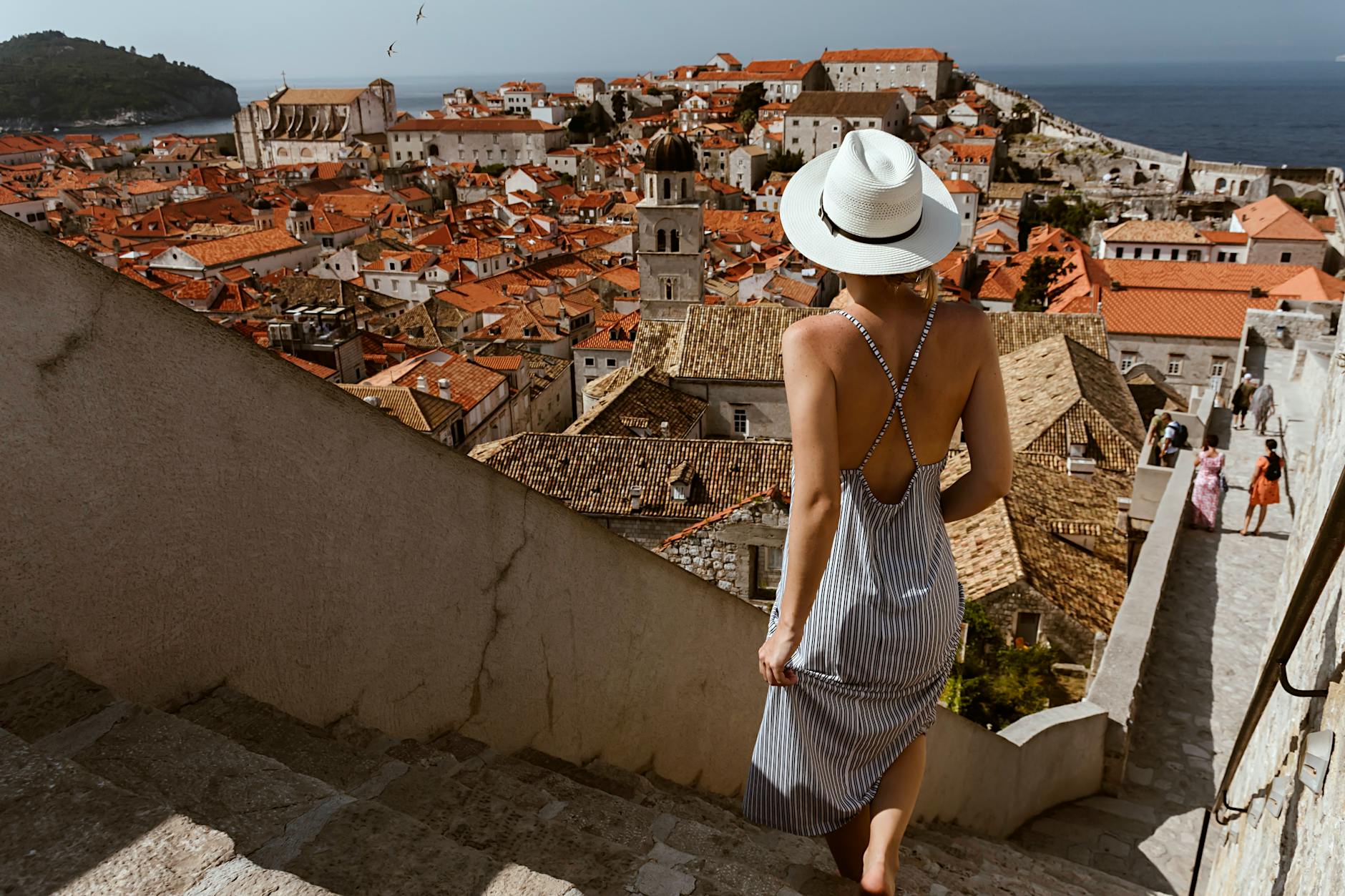
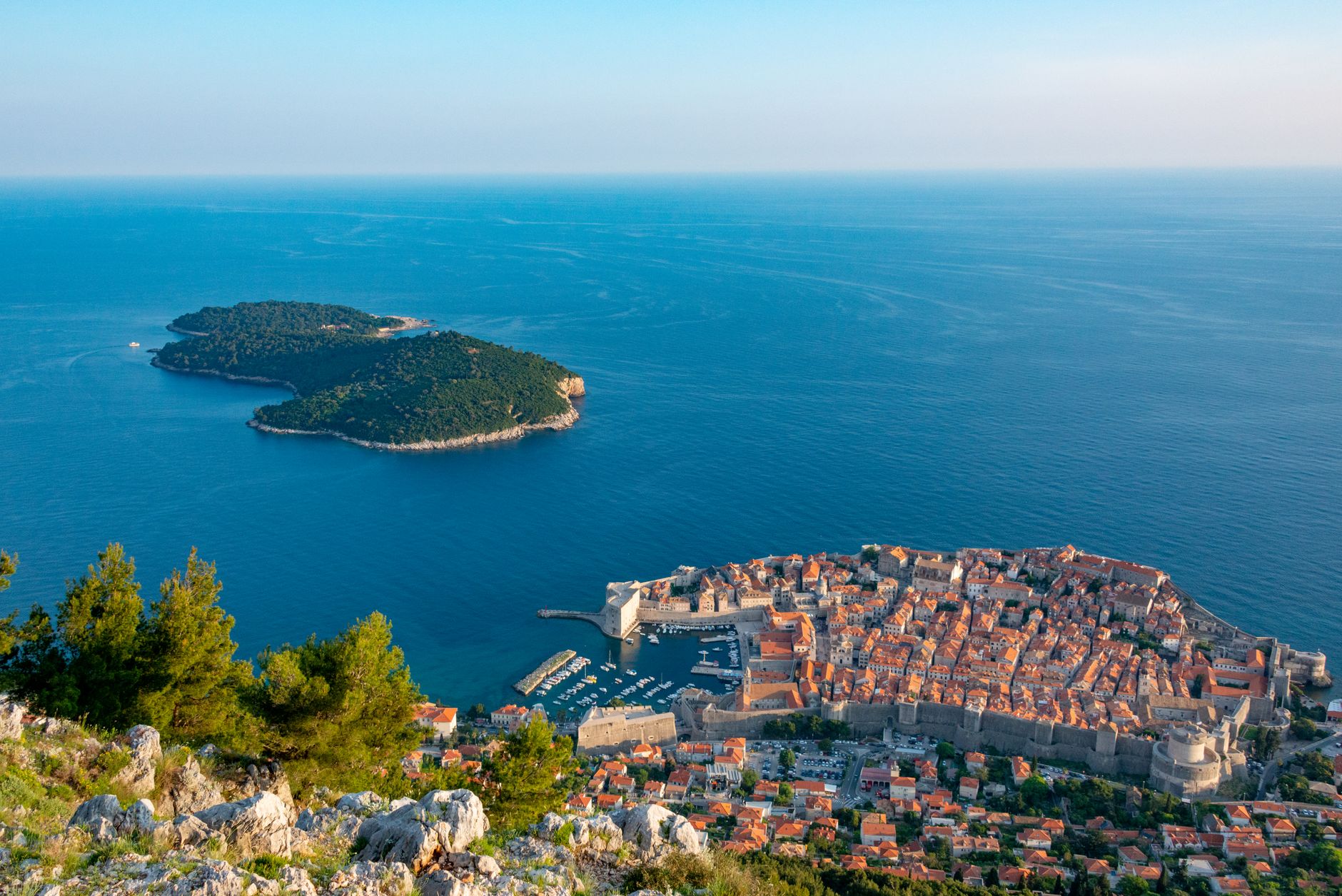
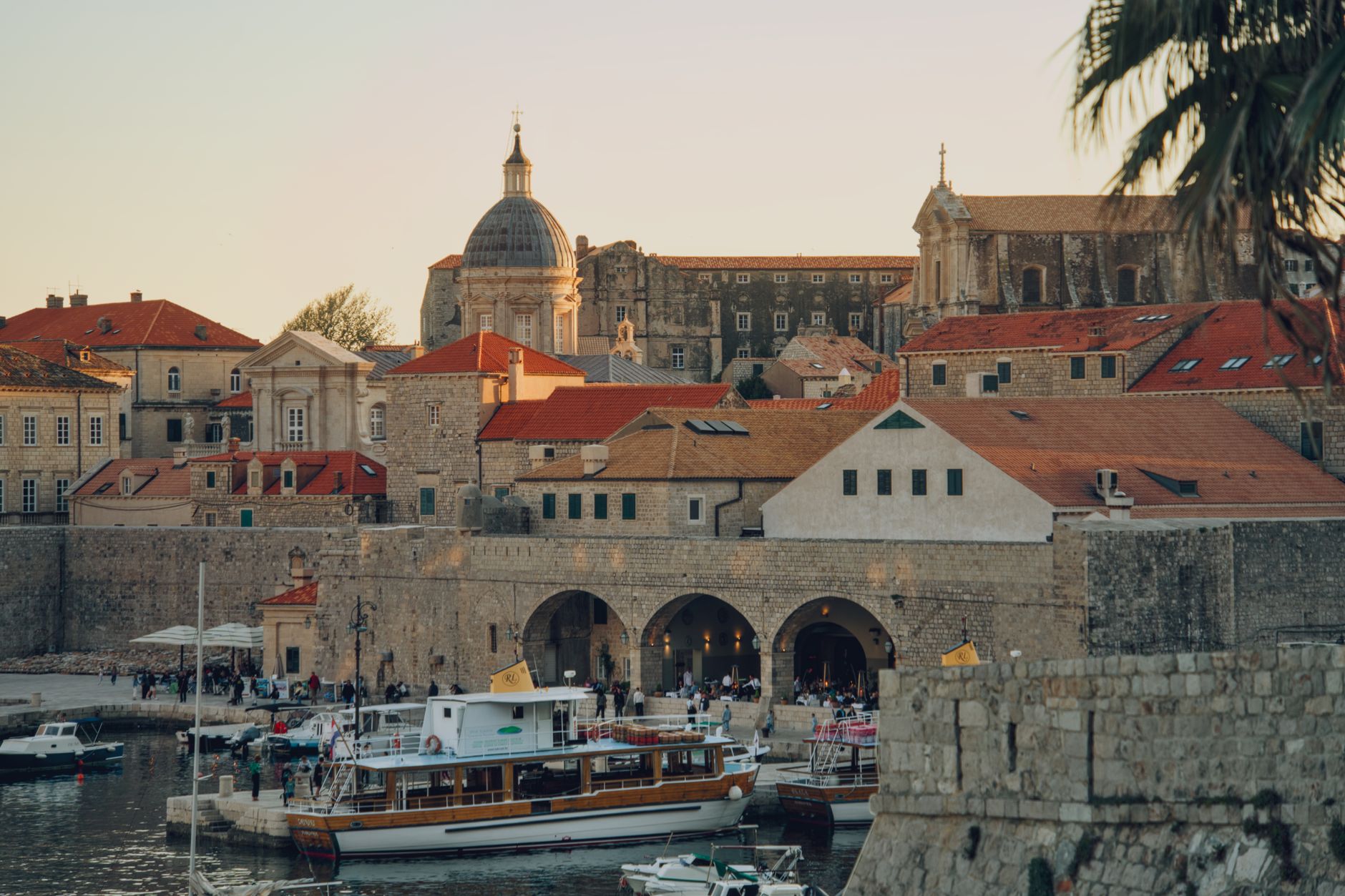
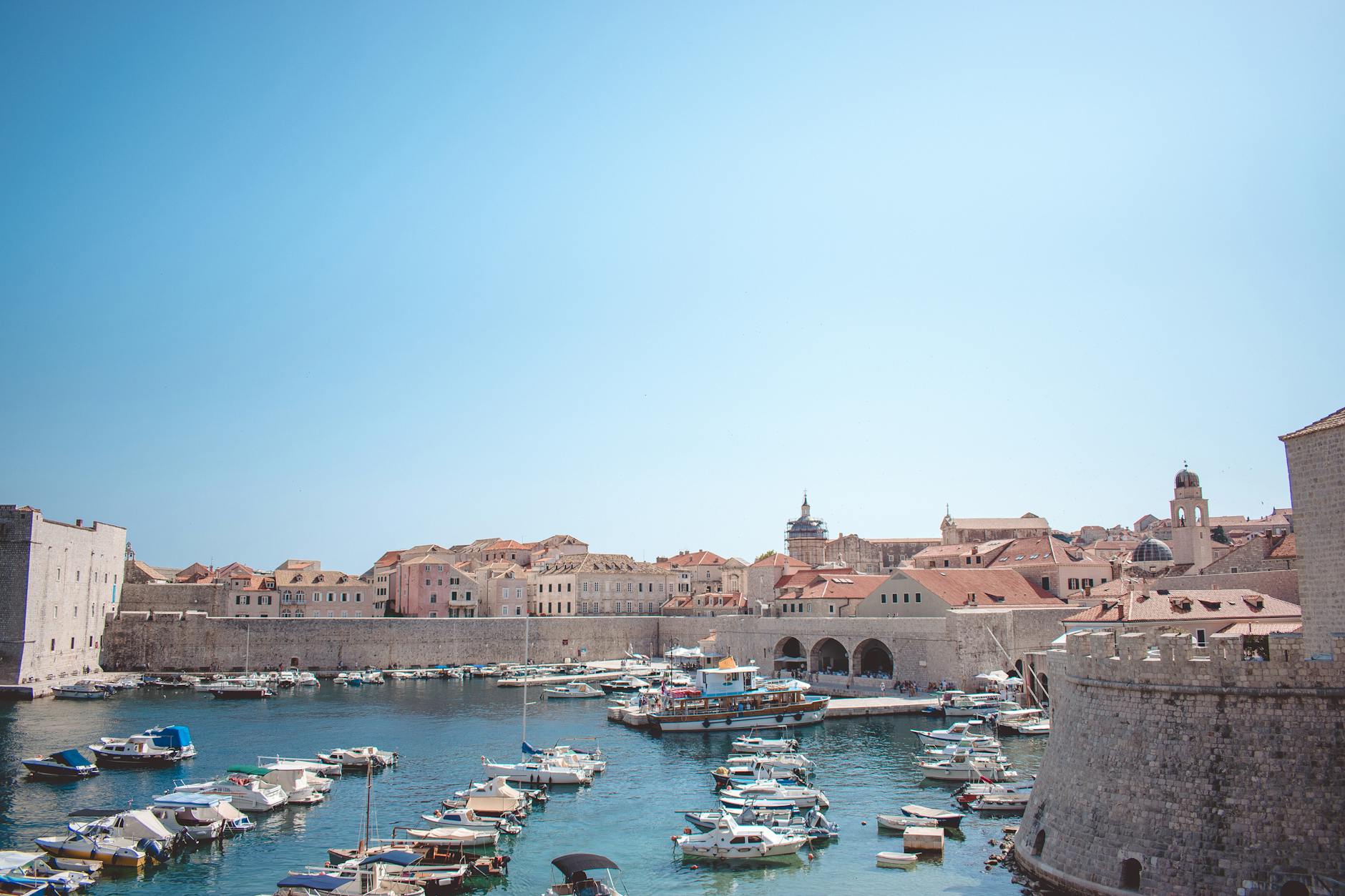
Encompassing the entire Old Town, the 2-kilometer circuit of medieval stone walls offers breathtaking, elevated perspectives over terracotta rooftops, baroque cupolas, and the glittering expanse of the Adriatic. Begin your walk around 5:00 PM in the shoulder seasons to witness the limestone glow a brilliant honeyed orange as the sun dips below the horizon. Insider tip: Enter via the St. John Fortress gate near the aquarium to avoid the main crowds at Pile Gate and tackle the steep steps in reverse.

Scenic

Cliffside Drinks at Buža Bar

Tucked away through a discreet, unmarked breach in the southern sea-facing city walls ('buža' means hole in local dialect), this legendary watering hole sits precariously on jagged rocks directly above the crashing waves. Grab a cold Ožujsko beer or a glass of Pošip white wine, find a ledge on the limestone rock face, and watch local cliff jumpers launch themselves into the deep blue abyss. Arrive an hour before sunset to secure one of the coveted front-row tables.

Adventure

Day Sail to the Pristine Elafiti Islands

Escape the urban bustle by chartering a traditional wooden sailboat or taking the local ferry to Koločep, Lopud, or Šipan—an archipelago of traffic-free islands just off the Dubrovnik coast. Explore hidden sandy coves, fragrant pine forests, and sleepy fishing villages where time seems to have stopped centuries ago. Insider tip: Rent a bicycle on Lopud Island and pedal across to the secluded Sunj Beach for a refreshing swim in shallow, sandy-bottomed waters.

Culinary

Feast on Dalmatian Black Risotto and Fresh Seafood

Dubrovnik's culinary heritage is rooted in the rich bounty of the Adriatic Sea and Venetian-influenced spice routes. Order *crni rižot* (black risotto colored and flavored with cuttlefish ink), accompanied by freshly caught grilled white fish drizzled with local olive oil. For an unforgettable meal, seek out tucked-away family-run taverns in the narrow alleyways rather than the main drag. Insider tip: Always ask the server for the catch of the day sold by weight (*riba po gramu*).

Must-See Highlights

Top Places & Things to Do in Dubrovnik

Curated attractions and cultural landmarks with local insider advice.

Lovrijenac Fortress (St. Lawrence Fortress)
attraction
4.8

Lovrijenac Fortress (St. Lawrence Fortress)

Often referred to as 'Dubrovnik's Gibraltar,' this formidable fortress stands defiantly on a 37-meter-high sheer rock cliff just outside the western walls. Built rapidly in the 11th century to thwart Venetian naval ambitions, its thick seaward walls measure up to 12 meters wide to withstand cannon fire, while the landward side is surprisingly thin so it could be easily bombarded from the main city should the garrison ever mutiny. The stone lintel above the entrance bears the famous inscription: 'Non Bene Pro Toto Libertas Venditur Auro' (Freedom is not to be sold for all the gold in the world). Today, climbing the steep stone steps to the summit rewards visitors with some of the most dramatic, unobstructed views of the Old Town and the open Adriatic. The interior courtyards and theater stages frequently host classical drama performances during the Dubrovnik Summer Festival, most notably powerful productions of Shakespeare's tragedies that resonate off the ancient stone.

Daily 9:00 AM - 6:30 PM
Admission: Included in City Walls ticket or €15
Insider Tip: Your ticket to the main City Walls includes admission to Lovrijenac and is valid for 24 hours. Visit in the late afternoon for dramatic lighting.
Mount Srđ Cable Car & Panorama
nature
4.6

Mount Srđ Cable Car & Panorama

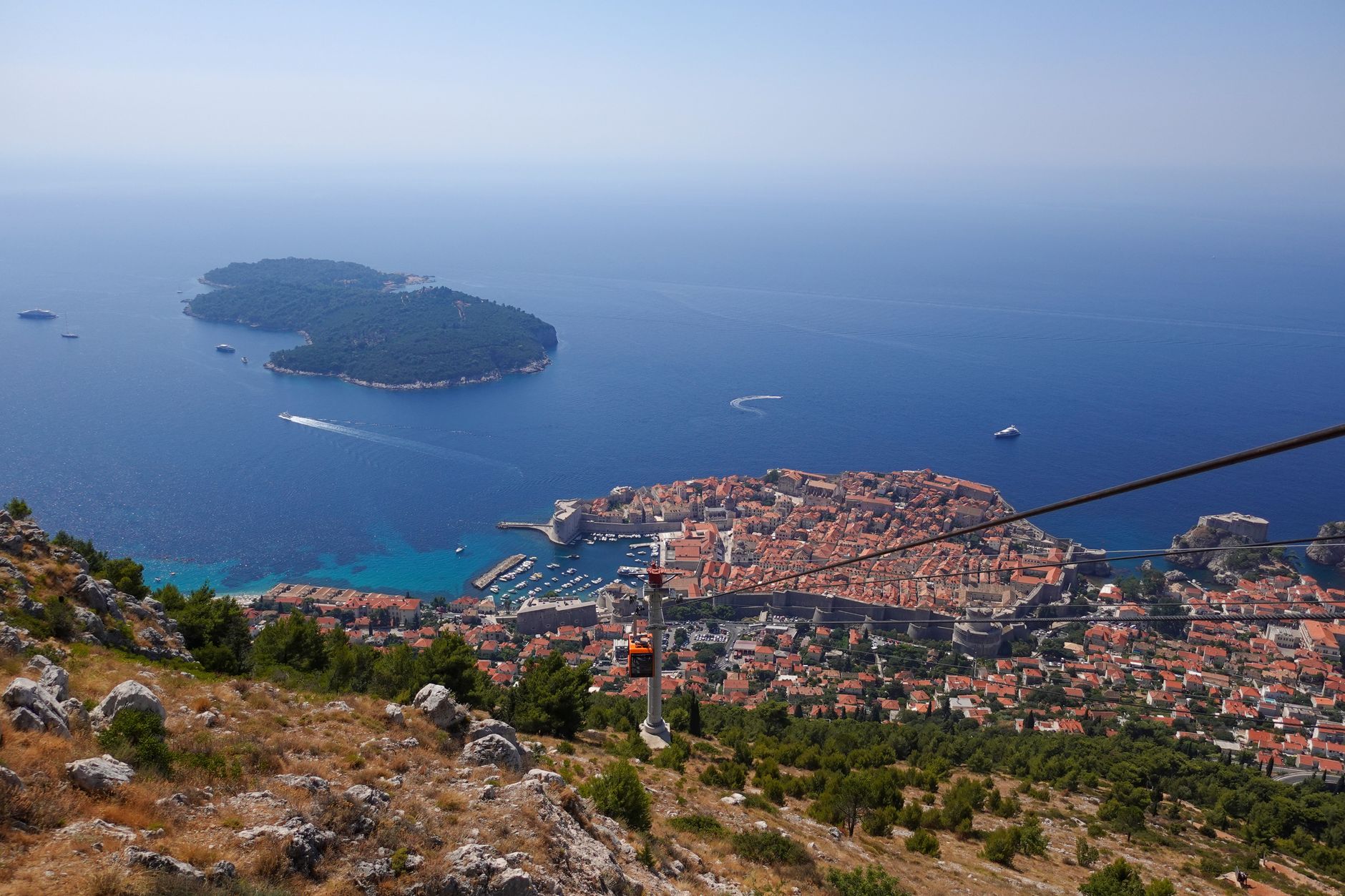
Rising steeply behind the historic city center to an elevation of 412 meters, Mount Srđ serves as the dramatic mountain backdrop that protects Dubrovnik from inland winds. The iconic cable car whisks passengers from the base station just outside the northern walls to the summit in less than four minutes, offering a soaring bird's-eye view that expands over the entire coastline, the Elaphiti Islands, and deep into the mountainous hinterlands of Bosnia and Herzegovina. At the summit stands the imposing Imperial Fortress, built by Napoleon's forces in the early 19th century, which now houses a poignant museum dedicated to the Homeland War of the 1990s. Visitors can explore the exhibits detailing the siege of Dubrovnik, enjoy panoramic dining at the cliffside restaurant, or embark on a scenic hiking trail back down to the city.

Daily 9:00 AM - Midnight (seasonal variations)
Admission: €27 return ticket
Insider Tip: If you are feeling energetic, you can hike up or down the marked rocky trail, but avoid doing so during the midday summer heat.
Lokrum Island Nature Reserve
nature
4.9

Lokrum Island Nature Reserve

Located just 600 meters off the coast of the Old Town, the uninhabited island of Lokrum is a pristine sanctuary of subtropical vegetation, pine forests, peacocks, and hidden rocky coves. According to legend, Richard the Lionheart was shipwrecked here in 1192 and vowed to fund the construction of a church in Dubrovnik if he survived. The island later hosted Benedictine monks who planted exotic botanical gardens and, as local folklore insists, placed a lingering curse on anyone attempting to claim the island for private personal use. Today, Lokrum is a favored day-trip destination for swimming in crystal-clear waters, exploring the ruins of the 19th-century Fort Royal, and floating in the Dead Sea (*Mrtvo More*), a small landlocked saltwater lake. Vehicles are entirely prohibited, ensuring an atmosphere of absolute peace and natural beauty accompanied only by the calls of wild peacocks roaming freely among the olive trees.

Daily 9:00 AM - 7:00 PM (May - October)
Admission: €27 (includes round-trip ferry transfer)
Insider Tip: No overnight stays or camping are permitted on the island, and the last ferry departs in the late afternoon. Bring your own snorkeling gear.
Rector's Palace & Cultural History Museum
culture
4.7

Rector's Palace & Cultural History Museum

The Rector's Palace is an architectural masterpiece that served as the seat of the Rector of the Republic of Ragusa and the headquarters of the minor council. Designed initially in a Gothic style by renowned local architect Onofrio di Giordano della Cava, the palace suffered severe gunpowder explosions and was meticulously rebuilt in the 15th and 16th centuries with exquisite Renaissance ornamentation and baroque additions, creating a harmonious architectural synthesis. Inside, the palace functions as the Cultural History Museum, transporting visitors back to the golden age of the Ragusan Republic. Explore the authentic prison cells, the armory filled with historic weaponry, the lavish Rector's private chambers, and courtrooms adorned with original period furnishings, oil paintings, and coats of arms. The central atrium is celebrated for its phenomenal acoustic properties and frequently hosts classical music concerts.

Daily 9:00 AM - 6:00 PM
Admission: €15
Insider Tip: Check the schedule at the entrance for evening classical piano or string quartet concerts held inside the courtyard.
Area Guide

Where to Stay & Best Neighborhoods

The Old Town (Stari Grad)

Best for: First-time visitors, history enthusiasts, and culture seekers

Vibe: Busy limestone pedestrian thoroughfares, grand baroque palazzos, historic monuments, and vibrant café culture

Enclosed entirely by formidable 16th-century ramparts, the Old Town is a pedestrian-only paradise where every alleyway reveals a piece of history. Lined with smooth, polished limestone that reflects the sunlight like a mirror, the main avenue known as the Stradun connects the western Pile Gate to the eastern Ploče Gate. Here you will find iconic landmarks such as the Onofrio Fountain, St. Blaise Church, and the Rector's Palace, all intermingled with bustling outdoor cafes, artisan boutiques, and hidden residential courtyards where laundry flutters overhead.

Ploče & Viktorija

Best for: Beach lovers, luxury travelers, and those seeking a quieter retreat

Vibe: Upscale resort hotels, tranquil pine-fringed promenades, pebbled beaches, and panoramic sea views

Just east of the Old Town walls, the Ploče district climbs gracefully up the verdant slopes of Mount Srđ. Home to Dubrovnik's most luxurious five-star hotels and the famous Banje Beach, this neighborhood offers a sophisticated and peaceful atmosphere while remaining just a five-minute walk from the historic gates. The winding coastal paths afford spectacular vistas of the Old Town fortifications across the bay, making it one of the most picturesque areas in the entire region.

Gruž

Best for: Authentic local life, budget-conscious travelers, and yacht enthusiasts

Vibe: Maritime heritage, working-class charm, bustling marina, and local neighborhood taverns

Located around the main ferry port and commercial harbor about two kilometers northwest of the Old Town, Gruž provides a refreshing contrast to the tourist-centric historic center. It is the beating heart of modern Dubrovnik, featuring a vibrant daily open-air market where local farmers sell regional produce, honey, and olive oil. The neighborhood is dotted with historic summer villas belonging to former Ragusan aristocrats, casual seafood restaurants, and atmospheric cafes favored by working residents.

Food & Drink Scene

What to Eat in Dubrovnik

Crni Rižot (Black Cuttlefish Risotto)

A quintessential Dalmatian coastal delicacy prepared by slowly simmering Arborio rice in a rich fish stock infused with tender pieces of cuttlefish and its natural dark ink. Enhanced with garlic, red onion, white wine, and finished with freshly grated parmesan cheese and high-grade local olive oil, it delivers a deeply savory, briny flavor profile that captures the essence of the Adriatic.

🍴 Top spot: Restaurant Proto, Old Town

Dalmatinska Pašticada

Considered the crowning glory of Dalmatian festive cuisine, this dish requires a multi-day preparation process. Prime cuts of beef round are marinated in vinegar and herbs for days, then slow-cooked for hours with bacon, root vegetables, prunes, dried figs, and prošek (a sweet dessert wine). The resulting rich, velvety sauce is traditionally served over handmade gnocchi.

🍴 Top spot: Konoba Kamenice, Gundulićev Poljana

Rožata (Dubrovnik Caramel Pudding)

A traditional custard pudding native to Dubrovnik, dating back to the time of the Republic of Ragusa. Similar to a French crème caramel or Spanish flan, it derives its distinct local character from the addition of rose liqueur (rozulin), traditionally made from local rose petals. It is silky, sweet, and delicately infused with citrus zest.

🍴 Top spot: Taj Mahal, Old Town
Excursions

Best Day Trips from Dubrovnik

Mostar & Kravice Waterfalls (Bosnia and Herzegovina)

2.5 to 3 hours by car or organized tour

Cross the border into neighboring Bosnia and Herzegovina to witness the dramatic cultural synthesis of the Balkans. Wander through Mostar's UNESCO-listed Old Town, marvel at the iconic Stari Most (Old Bridge) where daredevil divers plunge into the Neretva River, and explore Ottoman-era bazaars. On the return journey, stop at the breathtaking Kravice Waterfalls for a swim in emerald-green pools.

Pelješac Peninsula & Korčula Island

1.5 hours to Ston, plus 15-minute ferry to Korčula

Journey north along the stunning Dalmatian coastline to the rugged Pelješac Peninsula, world-renowned for robust red wines like Dingač and Plavac Mali. Tour hillside vineyards and medieval salt pans in Ston before boarding a short ferry to Korčula Island, an enchanting walled medieval town rumored to be the birthplace of Marco Polo.

When to Go

Best Time to Visit & Seasonality

Editor’s Pick: May through June and September through October offer the ideal balance of warm, Mediterranean sunshine, comfortable swimming temperatures, and manageable crowds. July and August bring peak summer heat, bustling cruise ship traffic, and higher accommodation prices, though they are vibrant if you enjoy a lively festival atmosphere. Winter (November to April) is remarkably quiet, offering a deeply atmospheric, local experience with cooler, rainier weather.

Spring Overview

(April - May)
Moderate
Average Temperature & Climate15°C to 22°C (59°F to 72°F)

Mild, increasingly sunny with occasional spring breezes

Crowd & Travel ConditionsModerate Tourist Traffic

Fewer lines and better deals.

✨ Seasonal Highlights:Wildflowers blooming on Lokrum Island, comfortable hiking weather, and the opening of outdoor terrace dining.
Travel Smarter

Practical Travel Essentials

CurrencyEUR (€)
LanguageCroatian
Time ZoneCentral European Time (CET, UTC+1)

Visa & Entry

Croatia is part of the European Union and the Schengen Area. Travelers from the US, Canada, Australia, UK, and EU do not require a visa for tourist stays up to 90 days.

Getting Around & Transit

The Old Town is entirely pedestrianized and best explored on foot. For destinations outside the walls (like Gruž or Lapad), local Libertas buses are frequent and reliable. Taxis and ride-sharing apps like Uber are widely available.

Daily Budget Expectation

A comfortable daily budget ranges from €120 to €250 per person, covering mid-range accommodation, dining out at local restaurants, sightseeing admissions, and local transportation.

Safety & Health

Dubrovnik is one of the safest cities in Europe, with extremely low rates of violent crime. Petty theft like pickpocketing is rare but can occur in crowded tourist areas during peak summer months.

Local Etiquette & Customs

Dress modestly when visiting churches (shoulders and knees covered). Avoid wearing swimwear or walking shirtless outside of designated beach areas within the historic center—fines are enforced.

Questions & Answers

Frequently Asked Questions about Dubrovnik

Yes, walking the entire 2-kilometer circuit is an absolute must-do. The path is one-way, taking about 1.5 to 2 hours depending on how many photos you stop to take.