🌟 Best in Travel 2026 is here!
Egypt
countryAfrica
4.88 / 5.0

Egypt

Where timeless pharaonic wonders meet the eternal currents of the Nile.

Advertisement
Editorial Guide

About Egypt

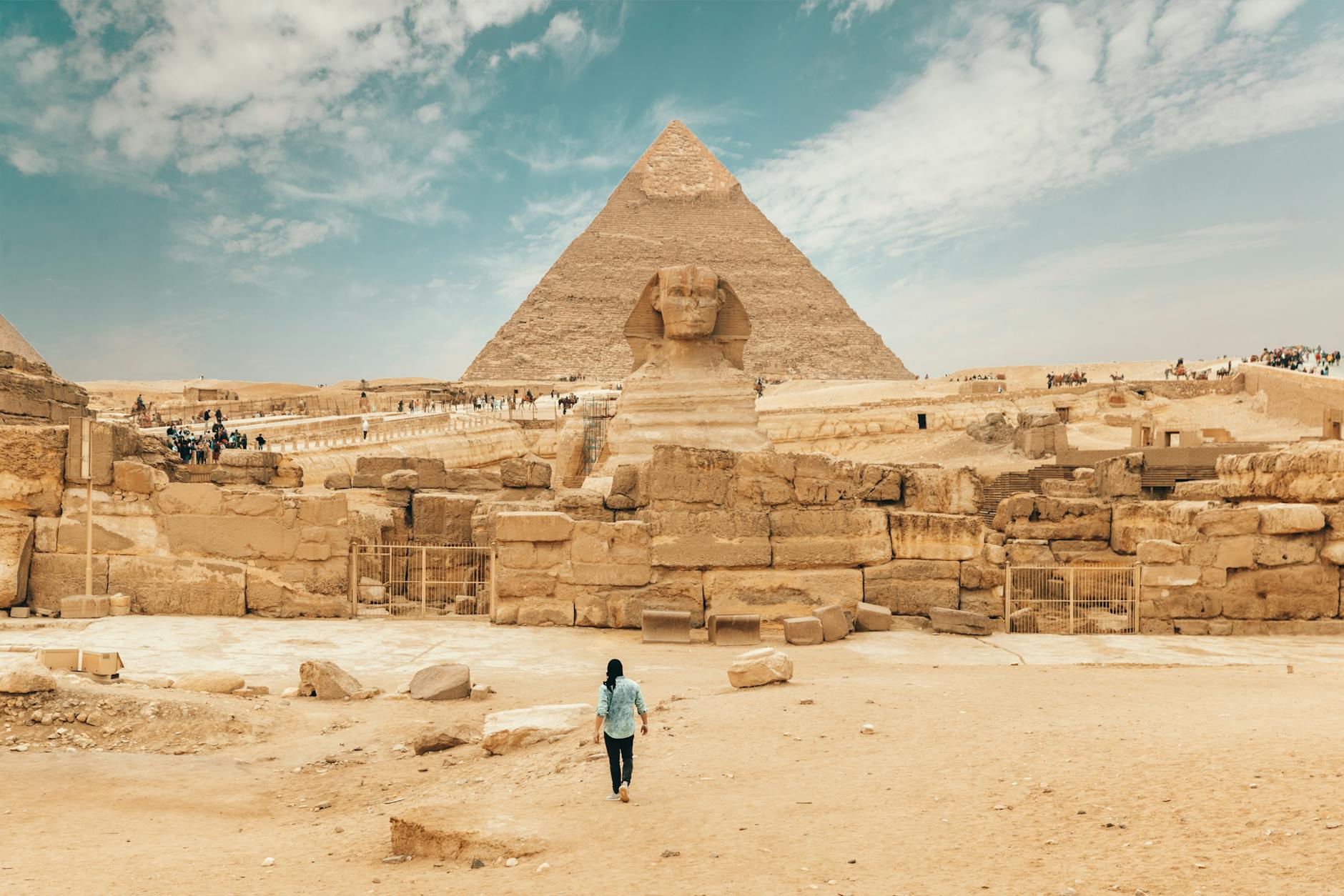
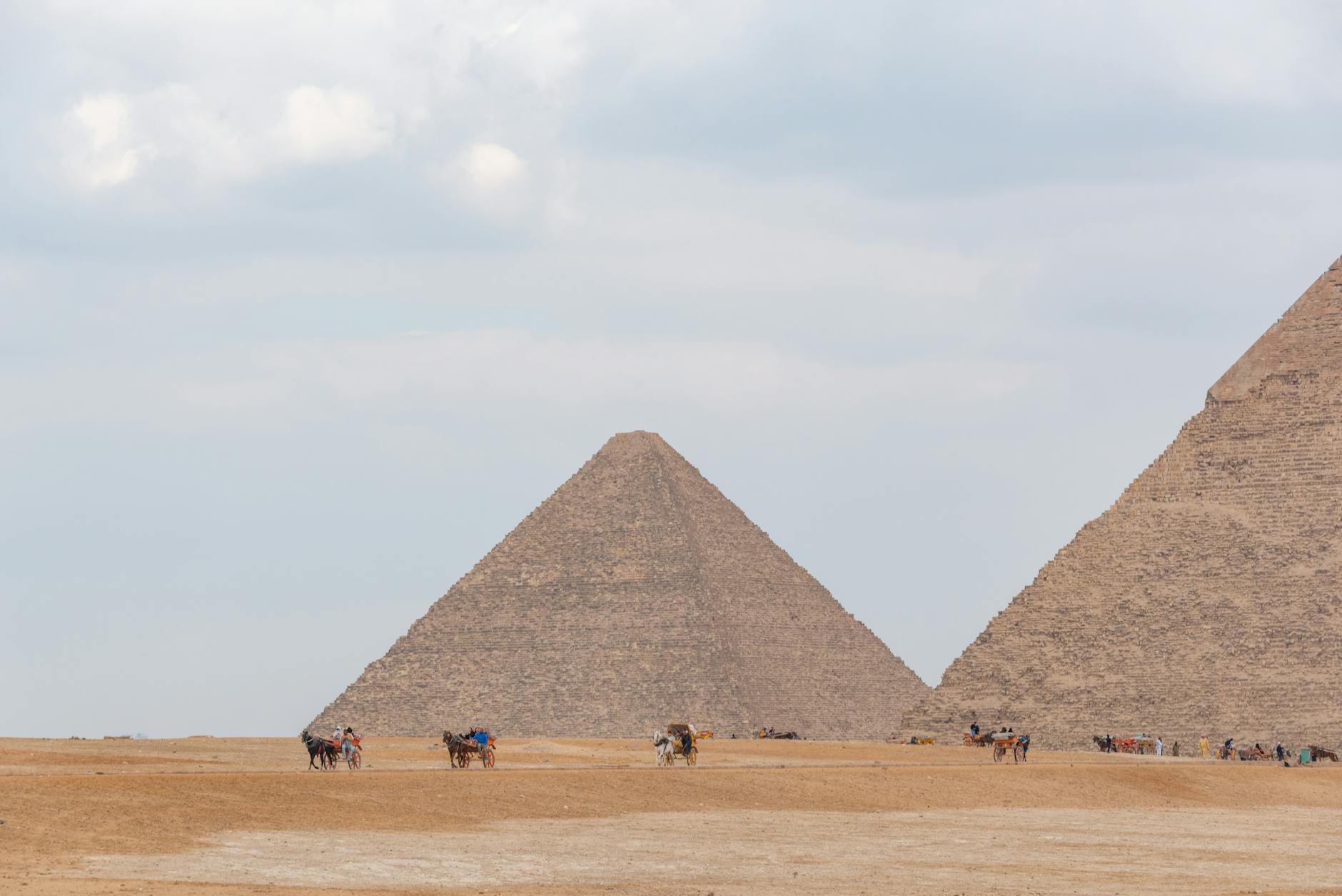
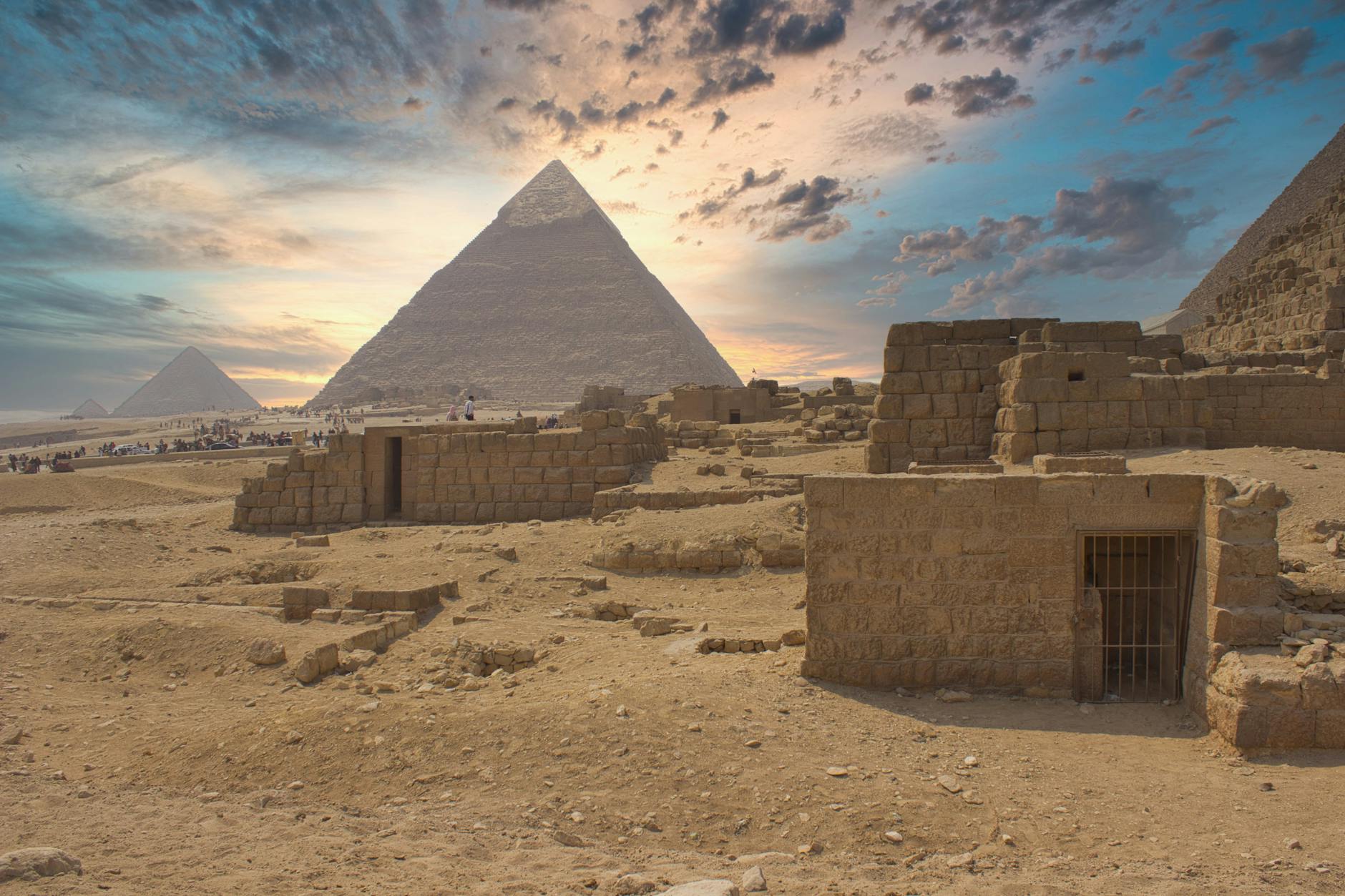
Egypt is a land where ancient history casts an extraordinarily long shadow, anchoring the imagination of travelers in monumental stone, golden sands, and legendary mythology. Stretching from the fertile, delta-fed Mediterranean coast down to the rugged Nubian frontiers of the south, this North African nation has served as the crossroads of civilizations for millennia. The relentless, life-giving ribbon of the Nile River has nourished humanity here since pre-dynastic times, fostering an enduring culture defined by monumental architecture, intricate cosmological beliefs, and an art style instantly recognizable across the globe. From the towering stone giants of Luxor's Karnak and the silent, enigmatic gaze of the Giza Pyramids to the vibrant coral reefs of the Red Sea and the bustling, medieval alleys of Islamic Cairo, Egypt offers a sensory overload of sights, sounds, and textures.

Culturally, modern Egypt is a dynamic mosaic shaped by Pharaonic, Greek, Roman, Coptic Christian, and Islamic histories. This layered heritage is vibrantly alive in everyday life, echoing through the call to prayer reverberating across labyrinthine bazaars, the scent of roasting spices and shisha smoke drifting from neighborhood cafes, and the famous, warm hospitality of the Egyptian people. Cairo, the pulsing mega-capital, juxtaposes frantic modern metropolitan energy with quiet medieval courtyards, while the sleepy southern towns of Aswan and Luxor feel like open-air museums frozen in a golden afternoon glow.

Geographically, Egypt is dominated by the vast expanse of the Sahara and Arabian deserts, making the narrow green strip of the Nile Valley and its delta all the more dramatic. This stark contrast between barren, sun-scorched dunes and lush, palm-fringed riverbanks creates landscapes of breathtaking beauty. Traveling through Egypt is not merely sightseeing; it is an immersive journey through time where visitors stand humbled before architectural feats engineered over four thousand years ago, yet still standing resilient against the desert winds.

Today, Egypt balances its monumental heritage with a forward-looking tourism sector, inviting global explorers to witness both its ancient treasures and its thriving contemporary arts, cuisine, and coastal escapes. Whether you are drifting down the Nile on a traditional wooden dahabiya at sunset, diving into the kaleidoscopic marine life of the Red Sea at Dahab, or unearthing treasures in the newly expanded Grand Egyptian Museum, Egypt guarantees an unforgettable epic voyage that forever alters your perspective of human history.

Visual Impressions & Moments
Egypt photo 1
Egypt photo 2
Egypt photo 3
Egypt photo 4
Egypt photo 5
Egypt photo 6
Unmissable Moments

Top Things to Do in Egypt

Must-Do

Sail the Nile on a Traditional Wooden Dahabiya

Abandon the massive cruise ships for a private or small-group multi-day journey aboard a traditional wind-powered dahabiya. Drifting silently past rural riverbanks, date palm groves, and ancient ruins offers a serene connection to the ancient rhythm of the Nile. Tip: Book a vessel that stops at less-visited sites like Gebel el-Silsila and Kom Ombo at sunrise.

Adventure

Sunrise Hot Air Balloon Flight over Luxor's West Bank

Float gently into the dawn sky as the first golden rays of sunlight illuminate the Valley of the Kings, the Temple of Hatshepsut, and the colossal Colossi of Memnon. Viewing the sprawling archaeological landscape from above provides an unmatched perspective on the scale of ancient Thebes. Tip: Choose a reputable operator with experienced pilots and smaller basket sizes.

Scenic

Dive the Pristine Coral Reefs of the Red Sea

Head to Dahab or Marsa Alam to discover world-class diving and snorkeling sites teeming with vibrant marine life, dramatic drop-offs, and sunken wrecks. The crystal-clear, warm waters of the Red Sea offer some of the most biodiverse aquatic ecosystems on the planet. Tip: Visit the famous Blue Hole in Dahab for an unforgettable shore dive.

Culture

Navigate the Labyrinth of Khan el-Khalili Bazaar

Lose yourself in Cairo's medieval bazaar, where alleyways are packed with shimmering copper lanterns, intricate textiles, fragrant spices, and handmade jewelry. Pause for sweet mint tea at the historic El Fishawy cafe, which has operated continuously for over two centuries. Tip: Practice polite haggling and carry small denominations of cash.

Area Guide

Where to Stay & Best Neighborhoods

Islamic Cairo & Al-Darb al-Ahmar

Best for: History buffs, photographers, architecture lovers, and cultural explorers.

Vibe: Medieval Islamic architecture, bustling markets, towering minarets, and artisan workshops.

Stepping into Islamic Cairo feels like walking directly into the pages of 'One Thousand and One Nights.' This historic quarter boasts the highest concentration of medieval architectural treasures in the Islamic world, including massive stone gates, ancient caravanserais, and ornate mosques like Al-Azhar and Sultan Hassan. Walking through these narrow alleys reveals local coppersmiths hammering brass trays, children playing street football beneath ancient arches, and the echoing resonance of the call to prayer.

Zamalek

Best for: Relaxed strolling, fine dining, contemporary art lovers, and boutique hotel stays.

Vibe: Leafy island upscale neighborhood, art galleries, boutique cafes, and embassies.

Situated on Gezira Island in the middle of the Nile, Zamalek is Cairo's chic, tranquil enclave. Characterized by 19th-century colonial-era architecture, tree-lined boulevards, and quiet riverfront promenades, it offers a stark, peaceful contrast to the chaotic honking of downtown Cairo. It serves as the city's cultural heart for contemporary art, featuring independent galleries, specialty coffee shops, and quiet bistros.

Nubian Villages of Aswan

Best for: Immersive cultural experiences, photography, relaxed village walks, and local cuisine.

Vibe: Colorful painted houses, vibrant textiles, warm hospitality, and riverside tranquility.

Clinging to the rose-granite banks of the Nile just south of Aswan, the Nubian villages of Gharb Soheil are a riot of bright, joyful colors. Whitewashed homes are meticulously decorated with geometric patterns, blooming flowers, and murals depicting Nile wildlife. Visitors can stroll along sandy lanes, purchase handmade beaded jewelry, taste authentic spiced Nubian dishes, and experience the legendary hospitality of the Nubian people.

Food & Drink Scene

What to Eat in Egypt

Koshary

Egypt's unofficial national dish is a hearty, carb-heavy masterpiece consisting of layers of rice, macaroni, lentils, crispy fried onions, chickpeas, and a tangy, spicy tomato vinegar sauce (da'ah). It is a comforting, deeply flavorful street food staple that fuels the entire country.

🍴 Top spot: Abou Tarek (Downtown Cairo)

Ful Medames

Slow-cooked fava beans seasoned with olive oil, cumin, garlic, and lemon juice, typically served warm with fresh baladi bread. Eaten for breakfast across all social strata, it is a nourishing, protein-rich dish with roots stretching back to ancient times.

🍴 Top spot: Gad Restaurant (Various locations nationwide)

Molokhia

A vibrant green, savory soup made from finely minced jute mallow leaves cooked in a rich rabbit, chicken, or beef broth infused with roasted garlic and coriander. It has a mucilaginous texture and is traditionally ladled over rice and flatbread.

🍴 Top spot: El Dahan (Cairo and Giza)
Excursions

Best Day Trips from Egypt

Saqqara Step Pyramid & Memphis Open-Air Museum

1 hour by car from central Cairo

Explore the oldest complete stone building complex in history at Saqqara, featuring Imhotep's revolutionary Step Pyramid of Djoser. Combine it with a stop at Memphis, ancient Egypt's first capital, to view the colossal fallen statue of Ramesses II.

Alexandria's Mediterranean Coast & Catacombs

2.5 to 3 hours by train or car from Cairo

Escape the desert heat and head north to Egypt's legendary Mediterranean port city. Visit the catacombs of Kom el Shoqafa, explore the impressive Qaitbay Citadel built on the ruins of the ancient Lighthouse, and stroll along the breezy Corniche.

When to Go

Best Time to Visit & Seasonality

Editor’s Pick: October to April offers the most pleasant weather, with mild daytime temperatures ideal for exploring archaeological sites in Upper Egypt without the intense, blistering heat of the summer months.

Spring Overview

(March to May)
Moderate
Average Temperature & Climate20°C to 30°C (68°F to 86°F)

Warm days, cooling evenings, occasional Khamsin desert winds.

Crowd & Travel ConditionsModerate Tourist Traffic

Fewer lines and better deals.

✨ Seasonal Highlights:Witnessing the spring awakening, comfortable sightseeing weather before summer peaks.
Travel Smarter

Practical Travel Essentials

CurrencyEgyptian Pound (EGP)
LanguageArabic
Time ZoneEastern European Time (EET) (UTC+2)

Visa & Entry

Most nationalities can obtain a tourist visa upon arrival at Egyptian airports or apply online for an e-Visa prior to departure (valid for 30 days).

Getting Around & Transit

Domestic flights efficiently connect Cairo, Luxor, Aswan, and Sharm el-Sheikh. Trains are great for traveling along the Nile Valley, while ride-sharing apps like Uber and Careem are reliable and affordable in Cairo and Alexandria.

Daily Budget Expectation

$50 - $150 USD per day for mid-range travelers covering comfortable hotels, entry tickets, dining, and guided transport.

Safety & Health

Egypt is generally a safe country for travelers with low rates of violent crime, though petty theft and scams directed at tourists do occur around major sites.

Local Etiquette & Customs

Dress modestly when visiting mosques and local neighborhoods (covering shoulders and knees). Always ask permission before photographing local people, and tipping (baksheesh) is a customary and expected part of daily services.

Questions & Answers

Frequently Asked Questions about Egypt

Yes, Egypt is generally safe for tourists. Major tourist zones, hotels, and archaeological sites maintain a heavy, reassuring security presence. Standard travel precautions regarding petty theft and scams apply.