🌟 Best in Travel 2026 is here!
El Salvador
countryNorth America
4.85 / 5.0

El Salvador

The land of volcanoes, world-class surf breaks, and enduring warmth.

Advertisement
Editorial Guide

About El Salvador

El Salvador, the smallest and most densely populated nation in Central America, packs an extraordinary geographic and cultural punch into its compact territory. Historically overshadowed by its larger neighbors, the 'Land of Volcanoes' has emerged as one of the region's most captivating destinations, marrying a dramatic topography of emerald peaks, glassy crater lakes, and black-sand Pacific beaches with a profound cultural renaissance. From the pre-Columbian ruins of Joya de CerĂ©n—often called the 'Pompeii of the Americas'—to the colorful mountain villages of the Ruta de las Flores, the country offers travelers an immersive, deeply authentic journey.

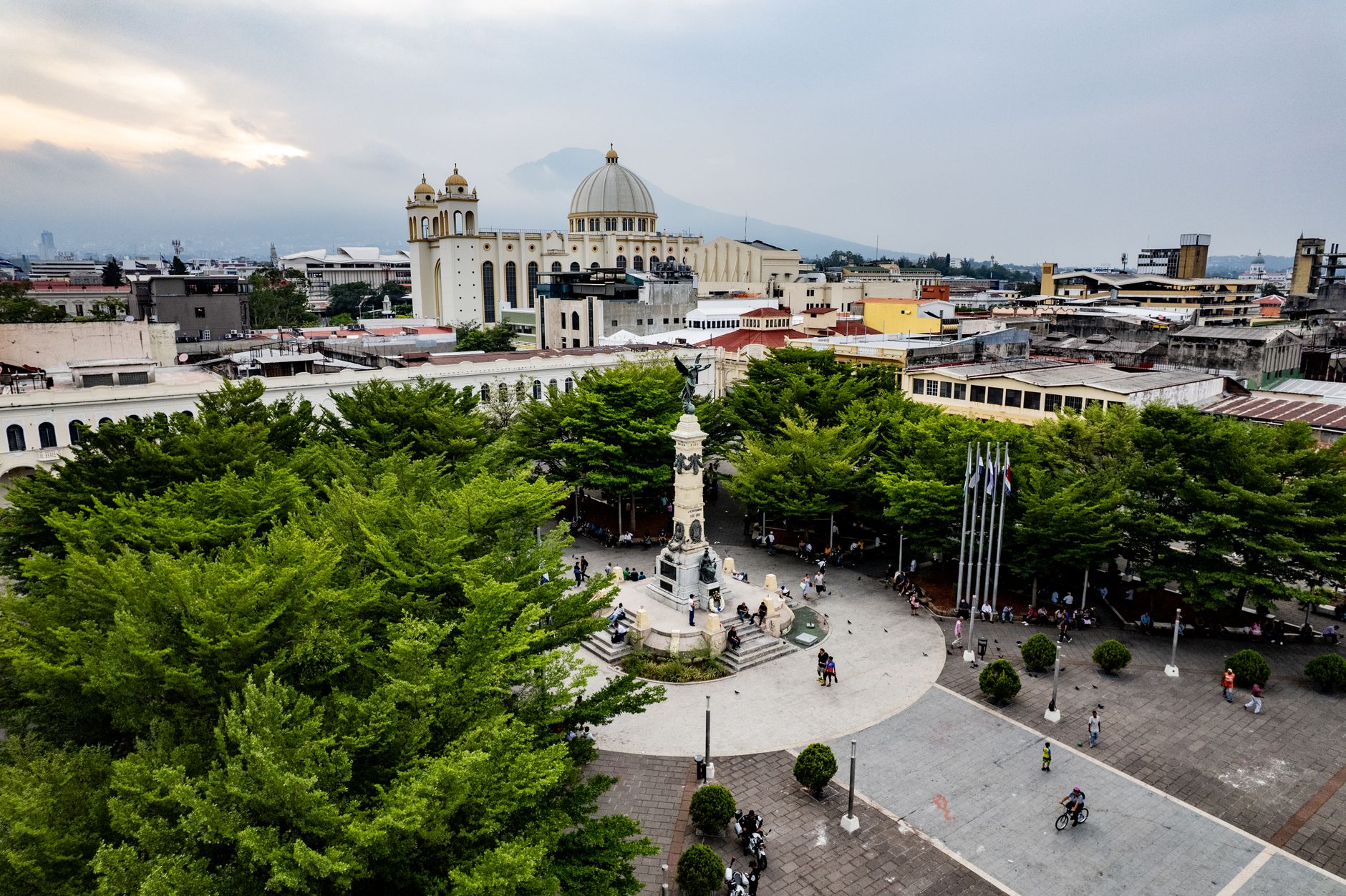
The atmosphere across El Salvador is one of relentless energy, warmth, and hospitality. Decades of historical turbulence have given way to a passionate pride in community, arts, and culinary innovation. Whether you are navigating the bustling, mural-adorned streets of San Salvador's historic center, sipping world-class shade-grown coffee in the misty highlands of Apaneca, or watching the sunset over the Pacific from a clifftop hammock in El Tunco, the local rhythm is welcoming and vibrant. The nation's geography is defined by the Cordillera de Apaneca and the striking cones of volcanoes like Santa Ana and Izalco, which shape not only the physical landscape but the rich volcanic soil that feeds its renowned agriculture.

Local life revolves around vibrant plazas, communal pupuserias where the pat-pat-pat sound of corn dough being shaped forms the acoustic backdrop of daily existence, and coastal breaks that draw surfers from across the globe. Traditional indigenous Lenca and Pipil roots weave through modern Salvadoran identity, visible in local artisan crafts, textiles, and festivities. At the same time, a tech-forward, surf-loving cosmopolitan wave is redefining the country's coastal frontiers.

Traveling through El Salvador is remarkably efficient due to its size, allowing visitors to surf in the morning and hike a cloud-shrouded volcanic crater by afternoon. Modern highways connect pristine national parks with urban cultural hubs, making it an accessible frontier for adventurous spirits seeking unvarnished authenticity, world-class gastronomy, and landscapes that leave an indelible mark on the soul.

Visual Impressions & Moments
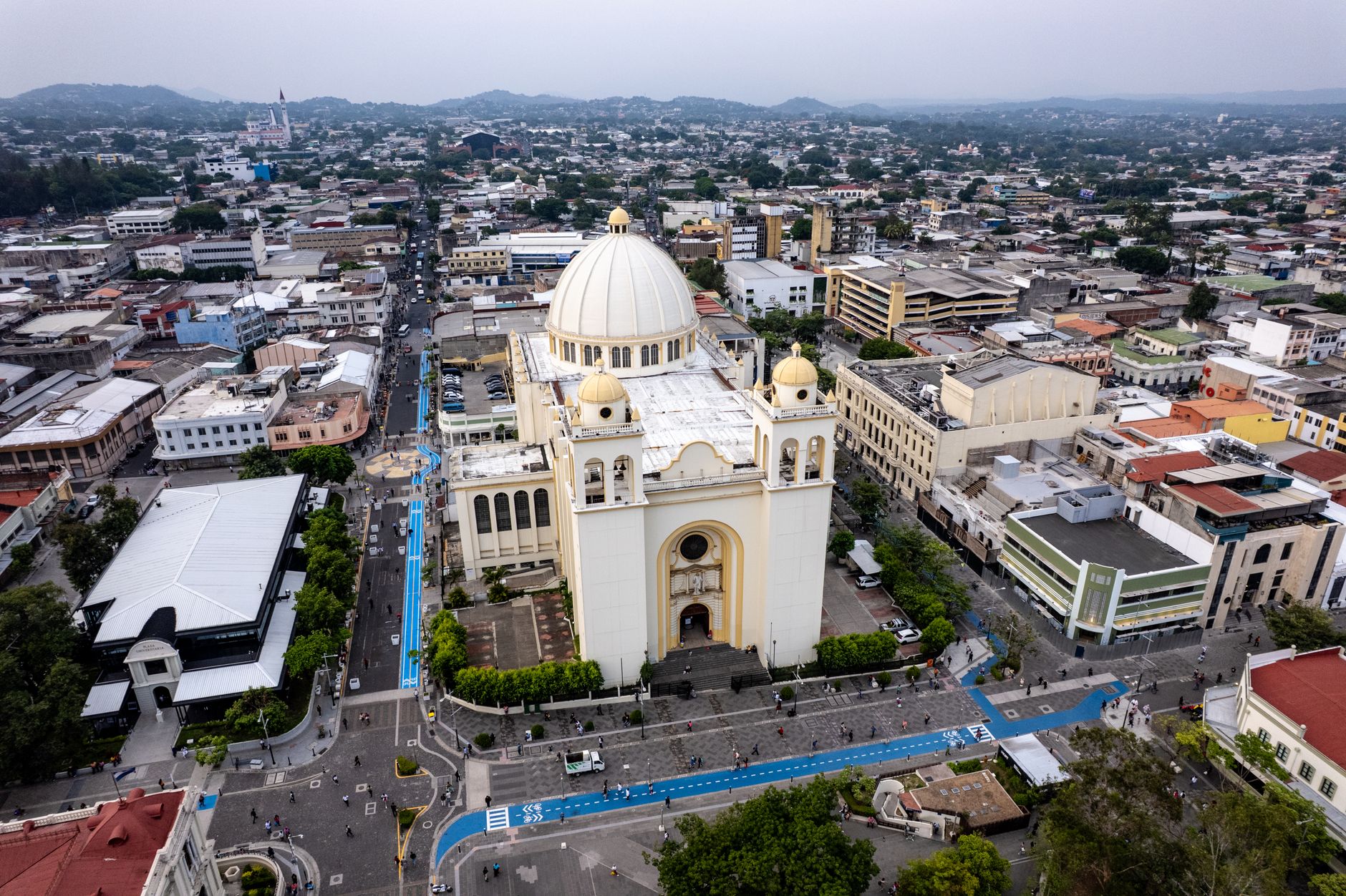
El Salvador photo 1
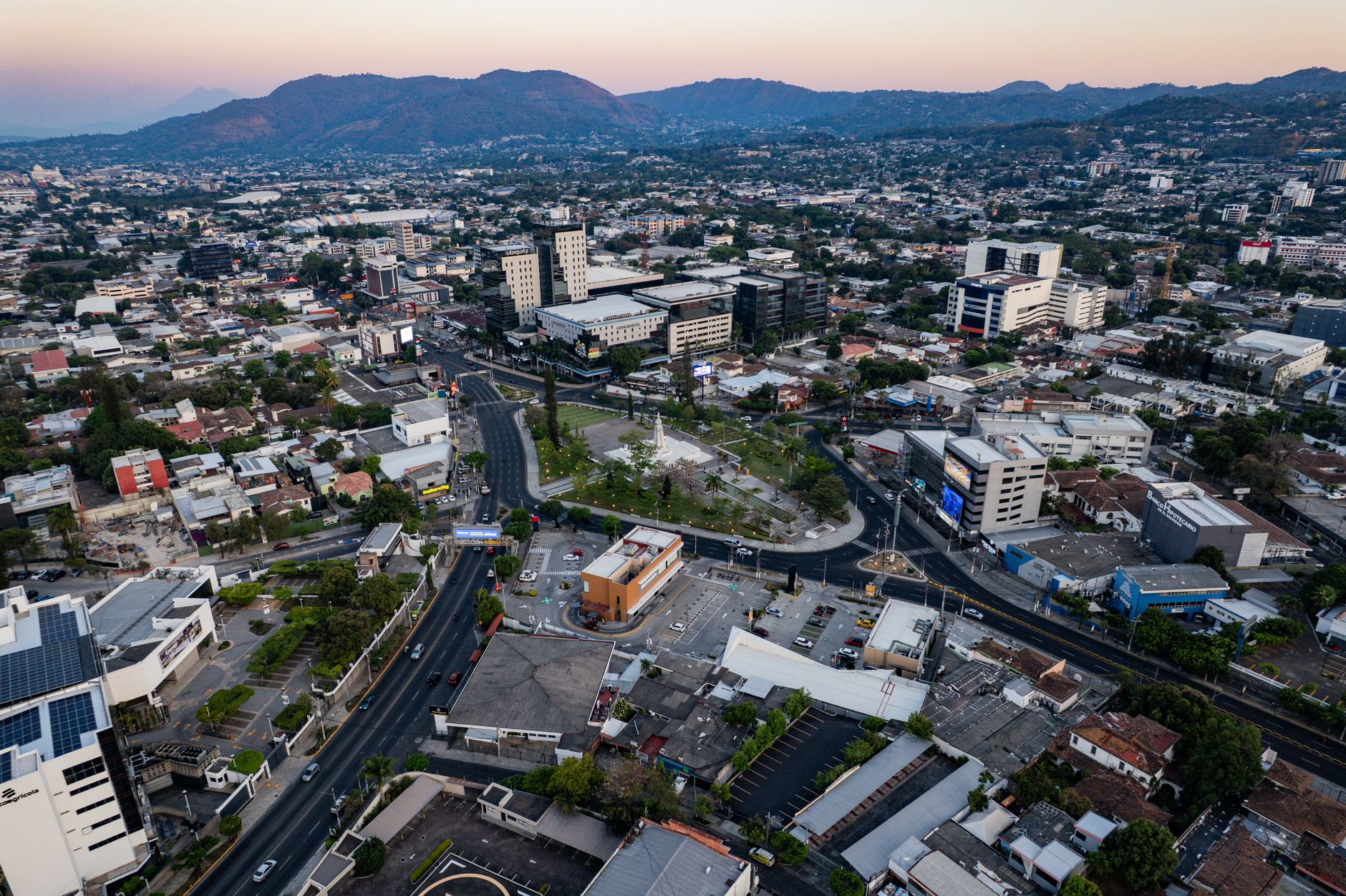
El Salvador photo 2
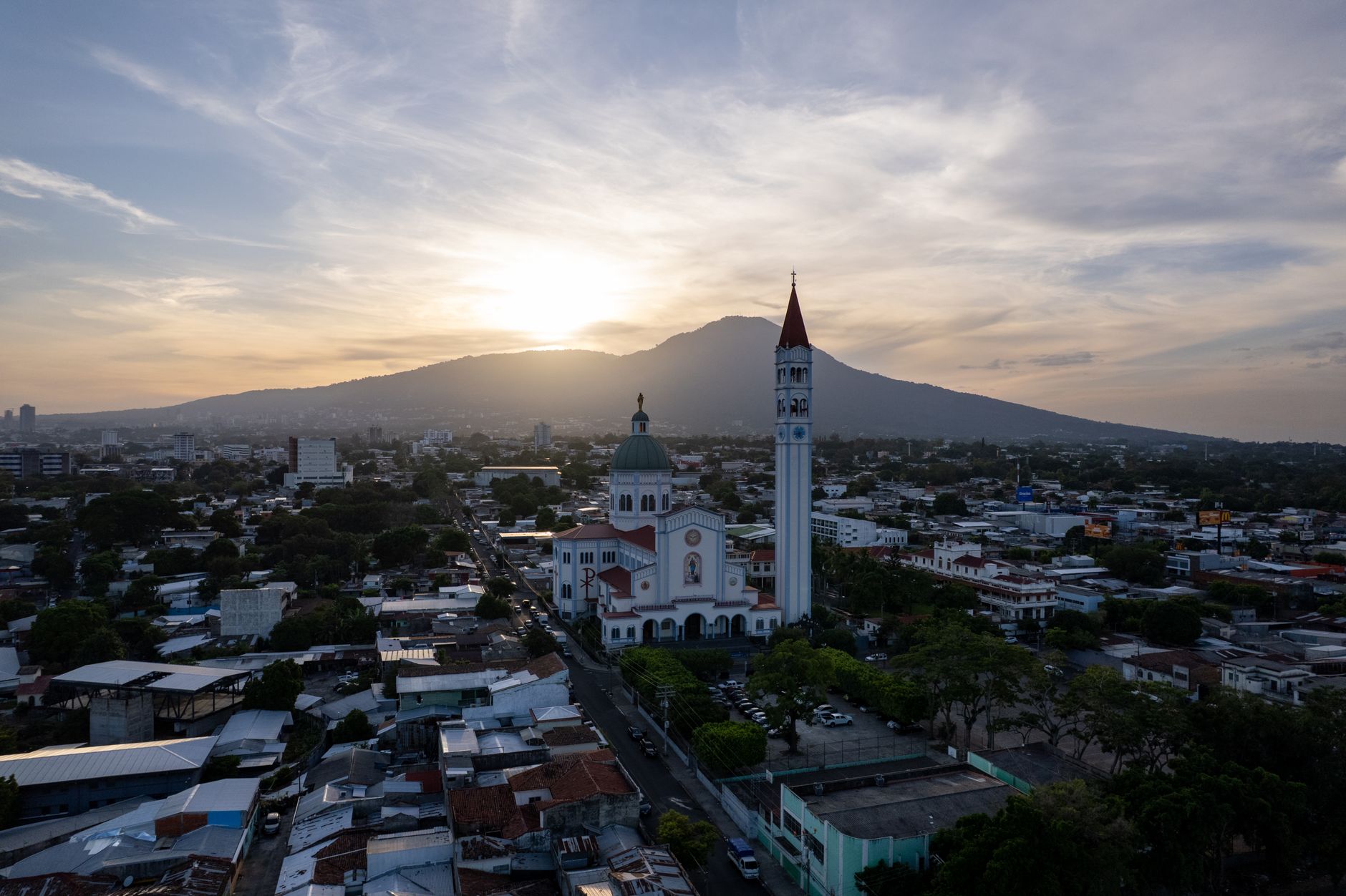
El Salvador photo 3
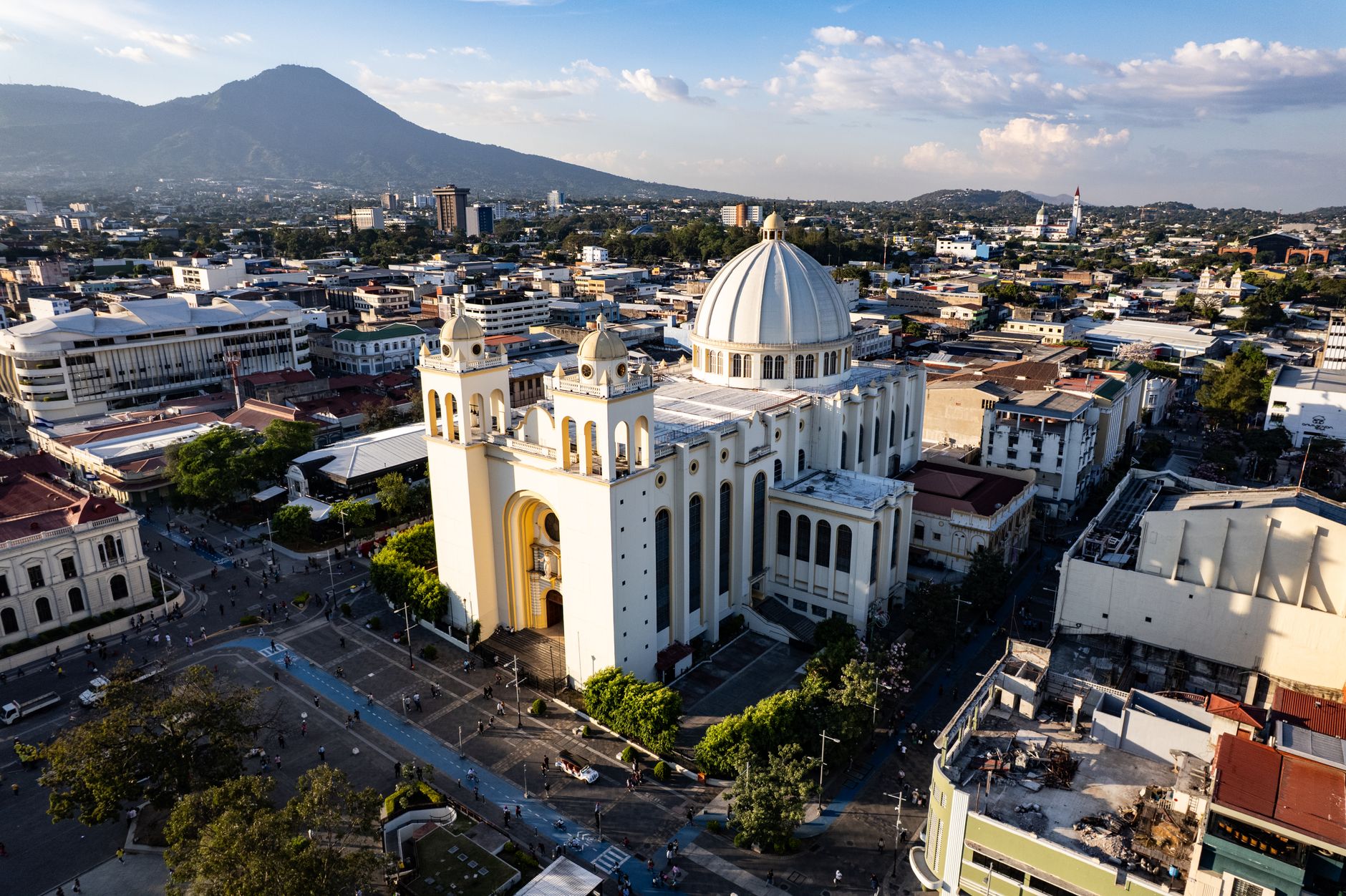
El Salvador photo 4
El Salvador photo 5
El Salvador photo 6
Unmissable Moments

Top Things to Do in El Salvador

Adventure

Hike the Emerald Crater Lake of Santa Ana Volcano

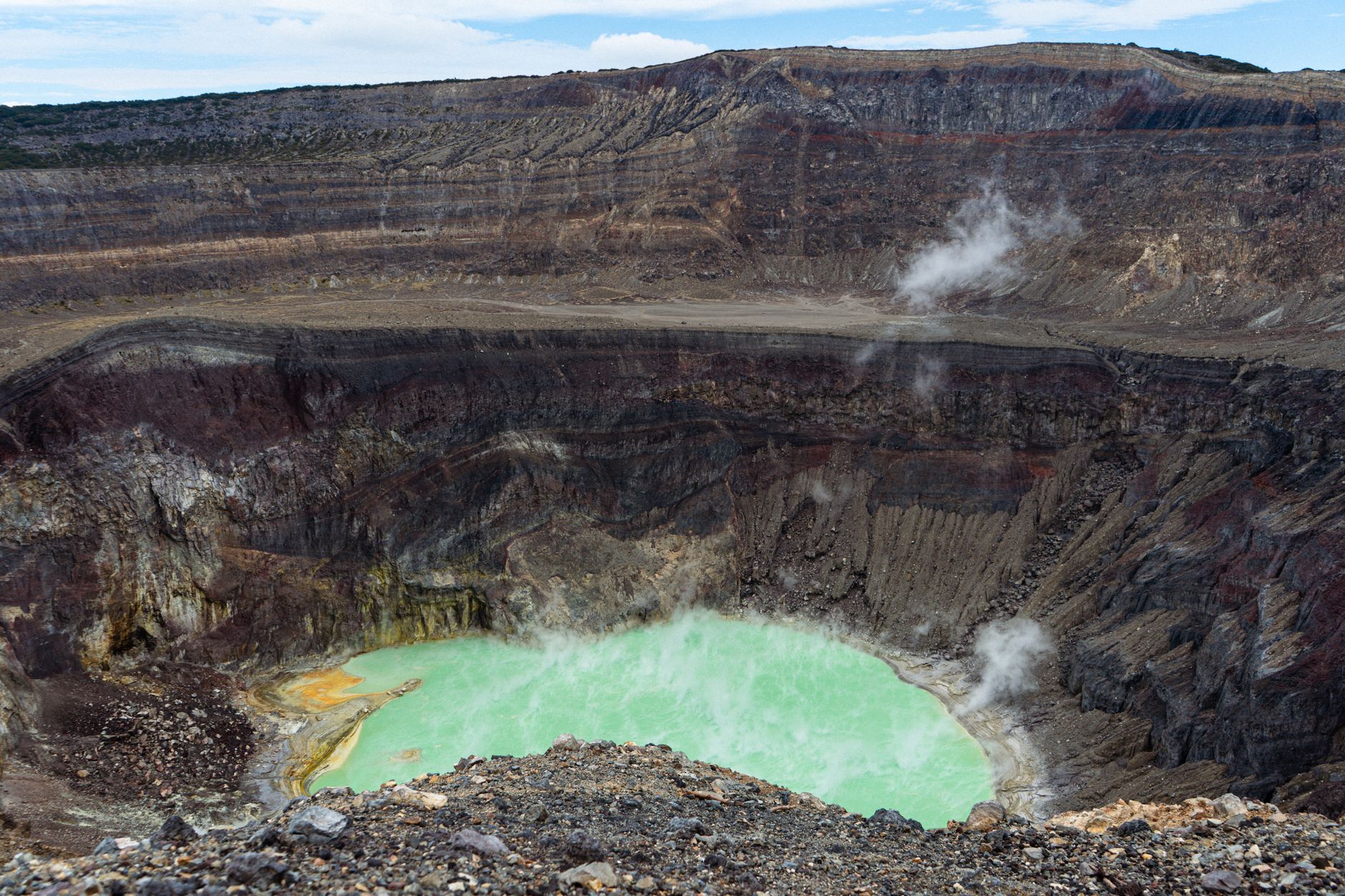
Ascend through diverse microclimates to the rim of El Salvador's highest active volcano, where a surreal, steaming turquoise acidic lagoon glows inside the summit caldera. Start early in the morning with a mandatory local guide from the Cerro Verde National Park entrance to beat the clouds and secure panoramic views stretching across Lake Coatepeque and the Pacific Ocean. Insider tip: Wear sturdy hiking boots and bring a windbreaker, as summit gusts can be surprisingly fierce.

Must-Do

Catch Legendary Waves at El Tunco and Sunzal

Paddle out into the warm, consistent Pacific swells of La Libertad, the pulsing heart of El Salvador's thriving surf culture. Sunzal offers a famously long, forgiving right-hand point break ideal for longboarders and intermediates, while nearby breaks like El Zonte test advanced surfers. After catching the sunset, unwind at a beachfront bar with a cold Pilsener beer. Insider tip: Rent a board directly from local surf cooperatives on the beach for personalized advice on daily tide shifts.

Culture

Explore the Coffee Culture along the Ruta de las Flores

Wind your way up into the misty cordillera through colonial towns like ConcepciĂłn de Ataco and JuayĂșa, stopping at century-old fincas to taste some of the world's finest bourbon and pacamara coffee beans. Stroll past vibrant street murals, browse artisanal looms, and visit weekend food festivals. Insider tip: Book a private cupping session at Finca El Carmen to understand the intricate bean-to-cup roasting process.

Culture

Marvel at the Archaeological Wonder of Joya de Cerén

Walk through the remarkably preserved remains of a Maya farming village that was buried under layers of volcanic ash from the nearby Laguna Caldera eruption around 600 CE. Unlike Pompeii, this site preserves the everyday domestic life, storehouses, sweat baths, and communal kitchens of commoners rather than elites. Insider tip: Hire an on-site guide to decode the intricate thatch-roof construction methods revealed by the ash seal.

Must-See Highlights

Top Places & Things to Do in El Salvador

Curated attractions and cultural landmarks with local insider advice.

El Tunco Beach
attraction
4.7

El Tunco Beach

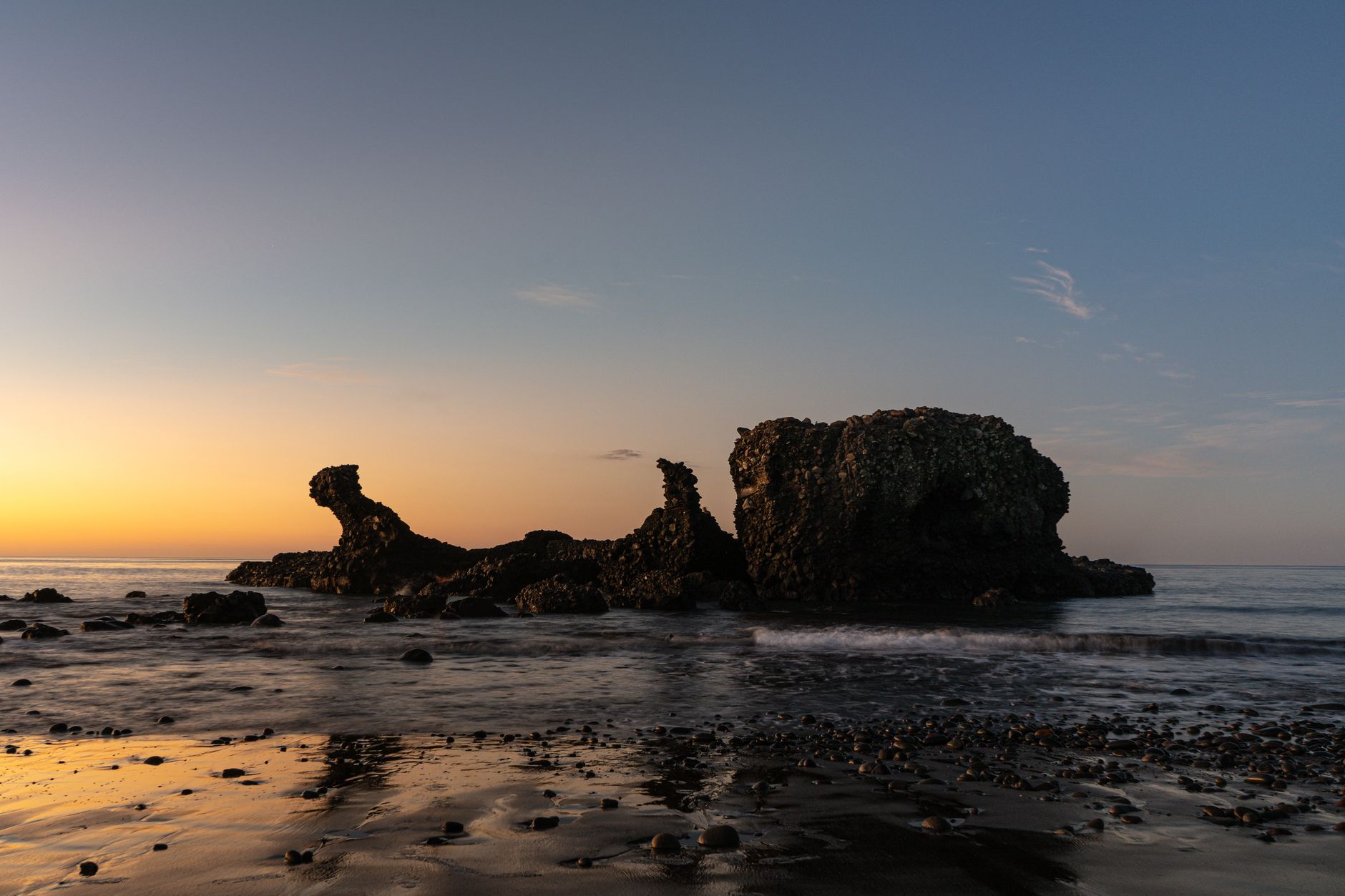
El Tunco is the beating heart of El Salvador's legendary surf coast. Named after the offshore rock formation that resembles a sleeping pig ('tunco' in local slang), this energetic coastal village is world-renowned for its consistent, peeling right-hand point breaks that attract surfers of all proficiency levels from across the globe. Beyond the surf, the black-sand beach comes alive at sunset as travelers gather with cold drinks to watch the sun dip dramatically into the Pacific. The pedestrian village buzzes with open-air seafood grills, juice bars, and lively nightspots.

Open 24/7
Admission: Free access
Insider Tip: Bring reef booties, as the black volcanic sand and shorebreak pebbles can be abrasive on bare feet.
Santa Ana Volcano (Ilamatepec)
nature
4.9

Santa Ana Volcano (Ilamatepec)

Rising 2,381 meters above sea level, the Santa Ana Volcano is the highest peak in the Apaneca-Ilamatepec mountain range and one of the most exhilarating hikes in Central America. The trail winds upward through changing ecosystems, transitioning from dense cloud forest populated by bromeliads and orchids to barren, windswept volcanic ash fields at the upper rim. At the summit, hikers are rewarded with a breathtaking view of a brilliant turquoise-green sulfur lake bubbling deep within the massive crater. On clear days, the panorama extends across Lake Coatepeque, the Izalco Volcano, and out to the Pacific coastline.

Daily, guided groups depart at 8:00 AM, 10:00 AM, and 11:00 AM
Admission: $6 park entry + $3-5 guide fee
Insider Tip: Always hike with the mandatory police-escorted tourist groups for safety and local ecological insights.
Joya de Cerén Archaeological Site
culture
4.8

Joya de Cerén Archaeological Site

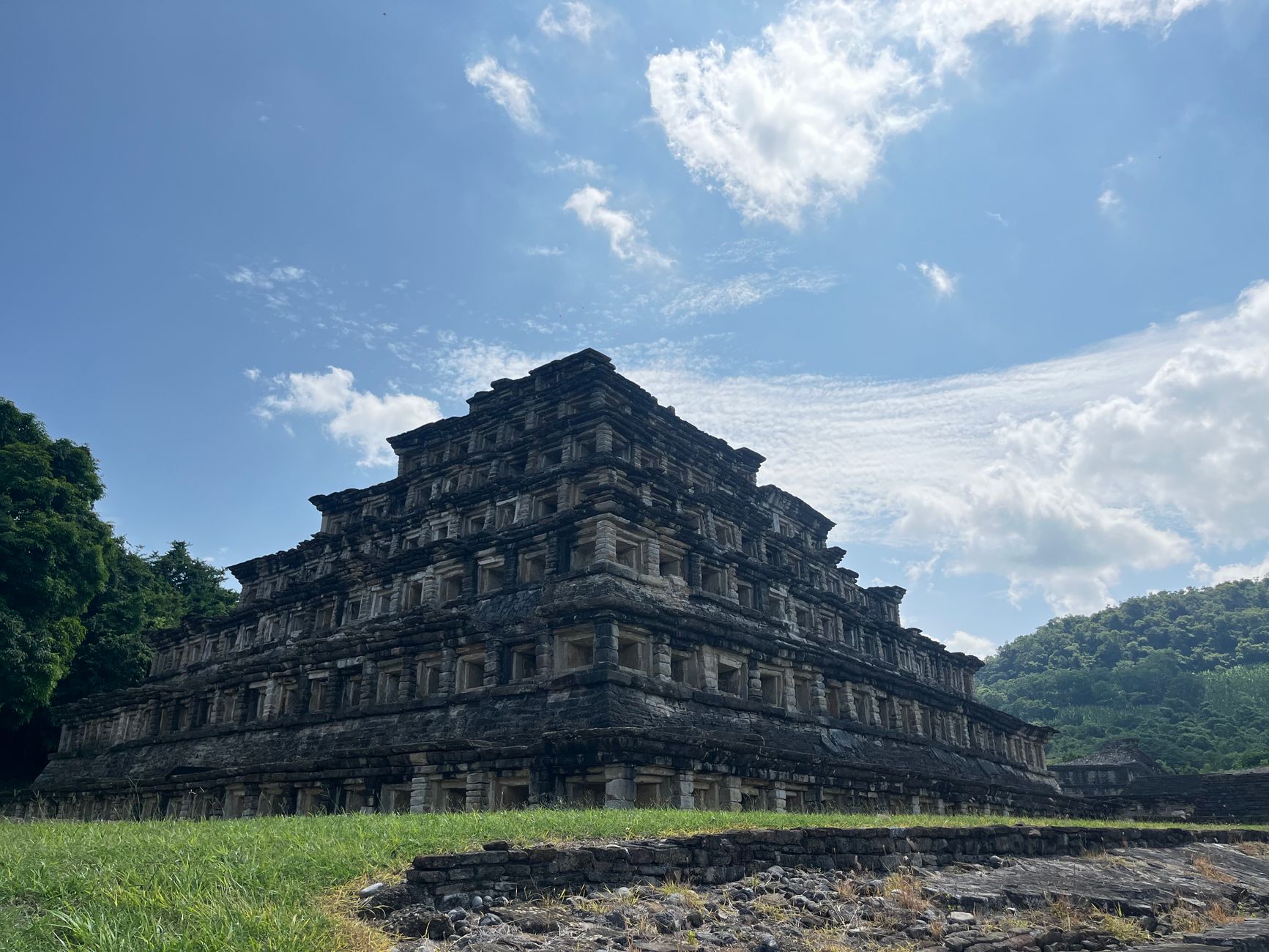
Often hailed as the 'Pompeii of the Americas,' Joya de Cerén offers an extraordinarily rare glimpse into the daily lives of pre-Columbian Mesoamerican commoners rather than royalty. Around 600 CE, the nearby Laguna Caldera erupted, violently burying the farming village under fourteen feet of volcanic ash. Because the disaster happened so suddenly, villagers left behind their cooking utensils, stored beans, sleeping mats, and agricultural tools. Excavations have revealed remarkably intact storehouses, sweat baths, kitchens, and communal gathering spaces, providing invaluable archaeological data about ancient agricultural societies in Mesoamerica.

Tuesday to Sunday, 9:00 AM – 4:00 PM
Admission: $3 for international visitors
Insider Tip: Combine this visit with nearby Tazumal ruins in AhuachapĂĄn for a comprehensive ancient history day trip.
Suchitoto Historic Town
culture
4.8

Suchitoto Historic Town

Suchitoto is the cultural capital of El Salvador, keeping its colonial heritage alive through immaculate white adobe architecture, red-tiled roofs, and sloping cobblestone streets that converge on the striking Santa LucĂ­a Church. Overlooking the shimmering waters of Lake SuchitlĂĄn, the town has long served as a sanctuary for artists, writers, and independent filmmakers. Visitors can explore bustling artisan markets, indigo dyeing workshops where natural pigments are extracted using ancient techniques, and vibrant cultural centers hosting weekend music and poetry festivals.

Open 24/7
Admission: Free
Insider Tip: Take a boat tour on Lake SuchitlĂĄn to Bird Island (Isla de los PĂĄjaros) to see hundreds of migratory and resident waterbirds.
Area Guide

Where to Stay & Best Neighborhoods

Zona Rosa & San Benito

Best for: Luxury travelers, fine dining enthusiasts, and nightlife seekers

Vibe: Upscale, leafy, cosmopolitan, and peppered with modern art galleries and embassies

San Benito and the adjacent Zona Rosa represent the polished, modern face of San Salvador. Tree-lined boulevards are home to the prestigious Museo de Arte de El Salvador (MARTE), high-end boutique hotels, and an exceptional culinary scene ranging from innovative fusion bistros to sleek cocktail lounges. It is the safest and most walkable urban district in the capital.

El Tunco & La Libertad Coastline

Best for: Surfers, backpackers, ocean lovers, and sunset chasers

Vibe: Boho-chic, barefoot beach town energy with world-class surf hostels and seafood shacks

Centering around the iconic rock formation that gives the village its name, El Tunco is a vibrant, pedestrian-only enclave where flip-flops are mandatory and reggae and rock music drift from open-air cafes. By day, surfers carry boards down black-sand pathways; by night, beach bonfires illuminate international travelers and locals mingling under the stars.

ConcepciĂłn de Ataco

Best for: Slow travel, coffee lovers, hikers, and art enthusiasts

Vibe: Artistic, misty mountain village with cobblestone streets and vibrant muralism

Perched high in the Apaneca mountain range, Ataco is famous for its crisp alpine air, the aroma of roasting coffee, and walls transformed into canvases by local and international artists. Walking through the town reveals artisan weaving workshops, traditional cafes serving hot chocolate with local cheese, and vibrant weekend markets brimming with flowers and crafts.

Food & Drink Scene

What to Eat in El Salvador

Pupusas (Revueltas, Queso, y Loroco)

The undisputed national dish of El Salvador: thick, hand-formed corn or rice tortillas stuffed with savory fillings such as chicharrĂłn (pork rind), refried beans, cheese, and loroco (an edible indigenous flower bud). They are grilled on a comal and served alongside curtido (crunchy fermented cabbage slaw) and mild tomato salsa. You eat them strictly with your hands.

🍮 Top spot: Pupusería Taquería La Revuelta in San Salvador

Sopa de Patas

A deeply traditional, hearty weekend soup made from beef feet, tripe, plantains, corn, and spices, simmered for hours until rich and gelatinous. It is prized as a robust comfort food and a legendary hangover cure, typically garnished with fresh cilantro, onions, and lime juice.

🍮 Top spot: Mercado Central Food Stalls in Santa Ana

Yuca con ChicharrĂłn

Boiled or deep-fried cassava root served with crispy chunks of pork belly, pickled cabbage curtido, and pepesca (tiny fried river fish). The contrast between the fluffy, earthy yuca and the crunchy, savory pork creates an unforgettable texture profile.

🍮 Top spot: Comedor Doña Blanca in La Libertad
Excursions

Best Day Trips from El Salvador

Lake Coatepeque & Cerro Verde

1 hour 15 minutes by car from San Salvador

Descend into a stunning volcanic caldera lake boasting deep blue-green waters framed by steep green cliffs, followed by panoramic volcano views from Cerro Verde National Park.

Suchitoto Colonial Town & Lake SuchitlĂĄn

45 minutes by car from San Salvador

Wander through a perfectly preserved colonial town of cobblestone streets, whitewashed adobe houses, art galleries, and sweeping viewpoints overlooking the man-made Lake SuchitlĂĄn.

When to Go

Best Time to Visit & Seasonality

Editor’s Pick: November to April (the dry season) offers the sunniest weather, ideal for hiking volcanoes and surfing. May to October is the green season, characterized by lush landscapes and afternoon tropical downpours.

Spring Overview

(March to May)
Moderate
Average Temperature & Climate24°C to 34°C (75°F to 93°F)

Warm to hot, transitioning from dry season to the early arrival of green season rains.

Crowd & Travel ConditionsModerate Tourist Traffic

Fewer lines and better deals.

✹ Seasonal Highlights:Witnessing the blooming wildflowers along the Ruta de las Flores and enjoying pristine surf conditions.
Travel Smarter

Practical Travel Essentials

CurrencyUnited States Dollar (USD)
LanguageSpanish
Time ZoneCST (UTC-6)

Visa & Entry

Citizens of the US, Canada, EU, and many other nations do not require a visa for stays up to 90 days. A tourist card fee of $12 USD is payable upon entry at land borders or airports.

Getting Around & Transit

Rental cars are ideal for exploring mountain routes and coastal highways. Intercity 'chicken buses' (colorful repurposed US school buses) are ultra-cheap for local travel, while comfortable private shuttles connect major tourist hubs like San Salvador, El Tunco, and Ataco.

Daily Budget Expectation

$50 - $120 USD per day covers hostel or boutique hotel lodging, casual pupusa meals, local transport, and guided hikes.

Safety & Health

El Salvador has experienced a dramatic, historic transformation in security, making it currently one of the safest countries in Latin America for travelers. Standard urban precautions still apply.

Local Etiquette & Customs

Greet people with a polite 'Buenos dĂ­as' or 'Buenas tardes'. Tipping around 10% is customary in sit-down restaurants. Always ask permission before photographing local indigenous artisans.

Questions & Answers

Frequently Asked Questions about El Salvador

Yes. Following sweeping government security initiatives, El Salvador has become remarkably safe, welcoming millions of international tourists annually with low crime rates in tourist zones.