🌟 Best in Travel 2026 is here!
Faroe Islands
regionEurope
4.92 / 5.0

Faroe Islands

Untamed, dramatic North Atlantic volcanic archipelagos carved by wind, fog, and ancient epic legends.

Advertisement
Editorial Guide

About Faroe Islands

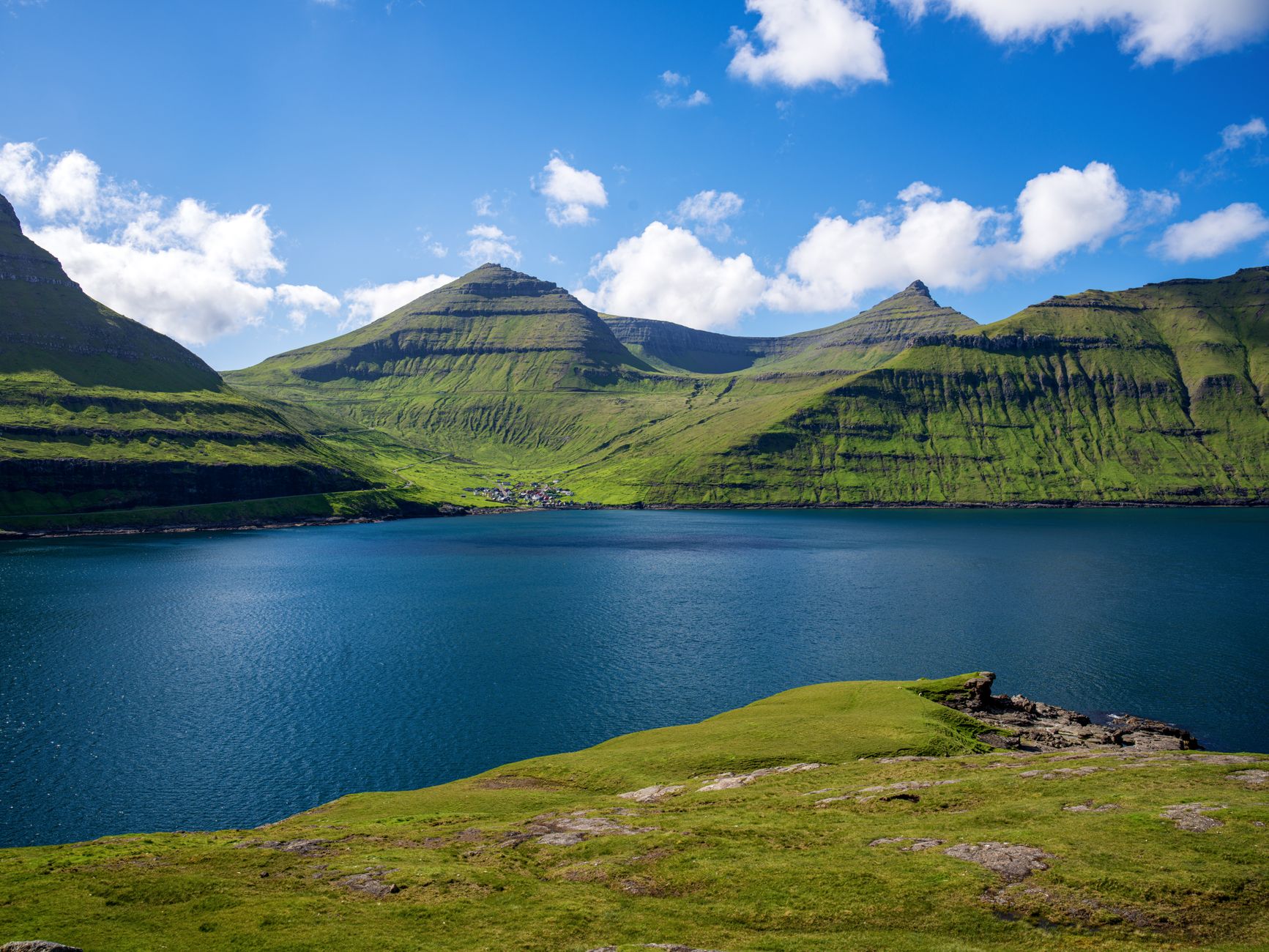
Rising steeply from the churning, slate-grey depths of the North Atlantic between Iceland and Norway, the Faroe Islands represent one of Europe's last true wilderness frontiers. An autonomous territory of the Kingdom of Denmark, this volcanic archipelago of 18 jagged islands is shaped by colossal basalt cliffs, roaring waterfalls tumbling directly into the sea, and a kaleidoscope of emerald-green valleys that shift moods with every passing squall. The atmosphere is deeply mystical, saturated with ancient Norse sagas, where sheep outnumber humans two to one and modern infrastructure weaves seamlessly through sub-sea tunnels and winding coastal passes.

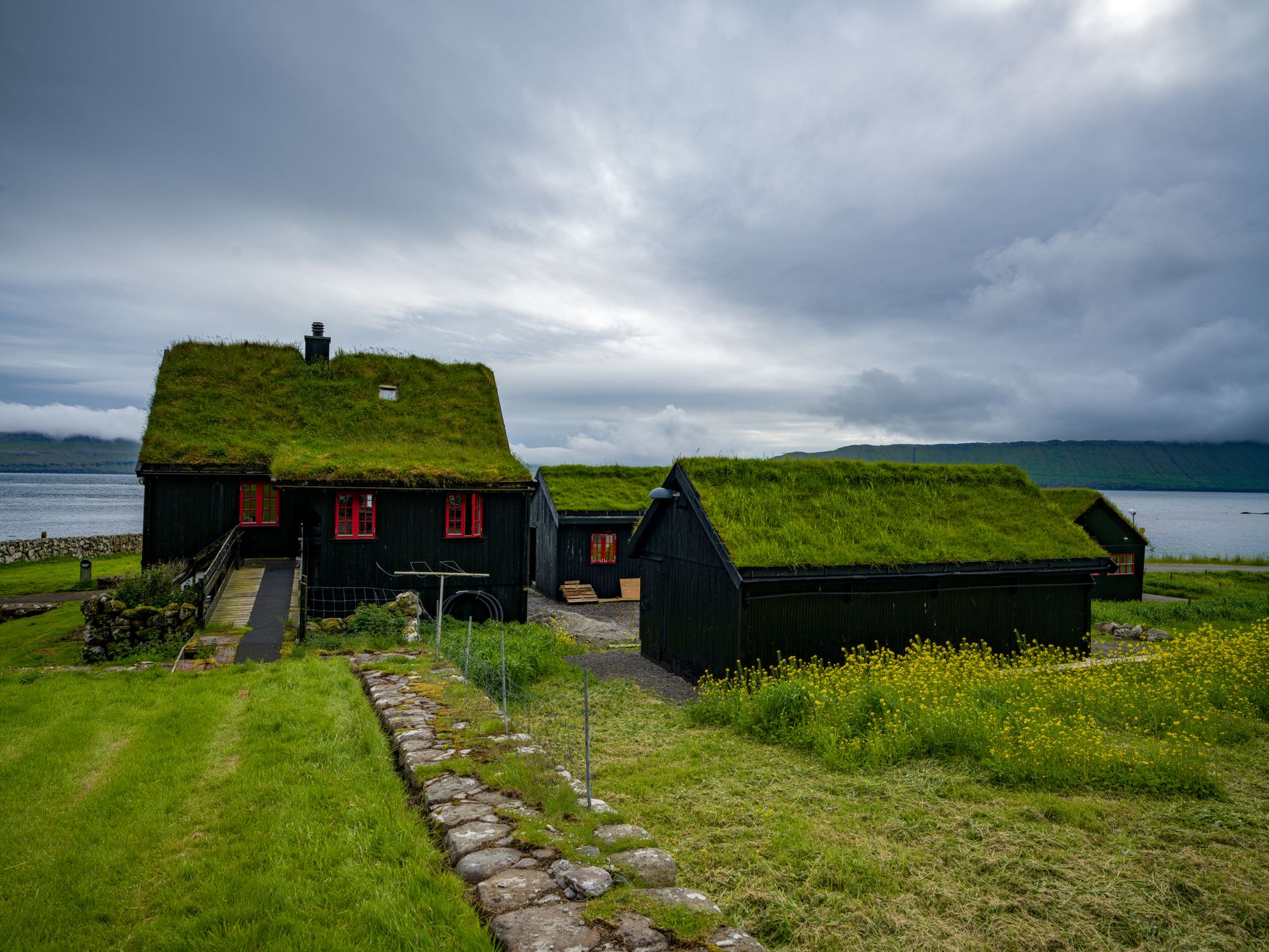
Historically isolated by geography and weather, Faroese culture is fiercely proud, resilient, and deeply intertwined with the marine ecosystem. Traditional turf-roofed houses cling to the foot of soaring sheer cliffs, while villages like Gásadalur and Saksun feel entirely suspended in time. Despite a reputation for being an exclusive and expensive destination, the islands can be experienced on a smart budget through meticulous planning, wild camping regulations, utilizing local public transit, and embracing self-catering using hyper-fresh local ingredients.

The geography of the Faroes is a masterclass in dramatic tectonic forces. Deep fjords slice through towering plateaus, and sunlight breaks through heavy cloud covers to cast ephemeral spotlights on cascading ribbons of water like Múlafossur. Navigating this landscape requires a deep respect for nature; weather shifts within minutes from brilliant blue skies to dense, brooding fog. For the budget traveler, this elemental rawness provides an unmatched playground of free natural wonders—endless hiking trails, bird-watching cliffs teeming with puffins, and pristine coastal vistas that rival any luxury resort on earth.

Local life in the Faroes moves to the rhythm of the tides and the seasonal migration of seabirds. In the capital of Tórshavn, historic wooden quarters sit alongside contemporary Nordic cafes where locals debate politics, art, and the latest football match over cups of dark roast coffee. Budget travelers who take the time to mingle with residents will discover a remarkably welcoming community proud to share their rich musical traditions, chain dances, and unique culinary heritage born from preservation and the sea.

Visual Impressions & Moments
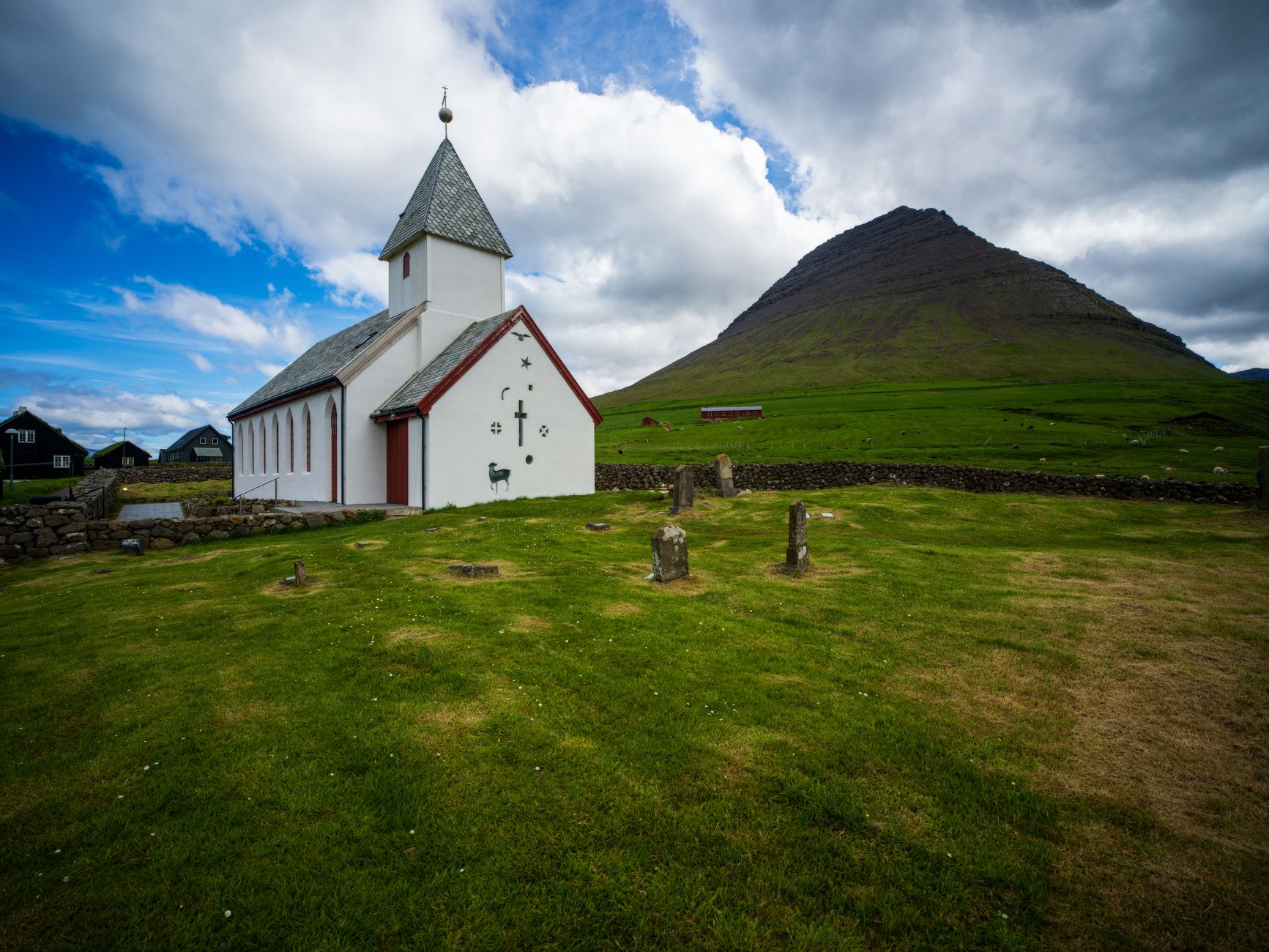
Faroe Islands photo 1
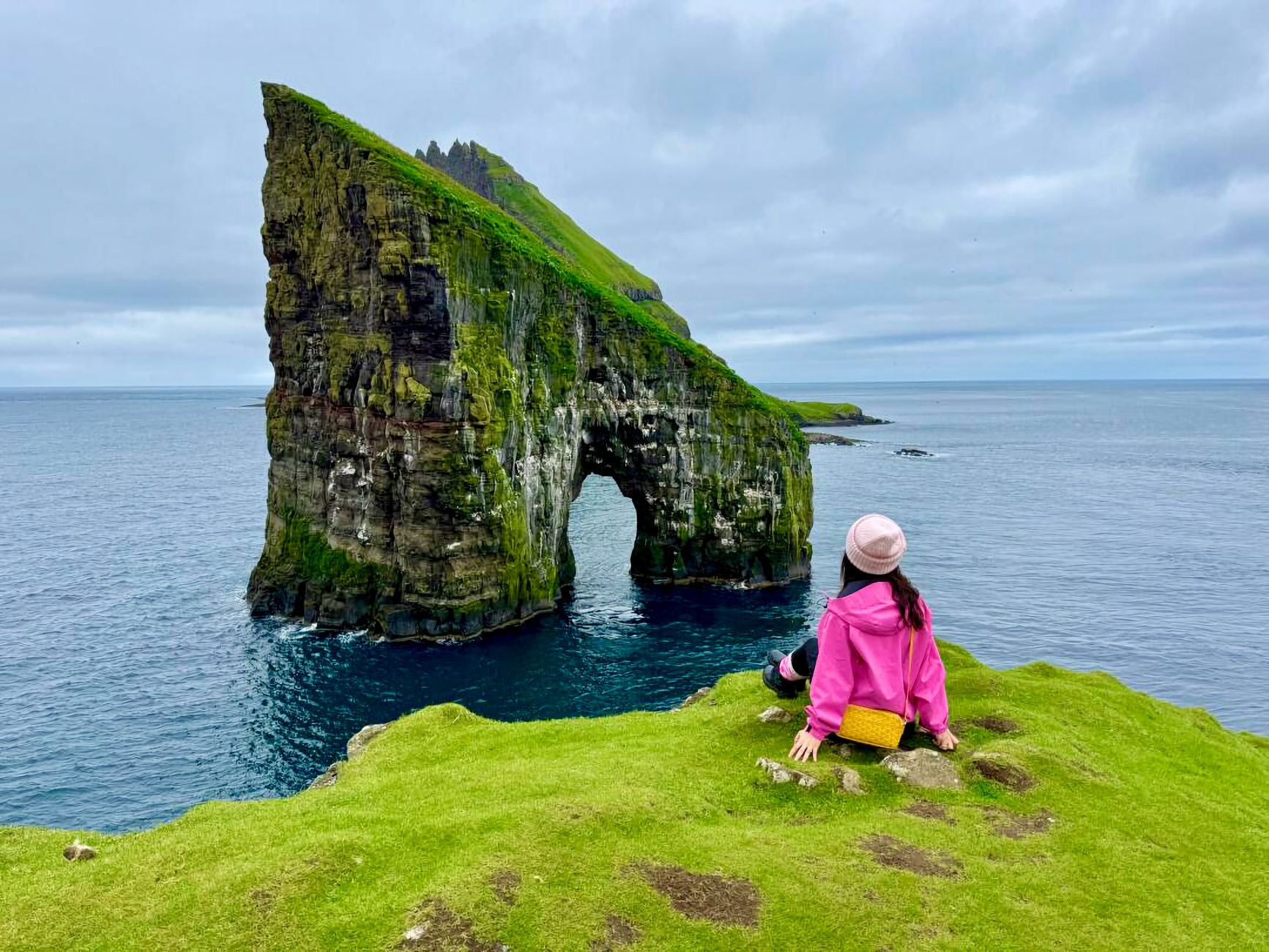
Faroe Islands photo 2
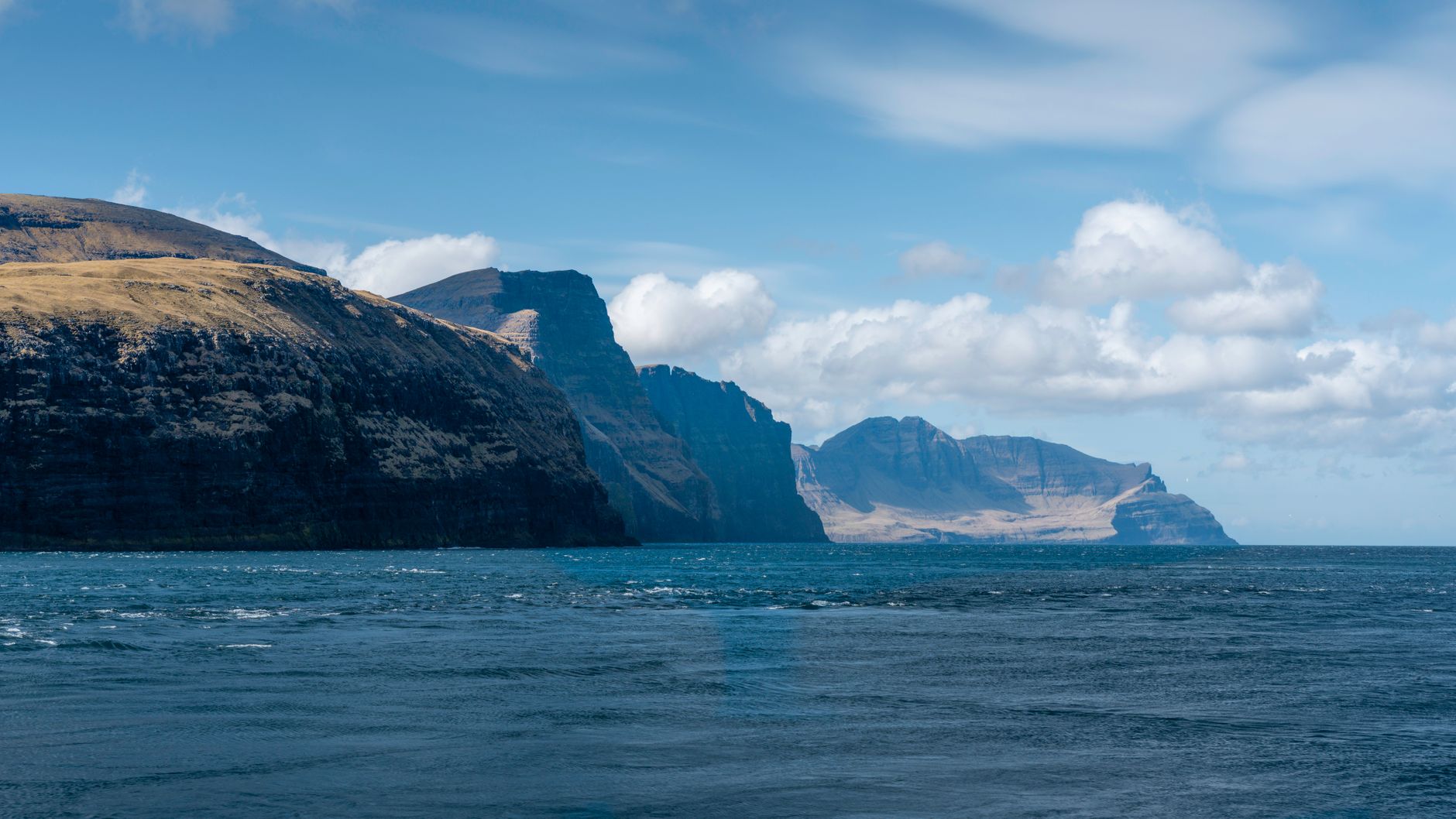
Faroe Islands photo 3
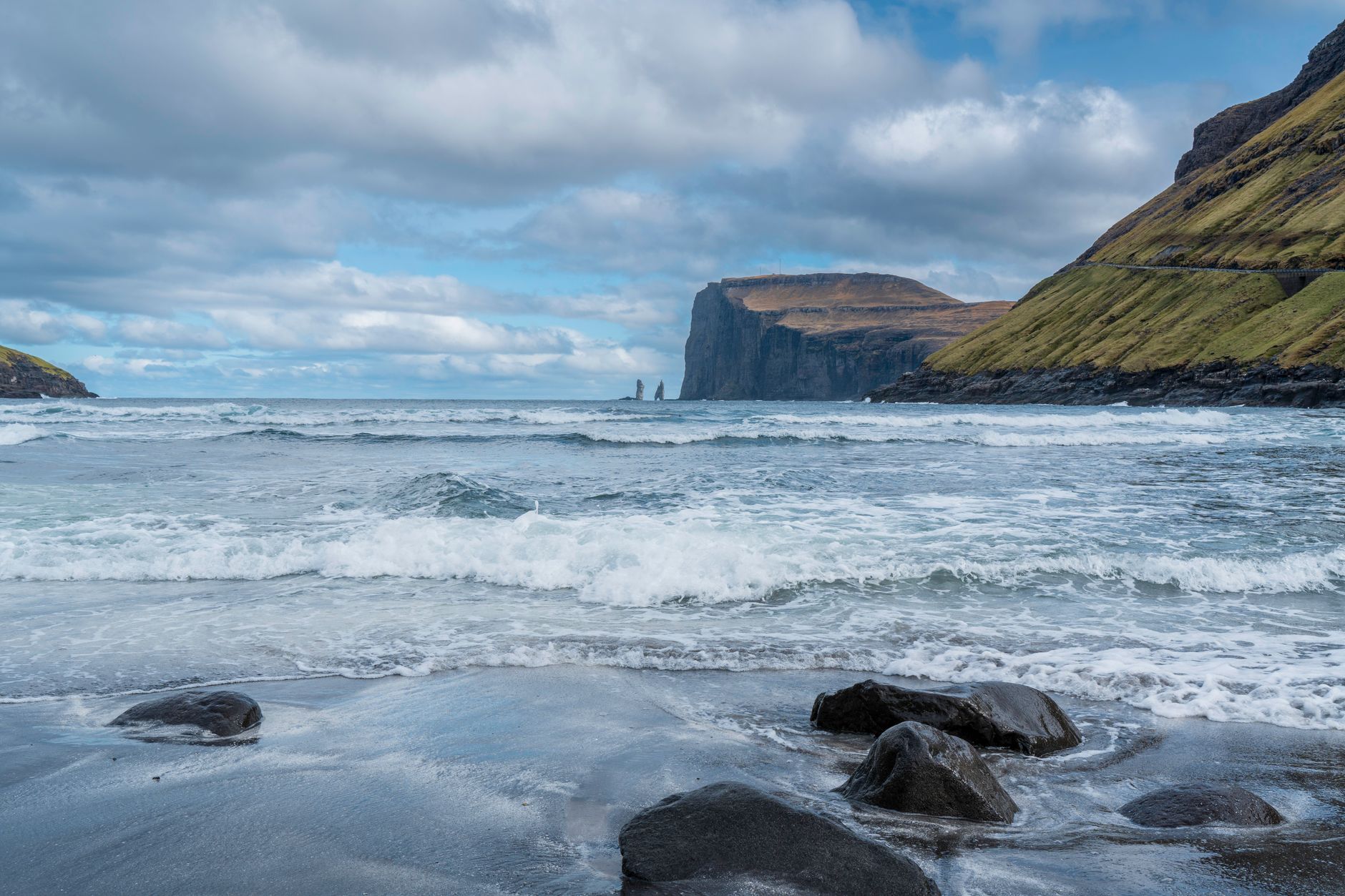
Faroe Islands photo 4
Faroe Islands photo 5
Faroe Islands photo 6
Unmissable Moments

Top Things to Do in Faroe Islands

Must-Do

Hike to the Hanging Lake of Sørvágsvatn (Leitisvatn)

Walk along the iconic trail where the optical illusion makes the lake appear to float hundreds of meters directly above the roaring ocean. The moderate 3-hour return hike is largely flat and offers breathtaking clifftop perspectives of Trælanípa (Slave Cliff). Tip: Go early in the morning to beat any tour groups and catch the mist rolling over the lake.

Adventure

Ferry to Mykines for Close Encounters with Puffins

Take the budget-friendly passenger ferry from Sørvágur to the westernmost island of Mykines, a sanctuary for thousands of nesting Atlantic puffins. Hike across the footbridge over Kolturssund to the lighthouse while playful puffins dart overhead. Tip: Ferry tickets and mandatory hiking fees must be booked months in advance due to strict daily visitor caps.

Scenic

Explore the Turf-Roofed Village of Saksun

Nestled in a steep amphitheater of mountains overlooking a dramatic lagoon, Saksun is postcard-perfect Faroe Islands. Wander past centuries-old black timber houses with vibrant green turf roofs and walk the tidal sand flats toward the open ocean when the tide permits. Tip: Respect local private property signs and enjoy the profound silence of the valley.

Adventure

Drive the Scenic Mountain Pass to Tjørnuvík

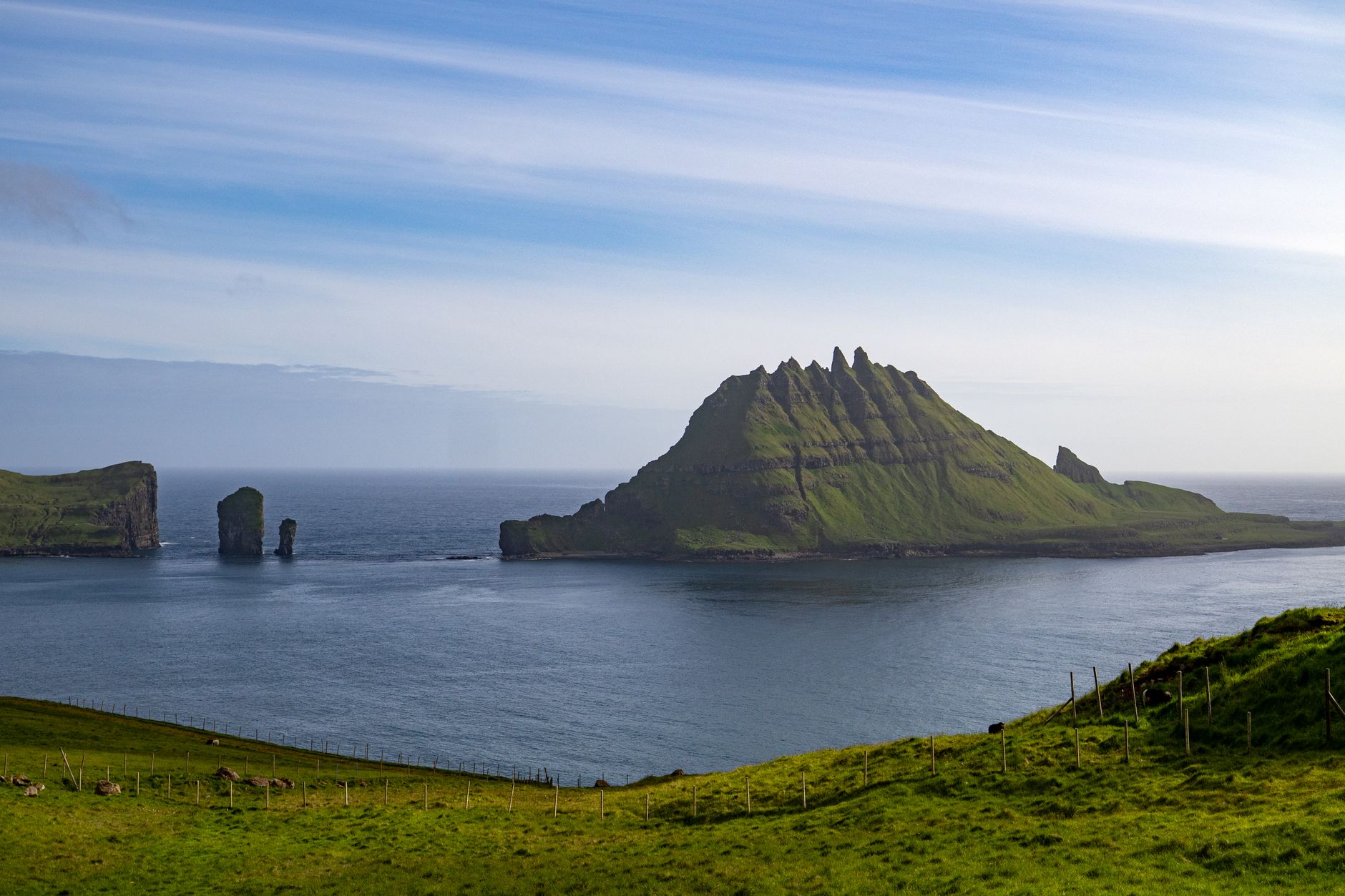
Navigate the winding single-lane mountain road from Haldórsvík to Tjørnuvík, a remote surfing village framed by towering cliffs and views of the legendary sea stacks 'Giant and Hag' (Risin og Kellingin). Tip: Stop at the roadside stream for fresh glacial water and practice using the passing places if you meet oncoming traffic.

Must-See Highlights

Top Places & Things to Do in Faroe Islands

Curated attractions and cultural landmarks with local insider advice.

Tinganes Historic District
culture
4.85

Tinganes Historic District

Stretching out into the harbor of Tórshavn, Tinganes is one of the oldest parliamentary meeting places in the world, established by the Vikings in the 9th century. Today, its picturesque red-painted wooden buildings with black pitch and turf roofs house the Faroese Home Government offices. Walking through its labyrinth of narrow, traffic-free stone alleyways feels like wandering through an open-air museum. The wooden structures blend seamlessly with the rocky red slate peninsula, offering incredible textures for photography and a quiet respite right in the capital.

Open 24/7
Admission: Free
Insider Tip: Explore during sunset when the red paint glows warmly against the deep blue harbor water and fishing boats.
Múlafossur Waterfall
nature
4.95

Múlafossur Waterfall

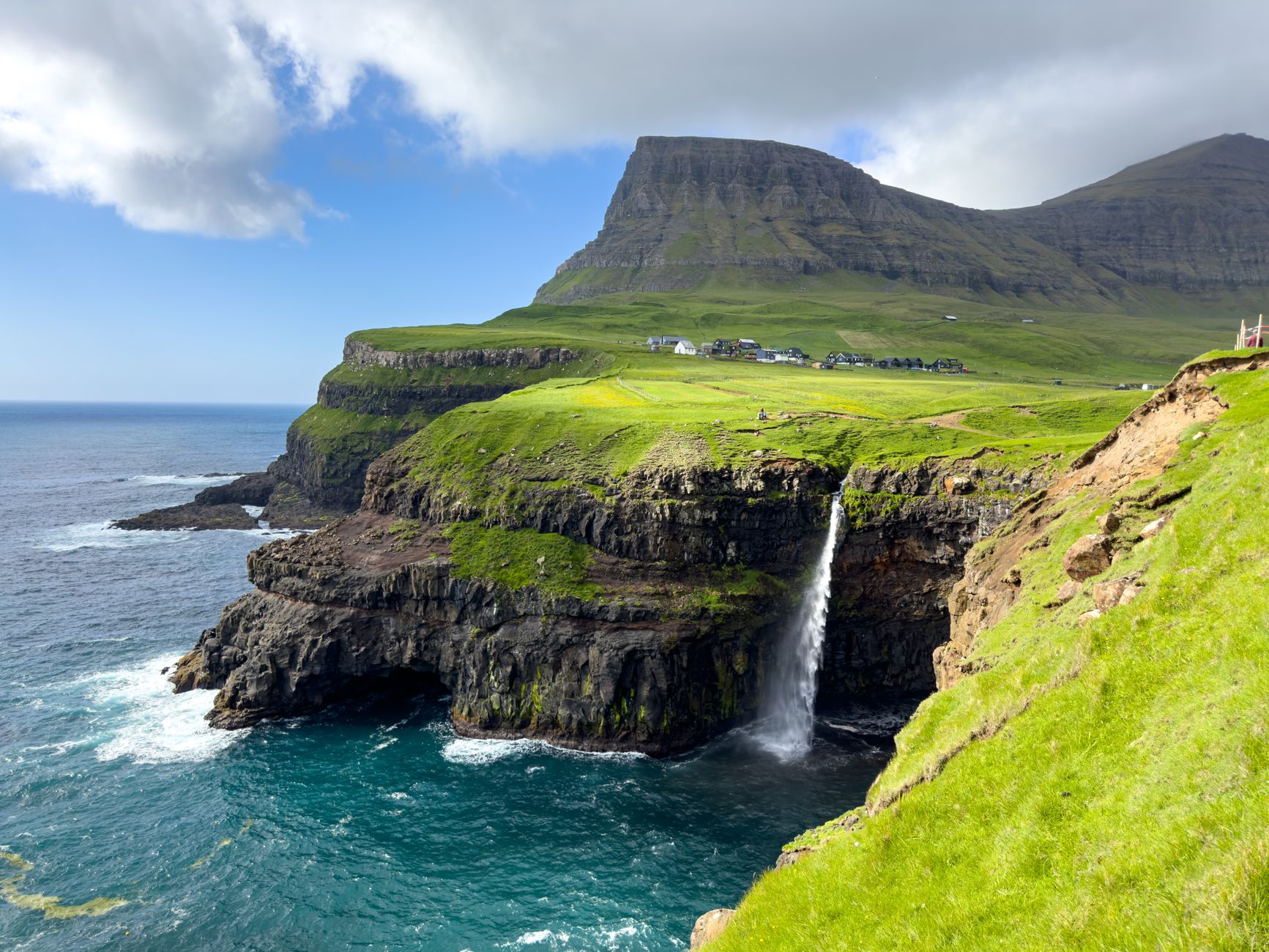
Plunging dramatically from a green cliff directly into the churning North Atlantic Ocean, Múlafossur is the quintessential postcard image of the Faroe Islands. Located right beside the picturesque, isolated village of Gásadalur on Vágar island, the waterfall is framed by jagged mountain peaks and the historic stone village houses. Visitors can easily view the waterfall from a short walking path just a few minutes from the village parking lot. For budget travelers, this is a completely free natural masterpiece accessible year-round, offering supreme photographic opportunities under both the midnight sun and dramatic autumn storm clouds.

Open 24/7
Admission: Free
Insider Tip: Visit during the late afternoon or early morning to avoid daytime tour bus crowds and catch the golden hour light hitting the falls.
Kirkjubøur Historic Farm
culture
4.8

Kirkjubøur Historic Farm

Kirkjubøur is the southernmost village on Streymoy and the historic and cultural heart of the Faroe Islands. For centuries, it served as the episcopal seat of the Diocese of the Faroe Islands, housing the stunning uncompleted ruins of the 13th-century Magnus Cathedral and the ancient wooden farmhouse Kirkjubøargarður, which has been inhabited by the same family for 17 generations. The site offers an incredible glimpse into medieval Faroese life, constructed from dark driftwood and local stone. Visitors can wander freely around the outdoor ruins and pay a small fee to enter the historical farmhouse museum where turf-roofed architecture is preserved in pristine condition.

9:00 AM - 6:00 PM daily
Admission: €5
Insider Tip: Combine this with the easy 2-hour coastal walking trail from Tórshavn over the hills to Kirkjubøur for a stunning, free scenic hike.
Saksun Lagoon and Village
nature
4.9

Saksun Lagoon and Village

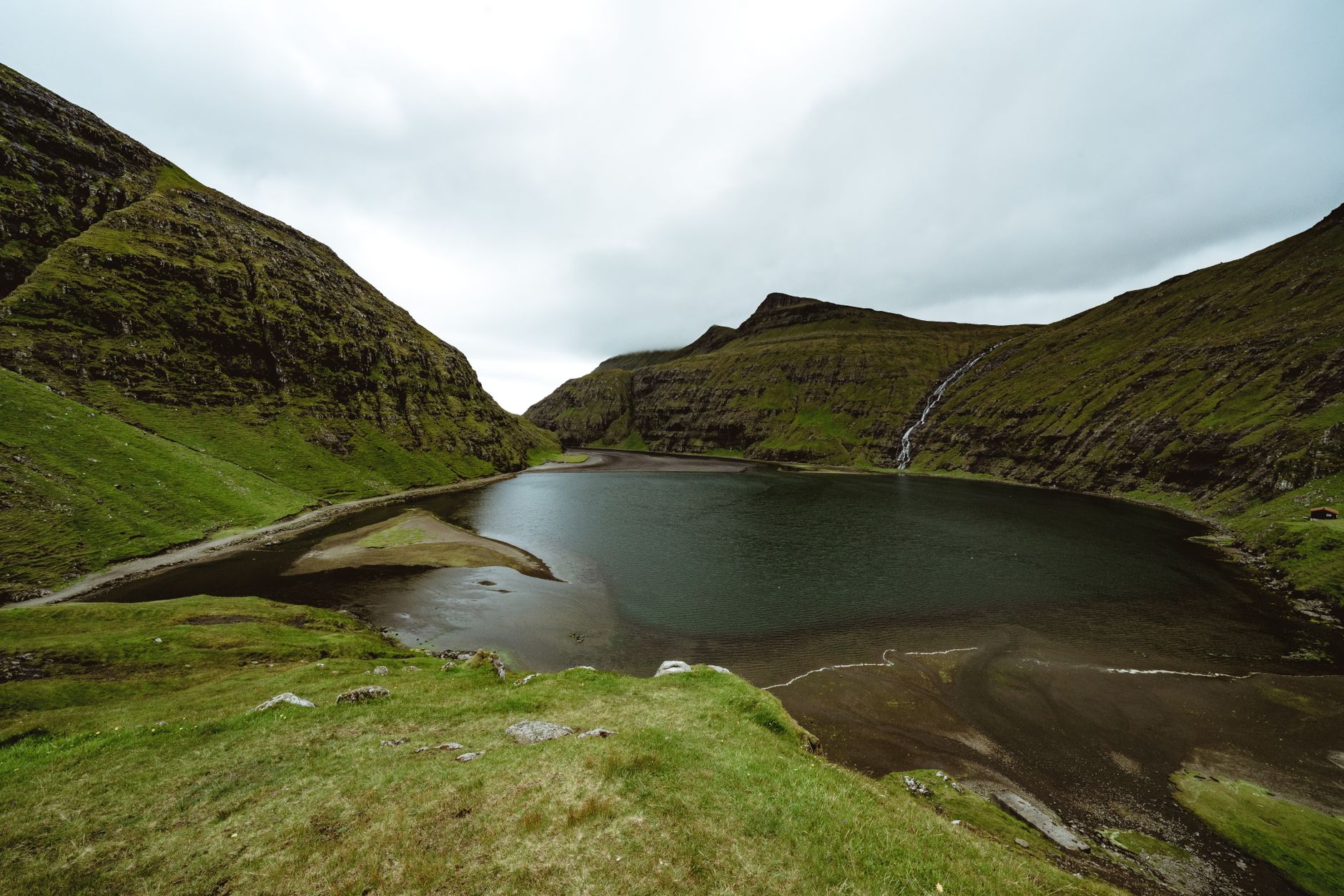
Tucked away at the end of a steep, winding valley carved by glacial streams, Saksun is a breathtaking amphitheater of black-sand tidal lagoons, dramatic waterfalls, and historic turf-roofed stone cottages. The village features a 17th-century church built from drift timber with white-washed stone walls. When the tide is out, visitors can walk along the sandy seabed of the lagoon out toward the ocean mouth where towering cliffs cradle the water. It is a place of profound solitude and rugged Nordic beauty that leaves an indelible mark on every traveler.

Open 24/7
Admission: Free (Parking fee applies)
Insider Tip: Check the local tide schedule before walking down to the ocean mouth to ensure you do not get caught by the incoming tide.
Area Guide

Where to Stay & Best Neighborhoods

Tórshavn Historic Center (Reyn & Tinganes)

Best for: History enthusiasts, culture seekers, and foodies looking for local cafes.

Vibe: Red wooden tar-painted houses, narrow cobblestone alleyways, and government turf-roofed buildings dating back centuries.

Wandering through Reyn and Tinganes feels like stepping back into the Viking age. The district sits on a rocky peninsula dividing the harbor, where black timber buildings with white sash windows and green grass roofs huddle together against the ocean spray.

Klaksvík & The Northern Isles

Best for: Hikers, budget travelers seeking less-frequented trails, and ferry explorers.

Vibe: Rugged maritime working-town energy, towering peaks, and dramatic deep-water fjords.

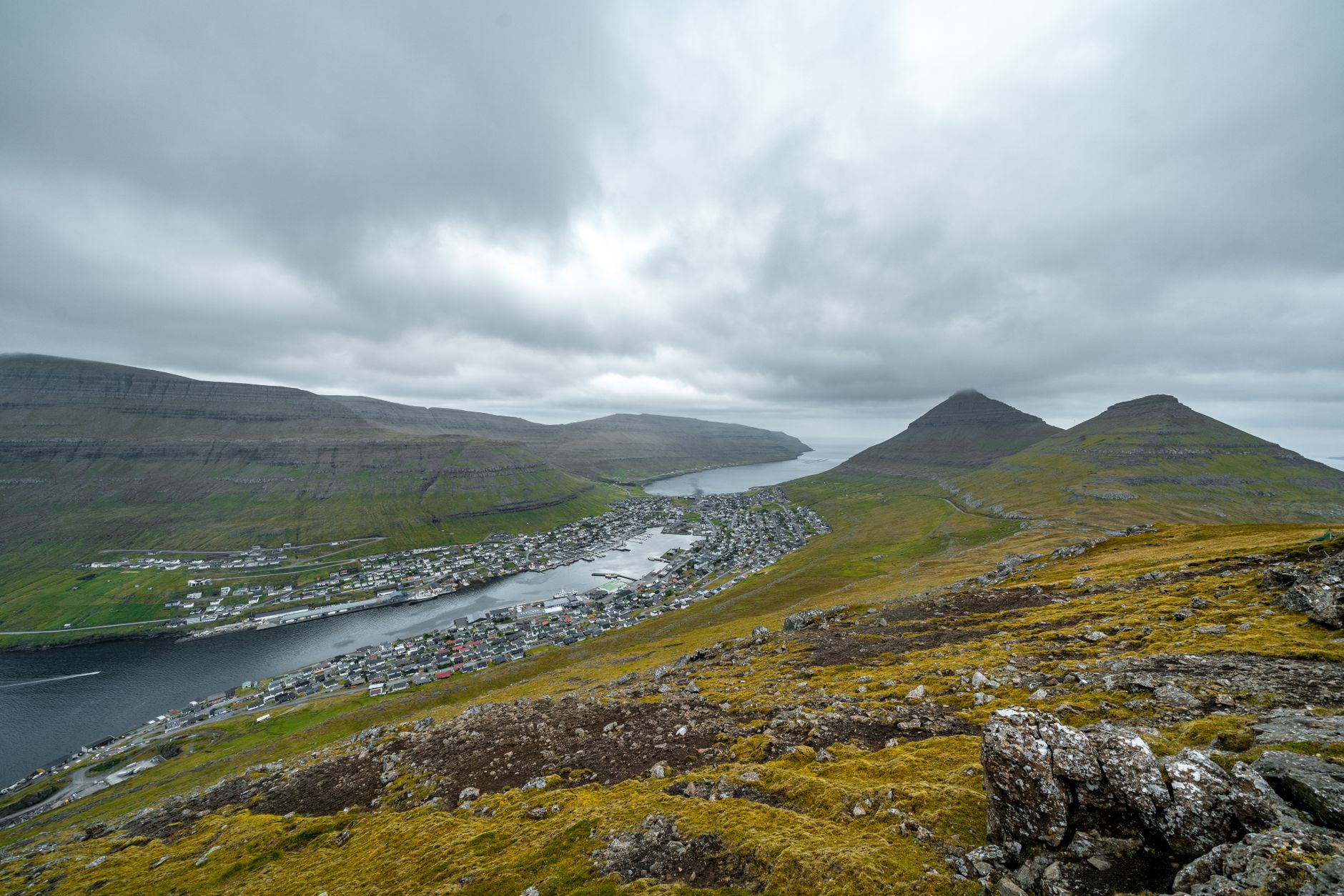
As the second-largest settlement in the Faroes, Klaksvík serves as the commercial hub for the Northern Isles. Surrounded by dramatic pyramid-shaped mountains, it offers quick access to stunning hikes like Kunoyarnakkur and dramatic subterranean tunnels.

Vágar Island & Gásadalur

Best for: First-time visitors, photography lovers, and short-stay travelers.

Vibe: Dramatic waterfalls, deep valleys, and proximity to the international airport.

Vágar is the gateway to the archipelago for most travelers, housing both the airport and some of the country's most famous natural landmarks, including the Múlafossur waterfall plunging directly into the sea at Gásadalur.

Food & Drink Scene

What to Eat in Faroe Islands

Ræstkjöt (Fermented Mutton)

The national delicacy of the Faroe Islands. Mutton is hung in open-sided wooden drying sheds (hjallur) where the cool, salty Atlantic wind cures and naturally ferments the meat over several months, resulting in a pungent, deeply savory, and umami-rich flavor profile.

🍴 Top spot: Etika (Tórshavn) or traditional homestays

Faroese Salmon & Seafood

Raised in the ice-cold, pristine, fast-flowing currents of the deep fjords, Faroese salmon is celebrated worldwide for its clean flavor, firm texture, and exceptional fat marbling. Often served lightly smoked, cured, or pan-seared.

🍴 Top spot: Rauðará (Tórshavn)

Skerpikjøt (Aired Wind-Dried Mutton)

Lamb aged through a rigorous process of wind-drying without salt, sliced paper-thin and traditionally eaten on dark rye bread with butter. It has a sharp, cheese-like funk that pairs exceptionally well with local craft beer.

🍴 Top spot: Local supermarkets (Bonus/Effo) for budget snacking
Excursions

Best Day Trips from Faroe Islands

Boat Trip to Vestmanna Bird Cliffs

45 minutes north of Tórshavn by car

Embark on a thrilling 2-hour RIB boat or standard boat tour navigating deep sea grottos, narrow straits, and towering 600-meter vertical basalt cliffs swarming with thousands of nesting guillemots, fulmars, and kittiwakes.

Kallur Lighthouse & Kalsoy Island

1.5 hours to Klaksvík, then a 20-minute ferry

Take the passenger ferry from Klaksvík to Kalsoy (the 'Flute'), drive through its narrow one-lane tunnels to Trøllanes, and hike the dramatic ridge out to the iconic Kallur Lighthouse perched precariously on a razor-sharp cliff edge overlooking giant sea stacks.

When to Go

Best Time to Visit & Seasonality

Editor’s Pick: June through August offers the midnight sun, mildest weather, and active ferry schedules to remote islands like Mykines for puffin watching, though shoulder months like May and September provide fewer crowds and dramatic autumn colors at lower costs.

Spring Overview

(April - May)
Quiet / Low Season
Average Temperature & Climate3°C to 9°C (37°F to 48°F)

Crisp, windy, and rapidly changing with frequent sunshine and lingering snow on mountain peaks.

Crowd & Travel ConditionsLow Tourist Traffic

Fewer lines and better deals.

✨ Seasonal Highlights:Arrival of migrating seabirds including puffins in late April, blooming wildflowers, and completely empty hiking trails.
Travel Smarter

Practical Travel Essentials

CurrencyDanish Krone (DKK) / Faroese Króna
LanguageFaroese, Danish (English widely spoken)
Time ZoneUTC

Visa & Entry

Citizens of the EU, Schengen zone, UK, US, Canada, Australia, and New Zealand do not require a visa for stays up to 90 days. Note that the Faroe Islands are not part of the EU, so separate entry stamps can be requested.

Getting Around & Transit

Renting a car is the absolute best way to explore the islands on a budget when splitting costs with fellow travelers. Inter-island public buses (Bygdaleiðir) and ferries (Strandfaraskip Landsins) are reliable, cheap, and run by the government, though schedules are less frequent on weekends.

Daily Budget Expectation

€60 - €100 per day when staying in hostels or wild camping, cooking grocery store meals from Bonus, and sharing rental car and fuel expenses.

Safety & Health

Extremely safe with virtually zero violent crime. The primary hazards are purely natural: sudden severe wind gusts, dense fog on mountain roads, slippery hiking trails, and steep unguarded cliffs.

Local Etiquette & Customs

Always respect private property and fenced farm boundaries. Greet locals with a polite 'Góðan dag' (Good day). Never fly drones near bird-nesting colonies during spring/summer or near inhabited villages without permission.

Questions & Answers

Frequently Asked Questions about Faroe Islands

Yes, dining out and accommodations can be pricey due to importing most goods. However, budget travelers can save significantly by shopping at discount grocery stores like Bonus, utilizing designated wild campsites or hostels, and taking free hiking trails.