About Kyoto
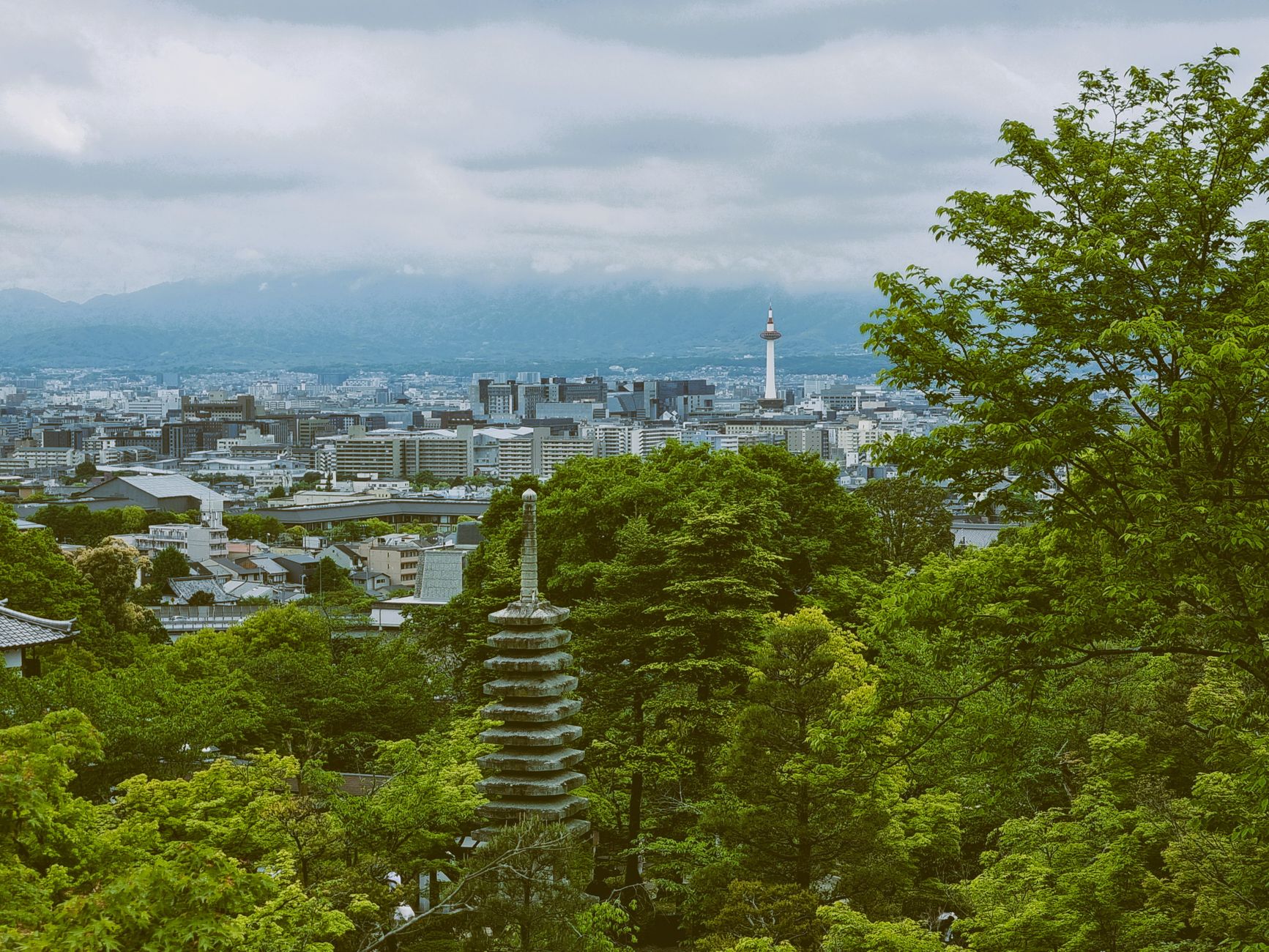
Kyoto, Japan's ancient imperial capital for over a millennium, stands as the unrivaled custodian of the nation's traditional arts, architecture, and spiritual heritage. Hemmed in by the mist-shrouded green hills of Honshu's Kansai region, the city was miraculously spared the devastating bombings of World War II, preserving an astonishing concentration of over 2,000 temples, shrines, and immaculately preserved wooden machiya townhouses. The geography of Kyoto is defined by its grid layout, framed by mountains to the east, north, and west, and drained by the graceful Kamo River where locals and visitors alike stroll along willow-lined banks as dusk settles over the lantern-lit eateries.
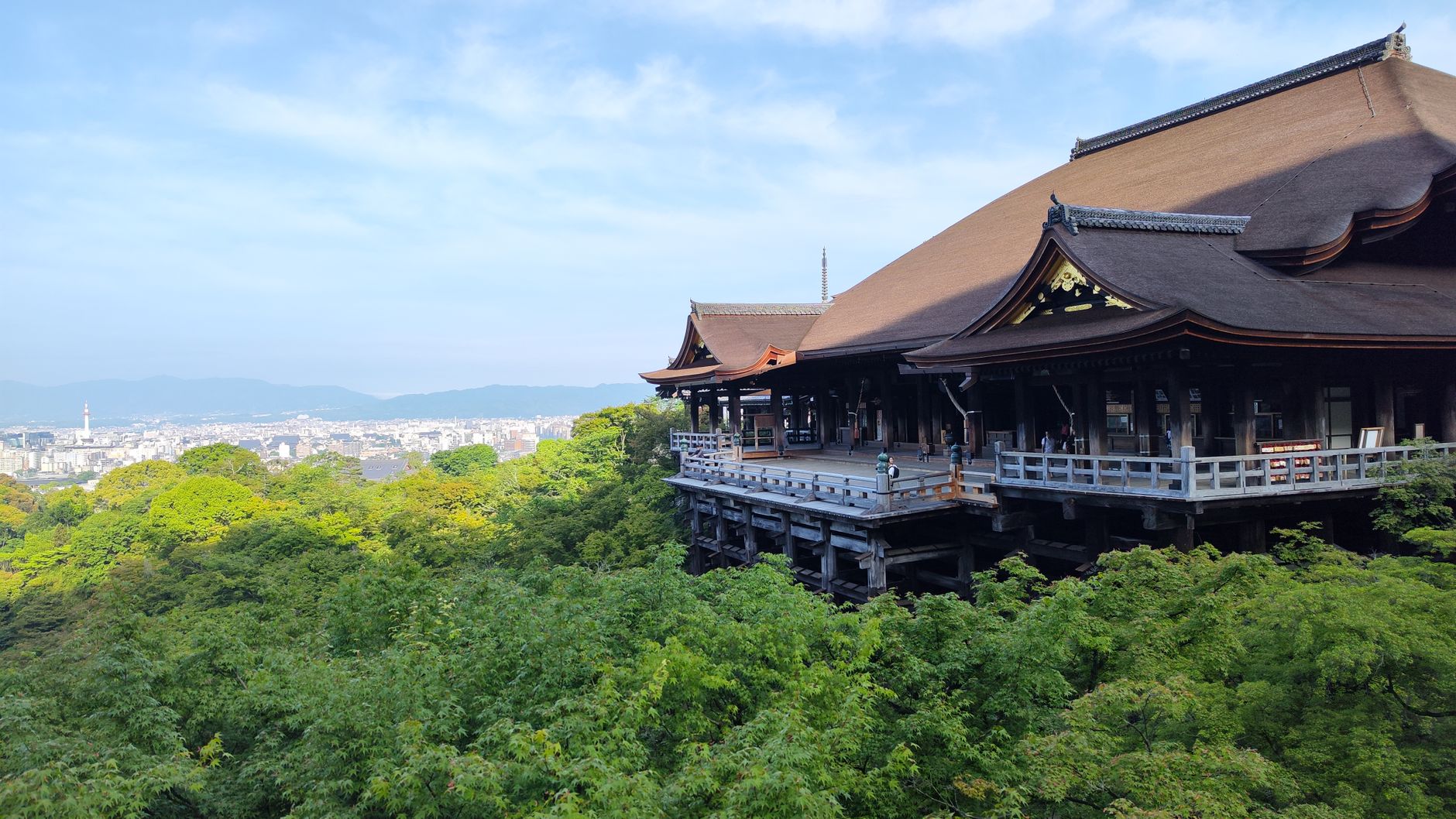
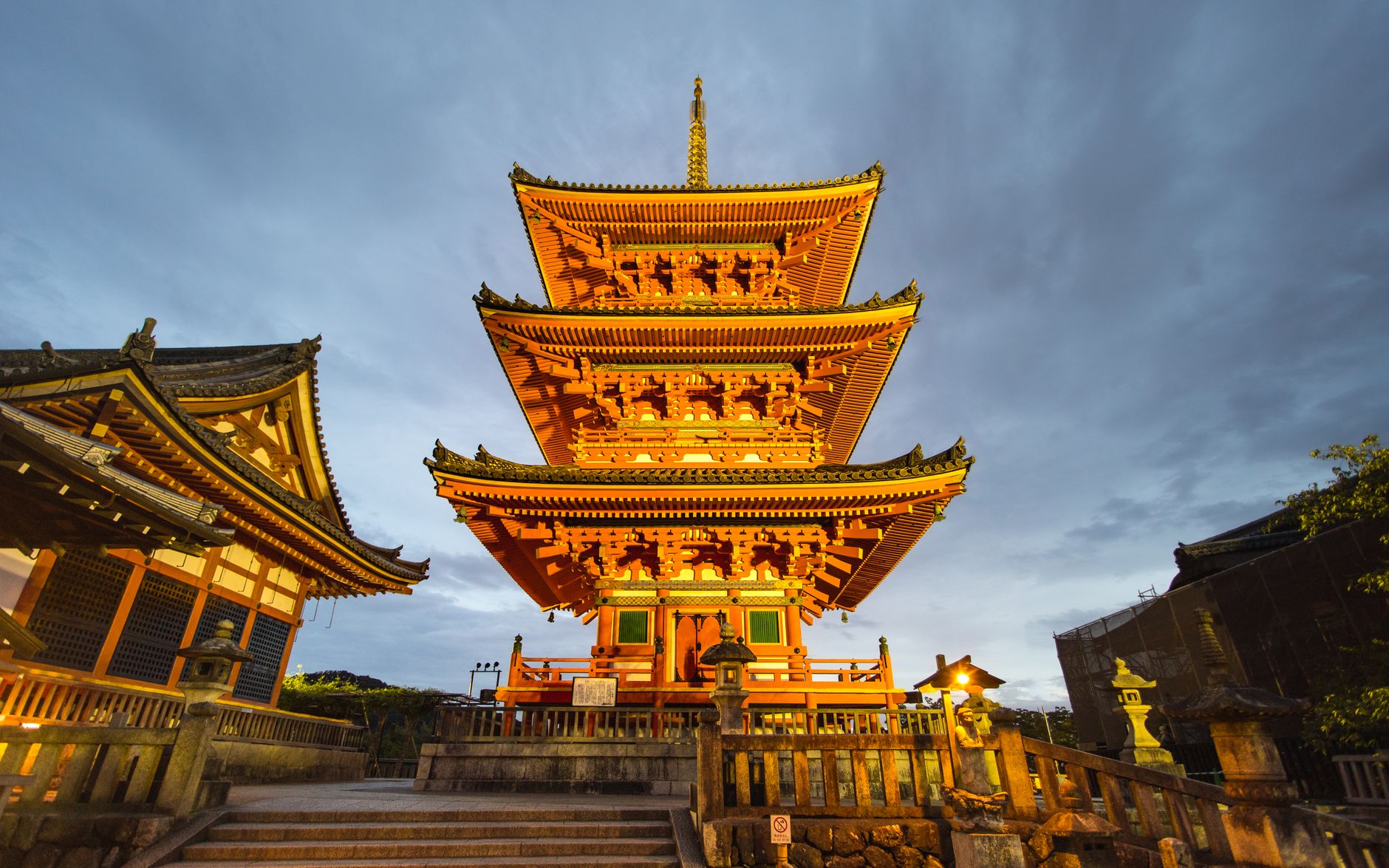
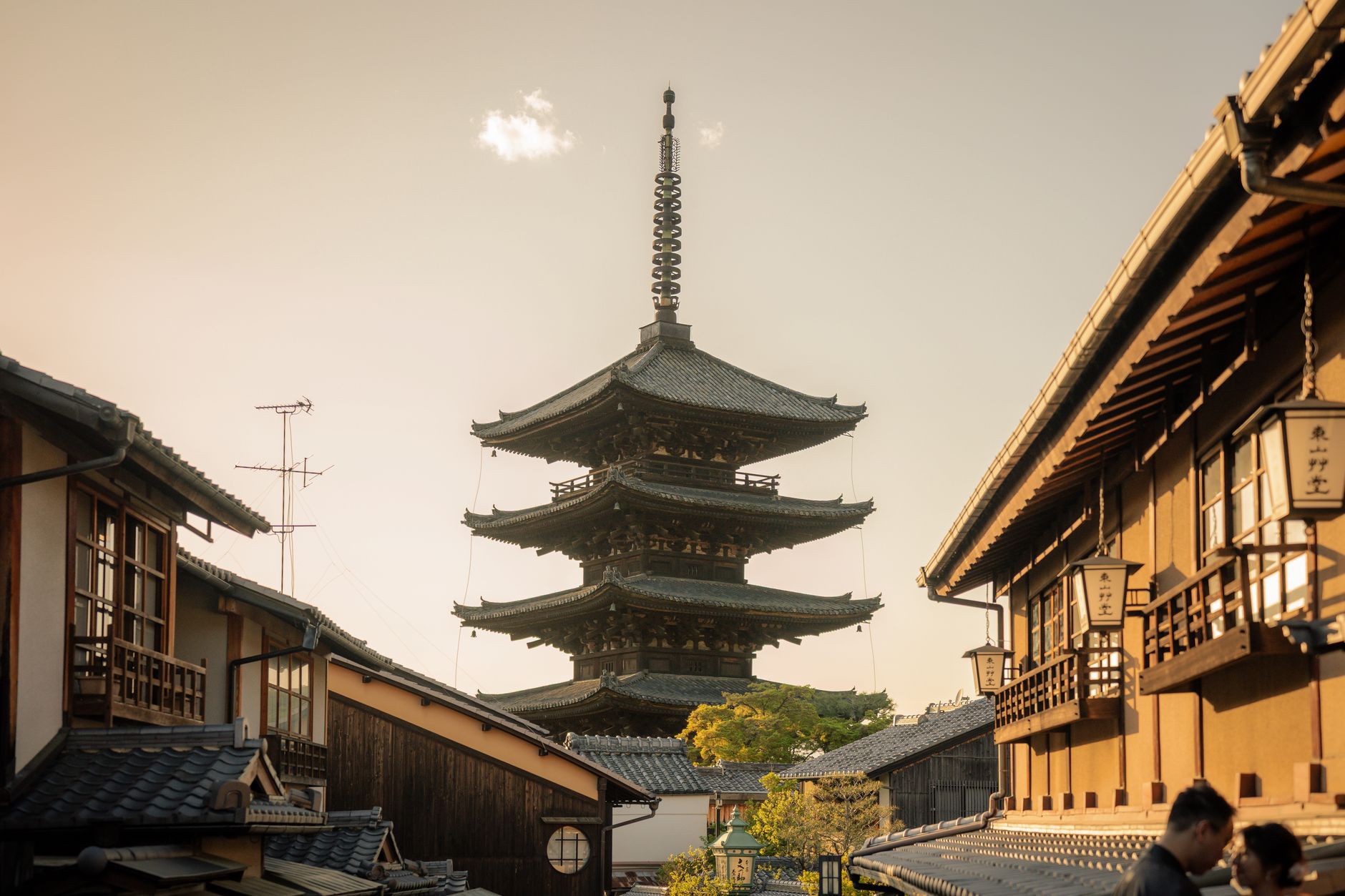
The cultural pulse of Kyoto beats to the rhythm of quiet contemplation, profound craftsmanship, and seasonal reverence. Unlike the neon-soaked hyper-modernity of Tokyo just a few hours east, Kyoto invites a slower, more deliberate cadence of travel. Here, daily life intertwines seamlessly with centuries-old rituals: morning chants echo from hillside pagodas while kimono-clad apprentices hurry between secret tea houses in the preserved Gion district. The city's atmospheric depth is intensified by the changing seasons, transforming from the delicate pinks of cherry blossom spring to the fiery vermilion maples of autumn.
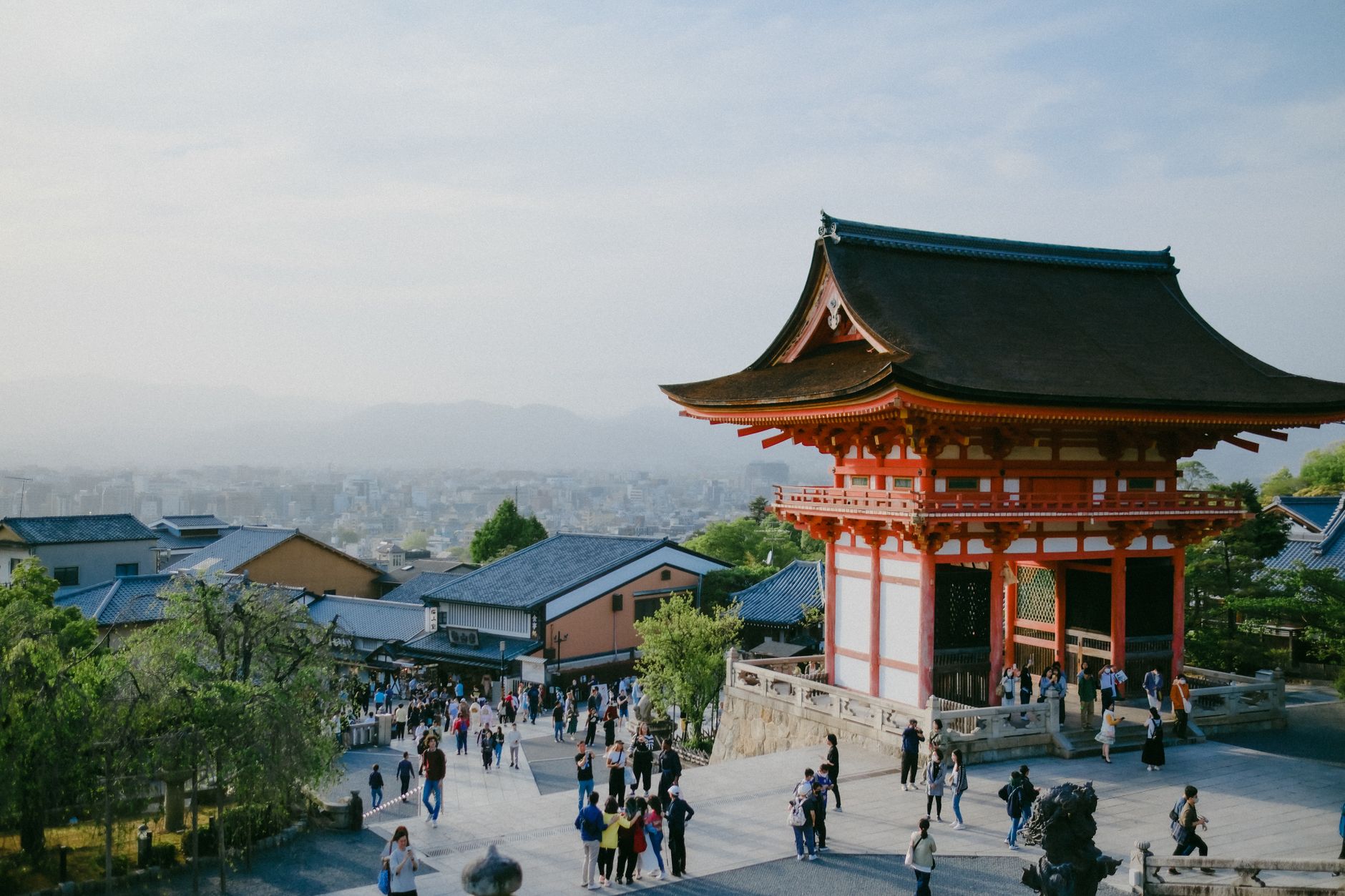
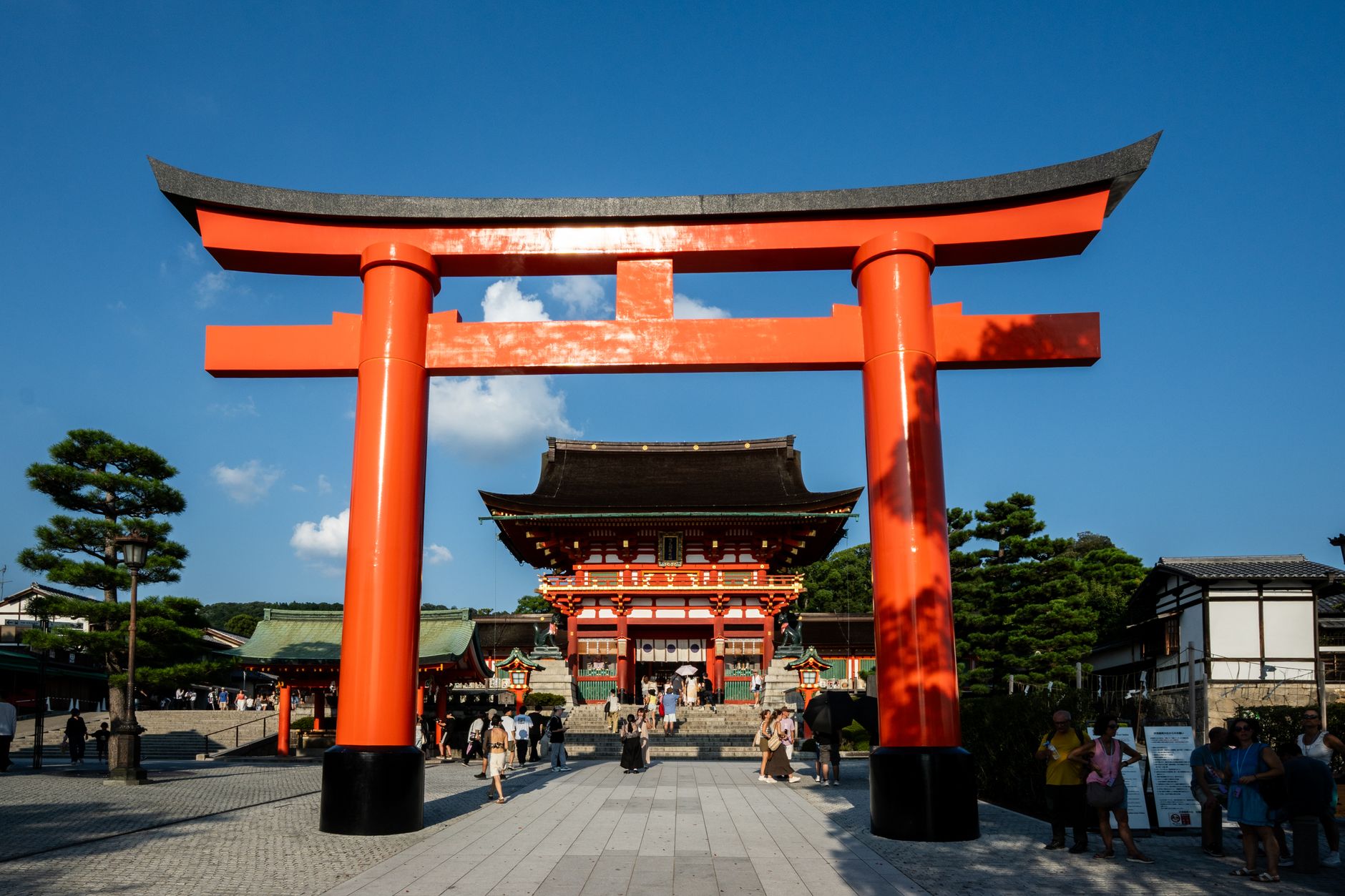
Historically, Kyoto—originally known as Heian-kyo or 'Capital of Peace and Tranquility'—served as the seat of the Japanese Emperor and the epicentre of politics, art, and religion from 794 until the government moved to Tokyo in 1868. This imperial pedigree birthed refined aesthetic movements that define Japanese culture globally today: the tea ceremony (chanoyu), flower arrangement (ikebana), exquisite kaiseki dining, and minimalist Zen garden design. Every stone lantern, mossy temple courtyard, and weathered timber gate tells a story of artistic patronage, Buddhist devotion, and architectural mastery passed down through generations.
Today, local life in Kyoto is a delicate balancing act between honouring a monumental past and navigating the realities of modern tourism. Neighbourhoods retain strong community bonds, where multigenerational artisans craft handmade incense, ceramics, and Nishijin textiles in tiny workshops opening directly onto narrow alleys. As evening falls, the atmospheric gas lamps of Pontocho Alley illuminate narrow corridors where wooden doorways conceal intimate izakayas and high-end dining dens. Kyoto is not merely a destination to be ticked off a sightseeing itinerary, but an immersive sensory landscape that demands reverence, patience, and a willingness to look beneath the surface.
Visual Impressions & Moments