🌟 Best in Travel 2026 is here!
Kyoto
cityAsia
4.95 / 5.0

Kyoto

The timeless soul of Japan, where ancient traditions whisper through bamboo groves.

Advertisement
Editorial Guide

About Kyoto

Nestled in a valley surrounded by the verdant hills of Honshu, Kyoto stands as the undisputed cultural heartbeat of Japan. For over a millennium, from 794 to 1868, it served as the imperial capital, a legacy etched indelibly into its grid of historic streets, meticulously curated Zen gardens, and upwards of two thousand temples and shrines. Unlike the hyper-futuristic neon sprawl of Tokyo, Kyoto remains a sanctuary of wood, stone, and silence, where the changing seasons dictate the rhythm of daily life from the vibrant pinks of cherry blossom spring to the fiery amber maples of autumn.

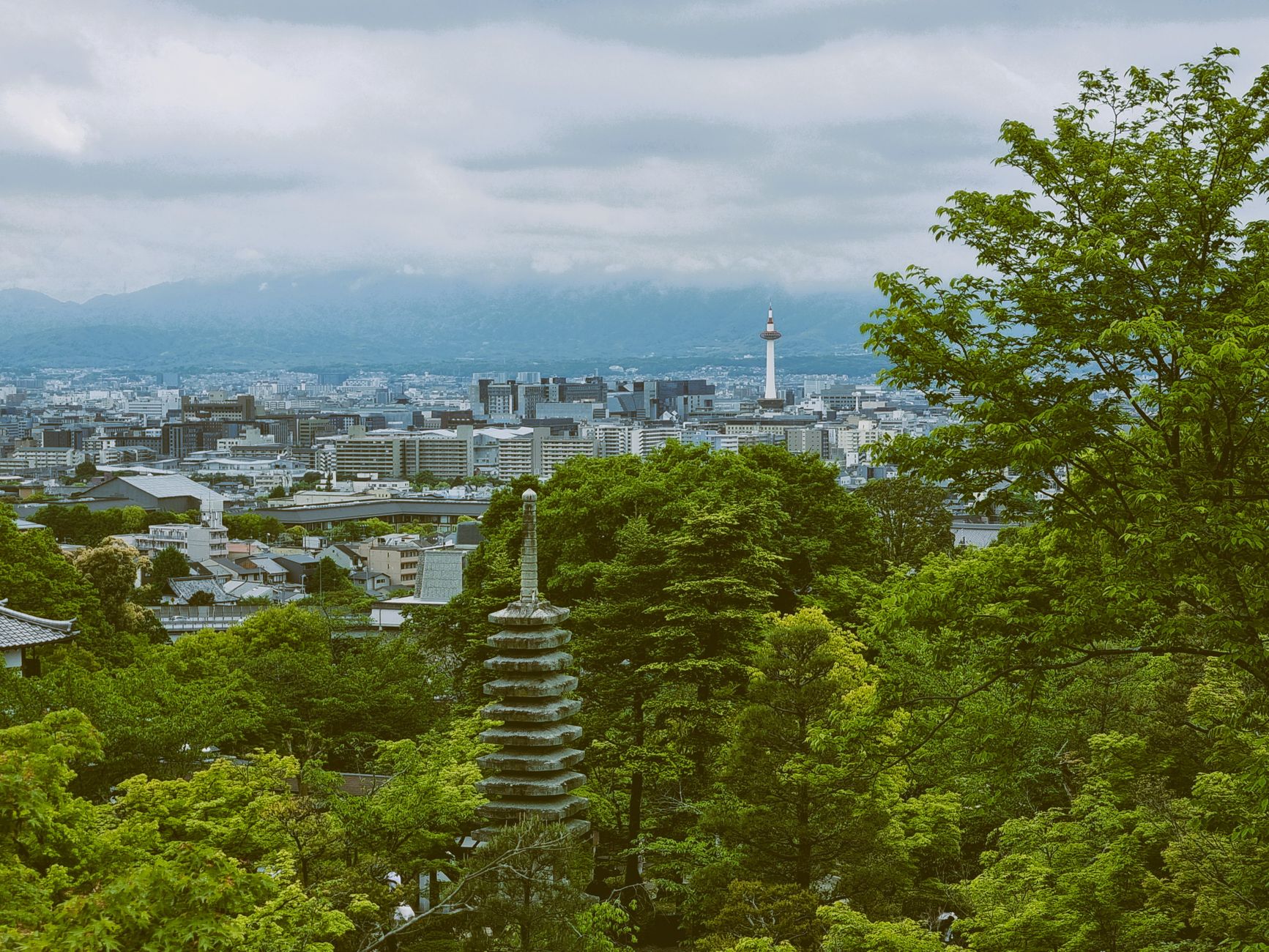
The geography of Kyoto shapes its atmospheric character, with the surrounding mountains trapping the mist and framing picturesque views from every angle. The Kamogawa River cuts a clean line through the urban center, serving as a popular gathering place where locals stroll along the banks as dusk settles. Neighborhoods are anchored by traditional machiya wooden townhouses, many of which have been thoughtfully converted into artisan craft workshops, specialty matcha cafes, and intimate ryokan inns that preserve the aesthetics of classic hospitality.

Culturally, Kyoto is the guardian of Japan's most refined arts. It is here that the codified elegance of the tea ceremony, the intricate choreography of kabuki theater, and the delicate seasonal artistry of kaiseki dining have been perfected across generations. The preservation of these traditions is not merely for the benefit of tourism, but forms an active, breathing tapestry upheld by master craftspeople, Buddhist monks, and geiko (Kyoto's term for geisha) districts that still operate according to centuries-old social codes.

Yet, Kyoto is far from a stagnant museum piece. Beneath the historic patina lies a fiercely creative contemporary pulse, driven by a thriving university population and a new generation of entrepreneurs who blend minimalist design with modern coffee culture. Artisans work with ceramics and textiles using techniques passed down through familial lineages, while simultaneously innovating for global markets. This delicate balance between relentless modernization and reverent preservation gives Kyoto its profound depth, ensuring that every corner reveals a new layer of history waiting to be discovered.

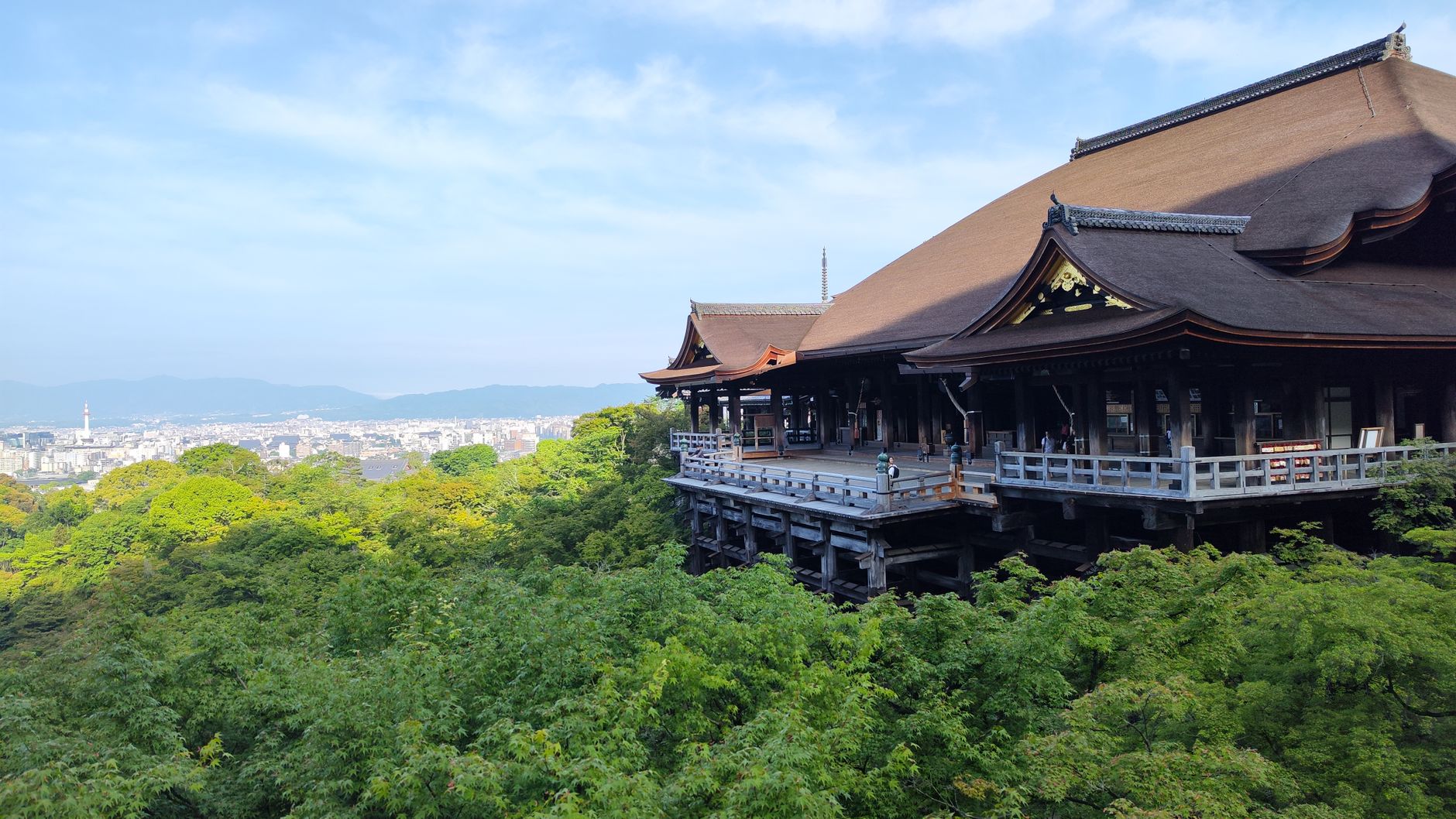
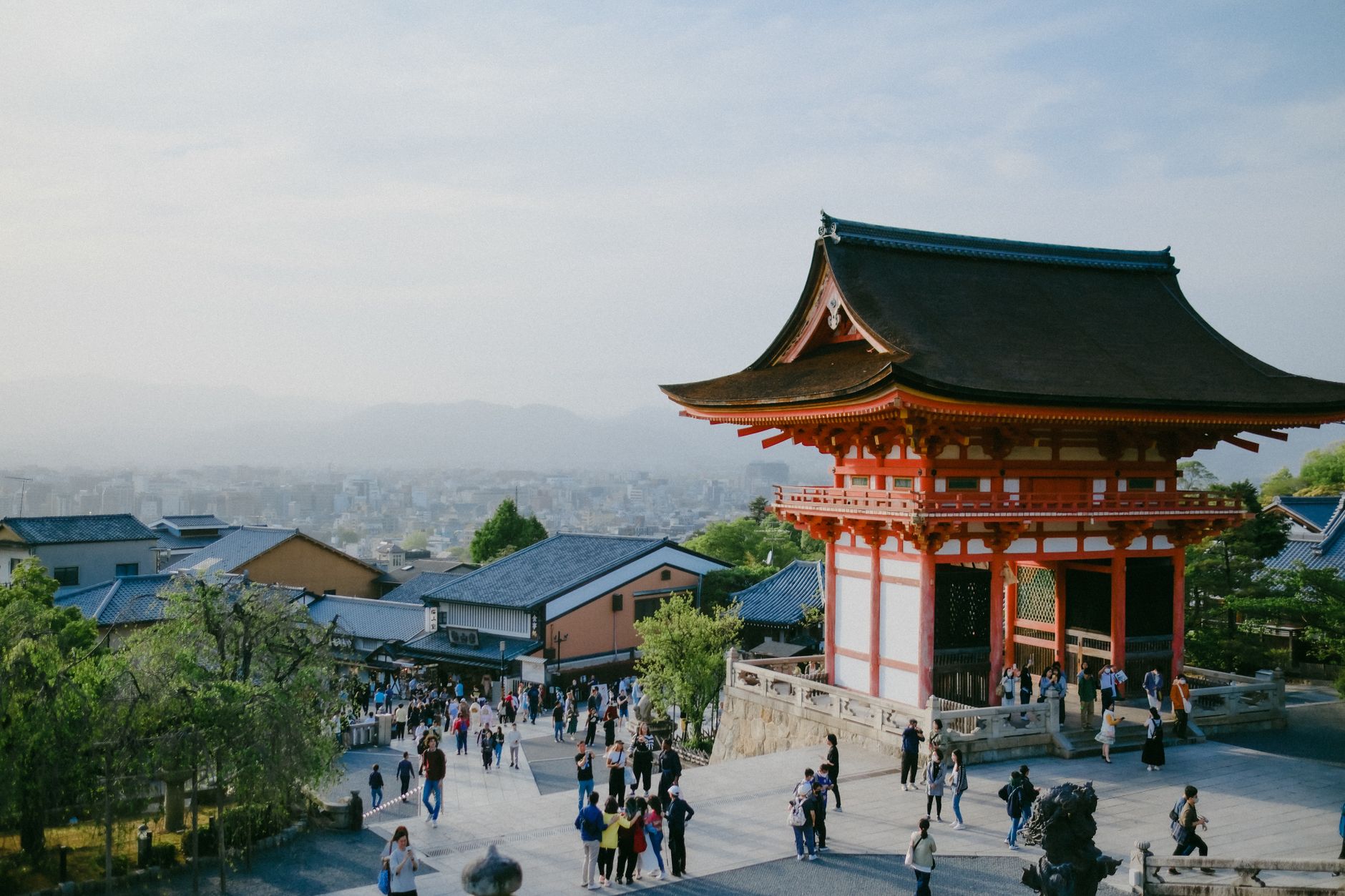
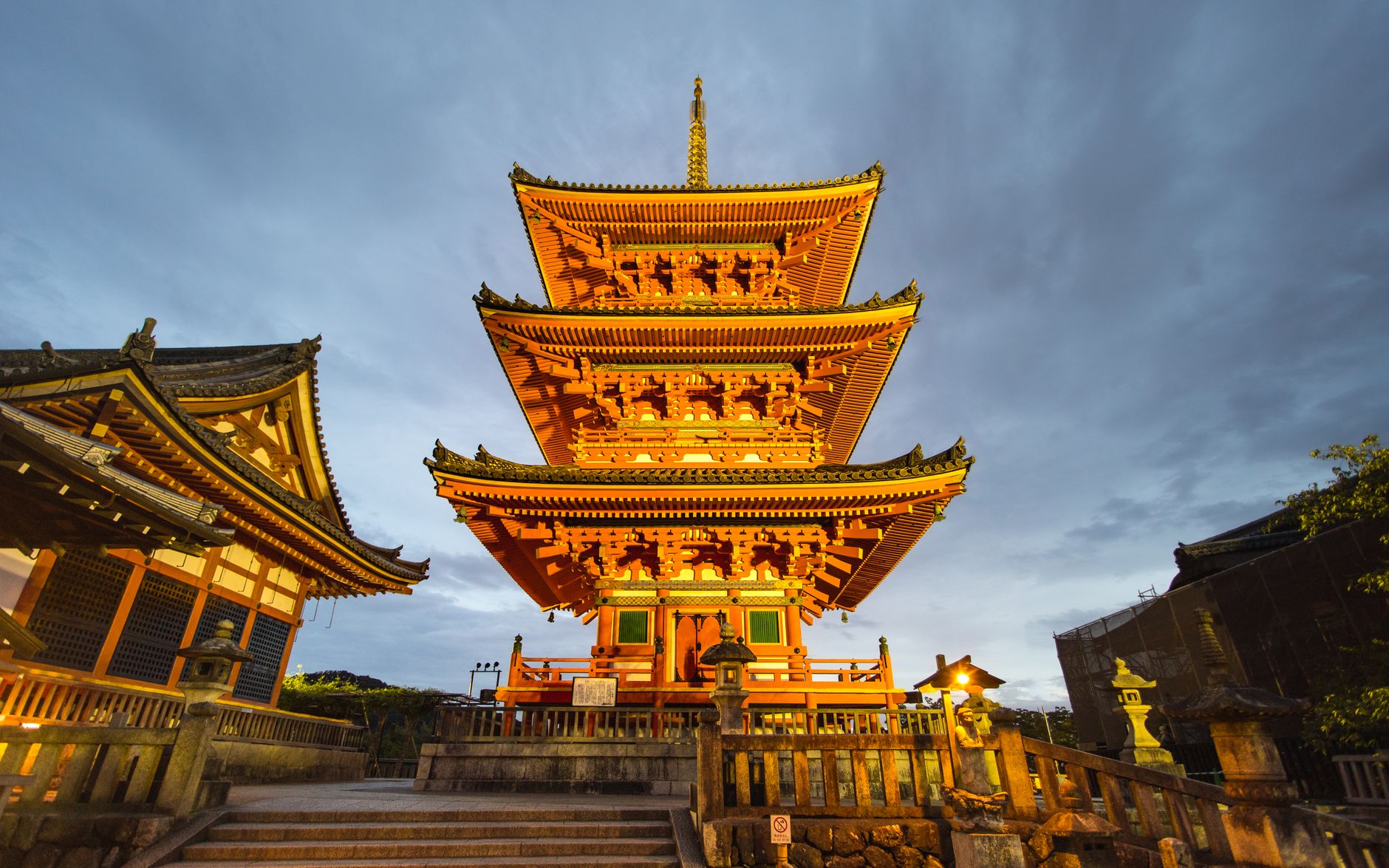
Visual Impressions & Moments
Kyoto photo 1
Kyoto photo 2
Kyoto photo 3
Kyoto photo 4
Kyoto photo 5
Kyoto photo 6
Unmissable Moments

Top Things to Do in Kyoto

Must-Do

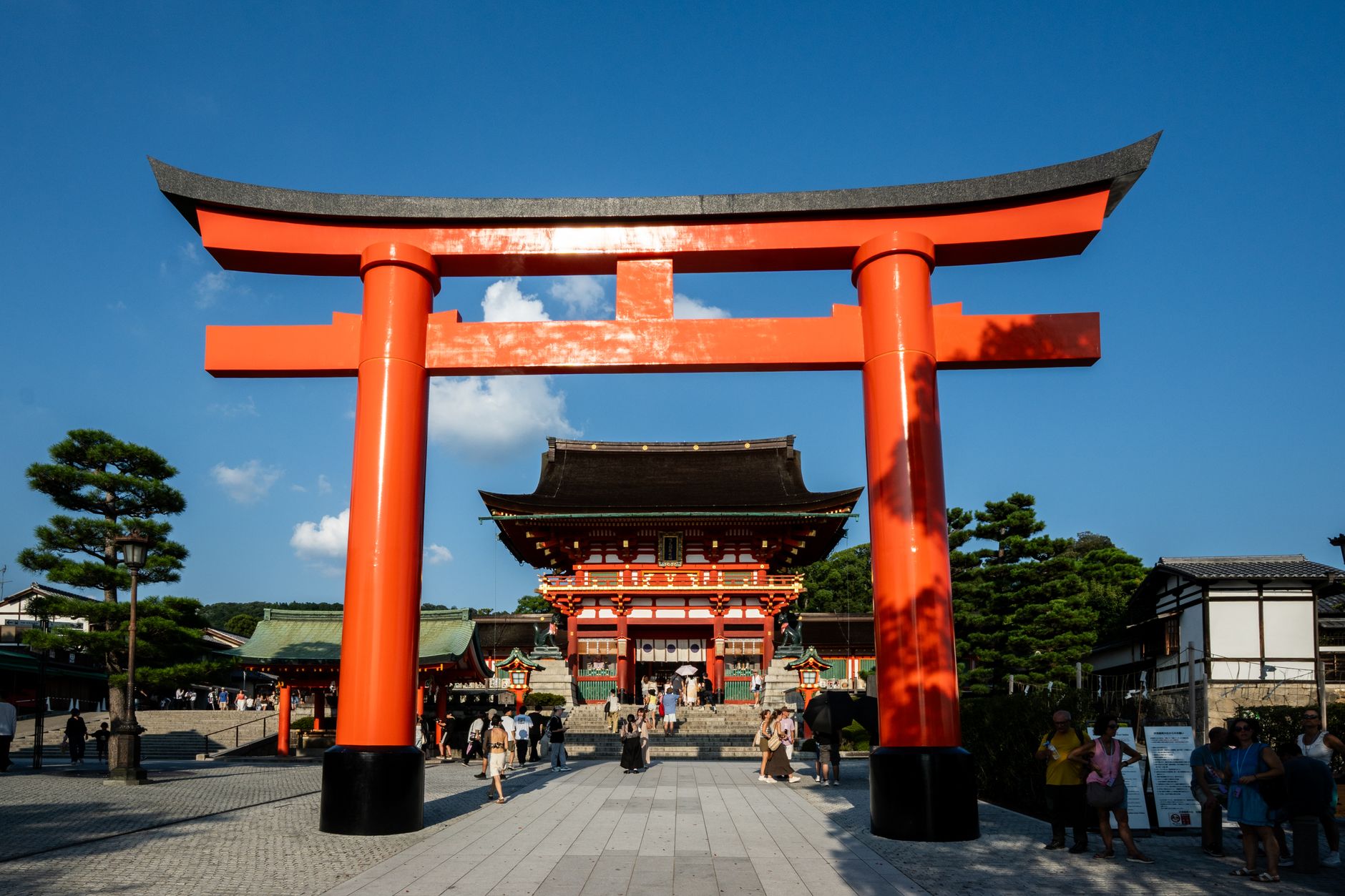
Hike through 10,000 Vermilion Torii Gates at Dawn

Experience the surreal, shifting light as you ascend Mount Inari before the crowds arrive. Winding through thousands of vibrant orange torii gates donated by businesses and individuals, you will encounter mystical fox statues and quiet sub-shrines. Insider tip: Skip the congested main lower path and take the quieter southern trails to uncover hidden mossy shrines.

Culinary

Partake in an Authentic Kaiseki Dining Experience

Indulge in a multi-course culinary masterpiece that celebrates the philosophy of seasonality through local ingredients, exquisite ceramic plating, and meticulous flavor profiles. Each dish tells a story of the natural world. Insider tip: Book a counter seat at a Michelin-starred ryotei in Gion to watch master chefs execute their craft with surgical precision.

Scenic

Wander the Bamboo Groves of Arashiyama in Silence

Walk beneath towering stalks of bamboo that filter the morning sunlight into ethereal green hues, listening to the rustling timber rustle in the mountain breeze. Insider tip: Arrive by 6:30 AM to experience the grove in complete solitude before tour buses flood the surrounding Zen temples.

Culture

Attend a Traditional Tea Ceremony in a Historic Machiya

Learn the mindful, meditative choreography of matcha preparation guided by an expert tea master inside a centuries-old wooden townhouse. Every movement—from bowl rotation to whisking—is charged with intention. Insider tip: Choose a private session to ask questions about Zen philosophy and the history of tea culture.

Area Guide

Where to Stay & Best Neighborhoods

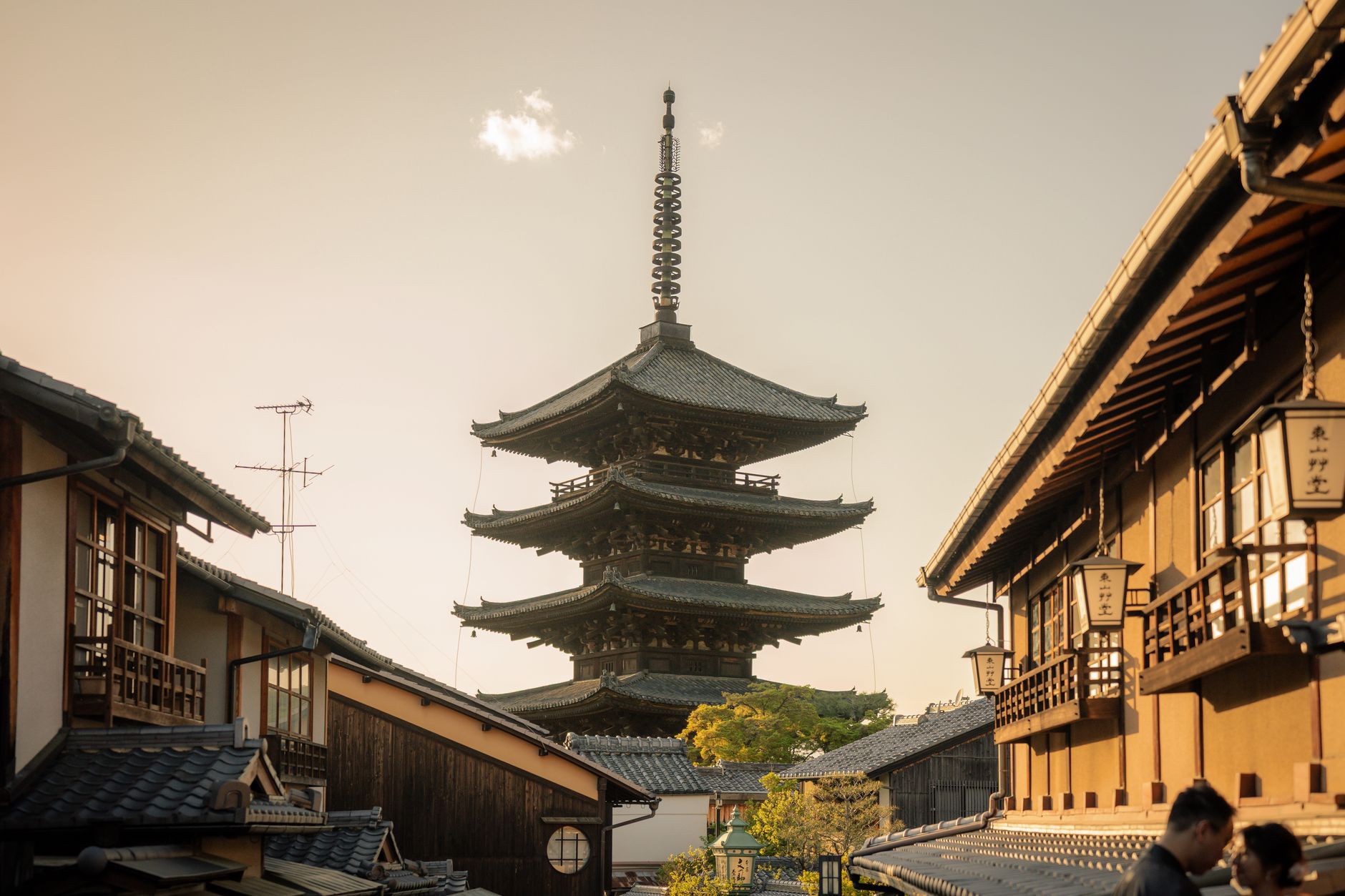
Gion & Higashiyama

Best for: History buffs, photographers, couples seeking luxury traditional ryokan stays.

Vibe: Traditional wooden machiya, preserved stone-paved lanes, lantern-lit tea houses, and geisha culture.

Wandering through Gion and Higashiyama feels like stepping backward into the Edo period. Cobblestone alleyways such as Ninen-zaka and Sannen-zaka are lined with impeccably preserved merchant houses transformed into craft shops and sweet makers. As evening falls, soft lantern light illuminates the wooden facades where elusive geiko and maiko hurry to appointments.

Arashiyama

Best for: Nature lovers, hikers, and travelers looking for tranquil temple gardens.

Vibe: Lush riverside scenery, mountain backdrops, misty bamboo forests, and historic Zen temples.

Situated on the western outskirts of Kyoto, Arashiyama offers a stunning convergence of natural beauty and sacred architecture. Straddling the Katsura River, the iconic Togetsukyo Bridge frames views of wooded mountains that shift colors with the seasons. Beyond the famous bamboo grove lie world-class temple complexes like Tenryu-ji.

Downtown Kyoto (Kawaramachi & Gion West)

Best for: Foodies, shoppers, nightlife seekers, and convenient central accommodations.

Vibe: Bustling shopping arcades, vibrant culinary alleys, department stores, and modern urban energy.

Bisected by the Kamo River, downtown Kyoto serves as the commercial counterweight to the city's ancient temples. Historic shopping arcades like Nishiki Market pulse with energy, offering everything from savory fish skewers to artisanal kitchen knives. The area seamlessly connects traditional dining alleys with sleek modern boutiques.

Food & Drink Scene

What to Eat in Kyoto

Kaiseki Ryori (Multi-course Seasonal Cuisine)

The pinnacle of Japanese culinary art, kaiseki emphasizes balance, texture, color, and seasonal relevance. A single meal features meticulously arranged small courses, from simmered vegetables and grilled river fish to pristine sashimi and seasonal rice.

🍮 Top spot: Gion Karyo

Kyoto-style Shojin Ryori (Buddhist Vegetarian Cuisine)

Rooted in Zen Buddhism, this plant-based cuisine avoids meat, fish, and pungent root vegetables like garlic, relying instead on tofu, mountain vegetables, sesame paste, and dashi made from seaweed to create profound, subtle flavors.

🍮 Top spot: Shigetsu (Tenryu-ji Temple)

Nishiki Market Street Food (Tako Tamago & Yuba)

Nishiki Market, known as 'Kyoto's Kitchen,' is a narrow five-block shopping street packed with over a hundred stalls. Must-try delicacies include baby octopus stuffed with a quail egg (tako tamago) and fresh soybean skin (yuba) skewers.

🍮 Top spot: Nishiki Market stalls
Excursions

Best Day Trips from Kyoto

Nara Ancient Temples & Sacred Free-Roaming Deer

45 mins by Kintetsu Line rapid train from Kyoto Station

Journey to Japan's first permanent capital to marvel at Todai-ji Temple, housing one of the world's largest bronze Buddha statues inside a massive wooden hall. Stroll through Nara Park alongside hundreds of sacred, bowing sika deer.

Uji Matcha Pilgrimage & Phoenix Hall

20 mins by JR Nara Line rapid train

Visit the historic river town of Uji, renowned globally as the birthplace of premium Japanese green tea. Explore the stunning Byodoin Temple—featured on the 10-yen coin—and sample freshly whisked matcha at historic tea houses.

When to Go

Best Time to Visit & Seasonality

Editor’s Pick: March to May for cherry blossoms and mild weather, or October to November for spectacular autumn foliage.

Spring Overview

(March to May)
Peak Crowds
Average Temperature & Climate10°C to 22°C

Mild, crisp days with occasional spring showers and blooming flora.

Crowd & Travel ConditionsPeak Tourist Traffic

Book hotels 3-6 months ahead.

✹ Seasonal Highlights:Sakura (cherry blossom) viewing parties (hanami), imperial palace spring openings.
Travel Smarter

Practical Travel Essentials

CurrencyJPY („)
LanguageJapanese
Time ZoneJST (UTC+9)

Visa & Entry

Tourist visa exempt for up to 90 days for passport holders from over 68 countries including the US, EU, UK, Canada, and Australia.

Getting Around & Transit

Kyoto has an efficient subway and bus network, but renting a bicycle or walking historic neighborhoods is often the best way to experience the city.

Daily Budget Expectation

„15,000 - „30,000 JPY ($100 - $200 USD) per day for comfortable mid-range travel including dining and admissions.

Safety & Health

Extremely safe; Kyoto boasts one of the lowest crime rates in the world for a major urban destination.

Local Etiquette & Customs

Remove shoes when entering homes, temples, and traditional ryokan. Do not tip at restaurants, and avoid walking while eating street food.

Questions & Answers

Frequently Asked Questions about Kyoto

Plan for a minimum of 4 full days to cover major historic sites, neighborhoods, and nearby day trips without feeling rushed.