🌟 Best in Travel 2026 is here!
India
countryAsia
4.85 / 5.0

India

A kaleidoscopic tapestry of cultures, spirituality, and ancient wonders.

Editorial Guide

About India

India is not merely a country; it's an experience, a sensory explosion that challenges, delights, and profoundly transforms every traveler. From the snow-capped peaks of the Himalayas to the sun-drenched beaches of the south, its immense geographical diversity is matched only by its cultural richness. Here, ancient traditions seamlessly blend with a burgeoning modernity, creating a vibrant, often chaotic, yet utterly captivating atmosphere where every corner reveals a new story, a different flavor, and an unforgettable sight. Prepare to be immersed in a land where spirituality permeates daily life, from bustling temple rituals to serene meditation retreats.

Tracing its roots back to the Indus Valley Civilization, one of the world's earliest urban cultures, India boasts a history spanning millennia. It has been the cradle of major religions including Hinduism, Buddhism, Jainism, and Sikhism, and has witnessed the rise and fall of powerful empires like the Mauryan, Gupta, and Mughal dynasties, each leaving an indelible mark on its architecture, art, and philosophy. The legacy of British colonial rule further adds layers to its complex identity, contributing to its diverse linguistic landscape and democratic framework. This deep historical tapestry is visible everywhere, from the majestic forts of Rajasthan to the intricate carvings of cave temples.

The cultural fabric of India is as varied as its geography. With over twenty official languages and thousands of dialects, countless culinary traditions, and a calendar packed with colorful festivals, the country is a living mosaic. Family values run deep, hospitality is paramount, and community celebrations are a cornerstone of life. From the classical dance forms and intricate classical music to the vibrant Bollywood film industry, art and expression are integral to the Indian spirit. This rich cultural heritage is a source of immense pride and a constant source of fascination for visitors.

Local life in India is a dynamic spectacle. Cities buzz with a relentless energy, their streets alive with rickshaws, street vendors, and the scent of spices. Rural areas offer a more tranquil, timeless pace, where ancient agricultural practices continue and village life revolves around community and nature. Despite its challenges, India is a land of incredible resilience, innovation, and unwavering optimism. It's a place where ancient wisdom meets cutting-edge technology, where spiritual seekers find enlightenment, and where every interaction offers a glimpse into the profound human spirit. Be open, be patient, and let India weave its magic.

Navigating India is an adventure in itself, often demanding patience and an open mind, but the rewards are immeasurable. It’s a destination that encourages introspection, pushes boundaries, and leaves an indelible imprint on the soul. Whether you seek spiritual awakening, historical grandeur, culinary delights, or simply an experience unlike any other, India promises a journey that will stay with you long after you've left its shores.

Visual Impressions & Moments
India photo 1
India photo 2
India photo 3
India photo 4
India photo 5
India photo 6
Unmissable Moments

Top Things to Do in India

Must-Do

Witness the Taj Mahal at Sunrise

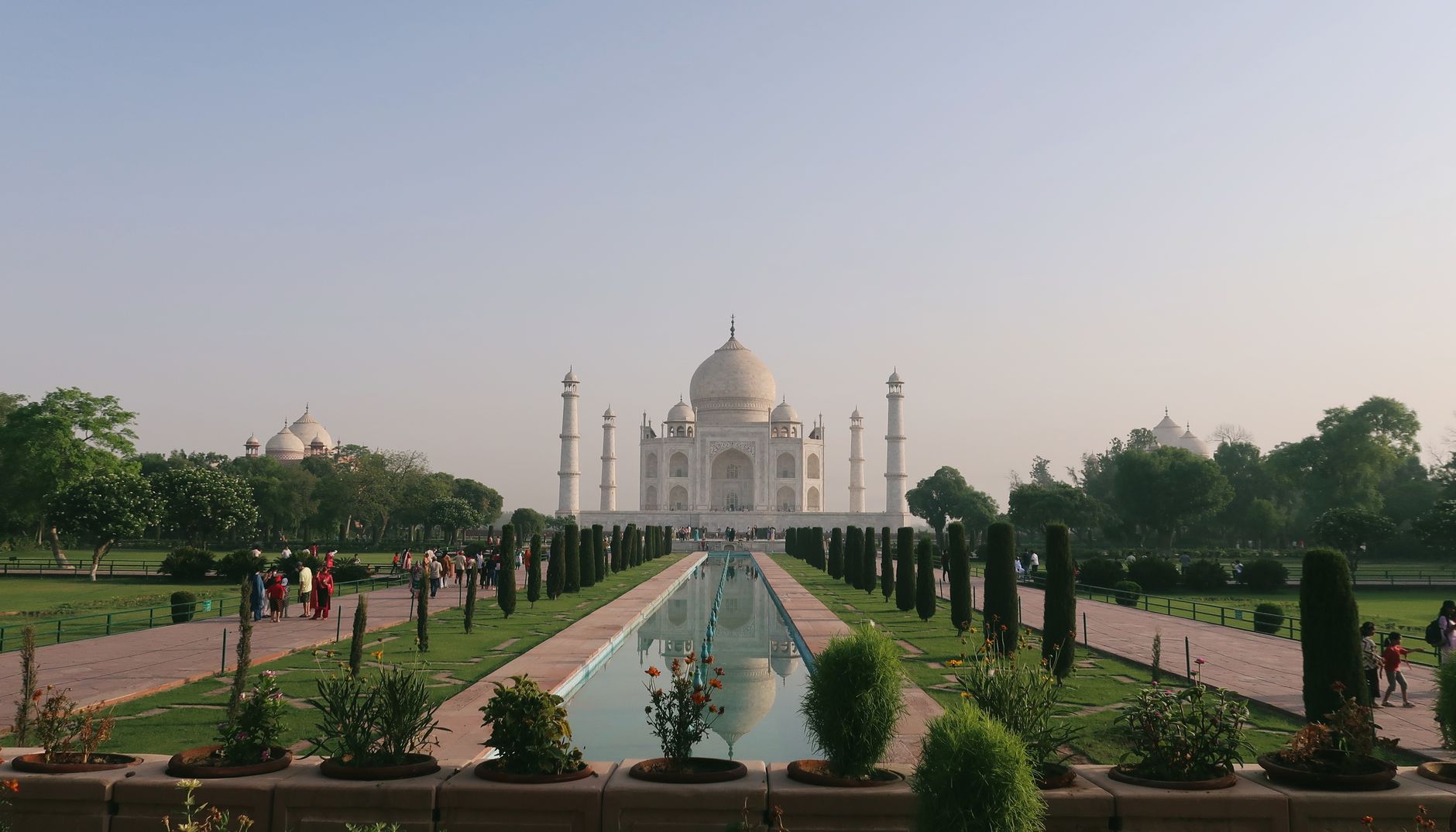
Experience the ethereal beauty of the Taj Mahal as the first rays of dawn paint its marble facade in soft hues of pink and gold. This UNESCO World Heritage site, an unparalleled monument to love, is most magical in the early morning light, before the crowds swell. Arrive at the East Gate (the main tourist entrance) at least 30-45 minutes before sunrise to secure your tickets and be among the first inside. Insider Tip: For an equally stunning but less crowded view, visit the Mehtab Bagh (Moonlight Garden) across the Yamuna River at sunset, offering a perfect symmetrical reflection of the Taj.

Culture

Immerse in the Ganga Aarti Ceremony in Varanasi

Journey to Varanasi, one of the oldest living cities in the world and the spiritual heart of India, to witness the mesmerizing Ganga Aarti ceremony. Every evening at dusk, priests perform a grand ritual of fire and devotion on the Dashashwamedh Ghat, offering prayers to the sacred River Ganges. The air fills with chanting, bells, and the fragrance of incense, creating an intensely spiritual and unforgettable spectacle. Insider Tip: Arrive early to secure a good spot on the ghat, or consider hiring a boat to watch the ceremony from the river, which offers a unique perspective of the illuminated ghats.

Adventure

Embark on a Wildlife Safari in Ranthambore National Park

For an exhilarating adventure, head to Ranthambore National Park in Rajasthan, one of India's premier tiger reserves. Once a royal hunting ground, it now offers a thrilling opportunity to spot the majestic Bengal tiger in its natural habitat, alongside leopards, sloth bears, deer, and a myriad of bird species. The park's rugged terrain, ancient ruins, and lakes create a dramatic backdrop for wildlife viewing. Insider Tip: Book your safari (jeep or canter) well in advance, especially for morning drives, which offer the best chances of tiger sightings. Opt for a 3-hour jeep safari for a more intimate experience.

Scenic

Trek through the Majestic Landscapes of Ladakh

Escape to the 'Roof of the World' and explore the surreal, high-altitude desert landscapes of Ladakh in the Indian Himalayas. This region, often called 'Little Tibet,' offers breathtaking mountain vistas, ancient Buddhist monasteries perched precariously on cliffs, and a unique, vibrant culture. From challenging multi-day treks to gentle day hikes, Ladakh caters to all levels of adventurers. Insider Tip: Allow ample time (2-3 days) to acclimatize to the high altitude in Leh before embarking on any strenuous activities. Stay hydrated and be mindful of your body's signals.

Must-See Highlights

Top Places & Things to Do in India

Curated attractions and cultural landmarks with local insider advice.

Taj Mahal
attraction
4.95

Taj Mahal

An ivory-white marble mausoleum on the right bank of the Yamuna river in Agra, the Taj Mahal is widely considered the most beautiful building in the world and is a UNESCO World Heritage site. Commissioned in 1632 by the Mughal emperor Shah Jahan to house the tomb of his beloved wife, Mumtaz Mahal, it is a masterpiece of Mughal architecture, blending Persian, Islamic, Indian, and Ottoman Turkish architectural styles. Its perfect symmetry, intricate marble inlay work, and the changing hues of the marble throughout the day are simply mesmerizing. The complex also includes a mosque, a guest house, and elaborate gardens, all enclosed by a crenellated wall. The best time to visit is at sunrise or sunset to witness its ethereal beauty in the soft light. Despite the crowds, standing before this monument to eternal love is a truly unforgettable experience, a testament to human artistic achievement and devotion.

Sunrise to Sunset (Closed on Fridays)
Admission: ₹1100 (Foreigners)
Insider Tip: Purchase tickets online in advance to save time. Hire a government-approved guide for historical insights, but negotiate the price beforehand. Wear shoe covers (provided with ticket) or remove shoes before entering the main mausoleum. Be aware of touts and unofficial guides outside.
Amber Fort (Amer Fort)
attraction
4.7

Amber Fort (Amer Fort)

Perched majestically on a hill overlooking Maota Lake, Amber Fort is a sprawling palace complex located in Amer, a town near Jaipur, Rajasthan. Built by Raja Man Singh I in the 16th century, this magnificent fort is renowned for its artistic Hindu style elements. Its grand gates, cobbled paths, and intricate architecture, including the Sheesh Mahal (Mirror Palace) with its dazzling mirror work, offer a captivating glimpse into the opulent lives of Rajput rulers. The fort's strategic location and stunning design make it a must-visit. Explore its various courtyards, halls, and chambers, each telling a story of power, romance, and warfare. You can reach the fort by walking up the hill, taking a jeep, or experiencing an elephant ride (though ethical concerns exist, so research responsible operators if considering). The evening light and sound show is also a popular attraction, narrating the fort's history.

8:00 AM - 5:30 PM (Fort), 7:00 PM - 9:00 PM (Light Show)
Admission: ₹500 (Foreigners)
Insider Tip: Arrive early in the morning to beat the crowds and the heat. Wear comfortable walking shoes as there's a lot of climbing. Consider hiring a licensed guide at the entrance to fully appreciate the history and architecture. The light and sound show is a worthwhile evening experience.
Mysore Palace (Amba Vilas Palace)
attraction
4.8

Mysore Palace (Amba Vilas Palace)

The official residence and seat of the Wadiyar dynasty, who ruled the Kingdom of Mysore from 1399 to 1950, Mysore Palace is a historical palace and a royal residence located in Mysore, Karnataka. This iconic palace is a dazzling example of Indo-Saracenic architecture, a blend of Hindu, Mughal, Rajput, and Gothic styles. It is one of India's most visited attractions, especially famous for its lavish interiors, including ornate ceilings, mosaic floors, and intricate carvings, and its spectacular illumination on Sundays and during festivals. The current palace was constructed between 1897 and 1912 after the old palace was destroyed by fire. Its grandeur is truly awe-inspiring, with a stunning durbar hall, private chambers, and a collection of artifacts, paintings, and royal costumes. The palace grounds also house several temples. A visit to Mysore Palace is a journey back in time to the era of Indian royalty, showcasing immense wealth and artistic prowess.

10:00 AM - 5:30 PM (Daily); Illumination: Sundays & Public Holidays (7:00 PM - 8:00 PM)
Admission: ₹200 (Foreigners)
Insider Tip: Plan your visit for a Sunday evening or a public holiday to witness the palace illuminated with nearly 100,000 bulbs – it's an unforgettable sight. Photography is often restricted inside certain areas, so check signs. Remove your shoes before entering the main palace. Combine your visit with the nearby Devaraja Market for a sensory overload.
Humayun's Tomb
culture
4.6

Humayun's Tomb

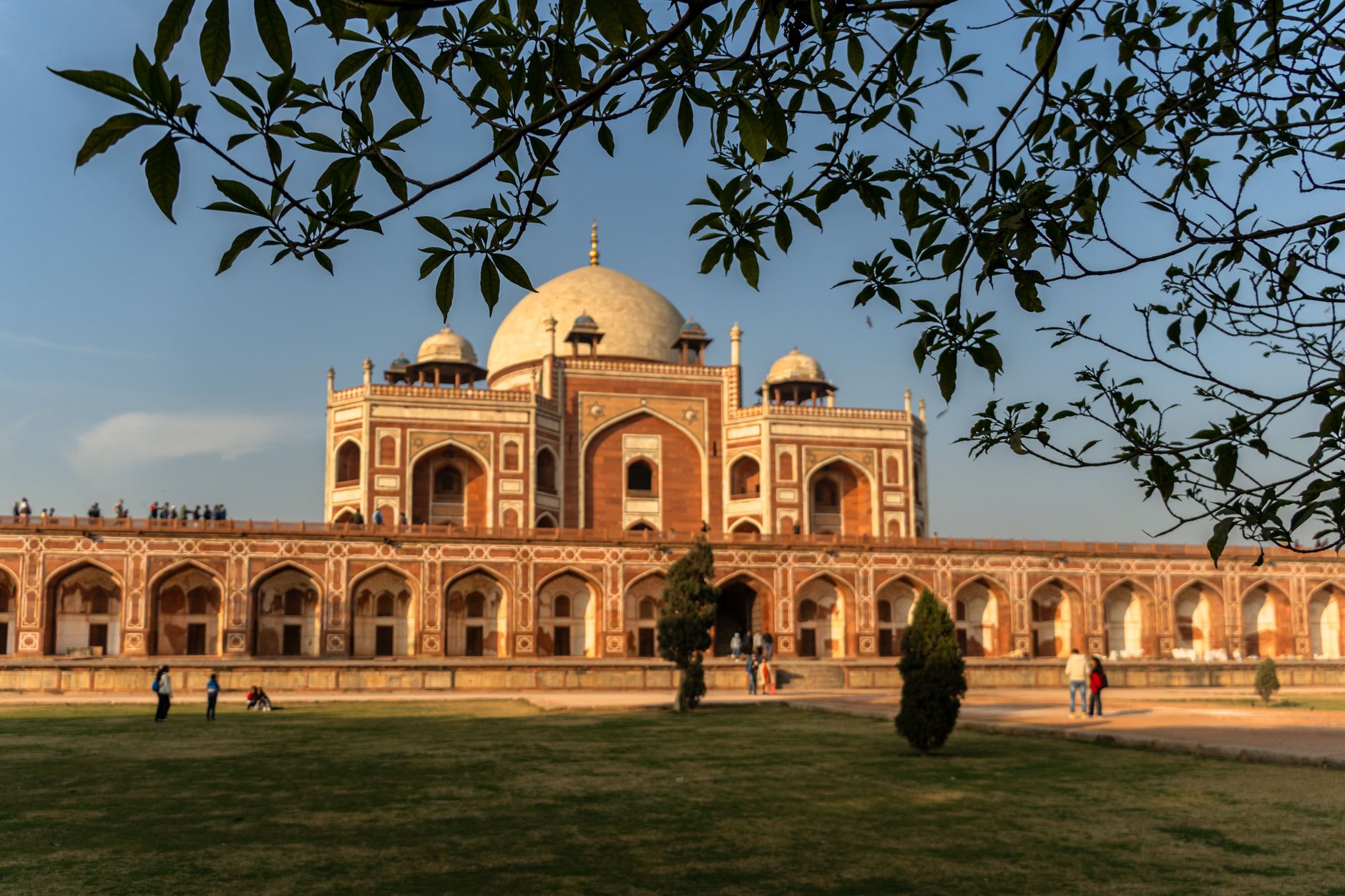
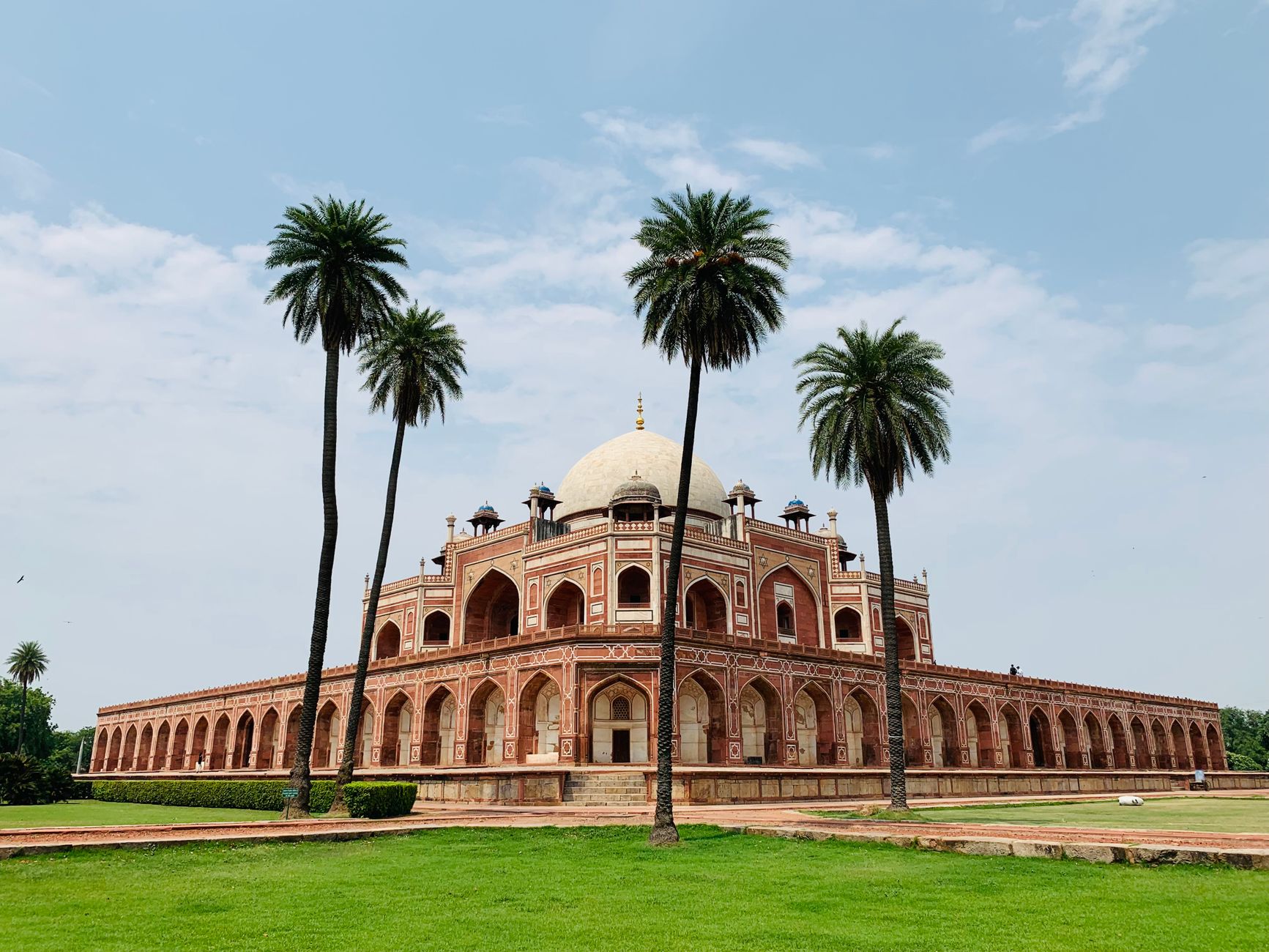
Located in Delhi, Humayun's Tomb is the tomb of the Mughal Emperor Humayun and was commissioned by his first wife and chief consort, Empress Bega Begum, in 1569-70. This magnificent tomb is a UNESCO World Heritage site and is often considered a precursor to the Taj Mahal due to its similar architectural style, particularly the use of red sandstone and white marble, and its charbagh (four-part garden) layout. It was the first garden-tomb on the Indian subcontinent and set a precedent for later Mughal architecture. The tomb is a serene and less crowded alternative to some of Delhi's more bustling attractions, offering a peaceful retreat into history. The complex houses several other tombs and monuments, including the tomb of Isa Khan Niyazi, an Afghan noble. Its grand scale, intricate lattice work, and beautiful gardens make it a significant historical site and a pleasant place to explore, offering deep insights into early Mughal artistry and design.

Sunrise to Sunset
Admission: ₹600 (Foreigners)
Insider Tip: Visit in the late afternoon to enjoy the soft light and fewer crowds. Allocate at least 1.5-2 hours to explore the entire complex, including the surrounding gardens and smaller tombs. There are clean restrooms and a small cafe on site. It's easily accessible by Delhi Metro.
Area Guide

Where to Stay & Best Neighborhoods

The Golden Triangle (Delhi, Agra, Jaipur)

Best for: First-time visitors to India, history buffs, culture seekers, those on a shorter trip wanting iconic experiences.

Vibe: Historic grandeur, bustling metropolises, imperial palaces, and vibrant bazaars.

This classic tourist circuit connects India's capital Delhi, the city of the Taj Mahal Agra, and the 'Pink City' of Jaipur. Delhi pulses with a dynamic energy, blending ancient Mughal monuments with modern urban life, offering a deep dive into Indian history and contemporary culture. Agra, home to the iconic Taj Mahal, provides a glimpse into the opulent Mughal era. Jaipur enchants with its royal palaces, formidable forts, and colorful markets, embodying the regal spirit of Rajasthan. Traveling through this triangle, you'll witness a spectacular array of architectural marvels, vibrant street life, and rich cultural traditions, forming a perfect introduction to India's diverse heritage.

Kerala Backwaters & Coastal Charm

Best for: Relaxation, nature lovers, honeymooners, those seeking a slower pace and unique cultural experiences.

Vibe: Tranquil waterways, lush coconut groves, serene houseboats, and Ayurvedic wellness.

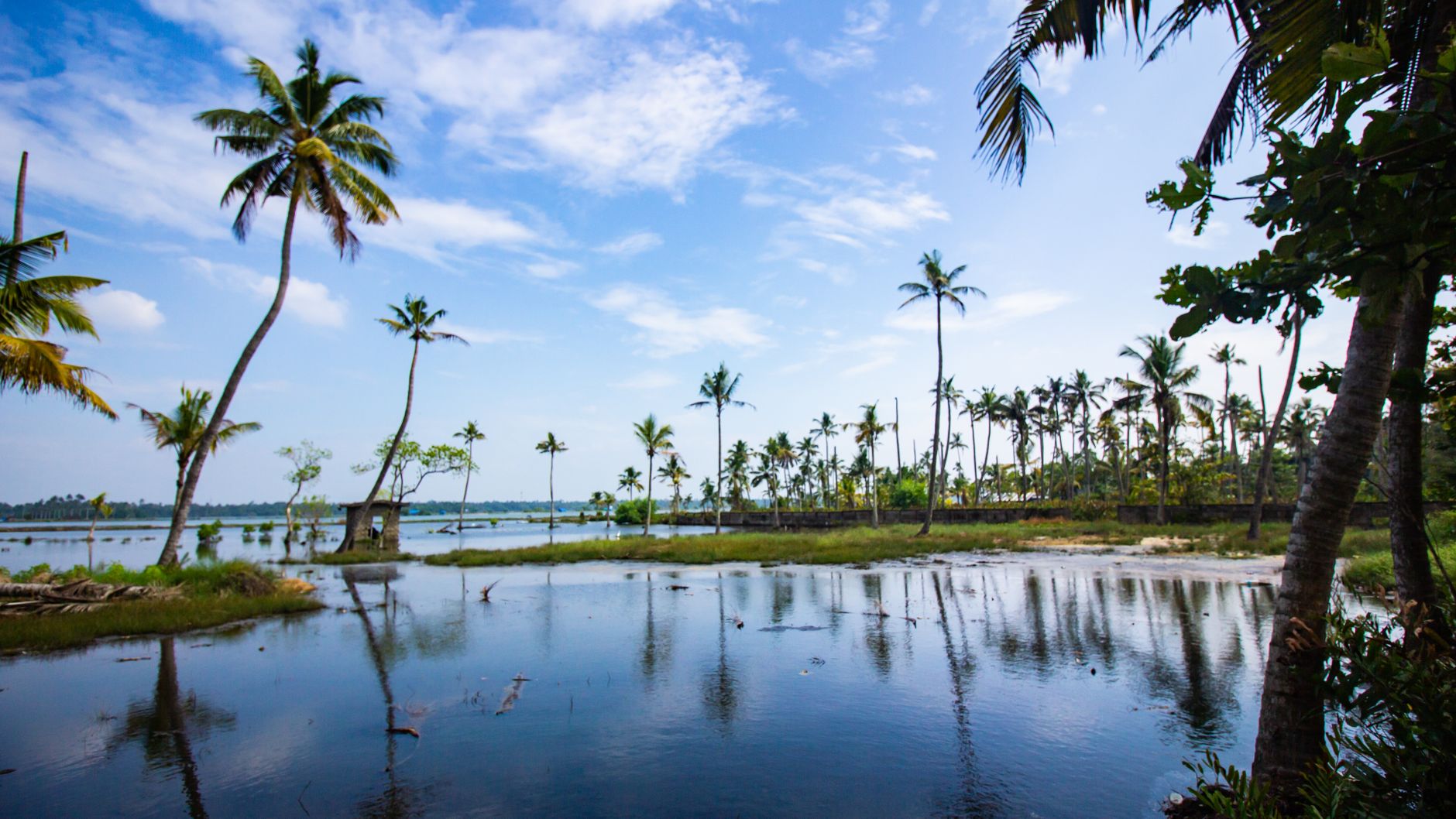
Journey to the serene southern state of Kerala, often called 'God's Own Country,' to explore its enchanting backwaters. This intricate network of canals, lagoons, and lakes is best experienced aboard a traditional Kettuvallam (houseboat), gliding past verdant paddy fields, charming villages, and swaying coconut palms. Beyond the backwaters, Kerala offers pristine beaches, spice plantations, and rejuvenating Ayurvedic treatments. The pace of life here is noticeably slower, inviting introspection and deep relaxation amidst breathtaking natural beauty. It's a world away from the hustle of the north, offering a tranquil and authentic slice of Indian life.

Rajasthan's Desert Forts & Palaces

Best for: History enthusiasts, photographers, cultural explorers, those seeking a regal and authentic Indian experience.

Vibe: Royal heritage, vibrant folk culture, formidable desert landscapes, and colorful traditions.

Step into a land of maharajas and magnificent forts in Rajasthan, the 'Land of Kings.' This northwestern state conjures images of majestic palaces, sprawling desert landscapes, and vibrant traditions. Cities like Udaipur, Jodhpur, and Jaisalmer each possess a unique charm, from Udaipur's romantic lakes and palaces to Jodhpur's blue-painted houses and Jaisalmer's golden sand dunes and living fort. Explore ancient havelis, witness traditional folk dances, embark on camel safaris, and immerse yourself in the rich tapestry of Rajput history and culture. Rajasthan offers a truly immersive and visually stunning journey into India's royal past.

Food & Drink Scene

What to Eat in India

Butter Chicken (Murgh Makhani)

A quintessential North Indian dish, Butter Chicken originated in Delhi in the 1950s. It features tender pieces of chicken (often tandoor-cooked) simmered in a rich, creamy, and subtly spiced tomato-based gravy, enriched with butter and fresh cream. The flavor profile is a harmonious blend of tangy, sweet, and savory, with a velvety texture that makes it universally appealing. It's typically enjoyed with naan bread or basmati rice.

🍴 Top spot: Moti Mahal Delux, Daryaganj, Old Delhi (claims to be the originator)

Dosa & Sambar

A staple of South Indian cuisine, the Dosa is a thin, crispy pancake made from a fermented batter of rice and lentils. It's often served with Sambar, a flavorful lentil-based vegetable stew, and various chutneys (coconut, tomato, mint). Dosas come in many variations, from plain to masala (stuffed with spiced potatoes), and are a popular breakfast, lunch, or light dinner option, offering a delightful contrast of textures and tastes.

🍴 Top spot: Saravana Bhavan (multiple locations across South India and beyond)

Biryani

Biryani is an aromatic, flavorful rice dish made with basmati rice, meat (chicken, mutton, or beef) or vegetables, and a complex blend of spices, herbs, and sometimes yogurt. It's cooked using the 'dum' method, where ingredients are layered and slow-cooked in a sealed pot, allowing the flavors to meld beautifully. Originating from Persia and popularized by the Mughals, Biryani varies significantly by region (e.g., Hyderabadi, Lucknowi, Kolkata), each offering a distinct flavor profile and preparation style.

🍴 Top spot: Paradise Biryani, Hyderabad (for authentic Hyderabadi Biryani)
Excursions

Best Day Trips from India

Rishikesh & Haridwar - Gateway to the Himalayas & Yoga Capital

Approx. 5-6 hours by road from Delhi

While not a 'day trip' in the traditional sense from a major city, a focused trip to Rishikesh and Haridwar from Delhi (approx. 5-6 hours drive) offers a profound spiritual and scenic experience. Haridwar is one of the seven holiest places for Hindus, famous for its Ganga Aarti at Har Ki Pauri. Rishikesh, a short drive away, is the 'Yoga Capital of the World,' nestled in the Himalayan foothills. Explore ashrams, practice yoga, attend spiritual discourses, and enjoy rafting on the Ganges. It's a rejuvenating escape for mind, body, and soul.

Goa's Beaches & Portuguese Heritage

Approx. 1-2 hours by flight from major Indian cities (e.g., Mumbai, Delhi)

A flight from any major Indian city can transport you to Goa, India's smallest state, renowned for its stunning beaches, vibrant nightlife, and rich Portuguese colonial history. Spend your days relaxing on sandy shores like Palolem or Anjuna, exploring charming old churches and cathedrals in Old Goa (a UNESCO site), or indulging in fresh seafood. Goa offers a laid-back, bohemian atmosphere distinct from other parts of India, making it a perfect short escape for relaxation and fun.

When to Go

Best Time to Visit & Seasonality

Editor’s Pick: The ideal time to visit India is generally from October to March. During these months, most parts of the country experience pleasant, dry, and relatively cooler weather, making it perfect for sightseeing, outdoor activities, and exploring the diverse landscapes. The monsoon season has receded, leaving behind lush greenery, and the scorching summer heat is yet to arrive. Specific regions like Rajasthan and Delhi are delightful during this period, while the southern states like Kerala and Goa also enjoy sunny, comfortable days. For trekking in the Himalayas, May-June and September-October are often preferred, avoiding extreme cold and heavy monsoons.

Spring Overview

(March - May)
Moderate
Average Temperature & Climate25°C - 45°C (77°F - 113°F)

Hot and dry across much of the country, with temperatures steadily rising. Northern plains can reach extreme highs. Hills offer some respite. Pre-monsoon showers might begin towards May.

Crowd & Travel ConditionsModerate Tourist Traffic

Fewer lines and better deals.

✨ Seasonal Highlights:Holi (Festival of Colors) in March, exploring hill stations before peak summer, early season treks in lower Himalayas.
Travel Smarter

Practical Travel Essentials

CurrencyINR (₹)
LanguageHindi, English (official), myriad regional languages
Time ZoneIST (UTC+5:30)

Visa & Entry

Most foreign nationals require a visa to enter India. The most common and convenient option is the e-Visa, which can be applied for online (indianvisaonline.gov.in) and is available for tourism, business, and medical purposes. Ensure your passport has at least six months validity and two blank pages. Apply well in advance of your travel date, typically 4-7 days prior, though processing can sometimes be faster.

Getting Around & Transit

India's vast size means a variety of transport options. Domestic flights are efficient for long distances between major cities. The Indian Railways network is extensive, affordable, and an iconic way to travel, offering various classes from basic to luxury. Buses connect almost every town and village. Within cities, auto-rickshaws (tuk-tuks) and cycle-rickshaws are common for short distances, while ride-sharing apps like Uber and Ola are widely available in larger cities. Taxis are also readily available. For comfort and flexibility, consider hiring a car with a driver for inter-city travel.

Daily Budget Expectation

A budget traveler can manage on $25-$40 per day (hostels, street food, public transport). A mid-range budget of $50-$100 per day allows for comfortable guesthouses, a mix of local and restaurant meals, and occasional taxis/flights. A luxury experience can easily exceed $150+ per day, including boutique hotels, fine dining, and private drivers.

Safety & Health

Moderate. While India is generally welcoming to tourists, it's essential to be vigilant. Petty crime like pickpocketing can occur in crowded areas. Solo female travelers should exercise extra caution, avoid walking alone at night, dress modestly, and be aware of their surroundings. Scams involving touts, fake tour guides, and overcharging are not uncommon. Always trust your instincts, keep valuables secure, and use reputable transport/accommodation. Emergency services can be reached by dialing 112 (all-in-one emergency number).

Local Etiquette & Customs

Respect local customs: dress modestly, especially when visiting religious sites (shoulders and knees covered). Remove your shoes before entering temples, mosques, or homes. Use your right hand for eating, giving, and receiving items, as the left hand is traditionally considered unclean. Avoid public displays of affection. Bargaining is common in markets. Always ask for permission before photographing people. A respectful 'Namaste' (palms pressed together) is a polite greeting.

Questions & Answers

Frequently Asked Questions about India

India can be safe for solo female travelers, but it requires extra vigilance and common sense. Dress modestly, avoid walking alone at night, be assertive when necessary, and trust your instincts. Stick to well-lit, populated areas, use reputable transport (pre-booked taxis/ride-shares), and inform someone of your itinerary. Many women have fulfilling solo trips, but awareness is key.