🌟 Best in Travel 2026 is here!
Ireland
countryEurope
4.95 / 5.0

Ireland

An emerald tapestry of rugged coastlines, ancient Celtic lore, and spirited modern warmth.

Advertisement
Editorial Guide

About Ireland

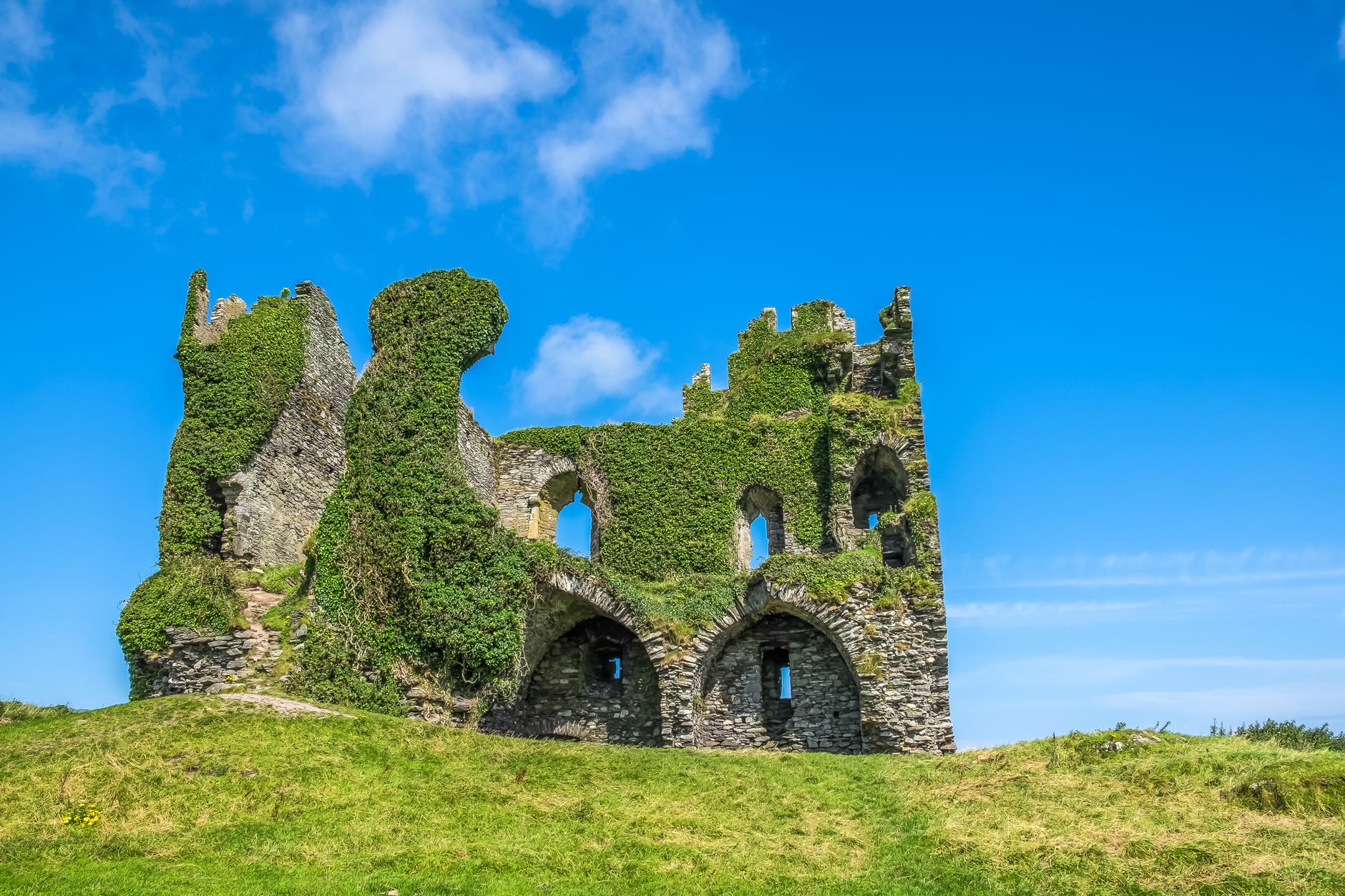
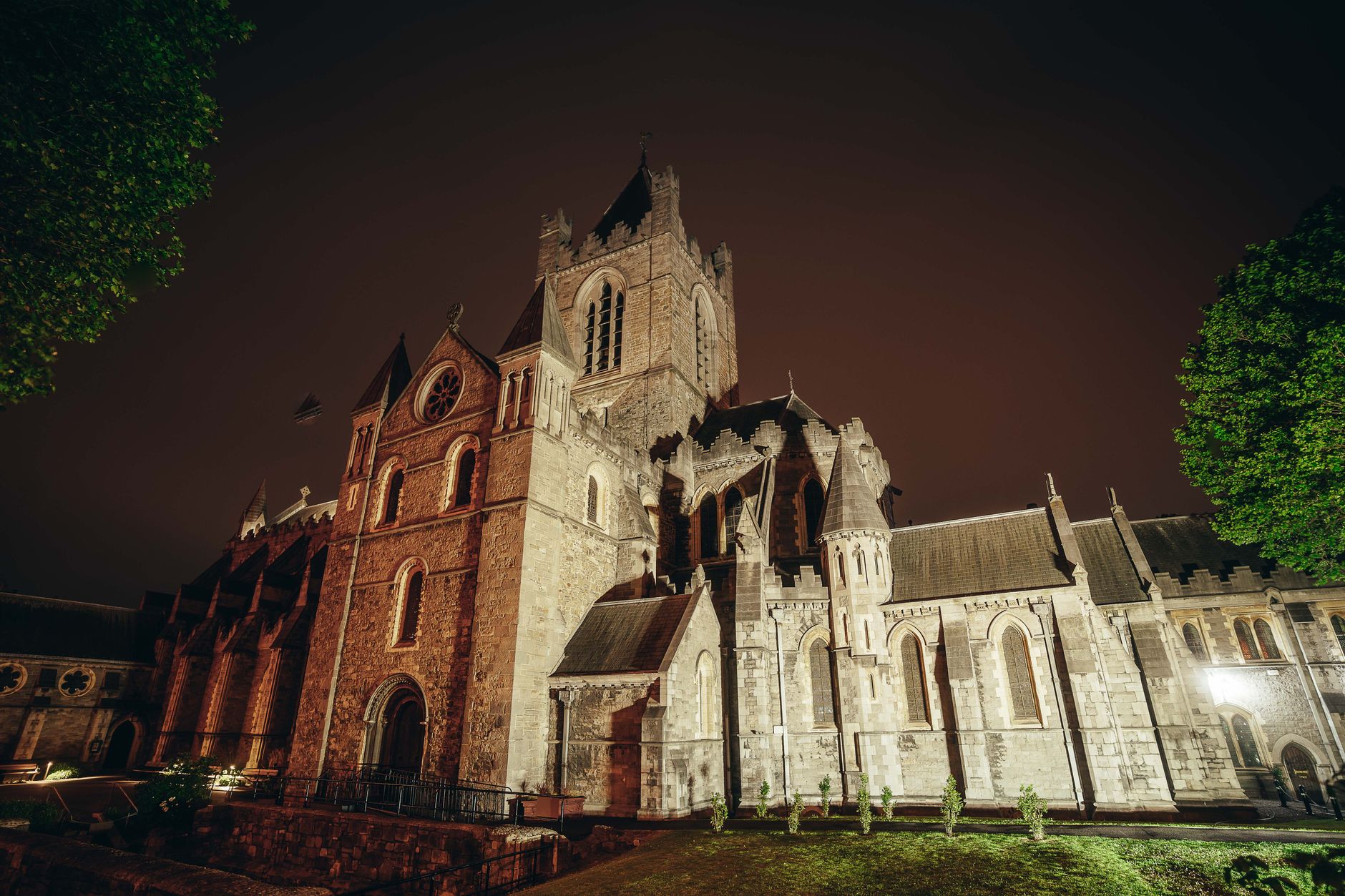
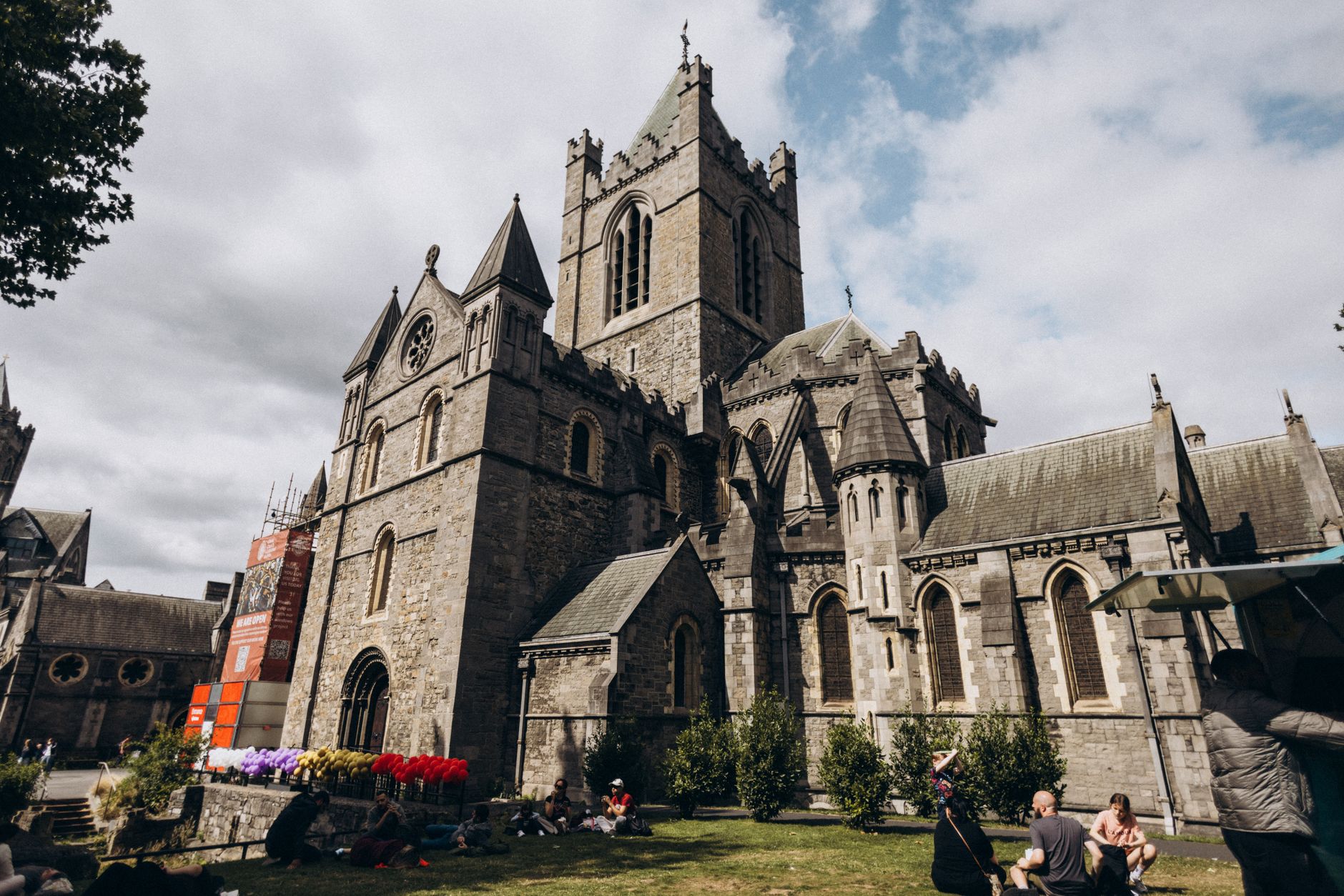
Ireland unfurls as an emerald tapestry woven from dramatic Atlantic coastlines, mist-shrouded peaks, and rolling fields of startling green that earned the island its timeless moniker. Steeped in a rich, melancholic history of resilience and artistic brilliance, the Irish landscape is punctuated by thousands of years of human habitation, from prehistoric passage tombs older than the pyramids to medieval monastic settlements and crumbling feudal castles. The culture beats to a deeply communal rhythm, where storytelling is an elevated art form and traditional music sessions spontaneously erupt in dimly lit village pubs over pints of dark, velvety stout.

Geographically, the island is defined by its dramatic contrasts. The western edge plunges violently into the Atlantic Ocean, sculpted by relentless sea winds into jagged cliffs, secluded peninsulas, and pristine white-sand beaches, while the interior is a peaceful patchwork of tranquil lakes, peat bogs, and fertile river valleys. Whether you are traversing the dizzying heights of the Cliffs of Moher, exploring the primordial lunar landscapes of the Burren, or losing yourself in the labyrinthine alleys of Dublin and Galway, Ireland offers an immersive sensory experience that feels both endearingly familiar and utterly magical.

At the heart of the Irish experience is its people—celebrated globally for their boundless wit, fierce hospitality, and an innate knack for conversation. To travel through Ireland is to step inside a living storybook where every ruined abbey has a ghost, every crossroads has a legend, and every stranger is simply a friend you haven't met yet. The modern nation seamlessly blends this ancient soul with a cosmopolitan energy, boasting a world-class culinary renaissance, vibrant arts scenes, and a burgeoning tech-and-innovation hub, all without ever losing its deeply rooted sense of community and place.

Navigating the island reveals an infrastructure that honors its heritage while catering effortlessly to the modern traveler. From driving the legendary Wild Atlantic Way—the longest defined coastal touring route in the world—to cozying up by an open turf fire in a thatched-roof cottage, Ireland invites slow, contemplative travel. It is a destination that demands you look closer, listen deeper, and surrender entirely to the unpredictable, soul-stirring beauty of the Irish weather and the eternal warmth of its welcome.

Visual Impressions & Moments

Ireland photo 1
Ireland photo 2
Ireland photo 3
Ireland photo 4
Ireland photo 5
Ireland photo 6
Unmissable Moments

Top Things to Do in Ireland

Scenic

Drive the Legendary Ring of Kerry

Navigate the 179-kilometer circular route through the Iveragh Peninsula, where dramatic coastal views give way to emerald mountains, cascading waterfalls, and picturesque villages like Sneem and Killarney. To beat the tour buses, start your drive at dawn and take the route in a counter-clockwise direction. Make sure to stop at Moll's Gap for panoramic vistas and explore the pristine lakes of Killarney National Park.

Culture

Immerse in an Authentic Traditional Pub Session

Step away from tourist traps and find a neighborhood local where musicians gather in the corner with fiddles, bodhráns, and tin whistles for an impromptu trad session. Order a pint of Guinness, settle into a worn wooden booth, and listen as centuries-old reels and folk songs fill the room. Insider tip: Respect the music by keeping conversations quiet while tunes are actively being played.

Must-Do

Stand Atop the Majestic Cliffs of Moher

Feel the thunderous roar of the Atlantic Ocean crashing 200 meters below as you walk the wind-swept limestone paths of County Clare. The sheer scale of these dramatic vertical drops, stretching for eight kilometers, offers some of the most breathtaking coastal panoramas in Europe. Arrive either early in the morning before 9 AM or during the golden hour before sunset to avoid the daytime crowds and catch the best light.

Culture

Unearth Ancient Mysteries at Newgrange

Journey into the Boyne Valley in County Meath to explore a prehistoric monumental passage tomb built over 5,000 years ago—making it older than both Stonehenge and the Great Pyramids of Giza. Marvel at the intricate megalithic art carved into the massive curb stones and learn about the miraculous winter solstice alignment where the rising sun illuminates the inner chamber. Book tickets well in advance as daily visitor numbers are strictly controlled.

Must-See Highlights

Top Places & Things to Do in Ireland

Curated attractions and cultural landmarks with local insider advice.

The Cliffs of Moher
nature
4.9

The Cliffs of Moher

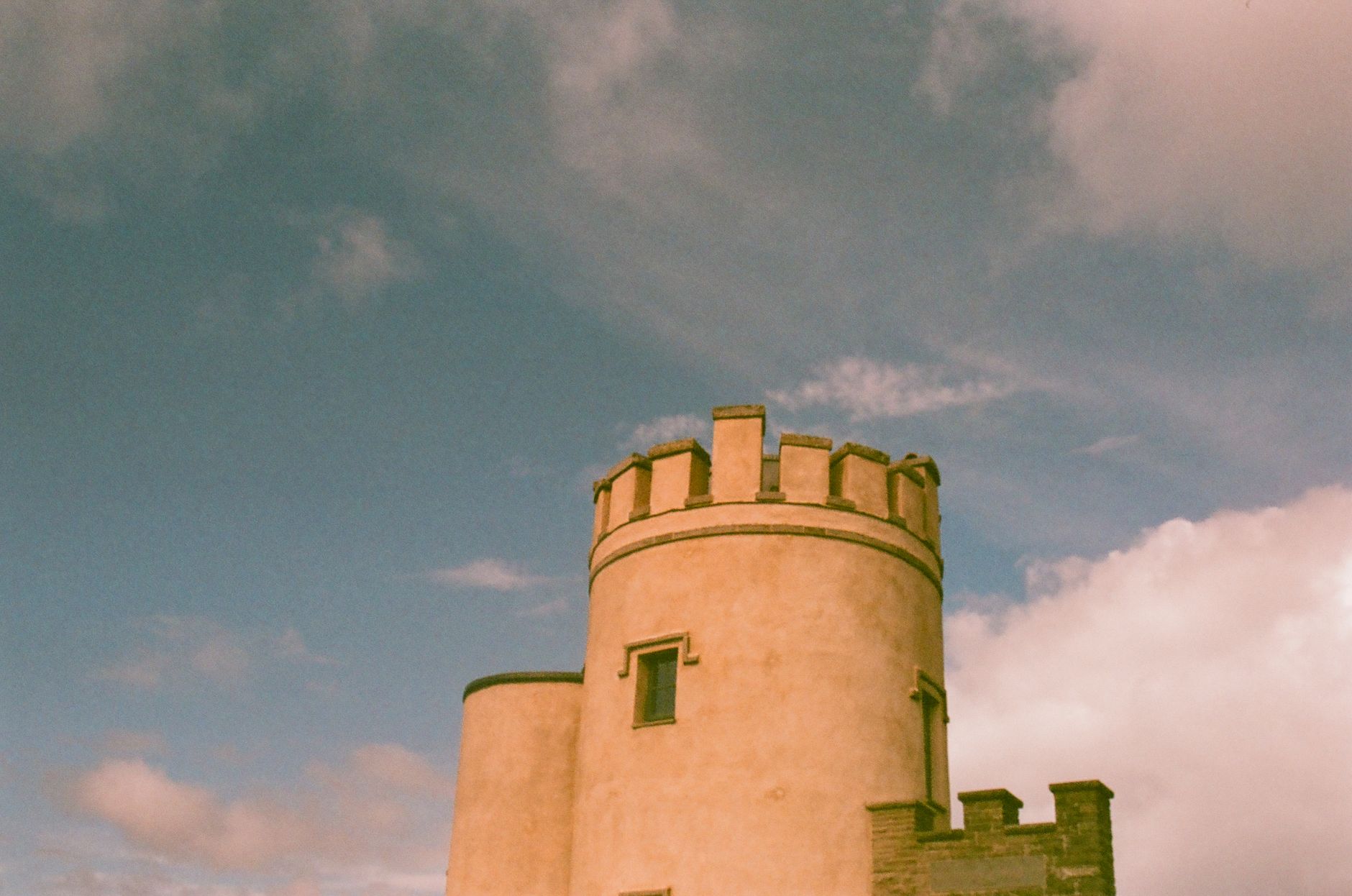
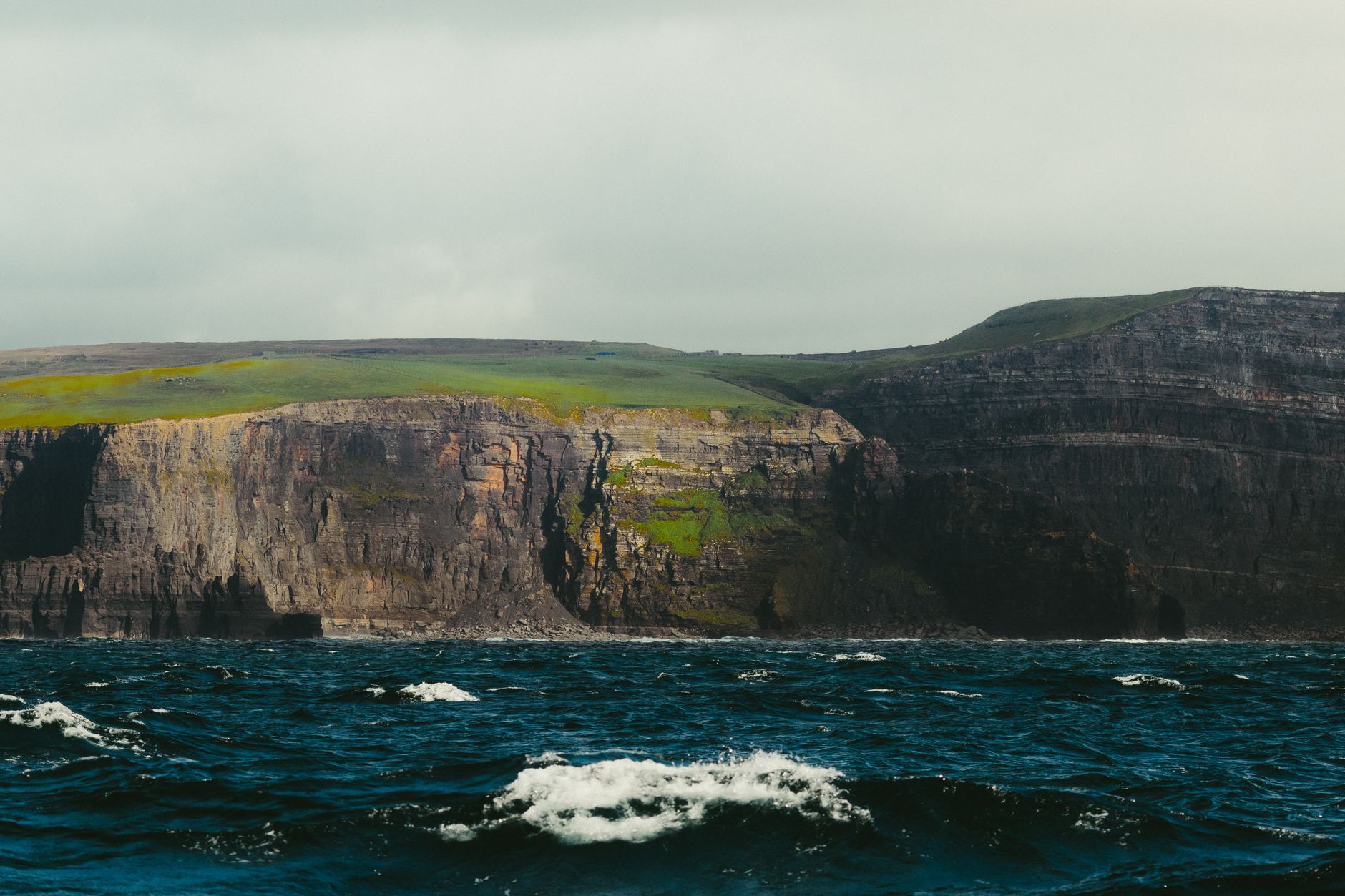
Rising majestically over 200 meters above the churning Atlantic Ocean in County Clare, the Cliffs of Moher are Ireland's most visited natural attraction. Stretching for eight breathtaking kilometers, these sheer limestone precipices offer dizzying views of the Aran Islands and Galway Bay on clear days, while thousands of nesting seabirds, including Atlantic puffins, inhabit the cliff ledges. The visitor center is seamlessly and sustainably built into the green hillside, offering interactive exhibits on the local geology and marine life. Walking the paved pathways toward O'Brien's Tower provides postcard-perfect vantage points, though adventurous hikers can tackle the dramatic coastal trail leading from Doolin or Hags Head for an even more immersive, uncrowded experience.

8:00 AM – 9:00 PM (Summer), 9:00 AM – 5:00 PM (Winter)
Admission: €10-€12 parking/entry
Insider Tip: Wear windproof clothing and sturdy footwear. Avoid the midday coach rush by arriving before 9 AM or staying until sunset.
Ring of Kerry
scenic
4.9

Ring of Kerry

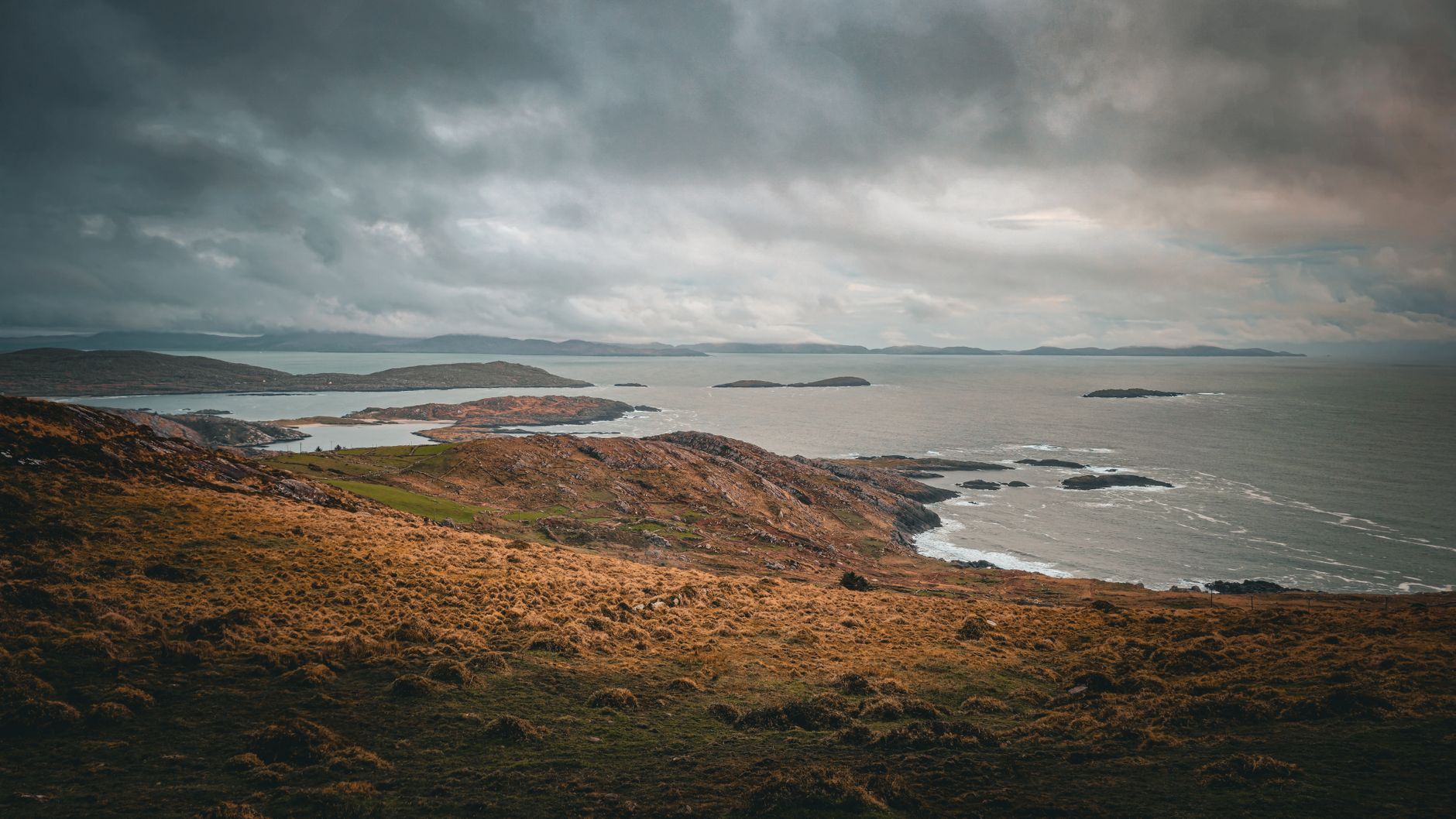
The Ring of Kerry is a legendary 179-kilometer scenic driving circuit that loops around the breathtaking Iveragh Peninsula in County Southwest Ireland. The route showcases a staggering diversity of landscapes, encompassing dramatic Atlantic coastlines, hidden sandy coves, heather-covered mountains, and lush emerald valleys dotted with grazing sheep and ancient stone ruins. Along the way, travelers can explore picturesque heritage towns like Kenmare and Sneem, marvel at the cascading Torc Waterfall, and visit the historic gardens of Muckross House. The dramatic coastal overlooks provide prime vantage points for spotting the Skellig Islands rising mysteriously from the distant sea.

Open 24/7
Admission: Free
Insider Tip: Drive the route counter-clockwise to avoid getting stuck behind large tour buses, which are legally required to travel clockwise.
Giants Causeway
nature
4.9

Giants Causeway

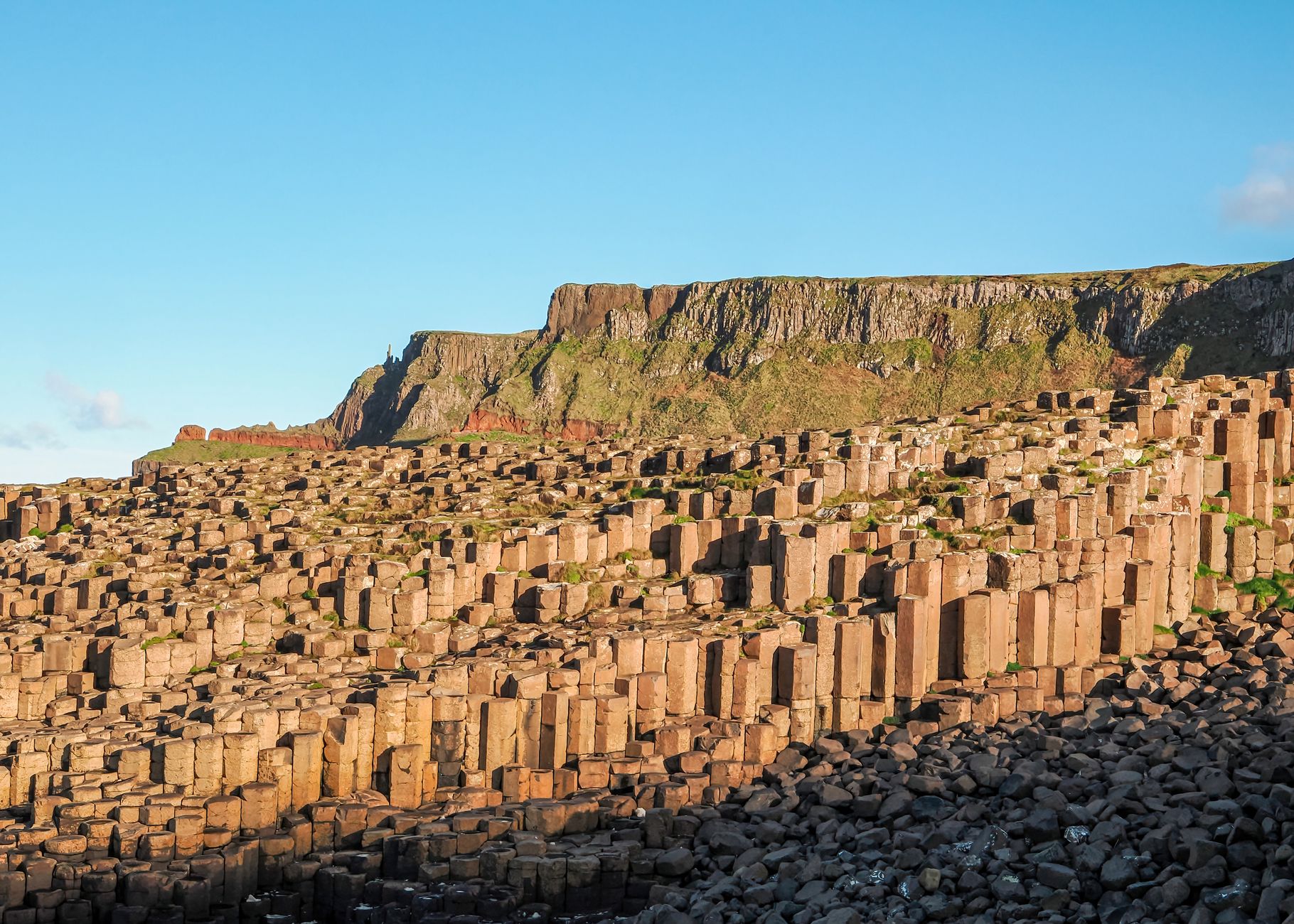
Located on the dramatic north coast of Northern Ireland, the Giant's Causeway is a geological wonder consisting of some 40,000 massive interlocking basalt columns stepping out from the cliff face and disappearing into the sea. Formed by ancient volcanic activity over 60 million years ago, the hexagonal columns create a surreal, geometric landscape steeped in mythology about the giant Finn McCool. The state-of-the-art visitor center provides fascinating insights into the geology and folklore of the area before you take the scenic coastal walk down to the stones. Exploring the causeway allows you to scramble over the stepping-stone pillars while listening to the crashing waves of the North Atlantic.

9:00 AM – 6:00 PM daily
Admission: £13.50 (Visitor Centre & Parking)
Insider Tip: You can walk the causeway stones for free if you park further away, but the visitor center ticket is required for the exhibition and official parking.
Area Guide

Where to Stay & Best Neighborhoods

Temple Bar & Dublin City Centre

Best for: First-time visitors, nightlife seekers, and cultural explorers.

Vibe: Cobbled pedestrian lanes, historic brick facades, and an electric heartbeat of live music and pub culture.

Dublin's cultural quarter is a bustling maze of historic cobblestone streets steeped in artistic energy. By day, explore quirky boutiques, independent galleries, and the world-famous Trinity College housing the Book of Kells. By night, the neighborhood transforms into a vibrant hub of sound, where the spilling notes of fiddles and guitars echo from legendary establishments like The Temple Bar pub out onto the bustling streets.

The Latin Quarter & West End (Galway)

Best for: Foodies, music lovers, and free-spirited wanderers.

Vibe: Bohemian, artistic, colorful storefronts, and street buskers creating an infectious coastal festival atmosphere.

Galway's beating heart is a pedestrian-only paradise bursting with brightly painted historic buildings, bustling outdoor cafes, and some of the country's finest seafood restaurants. Street performers serenade passersby along Shop Street and Quay Street, creating an atmosphere that feels simultaneously historic and vibrantly youthful. It serves as the ultimate gateway to Connemara and the wild Atlantic coast.

Killarney Town Centre

Best for: Nature lovers, hikers, and families looking for classic scenic Irish hospitality.

Vibe: Victorian charm, horse-drawn jaunting cars, and the immediate proximity of wild, ancient woodlands.

Nestled on the edge of Lough Leane, Killarney is a picturesque town defined by its 19th-century architecture and legendary hospitality. It serves as the bustling launchpad for both the Ring of Kerry and Killarney National Park. Wandering its streets reveals charming local craft shops, traditional bakeries, and historic horse-drawn carriages ready to take you on a tour through pristine oak forests to Ross Castle.

Food & Drink Scene

What to Eat in Ireland

Traditional Irish Stew (Stobhach Gaelach)

A deeply comforting slow-cooked one-pot dish traditionally made with tender cuts of Irish lamb or mutton, earthy potatoes, onions, carrots, and pearl barley, simmered for hours in rich broth infused with fresh thyme and rosemary. It represents the ultimate expression of wholesome, farm-to-table peasant cooking.

🍴 Top spot: The Brazen Head, Dublin

Galway Bay Oysters & Seafood Chowder

Pristine, locally harvested Atlantic oysters renowned for their delicate balance of briny sweetness and crisp mineral finish, typically paired with rich, creamy seafood chowder laden with fresh catch of the day, smoked bacon, and brown soda bread.

🍴 Top spot: Moran's of the Weir, County Galway

Irish Soda Bread with Kerrygold Butter

A dense, rustic bread made without yeast, relying instead on baking soda and buttermilk to create a tender crumb encased in a wonderfully crunchy crust. Smothered in world-renowned golden Irish grass-fed butter, it accompanies almost every traditional meal.

🍴 Top spot: Ballymaloe House Cookery School, County Cork
Excursions

Best Day Trips from Ireland

The Aran Islands (Inis Mór)

45 mins ferry from Rossaveel or 90 mins from Galway City

Ferry across Galway Bay to a limestone archipelago where the Irish language thrives and time seems to have stood still. Explore the awe-inspiring prehistoric stone fort of Dún Aonghasa perched precariously on a 100-meter cliff edge, rent a bicycle to tour stone-walled boreens, and shop for authentic hand-knitted Aran sweaters.

Glendalough & The Wicklow Mountains

1 hour 15 mins by car south of Dublin

Escape the city to explore 'The Valley of the Two Lakes' in County Wicklow, affectionately known as the Garden of Ireland. Wander through the atmospheric 6th-century monastic settlement founded by St. Kevin, complete with a remarkably preserved round tower, and hike the scenic trails winding through ancient oak woods and glacial valleys.

When to Go

Best Time to Visit & Seasonality

Editor’s Pick: May through September offers the most pleasant weather, longer daylight hours, and the highest concentration of lively outdoor festivals. July and August are peak summer months with warmest temperatures, though May and June offer a sweet spot of blooming flora and smaller crowds.

Spring Overview

(March to May)
Moderate
Average Temperature & Climate8°C to 15°C (46°F to 59°F)

Crisp and changeable with blooming wildflowers, occasional showers, and increasing sunshine.

Crowd & Travel ConditionsModerate Tourist Traffic

Fewer lines and better deals.

✨ Seasonal Highlights:St. Patrick's Festival in March, blooming hedgerows, newborn lambs in the countryside, and uncrowded historical sites.
Travel Smarter

Practical Travel Essentials

CurrencyEUR (€)
LanguageEnglish, Irish (Gaeilge)
Time ZoneGMT/UTC (IST in summer)

Visa & Entry

Citizens of the EU, US, Canada, UK, Australia, and New Zealand do not need a visa for tourist stays up to 90 days. Passport must be valid for the duration of stay.

Getting Around & Transit

Renting a car is the best way to explore rural Ireland and the Wild Atlantic Way (remember: they drive on the left). Extensive intercity rail and bus networks connect major cities like Dublin, Cork, Galway, and Belfast.

Daily Budget Expectation

Mid-range budget of €150-€250 per day covers comfortable B&B accommodation, rental car sharing, casual dining, and site admissions.

Safety & Health

Ireland is exceptionally safe for travelers, with very low rates of violent crime. Petty theft in crowded tourist areas can occur, so standard travel precautions apply.

Local Etiquette & Customs

Tipping is appreciated but not mandatory; 10% is standard in restaurants for good service. Pub culture relies on taking turns buying rounds of drinks for your group ('buying your shout').

Questions & Answers

Frequently Asked Questions about Ireland

While public transport connects major cities and towns well, renting a car is highly recommended if you want to explore the rural countryside, coastal peninsulas, and remote natural attractions like the Ring of Kerry or Connemara.