🌟 Best in Travel 2026 is here!
Kanazawa
cityAsia
4.92 / 5.0

Kanazawa

The samurai stronghold where exquisite Edo-period traditions and contemporary art effortlessly intertwine.

Advertisement
Editorial Guide

About Kanazawa

Nestled on the rugged coast of the Sea of Japan, flanked by the majestic Japanese Alps, Kanazawa stands as one of the country's most culturally rich and remarkably preserved castle towns. Having miraculously escaped the widespread devastation of World War II, the city retains an authentic atmospheric depth that feels increasingly rare in the modern metropolises of Tokyo or Osaka. For over three centuries, Kanazawa flourished as the seat of the powerful Maeda Clan, a dynasty of feudal lords who famously redirected their immense wealth away from military conquest and toward the patronization of the arts, crafts, and high culture. This legacy birthed world-renowned traditions in Kutani ceramics, intricate gold leaf production, Kaga Yuzen silk dyeing, and exquisite wooden architecture that continues to thrive in the hands of master artisans today.

The geography of Kanazawa is naturally defined by the intersecting currents of the Sai and Asano Rivers, creating a picturesque grid of historic neighborhoods that invite unhurried exploration on foot. Across these banks, the labyrinthine alleys of former geisha districts and samurai quarters remain virtually unchanged, lined with weathered wooden machiya townhouses, black-唀 stone walls, and hidden courtyards. Yet, Kanazawa is far from a static open-air museum; it pulses with a sophisticated contemporary heartbeat, epitomized by the visionary architecture of the 21st Century Museum of Contemporary Art and a burgeoning culinary scene deeply celebrated for its pristine seafood and refined regional gastronomy.

Local life in Kanazawa moves at a contemplative, meditative cadence shaped by the misty maritime climate and an inherent appreciation for seasonal beauty. Morning markets bustle with the chaotic, vibrant energy of fishermen hauling in sweet shrimp, snow crab, and blackthroat seaperch from the icy depths of the Sea of Japan, while afternoon stillness settles over moss-draped temple gardens and serene teahouses. The city's atmosphere is one of profound elegance and understated luxury, inviting travelers to step backward in time while indulging in the finest expressions of Japanese hospitality, craftsmanship, and epicurean artistry.

Visual Impressions & Moments
Kanazawa photo 1
Kanazawa photo 2
Kanazawa photo 3
Kanazawa photo 4
Kanazawa photo 5
Kanazawa photo 6
Unmissable Moments

Top Things to Do in Kanazawa

Must-Do

Wander the Timeless Paths of Kenroku-en Garden at Dawn

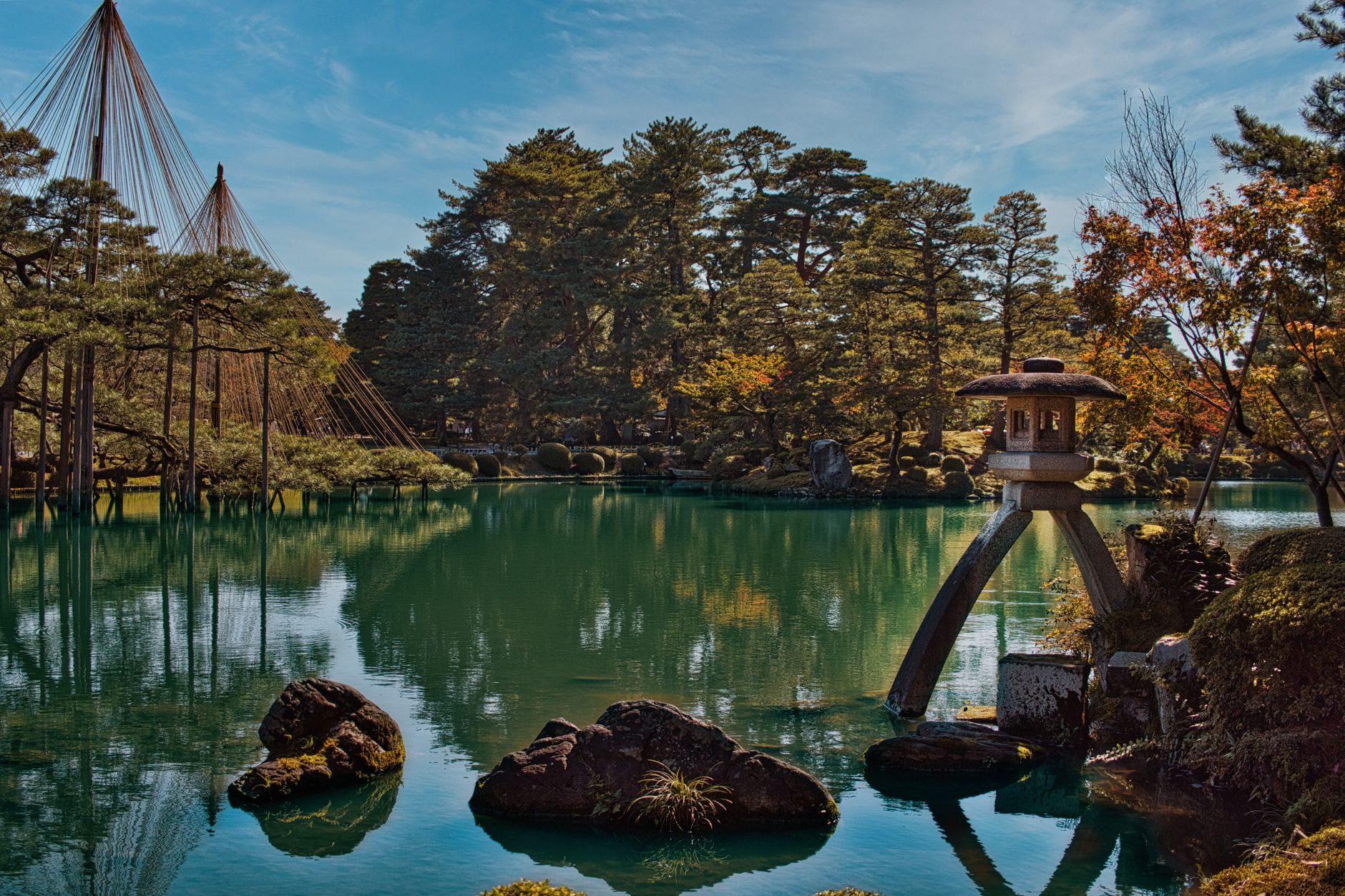
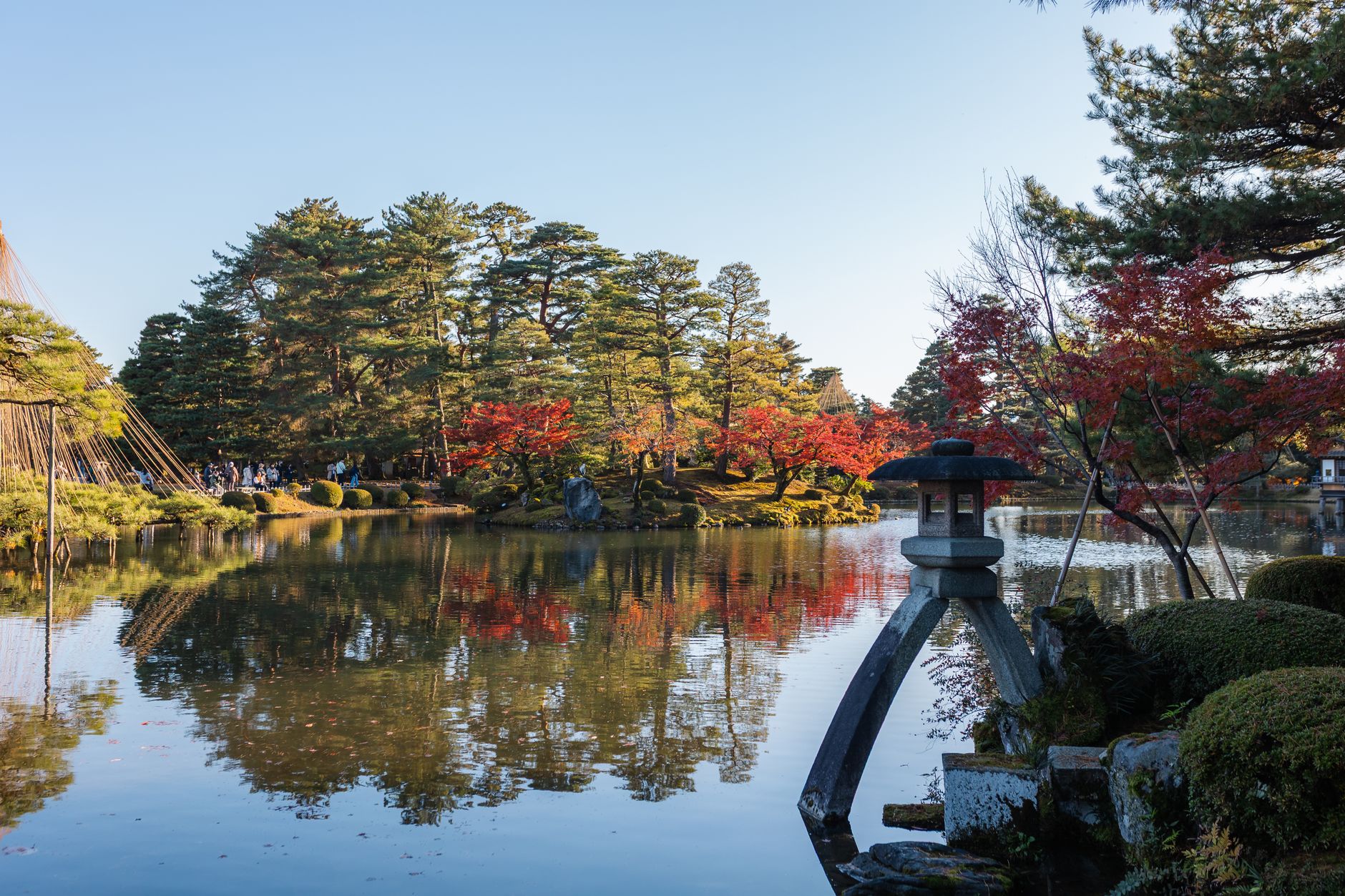
Widely acclaimed as one of Japan's 'Three Great Gardens,' Kenroku-en is a masterpiece of landscape architecture embodying six sublime garden attributes: spaciousness, seclusion, artifice, antiquity, water courses, and panoramic views. Arrive right at opening time to watch the morning mist rise off the ponds, illuminating ancient pine trees, meandering streams, and the iconic two-legged Kotoji-toro stone lantern. Insider tip: Enter through the Rengetsuko gate and explore the quiet upper paths before the tour groups arrive.

Culture

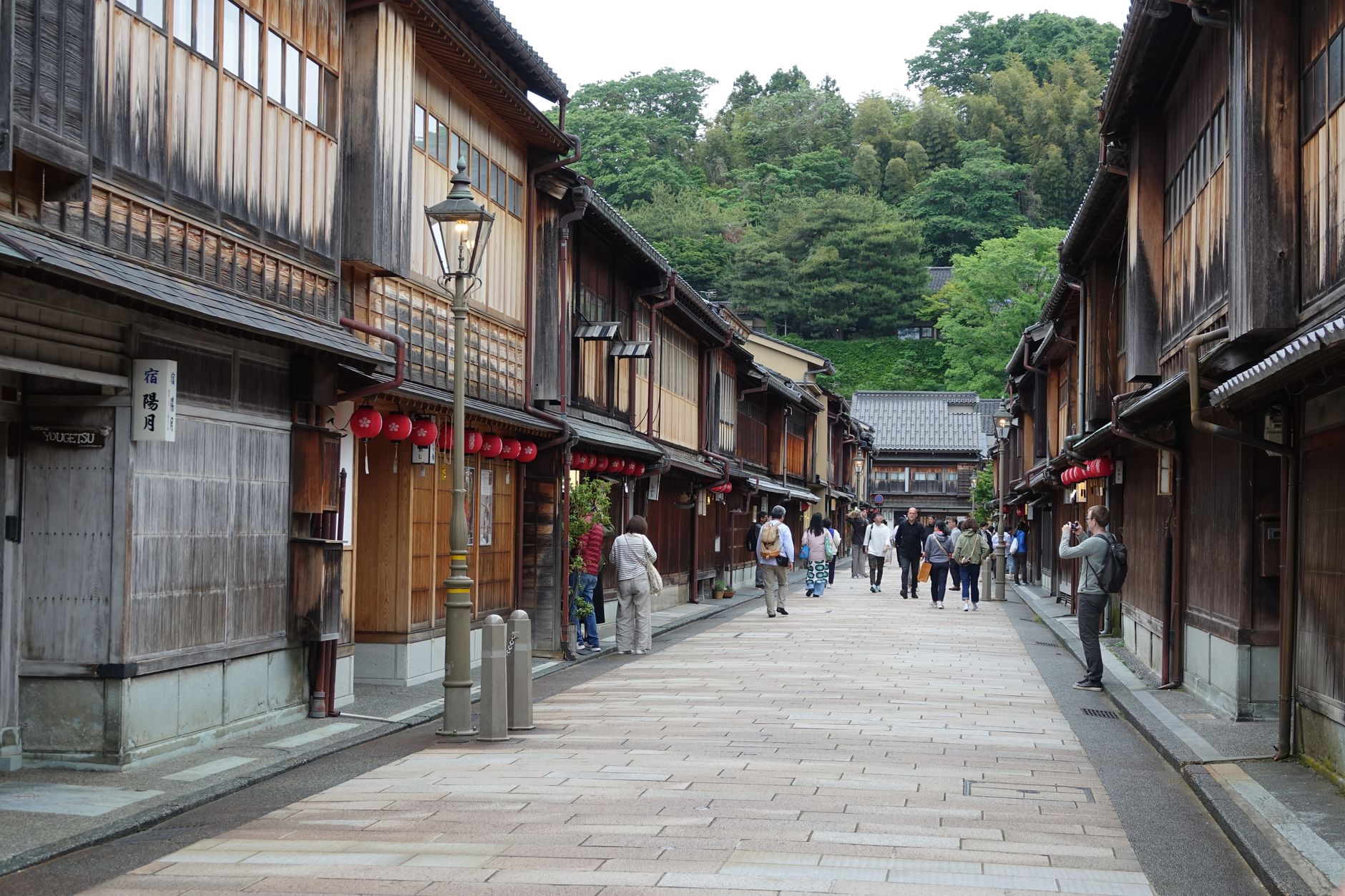
Explore the Labyrinthine Geisha Culture in Higashi Chaya

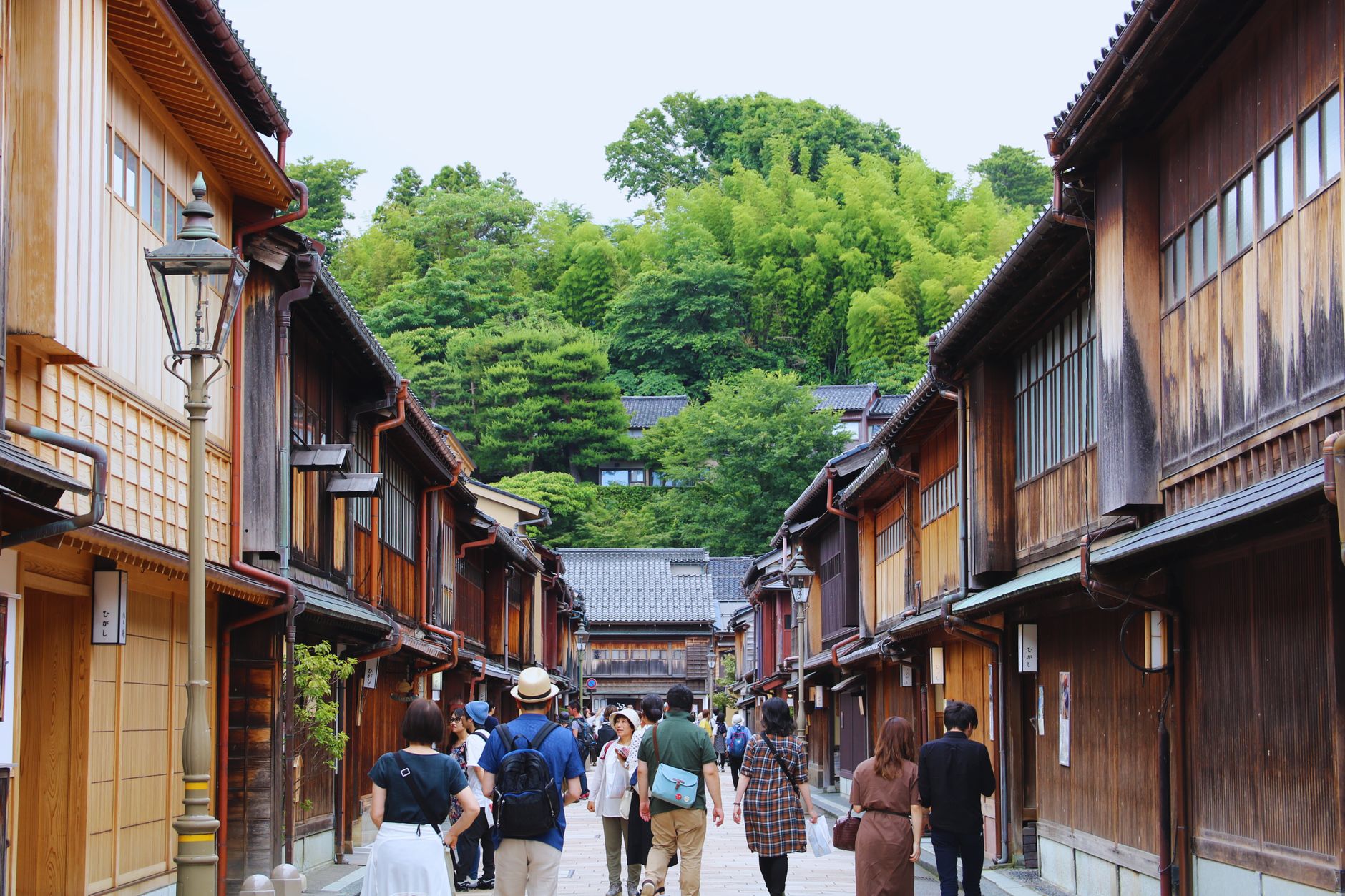
Step into a remarkably preserved 19th-century geisha district characterized by stunning two-story wooden machiya townhouses with fine lattice windows known as kimusuko. Wander the cobbled alleyways where the haunting notes of shamisen music still drift from traditional teahouses in the evening. Insider tip: Visit Shima Teahouse, a preserved historic geisha house turned museum, to experience authentic Edo-period architecture and enjoy ceremonial matcha served in gold-leaf-adorned bowls.

Culinary

Feast on Ultra-Fresh Seafood at Omicho Market

Known affectionately as 'Kanazawa's Kitchen' since the Edo period, this bustling indoor market hosts around 180 stalls selling everything from gleaming local seafood to mountain vegetables and artisanal pickles. Pull up a stool at a counter-seating sushi bar for an unforgettable breakfast or lunch featuring melt-in-your-mouth botan shrimp, sea urchin, and snow crab. Insider tip: Arrive by 9:00 AM to beat the lunch rushes and secure seats at the most popular conveyor-belt and counter sushi spots.

Culture

Try Your Hand at Gold Leaf Crafting

Kanazawa produces over 99% of Japan's gold leaf, a glittering heritage that decorates everything from temples to local sweets and cosmetics. Visit one of the city's specialty studios to learn the delicate art of applying micron-thin sheets of gold leaf to lacquerware or ceramics. Insider tip: Book a hands-on workshop in the Higashi Chaya district where you can decorate your own keepsake chopsticks or small dish to take home.

Must-See Highlights

Top Places & Things to Do in Kanazawa

Curated attractions and cultural landmarks with local insider advice.

Kenroku-en Garden
nature
4.85

Kenroku-en Garden

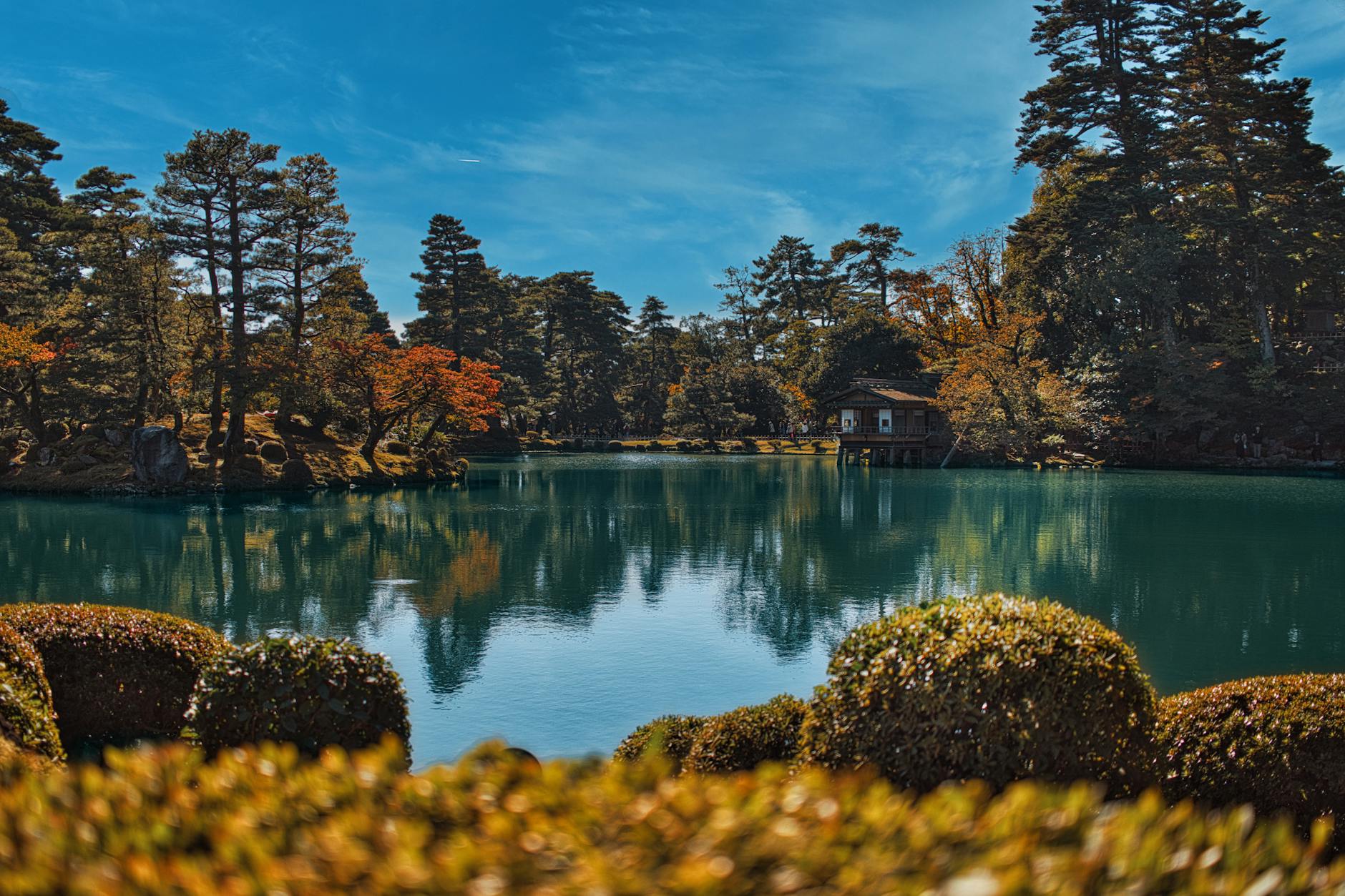
Kenroku-en is universally celebrated as one of Japan's most magnificent daimyo gardens, cultivated over nearly two centuries by the Maeda clan. Spanning sweeping grounds across from Kanazawa Castle, the garden exemplifies the six classic landscape design concepts—spaciusness, seclusion, artifice, antiquity, water courses, and magnificent panoramas—into a seamless sensory masterpiece. Visitors are led along winding paths past pristine ponds, cascading waterfalls, ancient plum groves, and historic tea houses. Standout features include the iconic two-legged Kotoji-toro lantern and the Karasaki pine trees, supported each winter by the intricate radial ropework known as yukizuri, creating an unforgettable silhouette against the winter snow.

7:00 AM – 6:00 PM (seasonal variations apply)
Admission: „320
Insider Tip: Purchase a combined ticket with Kanazawa Castle Park for a discounted admission rate. Hire an official volunteer guide at the main gate for deep historical context.
21st Century Museum of Contemporary Art
culture
4.65

21st Century Museum of Contemporary Art

Designed by the Pritzker Prize-winning architectural duo SANAA, this revolutionary circular museum completely reimagines the traditional gallery space. With a completely glass-walled circular exterior measuring 112 meters in diameter, the building features no singular front or back, inviting visitors to approach from all directions and dissolve the barrier between art and the surrounding urban park. The museum houses thought-provoking site-specific installations, including Leandro Erlich's famous interactive permanent installation 'The Swimming Pool,' where visitors can stand 'underwater' gazing up through shimmering water. The open, airy layout and welcoming public zones make it a vibrant gathering spot for locals and travelers alike.

10:00 AM – 8:00 PM (Closed Mondays)
Admission: Free public areas / „1200 special exhibitions
Insider Tip: Book timed-entry tickets online in advance if you wish to descend into the lower viewing deck of Leandro Erlich's swimming pool installation.
Kanazawa Castle Park
attraction
4.6

Kanazawa Castle Park

Dominating the city center, Kanazawa Castle was the opulent stronghold of the Maeda Lords from 1583 until the fall of the shogunate. Though repeatedly damaged by fires over the centuries, meticulous archaeological restoration has brought significant portions of the complex back to their magnificent, stark white-and-lead-tiled splendor. Visitors can freely wander the vast grassy baileys and tour the meticulously reconstructed Hishi Yagura (diamond-shaped watchtower), Hashizume-mon Tsuzuki Yagura, and Kahoku-mon Gate. Built entirely without nails using traditional joinery techniques, the interior offers an immersive glimpse into defensive feudal architecture and carpentry mastery.

9:00 AM – 4:30 PM
Admission: Free grounds / „320 interior buildings
Insider Tip: Enter through the Ishikawa-mon Gate, a stunning historical side gate that survived past fires and offers one of the best postcard views of the castle fortifications.
Omicho Market
food
4.5

Omicho Market

Operating since 1721, Omicho Market is the bustling commercial culinary heartbeat of Kanazawa, housing around 180 narrow-aisle stalls packed with the region's legendary marine bounty. From towering displays of crimson snow crab and sweet amaebi shrimp to glistening chunks of fatty tuna, the market showcases why the Sea of Japan is considered one of the world's richest fisheries. Beyond seafood, you will find stalls brimming with crisp Kaga vegetables, artisanal pickles, freshly pressed tofu, and seasonal fruits. A cluster of alleyway restaurants and sushi counters invites visitors to enjoy hyper-fresh meals directly prepared by veteran fishmongers.

9:00 AM – 5:00 PM (Varies by individual stall)
Admission: Free entry (Variable dining costs)
Insider Tip: Wear comfortable shoes as the covered arcade can get crowded, and bring cash as many smaller sushi stalls and produce vendors do not accept credit cards.
Area Guide

Where to Stay & Best Neighborhoods

Higashi Chaya & Kazuemachi

Best for: History buffs, photography enthusiasts, traditional tea ceremonies, and romantic evening strolls.

Vibe: Enchanting, historic, preserved wooden teahouse districts lining the Asano River.

These adjoining historic districts transport visitors directly back to the Edo period with their dark wood machiya facades, lantern-lit stone pathways, and traditional tea houses. During the day, the alleys hum with artisans selling gold-leaf ice cream and local crafts, while twilight brings a magical, hushed atmosphere as red lanterns glow and the faint sounds of traditional performances echo behind closed sliding doors.

Nagamachi Samurai District

Best for: Lovers of martial history, architecture, and tranquil pedestrian exploration.

Vibe: Quiet, exclusive, walled residential quarter once inhabited by high-ranking samurai retainers.

Tucked away behind towering earthen walls capped with clay tiles, the Nagamachi district retains the distinct layout of a feudal garrison town. Walking these narrow, labyrinthine lanes feels like stepping into a period drama. You can explore restored samurai residences complete with weaponry displays, private inner gardens, and running streams that once served as defensive moats.

Korinbo & Katamachi

Best for: Dining out, contemporary art lovers, shopping, and nightlife.

Vibe: Vibrant, cosmopolitan urban core blending high-end shopping, modern architecture, and buzzing nightlife.

Serving as Kanazawa's modern commercial and cultural heart, this area seamlessly bridges the gap between historical preservation and forward-thinking design. Dominated by the world-class 21st Century Museum of Contemporary Art, the district features sleek department stores, indie boutiques, chic cocktail bars, and an incredible density of outstanding izakayas and restaurants serving regional delicacies.

Food & Drink Scene

What to Eat in Kanazawa

Kaga Kaiseki Ryori

An exquisite multi-course culinary tradition unique to the former Kaga Domain, emphasizing seasonal ingredients from both mountain and sea, artistic presentation, and delicate broths. Prepared using local pottery and lacquerware, it is as much a visual feast as a gastronomic one.

šŸ“ Top spot: Tsubohachi or traditional ryokan dining rooms throughout Korinbo.

Nodoguro (Blackthroat Seaperch)

Often revered as the 'king of white-fleshed fish' in Japan, nodoguro is prized for its exceptionally high fat content, buttery texture, and rich, umami-packed flavor when lightly grilled or served as nigiri sushi.

šŸ“ Top spot: Morimori-zushi at Omicho Market.

Jibuni (Duck Stew)

Kanazawa's quintessential soul-warming comfort food consisting of thinly sliced duck meat coated in flour, simmered in a savory dashi broth with seasonal vegetables like lotus root, bamboo shoots, and mushrooms, crowned with a dollop of fresh wasabi.

šŸ“ Top spot: Asadaya or local historic dining spots near the castle.
Excursions

Best Day Trips from Kanazawa

Shirakawa-go Historic Thatched-Roof Village

1 hour 15 minutes by highway express bus

Journey into the remote Shogawa River valley to explore a UNESCO World Heritage village famous for its authentic gassho-zukuri ('constructed like hands in prayer') farmhouses, designed to withstand immense winter snowfalls. Wander among the alpine fields and visit open-air museums showcasing rural mountain life.

Noto Peninsula Coastal Exploration

1.5 to 2 hours by express train or rental car

Venturing north into the rugged, wave-battered Noto Peninsula reveals dramatic cliffs, terraced rice paddies tumbling into the sea (Senmaida), therapeutic hot spring towns like Wajima, and traditional morning markets famous for lacquerware and local crafts.

When to Go

Best Time to Visit & Seasonality

Editor’s Pick: Spring (March to May) and Autumn (September to November) offer the most pleasant weather, showcasing cherry blossoms and stunning autumn foliage respectively, with comfortable walking temperatures.

Spring Overview

(March - May)
Peak Crowds
Average Temperature & Climate8°C to 19°C

Crisp and clear, transitioning to mild, sunny days with occasional spring showers.

Crowd & Travel ConditionsPeak Tourist Traffic

Book hotels 3-6 months ahead.

✨ Seasonal Highlights:Cherry blossoms blooming across Kenroku-en Garden and Kanazawa Castle Park; annual Kanazawa Hyakumangoku Matsuri prelude events.
Travel Smarter

Practical Travel Essentials

CurrencyJPY (Ā„)
LanguageJapanese
Time ZoneGMT+9

Visa & Entry

Tourist visas are not required for passport holders from over 65 countries (including USA, Canada, EU, UK, Australia) for stays up to 90 days.

Getting Around & Transit

Kanazawa is exceptionally pedestrian-friendly, with the Kanazawa Loop Bus (Kenroku-en Shuttle) providing convenient, inexpensive transit between major tourist sights. Taxis and bicycle rentals are also widely available.

Daily Budget Expectation

„15,000 - „30,000 JPY per day covering comfortable accommodation, admission fees, casual lunches, and a high-end dinner.

Safety & Health

Extremely safe with exceptionally low rates of violent and petty crime, making night exploration completely worry-free.

Local Etiquette & Customs

Remove shoes when entering traditional ryokan, temples, and private homes; do not tip in restaurants; avoid walking while eating street food; use both hands when handing over credit cards or money.

Questions & Answers

Frequently Asked Questions about Kanazawa

2 to 3 full days are ideal to explore the major gardens, museums, historic geisha and samurai districts, and enjoy world-class dining without feeling rushed.