2026 GuideVoyage Roams Best in Travel: Top 10 Bucket List Destinations
Read Rankings
La Paz
citySouth America
4.85 / 5.0

La Paz

A dizzying metropolis of indigenous magic suspended between Andean peaks and endless skies.

Advertisement
Editorial Guide

About La Paz

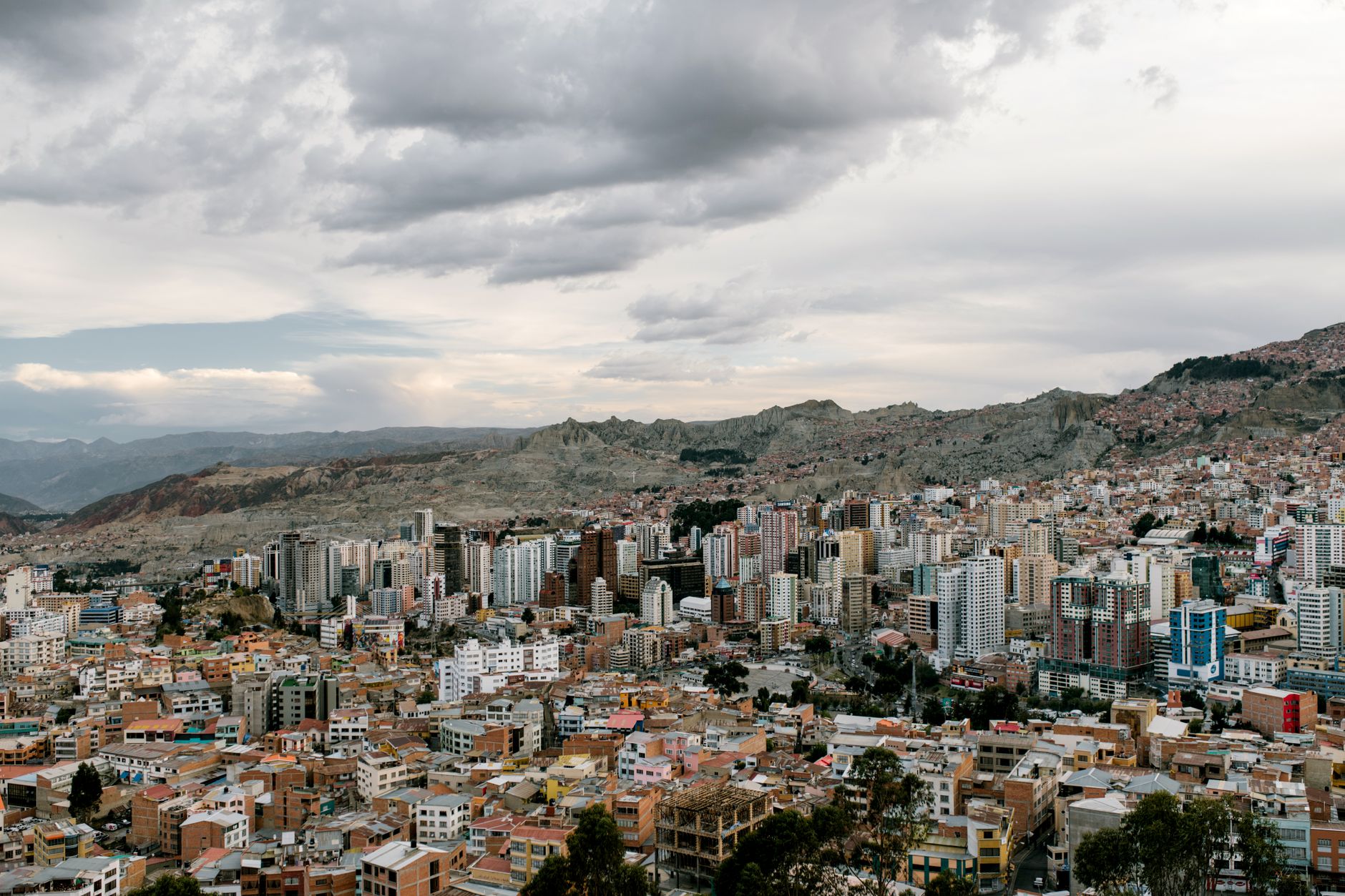
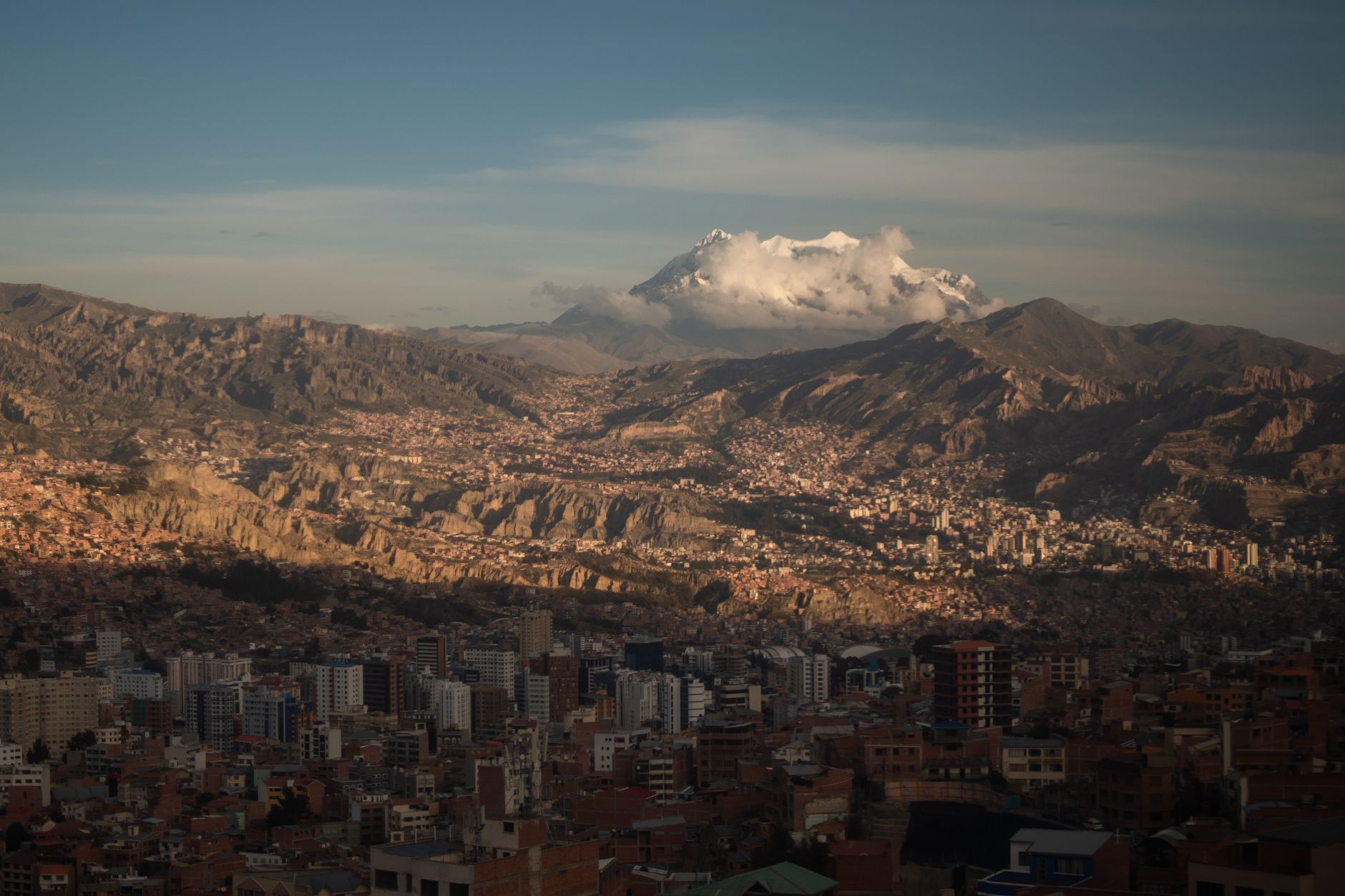
Spilling down the steep slopes of a dramatic canyon at an astonishing 3,640 meters above sea level, La Paz is a city that defies gravity and captivates the senses. Guarded by the snow-capped, triple-peaked Mount Illimani, this administrative capital of Bolivia is a striking tapestry of indigenous Aymara traditions, Spanish colonial architecture, and futuristic urban transit. The air here is thin, crisp, and sharp, carrying with it the scent of roasted street food, burning incense from ritual offerings, and diesel exhaust from the rumbling vintage microbuses that climb the city's vertical streets.

Historically, La Paz is a city forged in resilience. Founded by Spanish conquistadors in 1548 in a valley originally known as Chuquiago Marka, it served as a strategic hub along the silver transit route from Potosí. Over the centuries, it evolved into a crucible of political revolution and cultural preservation. Today, the city stands as a proud bastion of indigenous identity, where Cholitas in vibrant, layered pollera skirts and bowler hats walk alongside tech-savvy professionals, representing a dynamic fusion of ancestral pride and contemporary ambition.

The geography of La Paz dictates its social structure in a reverse of most global cities: the wealthier neighborhoods lie in the warmer, lower-altitude depths of the southern basin (Zona Sur), while the working-class districts claw their way up the canyon walls to the windswept altiplano of El Alto, situated at over 4,000 meters. Connecting these disparate worlds is the Mi Teleférico cable car system, a marvel of modern transit that glides silently above the urban chaos, offering riders breathtaking panoramas of a sprawling brick labyrinth beneath a brilliant blue sky.

To wander through La Paz is to experience a sensory overload. Street markets dominate entire neighborhoods, selling everything from hand-woven alpaca textiles and dried llama fetuses used for earth-goddess offerings to high-tech electronics and exotic Amazonian fruits. It is a city of sharp contrasts, where centuries-old witchcraft meets cutting-edge culinary innovation, and where the raw, rugged beauty of the surrounding Altiplano landscape frames an urban experience that is thoroughly unforgettable.

Visual Impressions & Moments

La Paz photo 1
La Paz photo 2
La Paz photo 3
La Paz photo 4
La Paz photo 5
La Paz photo 6
Unmissable Moments

Top Things to Do in La Paz

Must-Do

Soar over the Canyon on Mi Teleférico

Skip the congested streets and experience the world's highest and longest urban cable car network. Riding the interconnected lines—especially the Red (Roja), Yellow (Amarilla), and Silver (Plateada) lines—provides a bird's-eye view of the city's dramatic topography, social stratification, and the towering peak of Mount Illimani. It is best done in the late afternoon to witness the city transition from golden hour into a glittering basin of millions of lights.

Culture

Uncover Andean Mysticism at the Witches' Market

Navigate the steep, cobblestone alleyways of the Mercado de las Brujas (Witches' Market) in the El Rosario neighborhood. Here, local Yatiris (Aymara shamans) sell ritual items, including dried llama fetuses (used as buried offerings to the goddess Pachamama), medicinal herbs, magical amulets, and colorful sugar molds. Respectfully observe the ancient spiritual practices that coexist seamlessly with modern Catholic beliefs.

Adventure

Hurtle Down the Death Road on a Mountain Bike

For adrenaline seekers, descending the infamous Yungas Road—known as the 'Death Road'—is a rite of passage. Starting at the frigid, snow-dusted La Cumbre pass at 4,700 meters, you will plunge down a narrow, gravel road carved into sheer cliff faces, descending over 3,500 vertical meters into the warm, subtropical rainforest of Yolosa. Ensure you book with a highly reputable operator utilizing dual-suspension bikes.

Culture

Witness the Power of the Cholitas Luchadoras

Attend a bizarre and thrilling exhibition of Cholita Wrestling in El Alto. These matches feature indigenous Aymara women performing acrobatic, lucha libre-style wrestling maneuvers while wearing their traditional, multi-layered pollera skirts, embroidered shawls, and bowler hats. Originally a form of empowerment against domestic violence and social discrimination, it has evolved into a beloved cultural phenomenon and a riotous spectacle.

Area Guide

Where to Stay & Best Neighborhoods

Centro & El Rosario

Best for: First-time visitors, market explorers, and budget travelers.

Vibe: Chaotic, historic, and culturally rich.

The beating heart of La Paz, this area is a dense maze of colonial churches, bustling street markets, and historic plazas. Anchored by the colonial San Francisco Basilica and the political hub of Plaza Murillo, the neighborhood transitions into the steep lanes of El Rosario, home to the famous Witches' Market. It is loud, crowded, and heavily scented with street food, offering an unfiltered introduction to the city's vibrant energy.

Sopocachi

Best for: Foodies, digital nomads, and nightlife seekers.

Vibe: Bohemian, artistic, and cosmopolitan.

Sopocachi is a leafy, upscale neighborhood that serves as the artistic and intellectual hub of La Paz. Characterized by a mix of early 20th-century mansions and modern high-rises, it boasts the city's best selection of trendy cafes, craft beer bars, international restaurants, and art galleries. It is highly walkable and offers a more relaxed, bohemian alternative to the frenetic energy of the historic center.

Zona Sur (Calacoto & San Miguel)

Best for: Luxury travelers, families, and those adjusting to the altitude.

Vibe: Exclusive, modern, and warm.

Located at the bottom of the canyon, nearly 500 meters lower than the city center, the Zona Sur enjoys a noticeably warmer climate and richer oxygen levels. Neighborhoods like Calacoto and San Miguel are characterized by manicured avenues, high-end shopping malls, gated communities, and fine-dining establishments, including Gustu, one of South America's most celebrated restaurants. It offers a clean, secure, and highly comfortable environment.

Food & Drink Scene

What to Eat in La Paz

Salteña

Bolivia's national breakfast pastry is a culinary masterpiece. Unlike a typical empanada, a salteña is filled with a sweet and savory, gelatin-rich stew of beef or chicken, potatoes, peas, and raisins, encased in a thick, slightly sweet, baked dough. Eating one without spilling the rich broth down your chin is an art form—always eat it horizontally, using a spoon to catch the juices.

🍴 Top spot: Salteñería El Hornito, located near Sopocachi, or the classic Paceña La Salteña.

Sopa de Maní (Peanut Soup)

A comforting, velvety soup made from a base of ground raw peanuts, beef or chicken stock, potatoes, and peas, topped with crispy, thinly sliced french fries and a sprinkle of fresh parsley. It is a staple of traditional Bolivian midday meals, rich in flavor and incredibly satisfying in the cool mountain climate.

🍴 Top spot: Mercado Lanza (for an authentic, budget-friendly market stall experience) or El Vagón del Sur.

Anticucho

A beloved late-night street food consisting of thinly sliced beef heart skewered and flame-grilled over open coals. The meat is marinated in a spicy mixture of garlic, cumin, and vinegar, cooked rapidly to maintain tenderness, and served with a boiled potato and a generous dollop of spicy, creamy yellow peanut-and-chili sauce (llajua).

🍴 Top spot: The street vendors along Avenida 20 de Octubre in Sopocachi, who set up their grills after dark.
Excursions

Best Day Trips from La Paz

The Mysterious Ruins of Tiwanaku

2 hours each way by private vehicle or shared minibus (colectivo)

Explore the archaeological site of Tiwanaku, the capital of a powerful pre-Inca civilization that thrived between 500 and 1000 AD. Marvel at the monumental stone structures, including the Sun Gate (Puerta del Sol), the Akapana Pyramid, and the semi-subterranean temple featuring carved stone heads protruding from the walls. The precision of their stone-cutting techniques rivals that of the Incas.

The Otherworldly Landscapes of Valle de las Ánimas

45 minutes from the city center by taxi

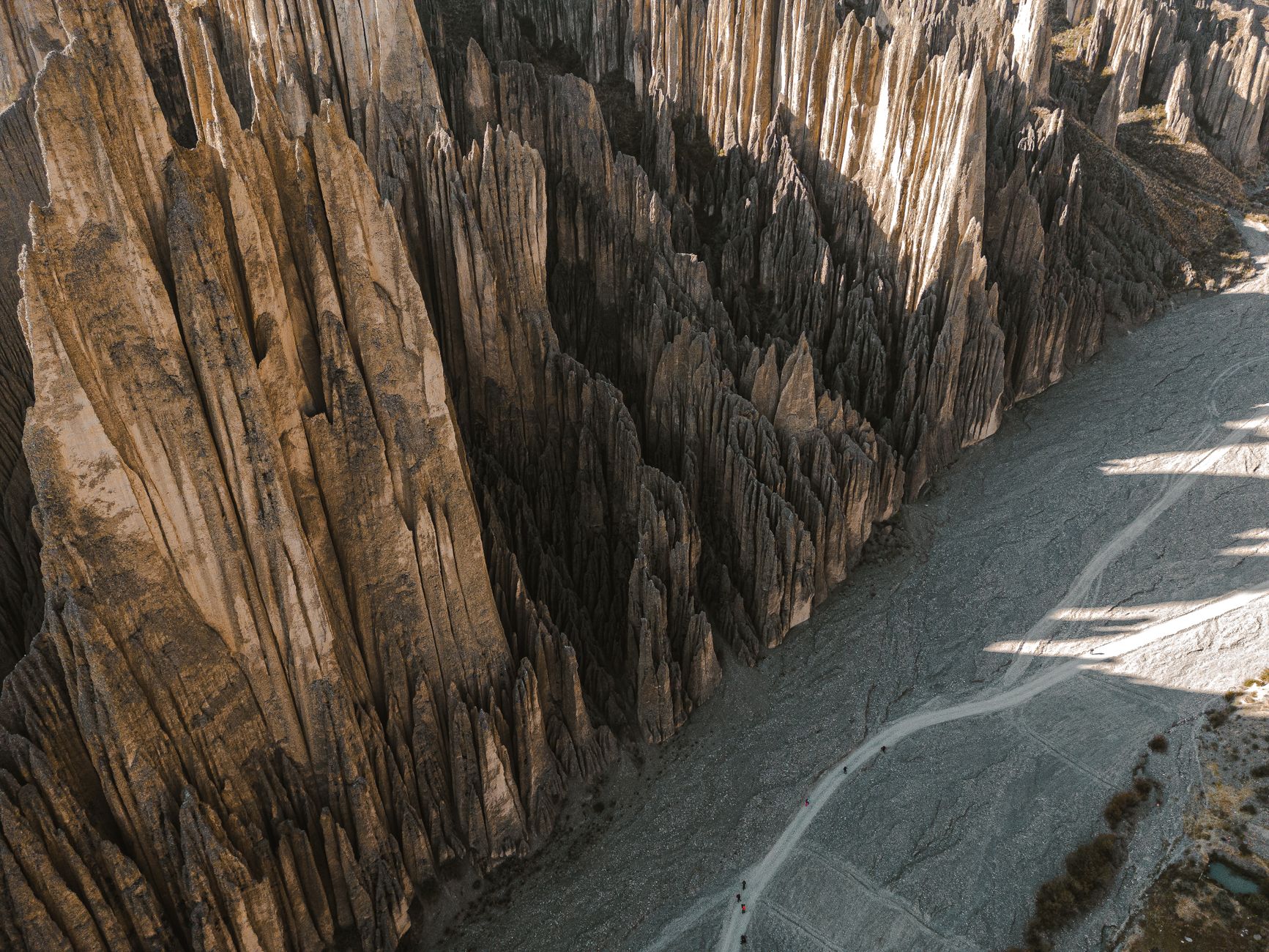
Escape the urban sprawl to hike through the Valley of the Souls, a dramatic geological formation featuring thousands of towering, needle-like clay and rock spires that resemble a petrified forest. Formed by millions of years of erosion, these jagged structures glow with deep red and ochre hues at sunset, offering a hauntingly beautiful, crowd-free hiking experience under the gaze of Mount Illimani.

When to Go

Best Time to Visit & Seasonality

Editor’s Pick: The absolute best time to visit La Paz is during the dry winter season, which runs from May to October. During these months, the Andean skies are an intense, cloudless blue, offering maximum visibility for mountain vistas and outdoor trekking. While daytime temperatures are pleasantly cool and sunny, nights can plummet below freezing, requiring warm layers. This period also coincides with major cultural festivals, including Gran Poder in late May or early June, making it the prime window for both cultural immersion and high-altitude adventures.

Spring Overview

(September - November)
Moderate
Average Temperature & Climate6°C - 17°C

Transition season with warming temperatures, increasing cloud cover, and occasional afternoon rain showers.

Crowd & Travel ConditionsModerate Tourist Traffic

Fewer lines and better deals.

✨ Seasonal Highlights:Fewer tourists, blooming flora in the lower valleys, and vibrant local celebrations like Todos Santos (All Saints' Day) in early November.
Travel Smarter

Practical Travel Essentials

CurrencyBoliviano (BOB)
LanguageSpanish, Aymara
Time ZoneGMT-4

Visa & Entry

Many nationalities, including citizens of the EU, UK, Canada, and Australia, do not require a visa for stays up to 90 days. US citizens require a Class II tourist visa, which can be obtained on arrival or in advance, requiring a fee of $160 USD, passport photos, and proof of yellow fever vaccination.

Getting Around & Transit

The safest and most scenic way to travel is via the Mi Teleférico cable car system. For ground transport, use registered radio taxis (ordered via phone or app like Yango) rather than hailing unmarked cars. Shared minibuses (trufis or colectivos) are cheap but chaotic, requiring you to read the signs on the windshield.

Daily Budget Expectation

$30 - $60 USD per day for mid-range travelers, covering comfortable accommodation, delicious local meals, cable car fares, and museum entries.

Safety & Health

La Paz is generally safe for vigilant travelers, but petty theft, bag-snatching, and pickpocketing are common in crowded markets like El Alto and around tourist hubs. Avoid walking alone at night in the historic center or El Alto, and beware of common scams involving fake police officers or distraction techniques.

Local Etiquette & Customs

Always greet people with a polite 'Buenos días' (Good morning) or 'Buenas tardes' (Good afternoon). Respect indigenous cultures; do not photograph Cholitas or ritual ceremonies without explicit permission. Tip 10% in sit-down restaurants, though it is not strictly mandatory in casual local eateries.

Questions & Answers

Frequently Asked Questions about La Paz

La Paz sits at 3,640m, and El Alto is over 4,000m. To avoid altitude sickness (soroche), rest for your first 24-48 hours, avoid alcohol and heavy meals, drink plenty of water, and try traditional coca tea (mate de coca). If symptoms persist, local pharmacies sell over-the-counter altitude pills (Sorojchi Pills).