About Macau
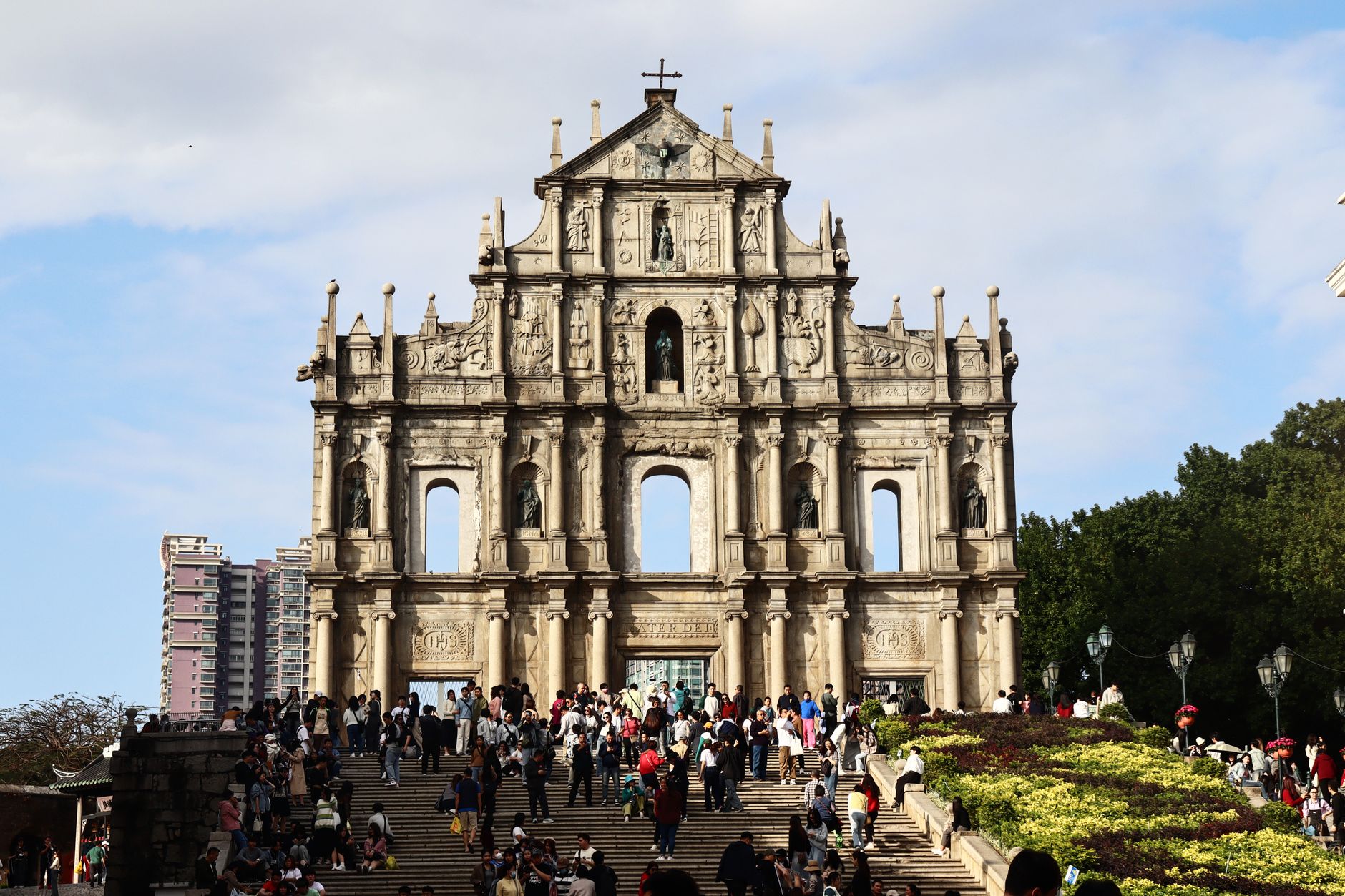
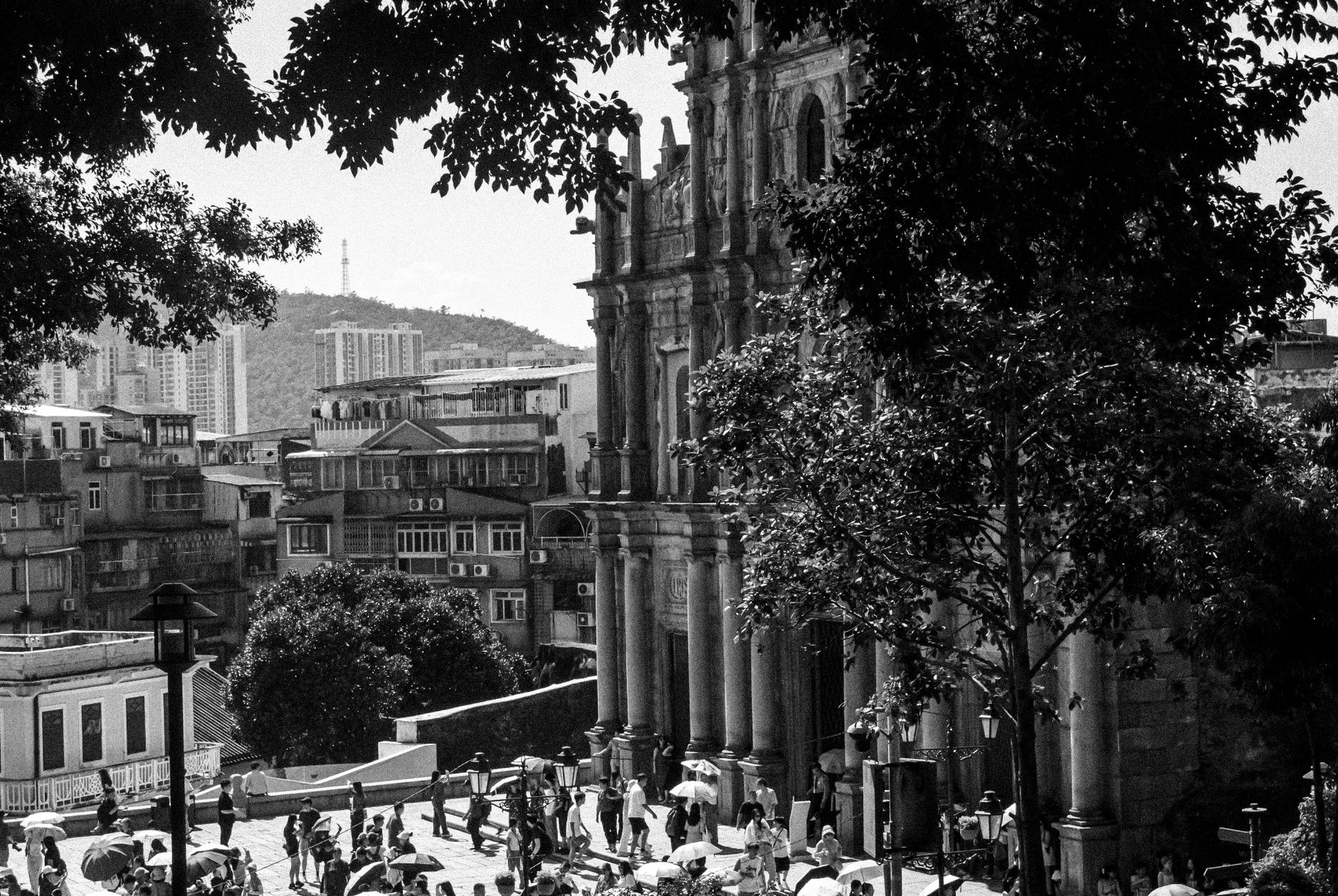
Macau is a city of startling juxtapositions, where centuries-old Mediterranean stone facades cast shadows over ultra-modern mega-resorts, creating a cultural tapestry found nowhere else on earth. As a former Portuguese colony that returned to Chinese sovereignty in 1999, its historic center is a UNESCO World Heritage labyrinth of pastel-colored colonial buildings, cobblestone lanes, and baroque churches seamlessly woven with ancient Chinese temples and traditional herbal shops. This unique historical convergence has birthed Macanese culture, a vibrant identity most famously expressed through its distinct creole cuisine, which blends Cantonese ingredients with spices brought by Portuguese sailors from Africa, India, and Malacca.
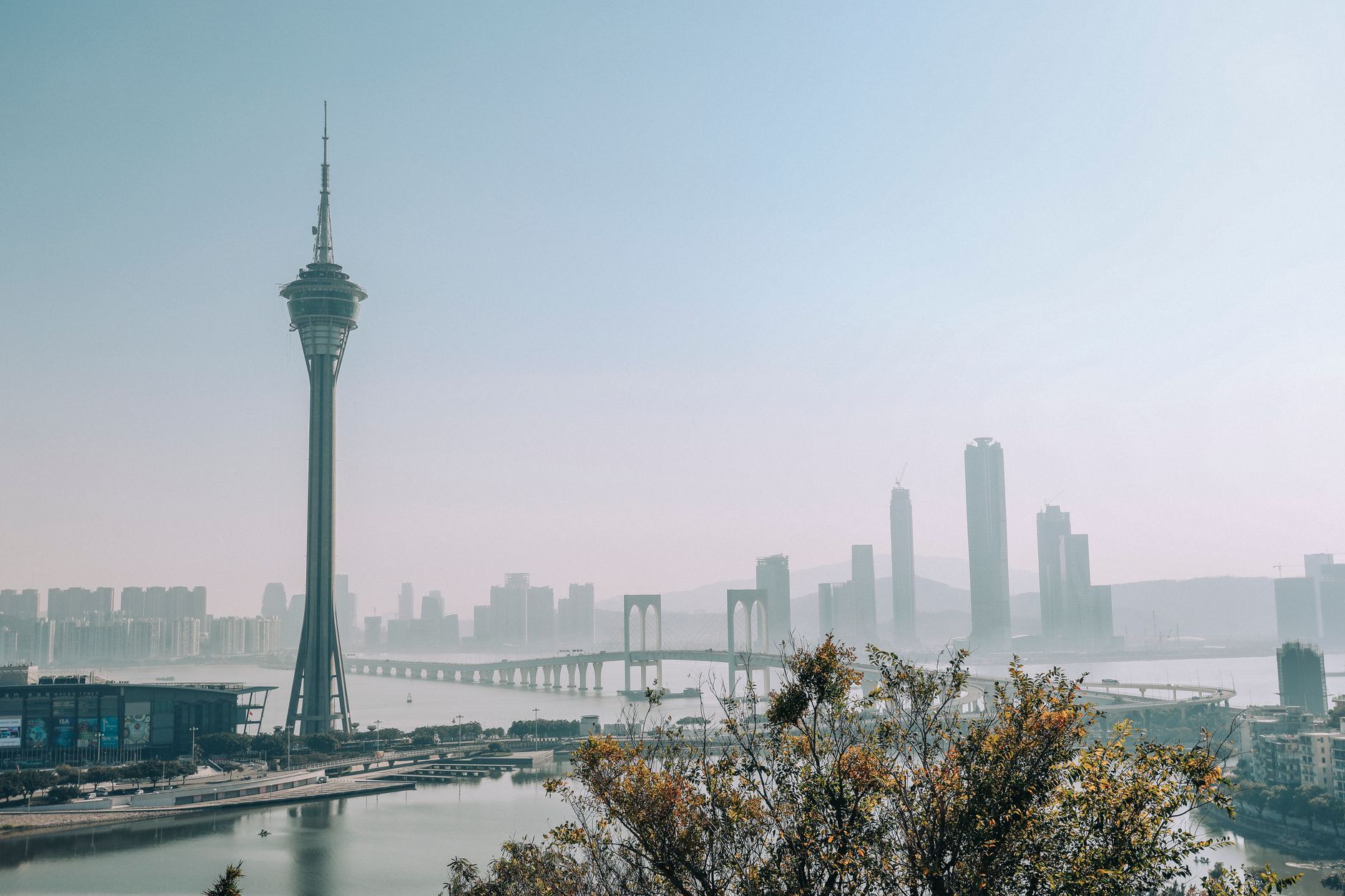
Beyond the historic alleys of the peninsula, Macau has transformed into the undisputed gaming and entertainment capital of the world, outstripping Las Vegas in scale and revenue. The Cotai Strip rises from reclaimed sea lands like an otherworldly oasis of cinematic architecture, housing iconic resorts, theatrical water shows, and world-class culinary destinations helmed by Michelin-starred chefs. Yet, stepping away from the glittering strip reveals quiet village life on Coloane Island, where salt-kissed breezes rustle through banyan trees, and locals queue patiently for freshly baked pastel de nata at roadside bakeries.
The geographical footprint of Macau comprises the Macau Peninsula, connected to the islands of Taipa, Cotai, and Coloane through a series of sweeping cross-sea bridges and reclamation zones. Despite its rapid urbanization, the enclave retains a distinct pace of life that oscillates between the frantic energy of casino floors and the tranquil serenity of hilltop pavilions overlooking the Pearl River Delta. From the aromatic wafts of almond cookies drifting down the Ruins of St. Paul's to the thunderous roar of the Macau Grand Prix echoing through historic street circuits, this dynamic territory offers an endlessly fascinating sensory journey.
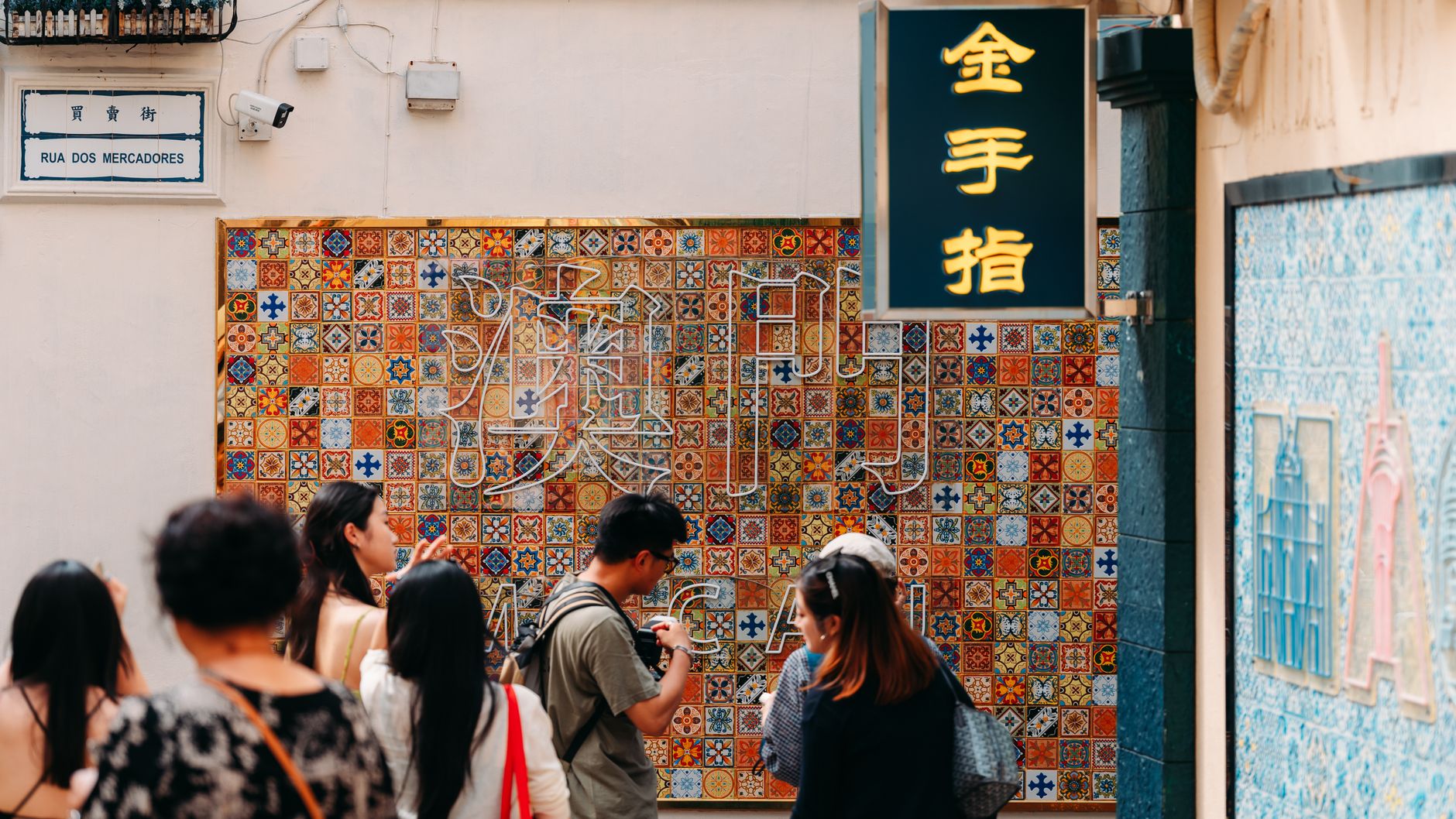
Local life in Macau is an intimate dance between East and West, observed in neighborhood markets where elders gossip over steaming bowls of congee beneath Portuguese street signs, and in colorful Taoist rituals performed inside temples dedicated to A-Ma, the Taoist goddess of seafarers. The climate is subtropical, infusing the city with warm, humid summers and mild, pleasant winters that encourage outdoor exploration. Whether you are seeking high-stakes glamour, centuries of architectural storytelling, or a deeply comforting culinary pilgrimage, Macau delivers an unforgettable, compact adventure.
Visual Impressions & Moments