🌟 Best in Travel 2026 is here!
Mallorca
islandEurope
4.88 / 5.0

Mallorca

The radiant jewel of the Balearics blending rugged mountain peaks, hidden turquoise coves, and timeless Mediterranean soul.

Advertisement
Editorial Guide

About Mallorca

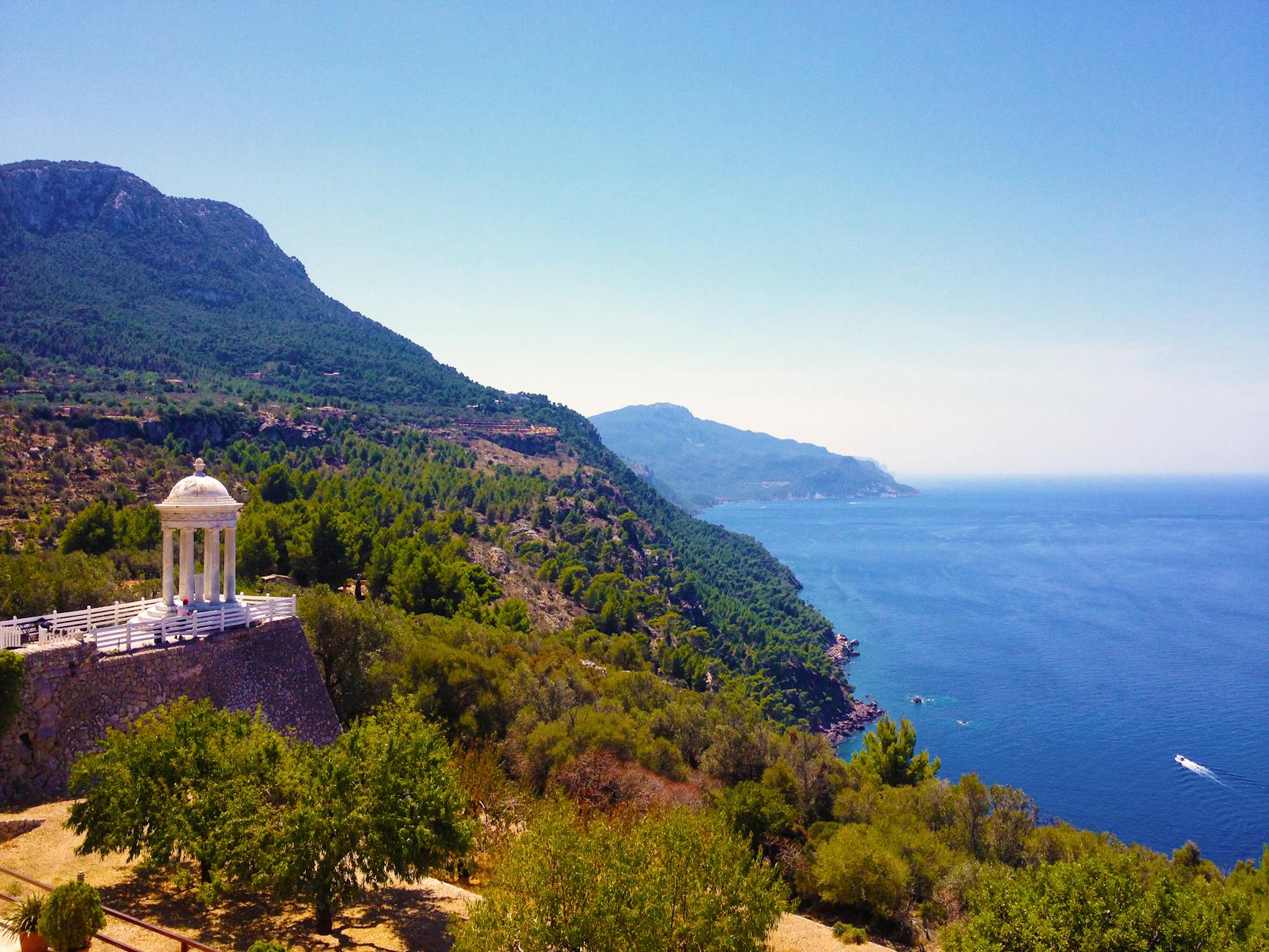
Mallorca, the largest of Spain's Balearic Islands, has long shaken off its reputation as a mere package-holiday resort to reclaim its rightful place as one of the Mediterranean's most sophisticated and culturally rich destinations. Rising dramatically from the azure sea, the island is a geographical tapestry defined by the rugged limestone peaks of the Serra de Tramuntana in the northwest—a UNESCO World Heritage site—and rolling central plains blanketed in ancient olive groves, almond orchards, and sun-drenched vineyards.

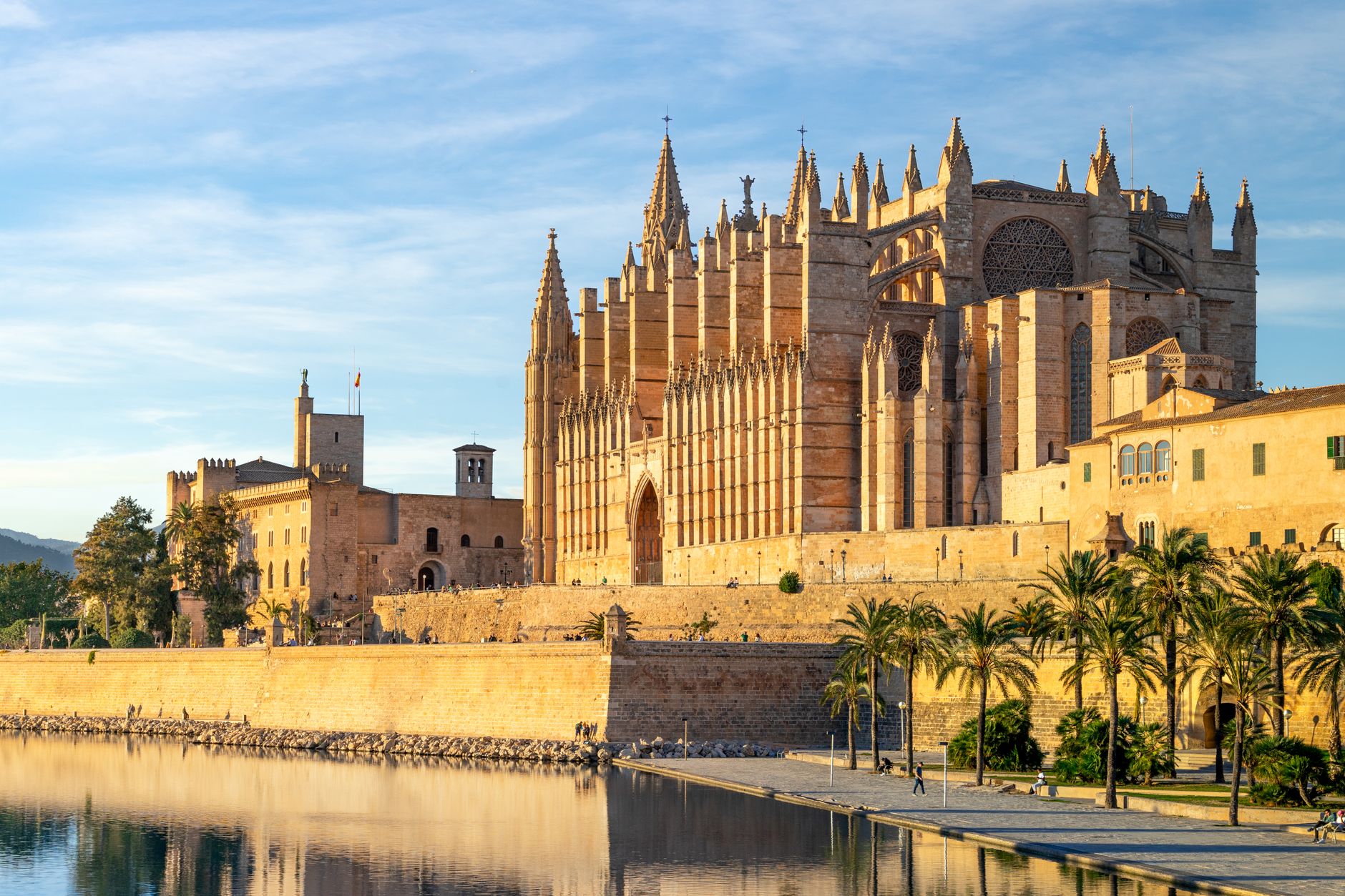
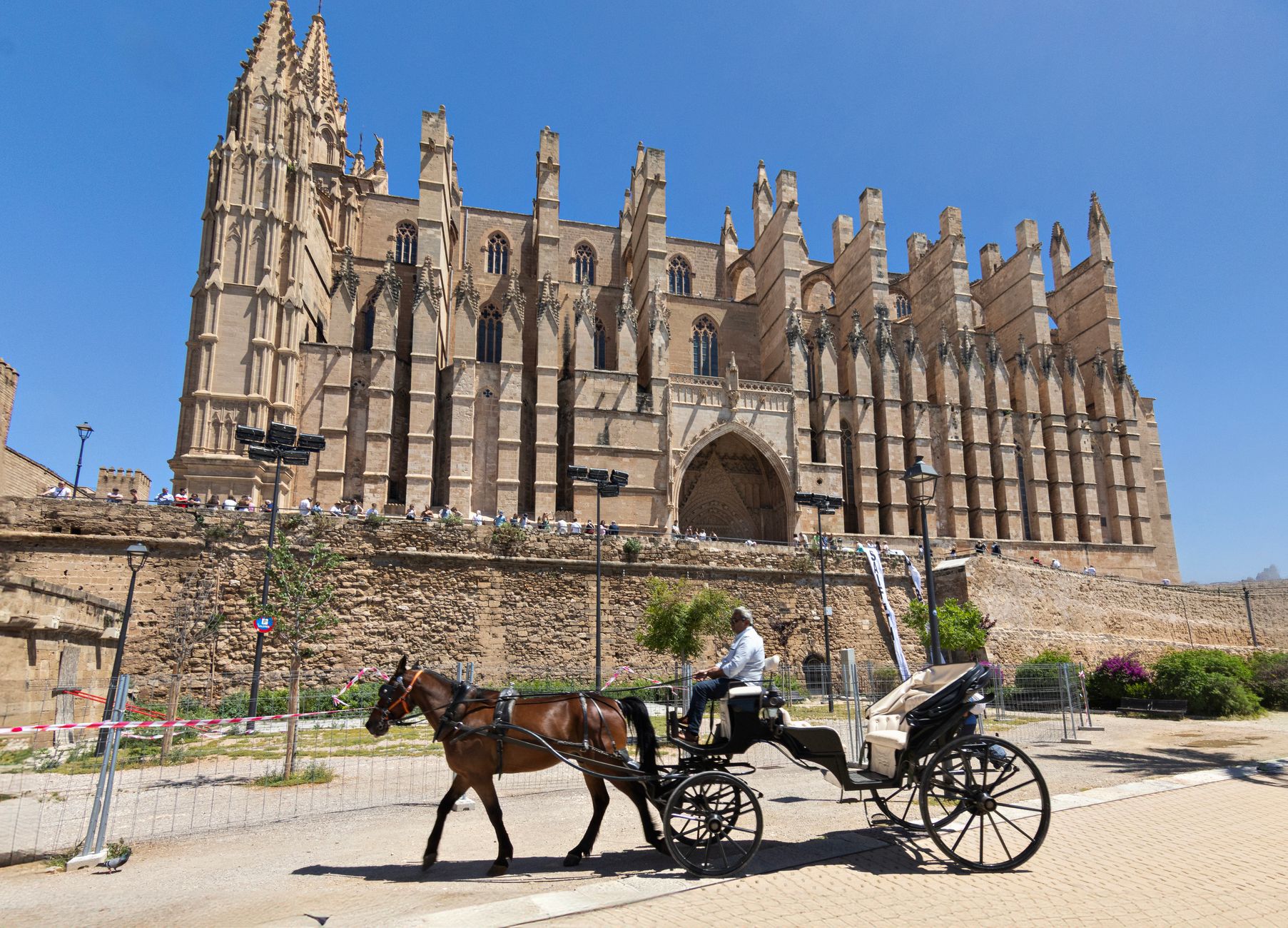
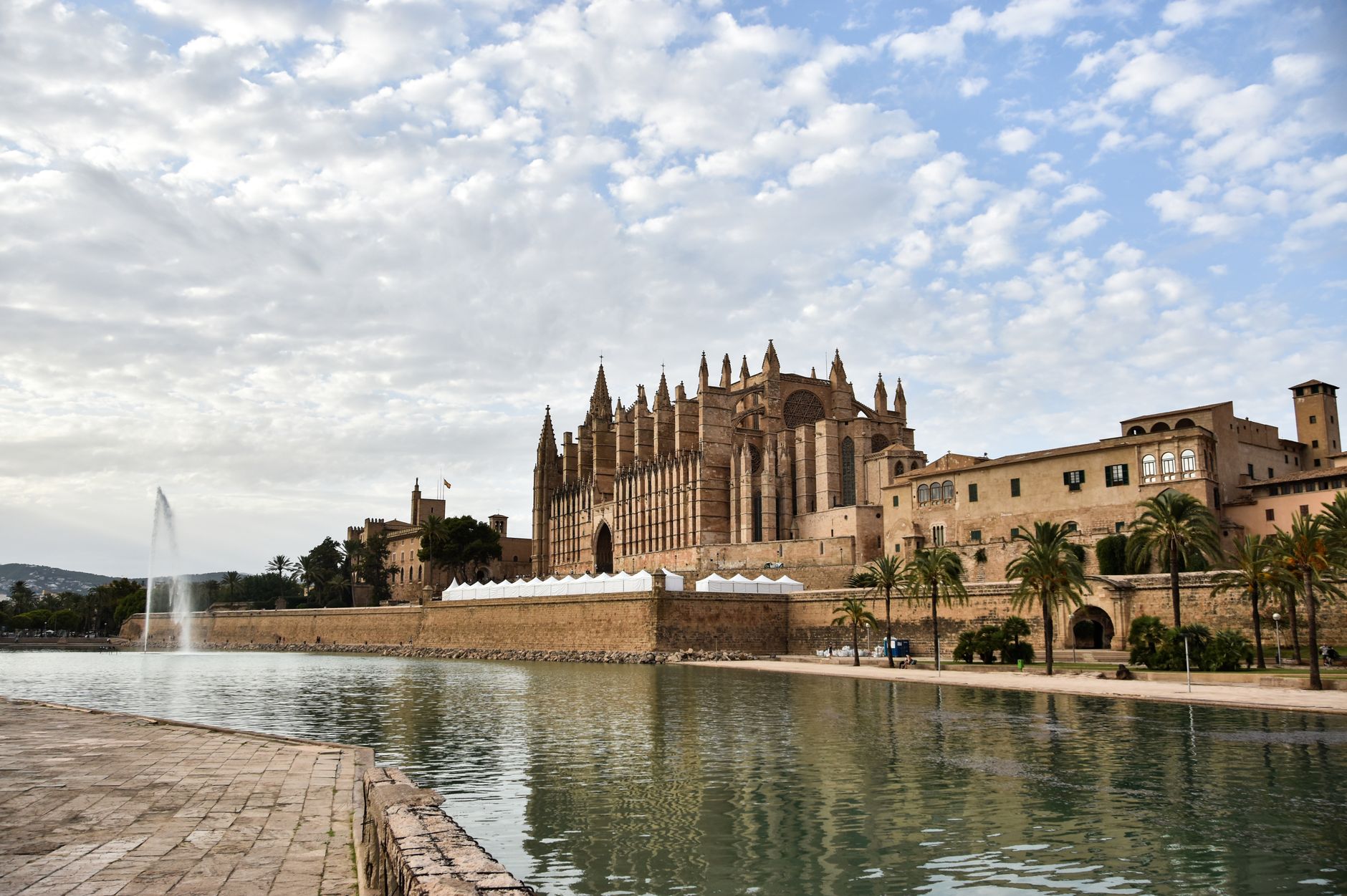
Historically a melting pot of civilizations, Mallorca bears the architectural and cultural imprints of Phoenicians, Romans, Moors, and the Crown of Aragon. This layered past is vividly alive today in the labyrinthine, honey-colored alleys of Palma, its cosmopolitan capital, where Gothic masterpieces like La Seu cathedral cast long shadows over bustling modernist squares, lively tapas bars, and discreet aristocratic courtyards.

Beyond the urban pulse, life on the island moves to a harmonious rhythm dictated by the seasons and the sea. Tiny, stone-built mountain villages like Deià and Valldemossa cling precariously to cliff sides, having inspired poets, painters, and musicians for centuries with their ethereal light and pine-scented breezes. Down at the coastline, a dizzying array of pristine shores awaits, ranging from wide, golden sand beaches to secret pebble coves—locally known as calas—where crystalline, neon-blue waters lap gently against dramatic sea cliffs.

Local life revolves around a deep appreciation for the land and the table. Mallorcan culture is fiercely proud of its distinct traditions, from colorful local fiestas featuring traditional folk dance to slow, lingering meals centered around autochthonous ingredients. Whether you are cycling the undulating coastal passes, foraging for wild herbs, or sipping a glass of robust indigenous wine as the sun dips below the horizon, Mallorca offers an intoxicating blend of rustic authenticity and effortless Mediterranean luxury.

Visual Impressions & Moments
Mallorca photo 1
Mallorca photo 2
Mallorca photo 3
Mallorca photo 4
Mallorca photo 5
Mallorca photo 6
Unmissable Moments

Top Things to Do in Mallorca

Adventure

Drive and Hike the Serra de Tramuntana

Navigate the legendary MA-10 highway, a masterpiece of engineering that snakes along the spine of the northern mountain range, featuring sheer drops and hairpin turns. Stop to hike segments of the historic Dry Stone Route (Ruta de Pedra en Sec), passing through ancient terraced olive groves. Insider Tip: Start your drive by 8:00 AM to have the viewpoints entirely to yourself before the tour buses arrive.

Must-Do

Sail to the Untouched Cove of Cala Varques

Escape the crowded commercial beaches by chartering a traditional llaut wooden boat or hiking through a fragrant pine forest to reach Cala Varques. This pristine, wild cove boasts powdery white sand and translucent turquoise waters framed by dramatic white cliffs and natural rock arches. Insider Tip: Bring your own snorkeling gear and plenty of fresh water, as there are no beach bars or commercial facilities here.

Culture

Wander the Historic Jewish Quarter and Cathedral in Palma

Immerse yourself in the atmospheric alleys of Palma's Old Town (Casco Antiguo), beginning with the awe-inspiring La Seu Cathedral, which juts dramatically over the harbor. Lose yourself in the labyrinthine streets of the ancient Call (Jewish Quarter), discovering hidden patios, centuries-old palaces, and artisan workshops. Insider Tip: Book a ticket to the cathedral's rooftop terraces for breathtaking panoramic views across the bay.

Culinary

Feast on Farm-to-Table Mallorcan Gastronomy in a Rural Finca

Experience Mallorca's agricultural revival by dining at a restored rural estate (finca) or agroturismo in the central Pla region. Savor heritage dishes crafted entirely from estate-grown produce, paired with exceptional local wines made from indigenous grapes like Manto Negro and Prensal Blanc. Insider Tip: Reserve a table at Bodega Ribas or local culinary gems weeks in advance for their seasonal tasting menus.

Area Guide

Where to Stay & Best Neighborhoods

Palma Old Town (Casco Antiguo)

Best for: Culture lovers, architecture enthusiasts, foodies, and city-break travelers.

Vibe: Historic Gothic architecture, bustling plazas, chic boutiques, and lively tapas bars.

A dense web of narrow, honey-colored pedestrian streets that radiate out from the majestic Palma Cathedral. Walking through the Old Town reveals stunning interior courtyards (patios) of aristocratic townhouses, avant-garde art galleries, high-end concept stores, and historic cafes where locals sip café con leche while watching the world go by.

Deià & Valldemossa

Best for: Romantic getaways, artists, writers, and luxury travelers seeking tranquility.

Vibe: Bohemian mountain chic, terraced olive groves, literary history, and stone-built romanticism.

Clinging dramatically to the steep slopes of the Serra de Tramuntana, these two mountain villages are havens of rustic elegance. Valldemossa enchants with its Carthusian monastery where Chopin once composed, while Deià offers a bohemian coastal charm, dramatic cliff walks down to a rocky cove, and world-class Michelin-starred dining nestled among ancient pine trees.

The Southeast Coast (Santanyí & Ses Salines)

Best for: Beachgoers, families, sailors, and seekers of relaxed Mediterranean charm.

Vibe: Blissful beach life, golden stone architecture, artisan markets, and untouched nature reserves.

Characterized by radiant golden sandstone villages and some of the island's most stunning crystal-clear bays, such as Cala Figuera and Es Trenc. This region offers a slower, sun-bleached pace of life, anchored by vibrant weekly markets, salt flats glowing pink in the sunset, and exceptional seafood restaurants right on the water's edge.

Food & Drink Scene

What to Eat in Mallorca

Sobrassada de Mallorca

A raw, cured, spreadable sausage made from select pork meat seasoned with paprika, salt, and black pepper. It possesses a melt-in-the-mouth texture and a complex, smoky, savory flavor profile.

🍴 Top spot: Mercat de l'Olivar, Palma

Ensaimada de Mallorca

An iconic, spiral-shaped pastry made from fermented sweet dough, lard, and dusted heavily with powdered sugar. Crispy on the outside, feather-light and flaky on the inside, often filled with sweet pumpkin strands (cabell d'àngel) or crema.

🍴 Top spot: Forn Fondo, Palma

Tumbet

Mallorca's answer to ratatouille, featuring layered slices of fried potatoes, aubergines (eggplant), and red bell peppers, smothered in a rich, slow-cooked tomato and garlic sauce. Often served as a hearty vegetarian main or alongside roasted lamb.

🍴 Top spot: Celler Ca'n Amer, Inca
Excursions

Best Day Trips from Mallorca

Soller Historic Train and Orange Valley

1 hour by vintage wooden train

Board a magnificent vintage wooden train from 1912 in Palma, which rattles and chugs through thirteen mountain tunnels before descending into the lush, citrus-filled valley of Sóller. Stroll through modernist squares, sample fresh orange juice, and take the historic tram down to the picturesque port of Port de Sóller.

The Dragon Caves of Drach (Coves del Drach)

1 hour by car from Palma

Journey to the east coast town of Porto Cristo to explore a vast subterranean wonderland of monumental stalactites and stalagmites. Descend deep underground to witness one of the world's largest subterranean lakes, Martel Lake, where classical musicians glide across the water on illuminated wooden boats playing live Chopin.

When to Go

Best Time to Visit & Seasonality

Editor’s Pick: The shoulder seasons of spring (April to June) and autumn (September to October) are undeniably the best times to visit Mallorca. During spring, the island is blanketed in millions of blossoming pink and white almond flowers, and the mild temperatures are ideal for hiking and cycling the Serra de Tramuntana without the intense summer heat. Autumn brings warm, swimmable sea temperatures, harvest celebrations in the vineyards, and a relaxed, unhurried atmosphere. July and August offer sizzling beach weather and vibrant nightlife, but come with peak crowds and premium pricing.

Spring Overview

(April – May)
Moderate
Average Temperature & Climate15°C to 23°C (59°F to 73°F)

Mild, sunny, with occasional refreshing sea breezes.

Crowd & Travel ConditionsModerate Tourist Traffic

Fewer lines and better deals.

✨ Seasonal Highlights:Almond blossoms in early spring, excellent cycling conditions, wildflower-covered hillsides, and peaceful village explorations.
Travel Smarter

Practical Travel Essentials

CurrencyEUR (€)
LanguageSpanish, Catalan (Mallorquín)
Time ZoneCentral European Time (CET, UTC+1 / CEST, UTC+2)

Visa & Entry

Mallorca is part of Spain and the European Union, falling within the Schengen Area. Citizens of the EU, US, Canada, UK, and Australia do not require a visa for tourist stays up to 90 days within any 180-day period.

Getting Around & Transit

Rent a car at Palma de Mallorca Airport (PMI) to truly explore the remote coves and mountain villages, as public transport is limited outside major towns. For city exploration, Palma is exceptionally walkable and has an efficient bus and metro network. Historic vintage trains and scenic wooden trams connect Palma to Sóller.

Daily Budget Expectation

A comfortable daily budget ranges from €120 to €250 per person, covering a mid-range boutique hotel or agroturismo, rental car, casual lunches, and a sit-down dinner with local wine. Luxury travelers can easily scale past €500+ per day.

Safety & Health

Mallorca is an extremely safe destination with low rates of violent crime. Petty theft, particularly pickpocketing in crowded tourist areas of Palma and on busy beaches, is the primary concern. Exercise standard precautions with your belongings.

Local Etiquette & Customs

Mallorcans are warm, polite, and proud of their regional identity. While Spanish is universally spoken, greeting locals with a cheerful 'Bon dia' (Good morning in Catalan/Mallorquín) or 'Hola' is deeply appreciated. Dress modestly when visiting churches or rural villages away from the beach.

Questions & Answers

Frequently Asked Questions about Mallorca

While public buses connect major towns and Palma's airport, renting a car is highly recommended if you want to discover secluded coves, hidden mountain villages, and rural fincas that are inaccessible by public transit.