🌟 Best in Travel 2026 is here!
Marseille
cityEurope
4.75 / 5.0

Marseille

France's sun-drenched, multicultural coastal metropolis where the Mediterranean meets raw, unbridled spirit.

Advertisement
Editorial Guide

About Marseille

Founded by Greek sailors from Phocaea around 600 BC as Massalia, Marseille is France's oldest city and its most vibrant, defiant melting pot. For over two and a half millennia, its sprawling natural harbor has served as a gateway between Europe, North Africa, and the wider Mediterranean, shaping a character distinct from the rest of hexagonal France. Here, the scent of sea salt, pine, and pastis mingles with North African spices and the sharp tang of local garlic-laden stews, creating an immersive sensory tapestry that refuses to conform to Parisian sensibilities.

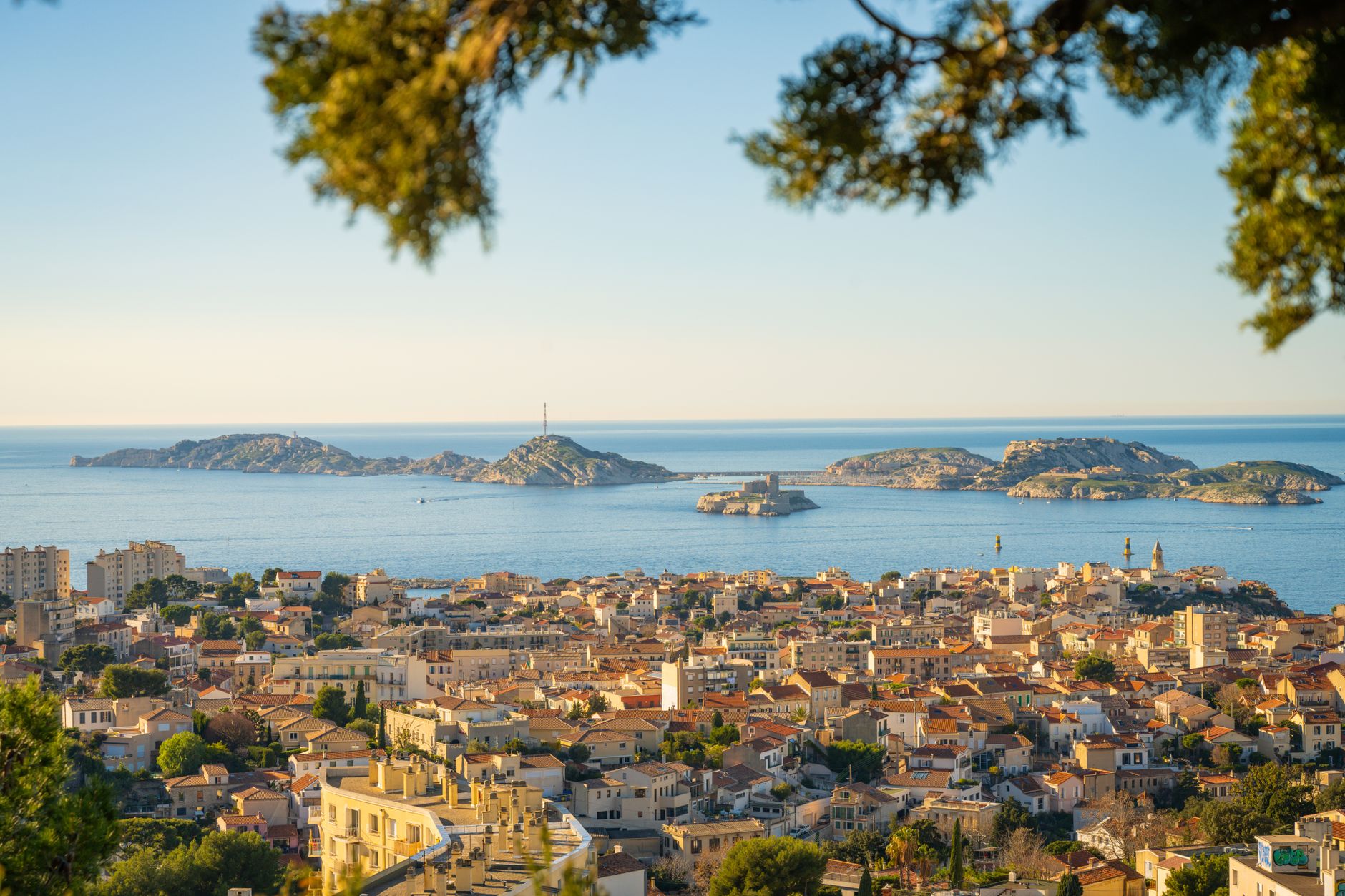
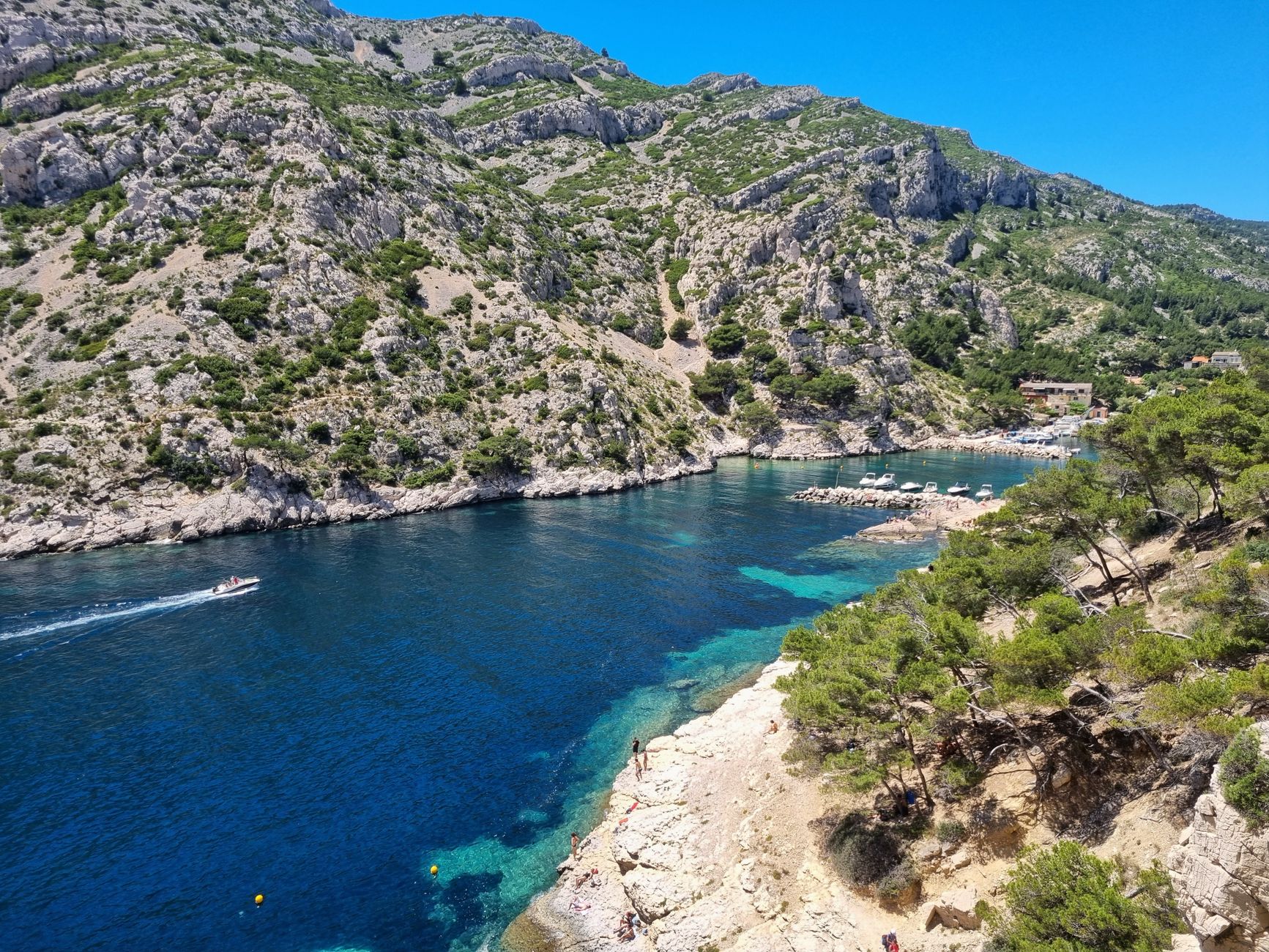
Geographically, Marseille is framed by a dramatic collision of stark limestone mountains and deep, electric-blue sea. The rugged calanques—fiord-like limestone inlets plunging into crystalline waters—carve out an untamed wilderness on the city's southern doorstep, offering a breathtaking contrast to the urban grit. The topography creates natural amphitheaters, where neighborhoods cascade down hillsides toward the glittering expanse of the Mediterranean, bathing the pastel facades and terracotta roofs in a legendary, golden Provençal light.

Culturally, Marseille is a mosaic of identities shaped by successive waves of immigration from Italy, Corsica, Armenia, North Africa, and the Comoros. This multicultural legacy pulses through its daily life, visible in the bustling stalls of the MarchĂŠ de Noailles, the lively soccer matches echoing across the Vieux-Port, and an unapologetically outspoken local demeanor. Far from being a sanitized museum city, Marseille wears its history, its social complexities, and its economic struggles openly, resulting in an authenticity that is increasingly rare in modern Europe.

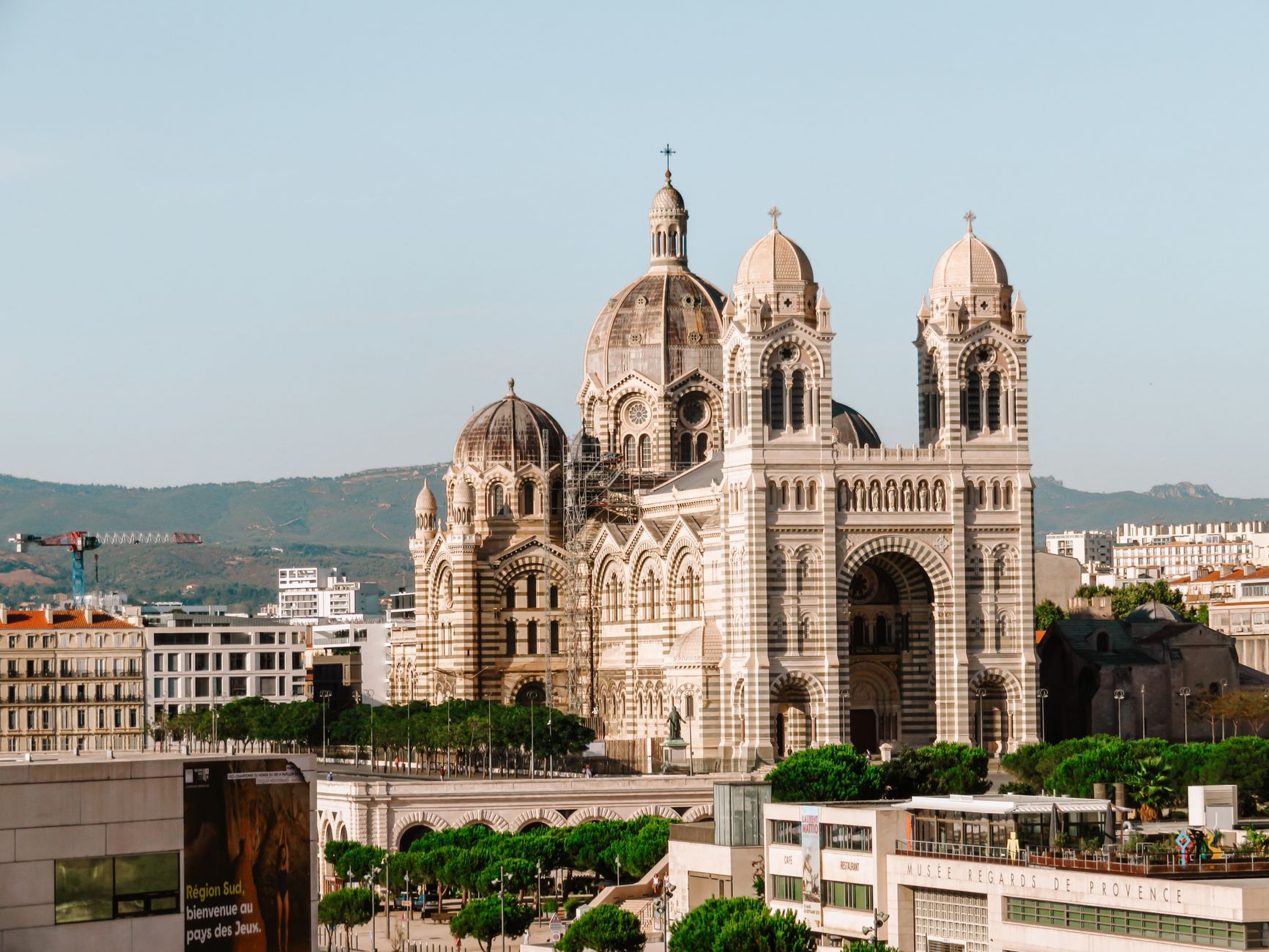
In recent decades, the city has undergone a remarkable cultural renaissance, spearheaded by its tenure as the European Capital of Culture in 2013. World-class architectural interventions, such as the stunning MuCEM (Museum of European and Mediterranean Civilisations) designed by Rudy Ricciotti, have integrated seamlessly with historical fortresses like Fort Saint-Jean. Yet, despite urban renewal and the influx of creative entrepreneurs, the soul of Marseille remains firmly anchored in its maritime traditions, its sun-bleached squares, and the resilient warmth of its people.

Visual Impressions & Moments
Marseille photo 1
Marseille photo 2
Marseille photo 3
Marseille photo 4
Marseille photo 5
Marseille photo 6
Unmissable Moments

Top Things to Do in Marseille

Adventure

Hike the Untamed Trails of Parc National des Calanques

Venture into the limestone cliffs south of the city where steep white canyons plunge into neon-turquoise waters. Lace up sturdy hiking boots to traverse trails from Cassis or Marseille-veyre down to secluded coves like Calanque d'En-Vau. Go at dawn to catch the golden light on the rock faces and have a secluded pebble beach entirely to yourself before the midday heat sets in.

Must-Do

Witness the Sunrise and Fisherman's Catch at the Vieux-Port

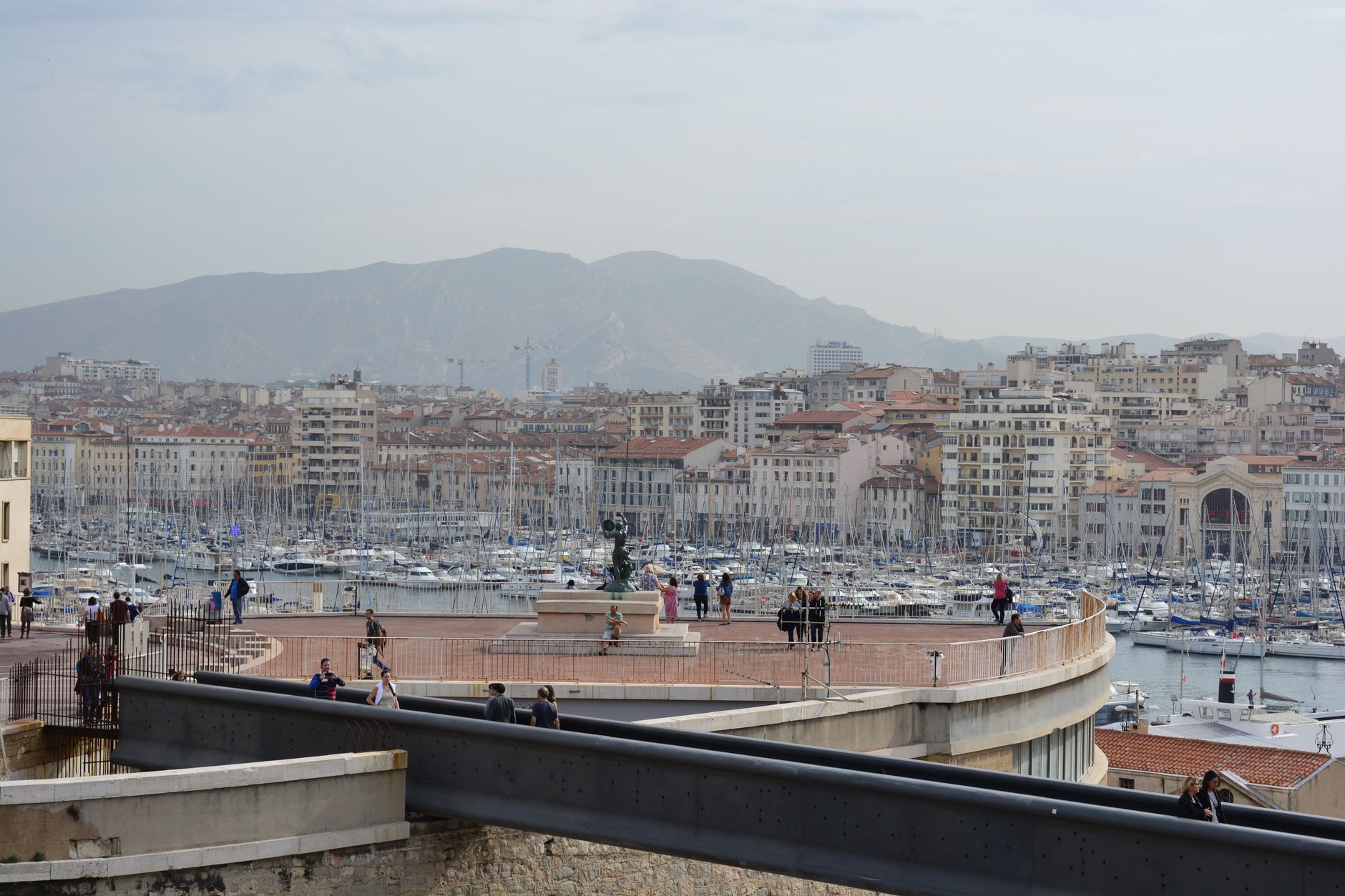
Experience the beating heart of Marseille at the historic Old Port as the sun crests over the fortresses. Watch local fishermen lay out their morning catch directly on the stone quays, selling sea urchins, red mullet, and octopus straight from their wooden skiffs. Follow this up with a cafĂŠ au lait and a warm navette pastry at a harborside terrace.

Culinary

Savor Authentic Bouillabaisse in Le Vallon des Auffes

Indulge in Marseille's iconic, ritualistic fish stew at a traditional seaside auberge tucked away in the picturesque fishing cove of Le Vallon des Auffes. Made with multiple species of rockfish, saffron, fennel, and rouille spread on toasted bread, this dish is a culinary masterclass. Be sure to book weeks in advance and expect a multi-course dining experience.

Culture

Explore the Labyrinthine Alleys and Street Art of Le Panier

Wander through Marseille's oldest district, a steep hillside neighborhood of ochre-washed buildings, wrought-iron balconies, and cascading bougainvillea. Le Panier is a vibrant open-air gallery where independent art studios, ceramic workshops, and political murals coexist. Stop at Place de Lorette for a glass of pastis and watch neighborhood life unfold at a leisurely pace.

Must-See Highlights

Top Places & Things to Do in Marseille

Curated attractions and cultural landmarks with local insider advice.

Château d'If
culture
4.3

Château d'If

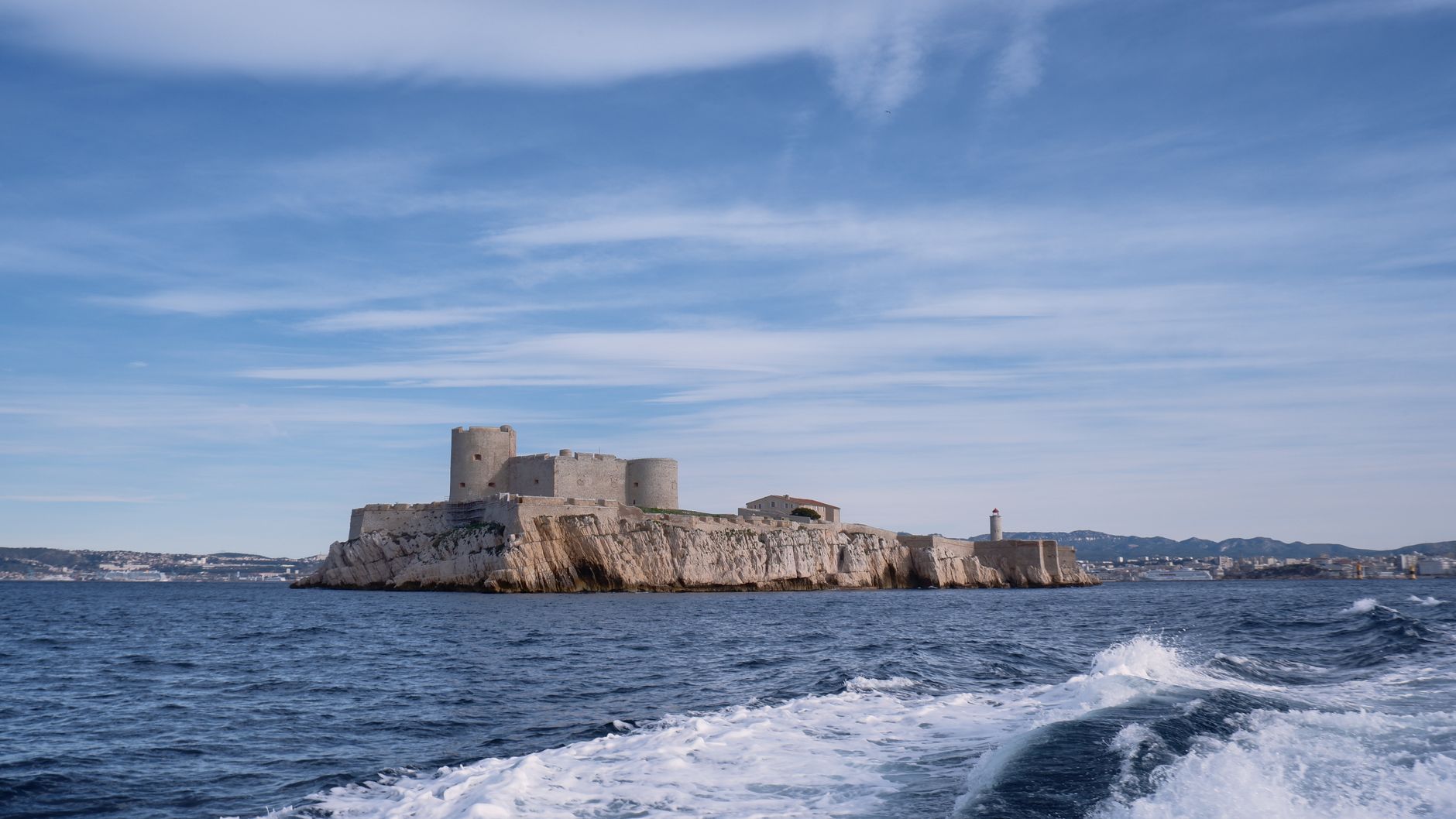
Rising defiantly from a barren limestone islet in the Frioul archipelago, this formidable 16th-century fortress was originally built by King François I to defend the coast. It soon gained notoriety as a dreaded island prison due to fierce currents and inescapable isolation. Its fame skyrocketed worldwide when Alexandre Dumas immortalized it as the fictional incarceration site of Edmond Dantès in his classic adventure novel, 'The Count of Monte Cristo'. A short ferry ride from the Vieux-Port brings visitors to the island to explore dark, damp dungeons, climb watchtowers, and learn about the real and fictional prisoners held within its thick stone walls. The boat journey itself also offers classic perspectives of Marseille's skyline framed against the blue waters of the gulf.

10:00 AM – 5:30 PM (Varies by season, closed in high winds)
Admission: €7.50
Insider Tip: Check ferry operations before heading down to the port; crossings to Château d'If and the Frioul Islands are frequently suspended when the Mistral wind blows strongly.
Parc National des Calanques
nature
4.9

Parc National des Calanques

A pristine wilderness stretching along 20 kilometers of jagged coastline between Marseille and Cassis, the Calanques National Park is a geological wonderland. Sheer white limestone cliffs drop precipitously into remarkably clear, emerald and sapphire sea inlets. Protected both on land and underwater, this dramatic landscape supports rare endemic plants, nesting seabirds, and thriving marine ecosystems accessible primarily on foot or by boat. From rugged coastal hikes through pine forests to rock climbing and snorkeling in secluded calanques like Sormiou, Morgiou, and En-Vau, the park is an outdoor lover's paradise. It offers a radical escape from the urban density of the city, plunging visitors into raw, elemental Mediterranean nature.

Open 24/7 (Access restricted during high fire-risk summer days)
Admission: Free
Insider Tip: Always check the official prefecture website during summer before hiking; access to the park is strictly regulated or closed on hot, windy days to prevent catastrophic wildfires.
Area Guide

Where to Stay & Best Neighborhoods

Le Vieux-Port & Le Panier

Best for: First-time visitors, history buffs, food lovers, and photography enthusiasts

Vibe: Historic maritime core, bustling quays, steep staircases, and bohemian creative spaces

Spanning from the bustling Vieux-Port—where masts of sailboats create a dense forest against the skyline—up into the ancient labyrinth of Le Panier, this is the historic soul of Marseille. Walking here means navigating narrow, laundry-strung alleys that echo with centuries of maritime trade, punctuated by hidden squares, artisan workshops, and architectural landmarks like the Vieille Charité.

La Corniche & Endoume

Best for: Romantic getaways, sea-view dining, swimming, and scenic coastal strolls

Vibe: Dramatic coastal cliffs, Belle Époque villas, hidden coves, and relaxed seaside living

Clinging to the rocky southern coastline, the Corniche John Fitzgerald Kennedy offers one of the most scenic urban drives in Europe, flanked by the longest bench in the world. Neighborhoods like Endoume and the picturesque fishing hamlet of Vallon des Auffes provide a tranquil counterpoint to the city center, featuring secret staircases leading down to hidden swimming spots and exceptional seafood trattorias.

La Plaine & Cours Julien

Best for: Nightlife, street art aficionados, vintage shopping, and indie food scenes

Vibe: Gritty, bohemian, alternative, artistic, and fiercely independent

Perched on a plateau just above the bustling center, Cours Julien and La Plaine form the creative epicentre of modern Marseille. Covered entirely in colorful street art, wheat-pastes, and murals, the area buzzes with independent bookstores, record shops, organic wine bars, and terrace cafĂŠs packed with artists, students, and musicians until the early hours.

Food & Drink Scene

What to Eat in Marseille

Bouillabaisse

A legendary Provençal fish stew born from the frugal practices of local fishermen who cooked unsellable rockfish in a cauldron with fennel, garlic, tomatoes, and saffron. Today, it is a culinary ritual served in two courses: first the intensely flavored broth with toasted bread smeared in spicy rouille and gruyère, followed by the presentation and carving of the whole poached fish.

🍴 Top spot: Chez Fonfon (Vallon des Auffes)

Panisses

Golden, crisp-on-the-outside, creamy-on-the-inside chickpea flour fritters shaped into cylinders, sliced, and fried. Inherited from neighboring Liguria, Italy, these savory snacks are best enjoyed piping hot straight from a paper cone while strolling along the waterfront at sunset, sprinkled with sea salt.

🍴 Top spot: L'Epuisette or local street food stalls around Vieux-Port

Navettes de Marseille

Boat-shaped, hard, sweet biscuits flavored with orange blossom water, symbolizing the arrival of the saints in Provence by boat. Baked since the 18th century, they have a distinctive golden crust and a crumbly, fragrant interior that pairs perfectly with afternoon espresso.

🍴 Top spot: Four des Navettes (the city's oldest bakery near Abbey of St. Victor)
Excursions

Best Day Trips from Marseille

The Provencal Port of Cassis & Calanques Cruise

25 mins by train or 40 mins by bus

Take a short journey east over the dramatic Cap Canaille cliffs to the pastel-hued fishing port of Cassis. Wander its sophisticated harbor, sample crisp local white wines, and board a boat tour to marvel at the towering limestone calanques of Port-Miou, Port-Pin, and En-Vau from the sea.

Aix-en-Provence: Art, Fountains, and Aristocratic Elegance

40 mins by train or direct bus

Escape the coastal bustle for the refined university town of Aix-en-Provence. Stroll down the plane-tree-shaded Cours Mirabeau, admire baroque fountains, explore the studio of Post-Impressionist master Paul CĂŠzanne, and browse the vibrant open-air food markets filled with truffles, cheeses, and lavender.

When to Go

Best Time to Visit & Seasonality

Editor’s Pick: The ideal time to visit Marseille is during the shoulder seasons of spring (May to June) and early autumn (September to October). During these months, the summer tourist crowds have thinned, the blistering heat of July and August subsides to pleasant warmth, and the sea remains invitingly warm for swimming. Spring brings blooming wildflowers to the Calanques, while autumn coincides with grape harvests in nearby vineyards and balmy evenings perfect for harborside dining.

Spring Overview

(April - May)
Moderate
Average Temperature & Climate15°C to 22°C (59°F to 72°F)

Mild, sunny, occasionally breezy with the Mistral wind

Crowd & Travel ConditionsModerate Tourist Traffic

Fewer lines and better deals.

✨ Seasonal Highlights:Wildflowers blooming in the Calanques, comfortable hiking weather, fewer crowds, and open-air café culture returning to the streets.
Travel Smarter

Practical Travel Essentials

CurrencyEUR (€)
LanguageFrench (with a distinct southern accent and regional slang)
Time ZoneCentral European Time (CET, UTC+1 / CEST, UTC+2)

Visa & Entry

Marseille is part of France and the Schengen Area. Travelers from the US, Canada, UK, Australia, and New Zealand do not need a visa for tourist stays up to 90 days within any 180-day period.

Getting Around & Transit

Marseille is well-served by a metro system, trams, and an extensive bus network operated by RTM. Walking is ideal for the Vieux-Port, Le Panier, and coastal promenades. Ferries connect the port to nearby islands, and regional trains (TER) link the city to Cassis and Aix-en-Provence.

Daily Budget Expectation

A comfortable daily budget ranges from €90 to €180, covering a mix of casual eateries, public transit, museum entries, and a boutique hotel or pleasant Airbnb.

Safety & Health

Marseille has higher property crime and petty theft rates than many other French cities. Exercise standard urban vigilance, keep a close eye on belongings around the Vieux-Port and public transport, and avoid certain isolated northern housing estates at night.

Local Etiquette & Customs

Always greet shopkeepers and service staff with a friendly 'Bonjour' (or 'Bonsoir' in the evening) before asking questions. Tipping is not mandatory as service is included in restaurant bills, but leaving spare change or 5-10% for exceptional service is appreciated.

Questions & Answers

Frequently Asked Questions about Marseille

Yes, tourist areas such as the Vieux-Port, Le Panier, Corniche, and major museums are generally safe during the day and evening. As with any major port city, petty theft and pickpocketing are the primary concerns, so remain aware of your surroundings.