🌟 Best in Travel 2026 is here!
Montevideo
citySouth America
4.82 / 5.0

Montevideo

A melancholic, tango-infused coastal capital balancing faded belle-époque elegance with laid-back beach culture.

Advertisement
Editorial Guide

About Montevideo

Perched gracefully along the wide, silver-hued shores of the RĂ­o de la Plata, Montevideo is a city that defies the frantic pace typical of South American metropolises. Founded in the early 18th century as a strategic Spanish military outpost, it evolved through waves of European immigration into a sophisticated haven of literature, art, and intellectual freedom. Its historic core, the Ciudad Vieja, tells tales of colonial defense and decaying neoclassical splendor, juxtaposed with the sprawling modernity of Pocitos and Punta Carretas.

The cultural pulse of Montevideo is deeply anchored in candombe—an infectious, polyrhythmic drum-based music rooted in African heritage that echoes through neighborhoods like Sur and Palermo every Sunday. Life here moves to the gentle rhythm of the rambla, a 22-kilometer continuous coastal promenade where locals congregate with their ubiquitous gourds of amargos yerba mate under the golden glow of Atlantic sunsets. It is a city of quiet introspection, where literature by Mario Benedetti and Eduardo Galeano hangs thick in the salty air, and where the prevailing mood is one of profound, unhurried contentment.

Geographically, Montevideo acts as the serene anchor of Uruguay's southern coast, flattening out into wide avenues and leafy plazas before dissolving into pristine beaches. The local lifestyle rejects excessive materialism in favor of conversational leisure, long Sunday lunches, and communal gatherings in corner cafés that have remained unchanged for decades. To travel through Montevideo is to strip away the exhausting checklist tourism of larger capitals and instead immerse oneself in a living, breathing canvas of authenticity.

While industrial growth and modern high-rises have touched its eastern fringes, the city retains its soul in its timeworn architecture, Art Deco facades, and the comforting, wood-smoke scent of asado drifting from the Mercado del Puerto. It is a destination that rewards the patient traveler—those willing to sit on a seawall, converse with stall owners, and let the soulful cadence of the Río de la Plata wash over them.

Visual Impressions & Moments
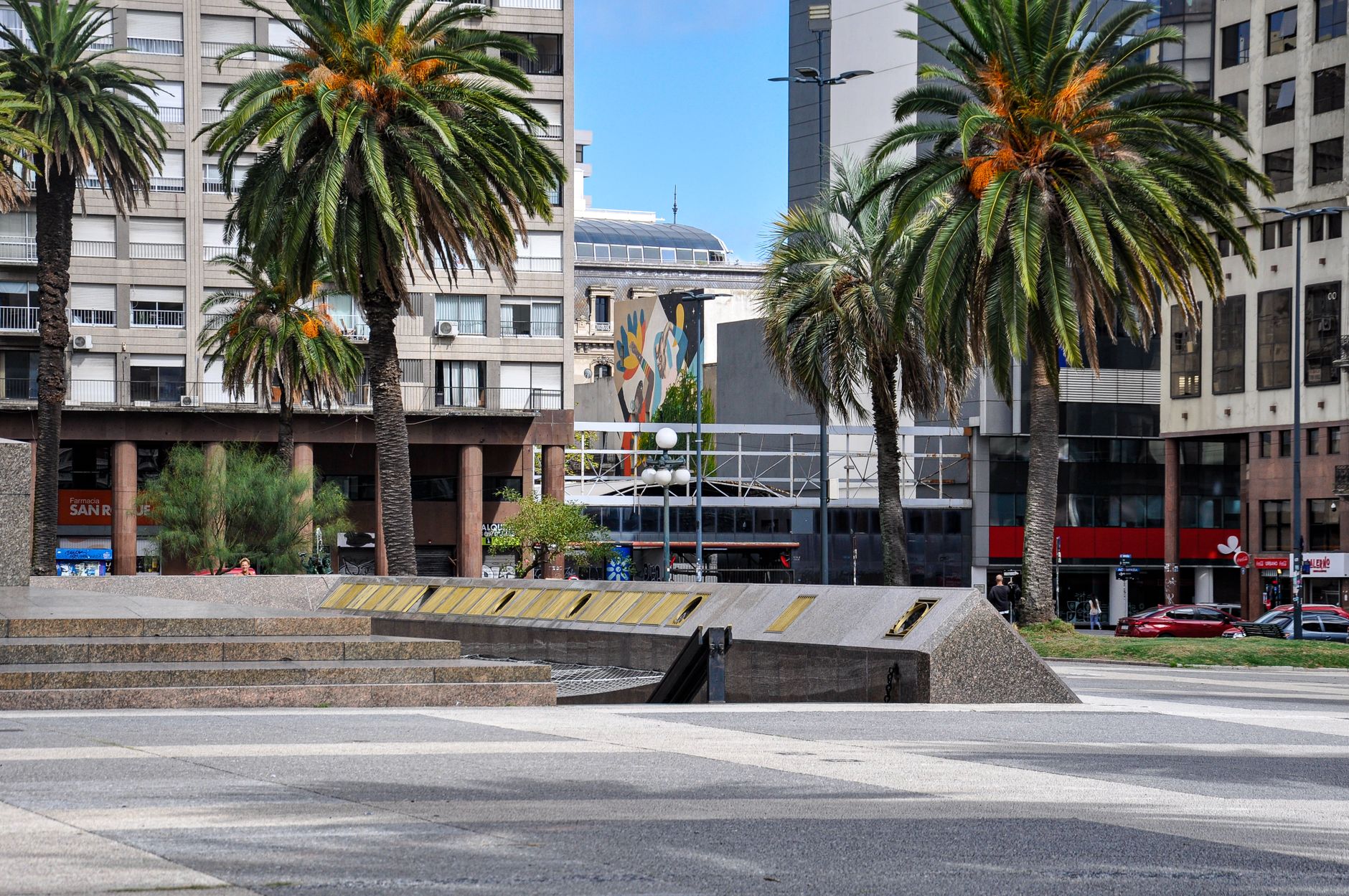
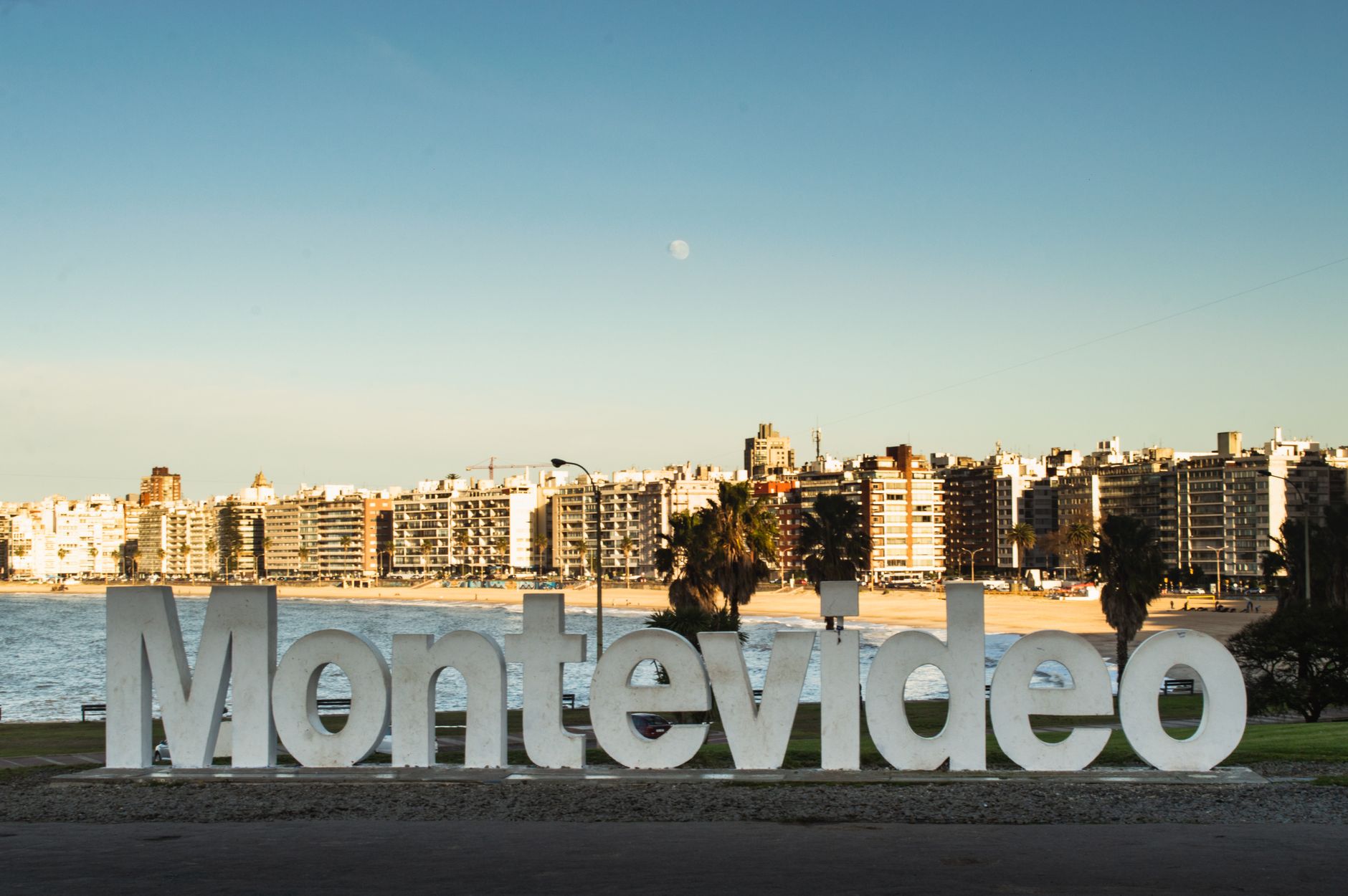
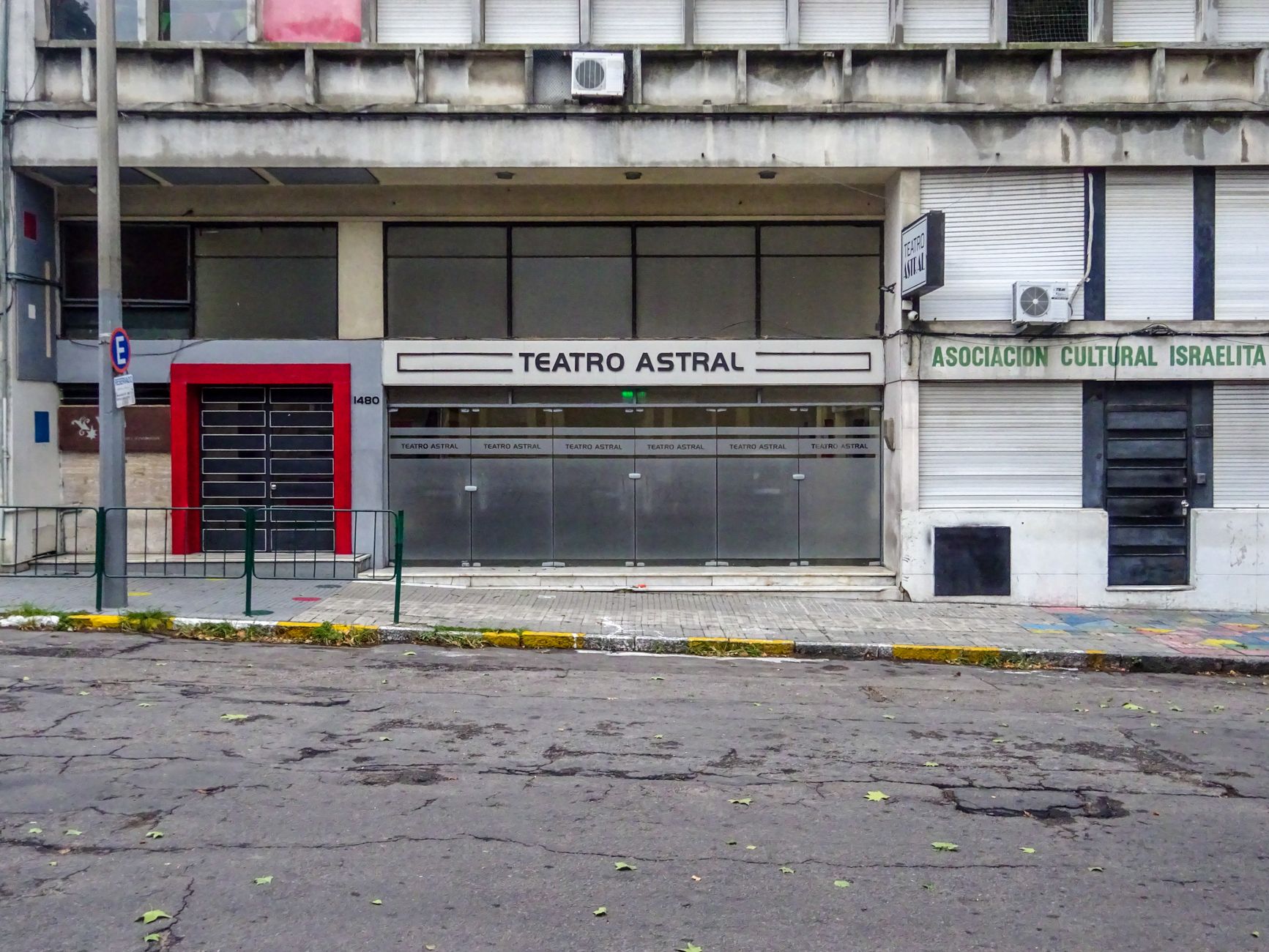
Montevideo photo 1
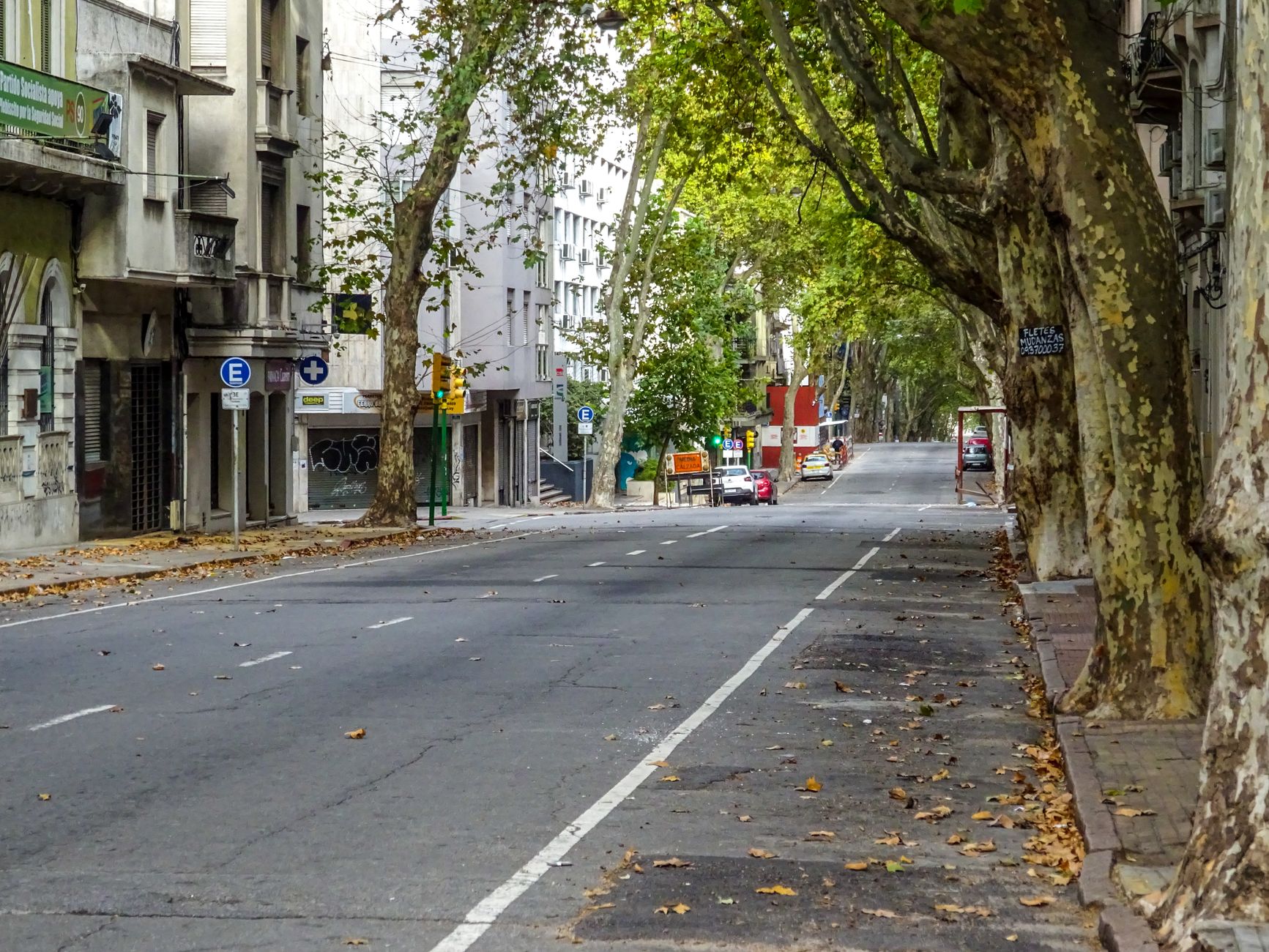
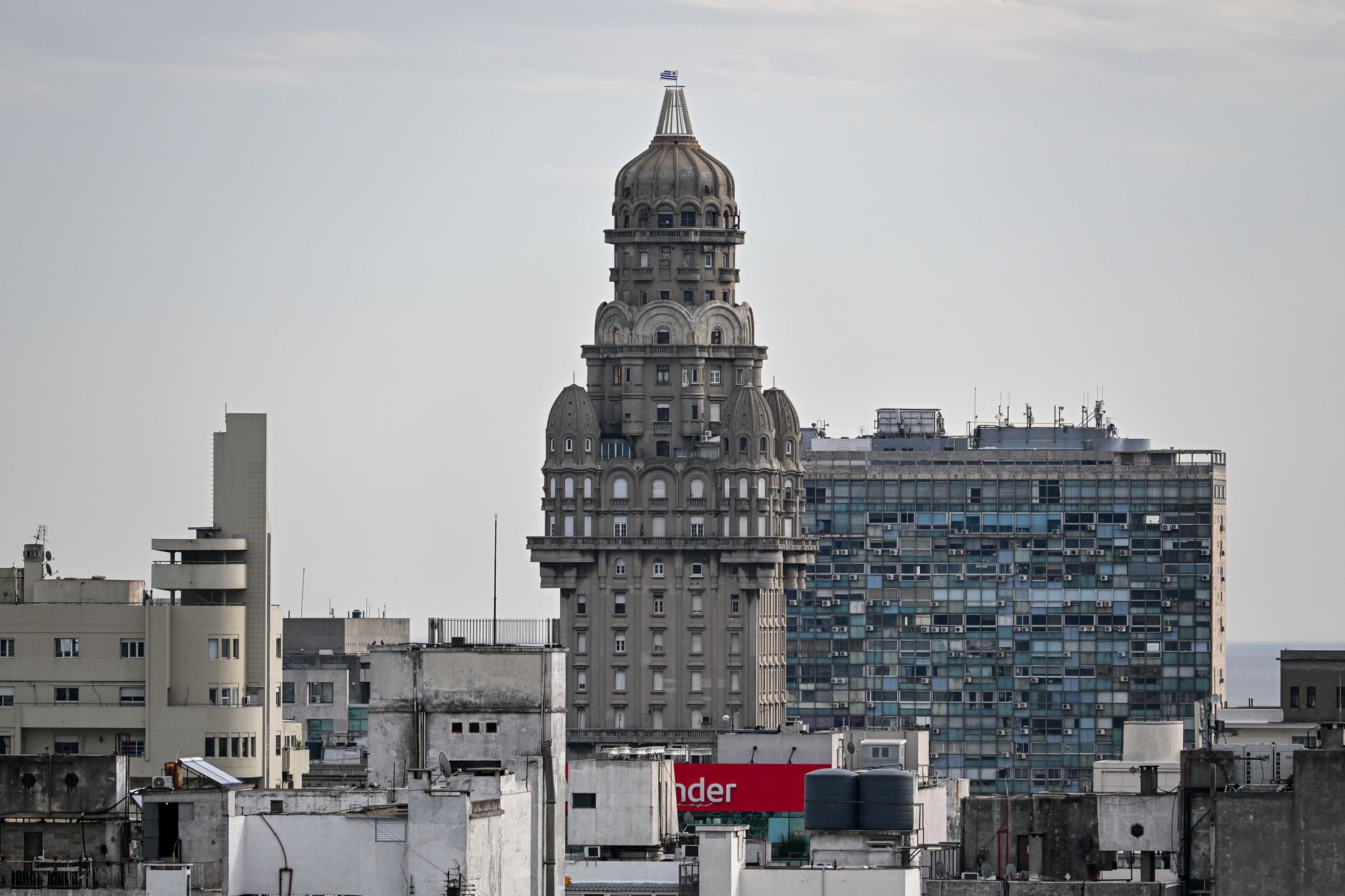
Montevideo photo 2
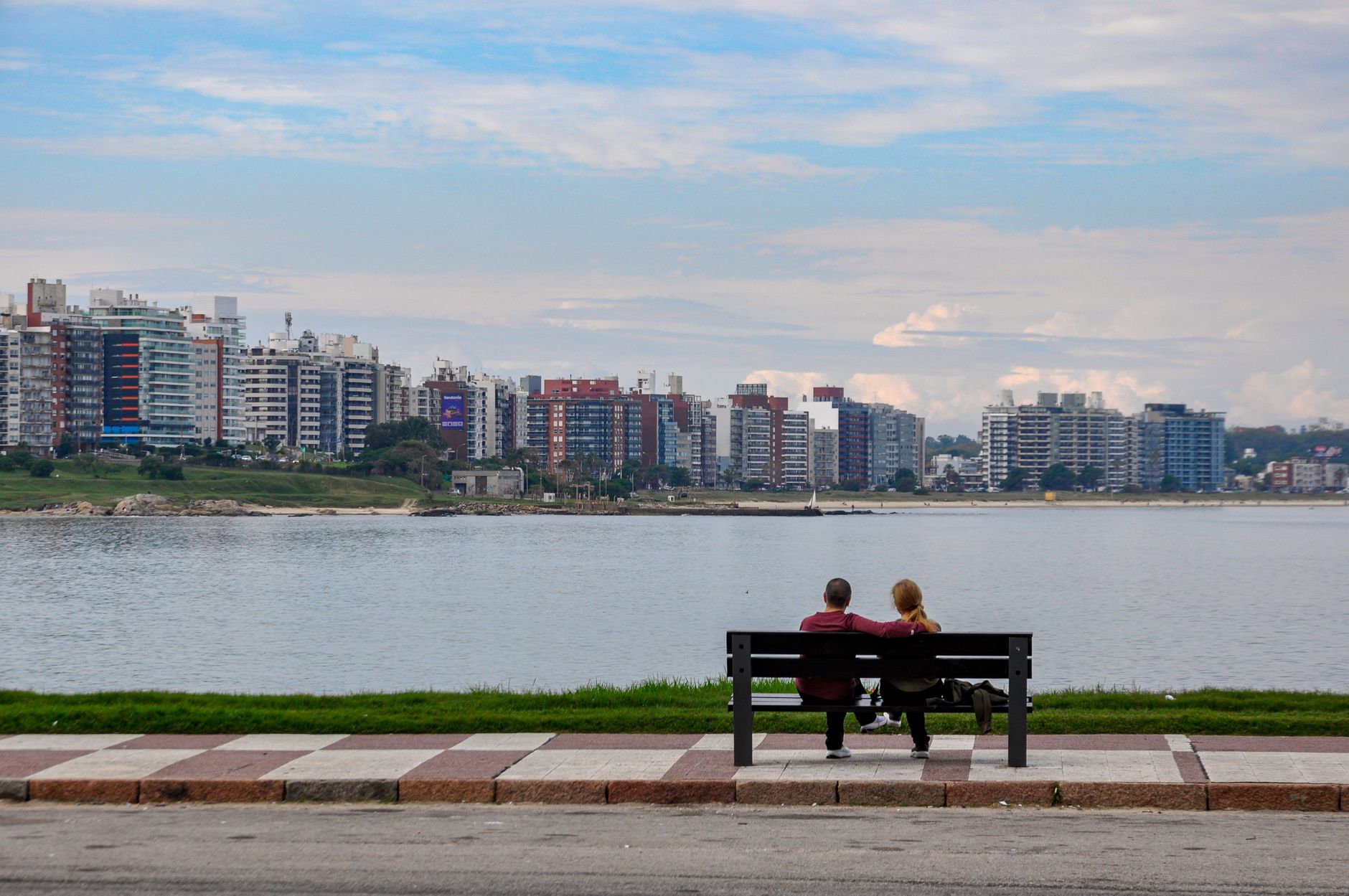
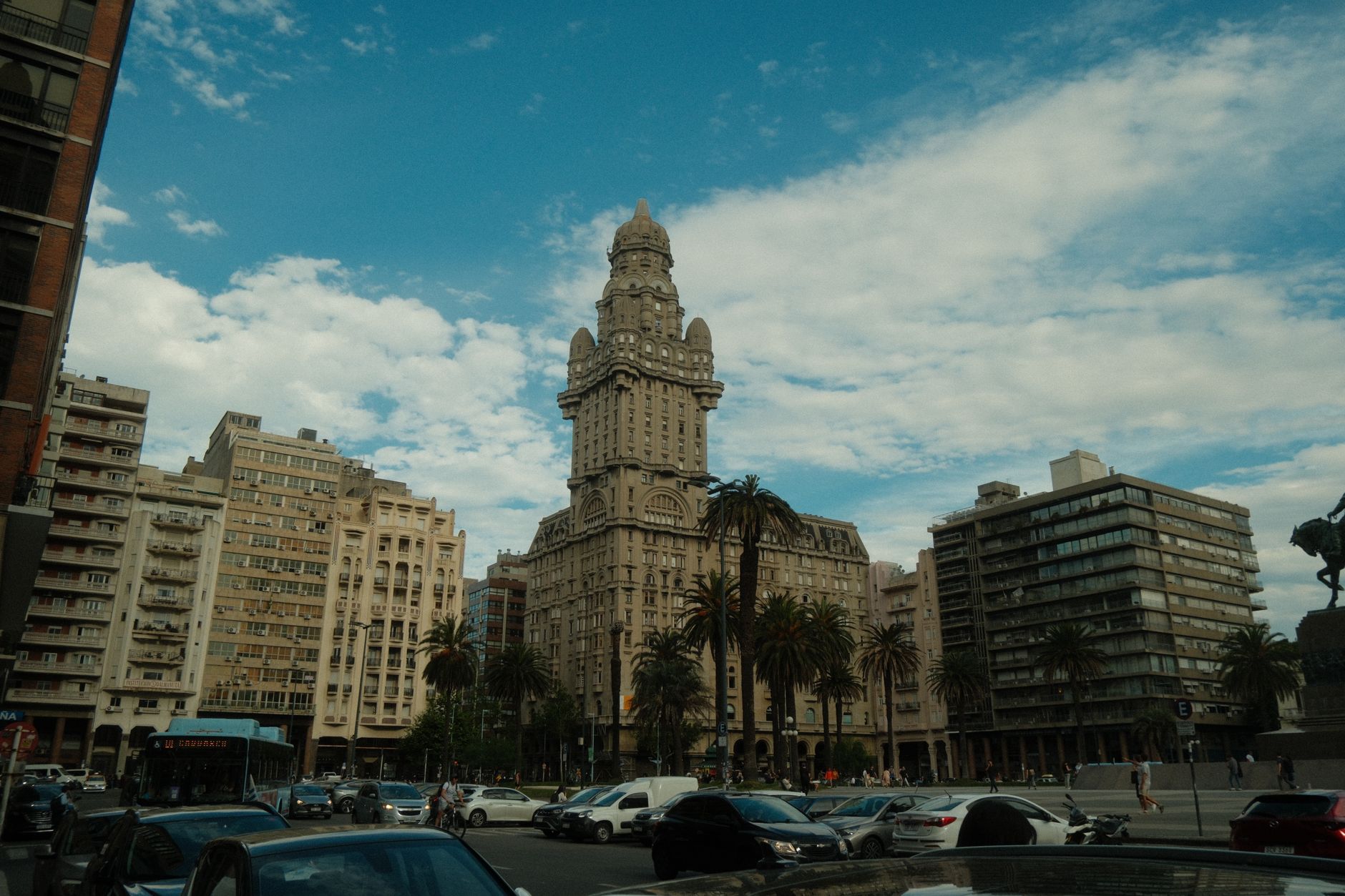
Montevideo photo 3
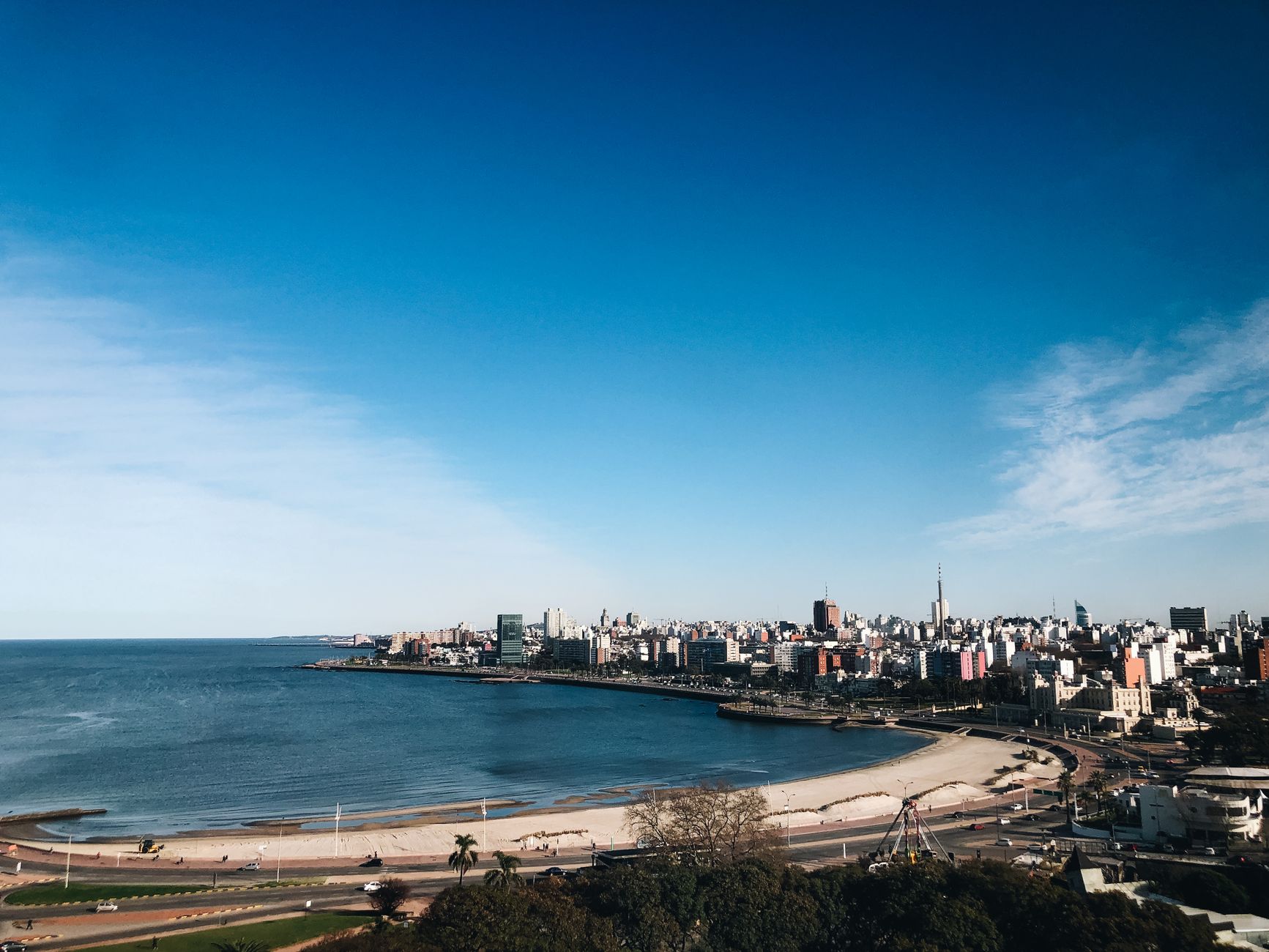
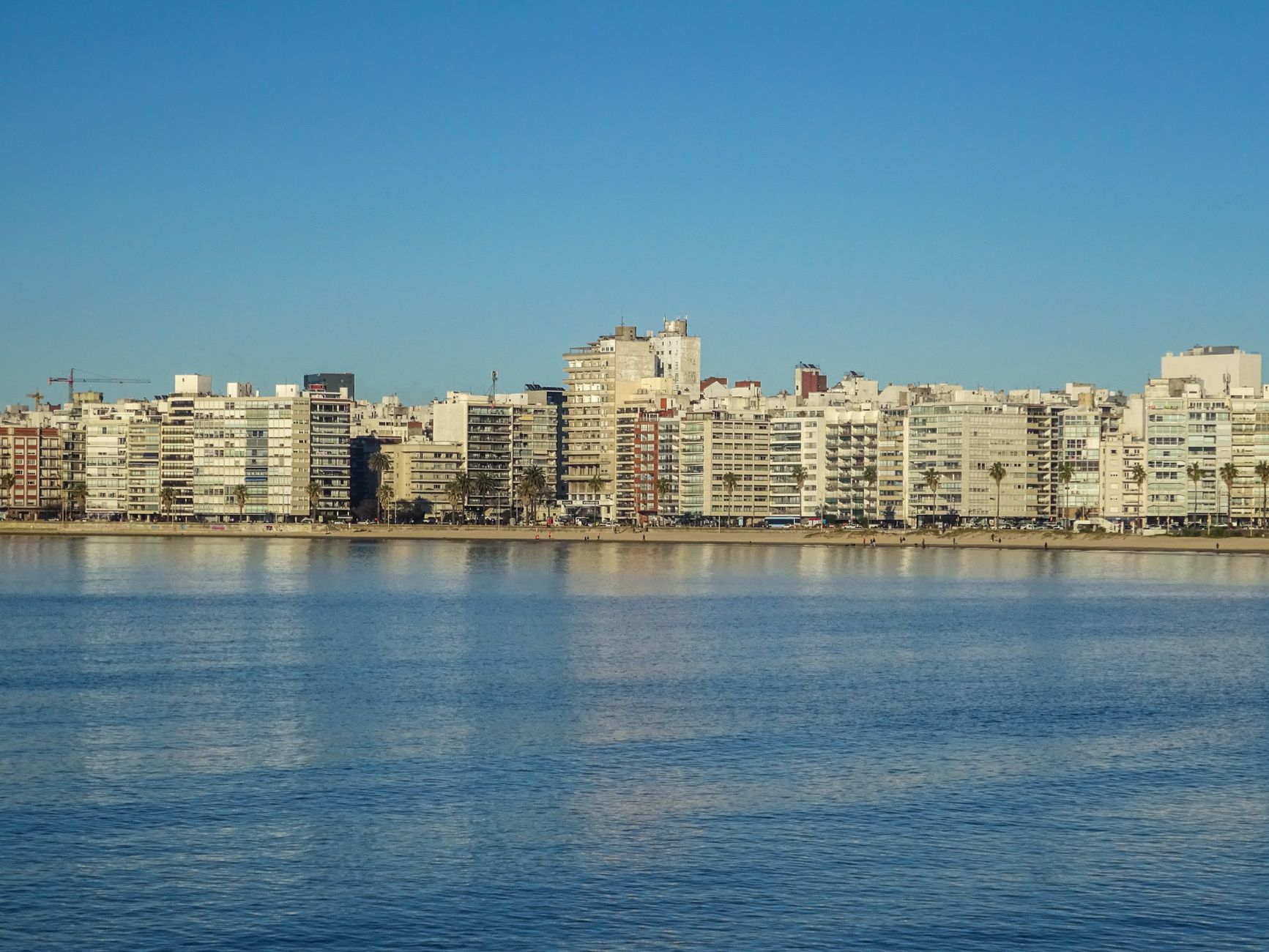
Montevideo photo 4
Montevideo photo 5
Montevideo photo 6
Unmissable Moments

Top Things to Do in Montevideo

Scenic

Stroll the Rambla at Sunset with Mate in Hand

Walk along the world's longest continuous sidewalk lining the silver expanse of the RĂ­o de la Plata as the sun dips below the horizon, painting the sky in violet and gold. Join locals carrying their thermos flasks and leather mate gourds to experience the quintessential Uruguayan ritual of sunset contemplation. Tip: Grab a pastry from a local panaderĂ­a before you start walking.

Culinary

Feast on Asado at Mercado del Puerto

Step into a cavernous 19th-century wrought-iron marketplace where towering wood-fired grills sizzle continuously with prime cuts of Uruguayan beef, sweetbreads, and sausages. Pull up a stool at the counter, order a glass of Tannat, and watch master parrilleros orchestrate a culinary symphony over glowing red embers. Tip: Arrive by noon for lunch to secure the best counter seats right in front of the grills.

Culture

Immerse Yourself in Sunday Candombe Drums in Barrio Sur

Wander through the historic Afro-Uruguayan neighborhoods of Sur and Palermo on a Sunday afternoon to witness the thunderous, hypnotic street performances of candombe drum ensembles. Feel the vibrations of the piano, chico, and repique drums as dancers in vibrant costumes lead neighborhood processions. Tip: Follow the sound of the drums starting around 5 PM near Calle Isla de Flores.

Must-Do

Explore the Eclectic Treasures of Feria TristĂĄn Narvaja

Navigate the labyrinthine stalls of Montevideo's legendary Sunday street market, stretching for blocks through the CordĂłn neighborhood. From antique books, vintage tango records, and heirloom silverware to live birds and fresh produce, this open-air bazaar is a living museum of local life. Tip: Go early around 9 AM to scout unique antiques before the midday crowds arrive.

Must-See Highlights

Top Places & Things to Do in Montevideo

Curated attractions and cultural landmarks with local insider advice.

Teatro SolĂ­s
culture
4.85

Teatro SolĂ­s

Inaugurated in 1856, the Teatro SolĂ­s is the crown jewel of Uruguay's performing arts scene and the oldest operating theater in the country. Its magnificent neoclassical facade and opulent horseshoe-shaped auditorium have hosted legendary opera singers, classical orchestras, and international theatrical troupes for over a century and a half. Located on the edge of the Ciudad Vieja adjacent to Plaza Independencia, the theater underwent a massive restoration completed in 2004, blending its historic 19th-century grandeur with state-of-the-art acoustic and backstage technology. Visitors can take guided historical tours to marvel at the gold leaf, crystal chandeliers, and velvet boxes, or purchase tickets to experience world-class dance, drama, and musical performances.

Tuesday to Sunday 11:00 AM – 6:00 PM
Admission: €5 (guided tour)
Insider Tip: Take the bilingual guided tour on Wednesday afternoons when entry is often free or heavily discounted.
Palacio Salvo
attraction
4.65

Palacio Salvo

Dominating the skyline of Plaza Independencia, the eccentric Palacio Salvo was designed by architect Mario Palanti and opened in 1928 as the tallest building in South America. Its wild eclectic architecture—blending Gothic, Neo-Renaissance, and Art Deco styles—was originally intended as a beacon of progress and a lighthouse for the Río de la Plata. The building's enigmatic silhouette and rich history are woven into urban folklore; its twin structure was built in Buenos Aires by the same architect to bridge the two capitals of the river basin. Guided tours take visitors up to the roof turret for sweeping panoramic views of the entire Ciudad Vieja, the coastline, and the sprawling port.

Monday to Saturday 10:00 AM – 4:00 PM
Admission: €10
Insider Tip: Book the rooftop tour in advance online, as visitor numbers per time slot are strictly limited.
Parque RodĂł
nature
4.7

Parque RodĂł

Named after the influential Uruguayan essayist José Enrique Rodó, this sprawling urban park is a verdant oasis of winding paths, shaded groves, tranquil ponds, and historic monuments. It serves as the green lungs of the southern neighborhoods, drawing joggers, families, and romantics every day of the week. Within the park boundaries, visitors will find the National Museum of Visual Arts (Museo Nacional de Artes Visuales), which houses an impressive collection of Uruguayan masterpieces, as well as an old-fashioned amusement park and an open-air theater. On weekends, the surrounding streets fill with bustling craft fairs and street food vendors.

Open 24/7
Admission: Free
Insider Tip: Combine a park stroll with a visit to the nearby National Museum of Visual Arts, which offers free admission.
Mercado AgrĂ­cola de Montevideo (MAM)
food
4.75

Mercado AgrĂ­cola de Montevideo (MAM)

Housed inside a magnificent late-19th-century industrial brick structure with a soaring wrought-iron and glass roof, the Mercado AgrĂ­cola de Montevideo is a culinary sanctuary. Formerly a wholesale produce market, it has been meticulously revitalized into a vibrant gourmet food hall and community hub. Underneath the cavernous roof, dozens of artisanal vendors sell everything from local cheeses, cured meats, and organic honey to fresh empanadas, craft beers, and specialty coffees. It is a fantastic destination to sample regional delicacies, pick up gourmet souvenirs, and observe everyday Montevidean family life away from the tourist circuit.

Daily 8:30 AM – 10:00 PM
Admission: $$
Insider Tip: Visit during lunchtime on a weekday to avoid the heavy weekend family crowds and enjoy easy seating at the central food stalls.
Area Guide

Where to Stay & Best Neighborhoods

Ciudad Vieja

Best for: History buffs, architecture enthusiasts, and museum explorers.

Vibe: Gritty colonial charm, fading neoclassical facades, artisan workshops, and bustling daytime commerce.

The historic heart of Montevideo is enclosed by the remnants of its ancient citadel walls. By day, its grid of narrow streets teems with office workers, street musicians, and artists restoring old stone buildings. Architectural gems like the Palacio Salvo sit alongside art galleries and bohemian coffee shops, offering a tangible sense of the city's maritime past.

Pocitos & Punta Carretas

Best for: Beach lovers, upscale dining, shopping, and leisurely strolls.

Vibe: Affluent, cosmopolitan, beach-centric, and lined with high-end cafes and modern apartment towers.

Flanking the coastline east of the center, these adjacent neighborhoods represent Montevideo's modern, prosperous face. Pocitos boasts a wide sandy beach packed with volleyball players and sun-worshippers, while Punta Carretas features a former prison converted into a chic shopping mall and a picturesque lighthouse overlooking the rocky shores.

CordĂłn & Palermo

Best for: Nightlife, authentic local dining, and soaking up modern counterculture.

Vibe: Bohemian, youthful, university-adjacent, and humming with indie bookstores and craft breweries.

CordĂłn and its neighbor Palermo are the creative epicenters of contemporary Montevideo. Filled with graffiti-adorned walls, independent galleries, and hip microbreweries, this area is where young locals gather in plazas at dusk to share conversation and drink mate late into the evening.

Food & Drink Scene

What to Eat in Montevideo

Asado Uruguayo (Fire-roasted Beef)

Considered a sacred national ritual, Uruguayan asado features grass-fed beef grilled slowly over hardwood coals to tender perfection. Cuts like entraña (skirt steak), tira de asado (short ribs), and vacío (flank) are seasoned simply with coarse salt, allowing the rich, natural flavors of free-roaming cattle to shine.

🍮 Top spot: La Pulpería in Cordón

Chivito (The Ultimate Uruguayan Steak Sandwich)

Invented in Punta del Este but perfected across Montevideo, the chivito is a towering masterpiece of indulgence. It features a thin slice of steak topped with melted mozzarella, ham, bacon, hard-boiled eggs, lettuce, tomato, mayonnaise, and often olives and pickled peppers, served on a toasted bun with french fries.

🍮 Top spot: Bar Lobo in Pocitos

Tannat (National Red Wine)

Uruguay's signature wine grape produces deep, inky red wines packed with robust tannins, blackberry flavors, and earthy undertones. Originally brought from southwestern France, Tannat has found its spiritual home in the rolling clay soils surrounding Montevideo, pairing effortlessly with heavy meat dishes.

🍮 Top spot: Bodega Bouza (just outside the city)
Excursions

Best Day Trips from Montevideo

Colonia del Sacramento UNESCO Historic Quarter

2.5 hours by bus or car

Step back into the 17th century by visiting Uruguay's oldest town, founded by the Portuguese. Wander down cobblestone streets lined with colonial ruins, bougainvillea-draped stone houses, and vintage cars parked along the silver banks of the RĂ­o de la Plata.

Canelones Wine Country

45 minutes by car

Explore the bucolic rolling hills just north of Montevideo, home to historic family-run vineyards. Enjoy private cellar tours, estate-grown Tannat tastings, and long, leisurely farm-to-table lunches overlooking verdant grapevines.

When to Go

Best Time to Visit & Seasonality

Editor’s Pick: The optimal time to visit Montevideo is during the Southern Hemisphere's shoulder and summer seasons, from November through March. December to February brings warm, sun-drenched beach weather with temperatures averaging 25°C to 30°C (77°F to 86°F), perfect for enjoying the rambla and outdoor terrace culture. If you prefer milder weather and fewer crowds for cultural sightseeing, spring (September to November) offers blooming jacarandas and crisp, clear days.

Spring Overview

(September to November)
Quiet / Low Season
Average Temperature & Climate14°C to 22°C (57°F to 72°F)

Mild, breezy, and increasingly sunny with blooming jacaranda trees painting the city purple.

Crowd & Travel ConditionsLow Tourist Traffic

Fewer lines and better deals.

✹ Seasonal Highlights:Patio dining, walking tours of Ciudad Vieja, and the arrival of outdoor cultural festivals.
Travel Smarter

Practical Travel Essentials

CurrencyUYU ($)
LanguageSpanish
Time ZoneGMT-3

Visa & Entry

Citizens of most Western countries (USA, Canada, EU, UK, Australia, New Zealand) do not require a visa for tourist stays of up to 90 days.

Getting Around & Transit

Montevideo is exceptionally walkable within Ciudad Vieja and along the rambla. For longer distances, local buses are efficient and inexpensive, while ride-sharing apps like Uber and Cabify operate widely and affordably.

Daily Budget Expectation

$70 – $130 USD per day for a comfortable mid-range traveler covering meals, transport, and cultural admissions.

Safety & Health

Montevideo is widely considered one of the safest capitals in South America, though standard urban precautions against petty theft and pickpocketing should be practiced, particularly at night in quiet corners of Ciudad Vieja.

Local Etiquette & Customs

Greeting people with a single kiss on the right cheek is customary. Always accept or respect the ritual of drinking mate when offered among friends. Tipping around 10% in restaurants is standard practice.

Questions & Answers

Frequently Asked Questions about Montevideo

Yes, Montevideo is one of the safest and most stable cities in Latin America for solo travelers, including solo female travelers. Standard city awareness is sufficient.