About Namibia
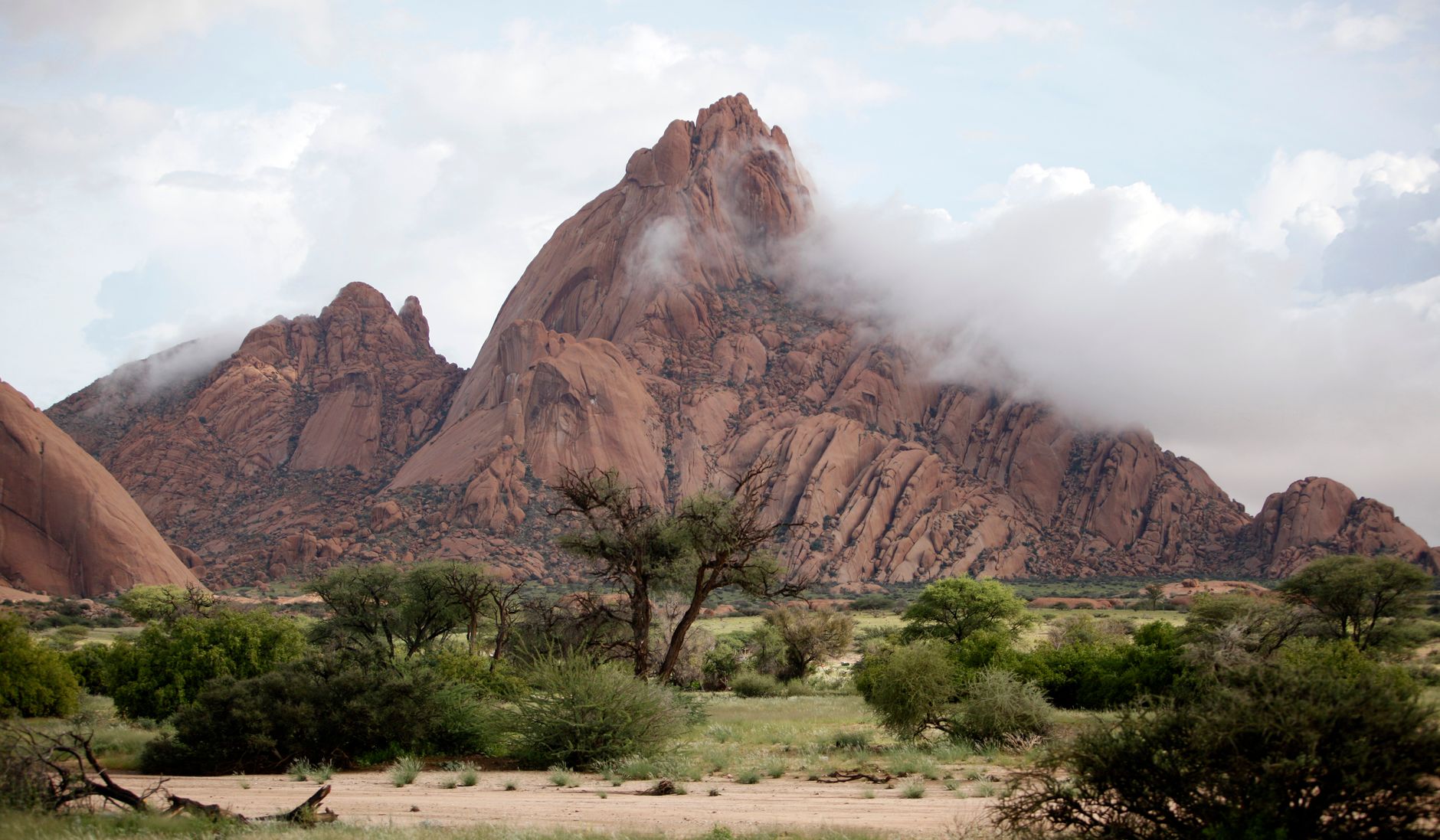
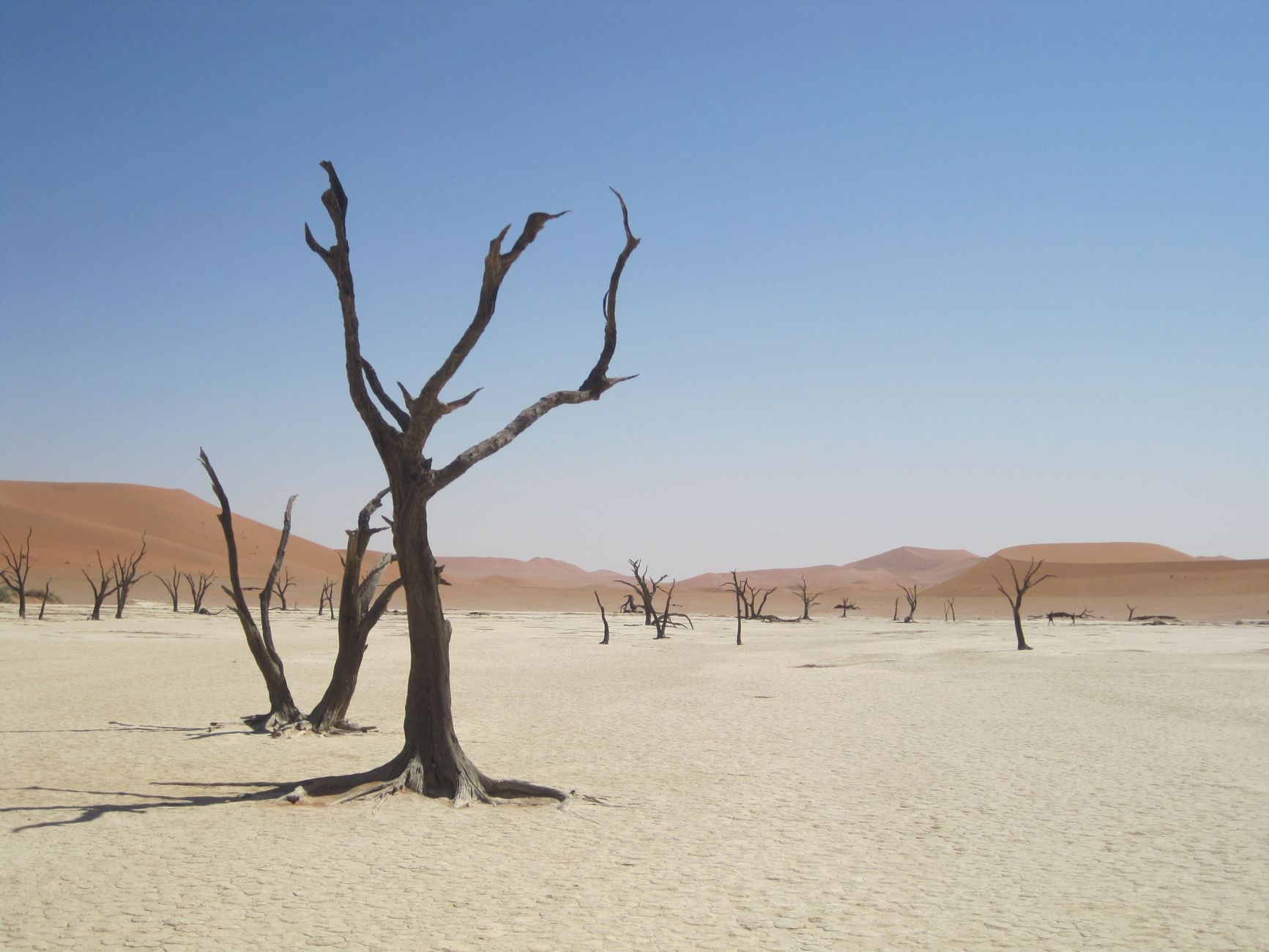
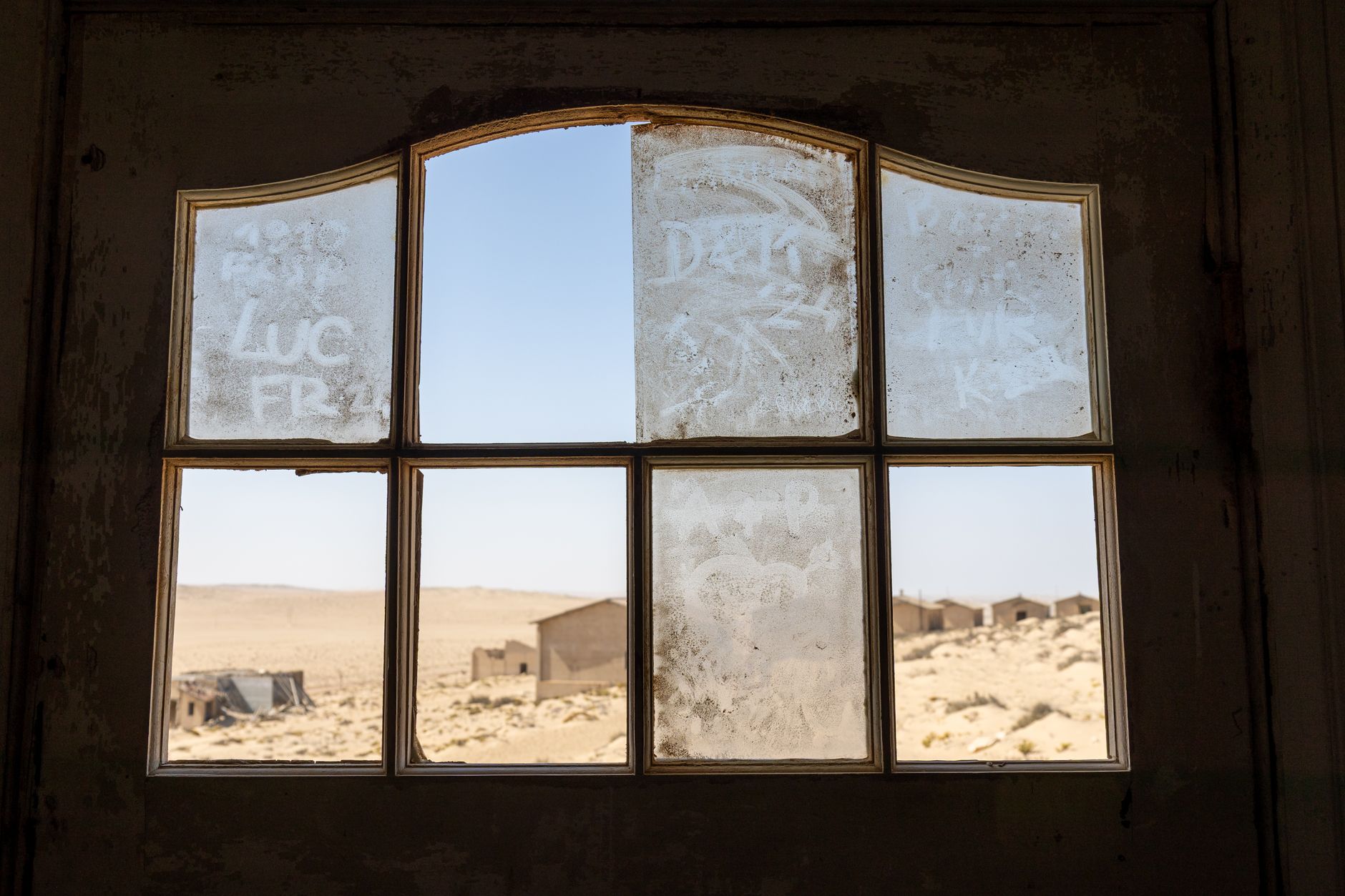
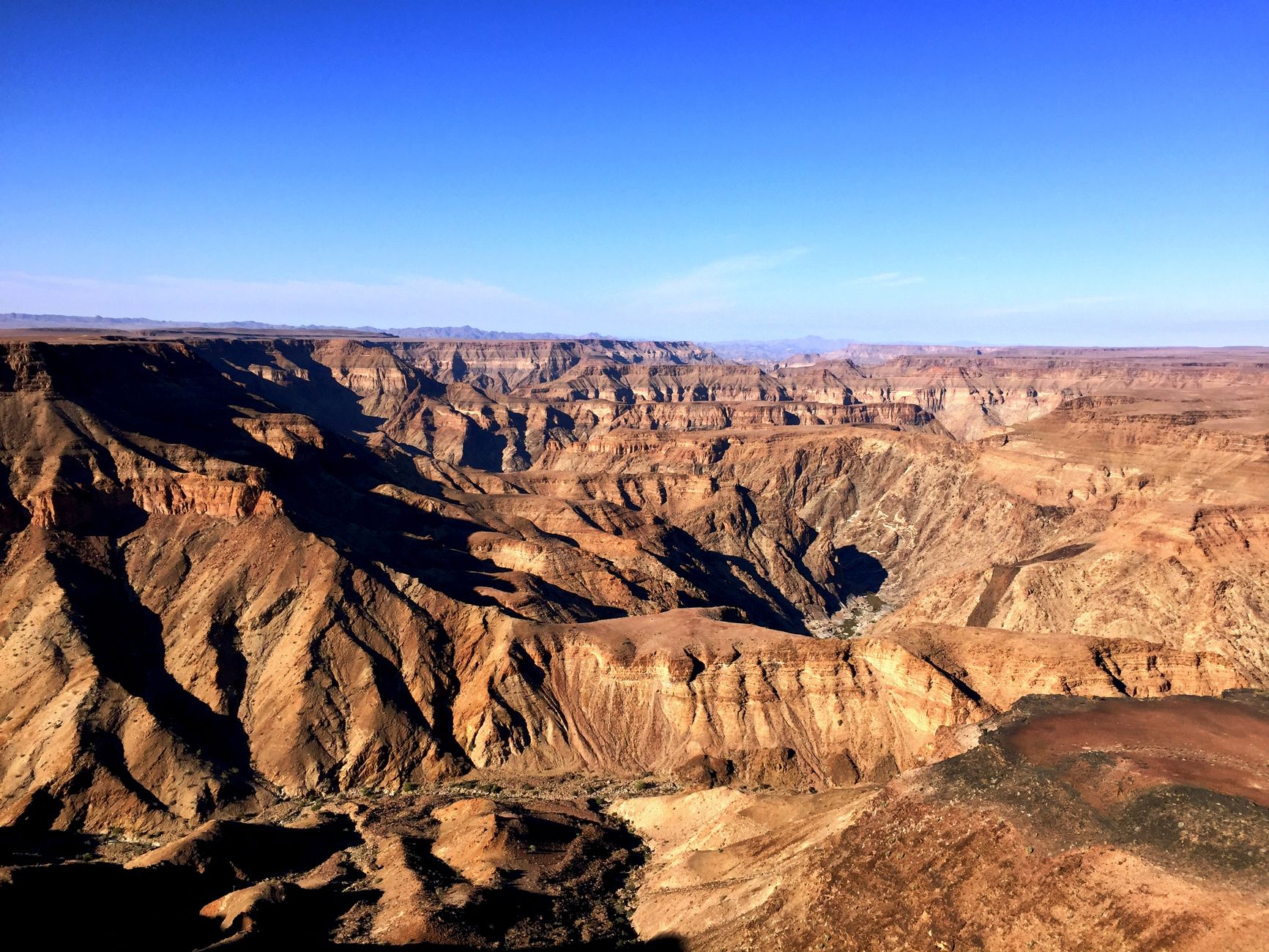
Namibia is a land of astonishing geographical contrasts and haunting, cinematic beauty. Shaped by the ancient Namib Desert—reputed to be the oldest desert on Earth—its vast interiors stretch from the skeletal coastlines of the Atlantic to the wildlife-rich savannahs of Etosha National Park and the dramatic canyons of the south. Culturally, Namibia is a mosaic of diverse heritages, blending Ovambo, Himba, Damara, Herero, and San traditions with distinct colonial-era European architectures and German-infused culinary inflections, particularly in coastal towns like Swakopmund.
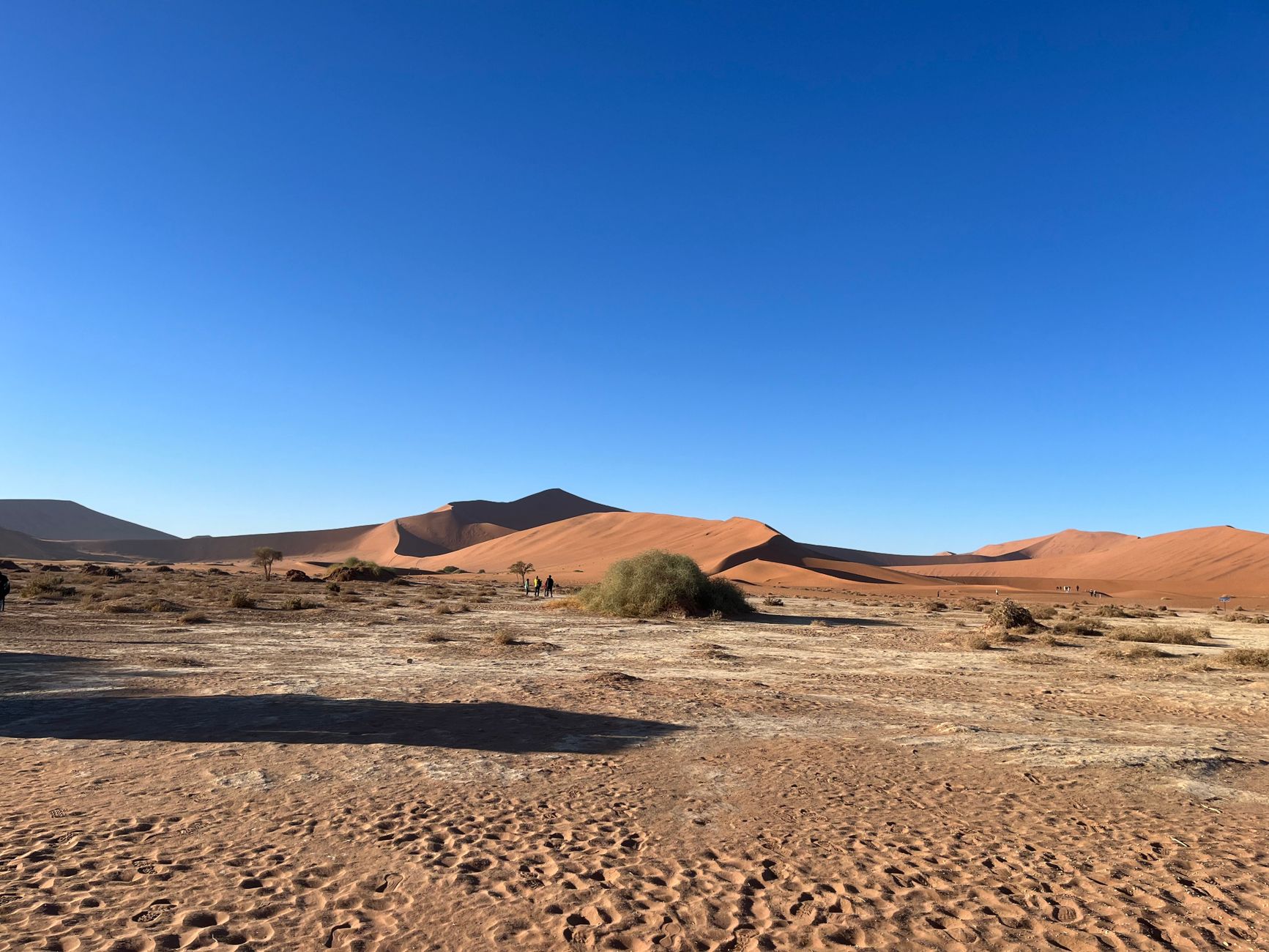
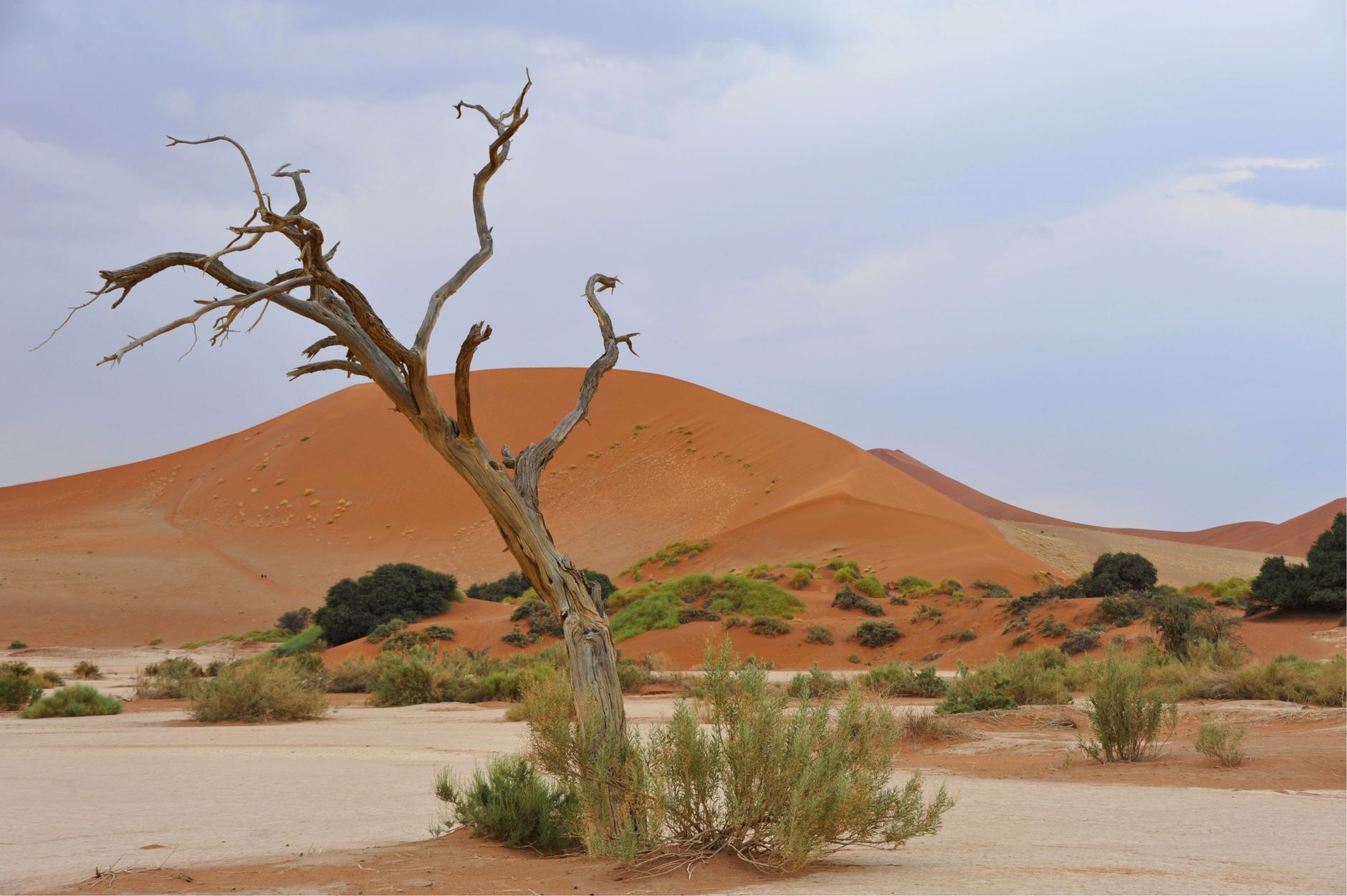
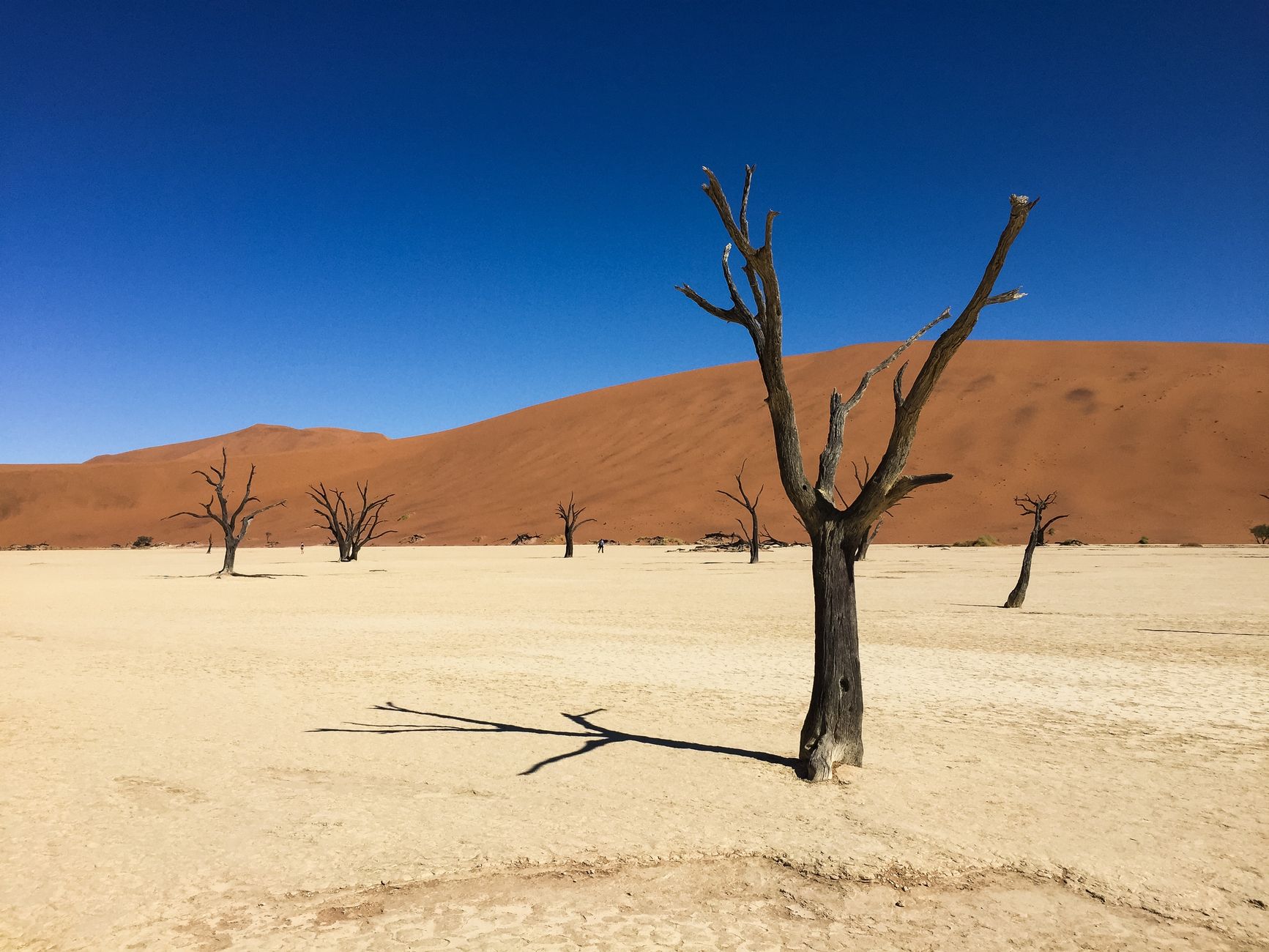
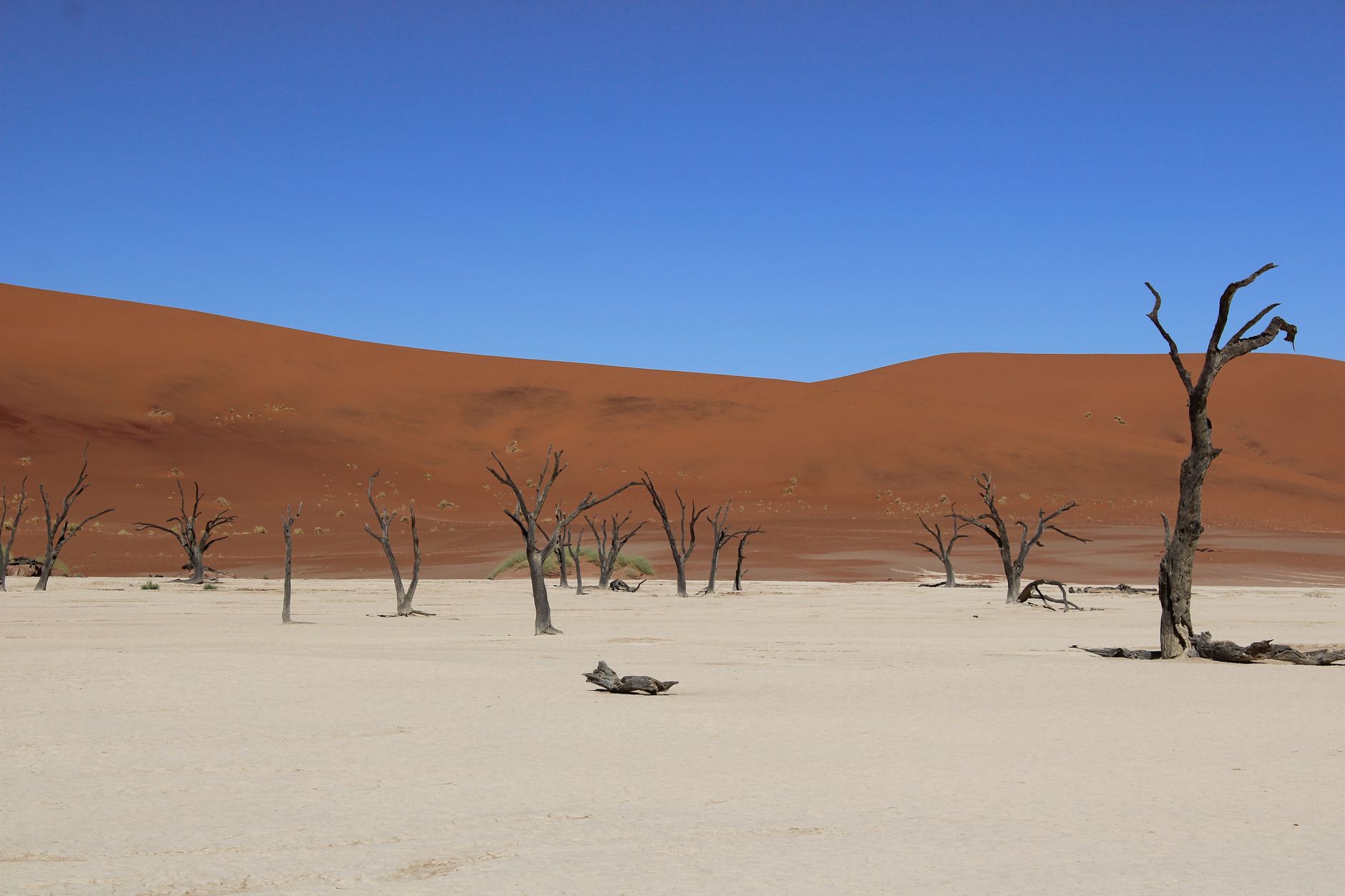
The atmosphere is one of profound silence and utter isolation; it is a place where travelers can drive for hours across shimmering gravel plains without seeing another soul, beneath boundless sapphire skies that give way to some of the darkest, most star-studded night skies on the planet. Geography here dictates existence, from the fog-shrouded Skeleton Coast, littered with rusted shipwrecks and seal colonies, to the towering apricot-colored dunes of Sossusvlei that shift under the relentless African sun.
Life in Namibia moves at the pace of the desert wind and the seasonal rains. Local communities maintain deep connections to the land, whether through the semi-nomadic pastoralism of the Himba people in Kaokoland or the ancient tracking wisdom of the San people in the Kalahari. Conservation is woven into the very fabric of the nation, with community-based conservancies successfully protecting endangered desert-adapted black rhinos, elephants, and lions.
For the intrepid traveler, Namibia is the ultimate self-drive destination, demanding resilience, preparation, and an open spirit. It invites you to climb towering peaks of sand, sleep beneath canopies of blistering stars, and witness wildlife that has miraculously adapted to thrive in one of the most unforgiving environments on Earth.
Visual Impressions & Moments