🌟 Best in Travel 2026 is here!
New Orleans Garden District
regionNorth America
4.92 / 5.0

New Orleans Garden District

Where antebellum grandeur, sprawling live oaks, and Creole charm entwine in timeless elegance.

Advertisement
Editorial Guide

About New Orleans Garden District

Long before it became an architectural showcase, the land that constitutes the Garden District was once the Livaudais plantation, a sprawling expanse of sugar cane stretching along the crescent bend of the Mississippi River. Following the Louisiana Purchase, an influx of wealthy American settlers arrived in New Orleans, largely avoiding the Creole-dominated French Quarter. They established the city of Lafayette and commissioned ambitious architects to build grand estates surrounded by lush, expansive private gardens—breaking from the traditional French-Spanish urban wall-to-wall style. Today, this historic neighborhood stands as a living museum of American domestic architecture, featuring towering Greek Revival mansions, elaborate Italianate villas, and picturesque Victorian gingerbread cottages.

Walking the shaded grid of the Garden District is an immersive sensory journey through centuries of Southern heritage. The neighborhood's identity is intrinsically defined by its ancient, weeping live oaks that form natural green cathedrals overhead, their moss-draped branches dipping gracefully down to touch historic iron fences. Jasmine and gardenias perfume the heavy humid air, while the rhythmic clanging of the historic St. Charles Avenue streetcar provides a nostalgic soundtrack to afternoon strolls. It is a place where every cast-iron gate, carved mahogany double door, and weathered brick courtyard tells a story of incredible wealth, dramatic social shifts, and resilient preservation.

Culturally, the Garden District reflects the duality of New Orleans' complex past. While historically home to wealthy industrialists, cotton merchants, and politicians who shaped the economic fabric of the antebellum South, the neighborhood also relied heavily on the labor of enslaved people and free people of color, whose vital contributions built the infrastructure of these magnificent estates. Contemporary life here is a sophisticated blend of quiet residential tranquility and vibrant neighborhood culture. Residents walk golden retrievers past multi-million dollar porticos, sip iced café au lait on breezy wrap-around porches, and patronize centuries-old neighborhood institutions.

Geographically bounded by St. Charles Avenue to the north, Magazine Street to the south, Jackson Avenue to the east, and Louisiana Avenue to the west, the district occupies a prime, elevated ridge relative to the surrounding swampy terrain of early New Orleans. This slight topographical advantage spared its grand homes from the worst of historical floods, allowing structural masterpieces to survive pristine. Today, it remains an upscale, pedestrian-friendly enclave where preservation societies and passionate homeowners fiercely protect the architectural integrity and botanical splendor that make it one of America’s most treasured historic districts.

Visual Impressions & Moments
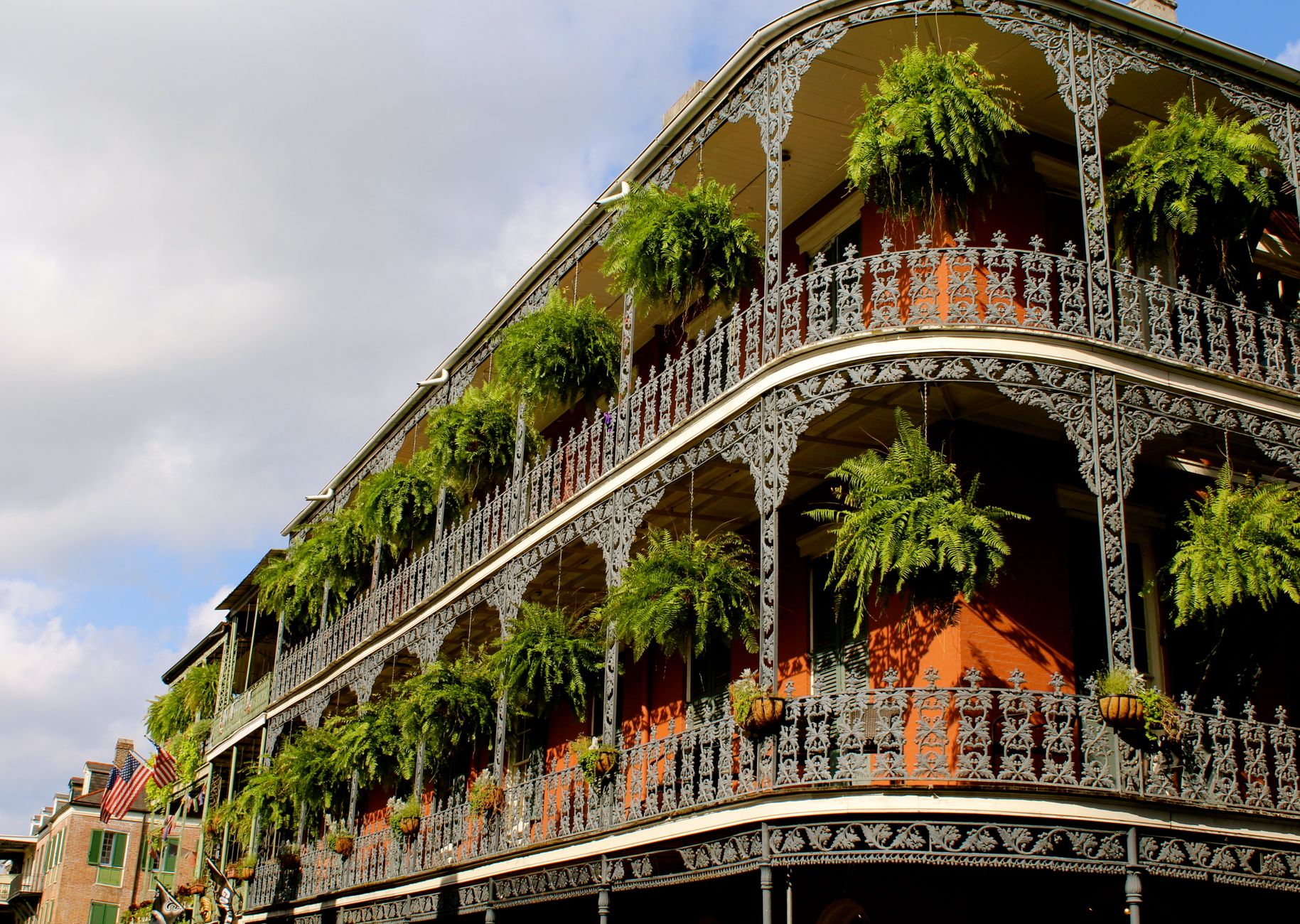
New Orleans Garden District photo 1
New Orleans Garden District photo 2
New Orleans Garden District photo 3
New Orleans Garden District photo 4
New Orleans Garden District photo 5
New Orleans Garden District photo 6
Unmissable Moments

Top Things to Do in New Orleans Garden District

Must-Do

Architectural Walking Tour of Historic Mansions

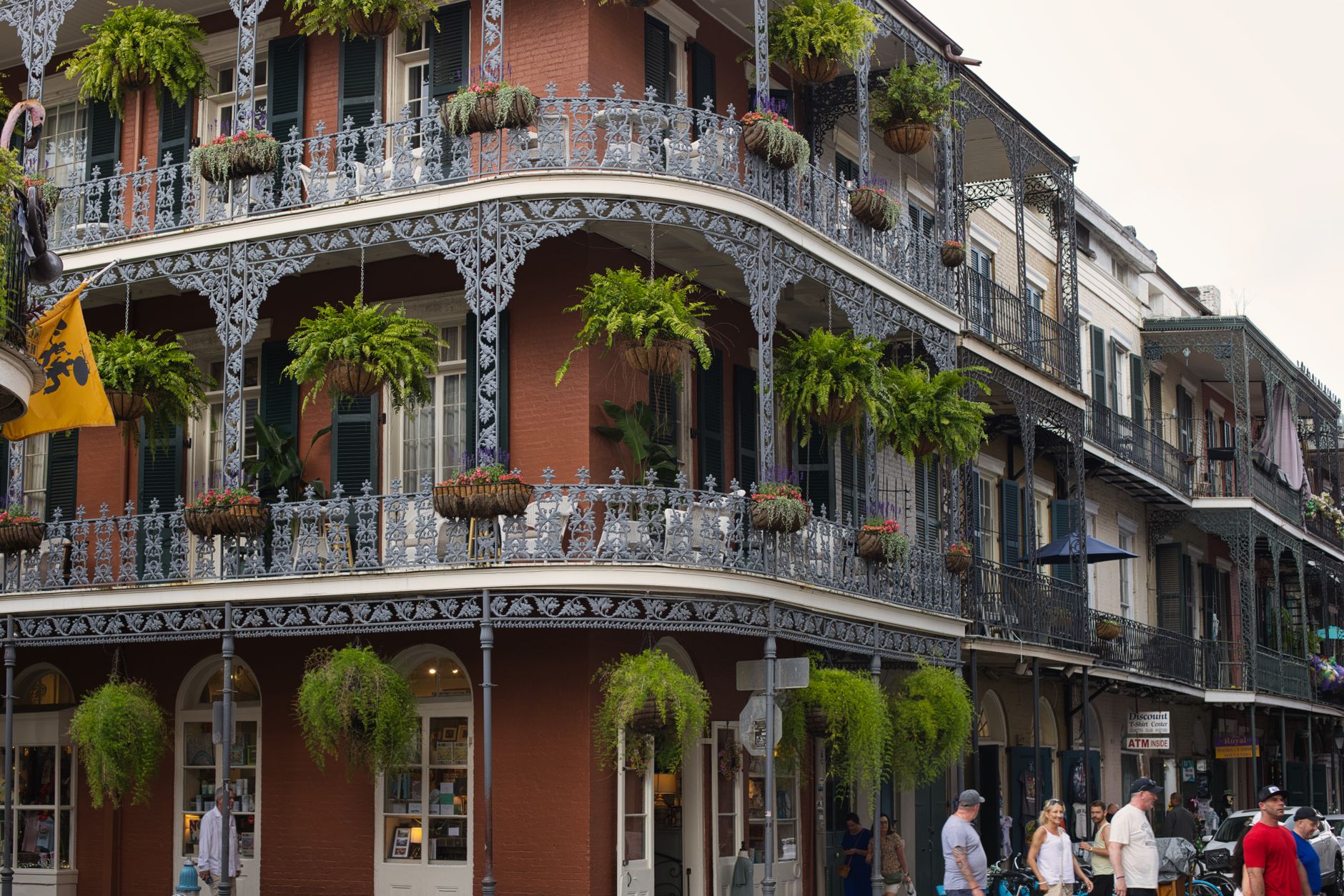
Embark on a guided or self-guided architectural safari along First, Camp, and Chestnut Streets to admire the Greek Revival, Italianate, and Victorian masterpieces built by wealthy American merchants in the 1800s. Marvel at soaring Corinthian columns, sweeping wrap-around galleries, and elaborate cast-iron lacework fences depicting cornstalks and pumpkins. Insider tip: Download a self-guided walking map in advance to discover fascinating historical anecdotes about former residents like author Anne Rice and quarterback Archie Manning.

Scenic

Ride the Historic St. Charles Avenue Streetcar

Board the venerable Green Streetcar at the corner of St. Charles Avenue and Jackson Avenue for a rattling, picturesque journey under a soaring canopy of oak trees. Operating continuously since 1835, it is the oldest continuously operating street railway system in the world. Insider tip: Have exact cash ready ($1.25 per ride) or purchase a Jazzy Pass via the Le Pass app for seamless, unlimited transit.

Culture

Explore the Labyrinthine Crypts of Lafayette Cemetery No. 1

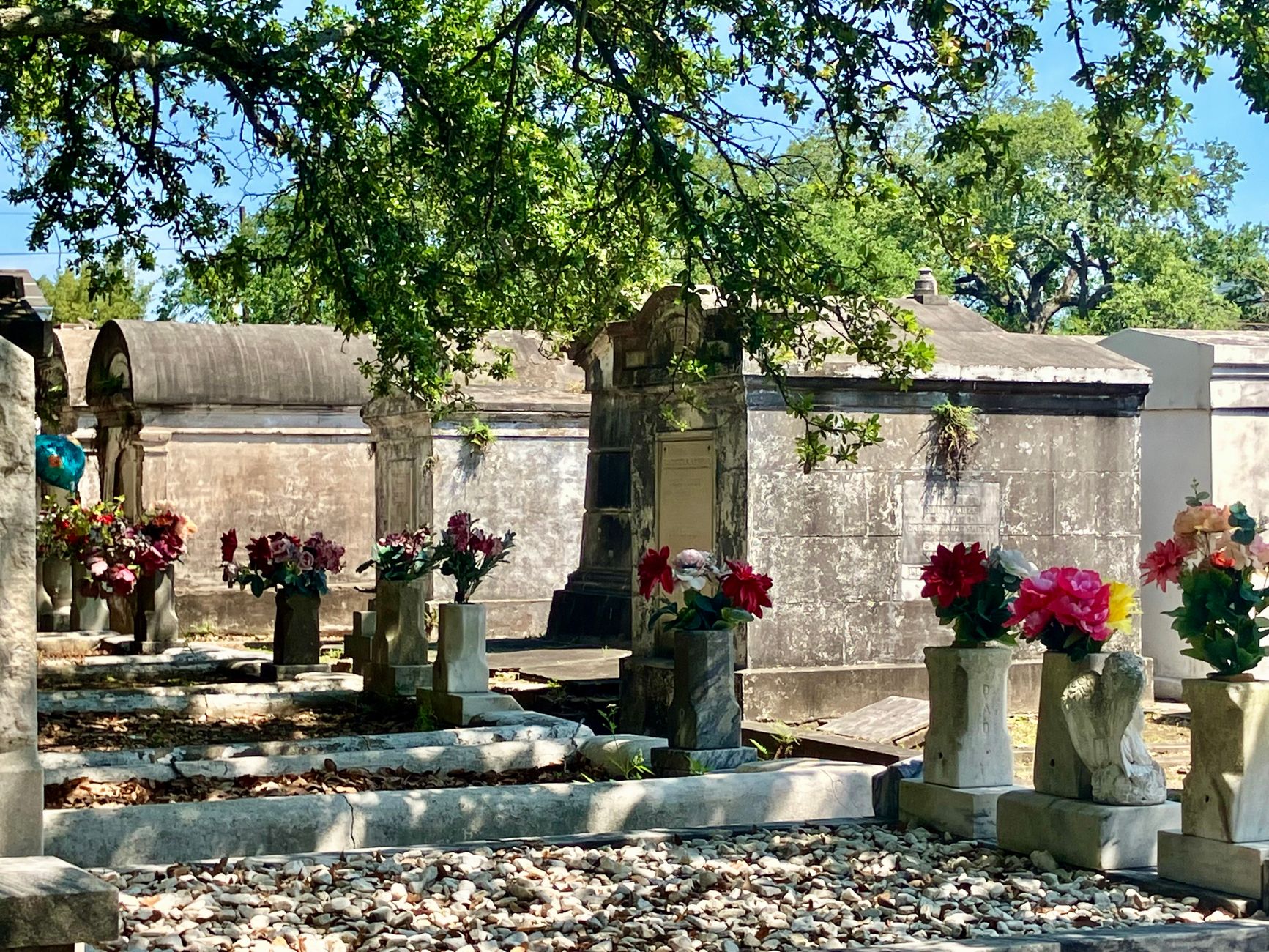
Wander through one of New Orleans' most famous historic cities of the dead, established in 1833. Observe the unique above-ground marble and brick tombs that reflect the city's high water table and European burial traditions. Insider tip: While interior access is sometimes restricted for preservation work, peering through the iron gates offers an unforgettable, atmospheric glimpse into local mourning history.

Adventure

Boutique Shopping and Culinary Grazing on Magazine Street

Stroll down the vibrant six-mile commercial corridor of Magazine Street that borders the Garden District, browsing eclectic antique shops, local art galleries, and high-end fashion boutiques. Pause frequently to sample artisanal pralines, local seafood po'boys, and craft cocktails. Insider tip: Start around First Street and work your way toward Louisiana Avenue to hit the highest concentration of independent boutiques.

Must-See Highlights

Top Places & Things to Do in New Orleans Garden District

Curated attractions and cultural landmarks with local insider advice.

Commander's Palace
food
4.85

Commander's Palace

An iconic New Orleans institution operating since 1893, housed in a vibrant turquoise Victorian landmark with sparkling white trim. Famed as the birthplace of modern Creole haute cuisine and legendary jazz brunches, it has launched the careers of culinary greats like Paul Prudhomme and Emeril Lagasse. Dining here is an immersive celebration of Louisiana hospitality, featuring white tablecloths, doting service, and world-class cocktails. Don't leave without ordering their famous Creole bread pudding soufflé, delicately baked and pierced tableside to pour in warm whiskey cream.

Daily 11:30 AM - 2:00 PM, 6:00 PM - 9:30 PM (Weekend Brunch 10:00 AM - 2:00 PM)
Admission: $$$$
Insider Tip: Reservations open weeks in advance and book out immediately. Strict dress code enforced: jackets preferred for gentlemen, no athletic wear or beach shorts.
The Cornstalk Fence Mansion
culture
4.9

The Cornstalk Fence Mansion

Built in 1859 for a wealthy cotton merchant, this stunning high-Italianate mansion at 1403 First Street is world-renowned for its extraordinary cast-iron fence. Instead of standard iron spears, the fence features delicate stalks of Indian corn complete with husks, leaves, and tiny morning glories intertwined. Legend says the fence was commissioned by a homesick Iowa-born wife who missed the cornfields of her youth, though historians debate the true romantic origin. While it remains a private residence, photographing its exterior and admiring the intricate galleried facade is a quintessential Garden District experience.

Exterior viewable 24/7
Admission: Free
Insider Tip: Respect private property boundaries; view and photograph from the public sidewalk across the street for the best perspective.
Bouligny Tavern
food
4.75

Bouligny Tavern

Situated in a sleekly retrofitted historic brick building right on Magazine Street, Bouligny Tavern is a sophisticated neighborhood lounge beloved by locals and design connoisseurs. The interior combines mid-century modern leather furnishings, exposed brick walls, and dim, flattering lighting. The bar specializes in exceptionally crafted, inventive cocktails alongside an upscale menu of small plates, charcuterie, and gourmet comfort bites like gougères and roasted bone marrow. It is the perfect sophisticated oasis to unwind after a long day of walking the district.

Wednesday - Sunday 4:00 PM - 12:00 AM
Admission: $$
Insider Tip: Arrive right around opening time (4:00 PM) to secure a cozy corner booth without a wait.
Lafayette Cemetery No. 1
attraction
4.7

Lafayette Cemetery No. 1

Established in 1833, Lafayette Cemetery No. 1 is the oldest of the city's municipal cemeteries and a breathtaking example of an above-ground 'City of the Dead'. Designed in a meticulous grid pattern, it houses thousands of individuals within elaborate marble vaults, family tombs, and society burial vaults. The cemetery has served as the moody backdrop for numerous Hollywood films and television shows, including Anne Rice's vampire chronicles and 'Double Jeopardy'. The weathered plaster, intricate ironwork, and creeping vines create an atmosphere of profound historical reflection.

Monday - Saturday 9:00 AM - 2:30 PM (Check local restoration updates)
Admission: Free
Insider Tip: Check current access restrictions before visiting, as historic preservation projects frequently limit interior wandering. Wear comfortable closed-toe shoes.
Area Guide

Where to Stay & Best Neighborhoods

Lower Garden District

Best for: Foodies, art lovers, and travelers seeking a dynamic, up-and-coming urban scene

Vibe: Industrial-chic warehouses, burgeoning art galleries, historic brick row houses, and trendy cafes

Stretching from Jackson Avenue down toward the river and Canal Street, the Lower Garden District offers a gritty-meets-glamorous aesthetic. Once a bustling commercial port district filled with cotton presses and warehouses, it has evolved into a creative hotspot featuring converted loft apartments, world-class cocktail bars, and innovative farm-to-table restaurants.

Historic Garden District Core

Best for: Architecture enthusiasts, history buffs, photographers, and romantic getaways

Vibe: Opulent antebellum mansions, manicured boxwood hedges, grand wrap-around verandas, and deep residential quiet

Bounded by St. Charles Avenue, Magazine Street, Louisiana Avenue, and Jackson Avenue, this is the postcard-perfect heart of the district. Every square block showcases immense wealth and architectural mastery, with sprawling estates set amid lush tropical gardens completely enclosed by ornate wrought-iron fencing.

Irish Channel

Best for: Travelers seeking authentic local charm, craft beer enthusiasts, and community-focused neighborhood vibes

Vibe: Working-class Victorian shotgun houses, corner neighborhood pubs, friendly front-porch culture, and local bakeries

Adjacent to the Garden District toward the river, the Irish Channel was settled in the 19th century by waves of Irish immigrants who worked the docks and canals. Characterized by colorful shotgun houses and historic corner groceries turned neighborhood pubs, it provides a warm, unpretentious contrast to the grand mansions just a few blocks away.

Food & Drink Scene

What to Eat in New Orleans Garden District

Shrimp and Grits

A classic Lowcountry and Creole comfort food staple featuring plump, sautéed Gulf shrimp cooked in a savory bacon and tasso ham reduction, served atop stone-ground, buttery cream grits. The flavor profile balances rich, smoky pork notes with the briny sweetness of fresh local seafood.

🍴 Top spot: Couvillon or Surrey's Cafe & Juice Bar

The Classic Po'Boy (Roast Beef or Fried Seafood)

New Orleans' signature sandwich served on crisp-crusted, fluffy French Leidenheimer bread. Traditionally dressed with shredded lettuce, tomatoes, pickles, and mayonnaise, options range from slow-roasted beef dripping in rich gravy to cornmeal-crusted fried oysters or Gulf shrimp.

🍴 Top spot: Parasol's Bar & Restaurant or Stein's Market & Deli

Turtle Soup

A rich, velvety Creole delicacy simmered for hours with rich stock, finely chopped vegetables, herbs, and tender turtle meat, finished tableside with a dramatic splash of dry sherry. It is a deeply savory, complex dish that anchors traditional fine dining in the neighborhood.

🍴 Top spot: Commander's Palace
Excursions

Best Day Trips from New Orleans Garden District

River Road Antebellum Plantations

50 minutes to 1 hour by car

Journey upriver along the Mississippi to tour magnificent historic sugar plantations such as Oak Alley—famous for its 800-foot-long canopy of giant live oaks—and Whitney Plantation, which provides a deeply moving, essential historical account of the lives of enslaved people.

Cajun Country & Swamp Boat Tours

45 minutes to 1.5 hours by car

Venture west into the primordial bayous of the Atchafalaya Basin or Jean Lafitte National Historical Park for an exhilarating airboat tour. Spot wild alligators, majestic great blue herons, and ancient cypress trees dripping with Spanish moss while learning about Cajun heritage.

When to Go

Best Time to Visit & Seasonality

Editor’s Pick: February through May offers the most idyllic weather, featuring mild temperatures, blooming jasmine and azaleas, and festive Carnival celebrations.

Spring Overview

(March to May)
Peak Crowds
Average Temperature & Climate70°F - 85°F (21°C - 29°C)

Warm, sunny, and pleasantly breezy with occasional spring showers

Crowd & Travel ConditionsPeak Tourist Traffic

Book hotels 3-6 months ahead.

✨ Seasonal Highlights:Peak blooming season for Confederate jasmine, azaleas, and sweet olive; French Quarter Fest; Jazz Fest.
Travel Smarter

Practical Travel Essentials

CurrencyUSD ($)
LanguageEnglish
Time ZoneCentral Standard Time (CST), UTC-6

Visa & Entry

Standard US entry requirements apply (ESTA for Visa Waiver Program countries or valid US tourist visa).

Getting Around & Transit

Highly walkable on foot; easily accessed via the historic St. Charles Avenue streetcar, rideshares (Uber/Lyft), or rented bicycles.

Daily Budget Expectation

$180 - $350 USD per day for mid-to-high-end dining, guided tours, and boutique lodging.

Safety & Health

Generally very safe and residential during daylight hours, but standard urban precautions should be taken after dark, particularly on quiet side streets.

Local Etiquette & Customs

Southerners are famously polite; greeting shopkeepers and passersby with a warm 'hello' or 'how y'all doing?' is customary. Tipping 20% is standard in restaurants and bars.

Questions & Answers

Frequently Asked Questions about New Orleans Garden District

Yes, during the day the Garden District is one of the safest, most peaceful, and most heavily foot-trafficked neighborhoods in New Orleans. As always in urban areas, remain aware of your surroundings and stick to well-lit main avenues after dark.