🌟 Best in Travel 2026 is here!
Nigeria
countryAfrica
4.60 / 5.0

Nigeria

The vibrant heartbeat of Africa, defined by indomitable culture, rhythm, and resilience.

Advertisement
Editorial Guide

About Nigeria

Nigeria is an electric, multifaceted powerhouse situated on the Gulf of Guinea, offering travelers an unfiltered dive into the soul of West Africa. Stretching from the mangrove-fringed Atlantic coastline and the dense rainforests of the south through the fertile middle belt to the sweeping semi-arid savannahs of the far north, the country's diverse geography is matched only by its staggering cultural tapestry. Comprising over 250 ethnic groups—principally the Hausa-Fulani in the north, the Yoruba in the southwest, and the Igbo in the southeast—Nigeria pulses with a kaleidoscope of languages, traditions, ancient monarchies, and cutting-edge contemporary arts.

Historically, the region has been a crucible of civilization, evidenced by the sophisticated terra cotta sculptures of the ancient Nok culture, the artistic mastery of the Ife and Benin kingdoms, and the powerful medieval trading empires of Hausaland. This deep historical gravity seamlessly blends with a hyper-modern urban dynamism, most visibly in Lagos, a megalopolis that serves as Africa’s undisputed creative, financial, and fashion capital. From the high-energy melodies of Afrobeat pioneered by Fela Kuti to the booming Nollywood film industry, Nigerian culture commands global attention.

Atmospherically, traveling through Nigeria is an intense, exhilarating sensory immersion. Markets overflow with vibrant Ankara textiles, aromatic spices, and hand-carved crafts, while roadside spots sizzle with the unmistakable scent of suya and pepper soup. Though infrastructural challenges and security complexities require mindful planning and a seasoned traveler's adaptability, those who venture here are rewarded with unmatched hospitality, profound historical insights, and an infectious joie de vivre.

Daily life in Nigeria is characterized by communal warmth, religious devotion, and relentless entrepreneurial drive. Whether navigating the bustling waterways of the Niger Delta, exploring the dramatic granite inselbergs around Abeokuta and Osogbo, or experiencing the stately equestrian durbars of northern emirates, Nigeria defies monolithic stereotypes and demands to be experienced through its own multifaceted rhythms.

Visual Impressions & Moments
Nigeria photo 1
Nigeria photo 2
Nigeria photo 3
Nigeria photo 4
Nigeria photo 5
Nigeria photo 6
Unmissable Moments

Top Things to Do in Nigeria

Culture

Immerse Yourself in the Historic Durbar Festival

Witness the breathtaking spectacle of the northern emirs and their cavalry parading through ancient cities like Kano, Katsina, or Zaria. Clad in dazzling, centuries-old chain mail, embroidered robes, and turbans, hundreds of horsemen charge in thunderous unison to pay homage to the Emir. Time your visit to coincide with Eid al-Fitr or Eid al-Adha, and hire a local fixer to secure prime viewing positions near the palace gates.

Must-Do

Explore the Sacred Groves of Osun-Osogbo

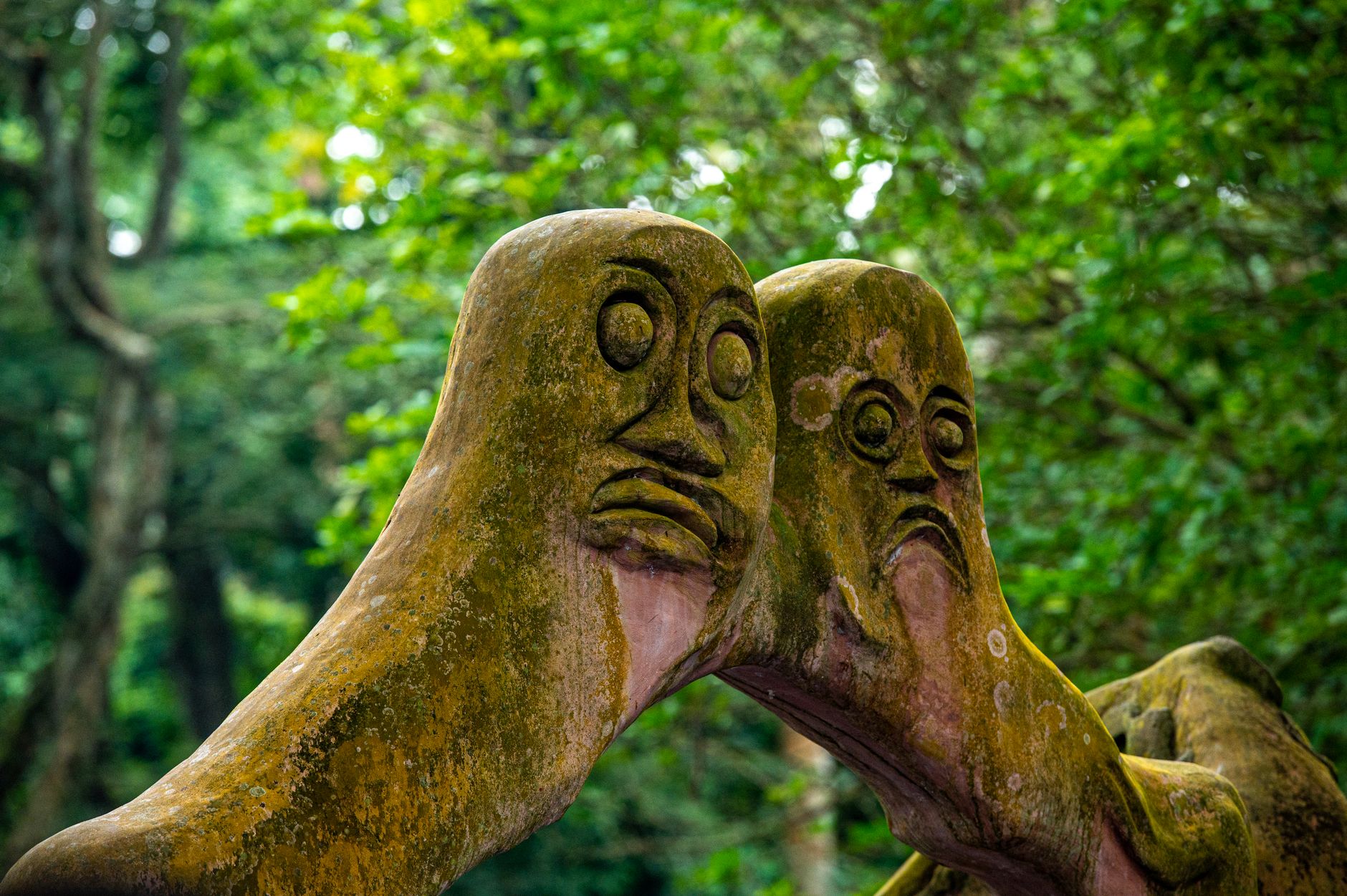
Step into a UNESCO World Heritage site that serves as the spiritual heartland of the Yoruba religion. Wander through the dense, primordial forest lining the Osun River, where striking white and terracotta sculptures created by modernist artist Susan Wenger and local practitioners emerge from the undergrowth. Visit during the annual Osun-Osogbo Festival in August for a transformative encounter with living traditional worship.

Adventure

Conquer the Olumo Rock Granite Monolith

Climb the massive granite outcrop of Olumo Rock in Abeokuta, which served as a natural fortress and sanctuary for the Egba people during 19th-century tribal wars. Ascend via modern stairs or ancient rock-hewn paths, stopping to visit the caves, ancient shrines, and the resident priestesses. The summit offers sweeping, panoramic views across the sprawling rooftops of Abeokuta.

Culture

Feel the Pulse of Lagos at the New Afrika Shrine

Pay homage to the legendary birthplace of Afrobeat by spending an unforgettable night at the New Afrika Shrine in Agidingbi, Ikeja. Managed by Femi and Made Kuti, this open-air venue vibrates with hypnotic brass sections, driving percussion, and radical political commentary. Arrive late on a weekend night, order a cold Nigerian beer, and dance alongside a wildly diverse, welcoming crowd.

Must-See Highlights

Top Places & Things to Do in Nigeria

Curated attractions and cultural landmarks with local insider advice.

Nike Art Gallery
culture
4.8

Nike Art Gallery

Spanning four sprawling floors in Lekki, Lagos, the Nike Art Gallery is the largest privately owned art gallery in Africa, founded by legendary batik and textile artist Chief Nike Okundaye-Davies. The gallery houses a staggering collection of over 8,000 artworks, ranging from traditional Yoruba sculptures and beadwork to striking contemporary paintings and metal installations from across the continent. Visitors are often greeted by the artists themselves, who work in adjacent studios spinning yarn, carving wood, and dyeing fabrics. It serves not only as an exhibition space but as a vital cultural sanctuary and vocational training center for underprivileged women and youth, making it an essential stop for anyone seeking to understand Nigeria's dynamic art renaissance.

Daily: 10:00 AM - 6:00 PM
Admission: Free (donations encouraged)
Insider Tip: Set aside at least three hours to explore all four floors. Wear comfortable shoes, and do not hesitate to strike up conversations with the resident artists.
Lekki Conservation Centre
nature
4.6

Lekki Conservation Centre

Managed by the Nigerian Conservation Foundation, this 78-hectare urban nature reserve offers a serene escape from the relentless energy of Lagos. The park protects a diverse ecosystem of swamp and savannah habitats, providing a vital refuge for Mona monkeys, crocodiles, rare birds, and indigenous flora. The park's crowning glory is its famous canopy walkway—the longest in Africa—which suspends brave visitors up to 22 meters above the forest floor on bouncy, narrow rope bridges. Walking across offers breathtaking bird's-eye views of the dense canopy and surrounding wetlands.

Daily: 8:30 AM - 5:00 PM
Admission: ₦1,000 - ₦5,000
Insider Tip: Arrive right at opening time (8:30 AM) to beat the weekend crowds and catch the wildlife when they are most active. Watch out for mischievous wild monkeys that may try to grab loose items.
Osun-Osogbo Sacred Grove
culture
4.7

Osun-Osogbo Sacred Grove

Dotted along the winding banks of the Osun River just outside the city of Osogbo lies one of the last remnants of primary high forest in southern Nigeria. Designated a UNESCO World Heritage site, this sacred grove is dedicated to Osun, the Yoruba goddess of fertility, water, and beauty. The forest is strewn with shrines, sanctuaries, suspension bridges, and dozens of monumental sculptures erected in the mid-20th century. The site is a living landscape where traditional priests and priestesses still perform daily rituals and annual ceremonies. Walking beneath the towering mahogany trees accompanied by the sound of rushing water creates an atmosphere of profound mystical reverence.

Daily: 8:00 AM - 6:00 PM
Admission: ₦2,000
Insider Tip: Hire an official local guide at the entrance to gain deep historical and spiritual context regarding the shrines and sculptures. Dress modestly and respect sacred areas where photography may be restricted.
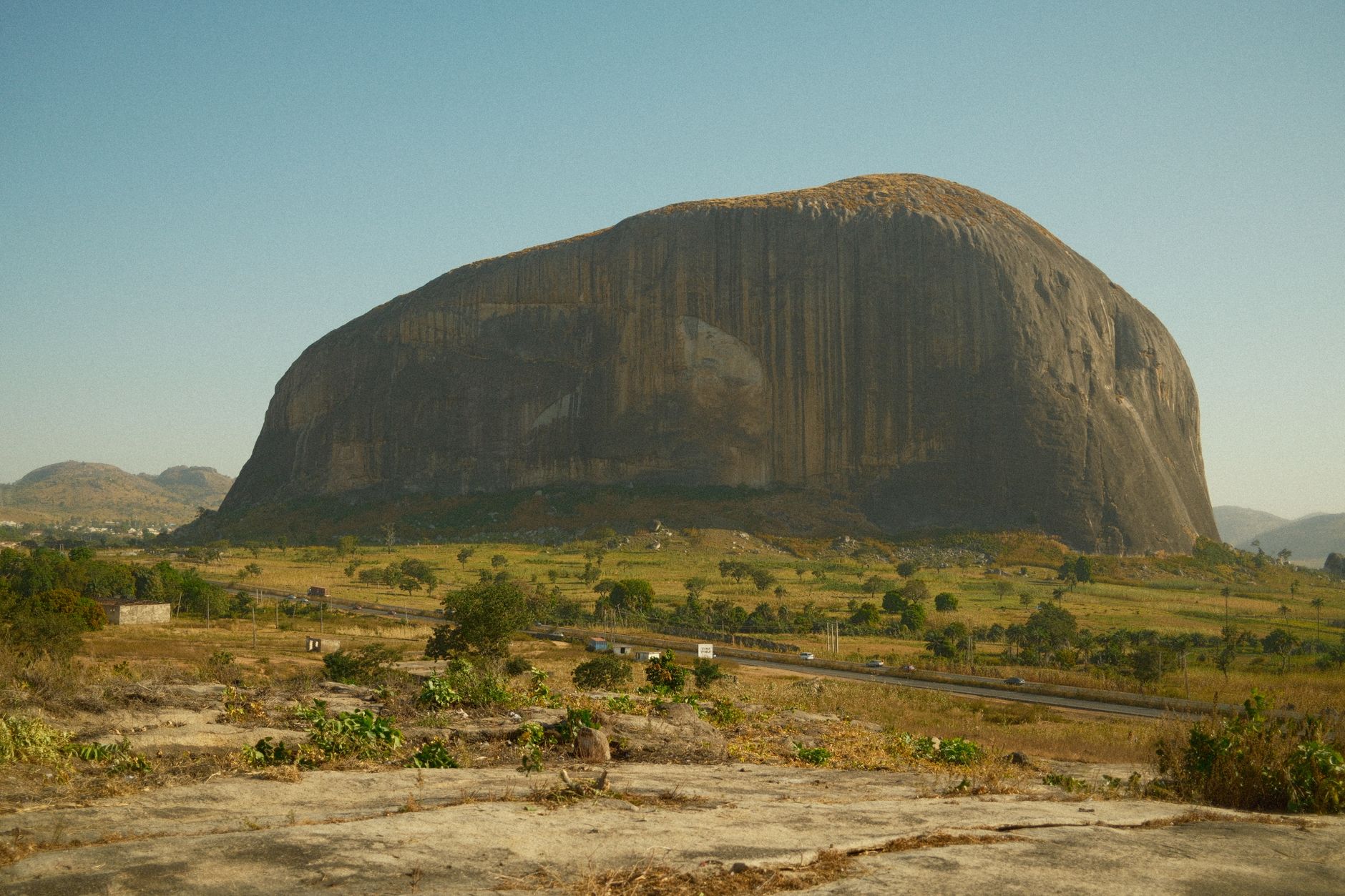
Zuma Rock
nature
4.5

Zuma Rock

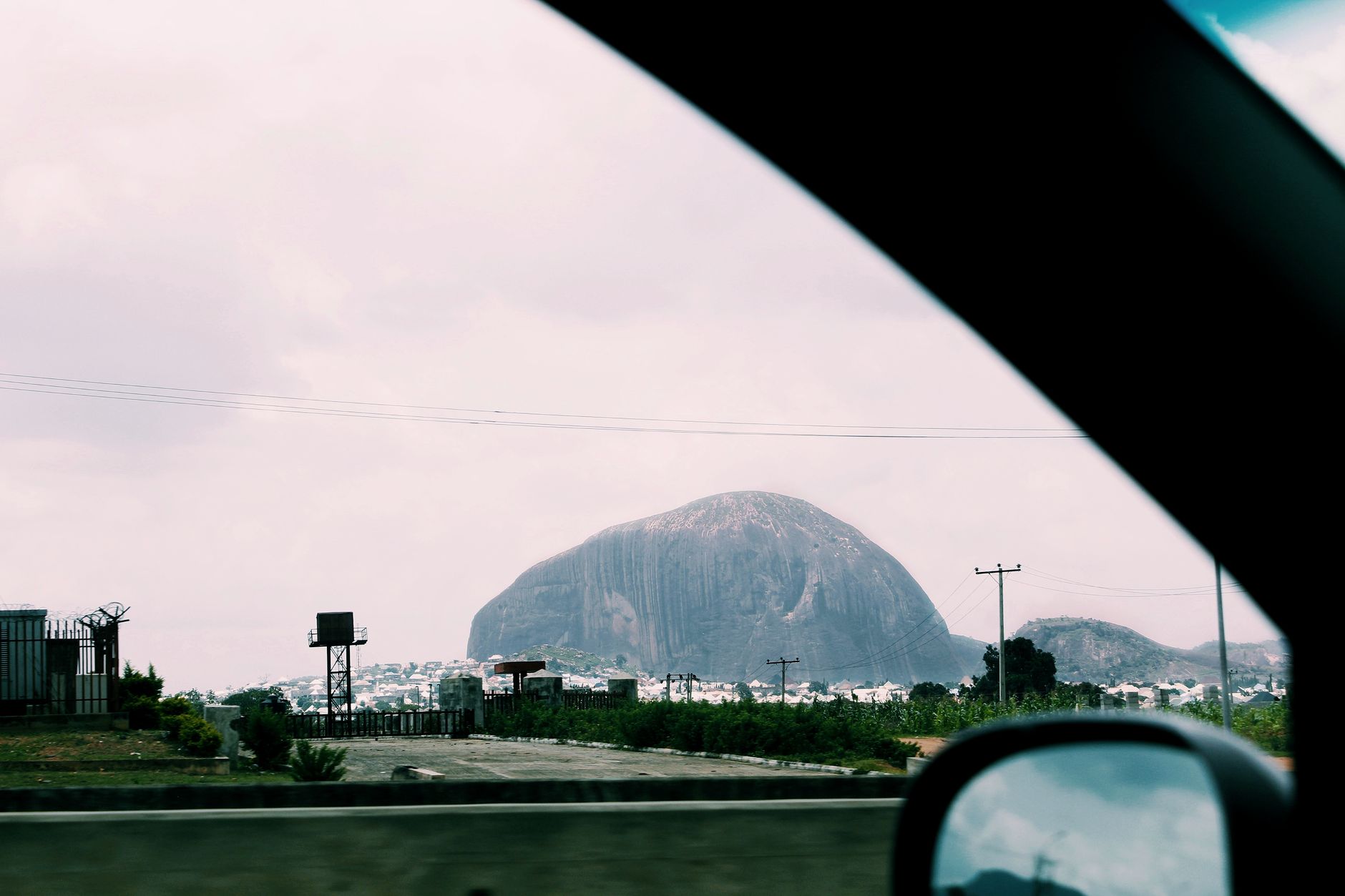
Rising majestically like a colossal natural sentinel right off the main highway entering Abuja from Kaduna, Zuma Rock is one of Nigeria's most iconic geological landmarks. This sheer igneous intrusion stands nearly 725 meters tall, towering over the surrounding savannah with an imposing, stoic grandeur. In traditional local folklore, the rock is imbued with immense spiritual significance; indigenous Gwari people historically viewed it as the gateway to the afterlife, and natural contours on its face resemble a human visage with deep eye sockets. While scaling the rock requires specialized climbing gear and permission, viewing it from the roadside rest stops provides incredible photo opportunities.

Open 24/7
Admission: Free
Insider Tip: View the rock during late afternoon golden hour for the best photographic lighting. Exercise caution when stopping along the busy highway to take pictures.
Area Guide

Where to Stay & Best Neighborhoods

Victoria Island & Ikoyi, Lagos

Best for: Luxury travelers, art collectors, fine dining enthusiasts, and nightlife seekers.

Vibe: Upscale, cosmopolitan, waterfront luxury mixed with high-finance and contemporary art galleries.

Flanked by the Atlantic Ocean and the Lagos Lagoon, Victoria Island and neighboring Ikoyi represent the affluent, fast-paced face of Nigeria's commercial capital. Tree-lined avenues house world-class contemporary art spaces like the Nike Art Gallery, upscale boutiques, and cutting-edge restaurants serving both pan-African and international cuisine. It is the safest and most polished base for exploring Lagos, offering high-end hotels and vibrant social clubs.

Lekki Phase 1 & environs, Lagos

Best for: Digital nomads, foodies, boutique shoppers, and beach lovers.

Vibe: Trendy, youthful, entrepreneurial, and buzzing with cafes, beach clubs, and creative hubs.

Stretching eastward along the peninsula, Lekki has evolved into Lagos's premier lifestyle and residential district. Packed with innovative coffee shops, rooftop lounges, and creative co-working spaces, it reflects the ambitions of Nigeria's booming tech and creative youth. Nearby attractions include the Lekki Conservation Centre, where visitors can walk across Africa's longest canopy walkway suspended above wetlands.

Kano Old City, Kano

Best for: History buffs, photography enthusiasts, and cultural explorers.

Vibe: Medieval Islamic metropolis, bustling mud-brick architecture, and ancient mercantile heritage.

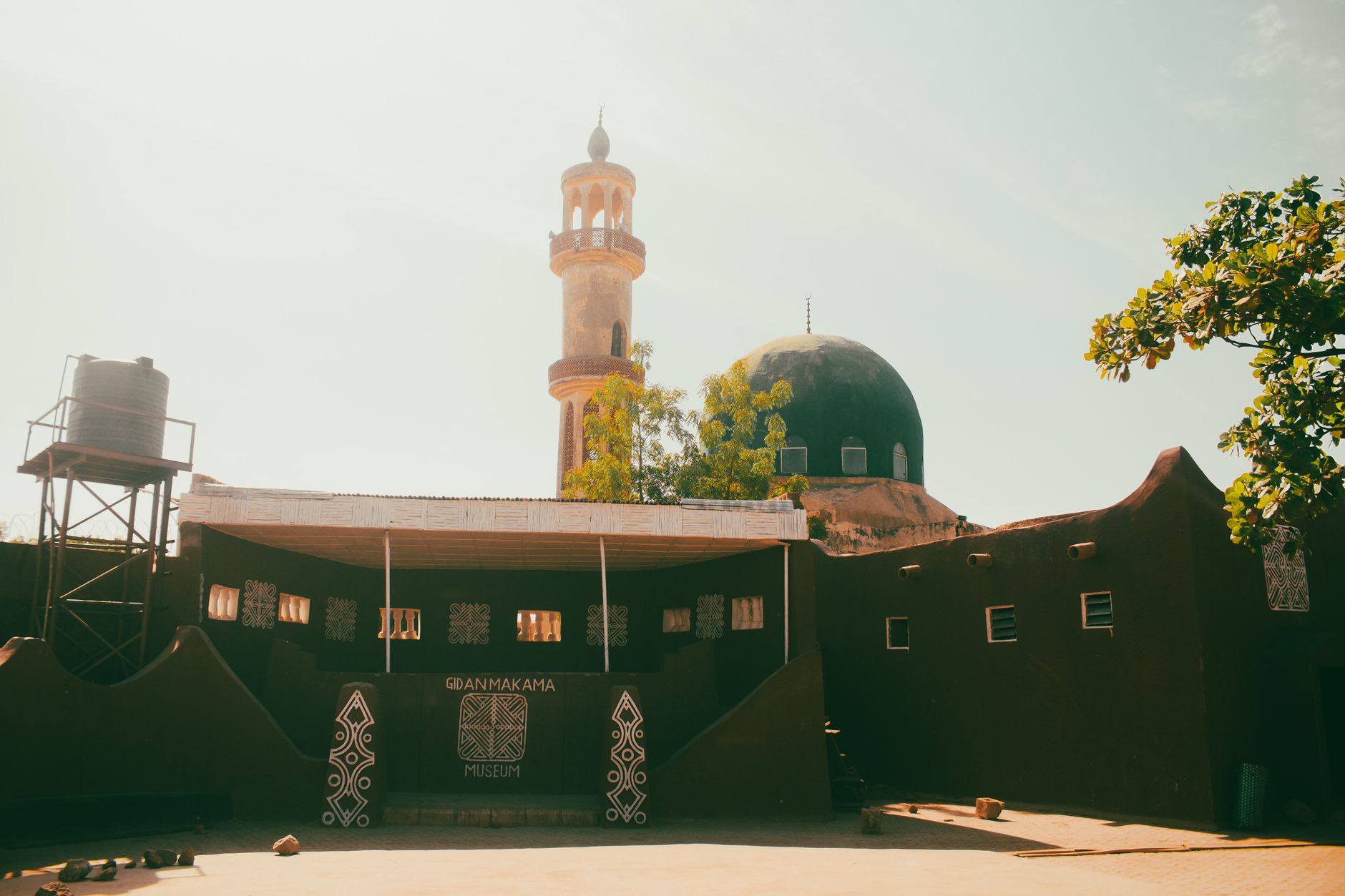
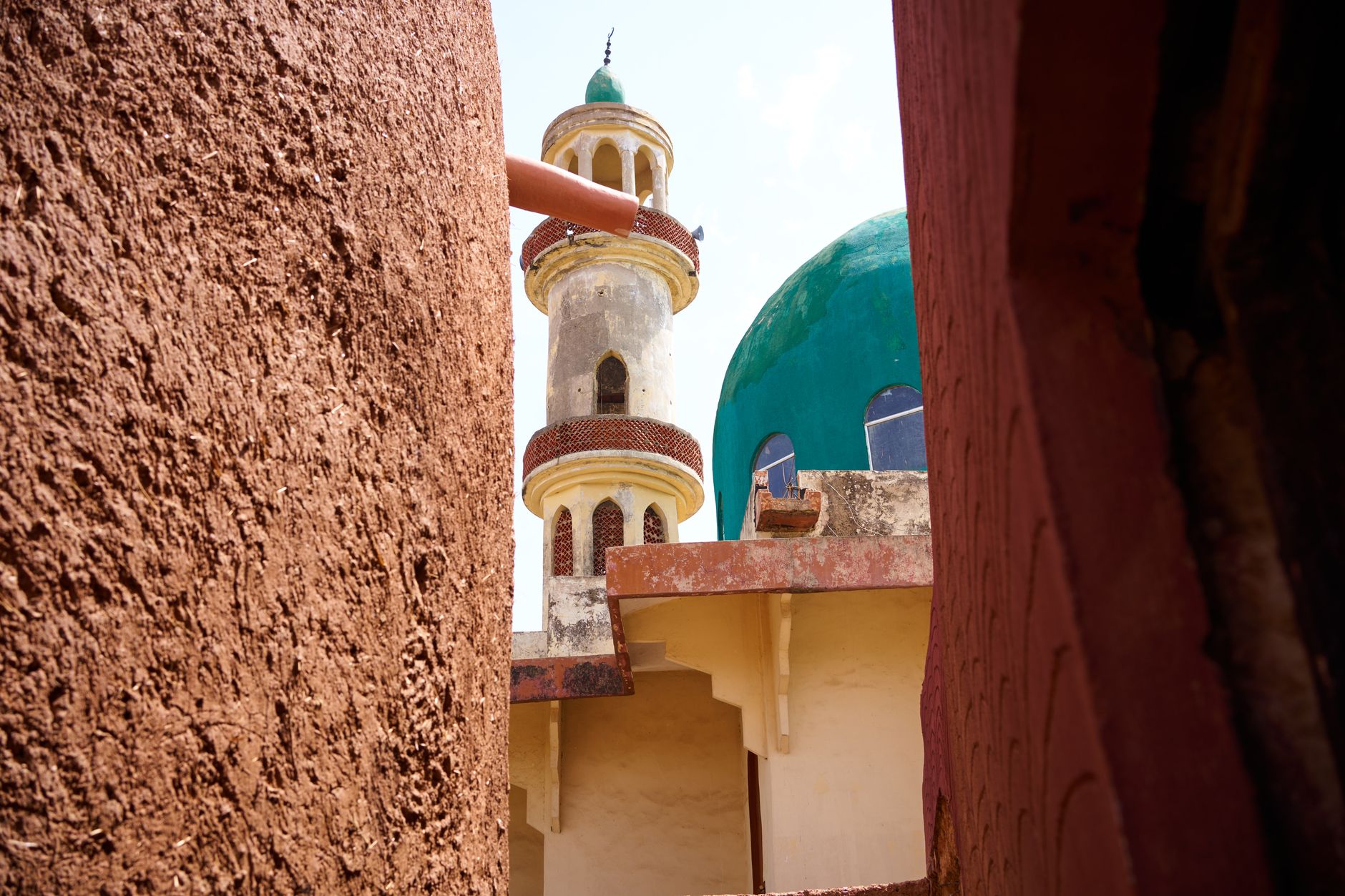
Stepping into Kano's Old City feels like walking through the pages of a medieval chronicle. Surrounded by ancient defensive walls, this centuries-old trading hub is famous for the Kurmi Market—one of the oldest markets in Africa—and the sprawling, indigo-dyed Kofar Mata dye pits, where fabrics have been treated using ancestral techniques for over 500 years. The distinct mud-brick architecture and towering Emir's Palace create an unforgettable sensory landscape.

Food & Drink Scene

What to Eat in Nigeria

Nigerian Jollof Rice

A legendary West African one-pot dish made with long-grain rice, blended tomatoes, scotch bonnet peppers, onions, and rich meat stock, slow-cooked to achieve a smoky bottom layer known as 'party jollof'. It is typically served with fried plantains and chicken or beef.

🍴 Top spot: Mega Chicken or upscale spots like Nok by Alara in Lagos

Pounded Yam with Egusi Soup

A quintessential comfort food featuring smooth, dough-like pounded yam paired with a nutrient-dense soup made from ground melon seeds, palm oil, stockfish, leafy greens, and assorted meats or seafood. It is traditionally eaten with the right hand.

🍴 Top spot: Bukka Hut or local traditional eateries across Lagos and Ibadan

Suya

Spicy, smoke-kissed skewered beef or chicken coated in 'Yaji'—a potent, aromatic rub of ground peanuts (groundnut cake), chili peppers, ginger, garlic, and onion powder. Typically grilled over open coals by traditional northern Hausa master roasters (Mai Suya) and served with fresh cabbage and onions.

🍴 Top spot: University of Lagos (Unilag) waterfront suya spots or roadside grills in Garki, Abuja
Excursions

Best Day Trips from Nigeria

Abeokuta Historic & Cultural Escape

1.5 to 2 hours by car from Lagos via the Lagos-Abeokuta Expressway

Journey north of Lagos to explore the historic city of Abeokuta. Marvel at the imposing Olumo Rock, visit the sprawling Adire textile markets where artisans hand-dye indigo fabrics using traditional resist-dyeing techniques, and explore historical missionary architecture.

Gurara Waterfalls Natural Retreat

1 hour to 1.5 hours by car northwest of Abuja

Escape the urban intensity of Abuja for a day trip to the magnificent Gurara Waterfalls, where a massive river plunges over a 30-meter-high cliff into a wide, tranquil pool surrounded by lush woodland. Enjoy swimming in designated areas, picnicking on the rocks, or taking a boat ride.

When to Go

Best Time to Visit & Seasonality

Editor’s Pick: The dry season, spanning from November to February, is widely considered the best time to visit Nigeria. During these months, humidity is lower, skies are clearer, and the heavy equatorial rains cease, making travel across the country much more accessible. This period also coincides with major cultural spectacles, including the breathtaking Durbar festivals in Kano and Kaduna during Islamic holidays, and various yam festivals in the south.

Spring Overview

(March - May)
Quiet / Low Season
Average Temperature & Climate28°C - 35°C (82°F - 95°F)

Rising temperatures, high humidity, and the onset of the early rainy season (mango rains).

Crowd & Travel ConditionsLow Tourist Traffic

Fewer lines and better deals.

✨ Seasonal Highlights:Lush green landscapes beginning to emerge; quieter tourist sites; excellent fruit harvesting season.
Travel Smarter

Practical Travel Essentials

CurrencyNGN (₦)
LanguageEnglish (Official), Pidgin English, Yoruba, Igbo, Hausa
Time ZoneWAT (UTC+1)

Visa & Entry

Most foreign nationals require a visa to enter Nigeria. Visas must generally be applied for online in advance through the official Nigeria Immigration Service portal, followed by biometric enrollment. A yellow fever vaccination certificate is strictly mandatory for entry.

Getting Around & Transit

Navigating Nigeria requires patience and localized planning. Domestic flights connect major cities like Lagos, Abuja, Port Harcourt, and Kano safely and efficiently. Within cities, ride-hailing apps like Uber and Bolt are widely used and recommended in Lagos and Abuja for safety and transparent pricing. Intercity road travel requires caution and should be booked through reputable private car services with experienced drivers.

Daily Budget Expectation

$70 - $150 USD per day for a comfortable mid-range travel experience, covering secure hotel accommodation, ride-hailing transport, dining at mid-to-high-end restaurants, and guided excursions.

Safety & Health

Exercise a high degree of caution throughout Nigeria due to regional security risks. While major economic hubs like Lagos and Abuja are generally stable with robust private security infrastructure, certain northern and northeastern states, as well as parts of the Niger Delta, carry significant travel advisories. Always travel with local fixers or trusted guides, stay informed on local news, and avoid traveling by road after dark.

Local Etiquette & Customs

Nigerians are exceptionally warm, polite, and respectful of social hierarchies and elders. Always greet people before asking questions or making requests. Use your right hand when giving or receiving items, shaking hands, or eating. Photography of government buildings, military checkpoints, and police personnel is strictly prohibited.

Questions & Answers

Frequently Asked Questions about Nigeria

Yes, most international visitors require a visa, which must be applied for online prior to arrival. Ensure you secure your visa approval letter and visa sticker through official government channels.