🌟 Best in Travel 2026 is here!
Palau
countryOceania
4.96 / 5.0

Palau

An underwater Eden of emerald rock islands and pristine marine biodiversity.

Advertisement
Editorial Guide

About Palau

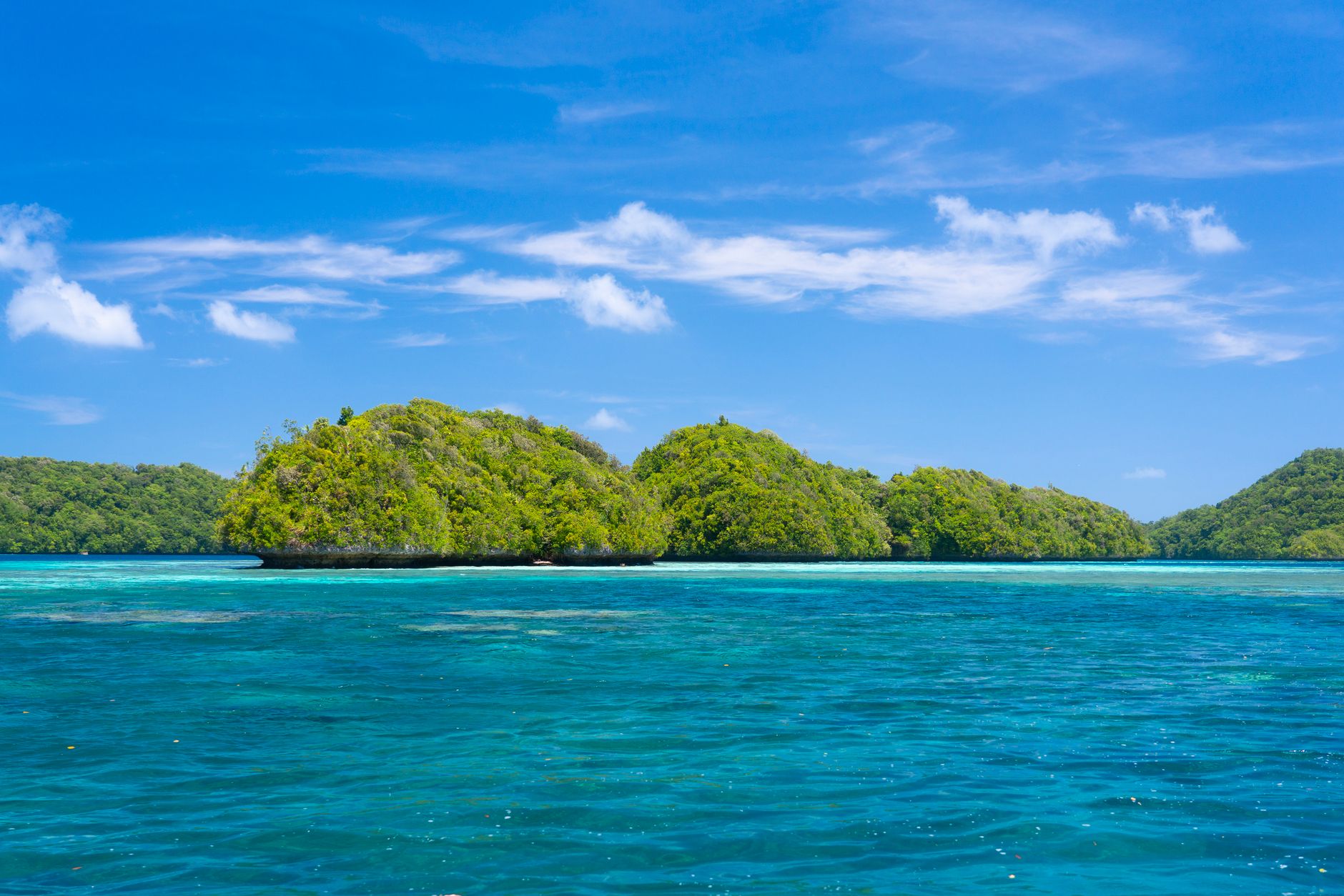
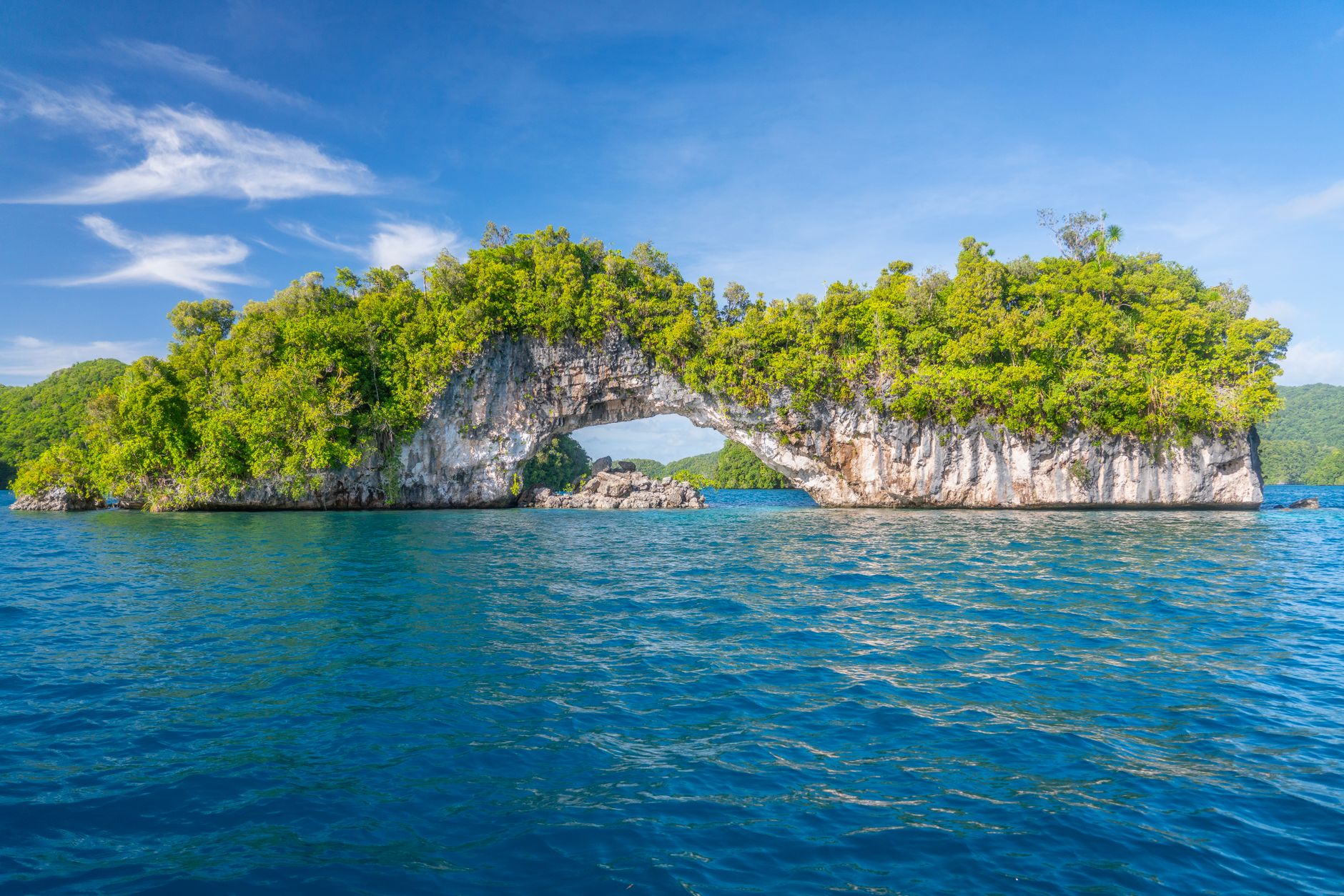
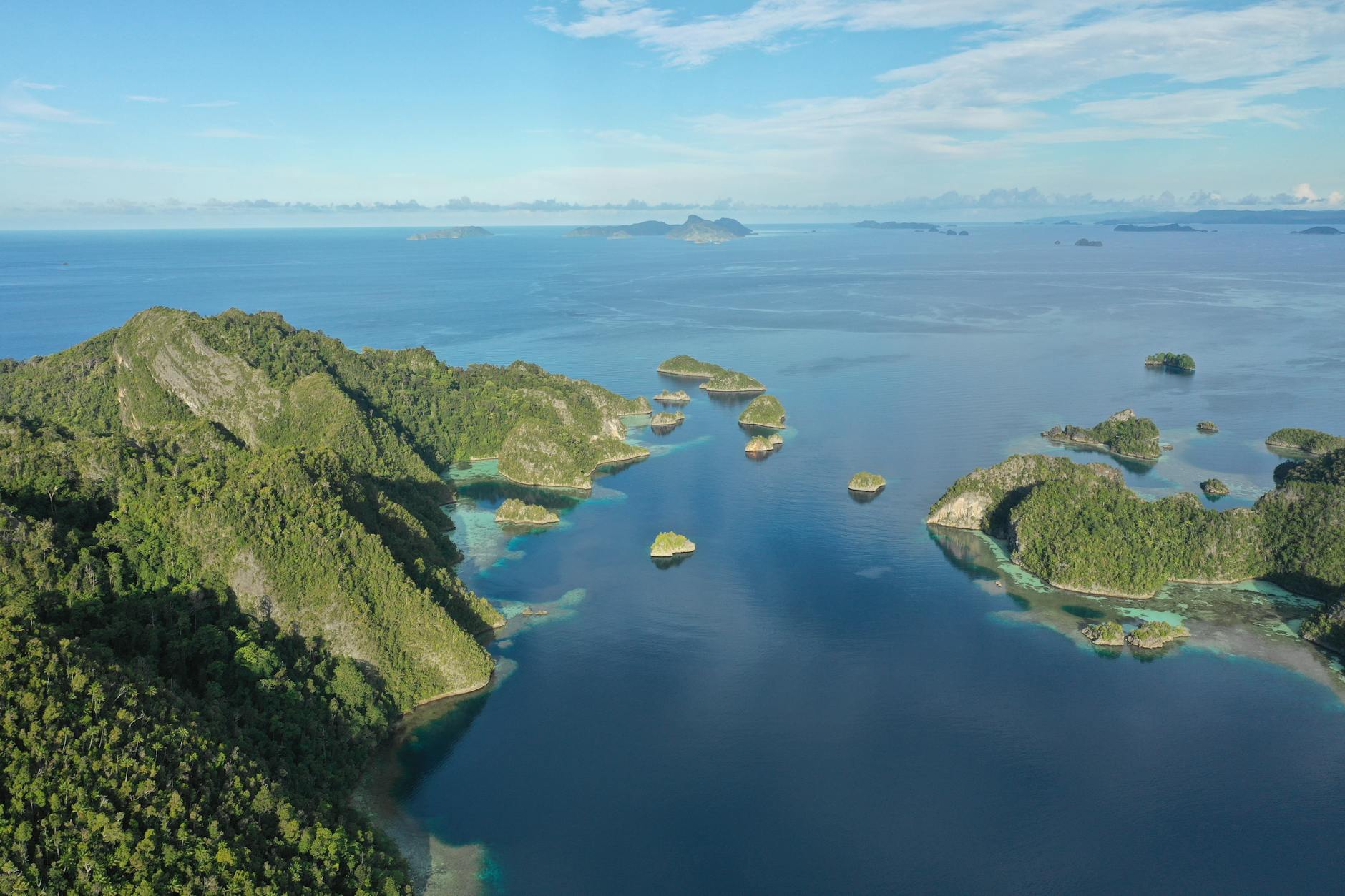
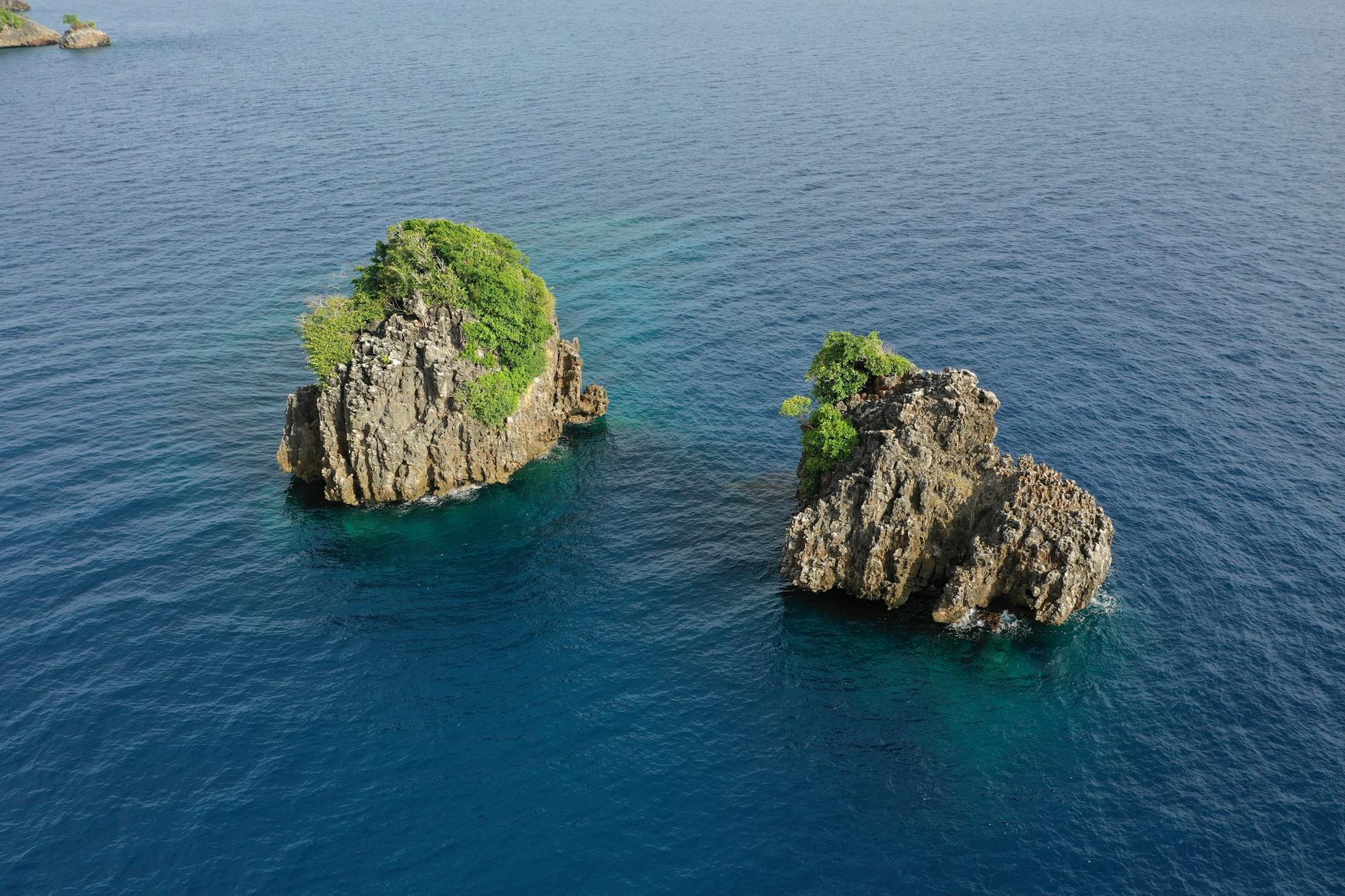
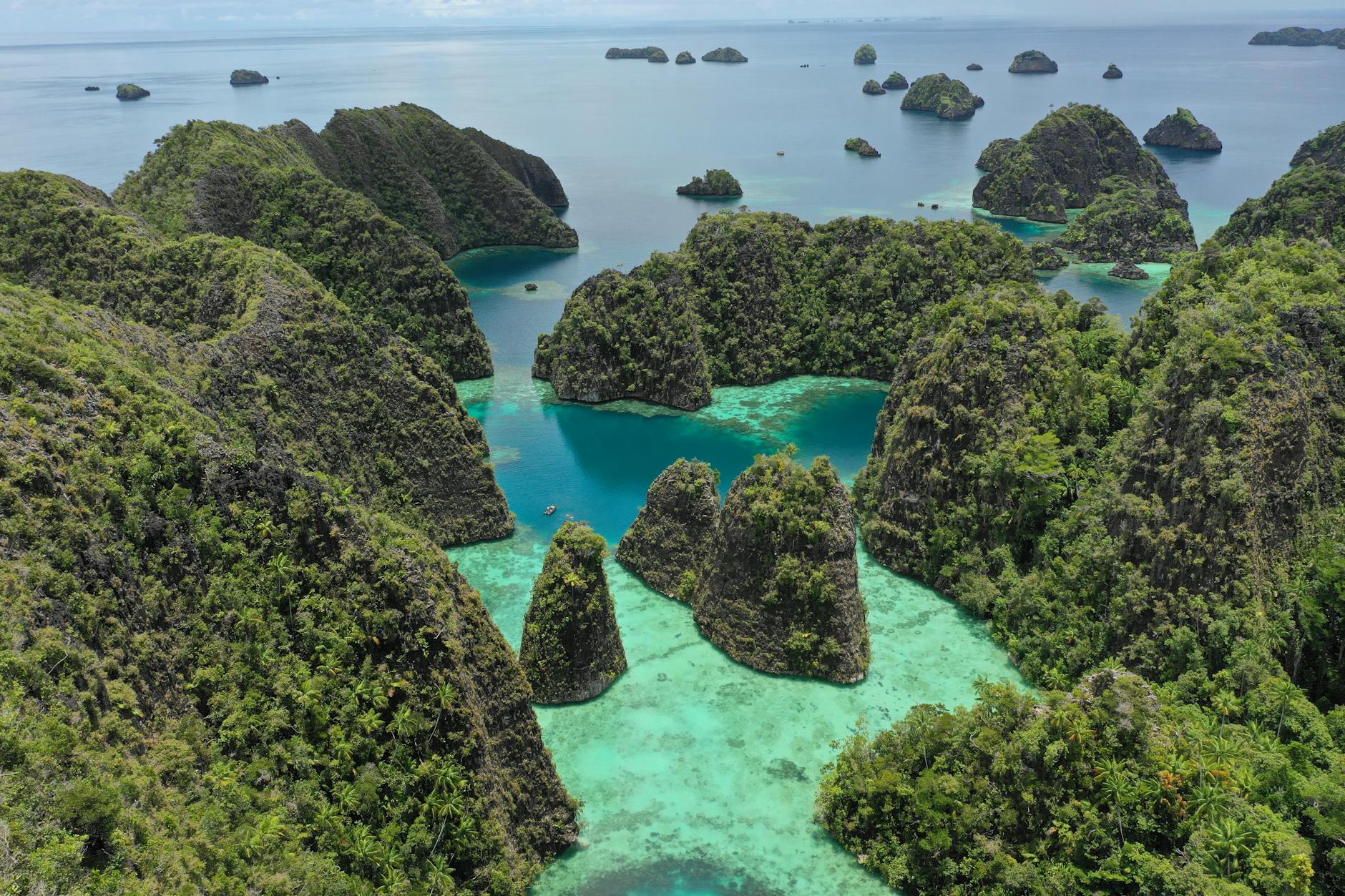
Rising from the western reaches of the Caroline Islands in Micronesia, Palau is an archipelago of over 300 limestone islands that represent one of the world’s most mesmerizing marine ecosystems. Historically influenced by Spanish, German, Japanese, and American administrations before gaining independence in 1994, Palauan culture remains deeply rooted in a traditional matrilineal society and a profound spiritual connection to the land and sea, famously known as 'omengeredel' or stewardship. The geography is characterized by the iconic Rock Islands—mushroom-shaped ancient coral reefs blanketed in dense jungle and undercut by crystal-clear turquoise waters—creating an otherworldly labyrinth that demands exploration.

Atmospherically, Palau feels like the edge of the world, where time slows down to the rhythm of the tides and the rustling of tropical fronds. The local way of life moves with a serene, island grace, heavily centered around community, storytelling, and the ocean. Visitors are immediately struck by the striking visual contrast: jagged, dark green islets floating on sheets of glass-like water that shift from jade to sapphire under the equatorial sun. It is a place that treats nature not merely as a scenic backdrop, but as a living ancestor and life-sustaining provider.

Beneath the surface lies Palau's true crown jewel. Famed for pioneering shark sanctuaries and enacting the visionary 'Palau Pledge' stamped into every visitor's passport, the country is a global leader in ecological preservation. Divers and snorkelers are treated to vibrant coral gardens, dramatic drop-offs, WWII shipwrecks, and the swirling pelagic life of channels like Blue Corner. On land, dense tropical forests harbor endemic bird species, hidden waterfalls, and ancient stone monoliths that hint at a complex pre-contact civilization.

Navigating Palau offers an intimate encounter with raw, untouched wilderness coupled with genuine Micronesian hospitality. Whether you are kayaking through hidden marine lagoons, descending into luminous blue holes, or listening to elders share oral histories under the thatched eaves of a traditional bai (meeting house), Palau delivers a transformative travel experience. It is a sanctuary that challenges us to rethink our relationship with the natural world, leaving an indelible imprint on every traveler fortunate enough to cross its azure thresholds.

Visual Impressions & Moments
Palau photo 1
Palau photo 2
Palau photo 3
Palau photo 4
Palau photo 5
Palau photo 6
Unmissable Moments

Top Things to Do in Palau

Adventure

Scuba Dive the Legendary Blue Corner

Drift along a dramatic vertical wall where oceanic currents sweep in from the open Pacific, drawing an astonishing concentration of reef sharks, barracudas, eagle rays, and tuna. Hook onto the reef edge and watch the underwater theater unfold before your eyes. Tip: Always dive with a local guide who knows how to read the unpredictable micro-currents.

Must-Do

Snorkel Among Millions of Stingless Jellyfish in Jellyfish Lake

Swim in a marine lake isolated from the ocean for millennia, where millions of golden jellyfish have lost their stinging ability due to a lack of natural predators. Gliding through the amber water surrounded by gentle, pulsating medusans is an otherworldly, meditative experience. Tip: Wear reef-safe sunscreen and avoid wearing fins to protect the delicate jellyfish.

Scenic

Kayak Through the Labyrinth of the Rock Islands

Paddle a sea kayak through secluded saltwater lagoons, hidden white-sand pocket beaches, and towering limestone monoliths covered in dense emerald vegetation. This slow-travel approach allows you to discover secret alcoves and spot nesting seabirds inaccessible to motorized boats. Tip: Start your paddle at dawn to catch the mirror-flat water and misty morning light.

Culture

Explore WWII History at Peleliu Island

Step back in time on Peleliu, the site of one of the Pacific theater's most ferocious battles. Explore vine-strangled Japanese headquarters, rusted tanks, artillery guns, and underground caves that remain eerily preserved in the jungle. Tip: Hire a local historical guide in Koror to bring the poignant battlefield stories to life.

Must-See Highlights

Top Places & Things to Do in Palau

Curated attractions and cultural landmarks with local insider advice.

Airai Bai (Traditional Men's Meeting House)
culture
4.75

Airai Bai (Traditional Men's Meeting House)

Built over a century ago without the use of a single iron nail, the Airai Bai is the oldest surviving traditional meeting house in Palau. Constructed with sturdy mangrove posts and a high-pitched thatched roof, its exterior and interior beams are covered in vibrant painted legends and geometric motifs. It serves as a masterpiece of indigenous architecture and a testament to Palau's rich sociopolitical history.

09:00 - 16:00 daily
Admission: $10 entry fee
Insider Tip: Dress modestly and respect local customs when entering historical and cultural sites.
Blue Corner
attraction
4.98

Blue Corner

Widely regarded as one of the finest scuba diving sites on the planet. A shallow reef shelf juts out into the open ocean, catching oceanic currents that act as a magnet for pelagic marine species. Divers hook themselves onto the reef edge using reef hooks and watch an underwater parade of reef sharks, schools of barracuda, eagle rays, green turtles, and tuna cruising effortlessly against the current.

Daylight hours (dependent on tide)
Admission: $100 Jellyfish/Koror State Permit included in tours
Insider Tip: Advanced certification and a reef hook are required due to strong, shifting currents.
The Rock Islands Southern Lagoon
nature
4.99

The Rock Islands Southern Lagoon

A UNESCO World Heritage site comprising over 300 limestone islands formed from ancient coral reefs. The lagoon features an astonishing mosaic of barrier reefs, shallow turquoise bays, and hidden marine lakes teeming with over 385 species of coral and diverse marine life. Visitors navigate a labyrinth of mushroom-shaped green islets sculpted by tidal erosion and dotted with endemic plant species. It is the premier playground for kayaking, snorkeling, and diving in Micronesia.

Sunrise to Sunset
Admission: $50 Rock Island Permit
Insider Tip: Ensure your tour operator is certified and strictly adheres to eco-tourism guidelines to protect fragile coral reefs.
Jellyfish Lake (Ongeim's Tketau)
nature
4.92

Jellyfish Lake (Ongeim's Tketau)

A marine lake located on Eil Malk island where millions of golden jellyfish migrate horizontally across the lake daily following the sun. Isolated from predators, the jellyfish have lost their stinging tentacles, allowing visitors to swim among them in peaceful harmony. The brackish water offers a surreal, amber-tinted swimming environment unlike anywhere else on earth.

08:00 - 17:00 daily
Admission: $100 Jellyfish Lake Permit
Insider Tip: Do not wear sunscreen as chemicals harm the jellyfish, and swim with slow, gentle movements to avoid disturbing them.
Area Guide

Where to Stay & Best Neighborhoods

Koror City

Best for: First-time visitors, dive operators, restaurants, convenience

Vibe: Busy commercial hub, laid-back island town, culinary center

Koror serves as the economic and cultural heart of Palau, housing the majority of the nation's hotels, dive shops, restaurants, and supermarkets. While it lacks the pristine wilderness of the outer islands, it offers a fascinating window into contemporary Palauan life, featuring local handicraft stores, historical monuments, and bustling eateries serving fresh seafood and Asian-fusion cuisine.

Malakal Island

Best for: Divers, boat charter enthusiasts, marine researchers

Vibe: Maritime hub, rugged, harbor-facing, boat-launch centric

Connected to Koror by a short bridge, Malakal is the primary maritime gateway of Palau. Home to the main commercial port and several key dive resorts, this neighborhood is where the sea adventures begin. It features sweeping views of the surrounding azure channels and easy access to departure docks for Rock Island excursions.

Airai State

Best for: History buffs, culture seekers, off-the-beaten-path explorers

Vibe: Rural, historical, lush, traditional

Located on Babeldaob—Palau's largest island—Airai offers a sharp contrast to Koror with its rolling green hills, traditional villages, and ancient sites. Here you will find the historic Airai Bai, Palau's oldest traditional men's meeting house, showcasing intricate wood carvings and mythological storytelling panels.

Food & Drink Scene

What to Eat in Palau

Umeches (Local Mangrove Crab)

Fresh mangrove crab harvested from the tidal roots of Palau's dense forests, typically steamed or cooked in a rich garlic, ginger, and coconut milk broth. The meat is sweet, tender, and deeply savory.

🍴 Top spot: Drop Off Bar & Grill

Sashimi and Fresh Reef Fish

Given its pristine ocean waters, Palau offers world-class fresh seafood. Yellowfin tuna, red snapper, and parrotfish are served raw as sashimi with soy sauce and wasabi, or grilled whole over an open flame with local spices.

🍴 Top spot: Carp Island Resort Restaurant

Tapioca and Taro-based Delicacies

Root crops like taro form the traditional agricultural foundation of Palauan cuisine. Often pounded into dense cakes, boiled, or used in coconut-infused puddings, they provide a comforting, earthy contrast to the rich seafood.

🍴 Top spot: Taj Restaurant & local village feasts
Excursions

Best Day Trips from Palau

Babeldaob Island Waterfalls & Monoliths Expedition

30-60 mins by car from Koror

Venture across the Japan-Palau Friendship Bridge to explore Babeldaob, Palau's largest and most rural island. Hike through jungle trails to reach the thundering Ngardmau Waterfall, the highest waterfall in Micronesia, and visit the mysterious Badrulchau stone monoliths—ancient basalt pillars carved by early inhabitants.

Peleliu Island WWII Historical Tour

1 hour by speedboat or 1.5 hours by ferry

Take a high-speed ferry or chartered boat south to Peleliu Island for a sobering and immersive deep-dive into Pacific WWII history. Tour the museum, explore Thousand Man Cave, and witness nature slowly reclaiming rusted tanks, artillery batteries, and concrete bunkers swallowed by the jungle.

When to Go

Best Time to Visit & Seasonality

Editor’s Pick: The dry season, spanning from November to April, offers the calmest seas, optimal visibility for diving (often exceeding 100 feet), and minimal rainfall. December through March is peak season due to ideal weather conditions, though the shoulder months of May and October provide wonderful tranquility if you don't mind occasional tropical showers.

Spring Overview

(March - May)
Moderate
Average Temperature & Climate27°C - 31°C (80°F - 88°F)

Warm and increasingly humid with transition to the wet season by late May.

Crowd & Travel ConditionsModerate Tourist Traffic

Fewer lines and better deals.

✨ Seasonal Highlights:Calm seas ideal for diving, spawning aggregations of groupers and snappers.
Travel Smarter

Practical Travel Essentials

CurrencyUnited States Dollar (USD $)
LanguagePalauan, English
Time ZoneUTC+9

Visa & Entry

Most nationalities receive a 30-day tourist visa upon arrival for free, provided they hold a valid passport, return ticket, and proof of sufficient funds. All visitors must sign the mandatory 'Palau Pledge' stamped into their passports upon entry.

Getting Around & Transit

Taxis are available in Koror but can be expensive for long distances. Car rentals are ideal for exploring Babeldaob island. To access the Rock Islands and dive sites, licensed tour boat operators and dive charters are mandatory.

Daily Budget Expectation

$200 - $450+ USD per day (inclusive of accommodation, meals, and daily guided boat/dive excursions).

Safety & Health

Extremely safe. Violent crime against tourists is virtually non-existent. The primary hazards are natural: strong ocean currents, sunburn, and dehydration.

Local Etiquette & Customs

Remove your shoes before entering traditional homes or meeting houses. Always ask permission before photographing local residents. Respect marine conservation laws—touching coral or feeding marine wildlife is strictly prohibited and heavily fined.

Questions & Answers

Frequently Asked Questions about Palau

The Palau Pledge is an eco-conscious oath stamped into every traveler's passport upon arrival, which visitors must sign promising to act in an environmentally responsible way during their stay.