🌟 Best in Travel 2026 is here!
Peru
countrySouth America
4.92 / 5.0

Peru

An ancient empire of mist-shrouded peaks, Amazonian wilderness, and world-class culinary innovation.

Advertisement
Editorial Guide

About Peru

Peru is a living tapestry where ancient indigenous traditions remain seamlessly woven into the fabric of modern daily life. From the moment you touch down in Lima, the sensory onslaught begins: the salt-kissed air of the Pacific, the hum of bustling artisan markets, and the unmistakable aroma of citrus-cured ceviche mingling with roasting aji peppers. The geography is as dramatic as its history, slicing from arid coastal deserts up through the vertiginous, snow-capped peaks of the Andes before plunging headlong into the emerald abyss of the Amazon Basin.

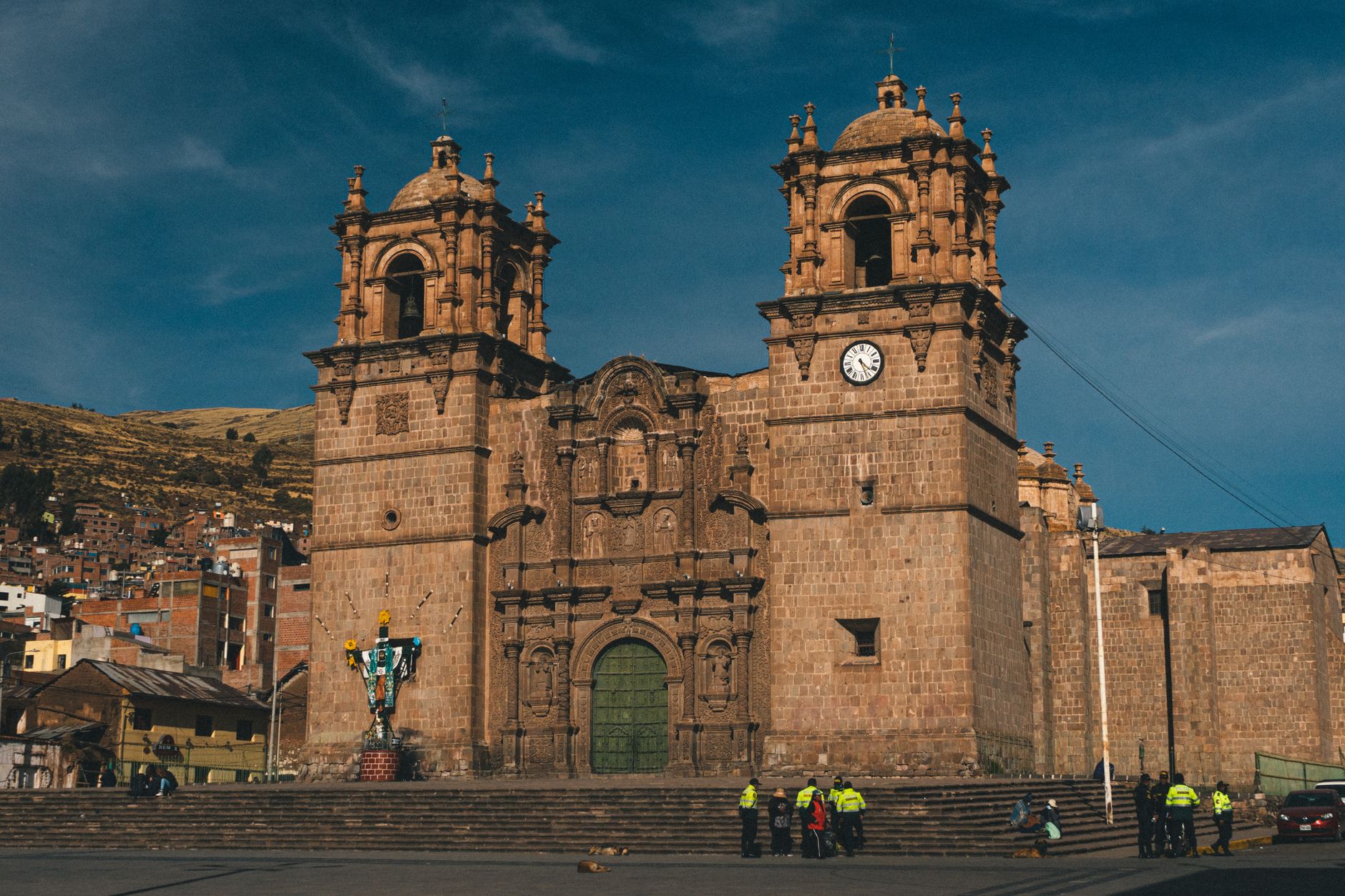
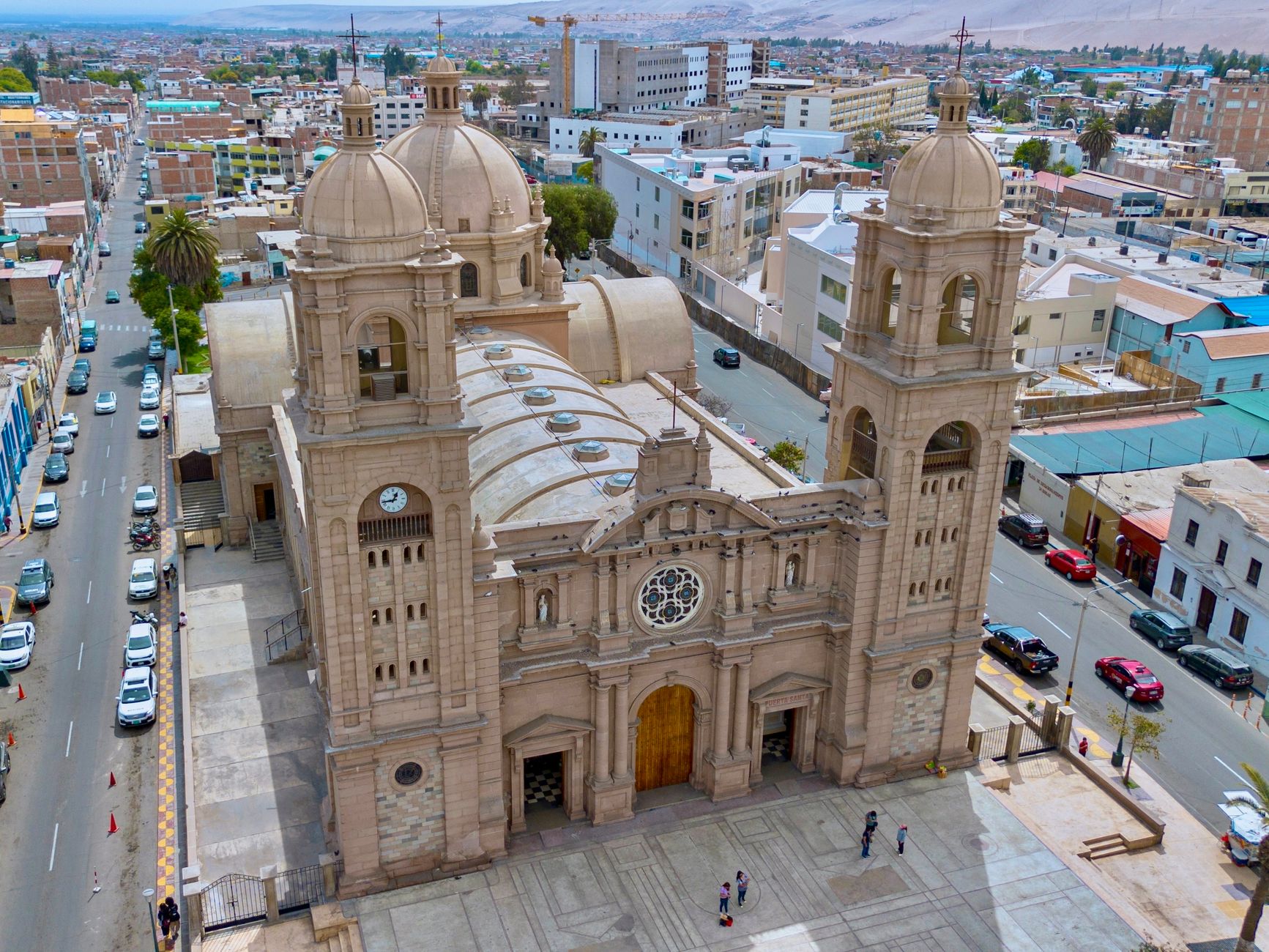
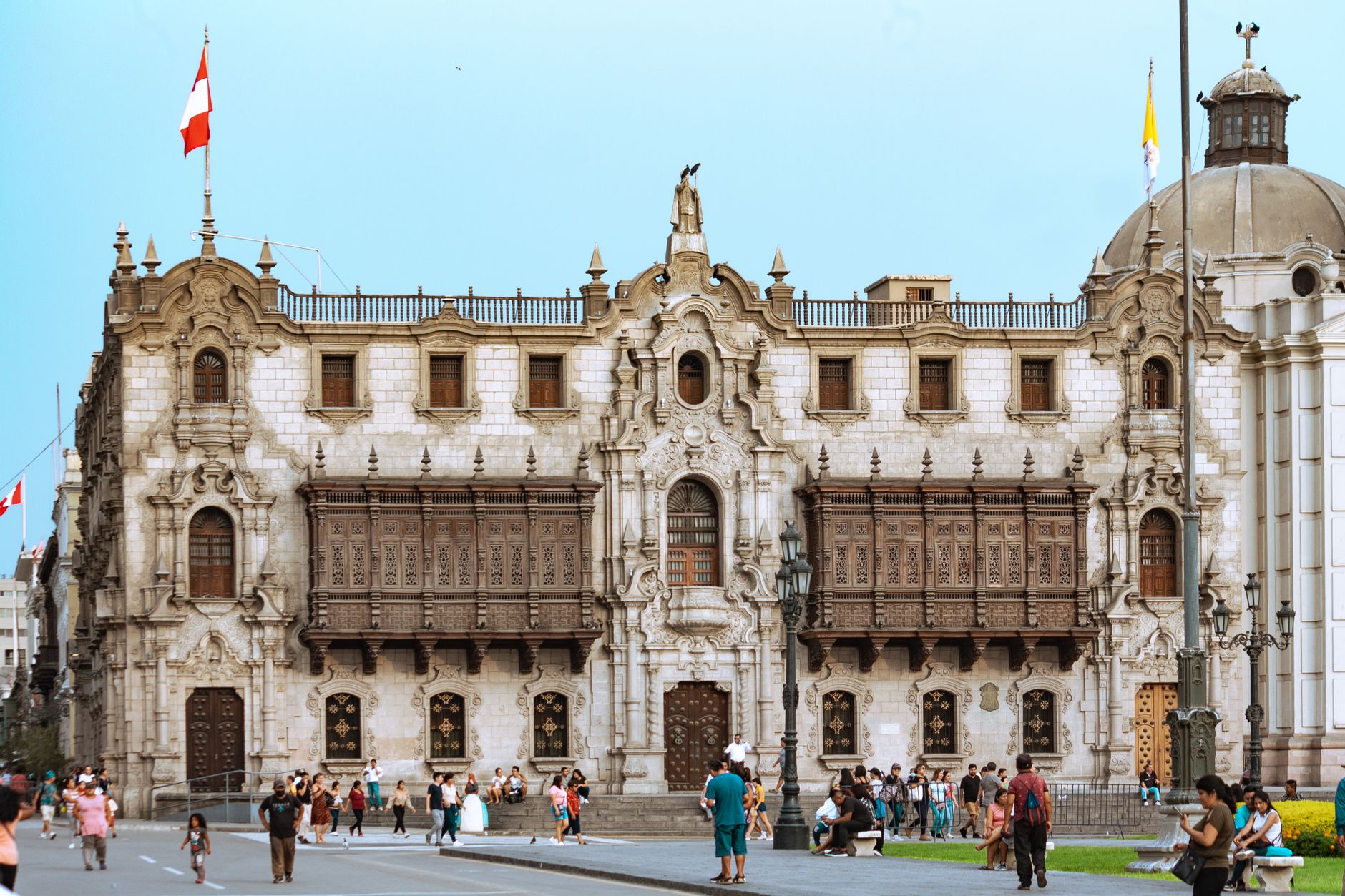
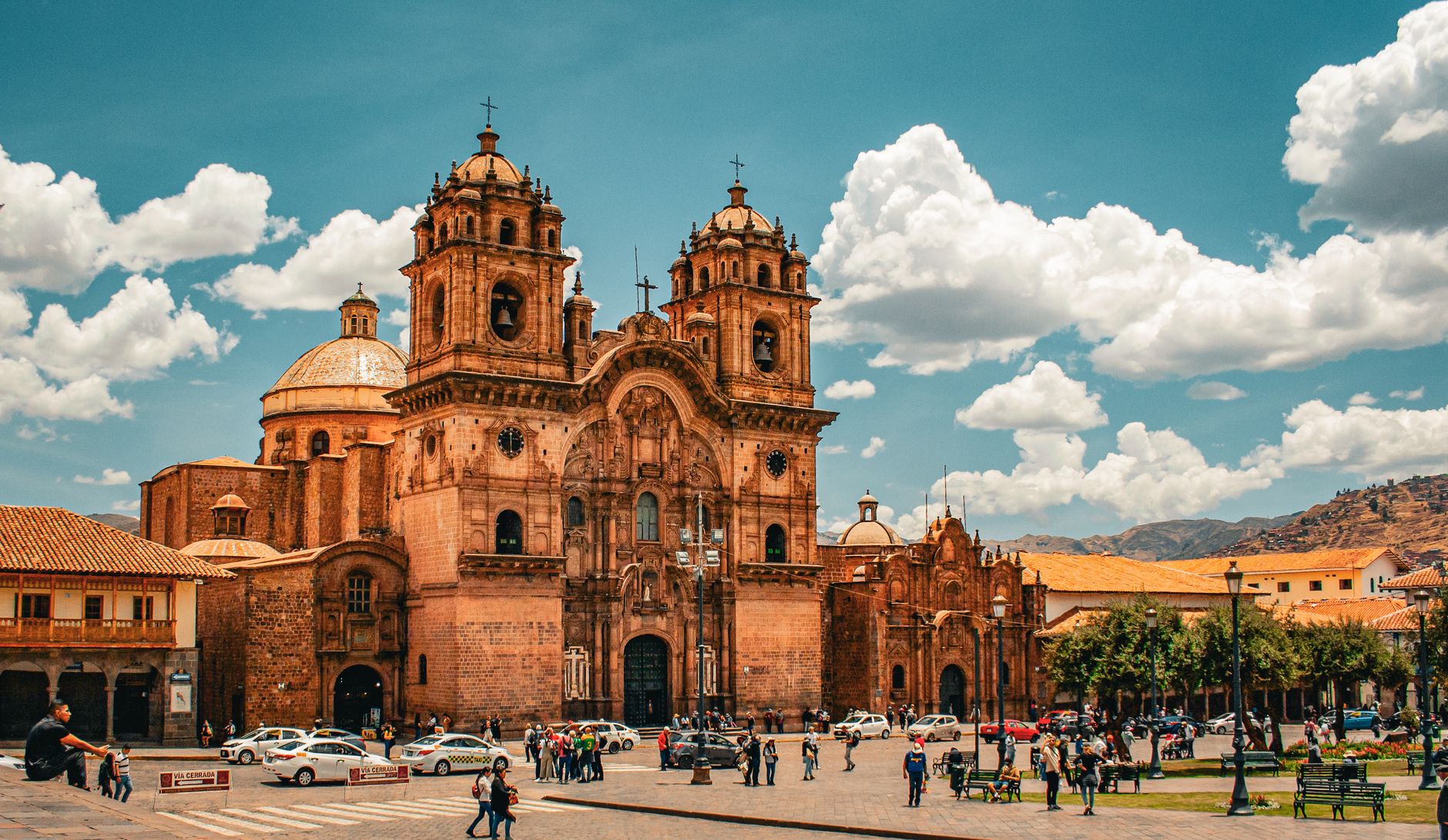
Historically, Peru is synonymous with the mighty Inca Empire, whose engineering marvels continue to humble modern visitors. Yet beneath the veneer of Tawantinsuyu lies layers of pre-Columbian civilizations—from the coastal Caral, one of the oldest urban centers in the Americas, to the enigmatic Nazca lines and the moody adobe cities of the Chimu. The Spanish conquest layered a baroque Catholic aesthetic over these ancient foundations, creating cities like Cusco and Arequipa where stone Inca foundations support intricately carved Spanish colonial balconies and golden basilicas.

Culturally, modern Peru is undergoing a profound renaissance, driven largely by its gastronomy. Recognized globally as a culinary superpower, the country's diverse microclimates provide an astonishing pantry that chefs leverage to create a cuisine that honors heritage while embracing avant-garde techniques. Beyond the plate, daily life pulses with music, textile arts, and spiritual reverence for Pachamama (Mother Earth). Festivals erupt with hypnotic dances, elaborate costumes, and brass bands that echo across high-altitude plazas, welcoming travelers into an open-hearted society.

Navigating Peru requires a willingness to surrender to its rhythms. Altitude sickness is a real companion for those rising swiftly from sea level to the Andean highlands, demanding a patient pace and liberal sips of coca tea. Yet the rewards are peerless: waking up to condors soaring over the Colca Canyon, trekking ancient stone paths through cloud forests, or navigating the winding tributaries of the Amazon to spot pink river dolphins. It is a destination that does not merely show you sights, but transforms your perception of time, scale, and human resilience.

Visual Impressions & Moments
Peru photo 1
Peru photo 2
Peru photo 3
Peru photo 4
Peru photo 5
Peru photo 6
Unmissable Moments

Top Things to Do in Peru

Adventure

Trek the Historic Inca Trail to Machu Picchu

Embark on a multi-day journey along ancient stone-paved pathways carved directly into the sheer Andean cliffs, passing through cloud forests, alpine passes, and hidden archaeological sites before catching your first breathtaking sunrise through the Sun Gate at Machu Picchu. Book at least six to nine months in advance. Tip: Hire a local porter cooperative and pace your breathing over Dead Woman's Pass to fully absorb the spiritual magnitude of the route.

Culinary

Indulge in a World-Class Tasting Menu in Miraflores, Lima

Discover why Lima is celebrated as the gastronomic capital of South America by securing a reservation at globally renowned establishments like Central or Maido. Experience multi-course menus that translate Peru's diverse ecosystems—from deep ocean depths to high-altitude Andean roots—into edible works of art. Tip: Request the wine pairing curated exclusively from South American vineyards.

Culture

Navigate the Deep Waters and Floating Islands of Lake Titicaca

Journey to the highest navigable body of water in the world, where the indigenous Uros people construct entire floating islands from buoyant totora reeds, and the communities of Taquile preserve ancient textile traditions recognized by UNESCO. Tip: Opt for a community-based homestay on AmantanĂ­ Island to share meals and stories with a local family under an unpolluted night sky.

Must-Do

Soar Over the Enigmatic Geoglyphs of the Nazca Desert

Board a small propeller plane from Nazca or Ica to gaze down upon massive, flawless etchings of hummingbirds, spiders, monkeys, and geometric lines gouged into the arid desert floor centuries ago by pre-Inca cultures. Tip: Take motion sickness medication beforehand, as the banking turns of the aircraft can be dizzying.

Must-See Highlights

Top Places & Things to Do in Peru

Curated attractions and cultural landmarks with local insider advice.

Machu Picchu
culture
4.98

Machu Picchu

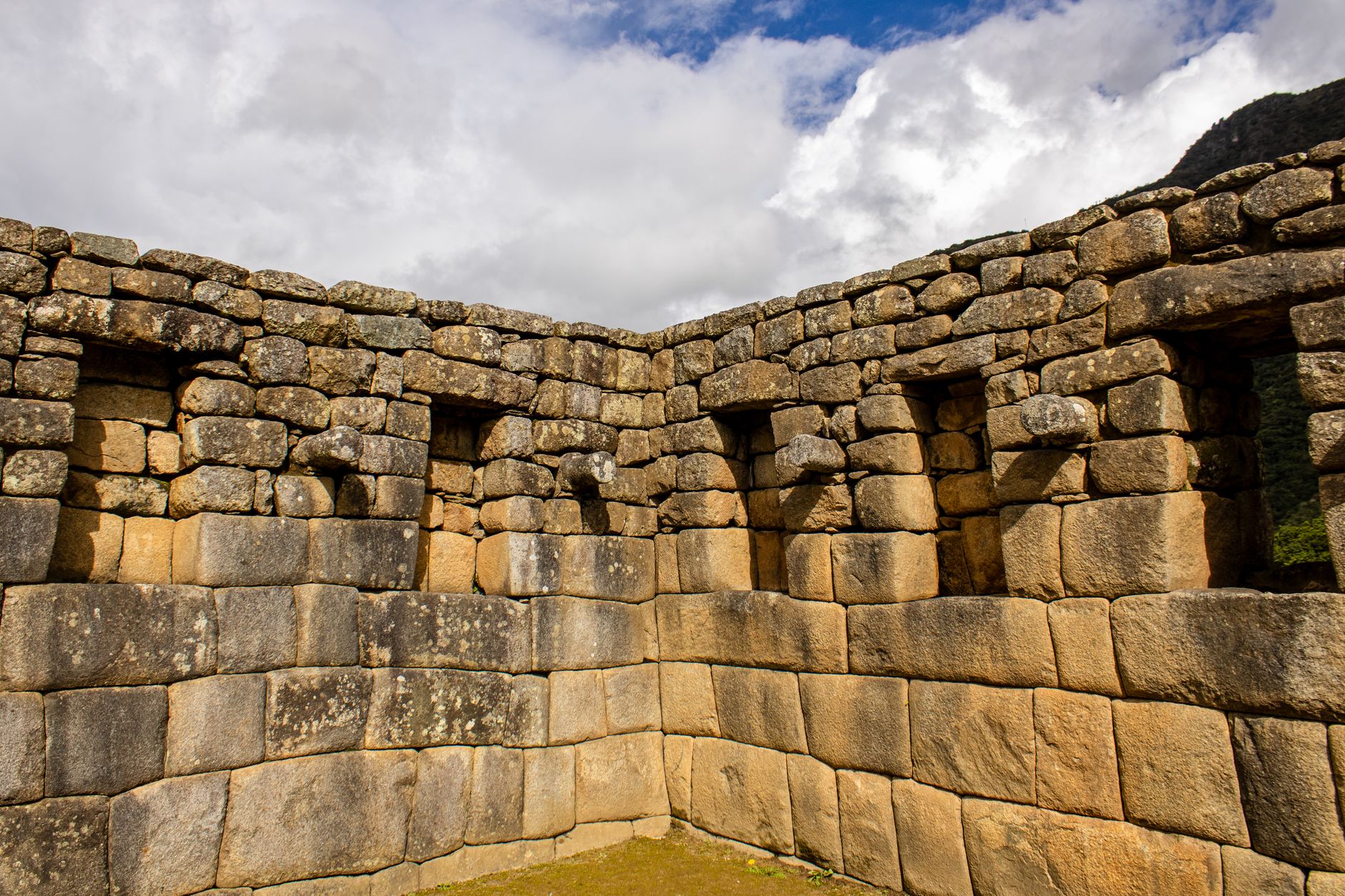
Perched on a razor-thin ridge high above the roaring Urubamba River, Machu Picchu is the crowning architectural achievement of the Inca Empire. Abandoned during the Spanish conquest, this mountaintop citadel remained hidden from the outside world by dense cloud forests until Hiram Bingham brought it to global prominence in 1911. Its dry-stone walls, interlocking precision blocks, and astronomical alignment with the surrounding peaks continue to leave archaeologists in awe. Walking among the terraced farming fields, royal quarters, and the sacred Temple of the Sun offers a profound glimpse into a sophisticated civilization that lived in absolute harmony with its vertiginous environment. Morning mists often shroud the ruins, slowly burning off to reveal jagged green peaks that pierce the sky, creating an ethereal atmosphere that transcends time.

6:00 AM - 5:30 PM daily
Admission: S/ 152 (~$40 USD for standard entry)
Insider Tip: Book your entry permit and train tickets months in advance. Choose Circuit 2 for the classic panoramic view and the most comprehensive look at the ruins.
Colca Canyon
nature
4.85

Colca Canyon

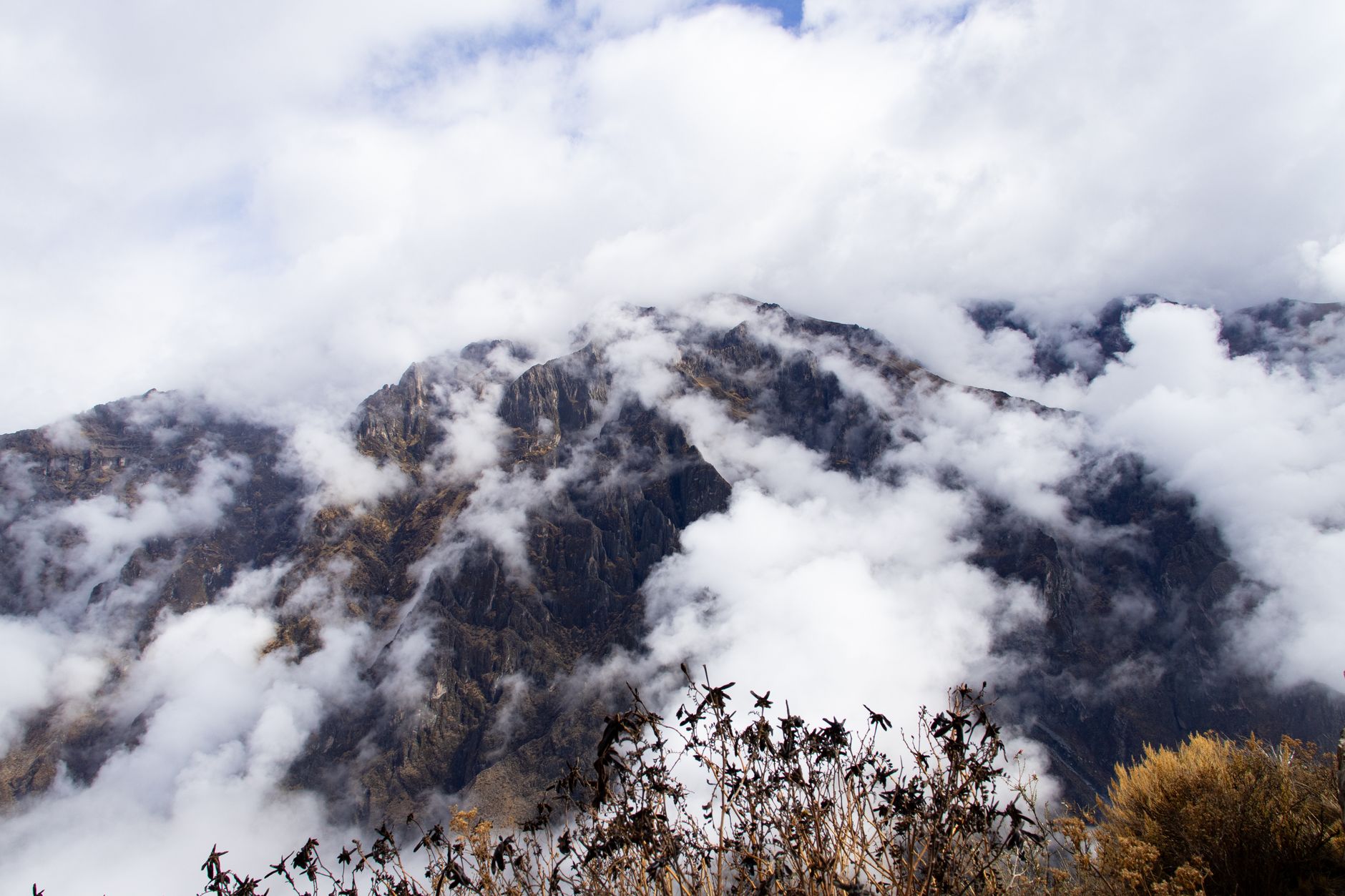
Plunging twice as deep as the Grand Canyon, the Colca Canyon is a staggering geological scar cut through the Peruvian Andes, framed by terraced slopes that have been cultivated since pre-Inca times. The valley floor is dotted with traditional Collagua and Cabana villages where residents still wear distinctive, heavily embroidered hats and tunics reflecting their ancestral heritage. The primary draw is Cruz del Cóndor, a dramatic lookout point where massive Andean condors—boasting wingspan lengths exceeding three meters—ride the early morning thermal updrafts, soaring mere feet above awestruck spectators before vanishing into the canyon abyss.

Open 24/7 (Best viewing 7:00 AM - 10:00 AM)
Admission: S/ 70 tourist ticket
Insider Tip: Stay overnight in Chivay or Yanque to break up the long drive from Arequipa and enjoy the natural thermal hot springs in the evening.
SacsayhuamĂĄn
culture
4.88

SacsayhuamĂĄn

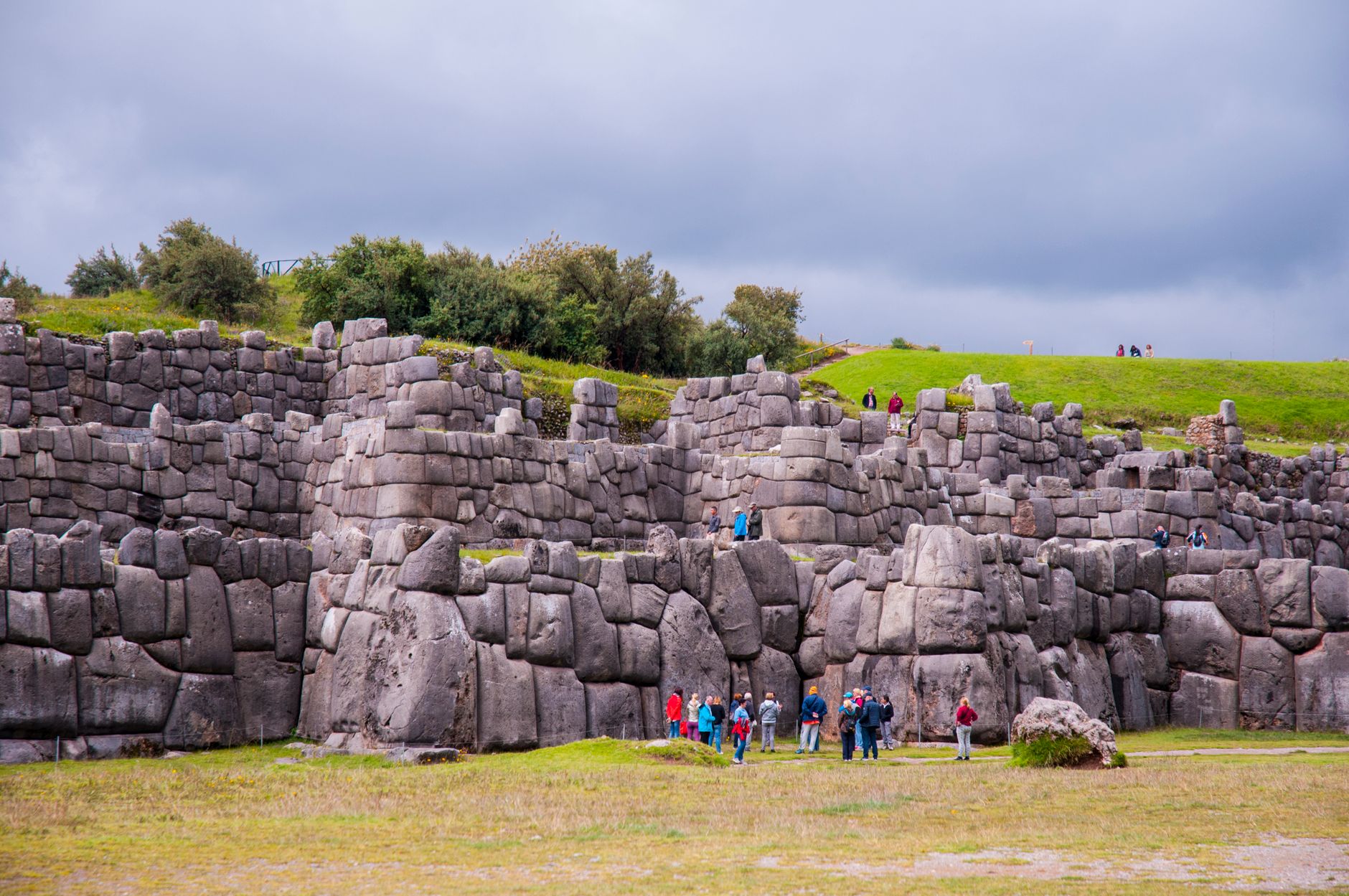
Overlooking the historic imperial city of Cusco, the massive megalithic fortress of Sacsayhuamán is an engineering marvel that defies easy explanation. Its outer zigzag walls are constructed from colossal limestone boulders—some weighing over 120 tons—fitted together with such exact precision that not even a single sheet of paper can be slipped between them, all achieved without the use of mortar. Whether functioning as a formidable military stronghold or a sacred religious temple shaped like the head of the puma that guarded Cusco, the site commands sweeping views over the red tile roofs of the city below. Walking along the stone bastions instills a deep appreciation for Inca stonework mastery.

7:00 AM - 5:30 PM daily
Admission: Included in Cusco Boleto TurĂ­stico (S/ 130)
Insider Tip: Visit in the late afternoon when the slanted sunlight highlights the massive contours of the stones and the tour bus crowds have thinned out.
The Ballestas Islands & Paracas National Reserve
nature
4.79

The Ballestas Islands & Paracas National Reserve

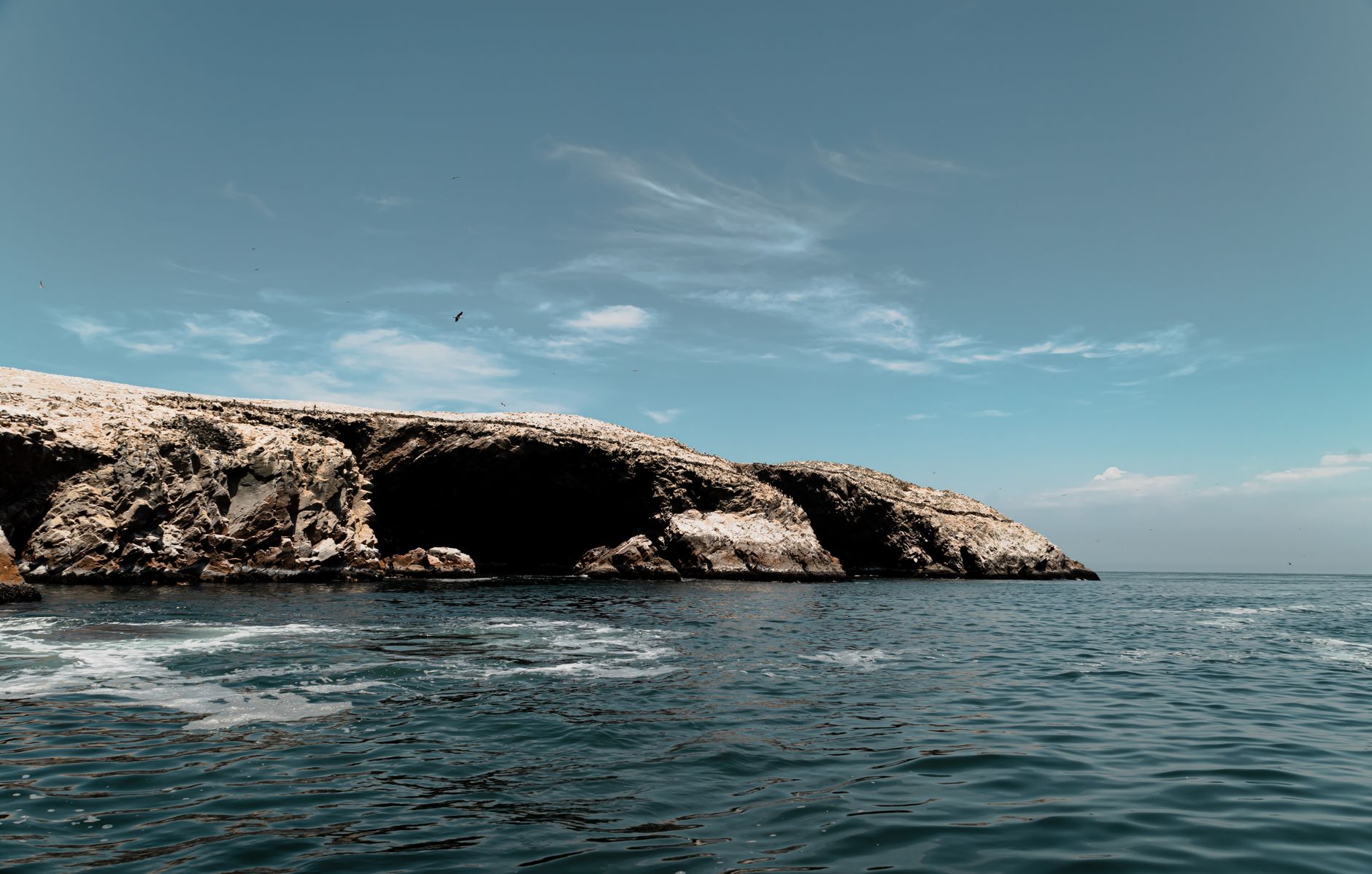
Often referred to as the 'Poor Man's Galapagos,' the Ballestas Islands are a rugged archipelago of eroded rock arches and sea caves teeming with exuberant wildlife. Cruising out from the desert port of Paracas, visitors encounter deafening rookeries of thousands of sea lions, Humboldt penguins nesting in rocky crags, and massive colonies of blue-footed boobies and guano-producing birds. Adjacent to the islands lies the Paracas National Reserve, where the bone-dry Sahara-like desert meets the deep blue Pacific Ocean, creating striking coastal landscapes of red sand beaches, dramatic cliffs, and turquoise waters.

8:00 AM - 4:00 PM daily
Admission: S/ 50-70 for boat tour + S/ 16 reserve entry
Insider Tip: Take the earliest morning boat tour (around 8:00 AM) to experience calmer seas and more active wildlife before the desert winds pick up.
Area Guide

Where to Stay & Best Neighborhoods

Miraflores & Barranco, Lima

Best for: Foodies, art lovers, nightlife seekers, and coastal strollers.

Vibe: Bohemian cliffside art scenes, ocean breezes, historic mansions, and world-class dining.

Perched dramatically atop the rugged cliffs overlooking the Pacific Ocean, Miraflores and Barranco represent Lima's contemporary soul. Miraflores offers manicured parks, upscale shopping, and the iconic MalecĂłn, while adjacent Barranco serves as the city's artistic heartbeat, filled with colorful colonial facades, hidden galleries, indie cafes, and lively bars playing live criollo music.

San Blas, Cusco

Best for: Photographers, craft collectors, slow travelers, and backpackers.

Vibe: Steep, cobblestone alleyways, whitewashed colonial houses, artisan workshops, and bohemian cafes.

Rising steeply above the northeastern corner of Cusco's Plaza de Armas, San Blas is a labyrinth of narrow, traffic-free stone lanes framed by Inca stone walls. Historically the artisans' quarter, it is home to master woodcarvers, silversmiths, and painters whose workshops spill out onto charming squares. At night, acoustic guitar notes drift from cozy pubs tucked into historic courtyards.

The Sacred Valley of the Incas

Best for: Slow travel, wellness retreats, outdoor enthusiasts, and history buffs.

Vibe: Tranquil agricultural terraces, roaring rivers, towering snow peaks, and peaceful indigenous markets.

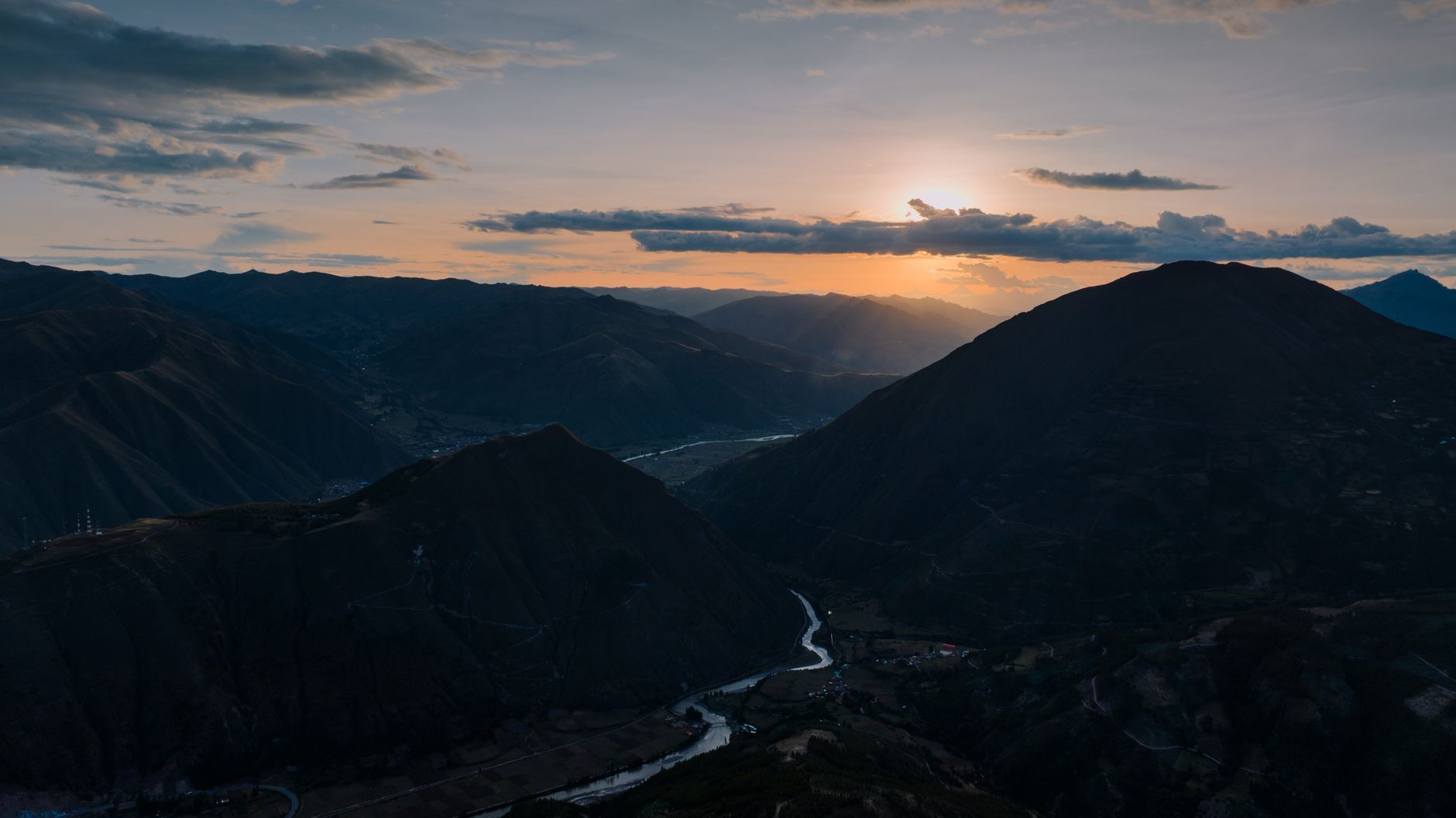
Slicing between Pisac and Ollantaytambo along the rushing Urubamba River, the Sacred Valley is a lush agricultural haven that served as the breadbasket of the Inca Empire. Dotted with massive hillside fortresses, vibrant Sunday artisan markets, and serene spa hotels, it provides an ideal lower-altitude acclimatization zone before ascending to Cusco.

Food & Drink Scene

What to Eat in Peru

Ceviche Clasico

Fresh raw fish—typically corvina or sole—cubed and briefly cured in freshly squeezed key lime juice, accompanied by sliced red onions, a kick of limo chili, boiled sweet potato (camote), and giant Andean corn kernels (choclo). The flavor profile is a brilliant balance of bright acidity, fiery heat, and natural sweetness.

🍴 Top spot: Canta Rana in Barranco, Lima

Lomo Saltado

A quintessential masterpiece of Chifa (Chinese-Peruvian fusion) cuisine, featuring strips of tender beef tenderloin stir-fried in a roaring wok with red onions, tomatoes, soy sauce, and pisco, tossed with crispy french fries and served alongside a mound of fluffy white rice.

🍴 Top spot: Isolina Taberna Peruana in Barranco, Lima

Cuy Chactado (Traditional Fried Guinea Pig)

An ancient Andean delicacy where a whole guinea pig is flattened, heavily seasoned with native herbs, cornmeal, and garlic, then deep-fried until the skin achieves an exceptional crunch while the meat remains tender and flavorful.

🍴 Top spot: Pachapapa in San Blas, Cusco
Excursions

Best Day Trips from Peru

Rainbow Mountain (Vinicunca or Palccoyo)

3 hours each way by private vehicle or guided tour from Cusco

Trek up to high-altitude mineral-striped slopes that display vivid bands of turquoise, lavender, and gold, forged by ancient weathering and environmental mineral deposits.

Pisac Ruins and Market

45 minutes by taxi or tour from Cusco

Explore sweeping agricultural terraces and cliffside military outposts, followed by browsing a bustling traditional artisan market filled with textiles and ceramics.

When to Go

Best Time to Visit & Seasonality

Editor’s Pick: May through September offers the absolute best weather for exploring the Andean highlands and trekking to Machu Picchu, characterized by crisp, clear blue skies and minimal rainfall. However, this is also the peak tourist season, meaning higher prices and advanced booking requirements. For shoulder-season travelers, April and October provide a pleasant sweet spot with fewer crowds, blooming flora, and manageable weather before the heavy summer rains set in from November to March.

Spring Overview

(September to November)
Moderate
Average Temperature & Climate12°C to 22°C (54°F to 72°F) in the Andes

Warming temperatures, increasing sunshine in the mountains, and blooming landscapes across the Sacred Valley.

Crowd & Travel ConditionsModerate Tourist Traffic

Fewer lines and better deals.

✨ Seasonal Highlights:Wildflowers in bloom, fewer crowds on trekking routes, and vibrant local agricultural festivals.
Travel Smarter

Practical Travel Essentials

CurrencyPEN (S/ - Peruvian Sol)
LanguageSpanish (Quechua and Aymara are also official regional languages)
Time ZonePET (UTC-5)

Visa & Entry

Citizens of the US, Canada, EU, UK, and Australia do not require a tourist visa for stays up to 90 days. Ensure your passport is valid for at least 6 months upon entry.

Getting Around & Transit

Domestic flights via LATAM or Sky Airline are efficient for connecting Lima to Cusco, Arequipa, and Puerto Maldonado. For overland travel, reputable long-distance bus companies like Cruz del Sur offer comfortable, multi-class sleeper coaches.

Daily Budget Expectation

$70 - $150 USD per day covers comfortable mid-range guesthouses, local dining, entrance fees, and regional transportation.

Safety & Health

Moderate. Violent crime against tourists is rare, but petty theft, pickpocketing, and luggage scams are common in transit hubs and crowded markets. Use registered taxis or ride-hailing apps like Uber.

Local Etiquette & Customs

Always ask permission before photographing indigenous people in traditional dress, and expect to offer a small tip (propina) in return. Greet shopkeepers with a polite 'Buenos dĂ­as' or 'Buenas tardes'.

Questions & Answers

Frequently Asked Questions about Peru

If you are flying directly from sea-level Lima to high-altitude Cusco (3,400m), you may experience mild to moderate altitude sickness (soroche). Many travelers consult their doctor beforehand for acetazolamide (Diamox), while locally, drinking muĂąa (Andean mint) tea and chewing coca leaves provide natural relief.