2026 GuideVoyage Roams Best in Travel: Top 10 Bucket List Destinations
Read Rankings
Kyoto
cityAsia
4.95 / 5.0

Kyoto

Discover the art of solitary wandering in Japan's timeless cultural capital.

Advertisement
Editorial Guide

About Kyoto

Kyoto stands as the ultimate sanctuary for the solo traveler, a city where solitude is not merely accommodated but actively celebrated. In a world of constant noise, Kyoto invites the lone wanderer into a realm of quiet contemplation, where the rustle of bamboo leaves in Arashiyama and the soft scrape of a monk's broom on temple gravel provide the soundtrack. It is a destination designed for slow, introspective exploration, where traveling alone is elevated to a spiritual practice.

As Japan's imperial capital for over a millennium, Kyoto is a living museum of classical Japanese culture. Solo travelers can seamlessly blend into the background of historic districts like Gion and Higashiyama, where wooden machiya townhouses line flagstone streets and the elusive geisha glide silently between appointments. The lack of group distractions allows for a deeper, more visceral connection to the city's Shinto and Zen Buddhist roots, turning everyday sightseeing into a series of quiet revelations.

Geographically cradled by mountains on three sides, Kyoto’s grid-like layout—inspired by the ancient Chinese capital of Chang'an—makes navigation exceptionally intuitive for the solo explorer. The Kamogawa (Kamo River) bisects the city, serving as both a physical compass and a vibrant communal space where locals and solo travelers alike sit along the banks to read, write, or watch the sunset. Excellent public transit, combined with flat, highly walkable streets, ensures that independent transit is stress-free and empowering.

Local life in Kyoto is deeply respectful of personal space, making it one of the safest and most comfortable cities globally for solo diners and female travelers. The culinary scene is uniquely suited to the lone visitor; intimate counter-seating at ramen shops, quiet kissaten (traditional coffee shops), and yakitori bars encourage quiet appreciation of craftsmanship rather than boisterous group dining. Here, the solo traveler is never an anomaly, but rather a welcomed guest participating in the city's quiet rhythm.

Visual Impressions & Moments
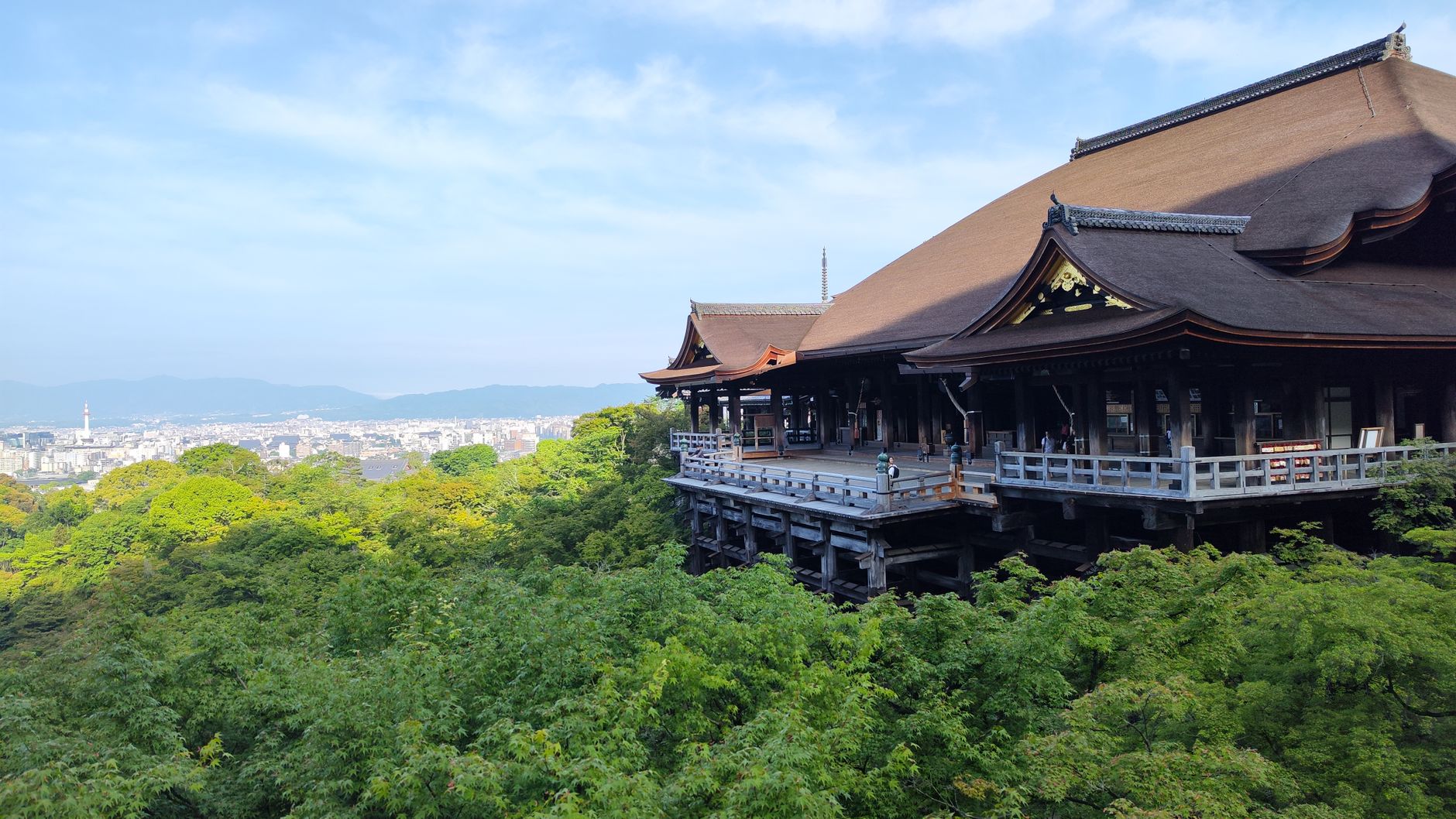
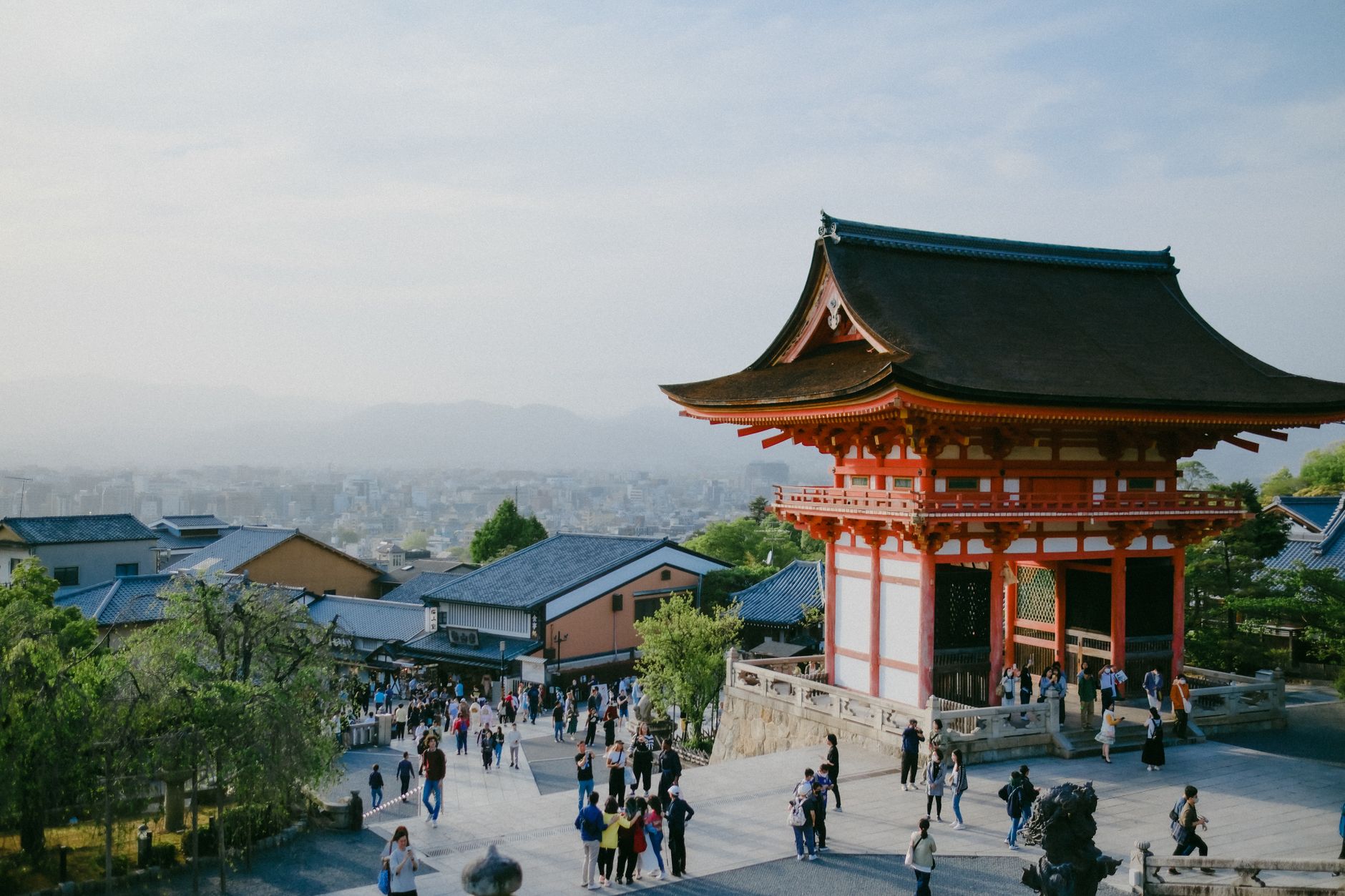
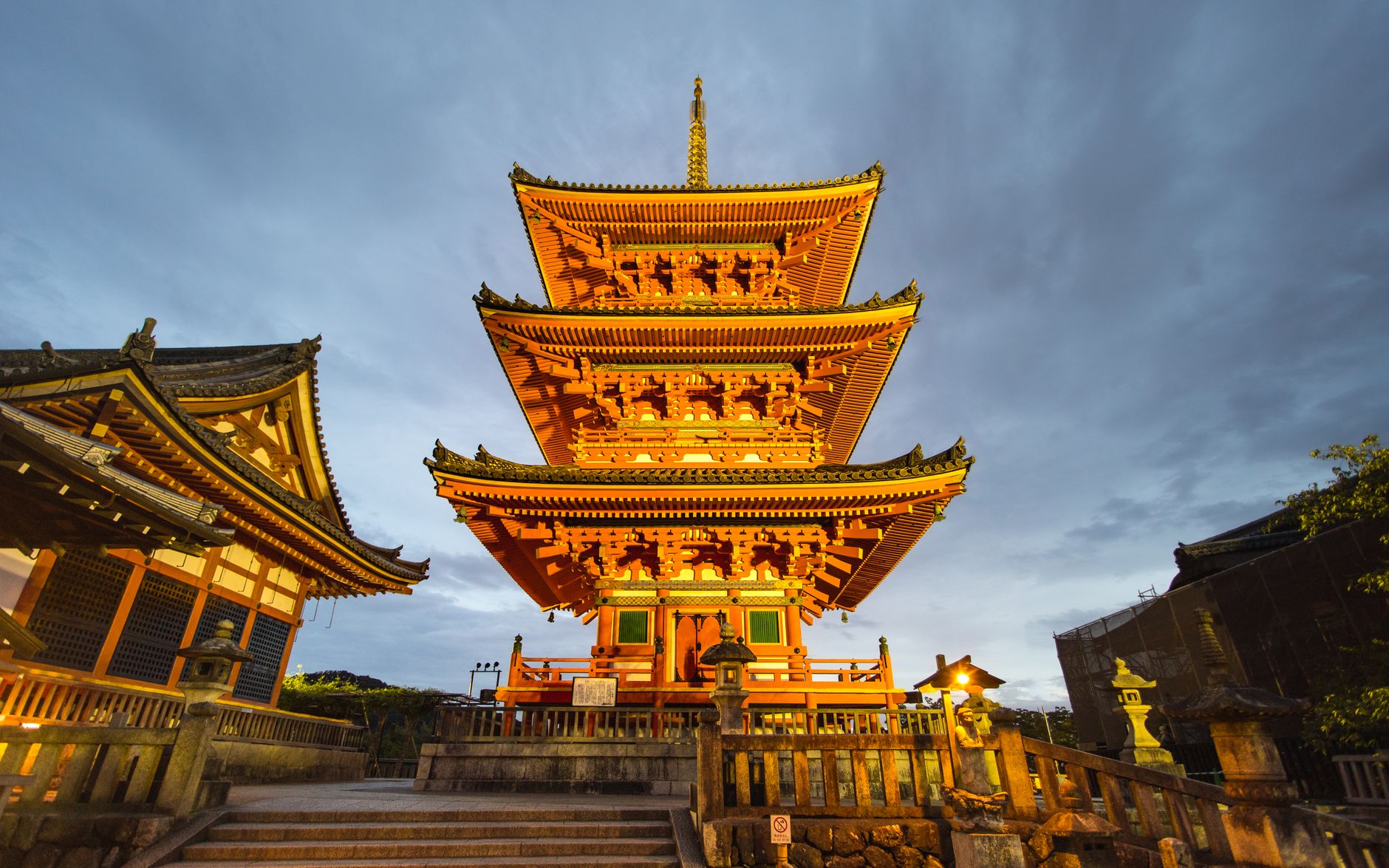
Kyoto photo 1
Kyoto photo 2
Kyoto photo 3
Kyoto photo 4
Kyoto photo 5
Kyoto photo 6
Unmissable Moments

Top Things to Do in Kyoto

Must-Do

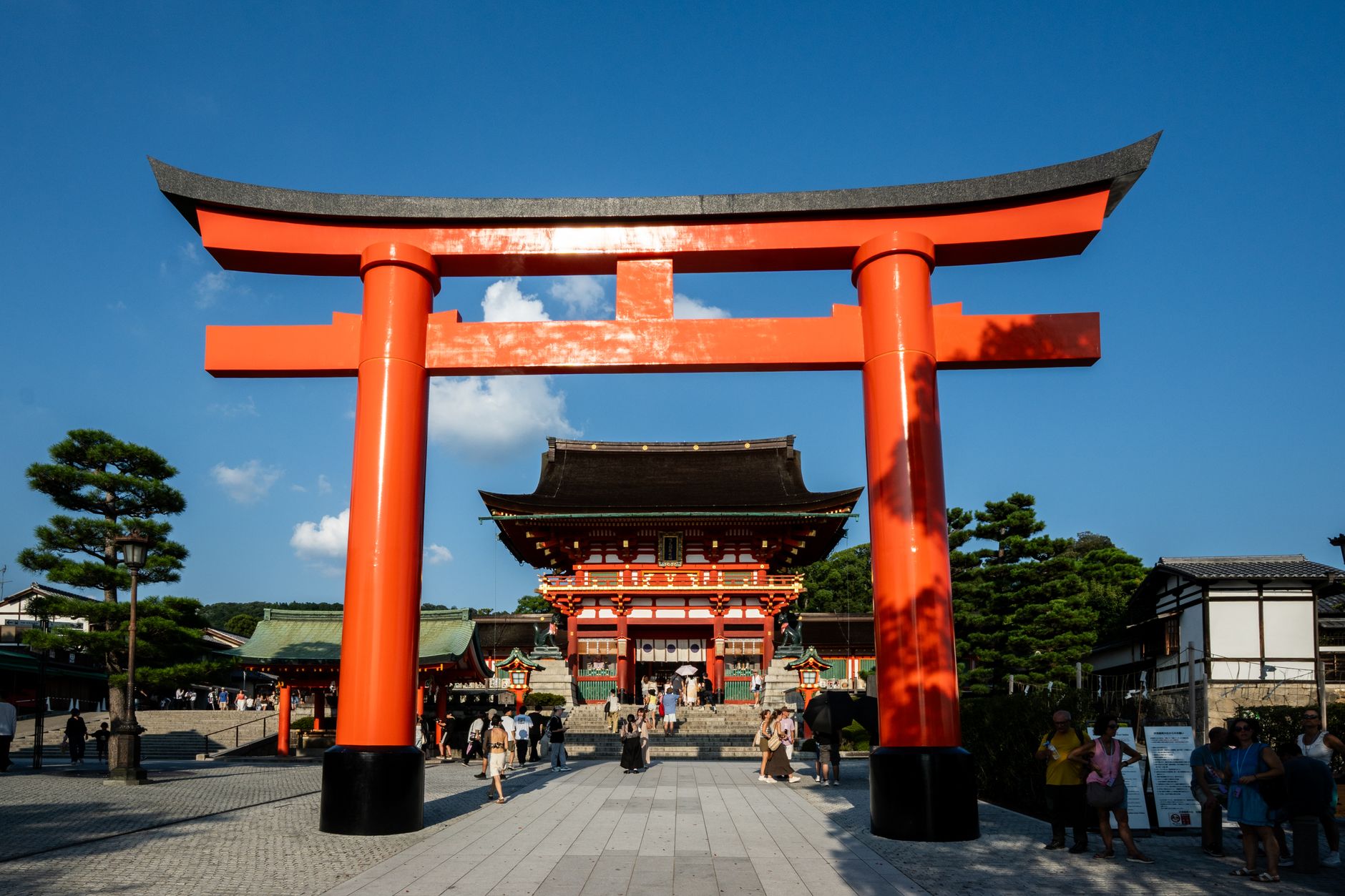
Dawn Pilgrimage through Fushimi Inari's Torii Gates

Hike the 4-kilometer mountain path under thousands of vermilion torii gates at 5:30 AM. Going solo at this hour ensures you have the sacred forest to yourself, allowing you to hear the wind in the cedars and the local birds without tourist chatter.

Culture

Zen Meditation and Matcha at Ryogen-in Temple

Join a resident monk for an intimate morning Zen meditation (zazen) session inside Daitoku-ji’s sub-temple, Ryogen-in, home to Japan's smallest dry-gravel garden. It’s an ideal solo activity to center your mind and learn the art of mindfulness.

Adventure

Solo Cycling Along the Kamogawa River

Rent a classic Japanese 'mamachari' bicycle and spend an afternoon riding along the dedicated paths of the Kamo River, heading north toward the botanical gardens. This offers a glimpse into local life, away from the tourist hot spots, where you can watch herons fish and locals practice instruments.

Culinary

Evening Bar-Hopping in Pontocho Alley

Navigate the narrow, lantern-lit corridor of Pontocho Alley, looking for tiny, upper-floor bars that seat only five or six people. This intimate setting makes it incredibly easy for solo travelers to converse with local bartenders and fellow patrons over highballs or local sake.

Must-See Highlights

Top Places & Things to Do in Kyoto

Curated attractions and cultural landmarks with local insider advice.

Philosopher's Path (Tetsugaku-no-Michi)
nature
4.8

Philosopher's Path (Tetsugaku-no-Michi)

The Philosopher's Path is a stone-paved pedestrian trail that follows a scenic canal lined with hundreds of cherry trees in northeastern Kyoto. Named after Kitaro Nishida, one of Japan's most famous philosophers who used this route for daily meditation, the path stretches approximately two kilometers between Ginkaku-ji (the Silver Pavilion) and the neighborhood around Nanzen-ji. It is a tranquil corridor where nature and spirituality seamlessly intertwine. This is the quintessential solo experience in Kyoto, offering a peaceful, introspective walk away from the city's vehicular traffic. Along the way, the canal reflects the changing seasons—from pink cherry blossoms in spring to lush green foliage in summer, fiery maples in autumn, and quiet snowscapes in winter. Small, independent cafes, craft shops, and quiet temple entrances dot the path, inviting solo travelers to stop, read, write, or simply enjoy a quiet cup of green tea.

Open 24/7
Admission: Free
Insider Tip: Don't rush this walk. Take detours into the smaller, quieter temples along the path, such as Honen-in, which features a rustic thatched gate and beautiful sand mounds that are raked daily.
Area Guide

Where to Stay & Best Neighborhoods

Gion & Higashiyama

Best for: Solo walkers, history enthusiasts, and architectural photographers

Vibe: Traditional wooden machiya, tea houses, geisha culture

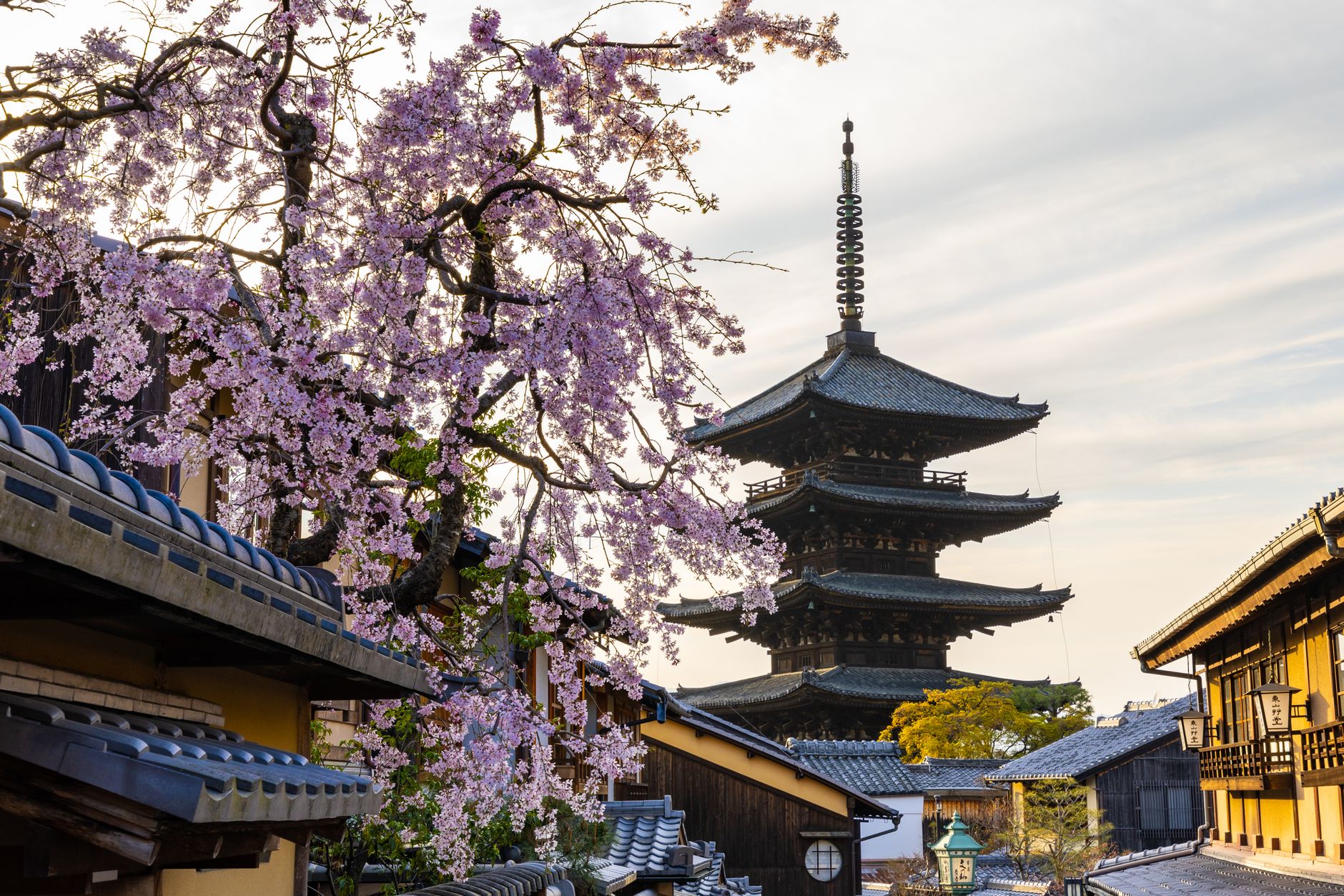
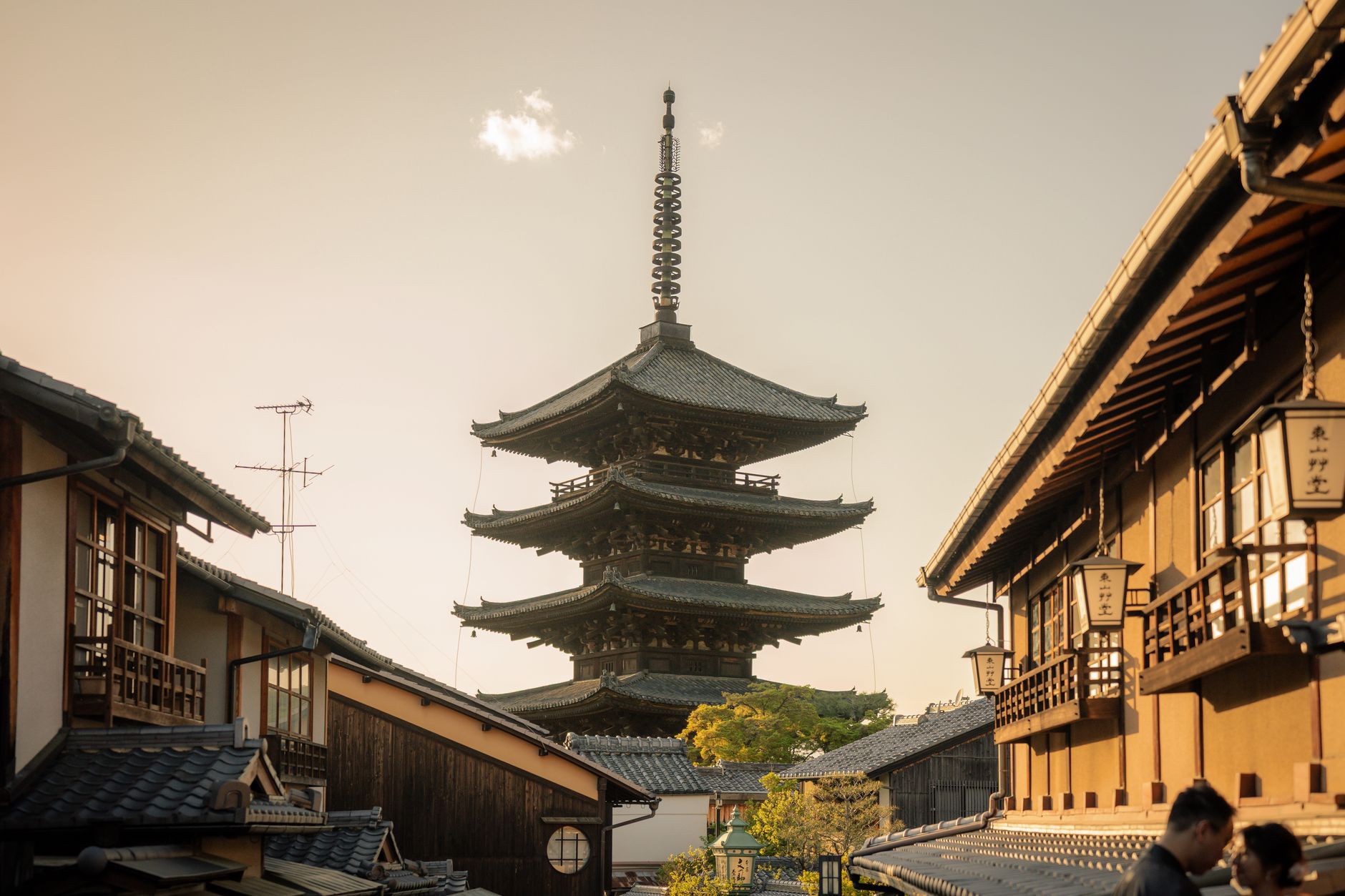
Walking through Higashiyama at dusk feels like stepping into a woodblock print. As a solo traveler, you can move silently down the stone-paved streets of Sannenzaka and Ninenzaka, catching the fleeting scent of incense and the distant clack of wooden geta sandals. The preservation of the historic buildings makes this the ultimate area for evocative, slow-paced solo exploration.

Arashiyama & Sagano

Best for: Nature lovers, early risers, and scenic hikers

Vibe: Bamboo groves, riverside vistas, and historic mountain temples

Located on the western fringes of the city, this area is dominated by the dramatic Oi River and the forested Arashiyama mountains. Exploring solo allows you to bypass the crowded main street and slip into the quiet gardens of Tenryu-ji or hike up to the lesser-known Gio-ji, a moss-draped temple that epitomizes the Japanese aesthetic of wabi-sabi.

Downtown & Karasuma

Best for: Solo foodies, urban explorers, and transit convenience seekers

Vibe: Vibrant food markets, modern shopping, and micro-breweries

This central hub is a bustling contrast to Kyoto's ancient temples. It is home to the famous Nishiki Market, excellent craft beer bars, and modern coffee shops. For a solo traveler, staying here offers unmatched transit connections via the subway lines and bus networks, plus endless dining options that cater perfectly to single patrons.

Food & Drink Scene

What to Eat in Kyoto

Yudofu (Simmered Tofu Hotpot)

A Buddhist vegetarian specialty where exceptionally soft, locally made tofu is simmered in a kombu (kelp) broth inside a clay pot. It highlights the purity of Kyoto's pristine spring water, served with grated ginger, green onions, and light soy sauce.

🍴 Top spot: Shigetsu, located inside the beautiful Zen gardens of Tenryu-ji Temple.

Kyoto-style Ramen (Shoyu and Seabura)

Unlike Tokyo's light soy ramen, Kyoto's classic style features a rich, dark soy sauce broth enriched with pork back fat (seabura) and loaded with fresh Kujo scallions. It is hearty, deeply savory, and served at high-speed counter seats perfect for solo diners.

🍴 Top spot: Honke Daiichi-Asahi, located near Kyoto Station.

Obanzai Ryori (Traditional Home-style Tapas)

A traditional style of Kyoto cuisine consisting of multiple small, seasonal dishes, typically emphasizing vegetables and seafood. It is the ultimate solo dining experience, as you can sit at the counter and point to the beautiful ceramic bowls arrayed before you.

🍴 Top spot: Menami, a welcoming, historic obanzai restaurant along the Kamo River.
Excursions

Best Day Trips from Kyoto

Uji: The Cradle of Matcha

25 mins by JR Nara Line from Kyoto Station

A serene riverside town famous for producing some of the world's finest green tea and hosting the breathtaking Byodoin Temple (featured on the 10-yen coin). Perfect for a solo traveler looking to experience a traditional tea ceremony and walk along quiet river paths.

Kurama & Kibune Mountain Hike

30 mins by Eizan Railway from Demachiyanagi Station

A sacred mountain trail connecting two historic villages. Solo travelers can take the scenic Eizan Railway north, hike past ancient cedar trees and mountain shrines from Kurama-dera to Kibune, and finish with a relaxing soak in local hot springs.

When to Go

Best Time to Visit & Seasonality

Editor’s Pick: The absolute prime windows for solo travelers are mid-October to late November (Autumn) and early April to mid-April (Spring). Autumn brings cool, crisp air and a breathtaking canopy of fiery maple leaves that frame the temples in dramatic hues, offering a deeply reflective atmosphere. Spring offers the iconic cherry blossoms (sakura), though crowds are higher. For the ultimate meditative, crowd-free solo experience, the crisp winter months of January and February provide snowy temple vistas and unparalleled tranquility.

Spring Overview

(March - May)
Peak Crowds
Average Temperature & Climate12°C to 20°C

Mild, clear days with cherry blossoms blooming.

Crowd & Travel ConditionsPeak Tourist Traffic

Book hotels 3-6 months ahead.

✨ Seasonal Highlights:Wandering the Philosopher's Path under a canopy of pink petals; attending the Spring Geisha dances (Miyako Odori).
Travel Smarter

Practical Travel Essentials

CurrencyJPY (¥)
LanguageJapanese
Time ZoneAsia/Tokyo

Visa & Entry

Most travelers from North America, Europe, and Oceania receive a free 90-day tourist visa on arrival in Japan. Ensure your passport is valid for the duration of your stay and fill out the Visit Japan Web forms online prior to arrival to breeze through customs and immigration.

Getting Around & Transit

Kyoto is highly walkable and incredibly bike-friendly. For longer distances, use the clean and highly punctual bus system (buy a flat-rate IC card like ICOCA or Suica for easy tap-on, tap-off access) and the two-line subway system. Google Maps is highly accurate for real-time transit schedules.

Daily Budget Expectation

¥10,000 - ¥20,000 ($70 - $140 USD) per day for a comfortable solo experience, covering mid-range accommodation (such as a private room in a boutique hostel or a business hotel), public transit, temple entrance fees, and two solid meals plus street food.

Safety & Health

Exceptional. Kyoto is consistently ranked as one of the safest cities in the world. Solo travelers, including solo female travelers, can walk safely at night through any neighborhood. Common sense is all that is required; petty theft is virtually non-existent.

Local Etiquette & Customs

Respect quiet spaces: lower your voice on public transit, avoid talking on mobile phones in buses/trains, and never take photos of geishas or maikos without explicit permission. When dining, do not walk while eating, and always place your money on the small tray provided at cash registers.

Questions & Answers

Frequently Asked Questions about Kyoto

Absolutely. Kyoto is incredibly safe, with extremely low crime rates. Solo female travelers can comfortably walk alone at night, dine solo without unwanted attention, and utilize female-only cars on certain train lines during rush hours. The local culture is exceptionally polite and respectful of personal space.