🌟 Best in Travel 2026 is here!
Spain
countryEurope
4.92 / 5.0

Spain

A sun-drenched mosaic of passionate flamenco, Moorish palaces, and avant-garde culinary brilliance.

Advertisement
Editorial Guide

About Spain

Spain unfurls across the Iberian Peninsula as a vibrant tapestry of contrasting landscapes, deeply rooted traditions, and unapologetic zest for life. From the wind-swept, emerald-green cliffs of Galicia in the north to the sun-baked, olive-studded hills of Andalusia in the south, the country is a geographical masterpiece bordered by the azure Mediterranean and the rugged Atlantic. Its history is a rich palimpsest etched by millennia of Roman conquest, Moorish rule, and Catholic monarchy, leaving behind architectural wonders like the magnificent Alhambra of Granada and Antoni Gaudí’s surrealist masterpieces in Barcelona.

Culturally, Spain is defined by its regionalism, where Castilian, Catalan, Basque, and Galician identities fiercely preserve their distinct languages, folklore, and gastronomy. The Spanish cadence dictates a lifestyle centered around connection: mornings begin with quiet café con leche, afternoons melt into leisurely three-course lunches, and evenings stretch past midnight as friends and families spill into lively plazas for tapas crawls. This is a land where art thrives, echoing the brushstrokes of Picasso, Dalí, and Velázquez, and where music translates directly to the soul through the soulful wail of a cante jondo.

The urban pulse beats differently in every metropolis. Madrid hums with imperial grandeur, world-class art galleries, and a relentless nightlife, whereas Barcelona marries urban grit with modernist elegance along a Mediterranean shoreline. Meanwhile, rural Spain preserves timeless traditions, from shepherds tending merino sheep in Extremadura to winemakers harvesting steep terraced vineyards in the Priorat and Rioja regions. Modern infrastructure seamlessly links these diverse worlds, allowing travelers to transition from high-speed bullet trains to medieval cobblestone lanes within a matter of hours.

Ultimately, traveling through Spain is an immersive sensory education. It is tasted in the crisp minerality of Albariño wine paired with freshly caught Cantabrian anchovies, heard in the rhythmic percussion of wooden castanets, and felt in the warmth of a Mediterranean breeze sweeping through an orange-scented courtyard. It is a destination that demands to be experienced slowly, with an open heart and an appetite for the unexpected moments that unfold long after the sun has set over the horizon.

Visual Impressions & Moments
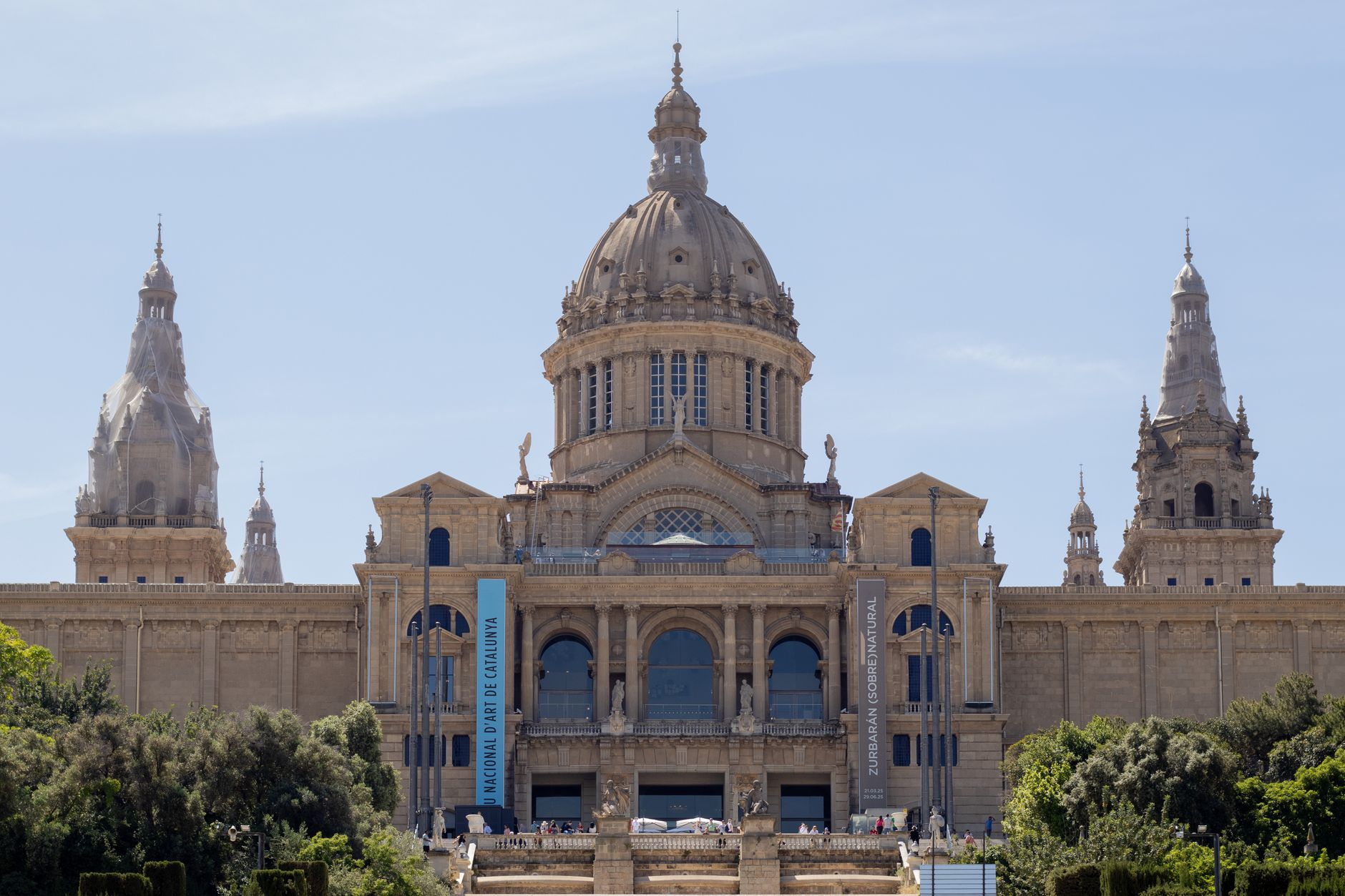
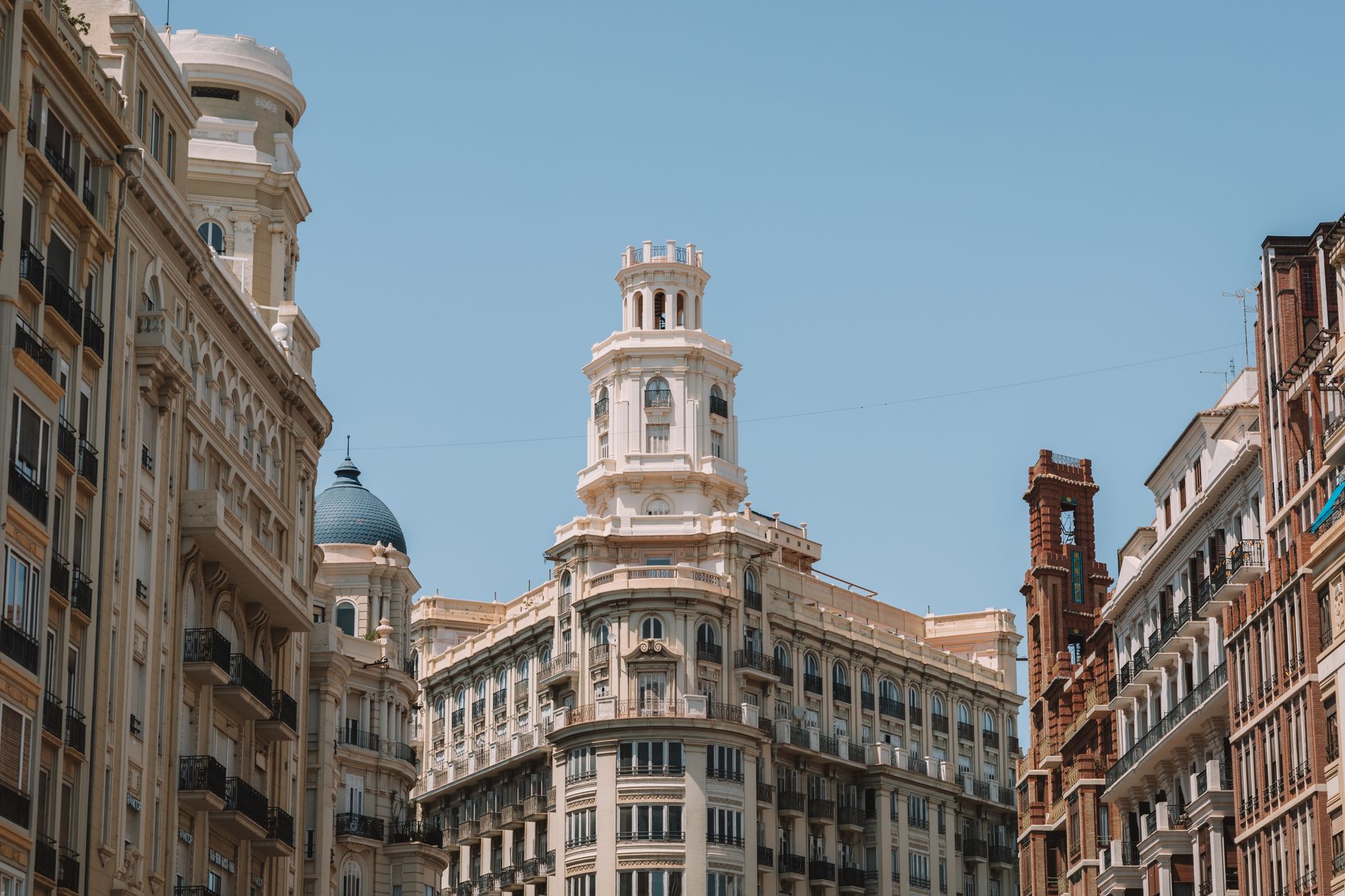
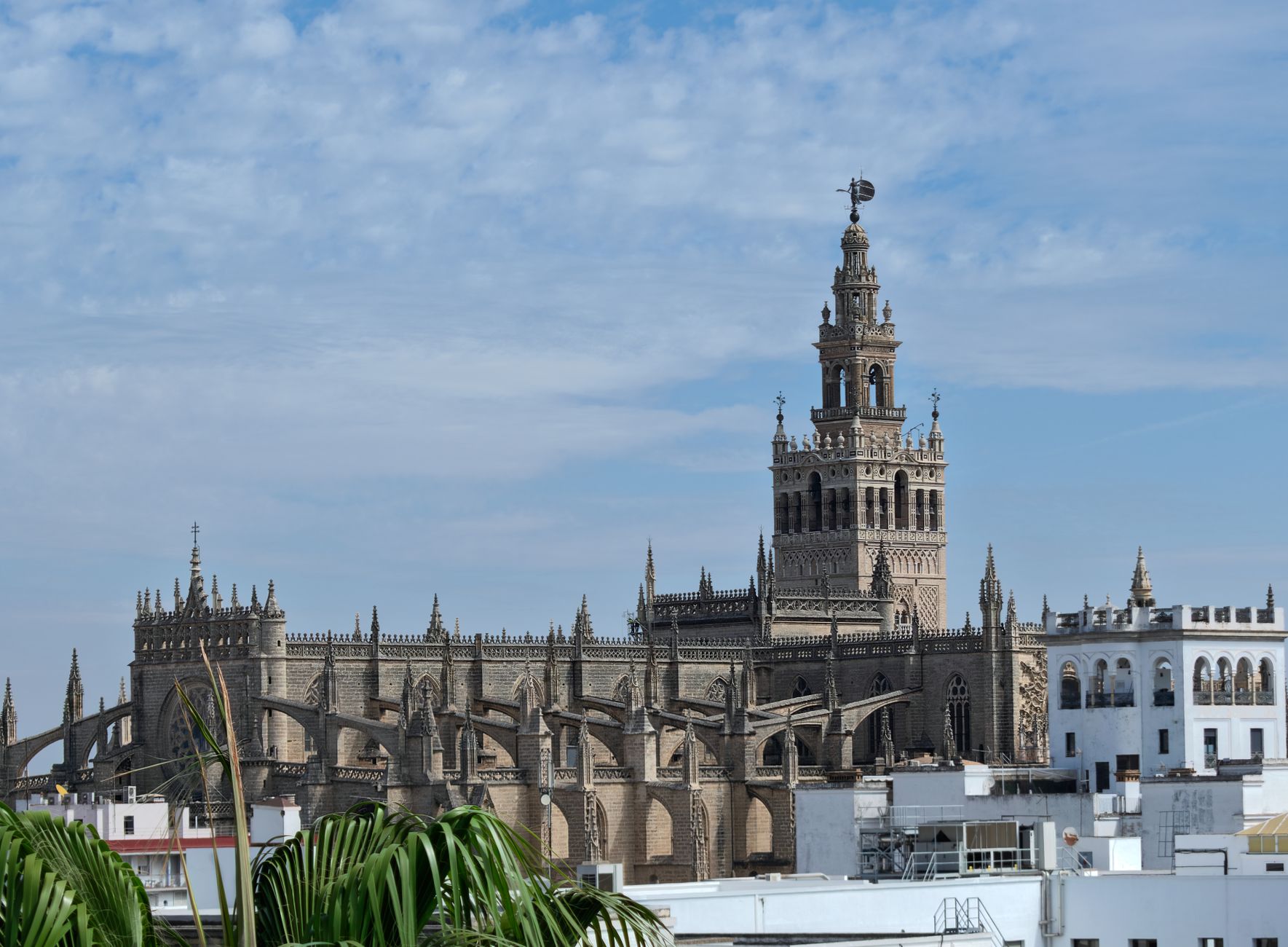
Spain photo 1
Spain photo 2
Spain photo 3
Spain photo 4
Spain photo 5
Spain photo 6
Unmissable Moments

Top Things to Do in Spain

Culture

Witness Flamenco in an Intimate Andalusian Tablao

Step into the smoky, atmospheric basement venues of Seville or Granada to experience authentic flamenco, far removed from polished tourist stage shows. Feel the raw acoustic power of the guitar, the percussive stomping of heels, and the impassioned vocals of cante jondo. Arrive early to grab a front-row table, order a glass of local sherry, and let the sheer emotional intensity wash over you.

Adventure

Hike the Sacred Canyons and Sea Cliffs of Northern Spain

Venture beyond the southern beaches to explore the breathtaking green landscapes of Asturias, Cantabria, and the Basque Country. Hike the dramatic limestone trails of Picos de Europa or walk sections of the historic Camino de Norte, where emerald pastures drop steeply into crashing Atlantic waves. Stop in remote mountain villages to sample pungent blue cheeses matured in natural limestone caves.

Culinary

Embark on a Pintxo Crawl in San Sebastián's Old Town

Immerse yourself in the culinary capital of the Basque Country by hopping from one crowded bar to another in Parte Vieja. Unlike standard tapas, Basque pintxos are gourmet morsels pinned to bread with toothpicks, ranging from battered cod to slow-braised beef cheeks. Order a glass of sparkling, slightly tart Txakoli wine, pour it from a height to aerate the bubbles, and mingle with locals.

Must-Do

Wander the Moorish Labyrinth of the Alhambra at Sunset

Explore Granada's majestic hilltop fortress and palace complex, a breathtaking pinnacle of Islamic architecture and garden design. Stroll through the intricately carved stucco walls and serene reflecting pools of the Palacio de los Leones as the fading Mediterranean sun turns the red-clay fortifications golden. Book your tickets months in advance to secure a late-afternoon entry slot.

Must-See Highlights

Top Places & Things to Do in Spain

Curated attractions and cultural landmarks with local insider advice.

Sagrada Família
culture
4.96

Sagrada Família

Antoni Gaudí’s monumental, unfinished masterpiece is an awe-inspiring architectural marvel that redefines sacred geometry. Drawing heavy inspiration from nature, the interior forest of columns branches upward to support a soaring vault that filters daylight through stained-glass windows in cascading shades of amber, blue, and green. Every facade tells a theological story through intricate stone carvings that seem to melt organically into the Barcelona skyline. Visitors can ascend the towers for panoramic city views and explore the crypt where Gaudí himself is laid to rest, witnessing ongoing stonemasonry that continues to fulfill his visionary legacy.

Daily 9:00 AM - 8:00 PM (seasonal variations apply)
Admission: €26 - €36
Insider Tip: Book tickets online weeks in advance and select the Nativity facade tower access for the best structural views.
The Alhambra
culture
4.94

The Alhambra

Perched majestically above Granada, the Alhambra is the breathtaking culmination of Moorish art and architecture in Western Europe. Constructed as a palatine city by the Nasrid dynasty, it features tranquil water channels, delicate honeycomb muqarnas ceilings, and sun-dappled courtyards designed to evoke paradise on earth. Adjacent to the palaces lie the Generalife gardens, terraced gardens bursting with cascading fountains, fragrant roses, and perfectly clipped hedges. The complex offers sweeping views over the whitewashed rooftops of the Albaicín and the snow-capped summits of the Sierra Nevada mountains beyond.

Daily 8:30 AM - 8:00 PM (Night visits also available)
Admission: €19
Insider Tip: Tickets sell out months ahead; if general tickets are gone, check availability for the Andalusia/Granada tourist card packages.
Prado Museum
culture
4.88

Prado Museum

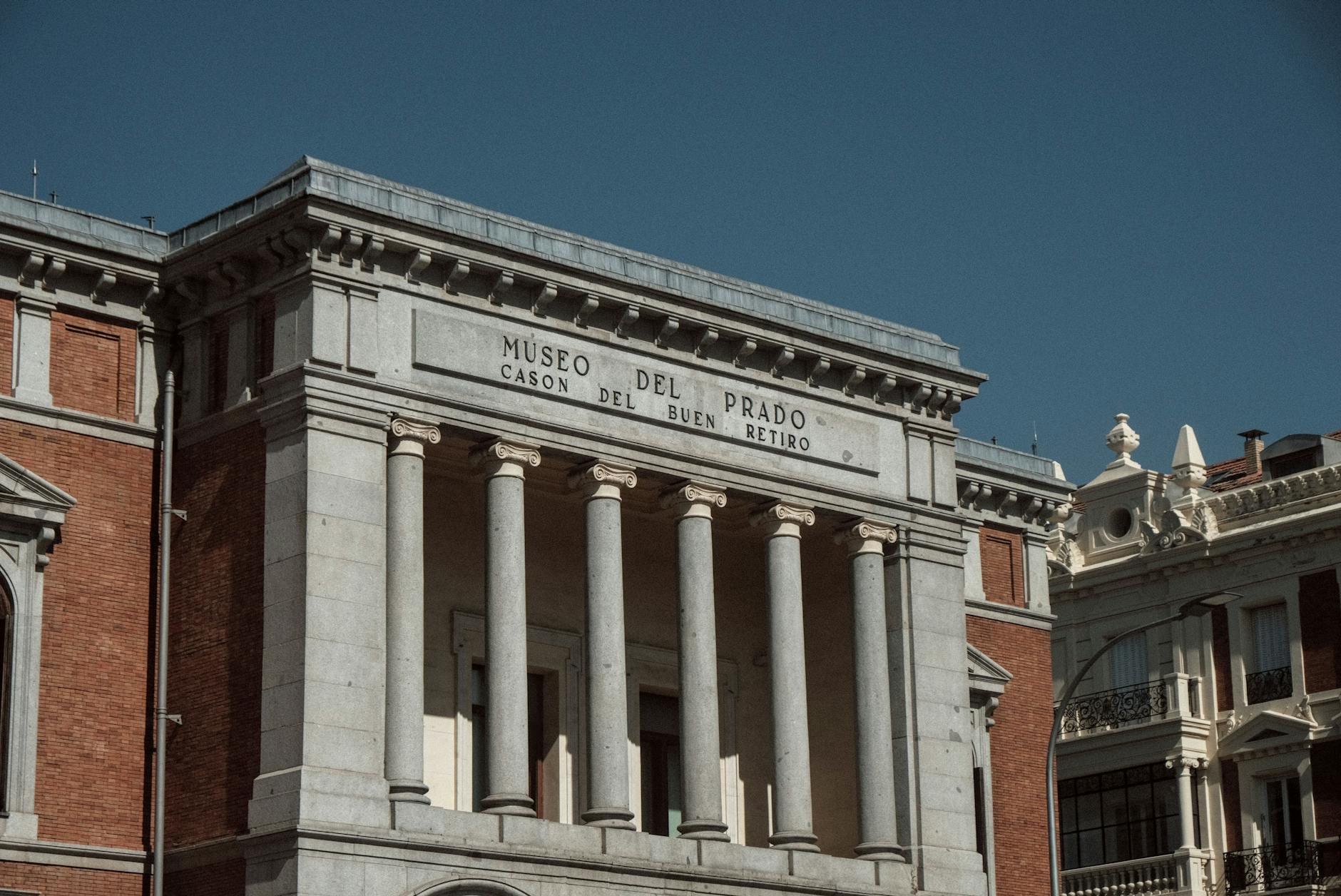
Housing one of the world's finest collections of European art from the 12th to the early 20th century, the Museo del Prado is the crown jewel of Madrid's Golden Triangle of Art. Its grand neoclassical halls display breathtaking masterpieces by Spanish masters such as Diego Velázquez, Francisco Goya, and El Greco, alongside celebrated Italian and Flemish works by Titian, Rubens, and Bosch. Walking through the galleries offers an intimate glimpse into the political ambitions, spiritual fervor, and artistic evolution of the Spanish Empire and European history. Navigating the vast collection requires patience, making a curated audio guide or a guided expert tour highly recommended.

Monday - Saturday 10:00 AM - 8:00 PM, Sundays 10:00 AM - 7:00 PM
Admission: €15 (Free during last two hours of the day)
Insider Tip: Take advantage of the free entry hours during the late afternoon, but arrive early to secure your spot in the queue.
Park Güell
nature
4.75

Park Güell

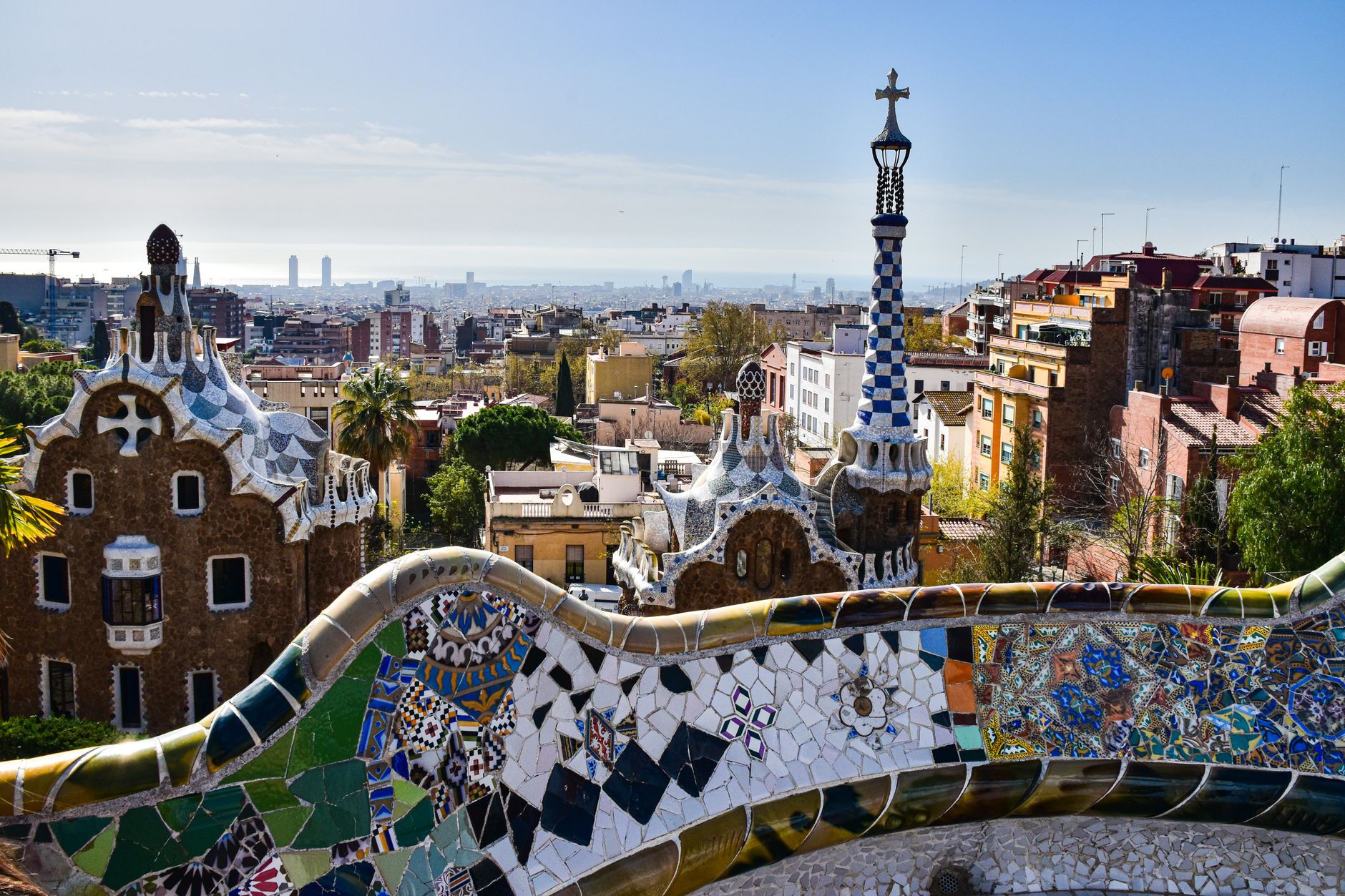
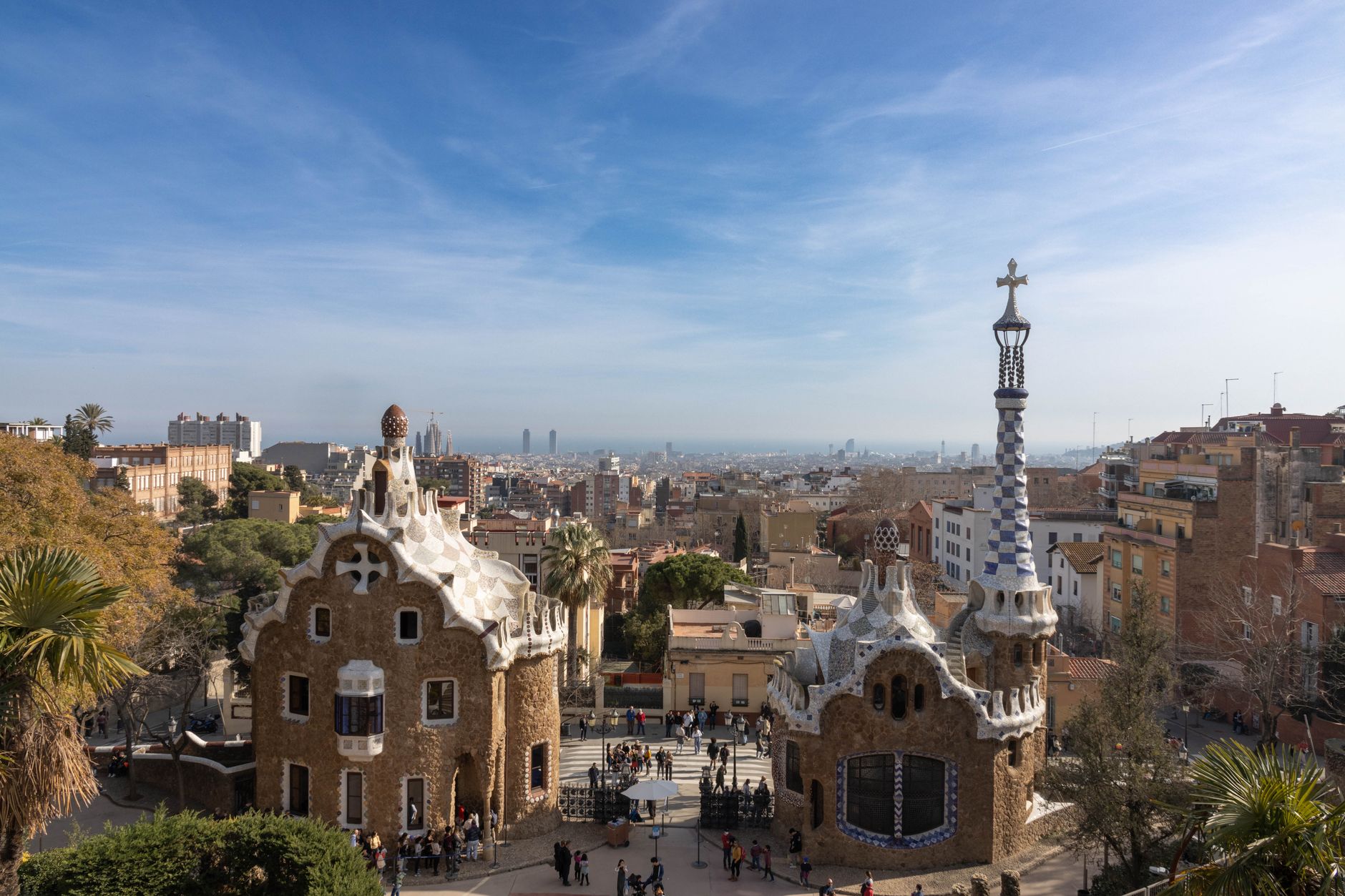
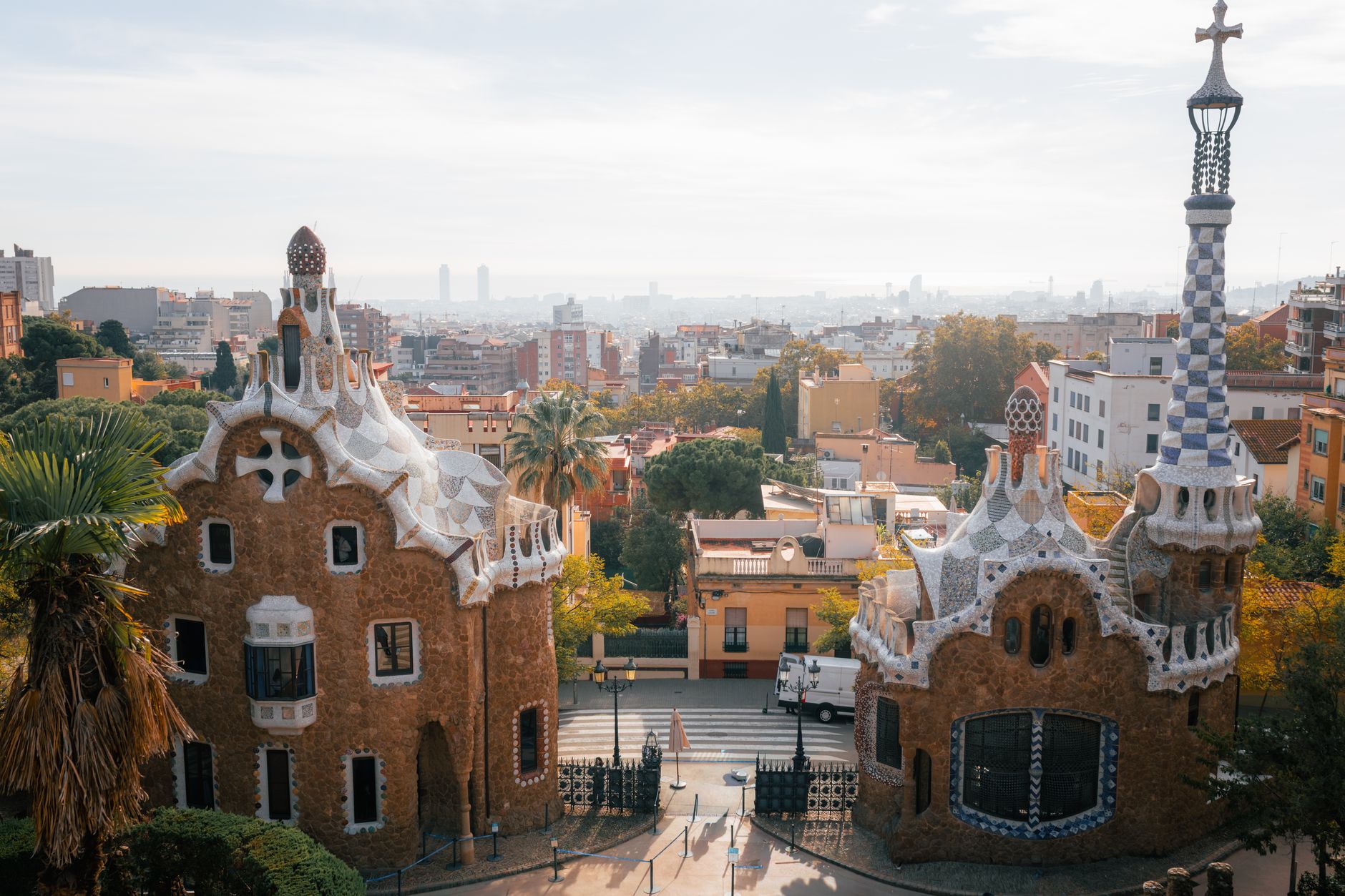
Sprawling across Carmel Hill in Barcelona, Park Güell is Antoni Gaudí's whimsical public park system where organic architecture and natural landscape merge into a fairytale dreamscape. Characterized by undulating serpentine benches encrusted with colorful broken ceramic tiles (trencadís) and columns mimicking tree trunks, the park offers an immersive look at Catalan modernism. The iconic mosaic salamander guards the grand stairway entrance, welcoming visitors to the sweeping Hypostyle Room. Walking paths wind through stone viaducts and lush Mediterranean vegetation, culminating at the main terrace which provides iconic views over Barcelona toward the Mediterranean Sea.

Daily 9:30 AM - 7:30 PM
Admission: €10
Insider Tip: Book the earliest morning slot to enjoy the monumental zone with minimal crowds and optimal soft morning light for photographs.
Area Guide

Where to Stay & Best Neighborhoods

Barri Gòtic & El Born (Barcelona)

Best for: History enthusiasts, design lovers, and vibrant nightlife seekers.

Vibe: Medieval alleyways, indie boutiques, hidden plazas, and Catalan modernist architecture.

Wandering through the Gothic Quarter feels like stepping back into the Middle Ages, with labyrinthine stone streets opening onto sun-drenched squares like Plaça del Rei. Flowing seamlessly into El Born, this district blends centuries-old churches with cutting-edge cocktail bars, artisan workshops, and the nearby Picasso Museum, creating an endlessly fascinating urban playground.

Malasaña & Chueca (Madrid)

Best for: Vintage shoppers, music lovers, and night owls.

Vibe: Bohemian, counter-cultural, trendy, and fiercely inclusive.

Malasaña served as the epicenter of the post-Franco cultural renaissance (La Movida Madrileña) and retains its rebellious, artistic soul today. Lined with quirky cafes, independent vinyl shops, and lively terrazas, it transitions effortlessly into vibrant Chueca, renowned for its welcoming atmosphere, stylish boutiques, and bustling social scene.

Albaicín & Sacromonte (Granada)

Best for: Romantic views, photography, and cultural immersion.

Vibe: Ancient Moorish hillside lanes, whitewashed houses, and gypsy cave dwellings.

Rising steeply opposite the Alhambra, the Albaicín preserves its medieval Islamic layout with steep, winding cobblestone alleys flanked by jasmine-scented courtyards. Higher up, Sacromonte unfolds with its unique cave homes carved into the hillside, offering an atmospheric window into the traditions of Granada's historic Romani community.

Food & Drink Scene

What to Eat in Spain

Jamón Ibérico de Bellota

Widely regarded as one of the world's finest cured meats, this ham is harvested from free-range Iberian pigs that spend their final months feasting exclusively on sweet acorns (bellotas) in oak pastures. The meat is cured for up to 48 months, resulting in a dark ruby color, an extraordinarily rich marbling of fat, and a nutty, melt-in-the-mouth savoriness.

🍴 Top spot: Mercado de San Miguel (Madrid) or specialist jamonerías across Seville.

Paella Valenciana

The authentic ancestor of modern Spanish rice dishes, true Valenciana is deeply rooted in the agricultural traditions of the Albufera wetlands. Cooked over an open wood fire in a wide, shallow pan, it features short-grain bomba rice infused with saffron, chicken, rabbit, flat green beans, and garrofón butter beans, acquiring a prized caramelized crust at the bottom known as socarrat.

🍴 Top spot: Casa Carmela (Malvarrosa Beach, Valencia)

Pulpo a la Gallega (Polbo á Feira)

A signature staple of Galician gastronomy, this deceptively simple dish highlights the bounty of the Atlantic. Whole tender octopus is traditionally boiled in a copper cauldron, sliced into thick rounds, and served simply on a wooden board seasoned generously with flaky sea salt, sweet and smoky Pimentón de la Vera, and a drizzle of premium extra virgin olive oil, often accompanied by boiled potatoes.

🍴 Top spot: Traditional pulperías throughout Santiago de Compostela.
Excursions

Best Day Trips from Spain

Toledo: The City of Three Cultures

30 minutes by high-speed AVE train from Madrid

Perched dramatically atop a rocky gorge carved by the Tagus River, Toledo served as a historic melting pot where Christian, Muslim, and Jewish communities coexisted for centuries. Explore its labyrinthine medieval streets to discover stunning synagogues, the magnificent Gothic cathedral, and the masterful canvases of El Greco.

Montserrat: Sacred Mountain Monastery

1 hour by train and cable car from Barcelona

Journey outside Barcelona to witness the multi-peaked jagged mountain range of Montserrat, rising dramatically from the Catalan plains. Perched midway up the cliffside stands the Benedictine abbey, home to the revered Black Madonna (La Moreneta) and world-famous boys' choir, surrounded by stunning alpine hiking trails.

When to Go

Best Time to Visit & Seasonality

Editor’s Pick: Spring (April to June) and Autumn (September to November) offer the most pleasant weather for exploring cities and natural landscapes without the intense, oppressive heat of July and August.

Spring Overview

(April - June)
Moderate
Average Temperature & Climate15°C to 25°C (59°F to 77°F)

Mild, blooming landscapes, and increasingly warm, sunny days.

Crowd & Travel ConditionsModerate Tourist Traffic

Fewer lines and better deals.

✨ Seasonal Highlights:Witnessing the vibrant Feria de Abril in Seville, Semana Santa processions, and exploring blooming gardens in Córdoba.
Travel Smarter

Practical Travel Essentials

CurrencyEUR (€)
LanguageSpanish (Castilian), with regional co-official languages including Catalan, Basque, and Galician.
Time ZoneCET (UTC+1) / CEST (UTC+2)

Visa & Entry

Spain is part of the Schengen Area. Citizens of the EU, US, Canada, Australia, and UK can enter visa-free for up to 90 days within any 180-day period for tourism.

Getting Around & Transit

Spain boasts one of the world's finest high-speed rail networks (AVE and Ouigo), connecting major cities swiftly. Domestic flights, regional buses, and metro systems in Madrid and Barcelona make transit effortless.

Daily Budget Expectation

€80 - €180 per day for a comfortable mid-range traveler, covering a nice hotel, tapas dining, public transit, and museum admissions.

Safety & Health

Very high. Violent crime is rare, though petty theft and pickpocketing are common in crowded tourist areas and metro stations in Barcelona and Madrid.

Local Etiquette & Customs

Spaniards eat late: lunch is typically served from 2:00 PM to 4:00 PM, and dinner rarely starts before 9:30 PM or 10:00 PM. Greeting people with two light kisses on the cheeks is customary upon acquaintance.

Questions & Answers

Frequently Asked Questions about Spain

Tipping is not mandatory or expected in the same way as in North America. Leaving spare change (1 to 2 euros) after a casual meal or rounding up a taxi fare is standard for good service, while leaving 5-10% in upscale restaurants is appreciated but entirely optional.