🌟 Best in Travel 2026 is here!
Quito
citySouth America
4.88 / 5.0

Quito

Soaring Andean peaks frame a breathtaking colonial heart touched by the clouds.

Advertisement
Editorial Guide

About Quito

Nestled in a high-altitude Andean valley at 2,850 meters above sea level, Quito is a city of astonishing architectural contrasts and dramatic geographical beauty. Flanked by the brooding Pichincha volcano, the Ecuadorian capital boasts the largest, best-preserved historic center in South America, a UNESCO World Heritage treasure where Spanish baroque churches hide blindingly opulent gold-leaf interiors alongside bustling indigenous markets. The air is crisp and thin, carrying the scent of roasted street corn and blooming jacaranda trees across cobblestone alleys that have witnessed centuries of shifting empires.

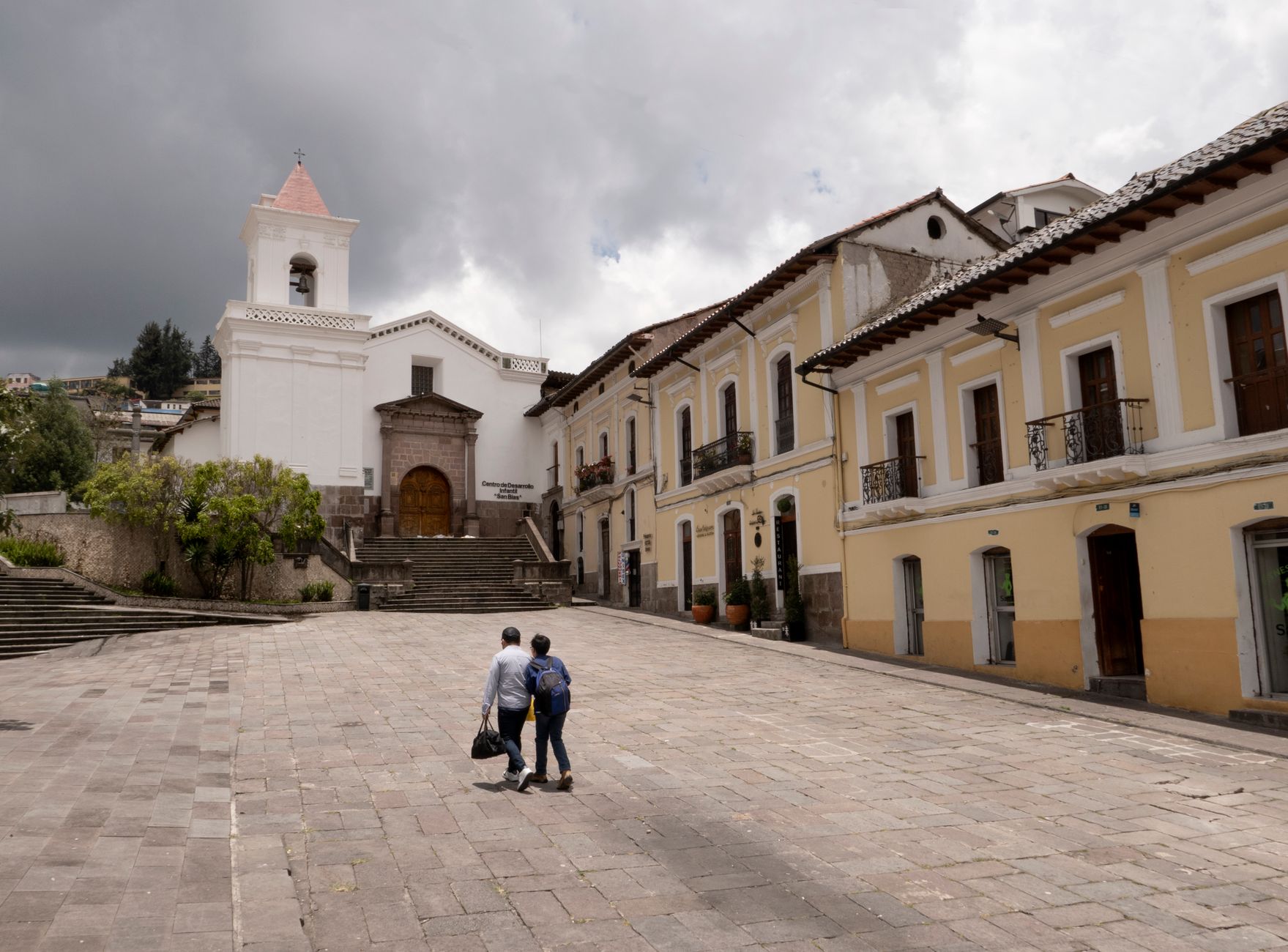
Historically, Quito was an ancient indigenous stronghold before becoming a pivotal northern capital of the Inca Empire, only to be conquered and rebuilt by the Spanish conquistadors in the 16th century. This layered heritage defines modern Quiteño culture, where traditional weaving techniques and indigenous languages harmoniously blend with contemporary art scenes, innovative Andean gastronomy, and vibrant neighborhood cafes. The atmospheric streets, such as the famous Calle La Ronda, hum with the melodies of traditional chicha music and the warmth of local artisans plying centuries-old crafts.

The city's unique geography creates microclimates where mornings often break in brilliant, crystalline sunshine before dramatic afternoon mist rolls over the terracotta rooftops. Life here moves to the rhythm of the mountains. Residents rise early to gaze up at snow-capped stratovolcanoes while sipping aromatic local coffee, spending their days navigating steep, winding thoroughfares that connect colonial plazas to cosmopolitan modern financial districts. Quito is not merely a high-altitude layover on the way to the Galapagos or the Amazon; it is a profound cultural anchor that invites travelers to slow down, breathe deeply, and absorb the enduring spirit of the Andes.

Today, Quito stands as a dynamic metropolis that fiercely preserves its colonial soul while embracing progressive urban design. Pedestrianized plazas, restored historic mansions operating as boutique hotels, and a burgeoning culinary renaissance spearheaded by chefs redefining indigenous ingredients make the city an absolute essential for discerning global explorers. From the haunting beauty of the La Compañía church to the sweeping panoramic views from the TelefériQo, Quito offers a deeply immersive sensory journey that captivates every visitor who dares to scale its lofty heights.

Visual Impressions & Moments
Quito photo 1
Quito photo 2
Quito photo 3
Quito photo 4
Quito photo 5
Quito photo 6
Unmissable Moments

Top Things to Do in Quito

Scenic

Ride the TelefériQo to Cruz Loma for Panoramic Andean Views

Ascend from the edge of the city up the eastern slopes of the Pichincha volcano in one of the world's highest aerial cable cars. In just ten minutes, you are transported from bustling city streets to a breezy paramo ecosystem at over 4,000 meters. Tip: Go right when it opens at 8:00 AM for the clearest, unobstructed views of the Avenue of the Volcanoes before afternoon clouds roll in.

Culture

Marvel at the Gold-Leaf Interior of Iglesia de La Compañía de Jesús

Step inside what is widely considered the most ornate and breathtaking Jesuit church in South America. The interior is an absolute masterpiece of Spanish Baroque architecture, featuring walls, altars, and ceilings covered in shimmering tons of fine gold leaf and intricate Moorish-inspired woodwork. Tip: Photography is strictly prohibited inside, so take your time to simply absorb the overwhelming visual splendor in silence.

Must-Do

Explore the Artisan Workshops and Nightlife of Calle La Ronda

Wander down one of Quito's oldest and most atmospheric cobblestone pedestrian streets, steeped in bohemian history and colonial charm. Historic lime-washed homes now house traditional horn-carvers, metal smiths, chocolate makers, and cozy live-music peñas. Tip: Visit in the late afternoon to watch artisans at work, then stay into the evening to sip canelazo—a hot, spiced cinnamon and aguardiente drink.

Adventure

Stand with One Foot in Each Hemisphere at Mitad del Mundo

Visit the iconic equatorial monument marking the line where the globe is split into the Northern and Southern hemispheres. Explore the ethnographic museum inside the 30-meter-high tower and witness fascinating physics demonstrations at the Intiñan Solar Museum nearby. Tip: Skip the main commercial plaza crowd and head straight to the interactive science exhibits for a much more engaging experience.

Must-See Highlights

Top Places & Things to Do in Quito

Curated attractions and cultural landmarks with local insider advice.

Basilica del Voto Nacional
culture
4.85

Basilica del Voto Nacional

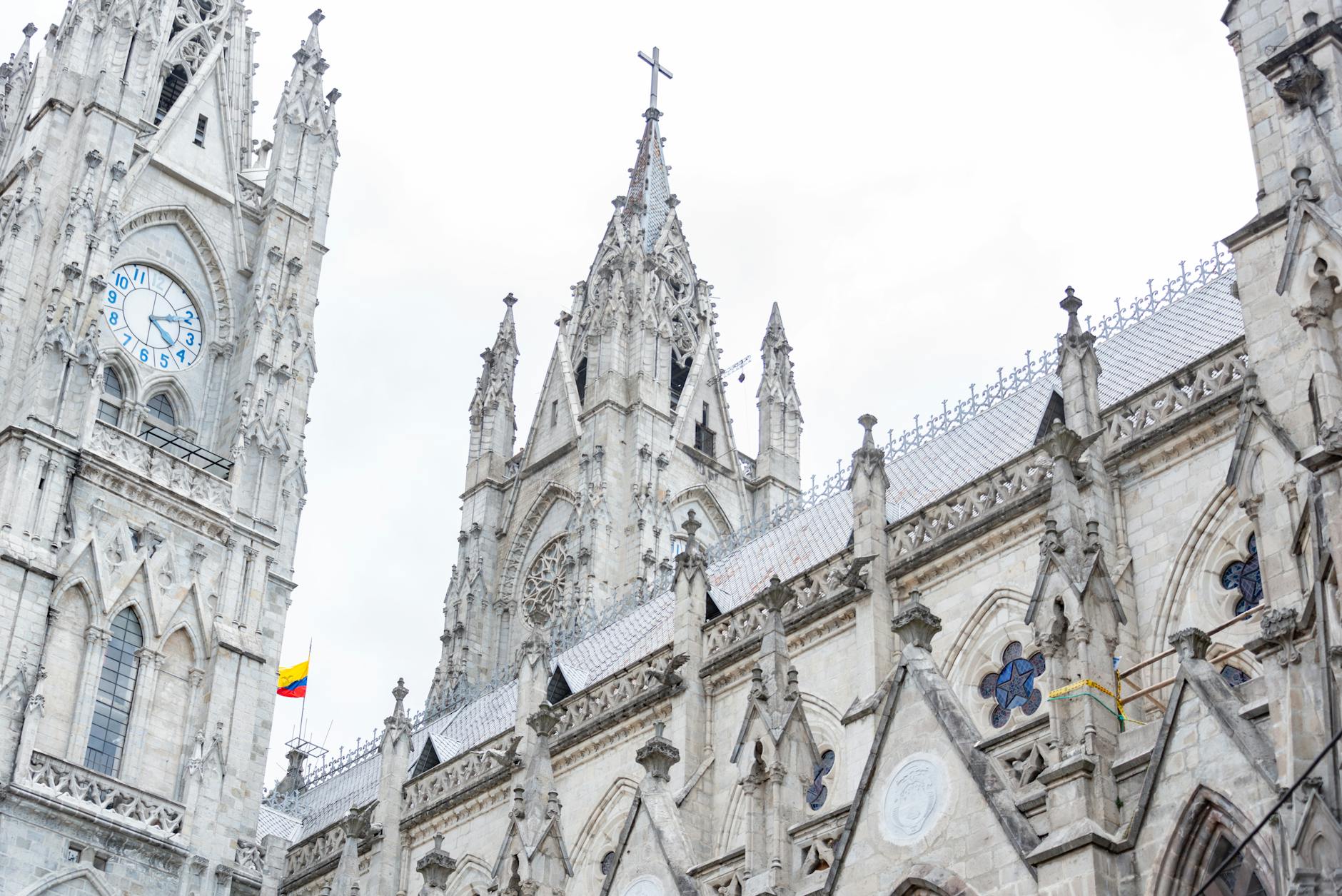
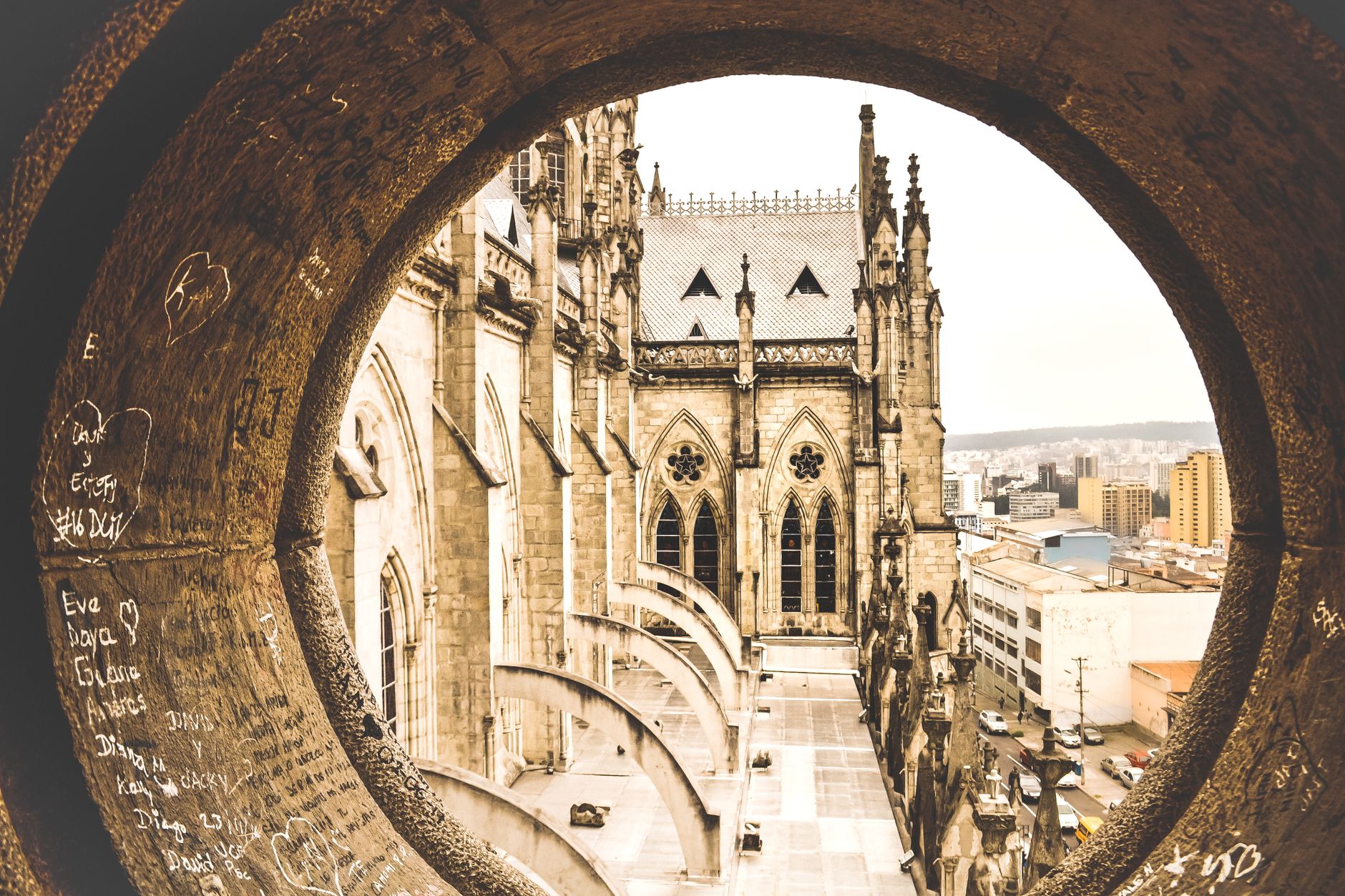
The Basilica del Voto Nacional is the largest neo-Gothic basilica in the Americas, towering imposingly over the northern edge of Quito's historic center. Commissioned in the late 19th century, its architecture is uniquely infused with Ecuadorian identity; instead of traditional gargoyles, the rain spouts and buttresses are carved with endemic Ecuadorian wildlife such as iguanas, armadillos, tortoises, and Galápagos sea lions. Visitors can embark on an exhilarating and somewhat vertiginous climb up wooden ladders and narrow spiral staircases to reach the summit of the main clock towers. From this dizzying vantage point, you are rewarded with an unmatched, sweeping panoramic view of the entire colonial grid, framed by the surrounding green slopes of the Pichincha volcano and distant Andean peaks.

9:00 AM – 5:00 PM daily
Admission: $3
Insider Tip: If you are afraid of heights or tight spaces, the climb to the very top catwalks can be intense, but the views from the lower terrace are equally breathtaking.
Plaza de la Independencia (Plaza Grande)
attraction
4.75

Plaza de la Independencia (Plaza Grande)

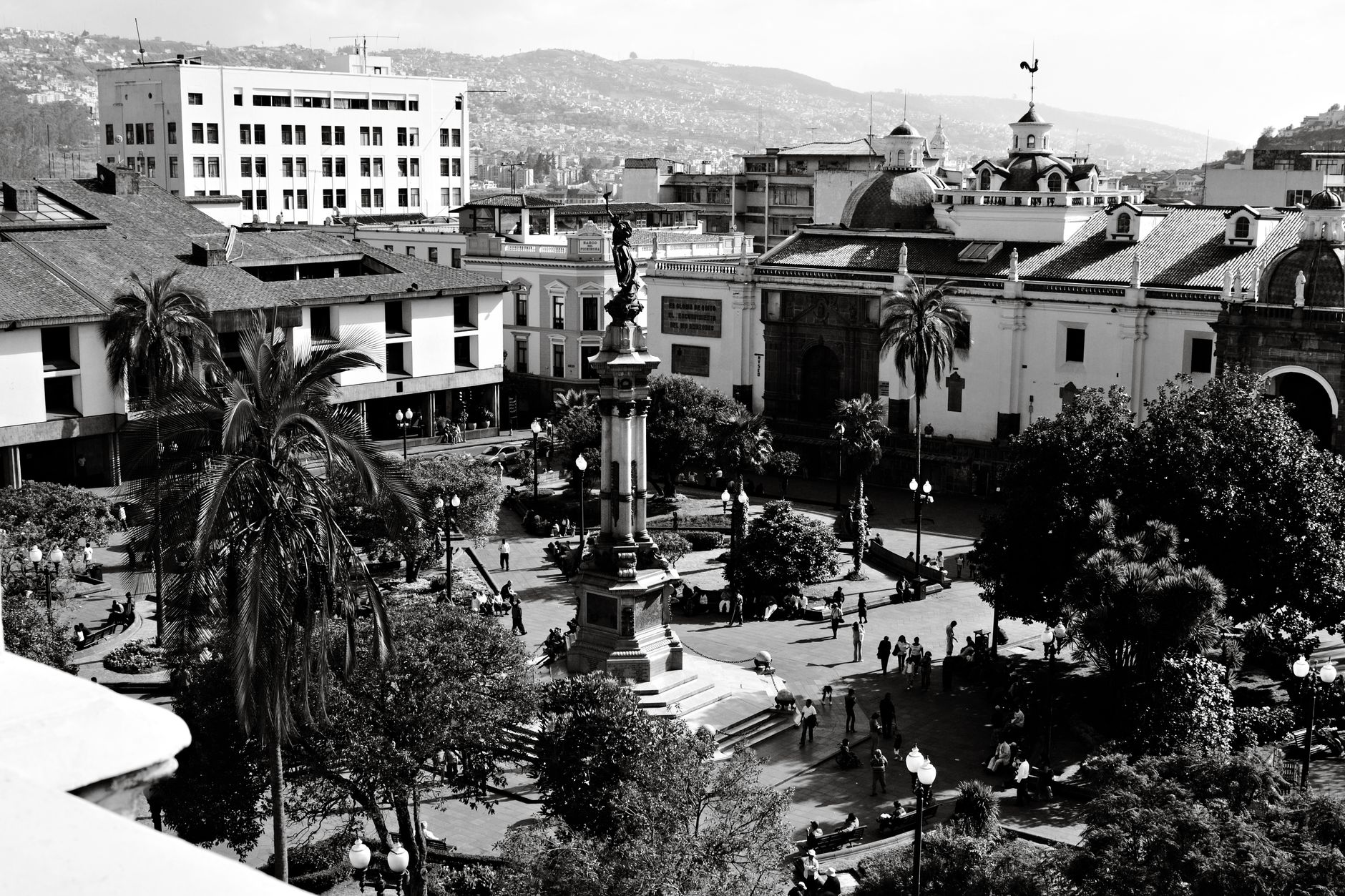
Plaza Grande is the beating political and historic heart of Quito, serving as the central square around which the nation's most important institutions were built. Dominated by the Monument to Independence in its center, the square is flanked by the grand Carondelet Palace (the presidential headquarters), the Metropolitan Cathedral, and the Archbishop's Palace. This vibrant public square functions as an open-air living room where local Quiteños gather to chat, shine shoes, sell lottery tickets, and political protesters make their voices heard. The surrounding historic architecture and meticulously manicured gardens provide a wonderful snapshot of Ecuador's complex history and vibrant civic life.

Open 24/7
Admission: Free
Insider Tip: Stop by the artisan courtyard inside the Archbishop's Palace for a traditional cup of Ecuador's world-class chocolate or a classic local pastry.
El Panecillo
attraction
4.6

El Panecillo

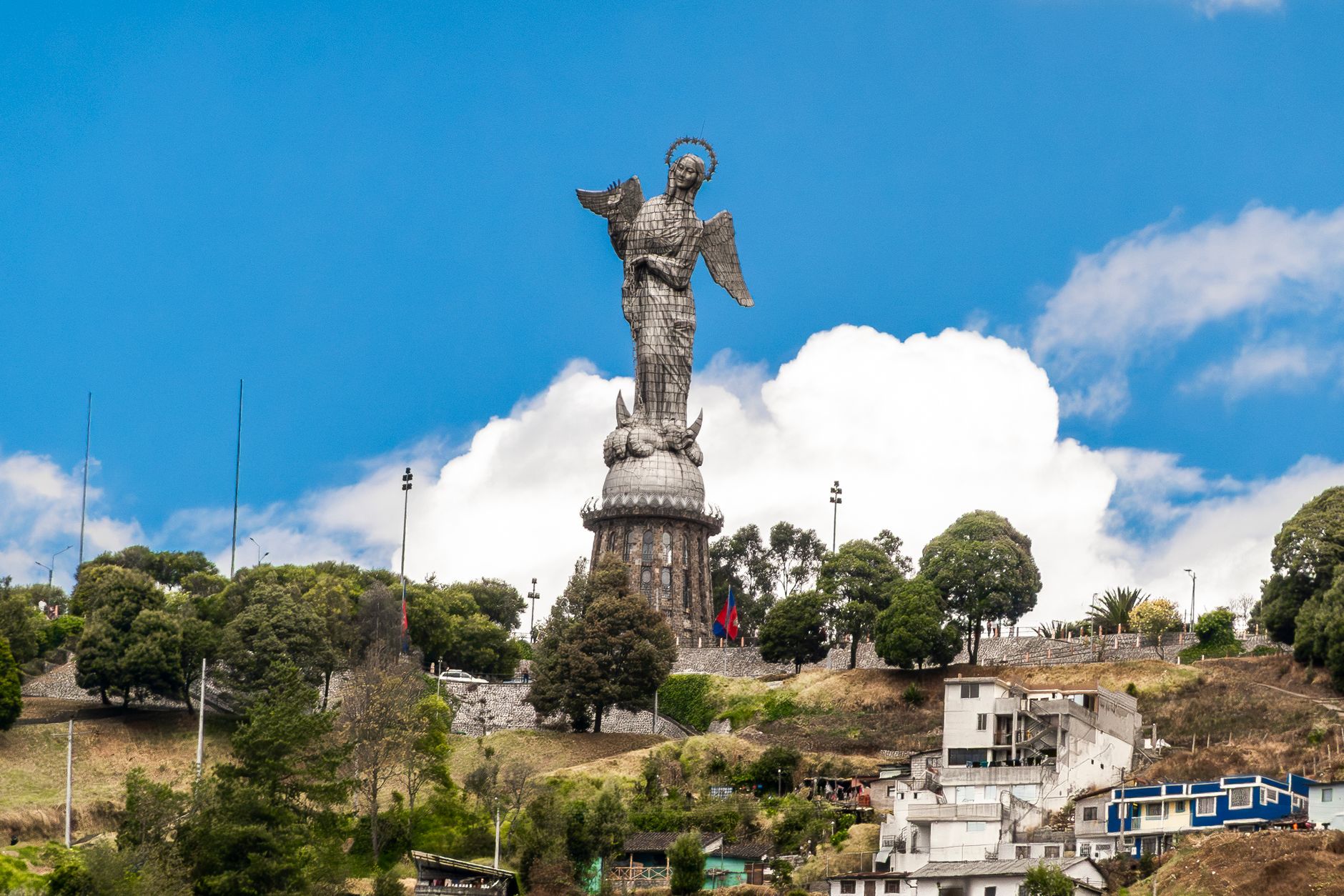
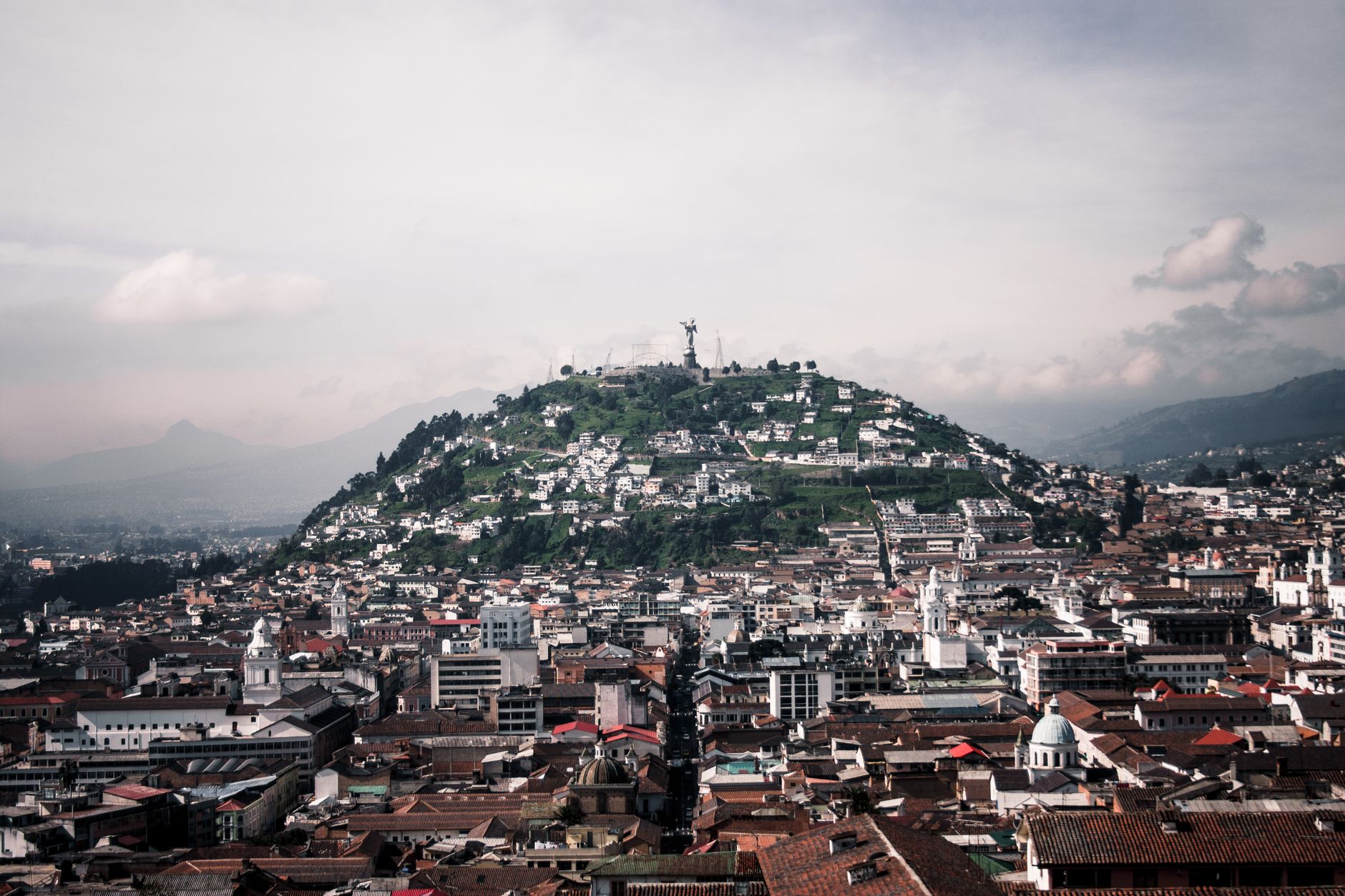
Perched on a volcanic hill dividing southern and central Quito, El Panecillo (meaning 'The Little Bread Roll') is capped by the iconic aluminum statue of the Virgin of Quito. Crafted in the 1970s by artist Agustín de la Fuente, the monument depicts the Virgin with wings, standing upon a globe and trampling a chained serpent, inspired by the famous sculpture by Bernardo de Legarda. The hill provides an unmatched 360-degree panoramic vista of the entire sprawling city, stretching from the northern residential skyscrapers down to the deep southern valleys. On clear days, the sight of the volcanic ring surrounding the urban sprawl is nothing short of majestic.

9:00 AM – 5:00 PM daily
Admission: Free ($2 to enter the monument interior)
Insider Tip: Do not walk up the hillside paths from the historic center due to safety concerns; instead, take a registered yellow taxi or Uber directly to the summit.
Area Guide

Where to Stay & Best Neighborhoods

Centro Histórico

Best for: History buffs, architecture enthusiasts, and cultural immersion.

Vibe: Colonial grandeur, bustling plazas, ornate churches, and lively indigenous commerce.

Walking through Quito's Centro Histórico feels like stepping directly into the 16th century. This sprawling district is a dense labyrinth of grand plazas like Plaza Grande, monumental baroque cathedrals, whitewashed convents, and bustling pedestrian avenues where shoe shiners, fruit vendors, and international travelers cross paths beneath the watchful gaze of the Panecillo statue.

La Mariscal

Best for: Nightlife seekers, budget travelers, and lovers of international dining.

Vibe: Eclectic, bohemian, energetic, and culturally diverse backpacker and nightlife hub.

Centering around the lively Plaza Foch, La Mariscal is Quito's primary entertainment and social district. Known colloquially as 'Gringolandia' in past decades, it has evolved into a vibrant neighborhood filled with craft breweries, international restaurants, art galleries, and late-night cocktail bars set amidst deteriorating 20th-century mansions.

La Floresta

Best for: Foodies, digital nomads, street art lovers, and indie cinema fans.

Vibe: Trendy, artistic, culinary-forward, and leafy residential enclave.

La Floresta is Quito's cultural heartbeat for the creative class. Tree-lined streets are adorned with colorful contemporary murals, independent specialty coffee shops, experimental farm-to-table restaurants, and the legendary indie cinema Ocho y Medio. It offers a relaxed, walkable neighborhood vibe removed from the chaotic energy of the center.

Food & Drink Scene

What to Eat in Quito

Encocado de Pescado

A rich, coastal-inspired seafood stew featuring fresh fish simmered in a luscious, aromatic sauce made from freshly grated coconut milk, onions, tomatoes, and achiote. The flavor profile balances tropical sweetness with savory depth and a hint of lime.

🍴 Top spot: Nuema

Locro de Papa

A deeply comforting traditional Quiteño potato soup thickened with cheese and avocado, flavored with garlic, onions, and achiote. Originating from pre-Columbian times, it is traditionally served piping hot with a generous crumbling of fresh white cheese and sliced avocado.

🍴 Top spot: Theatrum

Hornado Quiteño

Whole pig marinated in chicha (fermented corn beer), garlic, and local spices, slow-roasted in a traditional wood-fired brick oven until the skin is shatteringly crisp and the meat is meltingly tender. It is served with llapingachos (potato patties), mote (hominy), and pickled onions.

🍴 Top spot: Mercado Central
Excursions

Best Day Trips from Quito

Otavalo Indigenous Market & Cuicocha Crater Lake

2 hours by private car or bus

Journey north into the Imbabura province to experience Otavalo's legendary indigenous textile market, one of the largest and most vibrant artisan markets in South America. Afterward, hike around the stunning emerald crater lake of Cuicocha, formed inside an active volcanic caldera.

Cotopaxi National Park & Wild Paramo

1.5 hours by guided tour or vehicle

Venture south along the famous Avenue of the Volcanoes to Cotopaxi National Park, dominated by the near-perfect, snow-capped cone of Cotopaxi Volcano. Hike around the glacial Limpiopungo lagoon, spot wild horses and Andean condors, and attempt the brisk hike up to the José Rivas Refuge at 4,864 meters.

When to Go

Best Time to Visit & Seasonality

Editor’s Pick: June through September offers the driest weather, clear mountain skies, and pleasant daytime temperatures, making it ideal for exploring the historic center and hiking nearby volcanoes. December brings festive holiday celebrations and the colorful Fiesta de Quito, though afternoon rain showers are more frequent.

Spring Overview

(March to May)
Quiet / Low Season
Average Temperature & Climate10°C to 20°C (50°F to 68°F)

Variable with frequent afternoon rain showers and lush green landscapes.

Crowd & Travel ConditionsLow Tourist Traffic

Fewer lines and better deals.

✨ Seasonal Highlights:Blooming jacarandas, fewer tourists, and vibrant local markets with fresh harvest produce.
Travel Smarter

Practical Travel Essentials

CurrencyUSD ($)
LanguageSpanish (Quechua widely understood)
Time ZoneECT (UTC-5)

Visa & Entry

Citizens of most Western countries (including USA, Canada, EU, UK, and Australia) do not require a tourist visa for stays up to 90 days.

Getting Around & Transit

Official yellow taxis and ride-sharing apps like Uber and Cabify are safe, affordable, and widely available. The Trolebús and Ecovía bus rapid transit systems are efficient for daytime travel but can become extremely crowded.

Daily Budget Expectation

$50 - $120 USD per day covers budget-to-midrange accommodation, hearty local meals, museum entries, and urban transportation.

Safety & Health

Moderate caution required. Petty theft and pickpocketing are common in crowded areas, buses, and parts of the historic center after dark. Avoid walking alone at night in unlit neighborhoods.

Local Etiquette & Customs

Always greet shopkeepers and service workers with a polite 'Buenos días' or 'Buenas tardes'. Handshakes are common for greetings. Tipping around 10% is appreciated in sit-down restaurants.

Questions & Answers

Frequently Asked Questions about Quito

Quito sits at 2,850 meters (9,350 feet) above sea level. To avoid soroche (altitude sickness), drink plenty of water, limit alcohol intake for your first two days, eat light meals, and consider sipping traditional coca leaf or chamomile tea upon arrival.