🌟 Best in Travel 2026 is here!
Tianjin
cityAsia
4.75 / 5.0

Tianjin

A captivating fusion of European concession-era elegance and vibrant northern Chinese tradition.

Advertisement
Editorial Guide

About Tianjin

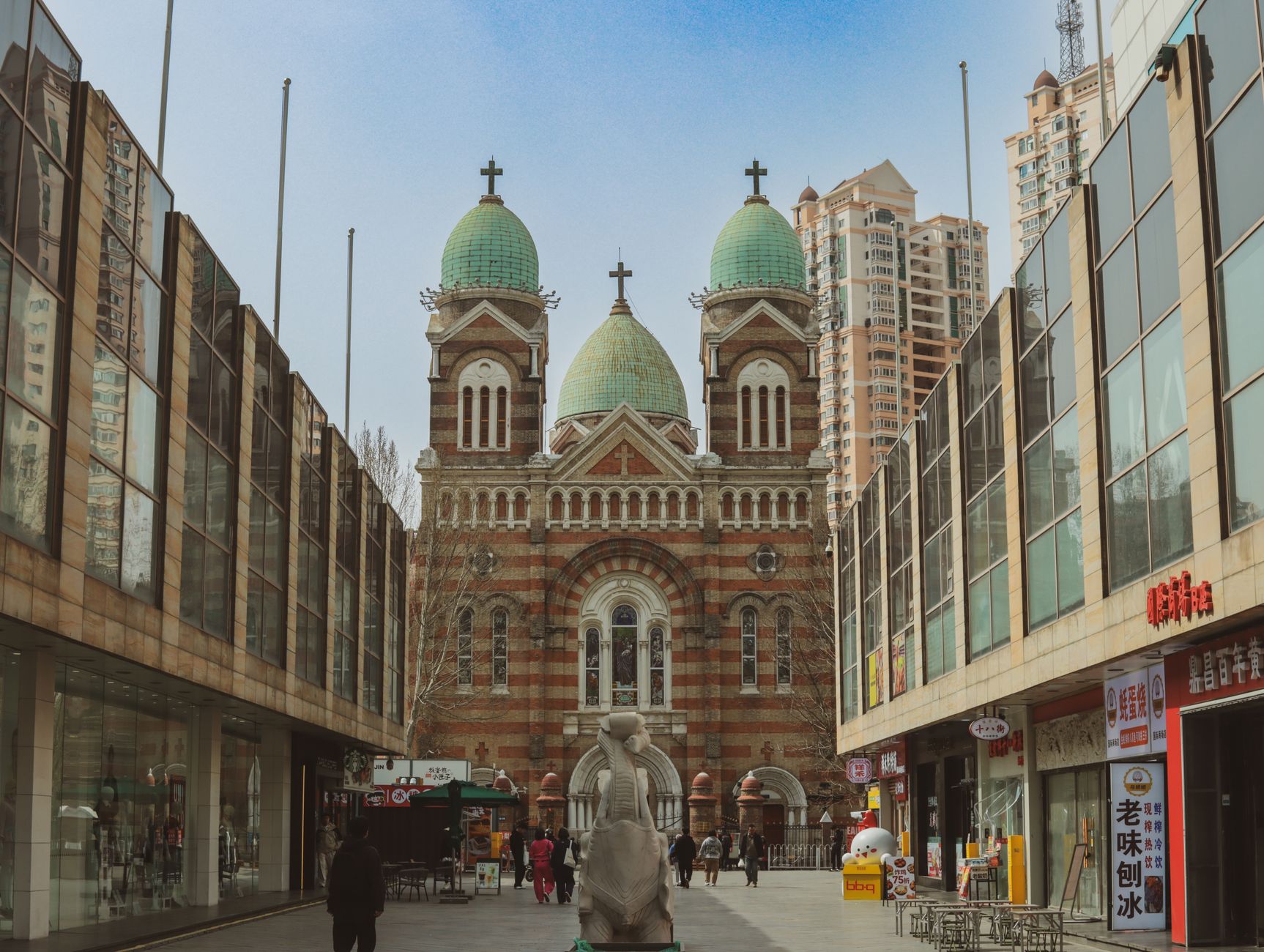
Rising majestically at the northern terminus of the Grand Canal and along the meandering Hai River, Tianjin is a sprawling metropolis where imperial Chinese history directly collides with Western architectural ambition. Originally known as the 'Heavenly Ford' when the Yongle Emperor crossed its waters in 1404, the city grew from a vital military outpost into a prosperous mercantile hub. By the late 19th and early 20th centuries, it was designated as a treaty port, leading to the establishment of nine foreign concessions that forever altered its urban landscape, creating a surreal European architectural museum in the heart of northern China.

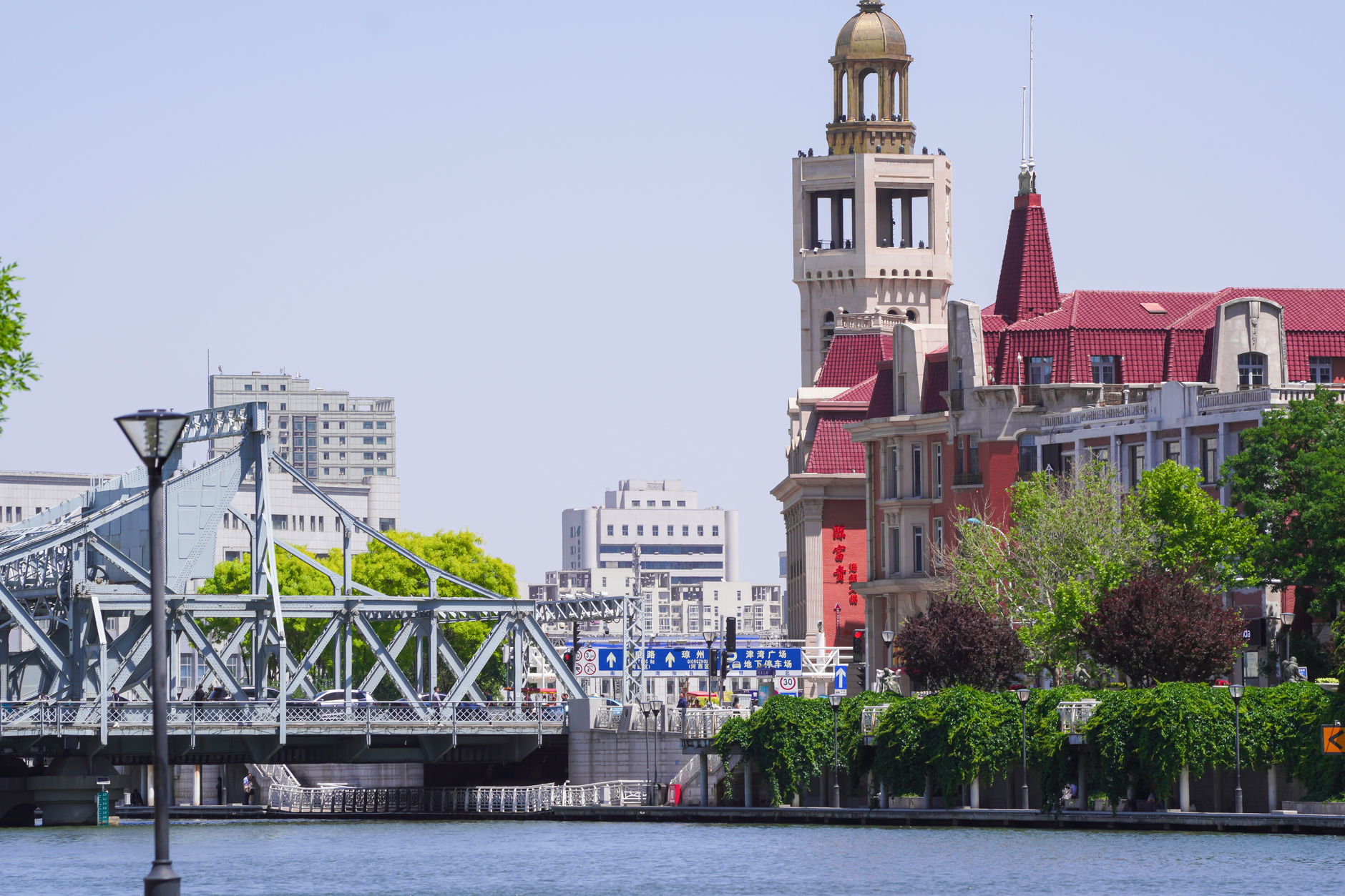
Today, walking through Tianjin feels like stepping across continental borders within a single city block. The grand, neoclassical stone facades of Jiefang North Road—once known as the 'Wall Street of the East'—stand in stark contrast to the whimsical, red-roofed Mediterranean villas of the Italian Style Quarter. These foreign influences do not overshadow Tianjin's deeply rooted Chinese identity; rather, they coexist with it. The city remains a bastion of traditional Chinese folk arts, renowned nationwide as the cradle of Xiangsheng (crosstalk comedy), clay figurine sculpting, and vibrant woodblock printing.

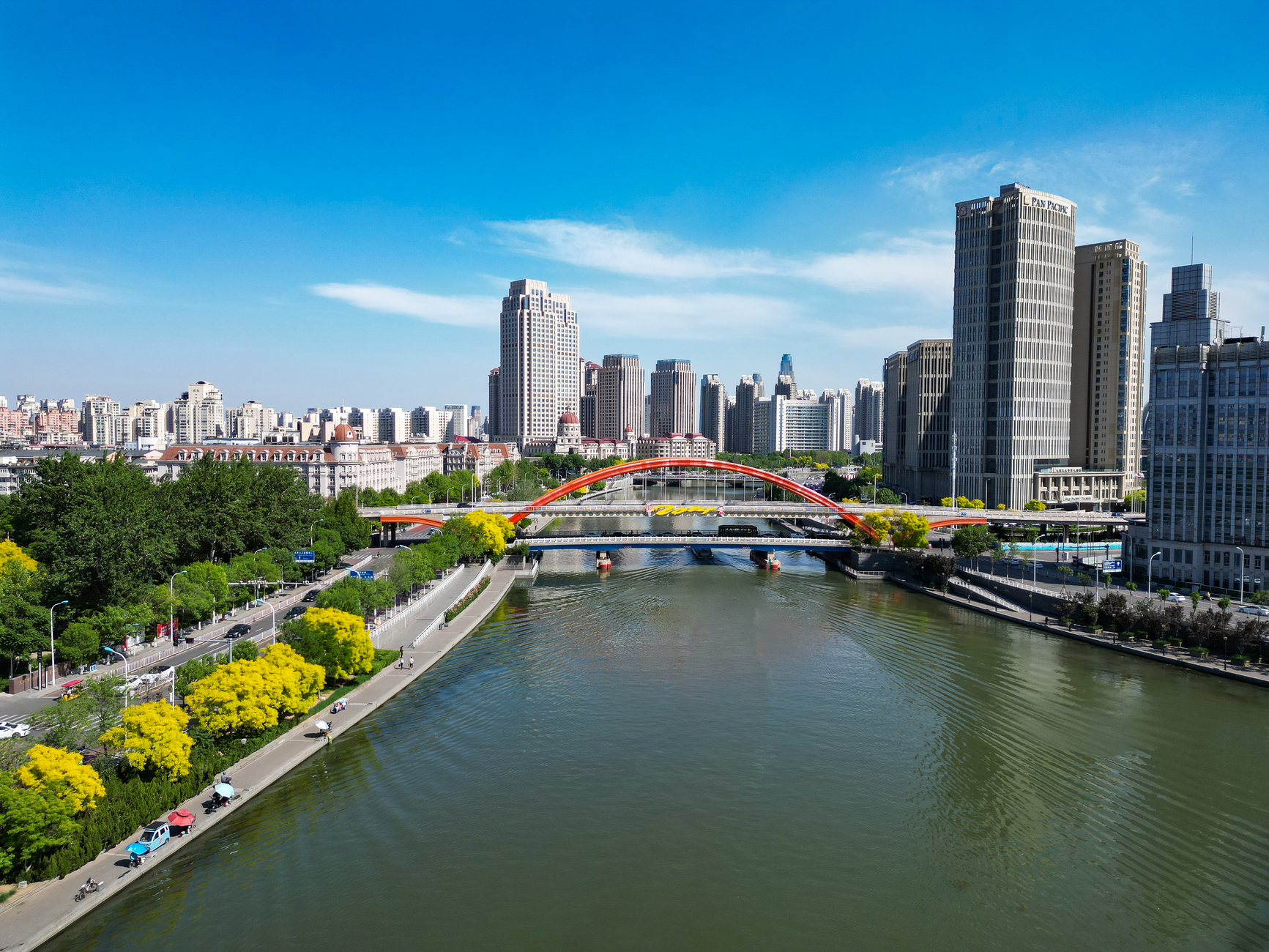
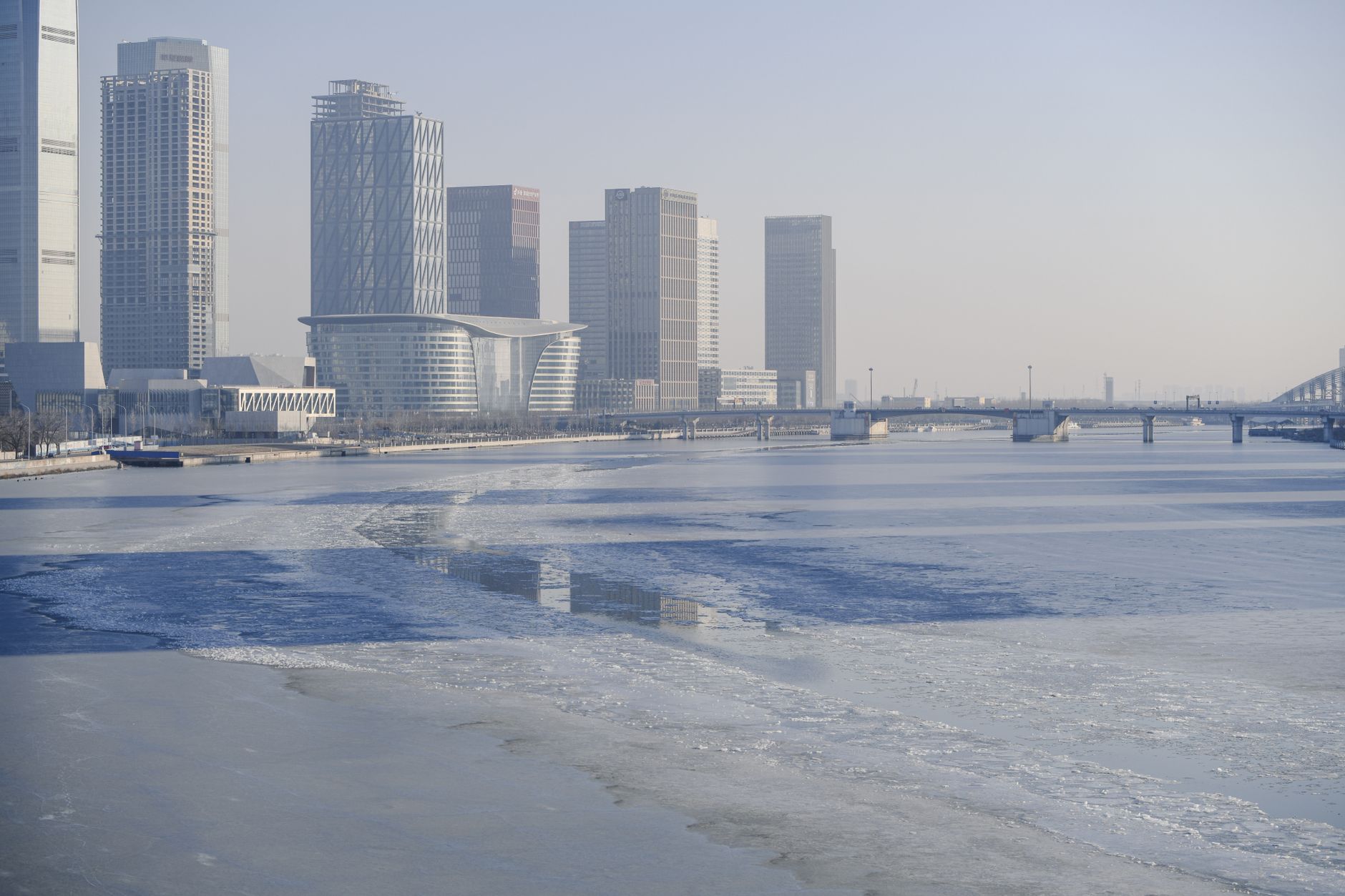
Tianjin's geography is defined and animated by the Hai River. The river acts as a glittering blue ribbon that stitches together historic districts and hyper-modern skyscrapers. Locals gather along its banks to fly kites, practice tai chi, and dive into its currents for refreshing swims, while luxury cruise boats glide past illuminated bridges at night. This water-centric layout infuses Tianjin with a relaxed, maritime breeze and a leisurely pace of life that is remarkably distinct from the frantic energy of nearby Beijing.

Culinary heritage is another pillar of local pride, with the city's street food culture enjoying legendary status across China. From the savory, sizzling aroma of Jianbing Guozi cooked on street corners at dawn to the delicate, multi-folded Goubuli steamed buns, eating in Tianjin is a sensory journey through northern flavors. Whether you are exploring the rugged battlements of the nearby Huangyaguan Great Wall or browsing the futuristic, cavernous bookshelves of the Binhai Library, Tianjin offers an incredibly layered, authentic, and deeply rewarding travel experience.

Visual Impressions & Moments
Tianjin photo 1
Tianjin photo 2
Tianjin photo 3
Tianjin photo 4
Tianjin photo 5
Tianjin photo 6
Unmissable Moments

Top Things to Do in Tianjin

Scenic

Stroll the Five Great Avenues at Golden Hour

Spend an afternoon wandering through Wudadao (Five Great Avenues), an elegant residential neighborhood containing over 230 heritage buildings representing English, French, Italian, German, and Spanish architectural styles. Rent a vintage-style bicycle or take a horse-drawn carriage as the late afternoon sun casts a warm, golden glow over the brick facades, ivy-draped walls, and quiet courtyard gardens. It is a peaceful, living museum that showcases how the global elite lived in Tianjin during the early 20th century.

Must-Do

Ride the Majestic Tianjin Eye at Night

Embark on a breathtaking ride on the Tianjin Eye, a colossal 120-meter-tall Ferris wheel uniquely constructed directly over the Yongle Bridge spanning the Hai River. As the sun sets, the wheel and the surrounding riverbanks light up in a dazzling display of neon and LED artistry. The slow, 30-minute rotation offers unparalleled, panoramic views of the glittering skyline, the historic waterways, and the endless stream of traffic pulsing beneath you.

Culture

Experience Traditional Xiangsheng at a Teahouse

Immerse yourself in Chinese comedy by attending a live performance of Xiangsheng (crosstalk) at a traditional teahouse like Mingliu Chawan. This rapid-fire, highly theatrical comedic art form relies on banter, singing, and instrumental mimicry. Even if you do not speak fluent Mandarin, the energetic gestures, the rhythmic clatter of bamboo clappers, the lively audience reactions, and the endless flow of hot green tea and sunflower seeds make for an authentic cultural experience.

Culinary

Indulge in a Jianbing Guozi Breakfast Hunt

Wake up early and head to a bustling residential neighborhood market to find a local vendor making Jianbing Guozi, Tianjin's signature breakfast crepe. Watch in fascination as the vendor spreads a savory stone-ground mung bean batter over a circular hot griddle, cracks fresh eggs on top, sprinkles chopped scallions and cilantro, adds a secret fermented sweet bean sauce, and wraps it around a perfectly crispy, freshly fried dough stick (You Tiao) or a crunchy cracker (Guobi). Eat it piping hot wrapped in paper for the ultimate local culinary experience.

Must-See Highlights

Top Places & Things to Do in Tianjin

Curated attractions and cultural landmarks with local insider advice.

Five Great Avenues (Wudadao)
attraction
4.8

Five Great Avenues (Wudadao)

The Five Great Avenues, or Wudadao, is a historic neighborhood situated in the southern part of Tianjin's urban core. Comprising five main parallel streets—Machang, Munan, Dali, Changde, and Chongqing—this area contains the largest concentration of European villa architecture in China. Built during the early 20th century as part of the British Concession, the neighborhood became a sanctuary for wealthy Chinese merchants, politicians, and foreign dignitaries who sought safety and luxury. The resulting architecture is an eclectic mix of Renaissance, Greek Revival, Gothic, Romantic, and Art Deco styles. Walking through Wudadao feels like wandering through a quiet, romantic European suburb. Many of the historic mansions have been lovingly restored and converted into upscale boutique hotels, quiet tea rooms, art galleries, and hidden courtyard cafes. The streets are shaded by mature plane trees, and the lack of heavy traffic adds to the serene, nostalgic atmosphere. It is highly recommended to explore this area by renting a public bicycle or taking one of the organized horse-drawn carriage tours that depart from Minyuan Plaza, a beautifully reconstructed athletic stadium that now serves as a public park and cultural hub.

Open 24/7 (Individual shops and museums vary, typically 09:00 - 18:00)
Admission: Free
Insider Tip: Visit in the late afternoon when the golden sunlight filters through the trees, casting beautiful shadows on the brick facades. Don't miss Minyuan Plaza for a coffee and people-watching.
Tianjin Binhai Library
attraction
4.6

Tianjin Binhai Library

Designed by the visionary Dutch architectural firm MVRDV in collaboration with the Tianjin Urban Planning and Design Institute, the Tianjin Binhai Library is a breathtaking masterpiece of modern architecture. Spanning 33,700 square meters, the library's interior is dominated by a massive, luminous spherical auditorium known as 'The Eye of Binhai,' which sits at the center of the main atrium. Surrounding this central sphere are cascading, terraced bookshelves that echo the spherical form, creating a rolling, organic topography of steps, seats, and shelves that rise all the way to the ceiling. Since its opening in 2017, the library has become an international sensation. The undulating white shelves serve multiple purposes: they function as stairs to climb, benches to sit and read, and light-reflecting surfaces that illuminate the cavernous space. Visitors should note that many of the books on the upper, unreachable shelves are actually printed aluminum plates that mimic real books to maintain the visual aesthetic. Nevertheless, the library houses over 1.2 million physical books in its surrounding rooms, making it a highly functional public learning space as well as a visual wonder.

10:00 - 18:00 (Closed on Monday mornings)
Admission: Free
Insider Tip: Strict security is enforced at the entrance. Professional cameras, tripods, and large bags are strictly prohibited inside the main atrium; you must use the free lockers outside. Cell phone photography is permitted.
Ancient Culture Street (Guwenhua Jie)
culture
4.7

Ancient Culture Street (Guwenhua Jie)

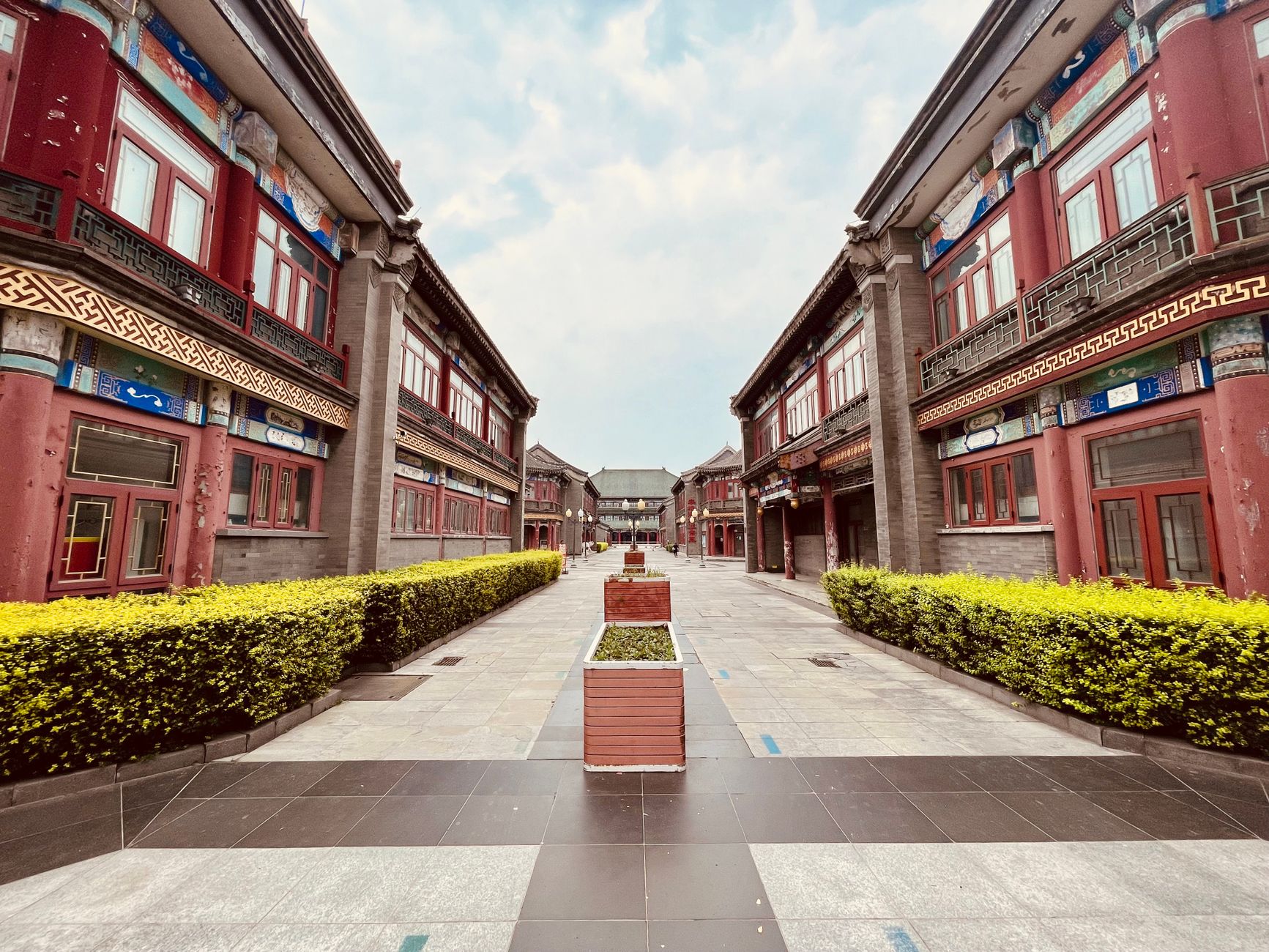
Located on the west bank of the Hai River in Nankai District, Ancient Culture Street is a vibrant pedestrian thoroughfare that celebrates Tianjin's rich imperial history and traditional folk arts. Designed to replicate the architectural style of the Qing Dynasty, the street is flanked by two grand, colorful archways (Pailou) and lined with double-story brick buildings adorned with traditional red lanterns, carved wooden balconies, and exquisite hand-painted eaves depicting scenes from classic Chinese literature, mythology, and historical events. At the geographical and cultural heart of the street lies the Tianhou Palace (Temple of the Queen of Heaven), built in 1326 to honor Mazu, the Taoist goddess of seafarers. It is one of the oldest extant Mazu temples in northern China and a testament to Tianjin's history as a bustling port city. The street is a sensory delight, filled with the aroma of traditional snacks like ear-earring fried dough twists and hot pear syrup. It is the premier spot in the city to purchase authentic local handicrafts, including the world-famous Niren Zhang painted clay figurines and Yangliuqing woodblock New Year prints.

09:00 - 18:00 (Street is open later, but most shops close by 19:00)
Admission: Free (Tianhou Palace entry is approximately ¥10)
Insider Tip: This street gets incredibly crowded on weekends and national holidays. Visit on a weekday morning for a more peaceful experience, and be sure to practice your bartering skills when buying souvenirs.
The Tianjin Eye
attraction
4.8

The Tianjin Eye

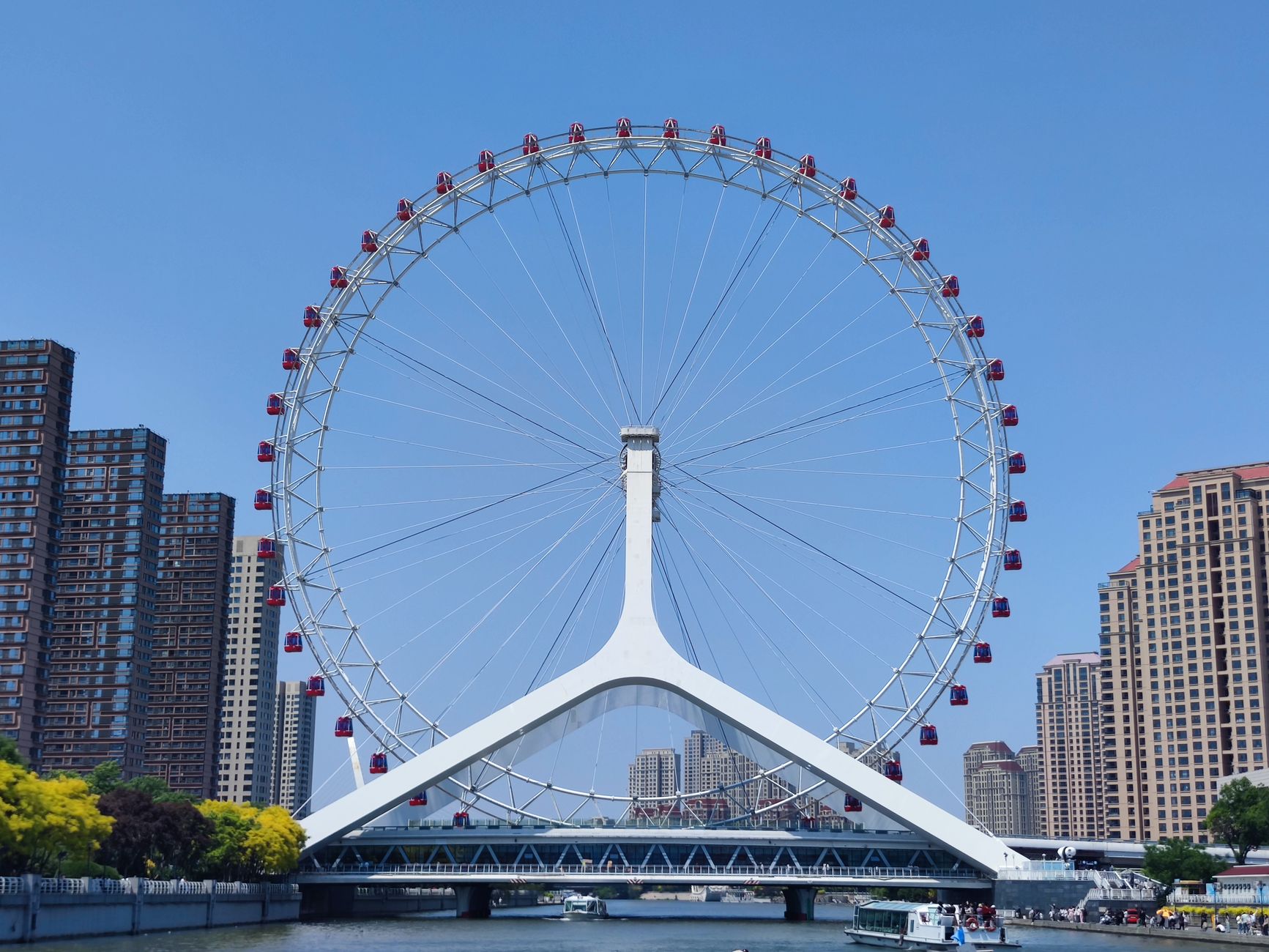
The Tianjin Eye, officially known as the Yongle Bridge Triumphant Eye, is an iconic landmark and one of the most unique engineering marvels in the world. Standing at a staggering height of 120 meters (394 feet), it is the only giant Ferris wheel in existence that is constructed directly over a bridge spanning a river. It sits majestically atop the Yongle Bridge, which crosses the Hai River, allowing vehicles to drive underneath while passengers rotate high above the flowing water. The wheel is equipped with 48 transparent, luxury passenger cabins, each capable of holding up to eight people. A single, smooth rotation takes approximately 30 minutes, during which passengers are treated to spectacular 360-degree panoramic views of Tianjin's urban landscape. On a clear day, the view extends for up to 40 kilometers, revealing the contrast between the historic concession districts and the gleaming skyscrapers of the modern financial center. At night, the wheel itself is illuminated by thousands of colorful LED lights, reflecting brilliantly off the surface of the river below.

09:30 - 21:30 (Closed on Monday mornings for routine maintenance)
Admission: ¥70 per person
Insider Tip: The queues for tickets can be exceptionally long, especially around sunset and on clear weekend nights. It is highly recommended to book your tickets online in advance via local travel apps or arrive early in the afternoon to secure a slot.
Area Guide

Where to Stay & Best Neighborhoods

Five Great Avenues (Wudadao)

Best for: Architecture enthusiasts, photography, boutique cafes, and leisurely strolls.

Vibe: Aristocratic, peaceful, leafy, and architecturally European.

Located in the Heping District, Wudadao consists of five parallel streets (Machang, Munan, Dali, Changde, and Chongqing roads) lined with over 2,000 European-style villas built in the 1920s and 30s. This was once the prestigious residential quarter for foreign diplomats, wealthy merchants, and deposed Chinese warlords. Today, these tree-lined avenues are filled with quiet charm, featuring upscale boutique hotels, hidden courtyard cafes, and historical plaques detailing the fascinating lives of the neighborhood's former residents.

Italian Style Quarter (Yiyi Fengqing Qu)

Best for: Al fresco dining, nightlife, European streetscapes, and historic villas.

Vibe: Lively, Mediterranean, romantic, and tourist-friendly.

Centered around Marco Polo Plaza, this neighborhood is the only well-preserved Italian-style architectural complex outside of Italy. Originally the Italian Concession, it features cobblestone pedestrian streets, ornate fountains, and red-tiled villas adorned with balconies and colonnades. By day, it is a picturesque spot to explore historic homes, such as the former residence of scholar Liang Qichao. By night, it transforms into a bustling entertainment district with lively outdoor bars, Italian restaurants, and live music venues.

Ancient Culture Street (Guwenhua Jie)

Best for: Souvenir shopping, folk art, traditional street food, and imperial temples.

Vibe: Bustling, traditional, colorful, and culturally rich.

Situated on the west bank of the Hai River, this pedestrian street is designed to replicate the architectural style of the Qing Dynasty, complete with painted timber arches, red pillars, and sweeping tiled roofs. It serves as the cultural heart of Tianjin, home to the ancient Temple of the Queen of Heaven (Tianhou Palace). The street is packed with traditional shops selling exquisite Yangliuqing woodblock prints, Niren Zhang clay figurines, calligraphy brushes, and famous local sweets like dragon-scale candy and fried dough twists.

Food & Drink Scene

What to Eat in Tianjin

Jianbing Guozi (Tianjin Savory Crepes)

Unlike variations found elsewhere in China, authentic Tianjin Jianbing Guozi uses a batter made strictly from stone-ground green mung beans (no wheat flour), giving it a delicate texture and a slightly nutty flavor. Cooked on a flat griddle, it is brushed with savory sweet flour paste and chili sauce, wrapped around a freshly fried, crispy dough stick (You Tiao) or a crisp cracker (Guobi). It is a perfect balance of soft, crispy, savory, and spicy textures.

🍴 Top spot: Chenji Jianbing Guozi (a legendary, decades-old stall in Heping District)

Goubuli Baozi (Steamed Stuffed Buns)

Tianjin's most famous culinary export, Goubuli is a brand of steamed buns dating back to 1858. The name literally translates to 'Dog Doesn't Care,' a nickname given to the founder who was so busy making buns he ignored his customers. These buns are celebrated for their incredibly precise preparation, featuring exactly 18 folds on each bun. They are filled with juicy, seasoned pork and a rich savory broth that bursts in your mouth upon biting.

🍴 Top spot: Goubuli Restaurant (Shandong Road Flagship Branch)

Guifaxiang 18th Street Mahua (Fried Dough Twists)

These massive, intricately twisted bars of fried dough are a Tianjin specialty. Made by twisting long strips of dough around rich fillings like sweet osmanthus, ginger, walnuts, melon seeds, and sesame, they are then deep-fried in peanut oil until they achieve a deep golden brown color. They are incredibly crispy, aromatic, sweet, and can be preserved for months without losing their freshness.

🍴 Top spot: Guifaxiang 18th Street Mahua Flagship Store (Hexi District)
Excursions

Best Day Trips from Tianjin

Huangyaguan Great Wall

Approximately 2.5 hours by private car or tourist express bus from central Tianjin

Located in the mountainous Ji County in northern Tianjin, Huangyaguan is a rugged, breathtakingly scenic section of the Great Wall of China. Originally built in the Northern Qi Dynasty and fortified during the Ming Dynasty, it features unique architectural elements such as the Bagua (Eight Diagrams) Castle, watchtowers of various shapes, and steep stone steps that cling to dramatic limestone ridges. It offers a much more peaceful, less crowded hiking experience compared to the sections near Beijing, surrounded by dense forests and fruit orchards.

Binhai New Area & Dagu Forts

45 to 60 minutes via the high-speed C-train or Metro Line 9 from Tianjin Railway Station

Venture to the coastal Binhai district to witness Tianjin's hyper-futuristic side. Start your day at the world-famous Tianjin Binhai Library, an architectural marvel featuring a luminous spherical auditorium and undulating, terraced bookshelves that rise to the ceiling. Afterward, contrast this modernity with a visit to the Dagu Forts (Taku Forts), the ruins of 19th-century coastal fortifications that played a critical role in defending northern China during the Opium Wars.

When to Go

Best Time to Visit & Seasonality

Editor’s Pick: The absolute prime time to visit Tianjin is during the autumn months of September to November. During this golden season, the oppressive heat and humidity of summer dissipate, giving way to crisp, cool breezes, clear blue skies, and comfortable daytime temperatures ranging from 15°C to 22°C (59°F to 72°F). The foliage in the historic Five Great Avenues turns brilliant shades of amber and crimson, making it an exceptionally beautiful period for walking tours. Spring (April to May) is also highly pleasant, characterized by blooming peach blossoms along the Hai River, though it can occasionally be subject to dry, dusty winds from the Gobi Desert.

Spring Overview

(March - May)
Moderate
Average Temperature & Climate8°C - 21°C (46°F - 70°F)

Warm and dry, but highly variable with occasional windy days and dust storms.

Crowd & Travel ConditionsModerate Tourist Traffic

Fewer lines and better deals.

✨ Seasonal Highlights:Admiring the spectacular peach blossoms along the Taohuadi Canal and cycling through the greening lanes of the Five Great Avenues.
Travel Smarter

Practical Travel Essentials

CurrencyCNY (¥)
LanguageMandarin Chinese (Tianjin Dialect)
Time ZoneGMT+8

Visa & Entry

Most international travelers require a pre-arranged visa to enter China. However, Tianjin is part of the 144-hour visa-free transit scheme, allowing travelers from 53 countries transiting through Tianjin Binhai International Airport or Tianjin Port to enter visa-free for up to six days, provided they hold a valid ticket to a third country.

Getting Around & Transit

Tianjin boasts an exceptionally efficient and clean public transit system. The Tianjin Metro has multiple lines connecting all major attractions, including the Binhai New Area (Line 9). Taxis and ride-hailing apps (like DiDi, which has an English interface) are highly affordable and abundant. For regional travel, the high-speed intercity train connects Tianjin to Beijing in just 30 minutes.

Daily Budget Expectation

For a mid-range traveler, a budget of $50 to $90 USD (approximately ¥350 - ¥650 CNY) per day is highly sufficient. This easily covers comfortable mid-range hotel accommodations, three delicious meals (including street food and sit-down dinners), metro fares, and entry fees to major attractions.

Safety & Health

Tianjin is incredibly safe for international travelers, with exceptionally low rates of violent crime. Scams targeting tourists (such as the 'tea house scam' or unregistered taxis) can occasionally occur around major transit hubs, but general awareness is sufficient. Street lighting is excellent, and walking at night is highly safe.

Local Etiquette & Customs

When visiting temples, dress respectfully (shoulders and knees covered). It is customary to hand over money, business cards, or gifts with both hands as a sign of respect. Tipping is not practiced in China and can sometimes be seen as confusing or offensive; simply pay the bill as presented.

Questions & Answers

Frequently Asked Questions about Tianjin

Tianjin is approximately 120 kilometers (75 miles) southeast of Beijing. Thanks to the China Railway High-speed (CRH) trains, it takes only 30 minutes to travel between Beijing South Railway Station and Tianjin Railway Station. This incredibly fast connection makes Tianjin an exceptionally easy and highly rewarding day trip or weekend getaway from the capital.