🌟 Best in Travel 2026 is here!
Tokyo
cityAsia
4.96 / 5.0

Tokyo

An electrifying collision of ancient Shinto traditions and hyper-futuristic neon architecture.

Advertisement
Editorial Guide

About Tokyo

Tokyo is a sprawling metropolis where the past and future coexist in mesmerizing harmony. From its humble origins as the modest fishing village of Edo, the city has evolved into the world's most populous urban area, a hyper-connected economic and cultural juggernaut that never truly sleeps. Walking its streets is a sensory masterclass: you can step off a quiet, moss-draped alley sheltering a centuries-old Shinto shrine only to find yourself instantly immersed in a symphony of flashing neon billboards, blaring arcade chimes, and the relentless pulse of Shibuya Crossing. Culturally, Tokyo is defined by meticulous craftsmanship, deep-seated communal respect, and a ceaseless drive for artistic and technological innovation.

Geographically, Tokyo sprawls across the Kantō plain, radiating outward from the imperial moat of Chiyoda into a constellation of distinct neighborhoods, each possessing its own unique personality and subculture. The local lifestyle seamlessly marries hyper-modern convenience with profound ritual; salarymen in immaculate suits bow deeply while sharing train cars with youth sporting avant-garde Harajuku fashion, all under the watchful gaze of towering skyscrapers. The city's topography is crisscrossed by an immaculate, labyrinthine train network that dictates the rhythm of daily life, connecting quiet residential suburbs to ultra-dense commercial hubs with peerless punctuality.

History pulses just beneath the polished surface of modern glass and steel. Though much of the city was reshaped by the Great Kantō earthquake of 1923 and the devastation of World War II, Tokyo has repeatedly risen from the ashes, preserving its architectural and spiritual heritage through meticulous reconstruction. Historic wooden temples like Sensō-ji anchor neighborhoods in time, while postwar alleyways like Omoide Yokocho offer a nostalgic window into the rustic, smoky izakaya culture of mid-century Showa-era Japan. This continuous cycle of destruction and rebirth has forged an architectural and cultural palimpsest unlike anywhere else on earth.

Today, Tokyo stands as the undisputed global capital of gastronomy, design, and pop culture, boasting more Michelin stars than any other city alongside an infinite universe of humble ramen-ya and convenience store culinary marvels. Yet, despite its colossal scale and blistering pace, Tokyo remains remarkably safe, clean, and profoundly welcoming. It is a city that rewards the curious wanderer who takes the time to look down narrow alleys, listen to the whisper of bamboo in hidden temple gardens, and surrender to the intoxicating, orderly rhythm of the world's most dynamic urban masterpiece.

Visual Impressions & Moments
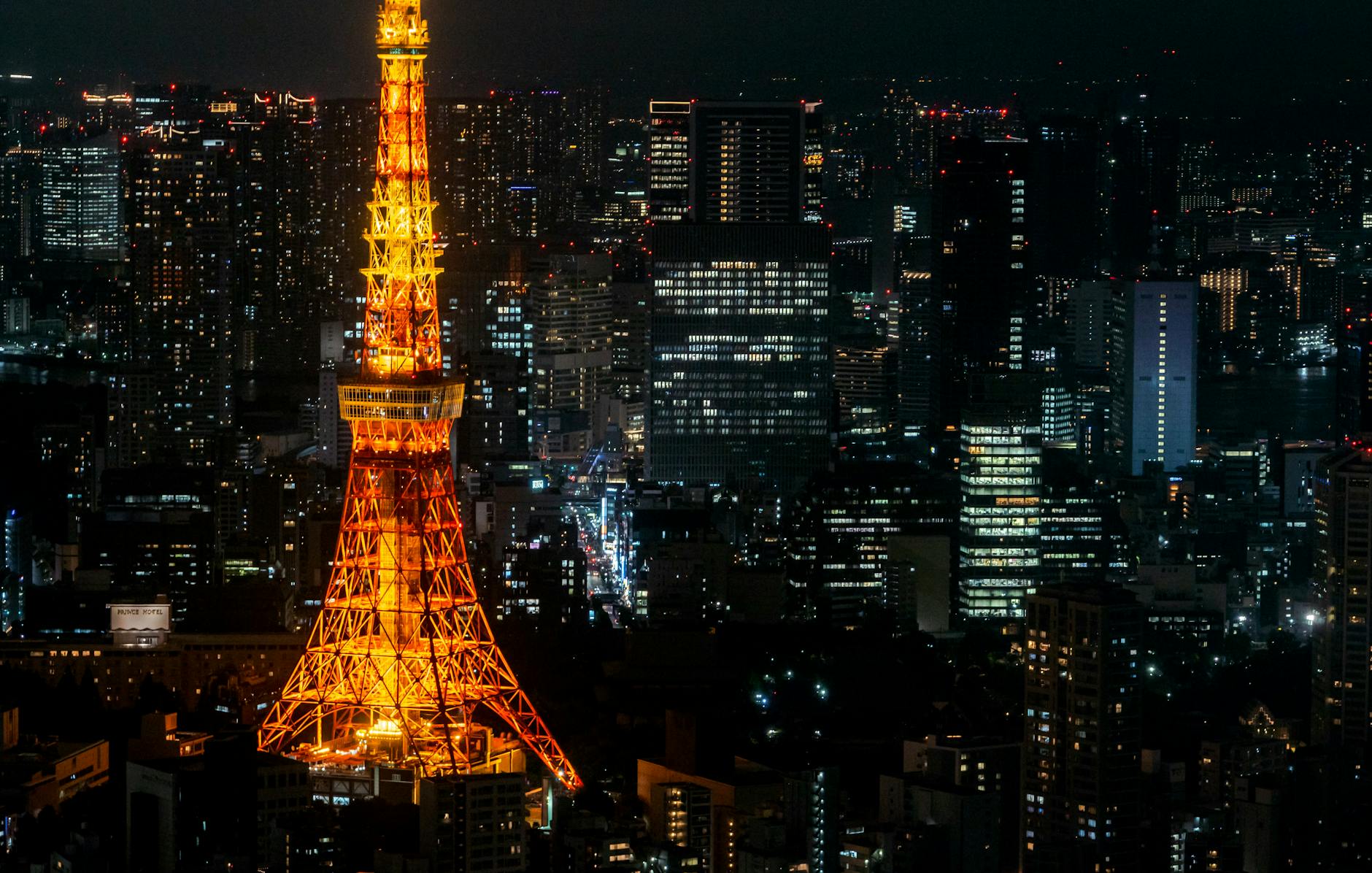
Tokyo photo 1
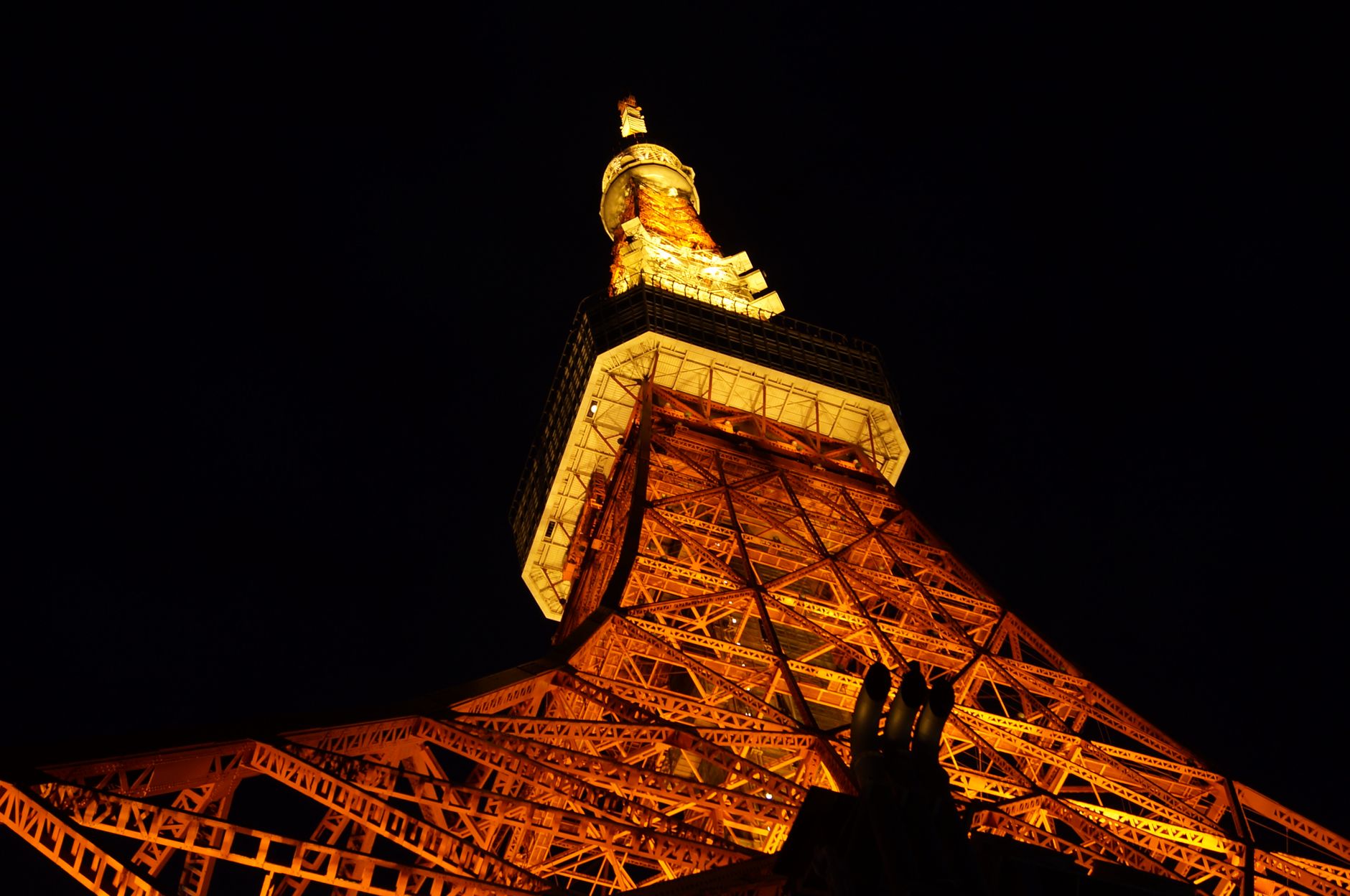
Tokyo photo 2
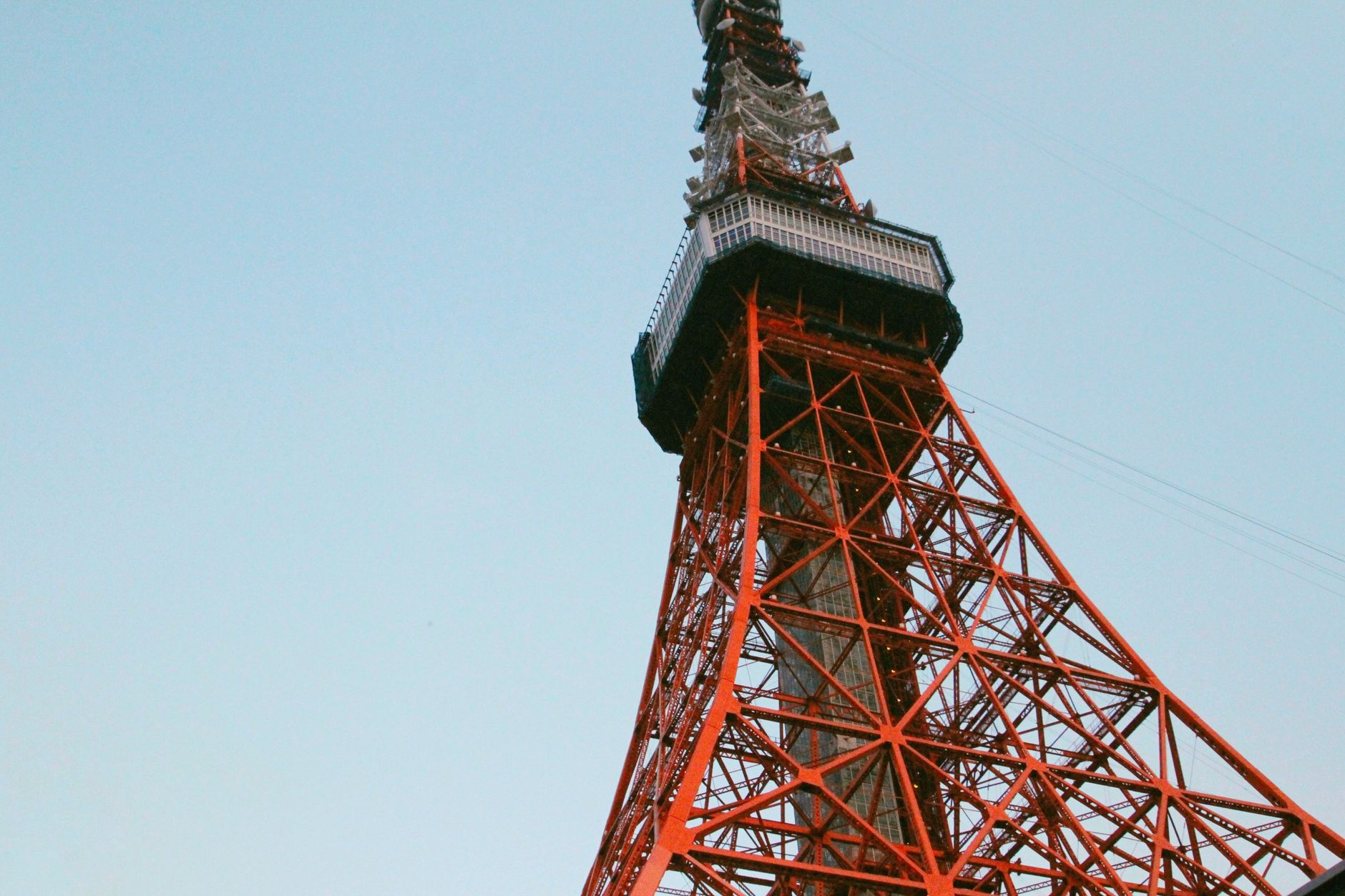
Tokyo photo 3
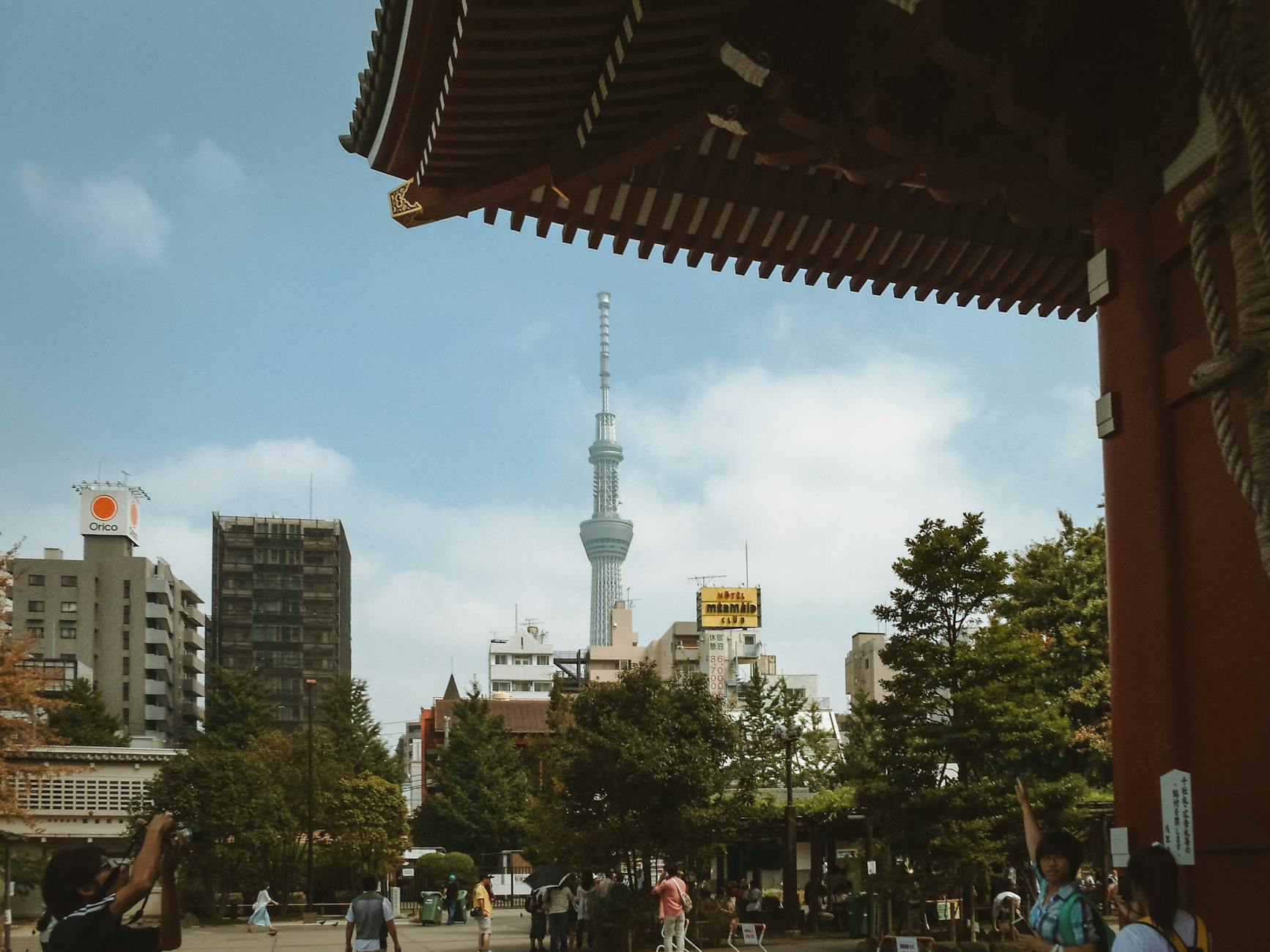
Tokyo photo 4
Tokyo photo 5
Tokyo photo 6
Unmissable Moments

Top Things to Do in Tokyo

Must-Do

Cross the Iconic Shibuya Scramble at Rush Hour

Stand at the epicenter of Tokyo's urban energy as thousands of pedestrians weave past each other in perfect synchronization from all directions. To capture the definitive vantage point, grab a matcha latte and head up to the Shibuya Sky observation deck just before sunset for sweeping views over the intersection and Mount Fuji beyond.

Culture

Dawn Pilgrimage Through Sen-so-ji Temple in Asakusa

Beat the overwhelming afternoon tour groups by arriving at Tokyo's oldest Buddhist temple just as the sun rises. Incense smoke drifts across the vast courtyard from the giant bronze burner, and monks chant morning sutras, offering a rare moment of serene spiritual reflection before the surrounding Nakamise-dori shopping street awakens.

Culinary

Slurp Hand-Pulled Ramen in Memory Lane (Omoide Yokocho)

Squeeze into a tiny, eight-seat wooden counter tucked beneath the train tracks in Shinjuku, where master chefs have been grilling yakitori and boiling rich tonkotsu broths for decades. Order via a vending machine ticket, pull up a stool next to local salarymen, and savor the smoky, umami-rich flavors in an authentically atmospheric alley.

Adventure

Immerse in Digital Art Surrealism at teamLab Planets TOYOSU

Wading barefoot through knee-deep water projected with swimming digital koi fish and stepping into infinite rooms of floating crystal spheres completely redefines how art is experienced. Book tickets weeks in advance and wear pants that can be easily rolled up to your knees.

Must-See Highlights

Top Places & Things to Do in Tokyo

Curated attractions and cultural landmarks with local insider advice.

Senso-ji Temple
culture
4.8

Senso-ji Temple

Founded in 645 AD, Sensō-ji is Tokyo's oldest and most spiritually significant Buddhist temple, dedicated to Kannon, the bodhisattva of compassion. Approached through the imposing Kaminarimon (Thunder Gate) with its giant red paper lantern, visitors walk down Nakamise-dori—a vibrant historic shopping arcade selling traditional snacks and souvenirs. The temple complex features a magnificent five-story pagoda and a main hall where incense smoke is believed to confer healing and good health. The surrounding Asakusa neighborhood retains the authentic flavor of Tokyo's working-class shitamachi culture.

6:00 AM – 5:00 PM (Temple grounds open 24/7)
Admission: Free
Insider Tip: Return at night when the temple buildings and giant red lanterns are dramatically illuminated against the dark sky with a fraction of the daytime crowds.
Shinjuku Gyoen National Garden
nature
4.82

Shinjuku Gyoen National Garden

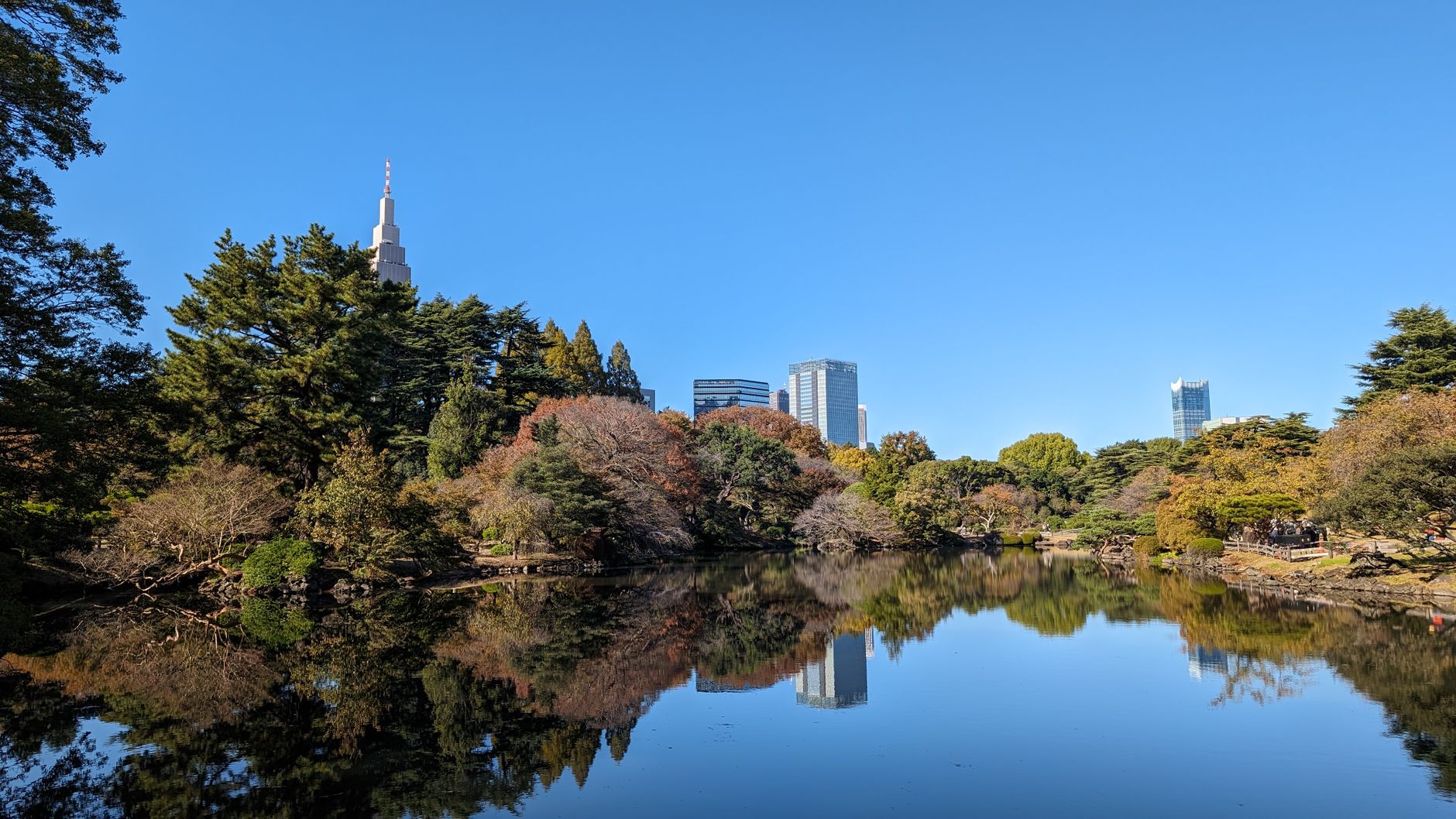
Spanning 144 hectares, Shinjuku Gyoen is a botanical masterpiece that blends three distinct garden styles: a formal French geometric garden, an English landscape garden, and a traditional Japanese strolling garden complete with teahouses, tranquil ponds, and manicured bridges. Originally an imperial residence, it is now Tokyo's premier urban sanctuary. Throughout the year, the park transforms with the seasons—from delicate plum blossoms in February and cherry blossoms in spring to fiery maples in autumn and expansive green lawns perfect for quiet contemplation. The park's immense greenhouse houses exotic tropical plants and rare orchids.

9:00 AM – 4:30 PM (Closed Mondays)
Admission: ¥500
Insider Tip: Alcohol is strictly prohibited inside the park gates, making it a peaceful, smoke-free zone ideal for reading and quiet relaxation.
Tsukiji Outer Market
food
4.75

Tsukiji Outer Market

While the famous wholesale tuna auction relocated to Toyosu, Tsukiji Outer Market remains the pulsing culinary soul of Tokyo's street food scene. A labyrinth of narrow lanes is packed with hundreds of bustling stalls selling freshly shucked oysters, grilled unagi (eel) skewers, tamagoyaki (sweet rolled omelets) on sticks, and bowls of sea urchin over rice. The energy here is infectious as chefs, restaurateurs, and hungry travelers negotiate for the absolute freshest catches of the day. It is an absolute mandatory pilgrimage for anyone wishing to understand Tokyo's obsession with high-grade seafood.

5:00 AM – 2:00 PM (Varies by stall)
Admission: ¥1,500 – ¥4,000
Insider Tip: Arrive by 8:30 AM to beat the peak mid-morning crowds and secure a seat at the most popular sushi counters without waiting an hour.
Area Guide

Where to Stay & Best Neighborhoods

Shinjuku

Best for: Nightlife seekers, solo travelers, first-time visitors, and architecture enthusiasts.

Vibe: Dazzling skyscrapers, neon-drenched entertainment districts, and chaotic nocturnal energy.

Shinjuku is a sensory overload in the best possible way. Home to the world's busiest railway station, it transitions effortlessly from the corporate monoliths of the West Shinjuku skyscraper district to the neon labyrinths of Kabukicho and the impossibly narrow, smoke-filled alleyways of Golden Gai, which packs over 200 micro-bars into a few alley blocks.

Asakusa

Best for: History buffs, temple explorers, and travelers seeking classic Japanese street snacks.

Vibe: Nostalgic shitamachi (old town) charm, historic wooden buildings, and traditional crafts.

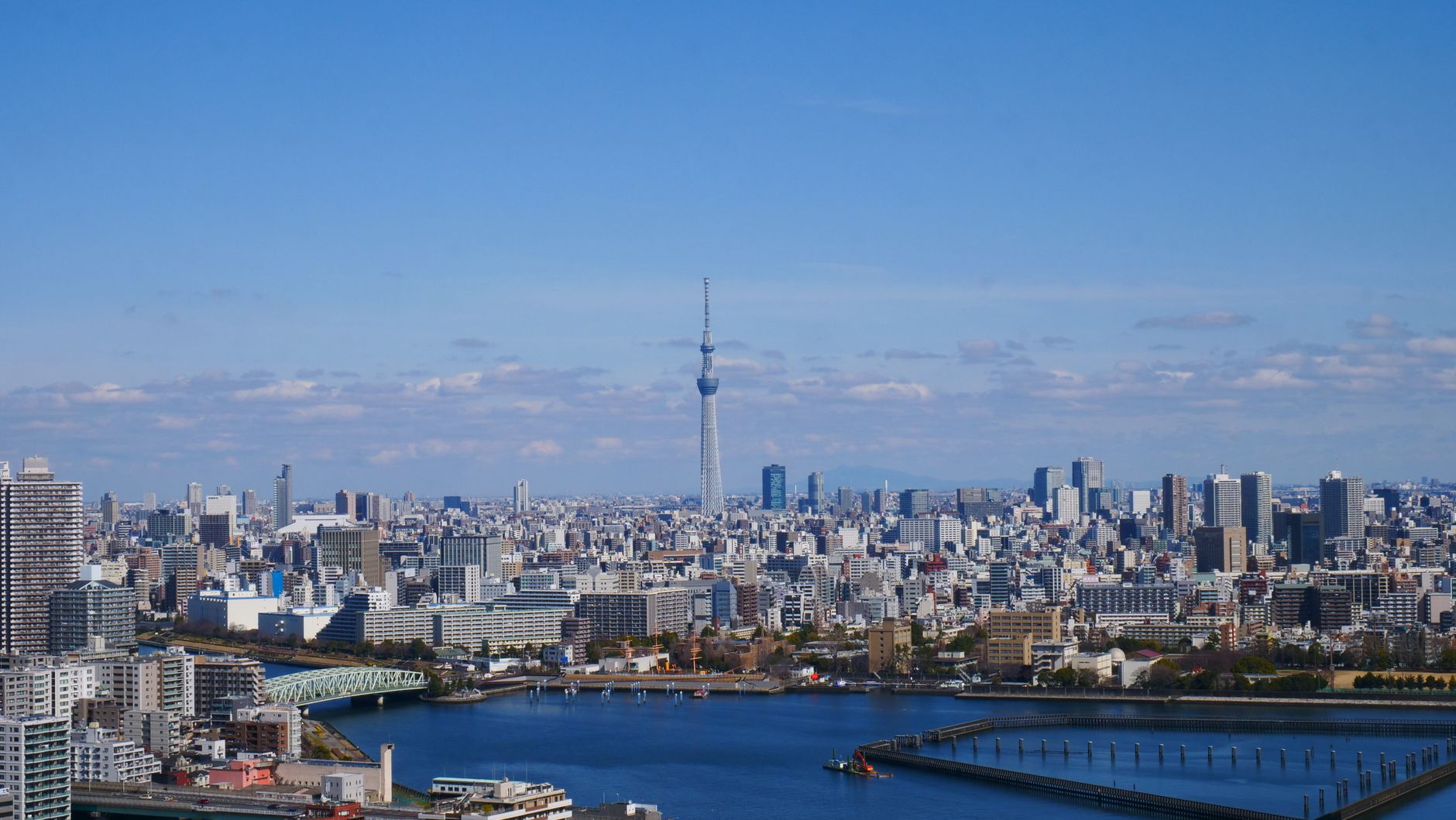
Asakusa preserves the atmosphere of Tokyo's Edo-period working-class districts. Anchored by the magnificent Sensō-ji temple, the neighborhood invites slow-paced strolls past rickshaws, traditional artisan knife shops, and century-old senbei (rice cracker) bakeries, all while offering striking views of the futuristic Tokyo Skytree across the Sumida River.

Nakameguro & Daikanyama

Best for: Design lovers, fashion shoppers, cafe hoppers, and couples looking for a relaxed afternoon.

Vibe: Hip, tree-lined canal paths, minimalist designer boutiques, and artisanal third-wave coffee shops.

Situated just south of bustling Shibuya, Nakameguro and Daikanyama offer a sophisticated respite from the city's frantic pace. Low-rise architecture, cutting-edge architectural marvels like the Daikanyama T-Site bookstore, and charming canal walkways lined with cherry trees make this the premier neighborhood for stylish, unhurried wandering.

Food & Drink Scene

What to Eat in Tokyo

Edomae Sushi (Hand-Pressed Nigiri)

Originating in Tokyo during the 19th century when the city was known as Edo, this style of sushi relies on fresh catches from Tokyo Bay preserved or seasoned with vinegar and soy sauce by an expert itamae (chef). Each piece is served at precise body temperature atop perfectly seasoned vinegared rice.

🍴 Top spot: Sushi Shin (Nishi-Azabu)

Tokyo-Style Shoyu Ramen

The quintessential Tokyo noodle dish features curly medium-thin wheat noodles submerged in a clear, complex chicken and dashi-based broth seasoned with high-quality soy sauce, topped with tender chashu pork, bamboo shoots (menma), and a perfectly jammy ajitsuke tamago egg.

🍴 Top spot: Harukor or Tsuta (Yoyogi)

Monjayaki

Tokyo's answer to Osaka's okonomiyaki, monjayaki is a runny, pan-fried batter mixed with shredded cabbage, seafood, and cheese, cooked directly on a sizzling teppan grill table. Diners scrape up crisp, caramelized bits of the batter from the grill using tiny miniature spatulas.

🍴 Top spot: Tsukishima Monja Street
Excursions

Best Day Trips from Tokyo

Kamakura Coastal Shrines & Giant Buddha

55 mins by JR Shonan-Shinjuku Line

Escape the urban sprawl to explore the medieval capital of Japan, featuring lush hiking trails through coastal hills, tranquil Zen temples with raked gravel gardens, and the iconic 13th-century bronze Great Buddha sitting in the open air.

Nikko UNESCO World Heritage Temples

2 hours by Tobu Spacia Limited Express

Venture into the mountains north of Tokyo to discover Toshogu Shrine, a breathtakingly ornate architectural masterpiece carved with intricate gold leaf and mythical animals, surrounded by towering ancient cedar forests.

When to Go

Best Time to Visit & Seasonality

Editor’s Pick: March to May (spring cherry blossoms) and September to November (autumn foliage) offer the most temperate weather, stunning seasonal scenery, and comfortable conditions for extensive urban exploration.

Spring Overview

(March to May)
Peak Crowds
Average Temperature & Climate10°C to 20°C

Mild, sunny, and pleasant with occasional spring showers.

Crowd & Travel ConditionsPeak Tourist Traffic

Book hotels 3-6 months ahead.

✨ Seasonal Highlights:Sakura (cherry blossom) viewing parties (hanami) in Ueno Park and along the Meguro River.
Travel Smarter

Practical Travel Essentials

CurrencyJPY (¥)
LanguageJapanese
Time ZoneJST (UTC+9)

Visa & Entry

Tourists from over 60 countries (including the US, EU, UK, Canada, and Australia) can enter Japan visa-free for up to 90 days for tourism purposes.

Getting Around & Transit

Tokyo features the world's most efficient train and subway system. Purchase a Suica or Pasmo IC card (or add it to your smartphone wallet) for seamless tap-and-go travel across all train lines and buses.

Daily Budget Expectation

Budget: ¥8,000 - ¥12,000 (Hostels, convenience store bento, subway); Mid-range: ¥15,000 - ¥30,000 (Business hotels, casual izakayas, ramen); Luxury: ¥50,000+ (5-star hotels, Michelin dining, private taxis).

Safety & Health

Tokyo is statistically one of the safest megacities in the world, with extremely low rates of violent crime and high personal safety for solo travelers.

Local Etiquette & Customs

Do not tip in restaurants or taxis, as exceptional service is considered standard. Avoid walking while eating street food; instead, finish your snack near the stall where you purchased it. Always remove your shoes when entering traditional accommodations, temples, or homes.

Questions & Answers

Frequently Asked Questions about Tokyo

While credit cards and IC cards (Suica/Pasmo) are widely accepted at convenience stores, department stores, and major restaurants, you still need cash (Japanese Yen) for small temples, historic shrines, traditional ramen vending machine tickets, and independent neighborhood izakayas.