🌟 Best in Travel 2026 is here!
Tucson
cityNorth America
4.88 / 5.0

Tucson

A sun-drenched sanctuary where rugged Sonoran beauty meets UNESCO-recognized culinary soul.

Advertisement
Editorial Guide

About Tucson

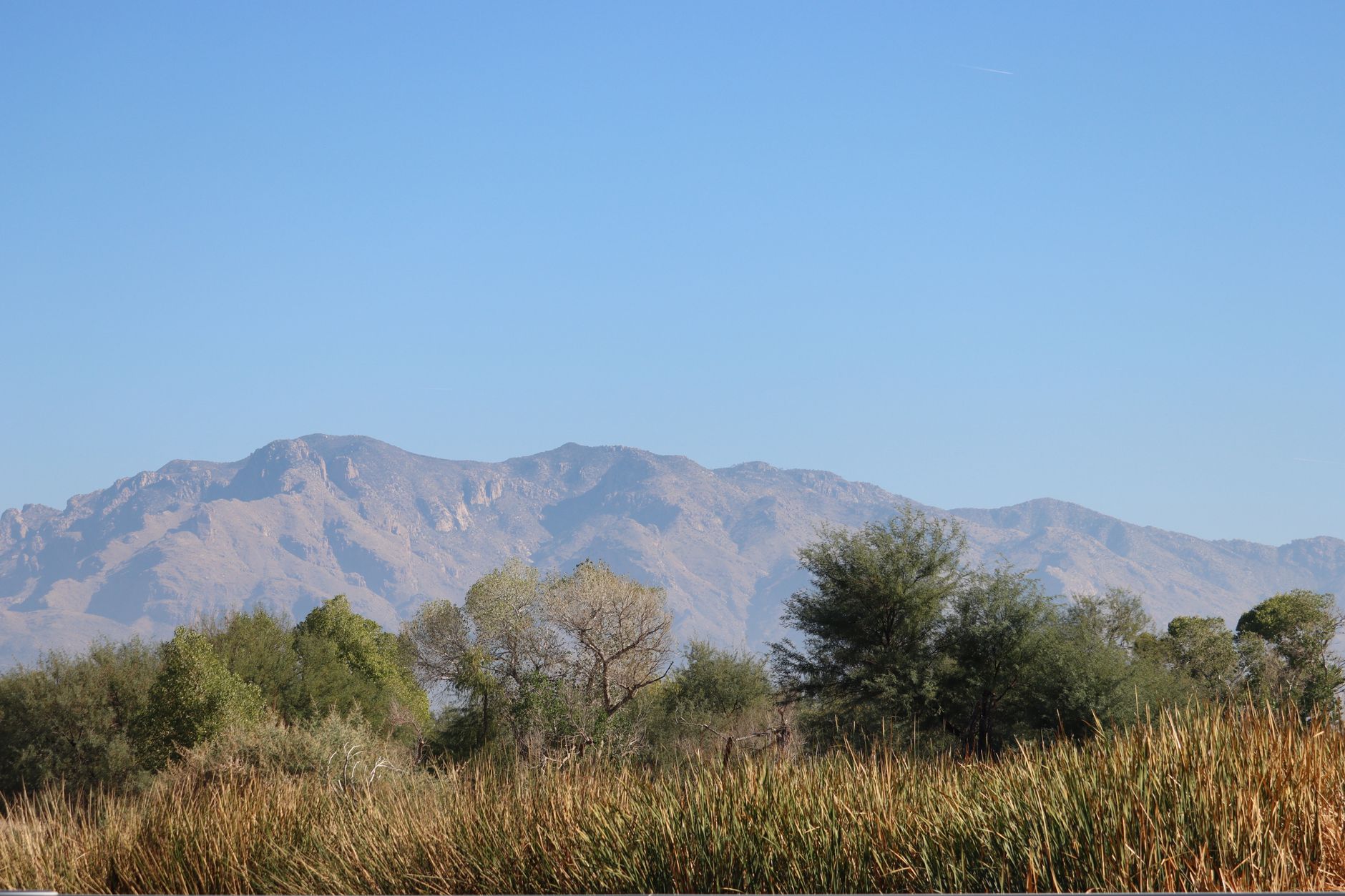
Framed by five majestic mountain ranges and dominated by the iconic, arm-stretching Saguaro cacti, Tucson, Arizona, is a high-desert oasis that moves to its own, deeply soulful rhythm. Known lovingly as the 'Old Pueblo,' this sun-drenched valley sits in the heart of the Sonoran Desert, offering a landscape that is both raw and spectacularly beautiful. Here, the air is extraordinarily clean, the skies are an impossible shade of blue, and the sunsets paint the horizon in dramatic shades of violet, amber, and gold. It is a place where the dramatic geology of the American Southwest meets a relaxed, bohemian spirit that invites slow, intentional exploration.

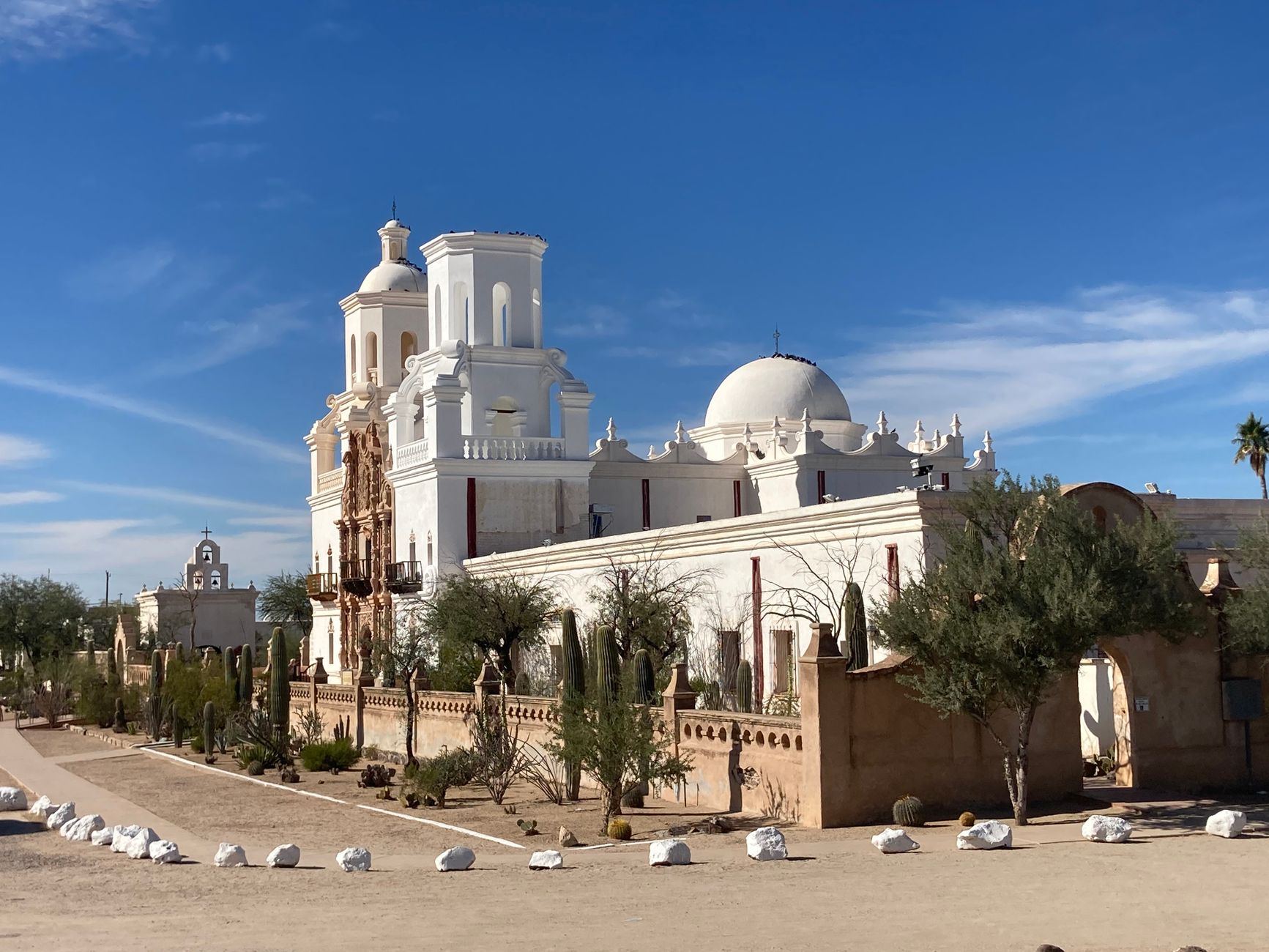
Tucson’s cultural tapestry is woven from thousands of years of human history, beginning with the indigenous Tohono O'odham and Pascua Yaqui peoples who have farmed and lived in this valley for millennia. Later, Spanish missionaries, Mexican settlers, and American pioneers left indelible marks on the city's architecture, language, and traditions. This rich convergence of cultures is palpable in the historic barrios, where colorful adobe homes stand as living monuments to the past, and in the majestic white domes of Mission San Xavier del Bac. The city does not merely preserve its heritage; it lives it through vibrant community festivals, public murals, and a shared reverence for the surrounding desert.

In 2015, Tucson became the first city in the United States to be designated a UNESCO City of Gastronomy, a testament to its 4,000-year-old agricultural history. The local food scene is a brilliant celebration of native ingredients like prickly pear, cholla buds, mesquite flour, and heirloom white Sonora wheat, blended seamlessly with northern Mexican culinary traditions. From humble street-cart Sonoran hot dogs to sophisticated farm-to-table dining experiences, Tucson offers a culinary journey that is deeply rooted in place and heritage, making it a premier destination for food lovers from around the world.

Beyond the plate and the history, Tucson is a world-class playground for outdoor enthusiasts and creative spirits alike. The city's geography provides an immediate escape into nature, whether hiking through the giant cacti of Saguaro National Park, cycling the scenic loops of Mount Lemmon, or exploring the dramatic chasms of Sabino Canyon. Back in town, a thriving arts community, historic theaters, and a revitalized downtown connected by the Sun Link modern streetcar create a dynamic, walkable urban core. It is a city that feels simultaneously like a small, welcoming town and a sprawling frontier of endless possibilities.

Visual Impressions & Moments
Tucson photo 1
Tucson photo 2
Tucson photo 3
Tucson photo 4
Tucson photo 5
Tucson photo 6
Unmissable Moments

Top Things to Do in Tucson

Scenic

Wander the Saguaro Forests of Saguaro National Park at Sunset

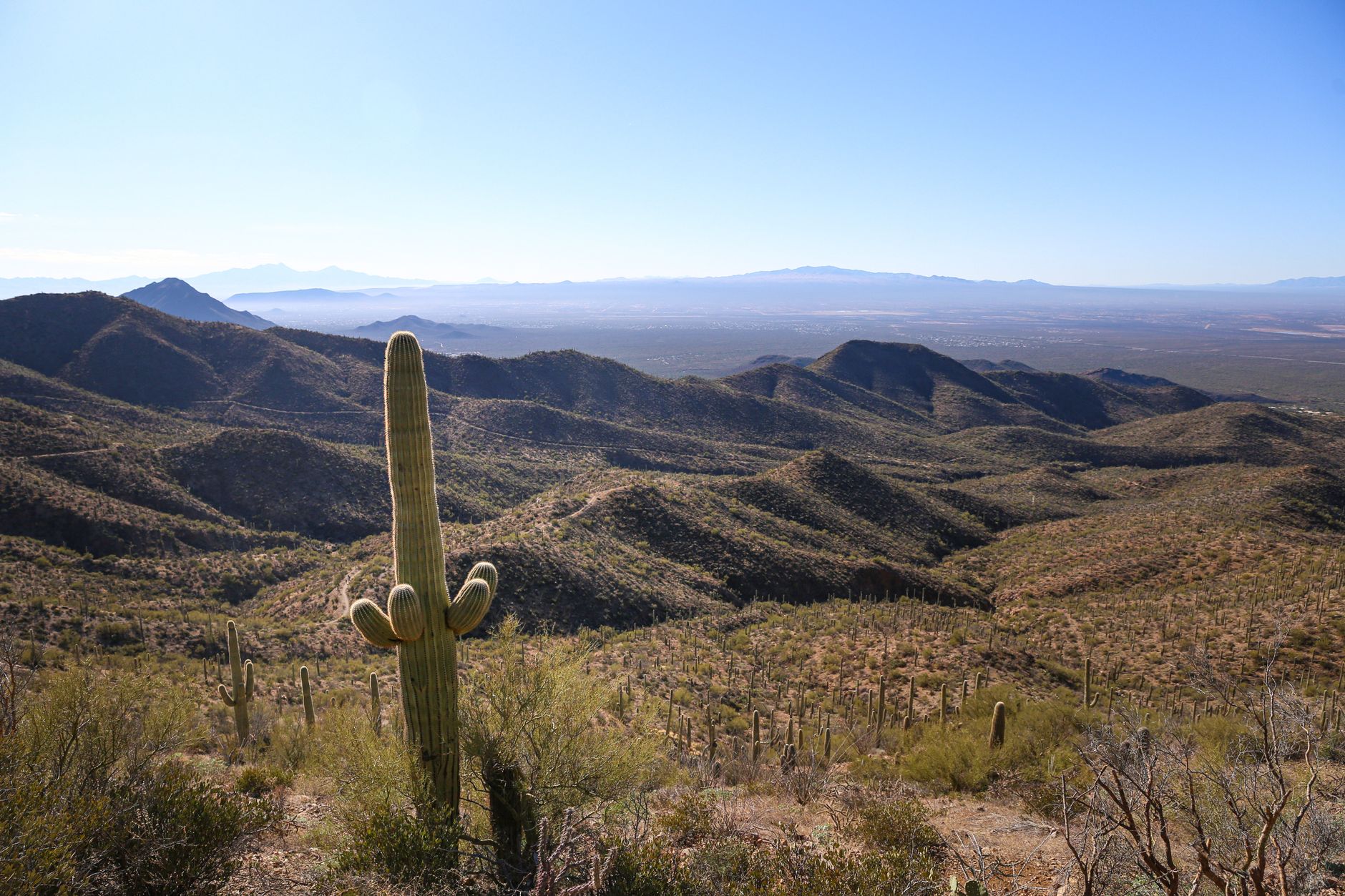
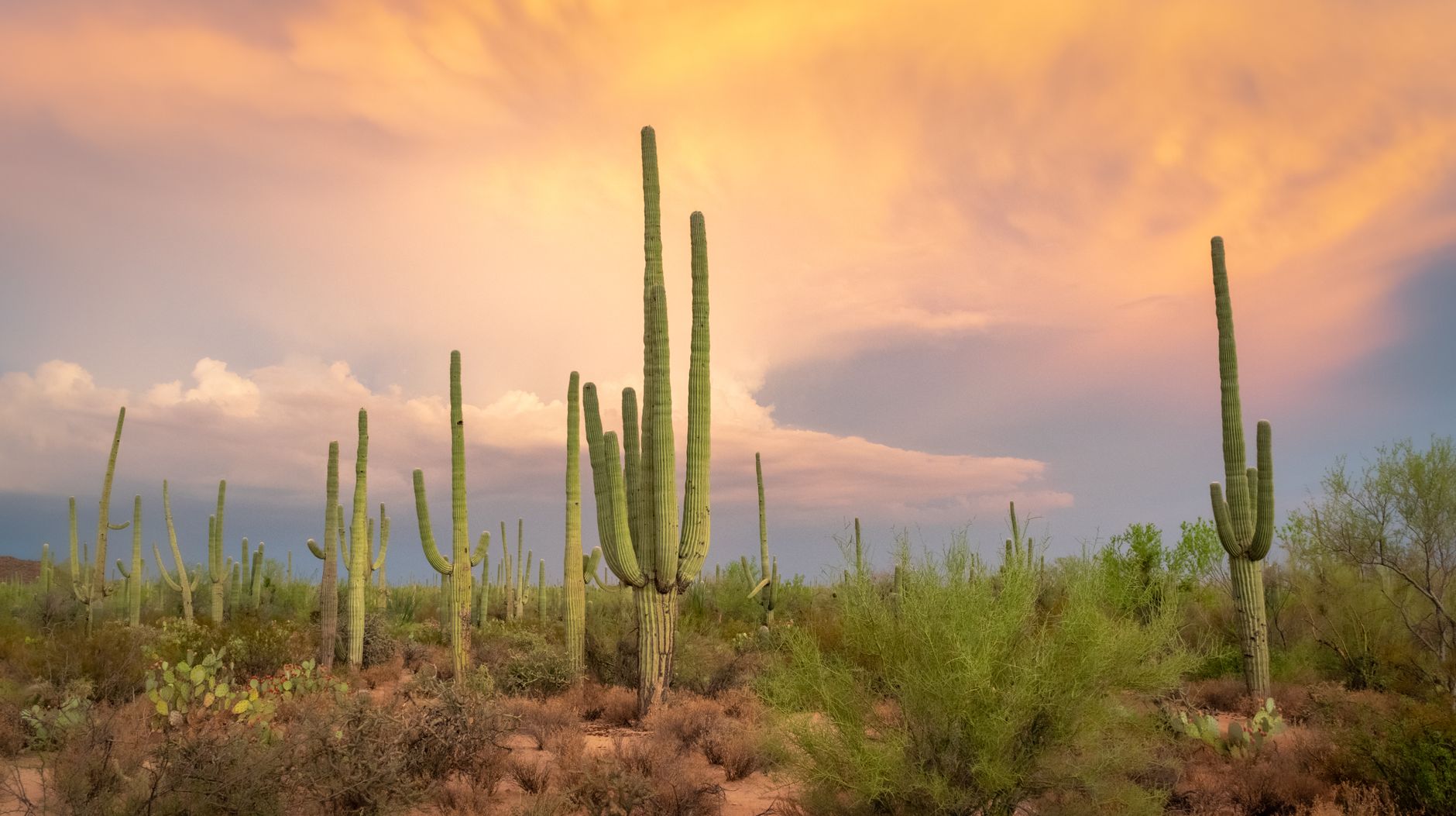
Experience the giants of the Sonoran Desert in their most majestic light. Head to the West District (Tucson Mountain District) in the late afternoon and hike the short Valley View Overlook Trail. As the sun dips below the horizon, the sky turns brilliant shades of pink and orange, casting dramatic silhouettes of thousands of giant, arm-stretching saguaros. Insider tip: Stay for twilight when the desert falls completely silent and the stars begin to pierce the dark sky.

Culinary

Embark on a Culinary Pilgrimage for the Sonoran Hot Dog

Taste the culinary soul of Tucson with its most famous street food. A Sonoran hot dog consists of a premium frankfurter wrapped in bacon and grilled to crispy perfection, nestled inside a soft, canoe-shaped bolillo roll. It is then piled high with pinto beans, diced tomatoes, onions, mustard, mayonnaise, and a vibrant jalapeño salsa. Insider tip: Skip the hotel breakfast and visit Ruiz Hot Dogs or El Guero Canelo around mid-day, and always pair it with a charred yellow güero chile on the side.

Adventure

Ascend the Sky Island Highway to Mount Lemmon

Embark on one of the most ecologically diverse drives in North America. The Mount Lemmon Scenic Byway takes you from the cacti-studded desert floor to a dense pine forest at 9,000 feet in under an hour—an ecological transition equivalent to driving from Mexico to Canada. Along the way, marvel at the bizarre rock hoodoos and dramatic canyon vistas. Insider tip: Stop at the Cookie Cabin in the mountain village of Summerhaven for giant, fresh-baked cookies fresh out of the oven.

Culture

Marvel at the 'White Dove of the Desert'

Visit Mission San Xavier del Bac, an active 18th-century Spanish Catholic mission located on the Tohono O'odham Nation. This architectural masterpiece stands as the finest example of Spanish Colonial architecture in the United States. Admire the striking white stucco exterior against the dusty desert floor, then step inside to view the breathtaking, original baroque frescoes, statues, and gilded altarpieces. Insider tip: Support the local community by purchasing fresh, warm fry bread from O'odham vendors in the plaza outside.

Must-See Highlights

Top Places & Things to Do in Tucson

Curated attractions and cultural landmarks with local insider advice.

Saguaro National Park (East & West)
nature
4.9

Saguaro National Park (East & West)

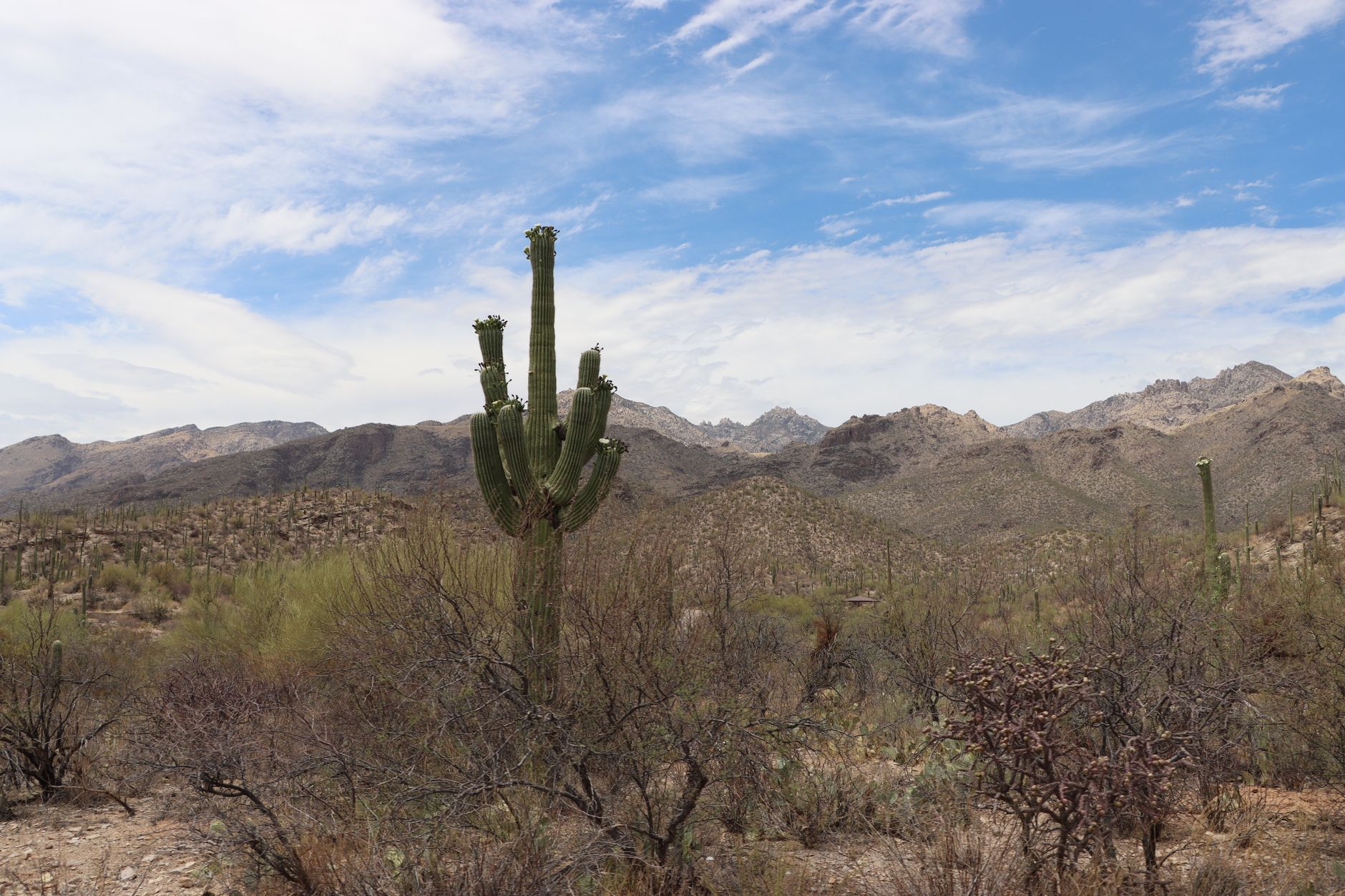
Flanking the city of Tucson on both its eastern and western boundaries, Saguaro National Park protects and showcases the giant saguaro cactus, the ultimate living symbol of the American West. The park is divided into two distinct sections: the Tucson Mountain District (West) and the Rincon Mountain District (East). The West District features denser, dramatic stands of saguaros and spectacular sunset views, while the East District offers a paved, rolling scenic loop drive and access to rugged, high-altitude wilderness hiking trails. As you wander through the park, you are walking through a remarkably biodiverse desert ecosystem. Keep your eyes peeled for desert tortoises, Gila monsters, javelinas, and roadrunners darting through the underbrush of prickly pear, cholla, and creosote bushes. The park offers trails ranging from flat, interpretive nature walks suitable for families to strenuous, all-day mountain climbs that reward hikers with panoramic views of the entire Tucson basin.

Sunrise to Sunset
Admission: $25 per vehicle
Insider Tip: If you only have time for one, visit the West District for an unforgettable sunset walk along the Valley View Overlook Trail. Be sure to carry double the amount of water you think you will need.
Mission San Xavier del Bac
culture
4.87

Mission San Xavier del Bac

Known affectionately as the 'White Dove of the Desert,' Mission San Xavier del Bac is a stunning Spanish Catholic mission located on the Tohono O'odham Nation, just south of downtown Tucson. Founded by Jesuit missionary Father Eusebio Kino in 1692, the current structure was completed in 1797 by Franciscan missionaries. It stands as an architectural masterpiece, its blindingly white stucco walls and elegant domes rising dramatically from the dusty desert floor against a backdrop of deep blue skies. Step inside the heavy wooden doors to discover a breathtaking interior filled with original 18th-century Spanish Colonial Baroque art. The walls and altars are covered in incredibly detailed wood carvings, colorful frescoes, and ornate gold-leaf retablos that have survived centuries of desert heat. The mission remains an active parish, serving the local Native American community and welcoming thousands of pilgrims and travelers from around the globe every year.

9:00 AM - 4:00 PM
Admission: Free (Donations Welcome)
Insider Tip: Please remember this is an active place of worship; dress respectfully and avoid photography during services. Be sure to try the fresh, hot O'odham fry bread sold by local vendors in the parking lot.
Arizona-Sonora Desert Museum
attraction
4.92

Arizona-Sonora Desert Museum

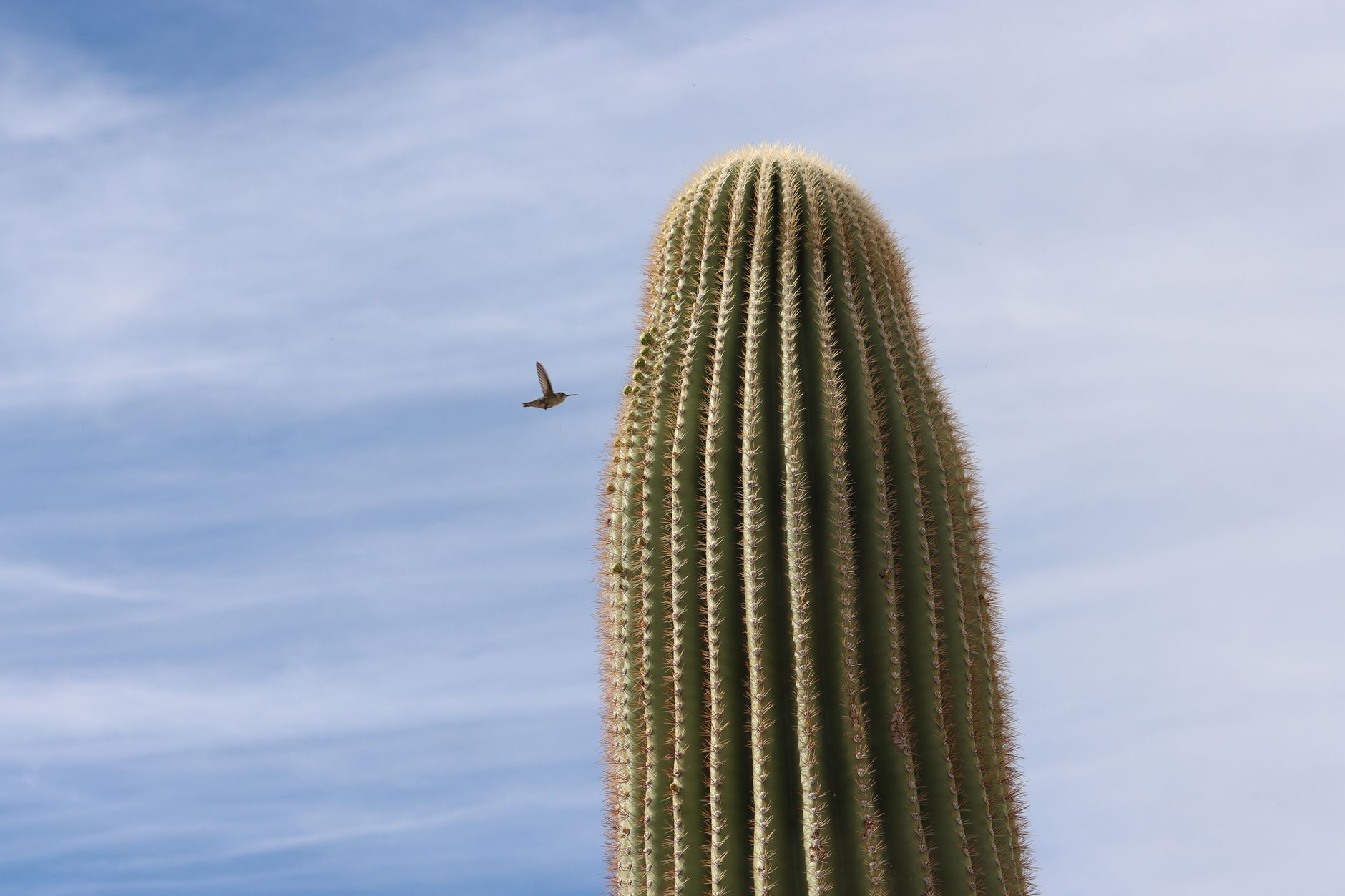
Widely regarded as one of the finest outdoor educational institutions in the world, the Arizona-Sonora Desert Museum is a unique fusion of a world-class zoo, botanical garden, natural history museum, art gallery, and aquarium. Spanning 98 acres, over 85% of the museum experience is outdoors, featuring two miles of paved walking paths that wind through beautifully recreated natural habitats housing more than 230 animal species and 1,200 types of desert plants. Visitors can come face-to-face with native desert wildlife, including mountain lions, black bears, Mexican gray wolves, coyotes, and playful river otters. Highlights include a walk-in hummingbird aviary where the colorful birds buzz past your ears, a subterranean earth sciences center featuring a cool limestone cave, and the spectacular 'Raptor Free Flight' demonstration, where native birds of prey fly untethered just inches above the heads of the audience.

7:30 AM - 5:00 PM (Hours vary seasonally)
Admission: $29.95
Insider Tip: Arrive right at opening when the desert animals are most active and temperatures are cooler. Wear a wide-brimmed hat, apply sunscreen, and bring a refillable water bottle.
Sabino Canyon Recreation Area
nature
4.89

Sabino Canyon Recreation Area

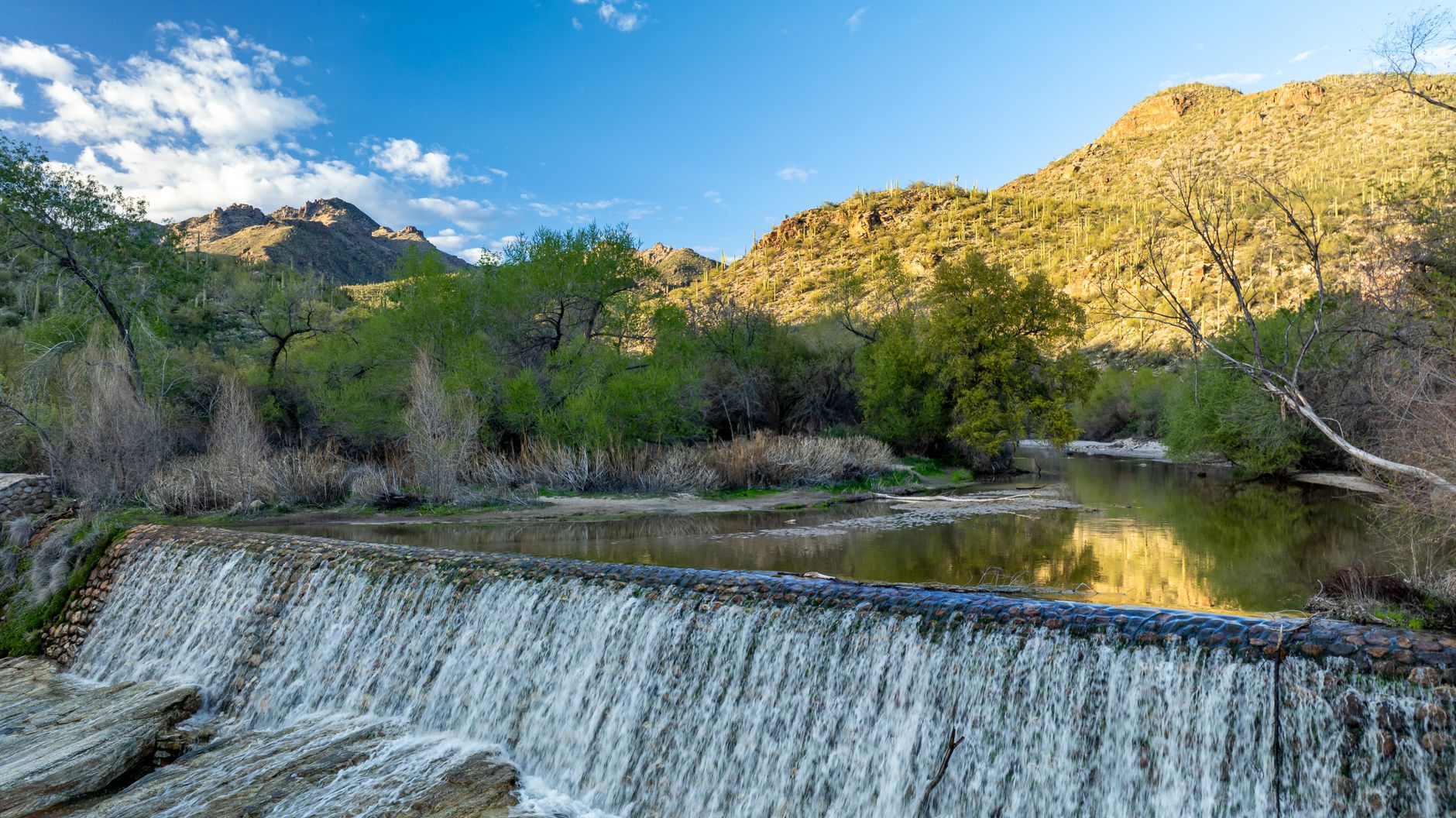
Nestled at the base of the towering Santa Catalina Mountains, Sabino Canyon is a breathtaking desert oasis that has served as a sanctuary for locals and travelers for generations. The canyon features soaring, rugged rocky cliffs, unique desert vegetation, and a perennial creek that feeds lush riparian forests of cottonwood and willow trees. Because private vehicles are prohibited inside the canyon, it remains a peaceful haven for hikers, runners, and nature lovers. Visitors can explore miles of scenic trails, ranging from the easy, paved main canyon road to rugged dirt trails that climb high into the desert foothills. For a more relaxed experience, the Sabino Canyon Crawler is an open-air, fully electric, emission-free shuttle tram that offers a narrated tour of the canyon, allowing visitors to hop on and off at nine scenic stops to picnic, wade in the cool mountain pools, or take photos of the dramatic desert landscape.

Open 24/7 (Visitor Center open 8:00 AM - 4:30 PM)
Admission: $8 per vehicle (or Interagency Pass)
Insider Tip: If visiting in the spring, wear water-friendly shoes so you can wade in the cold mountain runoff pools. Book your shuttle tram tickets online in advance during the busy winter and spring months.
Area Guide

Where to Stay & Best Neighborhoods

Barrio Viejo

Best for: Architecture buffs, photographers, and travelers seeking historic charm.

Vibe: Historic, colorful, romantic, and deeply authentic.

Walking through Barrio Viejo (Old Quarter) feels like stepping back into 19th-century Mexico. This historic neighborhood features the largest concentration of 19th-century adobe homes in the United States. The buildings are painted in vibrant, eye-popping shades of turquoise, ochre, terracotta, and lime green, with massive wooden doors opening directly onto the sidewalks. It is a quiet, highly walkable residential area dotted with local coffee shops, historic shrines like El Tiradito (the wishing shrine), and intimate mezcal bars.

Downtown & Fourth Avenue

Best for: Nightlife, craft beer lovers, independent shopping, and urban exploring.

Vibe: Bohemian, energetic, artsy, and eclectic.

Connected by the Sun Link modern streetcar, Downtown and the adjacent Fourth Avenue serve as the creative and cultural heartbeat of Tucson. Here, beautifully restored historic theaters like the Fox and the Rialto stand alongside quirky vintage clothing boutiques, independent bookstores, and vibrant public murals. By day, it is a hub for locally owned cafes and artisan shops; by night, it transforms into a bustling nightlife zone filled with craft breweries, live music venues, and award-winning cocktail bars.

Catalina Foothills

Best for: Luxury travelers, golfers, art gallery browsers, and nature lovers.

Vibe: Upscale, scenic, luxurious, and serene.

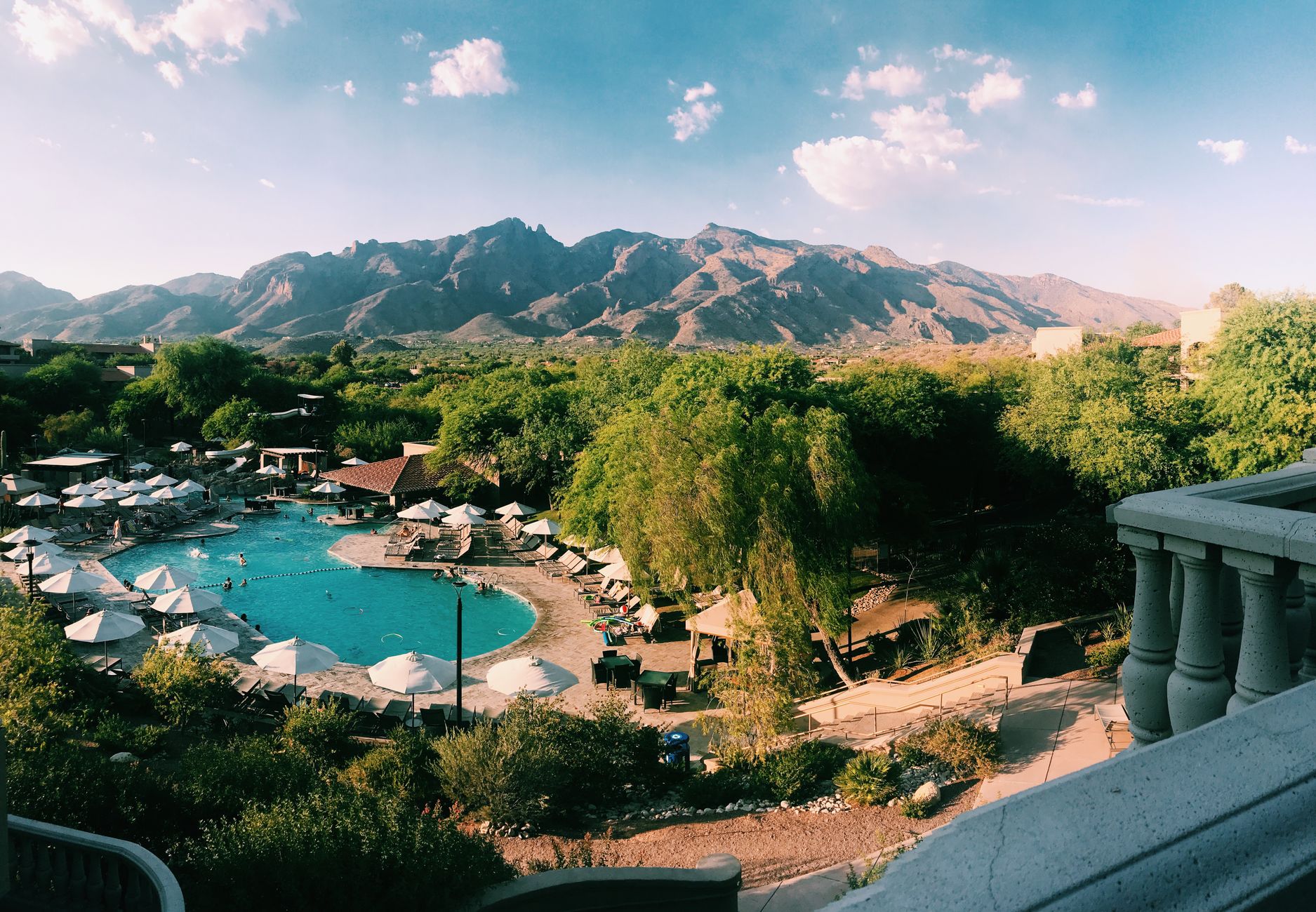
Nestled directly against the dramatic, rugged cliffs of the Santa Catalina Mountains, this affluent northern enclave offers some of the most spectacular views of the city lights below. Designed to blend seamlessly with the natural desert landscape, the Foothills are home to world-class luxury resorts, championship golf courses, high-end shopping at La Encantada, and numerous fine art galleries. It also provides immediate, direct access to the spectacular trailheads of Sabino Canyon.

Food & Drink Scene

What to Eat in Tucson

Carne Seca

A legendary Sonoran specialty where lean beef is seasoned with garlic and lime, hung on racks to dry in the desert sun, shredded, and then flash-fried with green chiles, onions, and tomatoes. The result is an incredibly flavorful, savory, and slightly crispy beef that is perfect in tacos, burritos, or served simply with warm flour tortillas.

🍴 Top spot: El Charro Café (The oldest continuously operating Mexican restaurant in the United States, established in 1922)

Prickly Pear Margaritas & Mesquite Pastries

Tucson's UNESCO designation shines in its creative use of indigenous desert ingredients. The vibrant pink fruit of the prickly pear cactus is harvested to make sweet, earthy syrups used in cocktails, while sweet mesquite flour, milled from native tree pods, is used to bake rich, nutty breads, cookies, and pastries.

🍴 Top spot: Exo Roast Co. (for mesquite baked goods) and Barrio Brewing Co. or The Little One (for prickly pear specialties)

Mesquite-Grilled Sonoran Ribeye

Reflecting the region's rich ranching heritage, premium cuts of beef are grilled over open flames of local mesquite wood. The intense, sweet, and smoky aroma of the burning mesquite infuses the tender meat, creating a uniquely Southwestern steak experience that is smoky, juicy, and deeply savory.

🍴 Top spot: Charro Steak & Del Rey
Excursions

Best Day Trips from Tucson

Tombstone & Bisbee

1 hour 30 minutes by car

Step back into the Wild West at Tombstone, the site of the legendary O.K. Corral gunfight, where you can watch historical reenactments and walk boardwalk streets. Afterward, drive 30 minutes further south to Bisbee, a quirky, bohemian arts community built into the steep slopes of the Mule Mountains, famous for its historic copper mine tours, Victorian architecture, and eccentric local art scene.

Chiricahua National Monument

2 hours by car

Discover a spectacular 'Wonderland of Rocks.' This hidden gem features thousands of towering rhyolite stone columns, massive balanced rocks, and bizarre geological formations carved by volcanic activity and erosion millions of years ago. It is an absolute paradise for hikers, birdwatchers, and those seeking remote wilderness.

When to Go

Best Time to Visit & Seasonality

Editor’s Pick: The absolute best time to visit Tucson is from late October through April. During these months, the blistering summer heat gives way to perfect daytime temperatures ranging from the mid-60s to low 80s Fahrenheit (18°C to 28°C). This period features crisp desert evenings, ideal conditions for hiking, and the spectacular spring wildflower blooms that blanket the desert floor in vibrant yellows, purples, and reds starting in March.

Spring Overview

(March - May)
Peak Crowds
Average Temperature & Climate75°F - 90°F (24°C - 32°C)

Warm, sunny, and dry with beautiful afternoon breezes.

Crowd & Travel ConditionsPeak Tourist Traffic

Book hotels 3-6 months ahead.

✨ Seasonal Highlights:Spectacular desert wildflowers blooming, Saguaro cactus flowers opening, and perfect patio dining weather.
Travel Smarter

Practical Travel Essentials

CurrencyUSD ($)
LanguageEnglish (Spanish is widely spoken)
Time ZoneMountain Standard Time (MST - Arizona does not observe Daylight Saving Time)

Visa & Entry

Foreign travelers entering the United States must obtain a visa or, if eligible, apply for an Electronic System for Travel Authorization (ESTA) under the Visa Waiver Program prior to arrival.

Getting Around & Transit

While downtown and the University of Arizona are easily walkable and connected by the convenient Sun Link modern streetcar, a rental car is highly recommended for exploring Tucson's outlying natural attractions like Saguaro National Park, Mount Lemmon, and the Desert Museum.

Daily Budget Expectation

$150 - $250 USD (Covers a comfortable mid-range hotel, dining out, a rental car, and admissions to parks and museums).

Safety & Health

Tucson is generally a very safe destination for travelers. The primary safety concern is the desert environment; heat exhaustion and dehydration can occur rapidly. Always carry ample water, wear sun protection, and avoid strenuous hiking during the heat of the day.

Local Etiquette & Customs

Respect the fragile desert ecosystem; never touch, carve into, or damage saguaro cacti, as harming them is a class-4 felony in Arizona. When visiting historical missions or tribal lands, respect local customs, ask permission before taking photos of residents, and pack out all trash.

Questions & Answers

Frequently Asked Questions about Tucson

Yes, a car is highly recommended. While the downtown area is walkable and served by a streetcar, Tucson is geographically spread out. Reaching key attractions like Saguaro National Park, Sabino Canyon, and the Desert Museum requires driving.