🌟 Best in Travel 2026 is here!
Varanasi
cityAsia
4.88 / 5.0

Varanasi

Where life, death, and eternity converge along the sacred banks of the Ganges.

Advertisement
Editorial Guide

About Varanasi

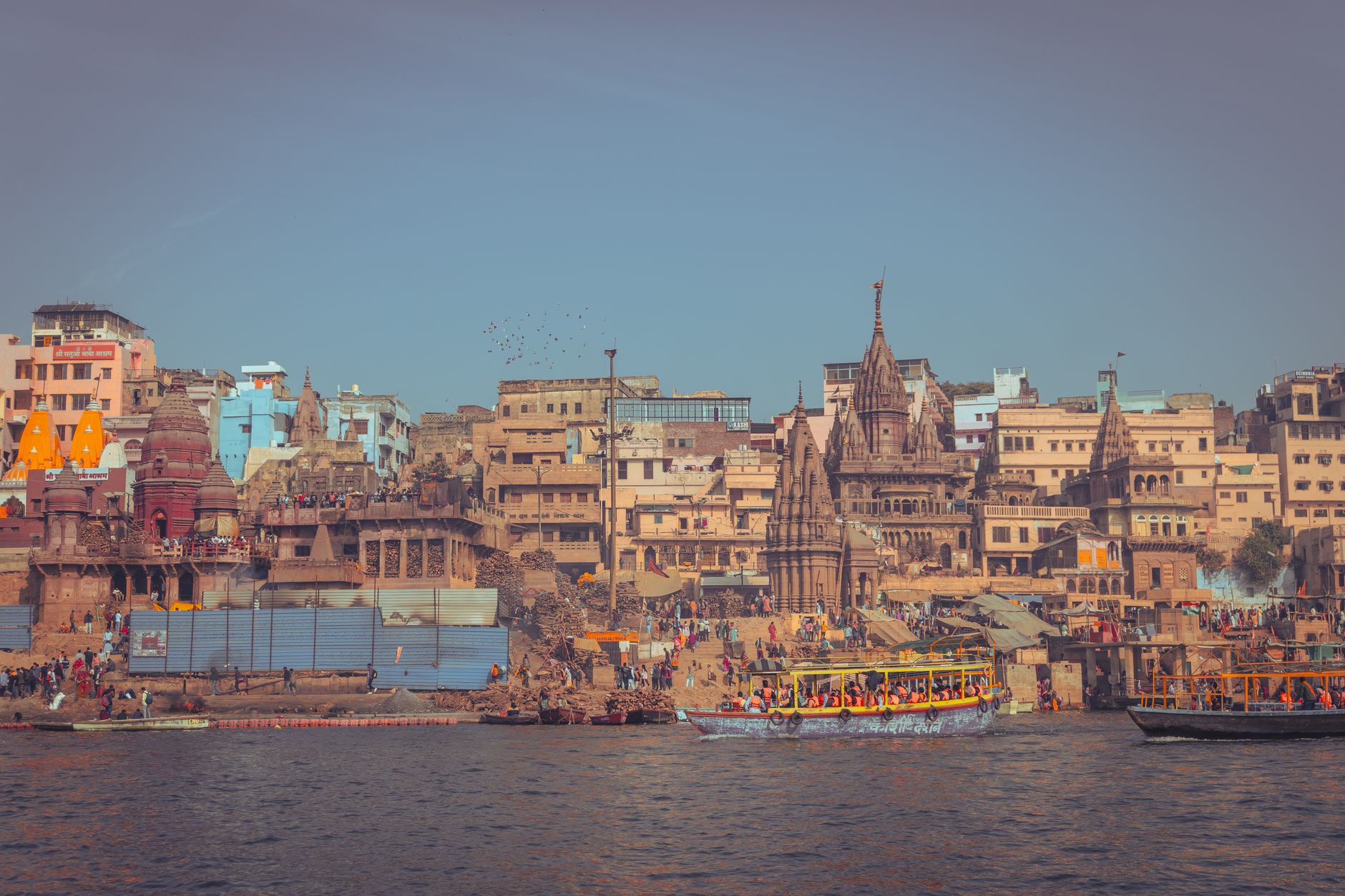
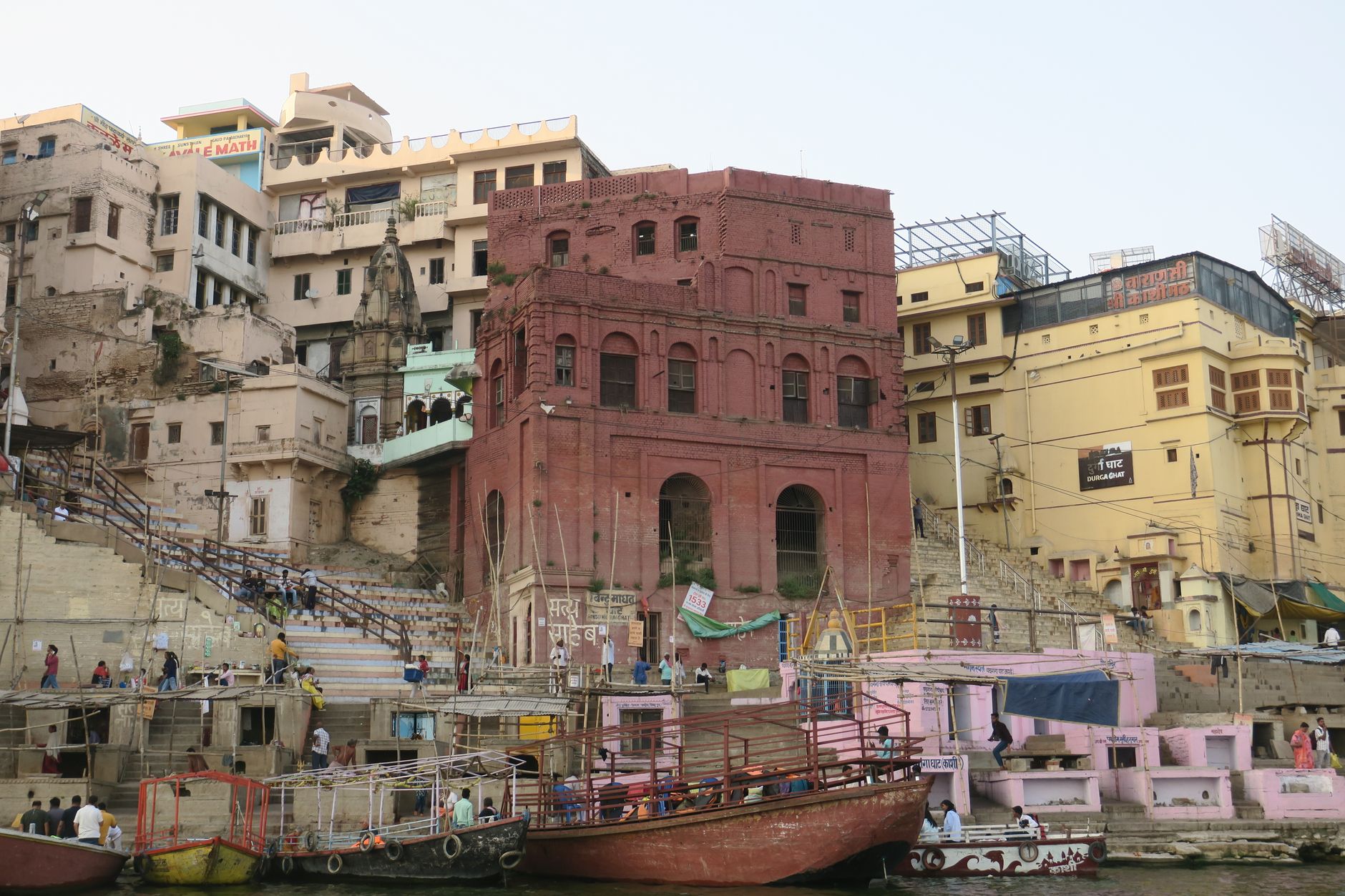
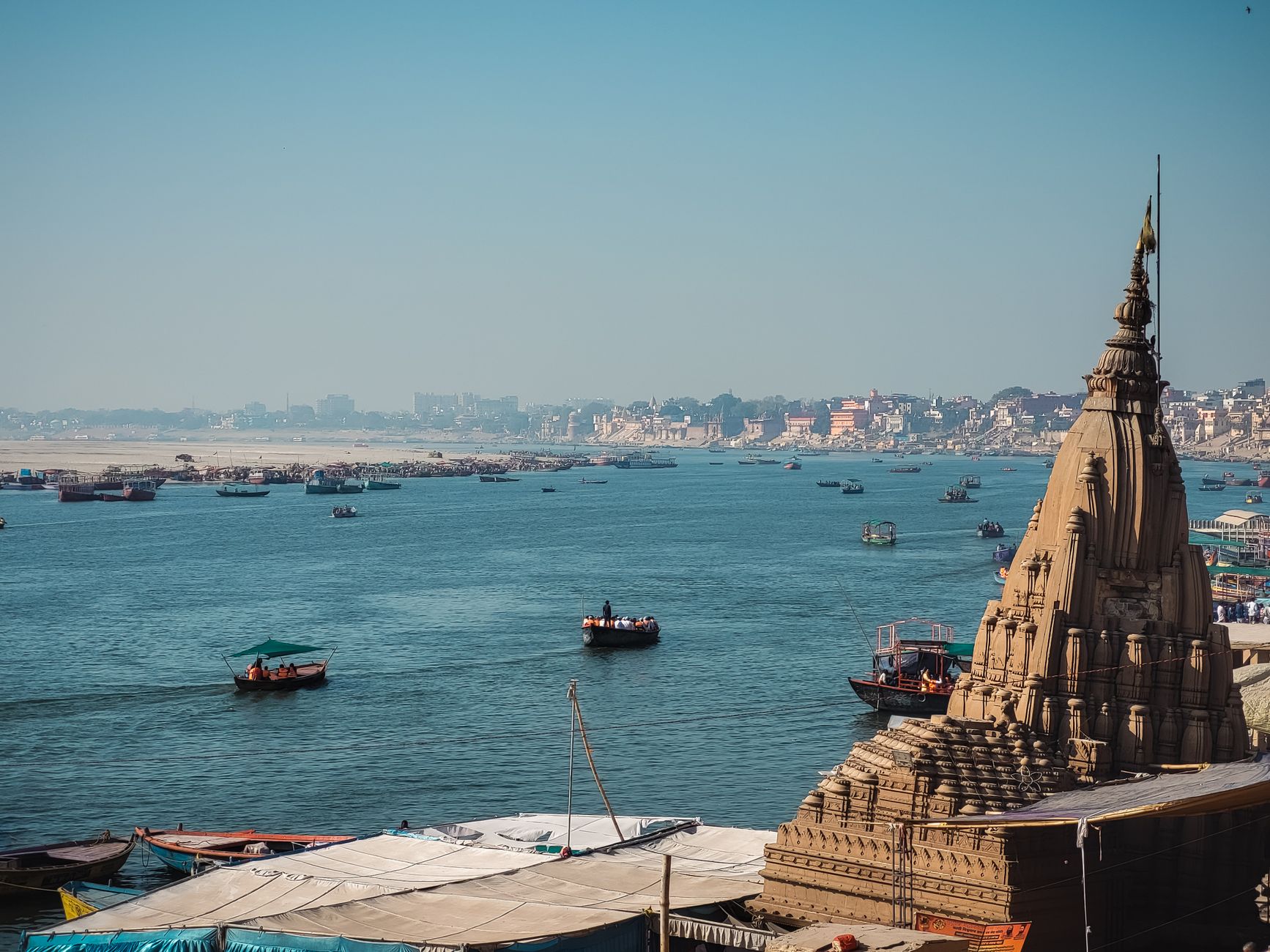
Varanasi, also known as Kashi or Banaras, is one of the oldest continuously inhabited cities in the world, holding a status of profound spiritual magnetism in Hinduism. Situated on the crescent-shaped western bank of the Ganges River, the city is an intoxicating labyrinth of narrow alleyways (galis), crumbling multi-storied heritage houses, and centuries-old stone ghats that descend directly into the holy waters. History here stretches back over three millennia, making it a contemporary of ancient Babylon and Thebes, yet it thrives today with an unfiltered, raw vitality that leaves no visitor unchanged.

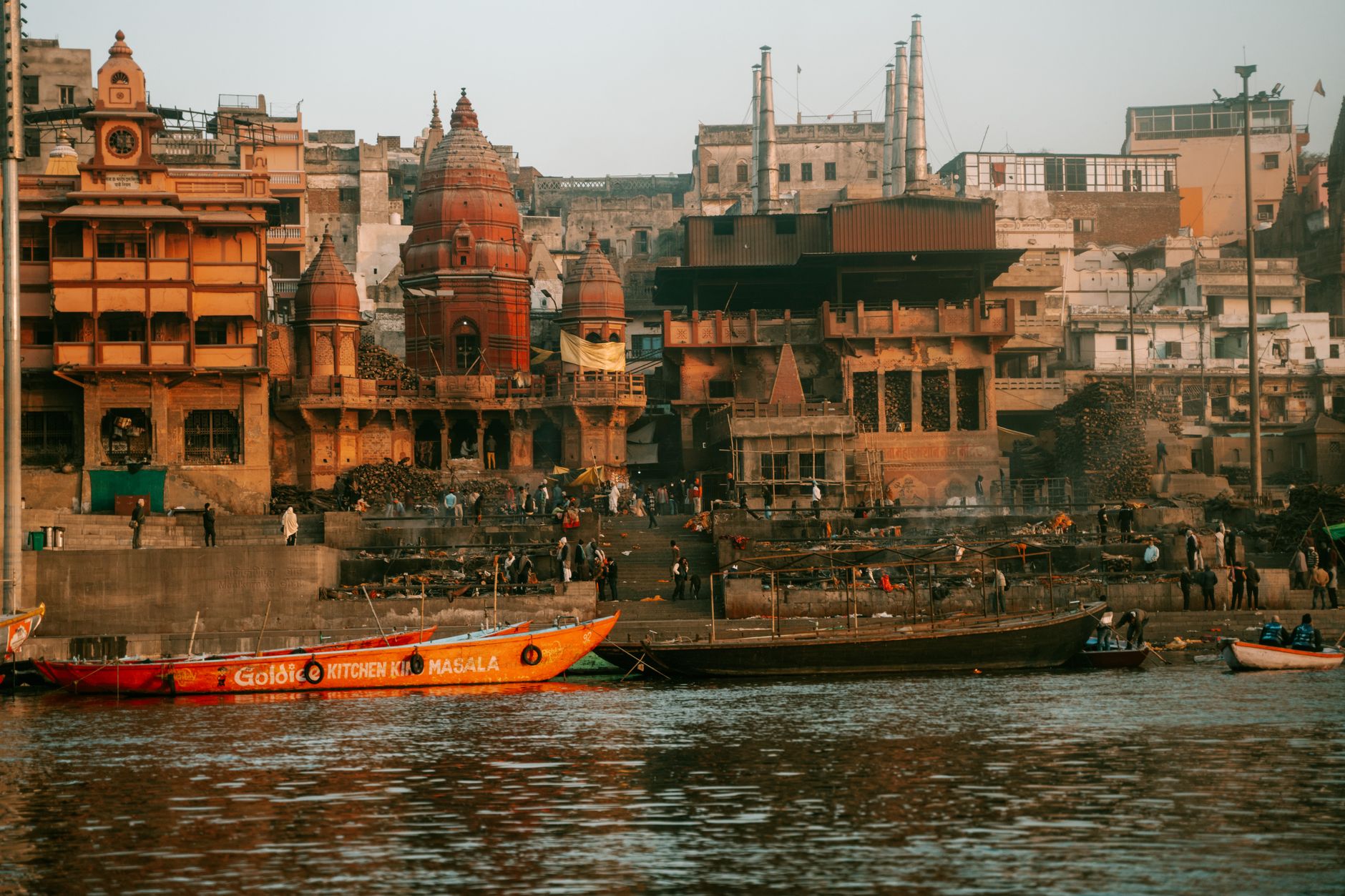
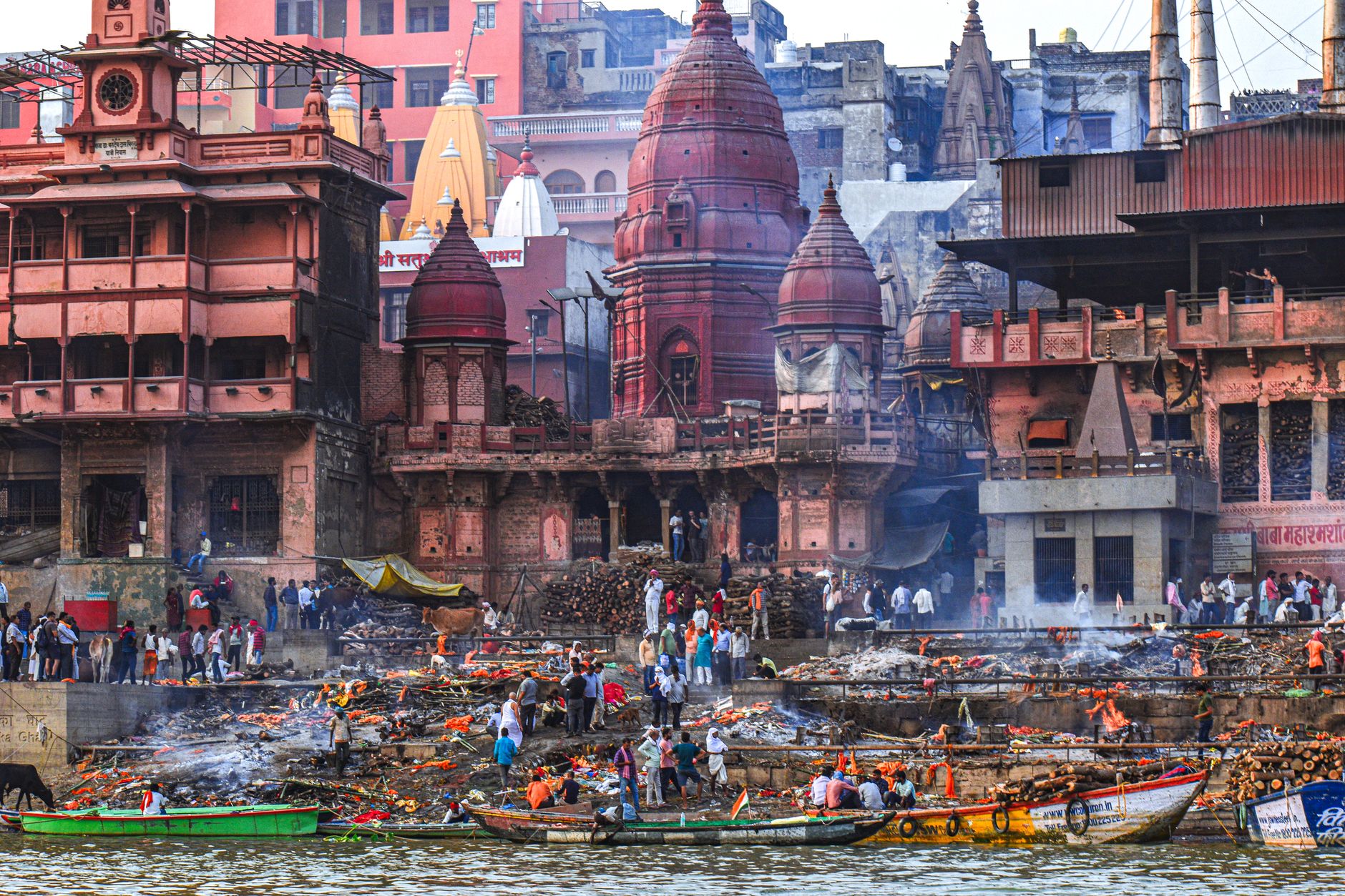
Culturally, Varanasi is the pulsing heart of Indian classical music, philosophy, and scripture. It is a city where life is celebrated with unmatched color and death is embraced as a sacred transition. From dawn until dusk, the ghats witness an unbroken chain of human existence: priests chanting ancient Vedic hymns, sadhus meditating in secluded niches, pilgrims washing away their sins in the murky yet sacred river, and funeral pyres burning continuously at Manikarnika and Harishchandra Ghats. The atmosphere is a sensory overload of drifting incense, temple bells, the pungent smoke of sandalwood, and the unending murmur of prayers.

Geographically, Varanasi sits in the fertile Gangetic plain of Uttar Pradesh, acting as a crossroads of commerce and pilgrimage since antiquity. Its geography dictates its spiritual rhythm; the river flows from south to north—against the ordinary current of the earth, Hindus believe—rendering the west bank exceptionally holy. Every turn through the claustrophobic alleys reveals hidden shrines, ancient pipal trees wrapped in marigold garlands, and artisans weaving the world-famous Banarasi silk brocades on handlooms that have operated for generations.

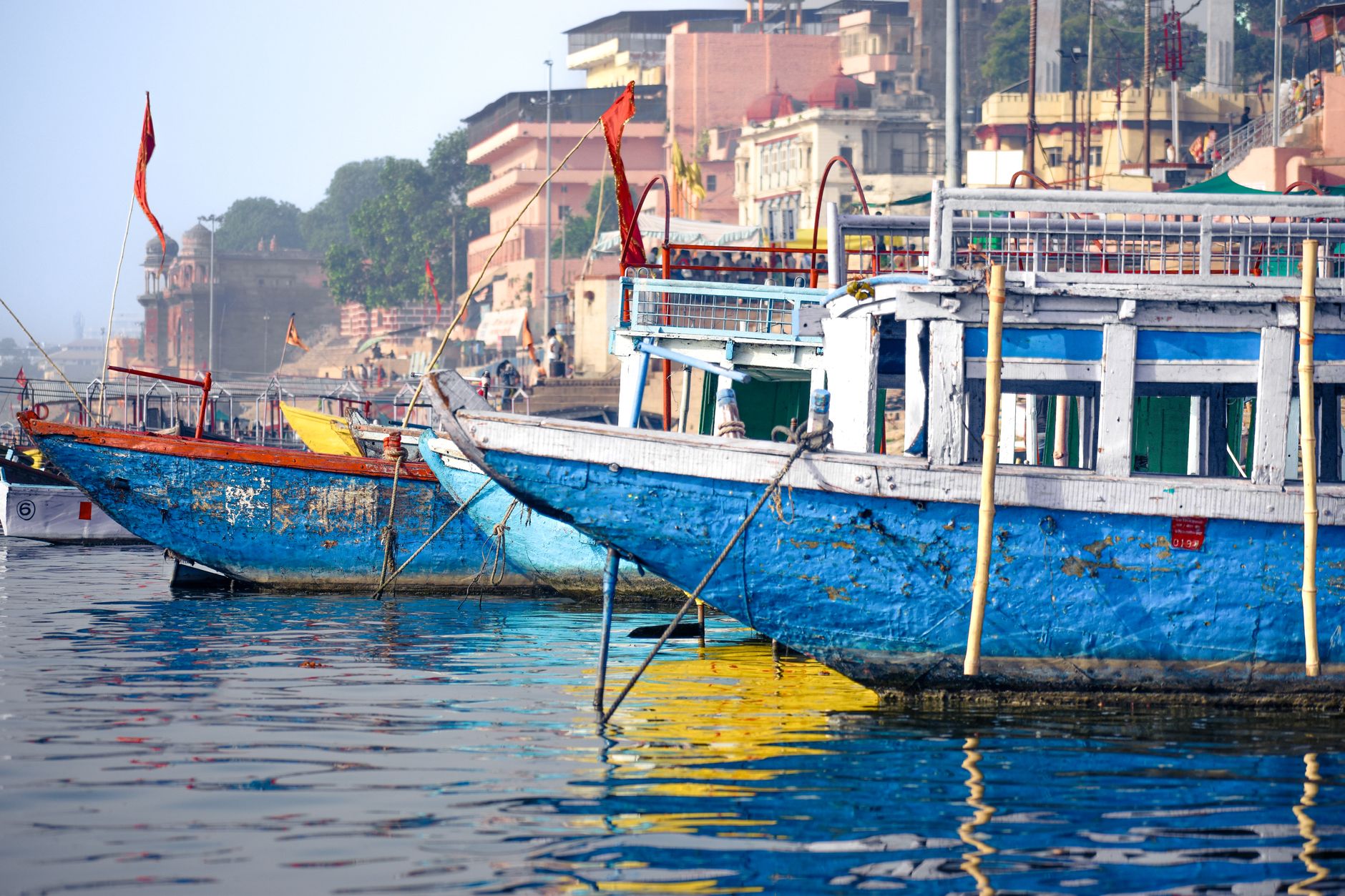
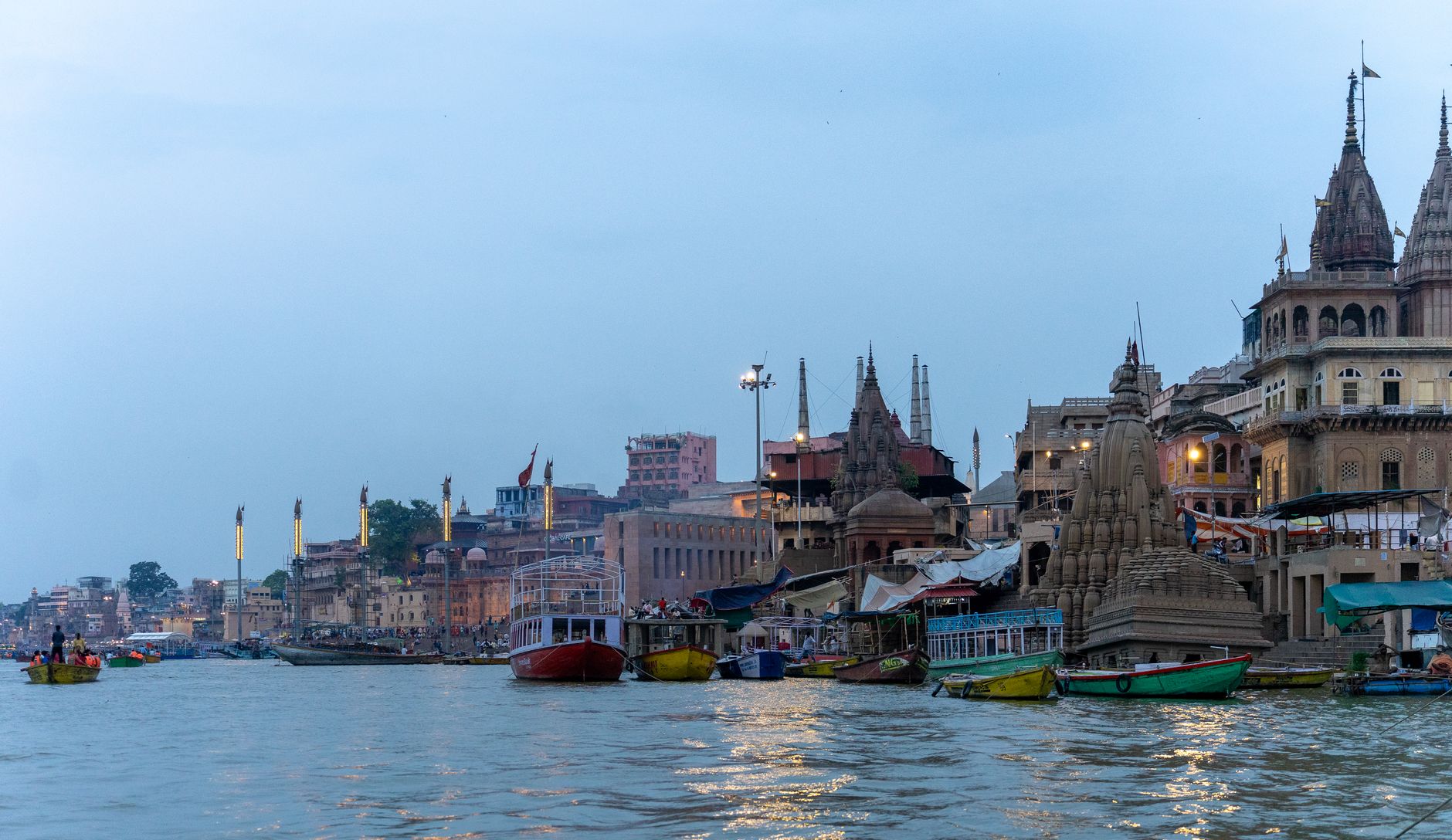
Local life in Varanasi is unhurried yet frantic, traditional yet infinitely adaptable. Mornings begin before the sun with wooden boats gliding through the mist-shrouded Ganges, while evenings culminate in the mesmerizing, fiery spectacle of the Ganga Aarti at Dashashwamedh Ghat. To walk through Varanasi is to step outside linear time; it is a profound meditation on mortality, devotion, and the enduring resilience of the human spirit.

Visual Impressions & Moments
Varanasi photo 1
Varanasi photo 2
Varanasi photo 3
Varanasi photo 4
Varanasi photo 5
Varanasi photo 6
Unmissable Moments

Top Things to Do in Varanasi

Must-Do

Sunrise Boat Ride Along the Sacred Ghats

Embark on a wooden rowboat at dawn from Assi Ghat and drift slowly northward as the morning sun pierces the river fog. Watch the city wake up: thousands of pilgrims bathing in the holy water, yogis practicing meditation, and children playing cricket on the steps. Insider tip: Hire a boatman who rows without a motor to preserve the ethereal quiet, and start your journey by 5:30 AM.

Culture

Witness the Grand Ganga Aarti at Dashashwamedh Ghat

Every single evening at sunset, a troupe of young priests in saffron robes perform an elaborate fire ritual to worship the river goddess Ganga. Synchronized bell ringing, brass lamps weighing pounds swirling in circular motions, and Vedic chants create an unforgettable, hypnotic spectacle. Insider tip: Arrive by boat at least 45 minutes before sunset to secure an unobstructed front-row view from the water.

Adventure

Navigate the Labyrinthine Old City Alleys (Galis)

Lose yourself in the sensory maze of Varanasi's ancient galis, where motorized traffic is banned and you share the narrow corridors only with pedestrians, bicycles, and sacred cows. Discover hidden shrines, centuries-old sweet shops, and workshops producing exquisite silk sarees. Insider tip: Download an offline map, but don't be afraid to get lost; the locals are remarkably helpful in guiding wanderers back to the main ghats.

Scenic

Explore the Ruins and Museum of Sarnath

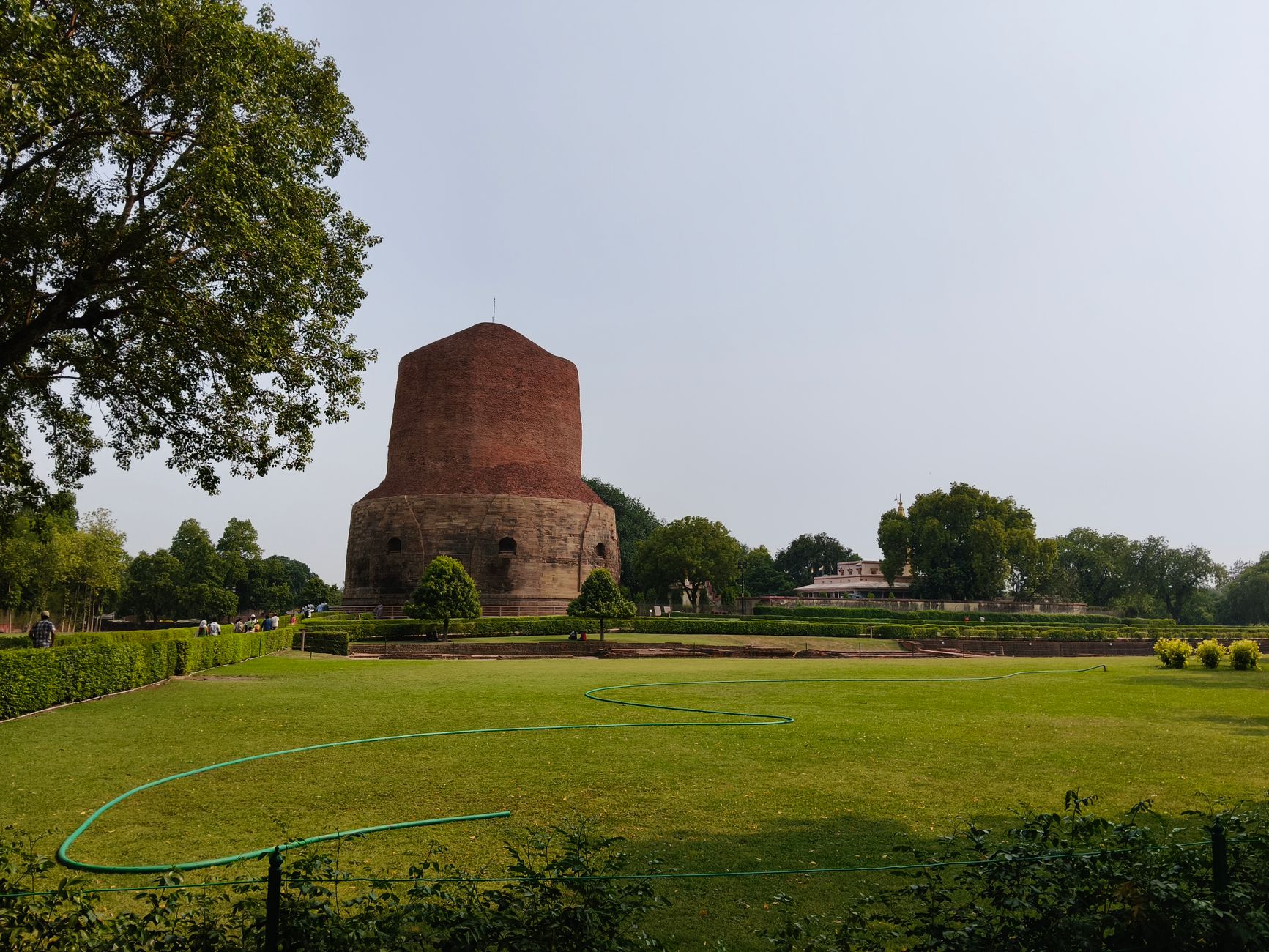
Located just 10 kilometers northeast of the city center, Sarnath is where Gautama Buddha delivered his first sermon after attaining enlightenment. Wander through the peaceful monastic ruins, marvel at the towering Dhamek Stupa, and visit the archaeological museum to view the original Lion Capital of Ashoka. Insider tip: Hire a knowledgeable guide at the entrance to bring the ancient stone monuments to life.

Must-See Highlights

Top Places & Things to Do in Varanasi

Curated attractions and cultural landmarks with local insider advice.

Manikarnika Ghat
attraction
4.75

Manikarnika Ghat

Manikarnika Ghat is the principal cremation ground of Varanasi, where funeral pyres have burned uninterrupted for thousands of years. In Hindu belief, cremation here breaks the cycle of rebirth, granting moksha (salvation) to the departed soul. The atmosphere is stark, solemn, and deeply philosophical, challenging western taboos around mortality and offering an unfiltered look at Hindu eschatology. Logs of sacred sandalwood and other woods are stacked in towering piles along the waterfront, weighed and sold according to family means. While visiting requires immense emotional maturity and respect, observing the proceedings from a stationary boat on the river provides a safe, respectful vantage point.

Open 24/7
Admission: Free
Insider Tip: Photography is strictly prohibited at the cremation pyres. Never take photos or videos of grieving families or the fires.
Dashashwamedh Ghat
culture
4.9

Dashashwamedh Ghat

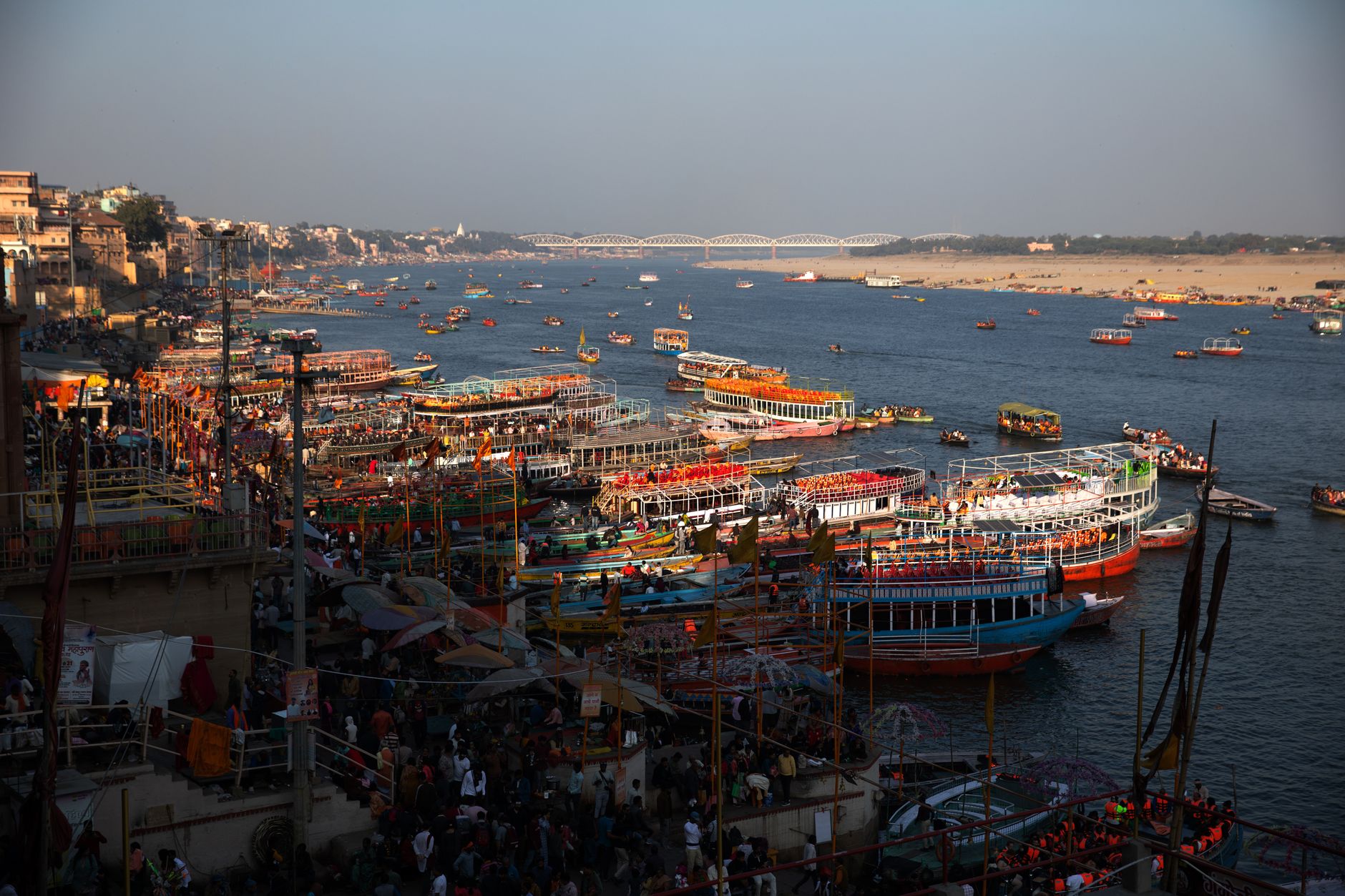
Dashashwamedh Ghat is the grandest, most vibrant, and most heavily visited ghat in Varanasi. According to Hindu mythology, Lord Brahma created this ghat to welcome Lord Shiva, performing a grand ten-horse sacrifice (das ashwamedha) here. Today, it serves as the central stage for the city's religious life, flanked by colorful umbrella vendors, flower sellers, and boat operators. From dawn to dusk, the stone steps are a teeming theater of humanity. Pilgrims descend to cleanse themselves in the river, priests conduct private rituals under saffron canopies, and travelers gather to absorb the incredible sensory tapestry. At nightfall, the legendary Ganga Aarti takes over the entire riverfront, transforming the stone steps into a cathedral of fire, light, and devotional song.

Open 24/7 (Aarti at sunset)
Admission: Free
Insider Tip: Beware of aggressive touts selling floating flower boats; buy directly from elderly women vendors on the steps for a fair price.
Kashi Vishwanath Temple
culture
4.85

Kashi Vishwanath Temple

Dedicated to Lord Shiva, the Kashi Vishwanath Temple is the spiritual centerpiece of Varanasi and one of the twelve sacred Jyotirlingas in India. The temple's striking gold-plated spires—donated by Maharaja Ranjit Singh in the 19th century—tower over the dense cityscape, visible from far across the river. The surrounding temple corridor project has recently transformed the approach, connecting the shrine directly to the Ganges. Inside, the atmosphere is intensely devotional and tightly regulated due to high security. Millions of pilgrims queue for hours to catch a fleeting glimpse of the sacred lingam and offer milk, bilva leaves, and holy water. Non-Hindus can observe the exterior security gates and surrounding complex, but inner sanctum access is restricted.

3:00 AM – 11:00 PM
Admission: Free
Insider Tip: Leave all leather items, phones, cameras, and bags in the locker rooms outside before joining the security queues.
Sarnath Archaeological Site & Museum
culture
4.8

Sarnath Archaeological Site & Museum

Sarnath is one of the four holiest Buddhist pilgrimage sites globally, marking the sacred ground where Siddhartha Gautama preached his message of the Middle Way to his first five disciples in the deer park. The sprawling archaeological park contains the majestic Dhamek Stupa, crumbling brick ruins of ancient monasteries dating back to the Mauryan Empire, and the site where the original Ashoka Pillar stood. Adjacent to the ruins, the Sarnath Museum houses a breathtaking collection of ancient Buddhist art, most notably the original polished sandstone Lion Capital of Ashoka, which now serves as the National Emblem of India. The manicured gardens and quiet pathways offer a peaceful sanctuary from the bustling intensity of Varanasi city center.

9:00 AM – 5:00 PM (Museum closed on Fridays)
Admission: ₹300 for foreigners
Insider Tip: Combine the ruins visit with the nearby Thai and Tibetan temples to experience diverse international Buddhist architectural styles.
Area Guide

Where to Stay & Best Neighborhoods

Godowlia & Dashashwamedh

Best for: First-time visitors, shoppers, street food enthusiasts, and proximity to the main ghats.

Vibe: Bustling, chaotic, commercial, and the epicenter of tourist activity.

This is the beating heart of Varanasi's commercial and tourist district. Radiating outward from the bustling Godowlia crossing toward Dashashwamedh Ghat, the streets are packed with silk emporiums, brass artifact vendors, street food stalls, and eager rickshaw pullers. Staying here puts you within walking distance of the famous evening aarti, though expect heavy noise and perpetual crowds.

Assi Ghat & Sonarpura

Best for:

Vibe: Bohemian, artistic, relaxed, and favored by long-term travelers and spiritual seekers.

Located at the southern end of the main ghat stretch, Assi Ghat offers a more tranquil, intellectual atmosphere. It is a hub for yoga schools, organic cafes, classical music gatherings, and morning classical concerts ('Subah-e-Banaras'). The adjoining neighborhood of Sonarpura features quieter residential lanes, heritage guest houses, and traditional bookstores.

Bangali Tola

Best for:

Vibe: Historic, deeply traditional, narrow, and culturally rich.

Tucked tightly between Dashashwamedh and Kedara Ghats, Bangali Tola derives its name from the historical influx of Bengali scholars and artists who settled here centuries ago. The neighborhood is a maze of ultra-narrow stone alleys, old ancestral houses with carved wooden balconies, hidden temples, and small classical music academies. It is arguably the most atmospheric place to experience old Banaras.

Food & Drink Scene

What to Eat in Varanasi

Banarasi Kachori Jalebi

The quintessential Varanasi breakfast. Crispy, puffed lentil-stuffed kachoris served piping hot with a spicy potato curry (aloo sabzi), immediately followed by freshly fried, syrup-drenched crispy jalebis for the ultimate sweet-and-savory balance.

🍴 Top spot: Ram Bhandar in Thatheri Bazar

Banarasi Paan

An iconic cultural ritual rather than just a post-meal digestif. Betel leaves are meticulously stuffed with slaked lime, areca nut, sweet preserves (gulkand), fennel seeds, and aromatic spices, folded into a neat triangular packet that bursts with flavor.

🍴 Top spot: Keshav Tambul Bhandar at Godowlia Crossing

Malaiyyo (Nimish)

A rare, ethereal winter-only street delicacy. Raw milk is left out in the heavy morning dew overnight, then churned manually with saffron, cardamom, and sugar until it transforms into a feather-light, golden foam topped with pistachios and khoya.

🍴 Top spot: Kachori Gali vendors during winter mornings
Excursions

Best Day Trips from Varanasi

Sarnath Buddhist Pilgrimage Site

30-45 minutes by auto-rickshaw or taxi

Step away from Hindu intensity into the serene monastic ruins of Sarnath, where Buddhism was founded. Explore ancient stupas, excavated brick monasteries, and a world-class museum housing priceless Mauryan artifacts.

Chunar Fort & Vindhyachal

1 to 1.5 hours by road

Perched dramatically on a sandstone cliff overlooking the Ganges, the historic Chunar Fort dates back to the 6th century and has witnessed countless battles. Combine it with a visit to the nearby Shaktipeeth temple town of Vindhyachal.

When to Go

Best Time to Visit & Seasonality

Editor’s Pick: October to March is the ideal period to visit Varanasi, as the monsoon rains have ceased and temperatures are pleasantly cool, especially in the mornings and evenings. Winter temperatures range from 5°C to 22°C, making it comfortable to explore the city on foot and take long boat rides. This period also hosts major cultural festivals like Dev Deepawali in November, when millions of earthenware lamps illuminate the ghats.

Spring Overview

(February to March)
Moderate
Average Temperature & Climate18°C to 32°C

Warm days, cool pleasant evenings with blooming flora.

Crowd & Travel ConditionsModerate Tourist Traffic

Fewer lines and better deals.

✨ Seasonal Highlights:Maha Shivaratri celebrations, comfortable weather for walking the ghats, and pleasant boat rides.
Travel Smarter

Practical Travel Essentials

CurrencyINR (₹)
LanguageHindi, Bhojpuri, English
Time ZoneIST (UTC+5:30)

Visa & Entry

Most foreign nationals require an electronic Travel Authorization (e-Visa) or tourist visa issued by Indian embassies prior to arrival.

Getting Around & Transit

Walking is essential within the old city galis. For longer distances, cycle-rickshaws, auto-rickshaws, and e-rickshaws are ubiquitous and affordable. Cars cannot enter the riverside zone.

Daily Budget Expectation

₹1,500 - ₹5,000 ($20 - $60 USD) depending on accommodation style; budget guesthouses are extremely affordable.

Safety & Health

Moderate; petty theft and scams targeting tourists are common. Exercise caution in crowded alleys and ignore aggressive touts.

Local Etiquette & Customs

Dress modestly covering shoulders and knees. Remove shoes before entering temples, homes, and certain shops. Never point your feet toward holy shrines or respected individuals.

Questions & Answers

Frequently Asked Questions about Varanasi

Yes, millions of solo travelers visit Varanasi annually. However, the chaotic alleys, dense crowds, and aggressive touts can be overwhelming. Standard vigilance, dressing conservatively, and avoiding isolated ghats late at night are strongly recommended.