🌟 Best in Travel 2026 is here!
South Korea
countryAsia
4.95 / 5.0

South Korea

A dynamic tapestry where ancient royal dynasties seamlessly merge with hyper-modern neon futures.

Advertisement
Editorial Guide

About South Korea

South Korea is a land of striking contrasts and deep-seated cultural harmonies, where jagged granite peaks crowned by Buddhist temples rise above hyper-connected, neon-drenched megacities. From the imperial grandeur of Seoul’s Joseon-era palaces to the subtropical volcanic shores of Jeju Island, the nation offers an immersive journey through millennia of sophisticated traditions, fierce resilience, and blinding technological advancement. Its geography is defined by mountainous terrain that covers nearly seventy percent of the landmass, carving out fertile river valleys, dramatic coastlines, and pristine national parks that transform spectacularly with the changing seasons.

Visual Impressions & Moments
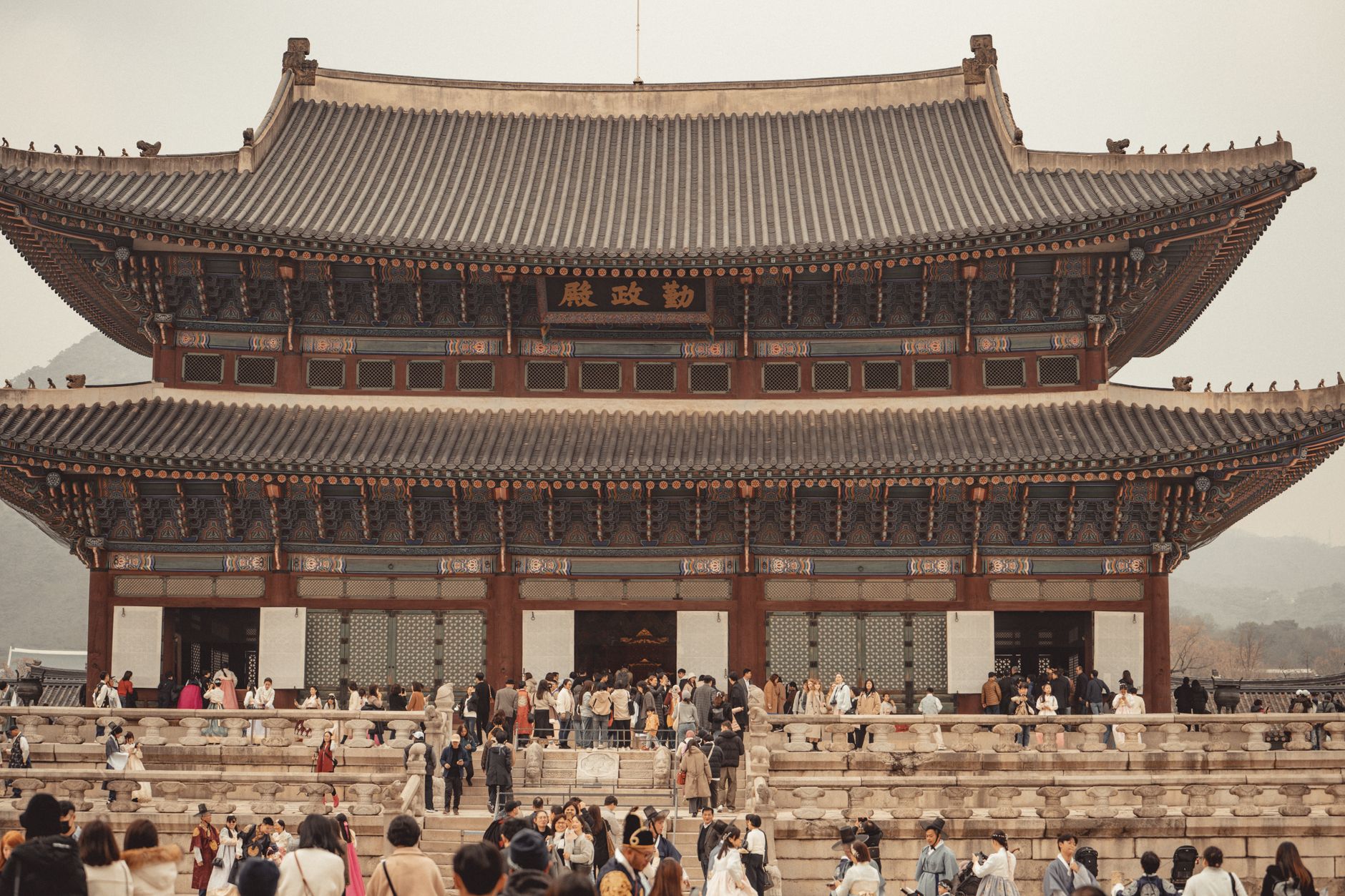
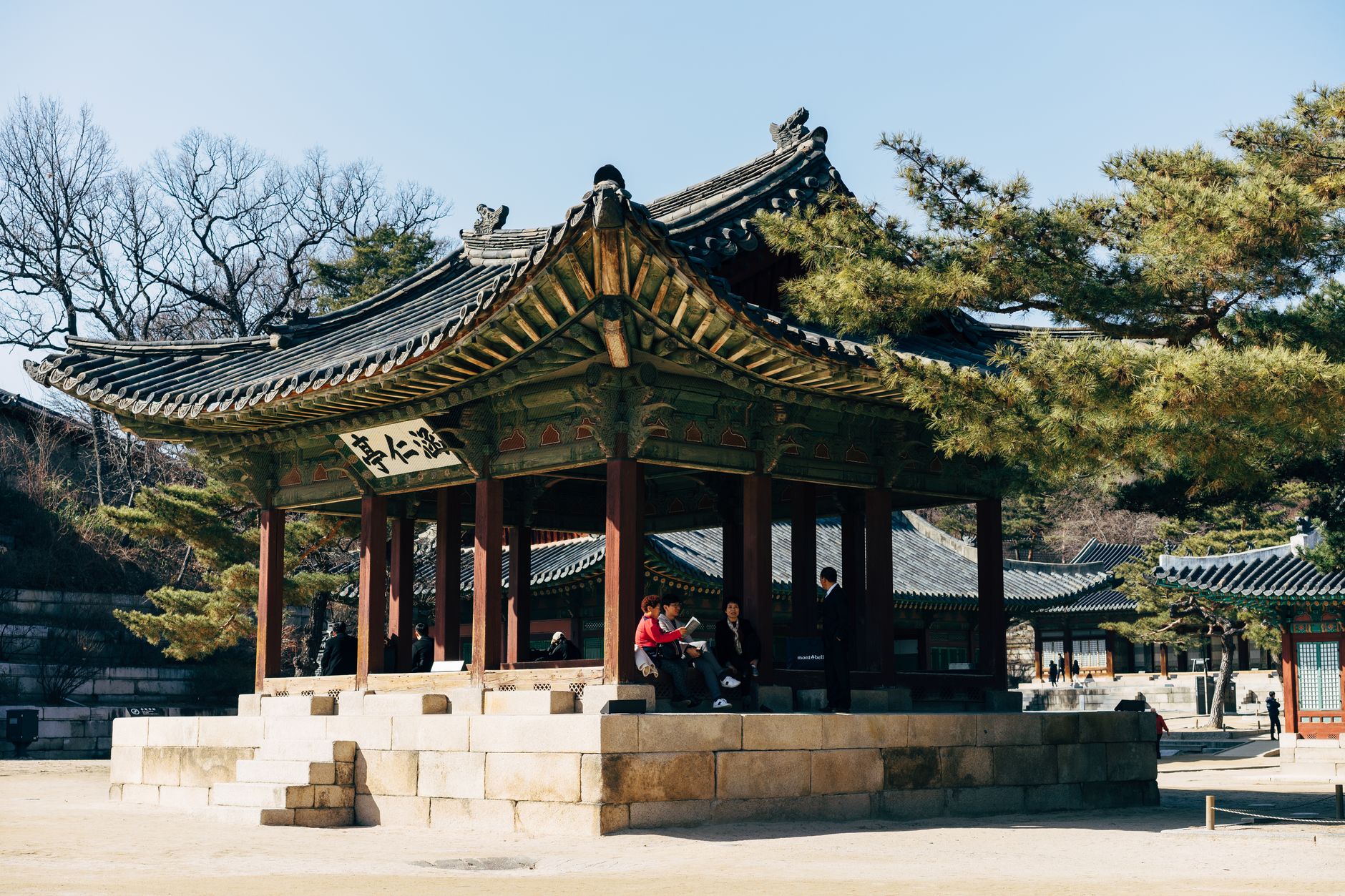
South Korea photo 1
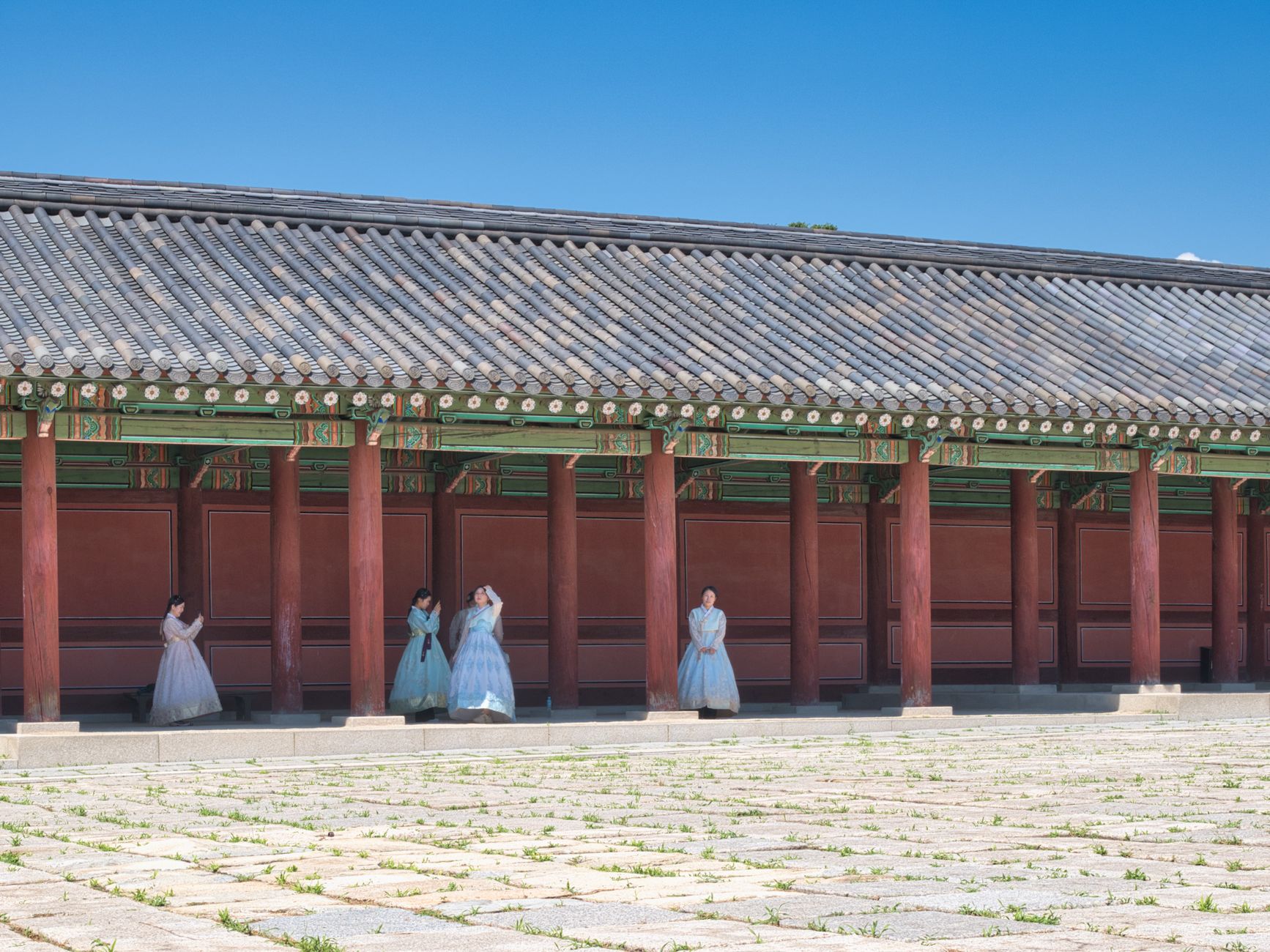
South Korea photo 2
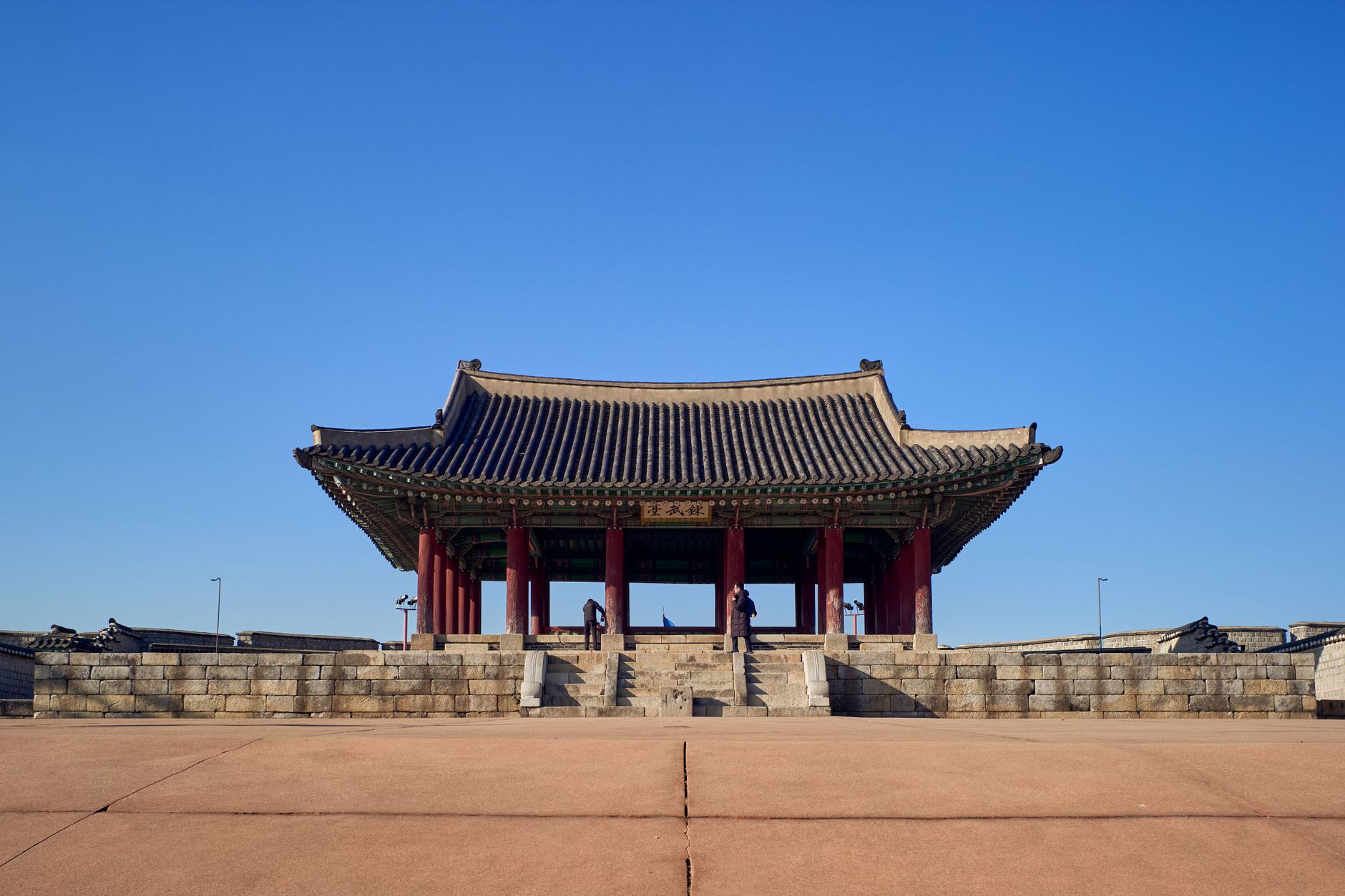
South Korea photo 3
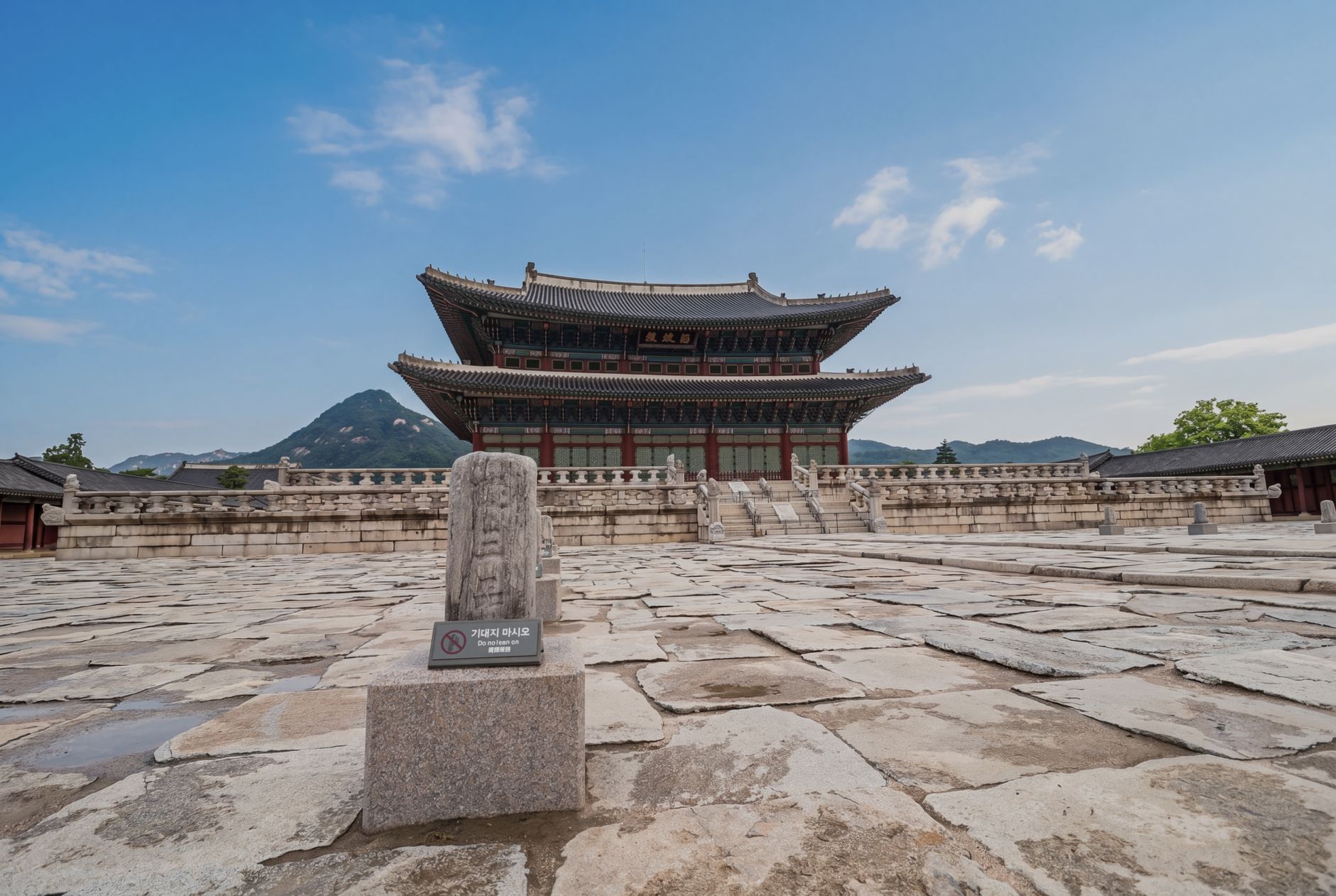
South Korea photo 4
South Korea photo 5
South Korea photo 6
Unmissable Moments

Top Things to Do in South Korea

Culture

Sleep in a Traditional Hanok Village

Immerse yourself in centuries of Korean heritage by spending a night in a restored hanok—a traditional wooden home featuring curved tiled roofs, paper windows, and ondol heated flooring. In neighborhoods like Seoul's Bukchon Hanok Village or the historic alleys of Jeonju, waking up to the quiet morning light filtering through sliding latticework doors offers a peaceful, meditative antidote to the bustling metropolis outside. Be sure to respect quiet hours and slip off your shoes before entering.

Adventure

Trek the Dramatic Ridges of Seoraksan National Park

Venture into South Korea's crown jewel for nature lovers, where razor-sharp granite peaks pierce the clouds and ancient temples hide in deep forested ravines. Hiking up to Ulsanbawi Rock rewards climbers with dizzying panoramic views of the East Sea and surrounding valleys, especially breathtaking in mid-October when the autumn foliage turns the slopes into a blazing mosaic of red and gold. Start early in the morning to beat the crowds and catch the ethereal sunrise mist over the peaks.

Culinary

Feast on Street Food at Gwangjang Market

Dive headfirst into Seoul's legendary culinary underbelly at Gwangjang Market, one of the oldest and largest traditional markets in the country. Navigate the bustling, lantern-lit aisles to sample sizzling mung bean pancakes (bindaetteok), addictive handmade knife-cut noodles (guksu), and glossy, spicy rice cakes (tteokbokki) served by charismatic local vendors. Pull up a stool at one of the communal stalls, order a bottle of local makgeolli (rice wine), and soak in the electric, communal atmosphere.

Must-Do

Unwind in a Traditional Jjimjilbang (Bathhouse)

Experience South Korea's quintessential wellness ritual by visiting a multi-story traditional bathhouse. Rotate through hot mineral pools, cold plunge baths, and themed saunas like the charcoal or jade kilns, then relax in the shared common room while wearing your cotton spa clothes and snacking on baked eggs with sweet rice drink. It is a deeply immersive window into local daily life where generations of Koreans gather to relax, socialize, and rejuvenate.

Area Guide

Where to Stay & Best Neighborhoods

Bukchon Hanok & Insadong

Best for: History buffs, photographers, and seekers of traditional crafts.

Vibe: Preserved aristocratic alleys, traditional teahouses, and classical art galleries.

Winding through the steep alleys of Bukchon reveals hundreds of preserved Joseon-era courtyard homes perched on a hill between Gyeongbokgung and Changdeokgung palaces. Adjacent Insadong offers a vibrant corridor of antique shops, calligraphy brush makers, and serene tea houses tucked behind unassuming doorways.

Hongdae & Yeonnam-dong

Best for: Nightlife enthusiasts, trendsetters, and cafe-hoppers.

Vibe: Youthful, bohemian, fiercely creative, and pulsing with live indie music.

Centered around Hongik University, this neighborhood is the beating heart of Korea's youth culture. By day, explore quirky concept cafes, independent fashion boutiques, and leafy park trails in nearby Yeonnam-dong; by night, the streets erupt with dazzling street performances, trendy cocktail bars, and underground clubs.

Haeundae & Gwangalli (Busan)

Best for: Beach lovers, seafood gourmands, and coastal sunset chasers.

Vibe: Sleek coastal skyscrapers, golden sand beaches, and buzzing seafood ports.

Busan’s premier waterfront districts combine urban sophistication with laid-back beach vibes. Stroll along the wide sweep of Haeundae Beach, marvel at the glittering Diamond Bridge illuminated at night from Gwangalli, and sample the freshest catch of the day at the sprawling Jagalchi Fish Market just down the coast.

Food & Drink Scene

What to Eat in South Korea

Korean BBQ (Samgyeopsal & Galbi)

A deeply social dining experience where thick cuts of marbled pork belly or soy-marinated beef short ribs are grilled tableside over charcoal. Diners wrap the succulent, smoky meat in crisp lettuce leaves with garlic, fermented soybean paste (ssamjang), and spicy green onion salad.

šŸ“ Top spot: Mapo Salt Grilled, Seoul

Bibimbap

A harmonious bowl of warm white rice topped with carefully arranged seasoned vegetables, sautƩed mushrooms, sliced meat, a dollop of fiery gochujang (chili pepper paste), and a raw or fried egg on top. Everything is vigorously mixed together before eating, creating a balanced explosion of textures and flavors.

šŸ“ Top spot: Gogung, Jeonju

Jeju Black Pork (Heuk-dwaeji)

Hailing from the volcanic island of Jeju, this prized heritage pork comes from a distinct black-haired breed known for its exceptional marbling, firm texture, and rich, nutty flavor. Traditionally grilled over citrus wood and dipped in anchovy sauce, it is a culinary bucket-list item.

šŸ“ Top spot: Donehoon, Jeju City
Excursions

Best Day Trips from South Korea

Gyeongju: The Museum Without Walls

2 hours by KTX high-speed train from Seoul

Step back into the golden age of the ancient Silla Kingdom by exploring royal burial mounds rising like green grassy hills across the city center, ancient astronomical observatories, and the breathtaking cliffside grotto of Seokguram.

DMZ (Demilitarized Zone) Tour

1 hour by guided tour bus from central Seoul

Witness firsthand the tense geopolitical divide of the Korean Peninsula by exploring infiltration tunnels dug by North Korea, peering across the border from the Dora Observatory, and visiting the joint security area.

When to Go

Best Time to Visit & Seasonality

Editor’s Pick: Spring (April to June) and Autumn (September to November) offer the most pleasant weather, with mild temperatures, minimal rainfall, and stunning cherry blossoms or blazing fall foliage.

Spring Overview

(April - June)
Peak Crowds
Average Temperature & Climate10°C to 22°C (50°F to 72°F)

Mild, sunny, and increasingly warm with occasional spring breezes.

Crowd & Travel ConditionsPeak Tourist Traffic

Book hotels 3-6 months ahead.

✨ Seasonal Highlights:Cherry blossom blooms, lantern festivals for Buddha's Birthday, and vibrant hiking trails.
Travel Smarter

Practical Travel Essentials

CurrencySouth Korean Won (KRW)
LanguageKorean
Time ZoneGMT+9

Visa & Entry

Citizens of many countries (including the US, Canada, EU, UK, and Australia) can enter South Korea visa-free for up to 90 days, though travelers must apply for a K-ETA (Korea Electronic Travel Authorization) online prior to departure.

Getting Around & Transit

South Korea boasts one of the world's most efficient transportation networks. The KTX high-speed rail connects major cities seamlessly, while local subways in Seoul and Busan are ultra-clean and easy to navigate using a T-money transit card.

Daily Budget Expectation

$70 - $150 USD per day for a comfortable mid-range traveler, covering transit, hearty local meals, comfortable hotel stays, and attraction tickets.

Safety & Health

Extremely high. South Korea is one of the safest countries in the world for travelers, with very low rates of violent crime and safe public spaces day and night.

Local Etiquette & Customs

Always remove your shoes when entering a home or traditional accommodation. Use both hands when giving or receiving money, credit cards, or gifts to show respect.

Questions & Answers

Frequently Asked Questions about South Korea

Not necessarily. Major transport hubs, subway stations, and tourist attractions feature extensive English signage, and translation apps work remarkably well for ordering food and asking directions.