2026 GuideVoyage Roams Best in Travel: Top 10 Bucket List Destinations
Read Rankings
Yucatan Peninsula
regionNorth America
4.92 / 5.0

Yucatan Peninsula

A sun-drenched sanctuary of ancient Maya ruins, turquoise cenotes, and colonial charm.

Advertisement
Editorial Guide

About Yucatan Peninsula

The Yucatan Peninsula is a limestone shelf of extraordinary geological and cultural drama, separating the Gulf of Mexico from the Caribbean Sea. Here, the dense, low-lying jungle is punctuated by thousands of sacred cenotes—sunken limestone sinkholes of crystal-clear water that the ancient Maya believed were portals to the underworld. This unique landscape has shaped everything from Yucatan's hydrology to its isolationist history, fostering a distinct regional identity that feels worlds away from the mountainous heartland of central Mexico.

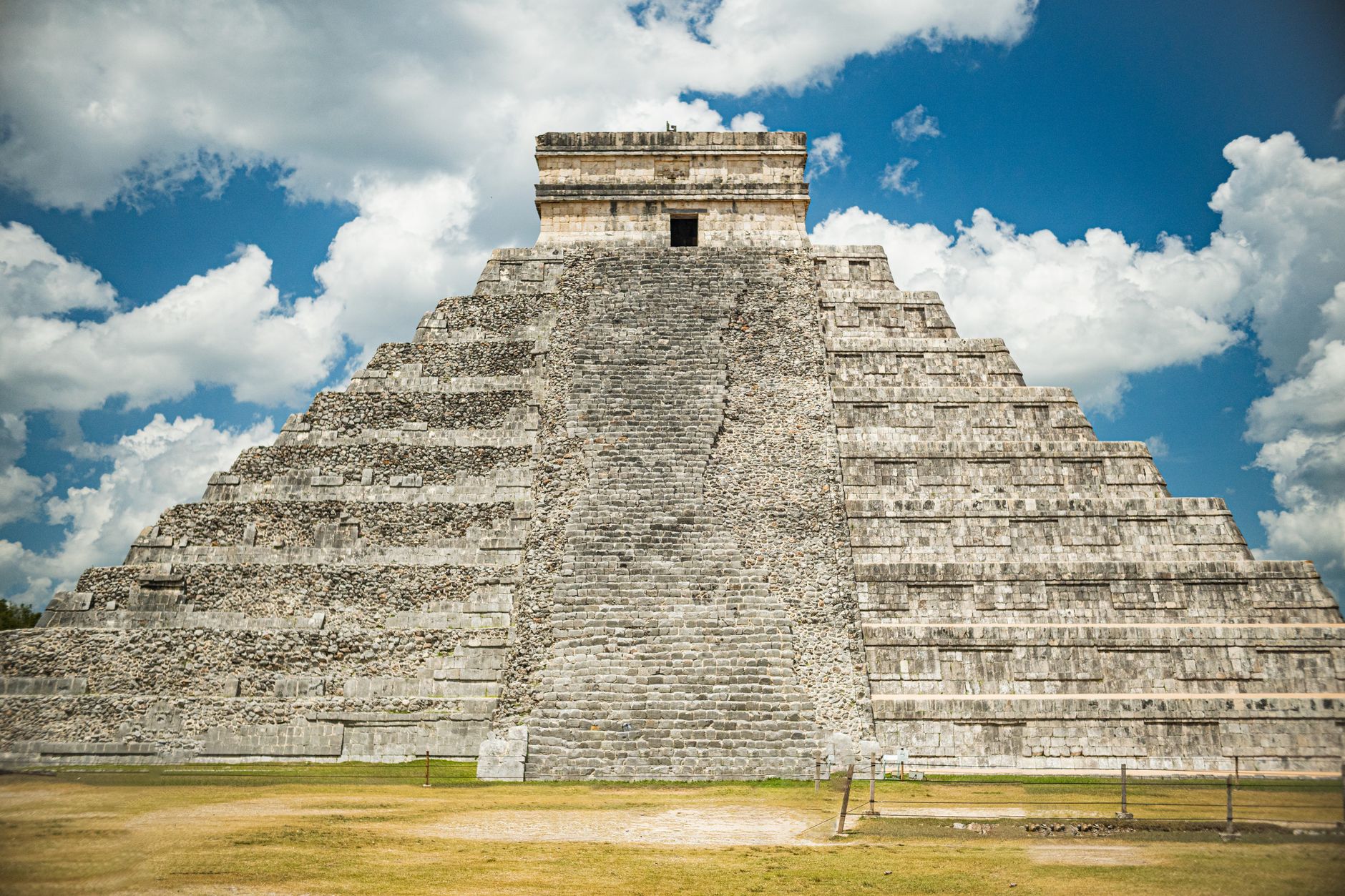
At the heart of the Yucatan experience is its living Maya heritage. Unlike civilizations that vanished into history, the Maya people of the Yucatan maintain an unbroken connection to their ancestral land. The soft cadence of the Yucatec Maya language is spoken in quiet jungle villages, the scent of burning copal incense drifts from modern shrines, and women still wear the beautifully embroidered white huipil dresses. This rich cultural tapestry is seamlessly interwoven with the physical remnants of the past, from the towering pyramids of Chichen Itza and Uxmal to the crumbling haciendas of the 19th-century henequen boom.

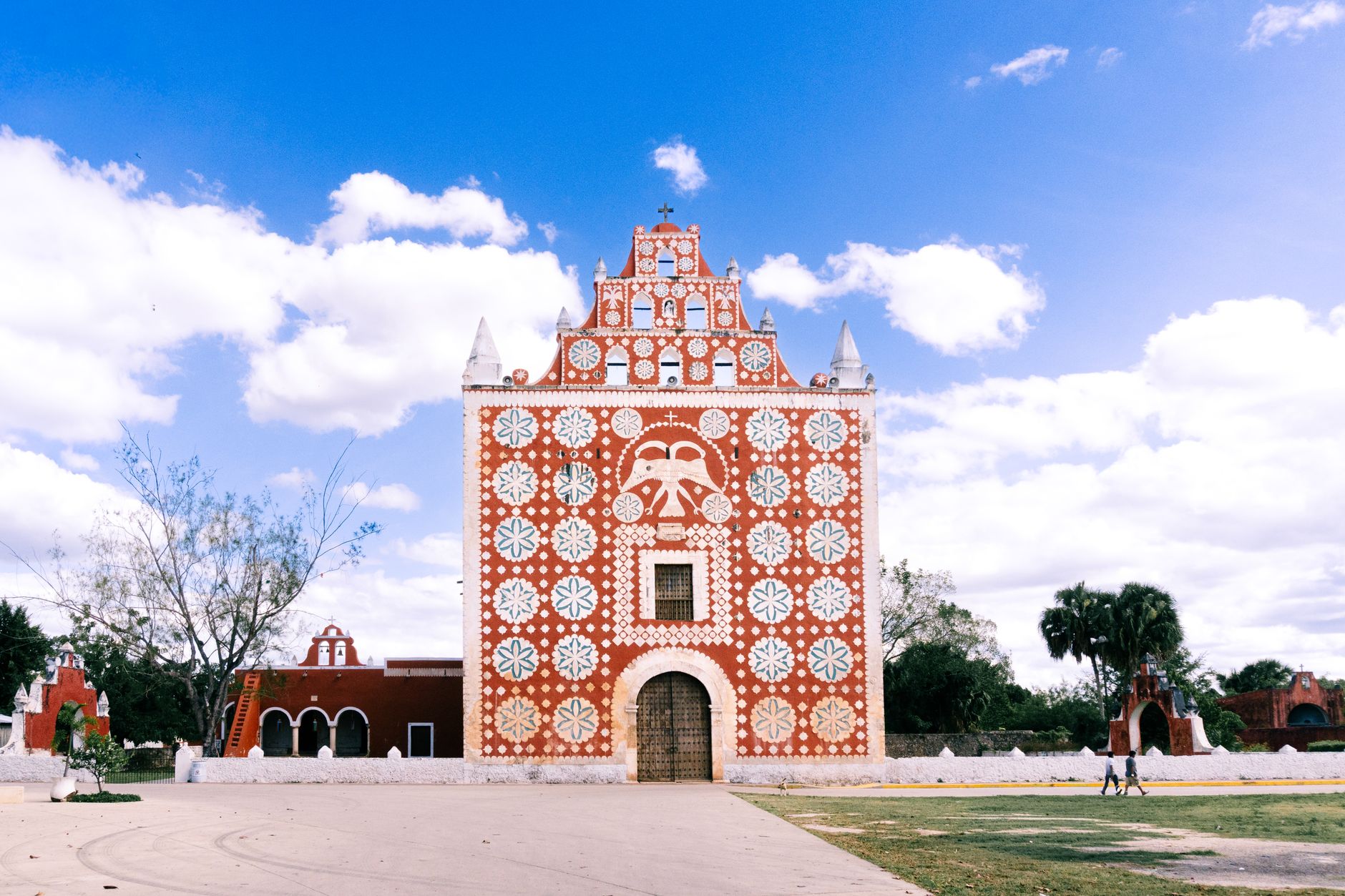
Spanish colonial history has left an indelible mark on the peninsula's urban landscapes. Cities like Mérida, Valladolid, and Izamal showcase grand plazas, pastel-colored mansions, and imposing churches—often constructed directly over the foundations of dismantled Maya temples. Walking these cobblestone streets at dusk, when the tropical heat begins to break and locals gather on iron benches to chat, offers a masterclass in slow, atmospheric travel. The regional rhythm is gentle, dictated by the midday heat and the cool relief of the evening breeze.

Beyond the cities and ruins lies a natural playground of breathtaking diversity. The peninsula's eastern coast features the world-renowned white sands and turquoise waters of Quintana Roo, while the northern and western coasts offer hypersaline lagoons teeming with pink flamingos and dense mangrove forests. Whether you are diving into the deep, root-draped waters of a remote cenote or listening to the calls of toucans in the canopy above a forgotten ruin, the Yucatan commands a sensory engagement that leaves travelers permanently enchanted.

Visual Impressions & Moments

Yucatan Peninsula photo 1
Yucatan Peninsula photo 2
Yucatan Peninsula photo 3
Yucatan Peninsula photo 4
Yucatan Peninsula photo 5
Yucatan Peninsula photo 6
Unmissable Moments

Top Things to Do in Yucatan Peninsula

Adventure

Plunge into the Subterranean Depth of Cenote Oxman

Escape the tropical heat by descending into Cenote Oxman, a breathtaking open-sky sinkhole located near Valladolid. Massive tree roots drape down over 20 meters from the limestone rim to touch the surface of the deep, sapphire-blue water. Arrive at 8:00 AM just as the gates open to have the entire geological wonder to yourself. The adrenaline rush of swinging from the rope platform into the cool, silent water before the tour buses arrive is an unforgettable Yucatan rite of passage.

Culture

Wander the Puuc-Style Ruins of Uxmal at Dusk

While Chichen Itza claims the crowds, Uxmal holds the poetry. This UNESCO World Heritage site showcases the pinnacle of Puuc architectural style, characterized by intricate stone mosaics, dark limestone masks of the rain god Chaac, and smooth, curved structures like the towering Pyramid of the Magician. Walk through the Governor's Palace late in the afternoon when the warm, golden light sets the pinkish-grey stone aglow and the calls of iguanas and tropical birds echo through the quiet ruins.

Culinary

Savor Cochinita Pibil Cooked in a Traditional Earth Oven

Indulge in the culinary soul of the Yucatan by seeking out authentic Cochinita Pibil. This ancient Maya dish consists of suckling pig marinated in bitter Seville orange juice and earthy achiote paste, wrapped tightly in wild banana leaves, and slow-roasted for hours inside a 'pib'—an underground pit lined with hot stones. The resulting meat is impossibly tender, smoky, and complex. Try it in the small town of Maní or at a traditional market stall, topped with pickled red onions and fiery habanero salsa.

Scenic

Explore the Monochromatic Yellow Streets of Izamal

Spend a quiet afternoon in Izamal, a designated 'Pueblo Mágico' where virtually every building in the historic center is painted a vibrant, uniform golden-yellow. Rent a bicycle to navigate the cobblestone streets, stopping to marvel at the gargantuan Convento de San Antonio de Padua, built directly on top of a Maya pyramid. Climb the nearby Kinich Kakmó pyramid for panoramic views of the yellow town meeting the endless green carpet of the surrounding jungle.

Must-See Highlights

Top Places & Things to Do in Yucatan Peninsula

Curated attractions and cultural landmarks with local insider advice.

Paseo de Montejo
attraction
4.6

Paseo de Montejo

Named after the Spanish conquistador who founded Mérida, Paseo de Montejo is the city's grandest boulevard, lined with magnificent European-inspired mansions built by wealthy henequen barons during the late 19th and early 20th centuries. Modeled after Paris's Champs-Élysées, the wide avenue features leafy shade trees, statues, and striking architecture blending French neoclassical, Italian Renaissance, and art deco styles. Today, many of these opulent estates have been transformed into museums, boutique hotels, and art galleries. On Sundays, the street is closed to vehicular traffic for the 'Bici-Ruta,' allowing pedestrians and cyclists to leisurely explore the historic boulevard and enjoy local street food vendors.

Open 24/7 (Best experienced during morning or evening)
Admission: Free
Insider Tip: Visit the Palacio Cantón (Museo Regional de Antropología) located right on the avenue for an exceptional dive into regional Mayan history.
Area Guide

Where to Stay & Best Neighborhoods

Mérida Centro Histórico

Best for: Culture lovers, foodies, boutique shoppers, and urban explorers.

Vibe: Energetic, cultural, colonial, and grandly historic.

Mérida's historic center is a grid of vibrant, pastel-hued streets centered around the bustling Plaza Grande. Here, 16th-century stone mansions sit alongside grand French-style palaces built during the late 19th-century boom. By day, the air is filled with the sounds of street vendors, marimba music, and traffic; by night, entire streets close to vehicles to host free cultural performances, open-air dining, and traditional dancing.

Valladolid Barrio de Sisal

Best for: Slow travelers, photographers, and independent adventurers.

Vibe: Bohemian, laid-back, artisanal, and deeply authentic.

Sisal is the artistic heart of the colonial town of Valladolid. Centered around the historic 16th-century Convent of San Bernardino of Siena, this neighborhood features quiet, pastel-painted streets lined with independent art galleries, organic cafes, and boutique hotels housed in restored colonial casonas. It offers a wonderfully relaxed alternative to the busy coastal strips, serving as the perfect base for exploring nearby ruins and cenotes.

Tulum Beach & Pueblo

Best for: Beach lovers, wellness enthusiasts, nightlife, and design hunters.

Vibe: Eco-chic, bohemian, design-centric, and coastal.

Divided between the bustling, authentic 'Pueblo' (town) and the sandy, jungle-fringed 'Zona Hotelera' (beach strip), Tulum is a world-famous hub of bohemian luxury. The beach road is a dense eco-system of thatch-roofed boutique resorts, candle-lit restaurants serving wood-fired cuisine, and open-air yoga shalas. It is a place where barefoot luxury meets ancient history, with dramatic coastal Maya ruins overlooking the turquoise Caribbean Sea.

Food & Drink Scene

What to Eat in Yucatan Peninsula

Cochinita Pibil

The undisputed king of Yucatecan cuisine. Pork is marinated in a vibrant paste of ground achiote seeds, sour orange juice, garlic, and spices, wrapped in banana leaves, and buried in a pit oven to slow-cook over hot coals. The pork emerges incredibly tender, shredding effortlessly into fresh, hand-pressed corn tortillas.

🍴 Top spot: Kinich El Sabor de Izamal, Izamal

Sopa de Lima

A comforting, aromatic chicken and turkey broth flavored with sweet Yucatecan limes (which are less acidic and more fragrant than standard limes), shredded poultry, bell peppers, tomatoes, and a generous handful of crispy, fried tortilla strips that add a satisfying crunch to every bite.

🍴 Top spot: La Chaya Maya, Mérida

Papadzules

A pre-Hispanic delicacy consisting of rolled corn tortillas stuffed with chopped, hard-boiled eggs. The tortillas are completely drenched in a rich, creamy sauce made from toasted pumpkin seeds (pepitas) and epazote, then finished with a drizzle of spicy, fire-roasted tomato salsa.

🍴 Top spot: Mercado Lucas de Gal things, Mérida
Excursions

Best Day Trips from Yucatan Peninsula

Celestún Biosphere Reserve

1.5 hours by car from Mérida

Journey to the western coast of the peninsula to explore a pristine wetland sanctuary. Board a small fishing boat to navigate the shallow, brackish waters of the estuary, where you will glide past thousands of feeding pink flamingos. The tour also winds through dense mangrove tunnels to reach hidden, crystal-clear freshwater springs.

Cobá Archaeological Zone & Cenotes

45 minutes by car from Valladolid

Deep in the jungle of Quintana Roo lies Cobá, an ancient Maya city of massive scale. Rent a bicycle to ride along the ancient white stone pathways (sacbeob) shaded by giant trees. Climb the 120 steps of Nohoch Mul, the tallest pyramid in the northern Yucatan, before cooling off in the nearby underground cenotes of Choo-Ha and Tamcach-Ha.

When to Go

Best Time to Visit & Seasonality

Editor’s Pick: The absolute prime time to visit the Yucatan Peninsula is from late November to February. During these winter months, the oppressive humidity of the tropical summer breaks, leaving behind warm, sunny days (averaging 28°C/82°F) and pleasantly cool nights. This period also avoids both the peak Atlantic hurricane season (June to November) and the blistering heat of the 'dry spring' (March to May), when temperatures regularly soar past 40°C (104°F) and the landscape becomes dry and dusty.

Spring Overview

(March - May)
Moderate
Average Temperature & Climate32°C - 41°C (90°F - 106°F)

Extremely hot and dry. Humidity levels rise progressively, making midday exploration physically demanding.

Crowd & Travel ConditionsModerate Tourist Traffic

Fewer lines and better deals.

✨ Seasonal Highlights:Witnessing the Spring Equinox descent of Kukulcan at Chichen Itza; swimming in deep, cool cenotes to escape the intense midday heat.
Travel Smarter

Practical Travel Essentials

CurrencyMexican Peso (MXN)
LanguageSpanish, Yucatec Maya
Time ZoneCST (UTC-6) / EST (UTC-5) in Quintana Roo

Visa & Entry

Most international visitors, including citizens of the US, Canada, EU, UK, and Australia, do not require a visa for stays under 180 days. You will receive a digital entry stamp upon arrival at international airports.

Getting Around & Transit

Renting a car is highly recommended for exploring the Yucatan, as roads are generally flat, safe, and easy to navigate. For budget travelers, the ADO first-class bus network connects all major cities and towns with highly reliable, air-conditioned, and comfortable service.

Daily Budget Expectation

$70 - $150 USD per day for mid-range travelers (includes a rental car, boutique guesthouse stays, cenote entrance fees, and dining at local cantinas).

Safety & Health

Yucatan is statistically the safest state in Mexico, with crime rates comparable to or lower than major European nations. Standard travel precautions apply, but violent crime is exceptionally rare here.

Local Etiquette & Customs

When visiting indigenous Maya villages, always ask for permission before taking photos of locals. Tips of 10-15% are customary in restaurants, and small tips are appreciated by gas station attendants and baggage handlers.

Questions & Answers

Frequently Asked Questions about Yucatan Peninsula

Yes, swimming in cenotes is highly safe and incredibly refreshing. Most popular cenotes have life jacket rentals (often mandatory), changing rooms, and lifeguards. Avoid wearing chemical sunscreens or bug sprays before entering to protect the delicate aquatic life.