2026 GuideVoyage Roams Best in Travel: Top 10 Bucket List Destinations
Read Rankings
Yucatan Peninsula
regionNorth America
4.88 / 5.0

Yucatan Peninsula

An ancient limestone realm of turquoise Caribbean shores, enigmatic Mayan ruins, and crystalline subterranean cenotes.

Advertisement
Editorial Guide

About Yucatan Peninsula

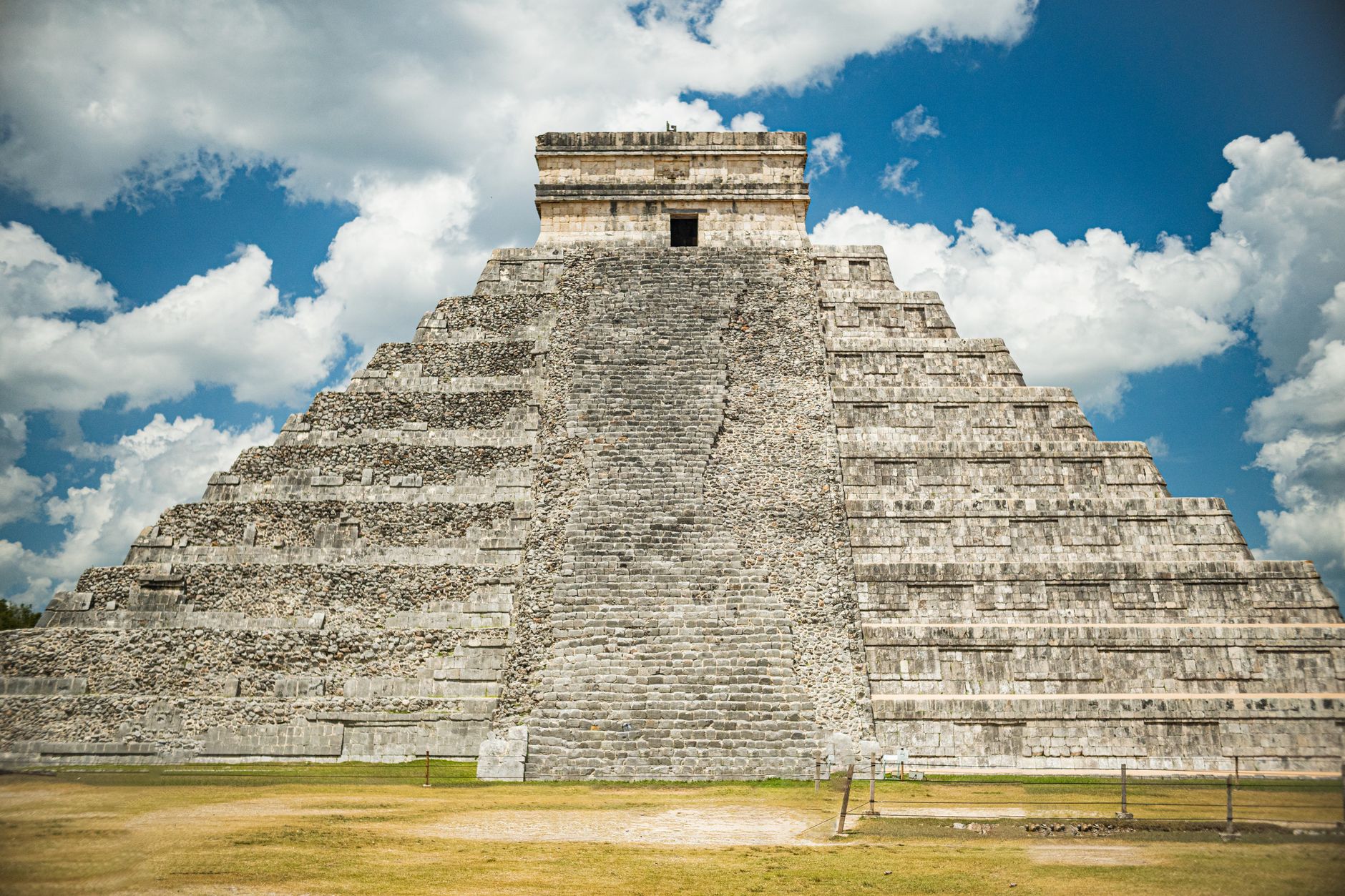
Jutting out like a colossal limestone thumb between the Gulf of Mexico and the Caribbean Sea, the Yucatán Peninsula is a world apart. Beneath its flat, jungle-cloaked surface lies a vast, porous network of subterranean rivers and freshwater sinkholes known as cenotes—sacred portals to the Mayan underworld. This ancient civilization still breathes through the monumental stone architecture of Chichén Itzá, Uxmal, and Calakmul, standing as silent testaments to centuries of astronomical mastery, architectural genius, and cultural resilience.

Yet the story of the Yucatán does not end in antiquity. Following the Spanish conquest, a distinct regional identity blossomed, weaving Spanish colonial grandeur into the fabric of indigenous Mayan traditions. Pastel-hued plazas in cities like Mérida and Campeche hum with the rhythms of live marimba, the rustling of guayabera shirts, and the vibrant pageantry of local festivals. Meanwhile, the coastline has evolved into a sun-drenched sanctuary, transitioning from the buzzing international resort hubs of Cancún and the Riviera Maya to the bohemian, eco-conscious shores of Tulum and the tranquil fishing villages of the west coast.

Geographically, the peninsula is a flat shelf of karst topography, entirely devoid of surface rivers, which makes the intricate subterranean water systems all the more critical to its ecosystem. The dense tropical jungle transitions into sprawling mangroves and fragile coral reefs along the Mesoamerican Barrier Reef System, the second-largest coral reef tract in the world. Wildlife here is prolific, ranging from spider monkeys swinging through high rainforest canopy to whale sharks gliding through the cobalt waters off Isla Holbox.

Life in the Yucatán moves at a gentle, hypnotic pace dictated by the tropical sun and the legendary afternoon siesta. Local culture is deeply rooted in hospitality and community, where families gather in central plazas for Sunday evening walks, and neighborhood kitchens serve centuries-old recipes flavored with recado rojo and sour orange. To travel through the Yucatán is to cross the threshold of time, where ancient gods whisper through the jungle leaves and modern travelers find themselves enchanted by an enduring, timeless magic.

Visual Impressions & Moments

Yucatan Peninsula photo 1
Yucatan Peninsula photo 2
Yucatan Peninsula photo 3
Yucatan Peninsula photo 4
Yucatan Peninsula photo 5
Yucatan Peninsula photo 6
Unmissable Moments

Top Things to Do in Yucatan Peninsula

Must-Do

Witness the Equinox Serpent at Chichén Itzá

Stand before the imposing El Castillo pyramid during the spring or autumn equinox to witness an architectural marvel: the afternoon sun casts alternating shadows that create the illusion of a giant serpent slithering down the stone staircase. Arrive early to secure a prime viewing spot and pair the visit with a refreshing dip in the nearby Cenote Ik Kil.

Adventure

Dive and Swim in Subterranean Cenotes

Descend into the limestone sinkholes that riddle the peninsula's subterranean landscape. Sites like Cenote Dos Ojos and Gran Cenote offer crystal-clear freshwater filtered through ancient rock, providing surreal snorkeling and scuba diving opportunities amidst dramatic stalactites and mystical shafts of sunlight.

Scenic

Swim with Whale Sharks off Isla Holbox

Venture out into the warm, nutrient-rich turquoise waters north of Isla Holbox between June and September to glide alongside gentle whale sharks—the ocean's largest fish. Book with certified local eco-tours to ensure responsible wildlife viewing practices that protect these majestic filter-feeders.

Culinary

Feast on Authentic Yucatecan Cochinita Pibil

Indulge in slow-roasted pork marinated in achiote paste and sour orange juice, wrapped in banana leaves and pit-cooked underground. Seek out traditional open-air markets or family-run fondas in Mérida to experience this complex, citrusy, and earthy Mayan culinary masterpiece.

Area Guide

Where to Stay & Best Neighborhoods

Mérida Centro

Best for: History buffs, cultural immersion, gastronomy enthusiasts, and architecture lovers.

Vibe: Colonial elegance, lively plazas, bustling markets, and rich cultural arts.

Mérida's historic center is a stately grid of pastel-colored 19th-century mansions, leafy tree-lined parks, and grand cathedrals built atop ancient Mayan stones. Stroll down the elegant Paseo de Montejo, wander through the cavernous stalls of Mercado Lucas de Gálvez, and experience nightly open-air music and dance performances in the city's lively plazas.

Tulum Beach & Pueblo

Best for: Wellness seekers, boutique hotel enthusiasts, beach lovers, and nightlife explorers.

Vibe: Boho-chic luxury, wellness retreats, eco-architecture, and vibrant jungle energy.

Split between a laid-back inland town and a chic coastal strip lined with palm trees and white sand, Tulum offers an upscale yet rustic escape. The beach zone is celebrated for its barefoot luxury, holistic yoga studios, and farm-to-table dining, all operating seamlessly alongside pristine Caribbean beaches and ancient clifftop ruins.

Valladolid Historic Quarter

Best for: Travelers seeking authenticity, photography, and a central base for cenote hopping.

Vibe: Quiet colonial charm, colorful facades, artisanal crafts, and slow-paced local living.

Known as a 'Pueblo Mágico', Valladolid enchants visitors with its pastel-washed streets, neoclassical churches, and welcoming indigenous communities. Centered around the picturesque Parque Francisco Cantón Rosado, the town serves as an ideal, unpretentious gateway to nearby Chichén Itzá and iconic underground cenotes like Zaci.

Food & Drink Scene

What to Eat in Yucatan Peninsula

Cochinita Pibil

A legendary Yucatecan dish featuring suckling pork marinated in a robust paste of achiote seeds, garlic, oregano, and sharp sour orange juice. Wrapped securely in banana leaves, the meat is traditionally slow-roasted in an underground earth oven ('pib') until meltingly tender, then served with pickled red onions and habanero salsa.

🍴 Top spot: La Chaya Maya, Mérida

Poc Chuc

Thin slices of pork loin marinated in sour orange juice and seasoned with local herbs, then grilled over hot wood coals until smoky and charred. The dish is typically served with a tangy tomato-and-onion chiltomate sauce, black beans, and freshly pressed corn tortillas.

🍴 Top spot: El Apapacho, Mérida

Sopa de Lima

A fragrant, comforting soup crafted with shredded chicken, aromatic vegetables, and crisp, tart local sweet limes ('lima regional'). The broth is enriched with oregano, cloves, and garlic, and crowned with crunchy, golden-fried tortilla strips that add a wonderful textural contrast.

🍴 Top spot: Mercado Municipal de Valladolid
Excursions

Best Day Trips from Yucatan Peninsula

Celestún Biosphere Reserve

1.5 hours by car from Mérida

Journey west to a vast coastal wetland sanctuary famous for its thousands of vibrant pink flamingos feeding in the shallow, mineral-rich estuary. Take a guided boat tour through the mesmerizing mangrove tunnels and swim in the crystal-clear freshwater spring of Baldra.

Izamal 'The Yellow City'

1 hour by car from Mérida

Explore a stunning colonial town where every single building in the historic center is painted a striking, uniform marigold yellow. Visit the massive 16th-century Franciscan Convent built atop a ruined Mayan pyramid, and take a horse-drawn carriage ride through cobblestone streets.

When to Go

Best Time to Visit & Seasonality

Editor’s Pick: The optimal time to visit the Yucatán Peninsula is between November and April during the dry season, when humidity drops, rainfall is minimal, and daytime temperatures hover comfortably around 28°C to 30°C (82°F to 86°F). This period is ideal for exploring Mayan ruins and swimming in cenotes, though it also corresponds to peak tourist season. For those seeking fewer crowds, shoulder months like May and October offer warm weather, though May can be intensely hot before the summer rains begin. Hurricane season runs from June through November, bringing higher humidity, afternoon tropical downpours, and potential storm activity, particularly in September and October.

Spring Overview

(March to May)
Moderate
Average Temperature & Climate30°C to 35°C (86°F to 95°F)

Warm to hot, increasingly humid, with very little rainfall.

Crowd & Travel ConditionsModerate Tourist Traffic

Fewer lines and better deals.

✨ Seasonal Highlights:Witnessing the spring equinox shadow serpent effect at Chichén Itzá; excellent swimming conditions.
Travel Smarter

Practical Travel Essentials

CurrencyMXN (Mexican Peso)
LanguageSpanish (Yucatec Maya widely spoken)
Time ZoneCST (UTC-6) / EST (UTC-5 in Quintana Roo)

Visa & Entry

Most visitors from the US, Canada, EU, and UK do not require a visa for tourist stays up to 180 days. Ensure your passport is valid for at least six months beyond your arrival date.

Getting Around & Transit

Renting a car is the best and most flexible way to explore the peninsula's scattered ruins and cenotes. Long-distance ADO buses are reliable and comfortable for traveling between major cities. Taxis and colectivos (shared vans) are ideal for short hops.

Daily Budget Expectation

$50 - $150 USD per day, covering comfortable mid-range accommodation, local street food or fonda dining, entrance fees, and car rental sharing.

Safety & Health

The Yucatán Peninsula is widely considered one of the safest regions in Mexico for travelers. Standard travel precautions apply: avoid driving late at night on isolated roads and safeguard your belongings in crowded tourist areas.

Local Etiquette & Customs

Greet locals with a polite 'Buenos días' or 'Buenas tardes'. Always ask permission before photographing indigenous people, especially elders in traditional dress. Support local artisans by purchasing authentic crafts directly from cooperatives.

Questions & Answers

Frequently Asked Questions about Yucatan Peninsula

Yes, driving in the Yucatán is generally very safe and straightforward, particularly along the main federal highways (like Highway 307 and the toll highway between Mérida and Cancún). Exercise caution with highway speed bumps known as 'topes', which are frequently unmarked, and avoid night driving.