The Transformative Journey: Top 5 Reasons Why You Must Explore the World
Why stepping outside your comfort zone is the ultimate investment in your mind, soul, and future.


Introduction: The Call of the Open Road
There is an old, recurring itch that starts somewhere in the chest and radiates outward—a quiet whisper reminding us that the world is too vast, too beautiful, and too fleeting to be experienced from a single vantage point. To travel is to live twice. It is an active rebellion against the mundane, an open invitation to let the unfamiliar reshape who you are.
But travel is more than just collecting passport stamps or curating an enviable social media feed. It is a profound educational tool, a cognitive reset, and a masterclass in empathy. Whether you are plotting your next grand escape using our interactive Voyage Roams Trip Planner or seeking inspiration from our Budget Travel Guides, stepping across borders changes your internal architecture.
Here are the top five reasons why exploring the world is the single best investment you can make in yourself.
1. Radical Self-Discovery and the Art of Resilience
Finding Yourself in the Unfamiliar
When you step off a plane in a country where you don’t speak the language, navigate the transit system, or understand the social cues, your brain immediately shifts into high gear. Stripped of your usual safety nets, you are forced to rely on your intuition, problem-solving skills, and resilience.
This is where true self-discovery happens. You learn how you react under pressure, how easily you can make friends with strangers, and how to find comfort in discomfort. This is particularly true for independent voyagers. If you are contemplating your first solo trip, exploring resources on self-reliance can help you build the confidence needed to take that leap.
Cultural Pro-Tip: "The best travel moments are often found in the gaps between the itinerary. When a train is delayed or you get lost in a labyrinth of alleyways, don't panic. Take a breath, order a local coffee, and watch the world go by. This is where the magic lives."
2. Culinary Diplomacy: Understanding Culture Through Food
The Global Dinner Table
Food is the universal language of humanity. It transcends political borders, religious beliefs, and linguistic barriers. Sitting down to eat a meal prepared by local hands is an act of trust and connection. Whether it is slurping piping-hot tonkotsu ramen in a Tokyo alleyway, as detailed in our Comprehensive Guide to Japan, or savoring slow-roasted barbacoa in Oaxaca, food tells the story of a land’s geography, history, and soul.
To explore global gastronomy is to practice "culinary diplomacy." When you eat what the locals eat, you honor their heritage. You understand the climate that grew the spices, the trade routes that brought the ingredients together, and the generations of grandmothers who perfected the recipe.
Culinary Experiences You Can't Miss:
- 1Night Markets of Southeast Asia: Cheap, vibrant, and sensory-overloading.
- 2The Asado Culture of Argentina: A masterclass in slow-cooking and community gathering.
- 3Traditional Tea Ceremonies: From Kyoto to Marrakech, tea is a sacred ritual of welcome.
3. Cognitive Expansion: How Travel Rewires Your Brain
The Neurobiology of Wanderlust
Neuroscientists have long studied the effects of travel on the human brain. The verdict is clear: experiencing new environments, sounds, smells, and languages sparks neuroplasticity—the brain’s ability to grow, adapt, and form new neural pathways.
When we live on autopilot, our brains become efficient but stagnant. Travel shakes us out of this cognitive slumber. Adapting to new cultural norms forces our brains to think flexibly and creatively. It is no coincidence that some of history’s greatest writers, artists, and innovators did their best work while living abroad.
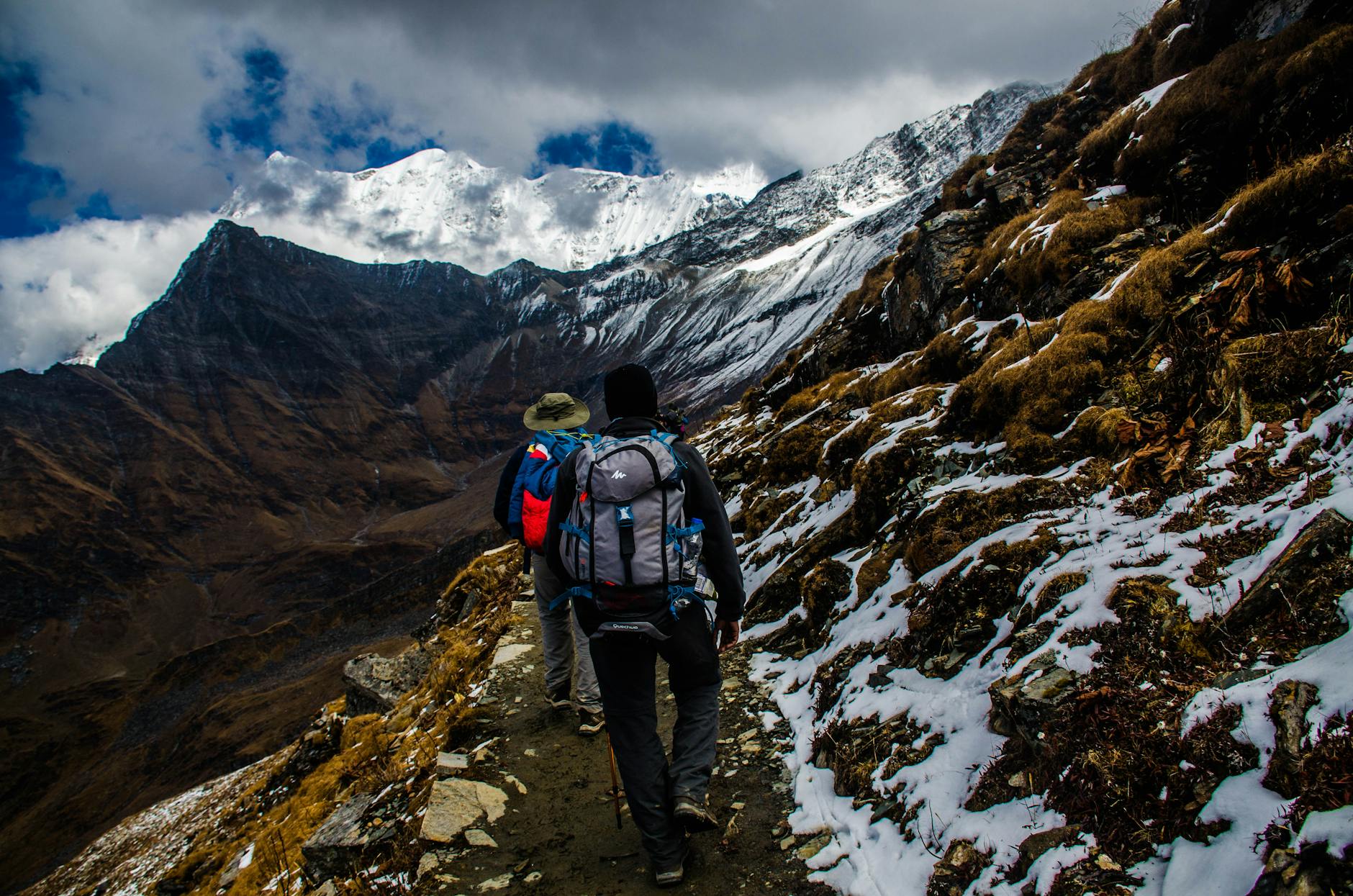
If you want to stretch your cognitive boundaries, consider embarking on challenging Adventure Trails that combine physical endurance with cultural immersion. Pushing your physical limits in places like Patagonia or the Himalayas forces a deep, meditative focus that modern daily life simply cannot replicate.
4. Reconnecting with the Earth and Embracing Eco-Consciousness
The Humbling Power of Nature
In our hyper-connected, digital-first world, we are increasingly divorced from the natural rhythms of the earth. We view nature through screens rather than feeling the damp earth beneath our boots. Exploring the world’s wild places—from the pristine fjords of Norway to the ancient rainforests of Costa Rica—restores our sense of awe and scale.
Seeing these fragile ecosystems firsthand inevitably turns travelers into conservationists. You cannot witness the bleaching of the Great Barrier Reef or the retreating glaciers of Iceland without wanting to protect them. Travel teaches us that we are not masters of the earth, but temporary guests.
To experience this firsthand, we highly recommend following a nature-focused route, such as our Tested Itinerary Plan for Patagonia, which balances rugged exploration with sustainable, low-impact travel practices.
5. Cultivating Deep Empathy and Global Citizenship
Dismantling Stereotypes
"Travel is fatal to prejudice, bigotry, and narrow-mindedness, and many of our people need it sorely on these accounts." — Mark Twain
Perhaps the most urgent reason to explore the world is its power to foster empathy. It is easy to fear or misunderstand "the other" when they exist only as a headline or an abstract concept. But when you look into the eyes of a street vendor in Mumbai, share a laugh with a host in a Moroccan riad, or play soccer with kids in a Peruvian mountain village, the illusion of separateness dissolves.
Through travel, you realize that despite our superficial differences in dress, language, and custom, we all want the same basic things: safety, connection, dignity, and a better future for our children. You return home not as a tourist, but as a citizen of the world.
Practical Takeaways: How to Start Your Journey
Embarking on a global journey doesn't require a fortune. It requires curiosity, planning, and a willingness to take the first step.
Your Pre-Travel Checklist:
- [ ] Define Your Travel Style: Are you seeking cultural immersion, rugged adventure, or culinary exploration?
- [ ] Set a Realistic Budget: Use our Budget Travel Guides to find destinations where your currency goes further.
- [ ] Map Your Route: Draft a flexible schedule using our Voyage Roams Trip Planner.
- [ ] Pack Light, Pack Smart: Focus on versatile, high-quality gear and leave room for souvenirs.
- [ ] Go with an Open Mind: Leave your expectations and preconceptions at home.
Traveler's FAQ
How can I afford to travel long-term?
Long-term travel is often cheaper than living in a major Western city. By slow-traveling (staying in places for weeks rather than days), cooking your own meals, utilizing budget accommodation, and choosing affordable regions like Southeast Asia, Eastern Europe, or Central America, you can easily stretch your budget.
Is solo travel safe, especially for beginners?
Yes, solo travel is incredibly empowering and generally safe if you follow basic precautions. Research your destination ahead of time, stay in highly rated hostels or guesthouses, keep your valuables secure, trust your instincts, and keep family members updated on your whereabouts.
How do I minimize my environmental footprint while traveling?
Practice sustainable tourism by minimizing single-use plastics, supporting local businesses instead of multinational chains, respecting wildlife, staying on designated trails, and offseting your carbon emissions when flying.
Ready to Turn This Story Into Your Next Adventure?
Save places to your custom wishlist or map out a step-by-step day plan with Voyage Roams.
Elena Vance
Elena travels the globe reporting on cultural heritage, street food trails, and budget exploration for Voyage Roams.