Timeless Echoes: The Ultimate Cultural Guide to Amazigh Morocco
Journey beyond the medinas into the Atlas Mountains and Sahara to uncover the rich, enduring heritage of North Africa's Indigenous Amazigh people.

Introduction to Imazighen Heritage
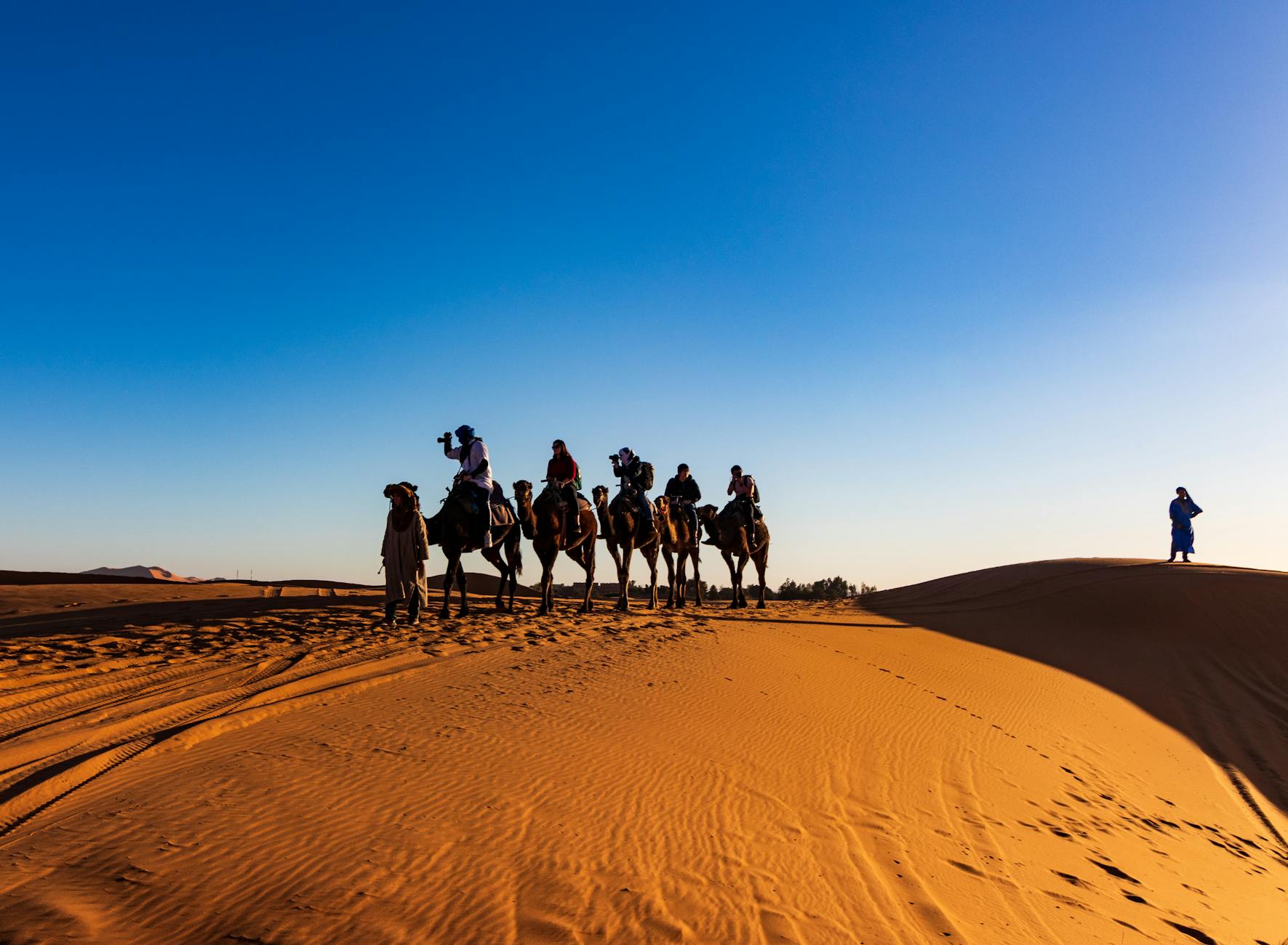
Long before the arrival of Phoenicians, Romans, and Arabs, the Imazighen—commonly referred to as Berbers, though they prefer their autonym meaning 'free men'—called the rugged landscapes of North Africa home. Stretching from the Atlantic coast to the Siwa Oasis in Egypt, and south into the Sahel, their culture is deeply intertwined with the very geography of Morocco. To truly understand Morocco is to understand the soul of the Amazigh people, whose resilience echoes through stone villages clinging to cliff sides, intricate silver jewelry, and the rhythmic beat of hand-carved drums.
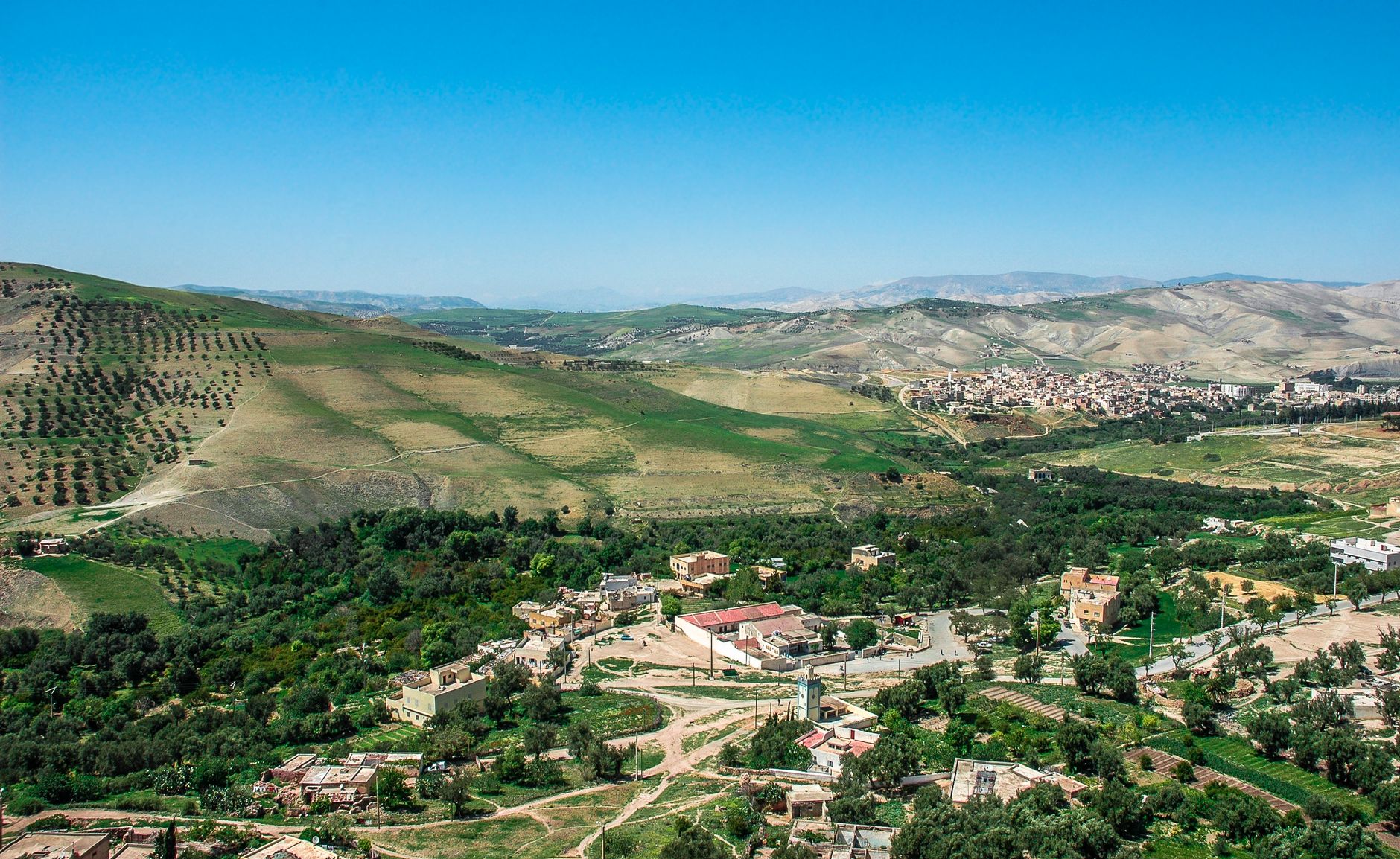
For travelers seeking an authentic connection, venturing into the High Atlas, Middle Atlas, and Anti-Atlas mountains reveals a world largely untouched by modern rushing. Planning your journey requires a respectful approach to local customs, which you can easily organize using our Voyage Roams Trip Planner.
Architecture of the Earth: High Atlas Villages
Driving past the fertile valleys of the Haouz plain, the landscape abruptly erupts into jagged peaks. Here, human habitation blends seamlessly with the earth. Traditional Amazigh villages—tigmian—are architectural marvels built from rammed earth (pisé), local stone, and massive timbers of walnut and juniper.
These homes are designed to withstand punishing extremes, offering natural insulation against freezing winter snows and scorching summer heat. Multi-generational families live under these roofs, sharing courtyard spaces where livestock graze and grain is milled by hand.
Cultural Pro-Tip: When exploring remote mountain settlements like Imlil or Tacheddirt, always hire a local certified guide from the village cooperative. It ensures your tourism dollars directly benefit the community and grants you deeper historical context into communal granaries (agadirs) that dot the ridges.
For a fully curated route through these alpine marvels, check out our Tested Itinerary Plan.
Culinary Traditions: Flavors of the Mountain
Tamazight cuisine is deeply comforting, relying heavily on seasonal agriculture, foraging, and slow-cooking techniques that maximize flavor with minimal intervention. Unlike the elaborate sweet-and-savory tagines found in imperial cities like Fes, mountain cooking focuses on robust, earthy ingredients.
- Tagine with Goat and Seasonal Vegetables: Slow-cooked over charcoal in a conical clay vessel, infused with mountain thyme, cumin, and garlic.
- Amlou: A powerhouse spread made from roasted almonds, argan oil, and wild honey, traditionally served at breakfast with warm barley bread (khobz).
- Berber Couscous: Hand-rolled semolina steamed over a bubbling broth of squash, carrots, turnips, and chickpeas, reserved for Fridays and festive gatherings.
Dive deeper into regional gastronomy through our comprehensive Food & Drink Highlights.
Textile Arts, Silver, and Symbolism
Every geometric pattern woven into an Amazigh rug (tazrabut) or hammered into silver fibulae holds a story. Far from mere decoration, these symbols act as a visual language expressing fertility, protection from the evil eye, tribal identity, and connection to nature.
The Language of Carpets
Women are the keepers of this artistic tradition. Weaving on upright wooden looms passed down through generations, mothers teach daughters the complex iconography of their specific clan—whether it be the Beni Ourain of the Middle Atlas known for their minimalist shaggy wool rugs, or the kaleidoscopic designs of the Taznakht carpets in the south.
Similarly, traditional Amazigh silverwork—crafted primarily by Jewish artisans in historical co-existence with Amazigh communities—results in breathtaking amber-studded necklaces, heavy bracelets, and headpieces that signify a woman's wealth, marital status, and social standing.
Festivals and the Rhythm of Amazigh Life
Music and dance are the lifeblood of communal celebrations. The Ahwach and Ahidous dances are hypnotic performances where men and women form concentric circles or lines, swaying shoulder-to-shoulder to the rhythmic accompaniment of bendir frame drums, poetry chanting, and metallic tambourines (qraqeb).
If your travels align with early summer, visiting the annual Imilchil Marriage Festival in the High Atlas offers a rare glimpse into ancestral betrothal customs of the Ait Haddidou tribe, where music, market trade, and community bonding converge.
Practical Takeaways for Travelers
- Language: While Moroccan Arabic (Darija) and French are widely spoken, learning a few words of Tamazight (Azul for hello, Tanemmirt for thank you) opens doors and hearts instantly.
- Respectful Dress: Mountain regions are culturally conservative. Dress modestly by covering shoulders and knees, especially when entering rural villages.
- Sustainable Spending: Purchase crafts directly from women's cooperatives (coopératives féminines) to support financial independence for local Amazigh women.
To discover more off-the-beaten-path destinations across North Africa and beyond, browse our Comprehensive Destination Guide.
Ready to Turn This Story Into Your Next Adventure?
Save places to your custom wishlist or map out a step-by-step day plan with Voyage Roams.
Elena Vance
Elena travels the globe reporting on cultural heritage, street food trails, and budget exploration for Voyage Roams.
Planning a trip to Morocco?
Discover verified places to visit, neighborhood recommendations, seasonality charts, and tested budgets in our comprehensive Morocco portal.