The Ultimate Barcelona Neighborhood Guide: Where to Stay, Eat, and Explore
From the Gothic labyrinth to modernist Eixample, decode Catalonia's vibrant districts with our insider's breakdown.

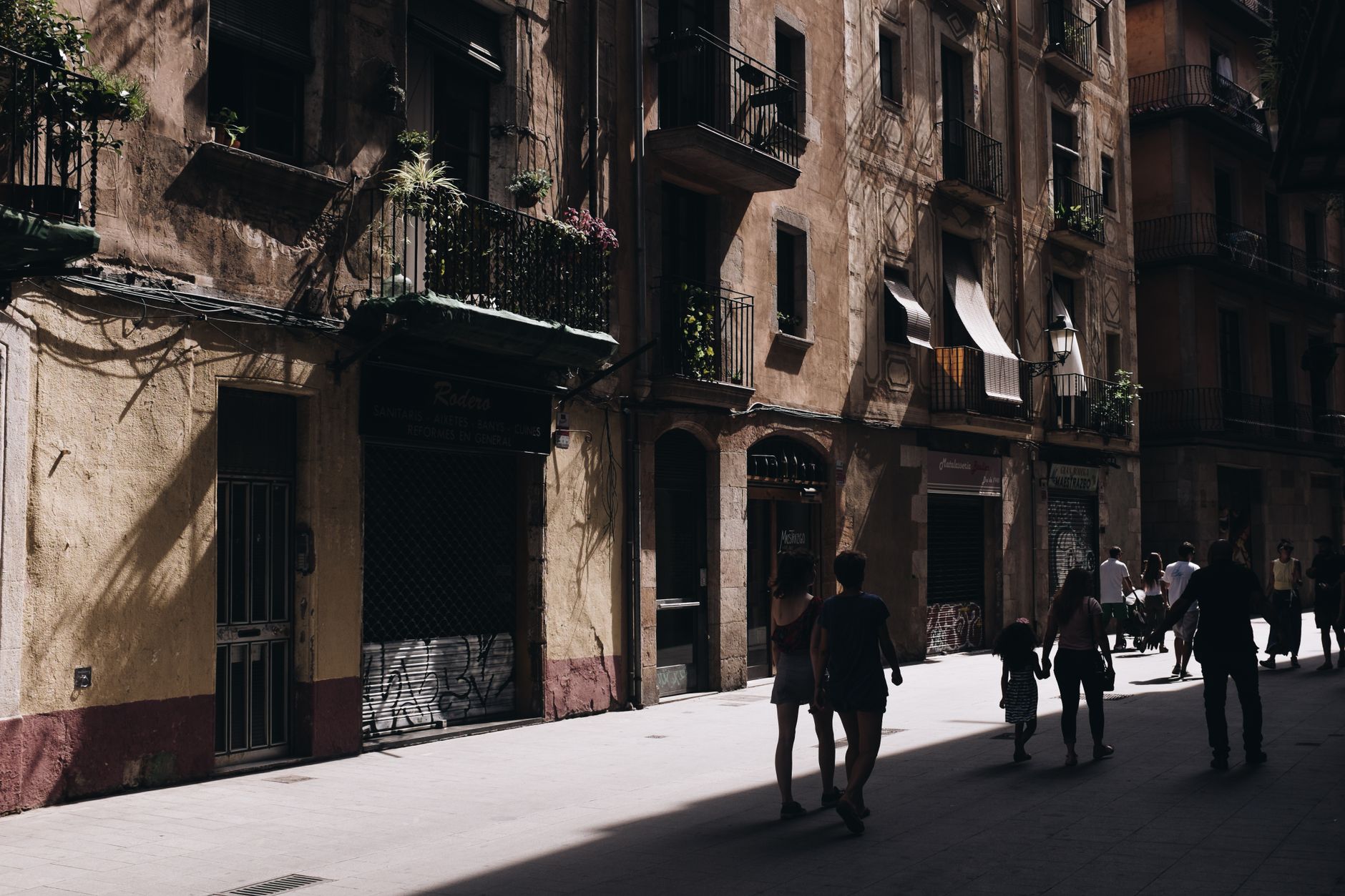
Introduction to Barcelona's Urban Fabric
Barcelona is not a monolith; it is a tapestry of distinct villages stitched together by grand boulevards and medieval alleys. Whether you are planning your first escape using our Voyage Roams Trip Planner or looking to dive deeper with a Tested Itinerary Plan, understanding the character of each barrio is essential. From the salt-kissed breezes of Barceloneta to the bohemian heights of Gràcia, every neighborhood tells a different story of Catalan identity, architecture, and gastronomy.
For a complete overview of regional logistics, visas, and overarching tips, consult our Comprehensive Guide. Otherwise, lace up your walking shoes as we break down where to stay, eat, and wander.
1. El Gòtic & El Born: The Medieval Heart
El Gòtic (The Gothic Quarter)
Defined by labyrinthine alleyways that date back to Roman times, El Gòtic is Barcelona's atmospheric historic center. Here, modern boutiques sit beside the 14th-century Cathedral of Barcelona. While it can teem with tourists, stepping just one street off the main thoroughfares reveals quiet, sun-dappled plazas like Plaça de Sant Felip Neri.
El Born (La Ribera)
Just across Via Laietana lies El Born, the sophisticated sibling to El Gòtic. Historically home to shipbuilders and merchants, today it boasts some of the city's finest concept stores, vermuterias, and the stunning Santa Maria del Mar basilica.
Cultural Pro-Tip: Skip the overpriced tourist traps on Plaça Reial. Duck into hidden alleyways in El Born to find tiny cellars serving authentic vermut with olive-stuffed gilda skewers.
2. Eixample: The Modernist Masterpiece
Conceived by urban planner Ildefons Cerdà in the 19th century, Eixample is an architectural marvel characterized by its rigid grid system and chamfered octagonal block corners. Split into Dreta de l'Eixample and Esquerra de l'Eixample, this is the epicenter of Catalan Modernisme.
- Passeig de Gràcia: The premier shopping avenue featuring Gaudí's masterpieces, Casa Batlló and La Pedrera (Casa Milà).
- Gastronomy: Eixample is a haven for food lovers, housing upscale restaurants as well as traditional tapas bars favored by locals.
For more culinary inspiration across the city, explore our curated Food & Drink Highlights.
3. Gràcia: The Independent Village
Until the late 19th century, Gràcia was an entirely separate town, and it retains that fierce village pride today. Pedestrianized plazas like Plaça del Sol and Plaça de la Virreina serve as open-air living rooms where locals gather from morning coffee until late-night drinks.
- Vibe: Bohemian, artistic, and fiercely local. You will hear more Catalan spoken here than Spanish.
- Architecture: Dominated by low-rise buildings and hidden gems like Gaudí’s whimsical Casa Vicens, his very first residential commission.
4. Poblenou & Barceloneta: The Coastal Districts
Barceloneta
Originally a humble fishing quarter, Barceloneta hugs the Mediterranean coastline. While the beach can get chaotic in peak summer, the neighborhood retains its rustic charm along narrow residential streets where laundry flutters overhead and legendary seafood shacks (chiringuitos) serve fresh-caught paella.
Poblenou
Once the industrial powerhouse of Catalonia (often called the "Catalan Manchester"), Poblenou has transformed into Barcelona's creative tech and design hub. Rambla del Poblenou is a gorgeous tree-lined pedestrian promenade leading directly to Bogatell Beach, offering a relaxed, authentic neighborhood feel far removed from the city center crowds.
5. Practical Takeaways & Budget Breakdown
Navigating Barcelona requires a balance of smart budgeting and situational awareness. To keep your trip affordable, explore our dedicated Budget Travel Guides.
- Getting Around: Skip single metro tickets and purchase a T-Casual card (10 multi-zone journeys) or a Hola Barcelona travel card.
- Dining Customs: Remember that lunch (comida) is the main meal of the day, usually served between 2:00 PM and 4:00 PM. Dinner rarely starts before 9:30 PM.
- Daily Budget Estimates:
- Budget Traveler: €50–€80/day (Hostel dorm, bakery breakfasts, menú del día lunch, public transit).
- Mid-Range Explorer: €120–€200/day (Boutique hotel, sit-down tapas dinners, museum entry fees, occasional taxis).
- Luxury Seeker: €300+/day (Five-star Eixample hotel, Michelin-starred dining, private tours).
Ready to Turn This Story Into Your Next Adventure?
Save places to your custom wishlist or map out a step-by-step day plan with Voyage Roams.
Elena Vance
Elena travels the globe reporting on cultural heritage, street food trails, and budget exploration for Voyage Roams.
Planning a trip to Barcelona?
Discover verified places to visit, neighborhood recommendations, seasonality charts, and tested budgets in our comprehensive Barcelona portal.
Related Stories & Guides
 destinations
When to Go: The Ultimate Guide to the Best Time to Visit Greece
 destinations
The Definitive Guide: Best Time to Visit Washington State for Every Traveler
 destinations