Cambodia is a land of striking contrasts, ancient stone temples swallowed by jungle roots, and warm, emerald-water coastlines. Deciding when to journey here depends largely on what you want out of your expedition—whether it is crisp morning light illuminating the spires of Angkor Wat or emerald-green countryside thriving during the rainy season. To build a personalized schedule around these weather patterns, use the Voyage Roams Trip Planner.
Understanding Cambodia's Climate: The Two Distinct Seasons
Cambodia experiences a tropical monsoon climate governed by two primary seasons: the dry season and the wet season. While temperatures remain consistently warm year-round—typically hovering between 25°C and 35°C (77°F to 95°F)—humidity and rainfall shift dramatically.
- The Dry Season (November to May): Characterized by low humidity, little to no rain, and glorious blue skies. This is peak tourism season.
- The Wet Season (June to October): Defined by afternoon tropical downpours, lush landscapes, and significantly fewer tourists.
For a deeper dive into how to pace your travels across these changing landscapes, explore our carefully curated Tested Itinerary Plan.
Peak Season: November to February (The Cool and Dry Months)
If you prefer comfortable walking weather and postcard-perfect blue skies, November through February is widely considered the best time to visit Cambodia. The Northeast Monsoon brings lower humidity and comfortable breezes, making it ideal for exploring archaeological sites on foot or bicycle.
Why Visit Now?
- Ideal Weather: Days are sunny and warm without the oppressive heat of the spring months.
- Festivals: Experience the vibrant Bon Om Touk (Water Festival) in November, featuring thrilling boat races along the Tonle Sap river.
Cultural Pro-Tip: Because this is peak season, iconic sites like Angkor Wat draw massive crowds. Arrive at the ticket booths by 5:00 AM or explore the lesser-known outer temples like Beng Mealea to escape the tour bus congestion.
Shoulder Season: March to May (The Hot Season)
As the dry season transitions into the wet season, temperatures climb steadily. April is routinely the hottest month of the year, with daytime temperatures frequently exceeding 38°C (100°F).
Navigating the Heat
While the heat can be intense, traveling during these months rewards you with thinner crowds at major heritage sites. It is also the time of Choul Chnam Thmey (Cambodian New Year), typically celebrated in mid-April. Cities and villages come alive with traditional games, water splashing in the streets, and festive street food markets.
If you are traveling on a strict budget, exploring Cambodia during this shoulder period often unlocks discounted hotel rates and promotional airfares. Check out our Budget Travel Guides for money-saving tips.
Green Season: June to October (The Monsoon Rains)
Often overlooked by casual tourists, the monsoon season is Cambodia's secret weapon for travelers seeking solitude, vivid photography, and lush scenery. Rain typically arrives in the form of heavy, dramatic afternoon downpours that last an hour or two, leaving the rest of the day fresh and dust-free.
The Magic of the Wet Season
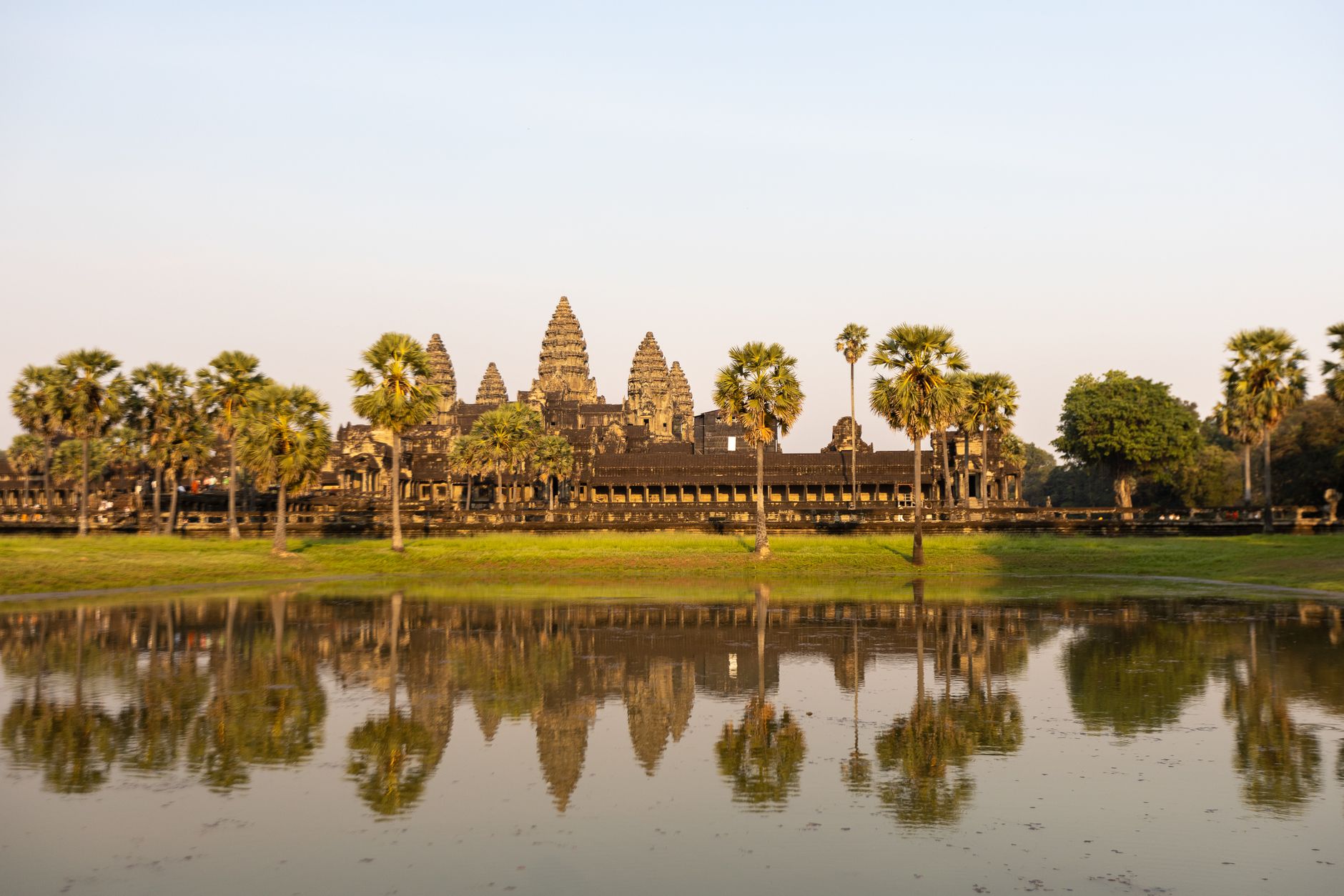
- Photographic Brilliance: The moat around Angkor Wat fills to the brim, creating stunning mirror reflections of the temple towers.
- Reduced Crowds: You may find yourself standing completely alone in ancient temple courtyards that are packed during January.
- Thriving Nature: Rice paddies turn an incandescent, neon green, and waterfalls in regions like Mondulkiri roar with renewed power.
Culinary and Regional Variations Across the Year
Cambodia’s weather impacts more than just sightseeing—it shapes local culinary traditions. When the rains arrive, river currents reverse, filling the Tonle Sap lake and creating a massive surge in freshwater fish. For food lovers, this is a prime time to sample authentic Amok Trey (steamed fish curry) and fresh river prawns. Discover more regional delicacies in our dedicated Food & Drink Highlights.
Coastal destinations like Koh Rong and Sihanoukville experience similar weather patterns, though sea conditions can become choppy during the peak of the monsoon in July and August, occasionally disrupting ferry schedules to the islands.
Practical Takeaways for Your Cambodia Trip
To ensure a seamless journey regardless of the month you choose, keep these final tips in mind:
- 1Pack Accordingly: Bring lightweight, breathable linen clothing for the hot season, and a durable, packable rain jacket if traveling between June and October.
- 2Stay Hydrated: Carry a reusable water bottle with a built-in filter to combat tropical dehydration.
- 3Book in Advance: If traveling during the peak months of December and January, secure your accommodations and internal transport several months ahead of time.