The Best Time to Visit Denmark: A Seasonal Guide to Hygge and Sunshine
From the sun-drenched beaches of Skagen to the cozy, candlelit Christmas markets of Copenhagen, discover the ultimate guide to timing your Danish adventure.

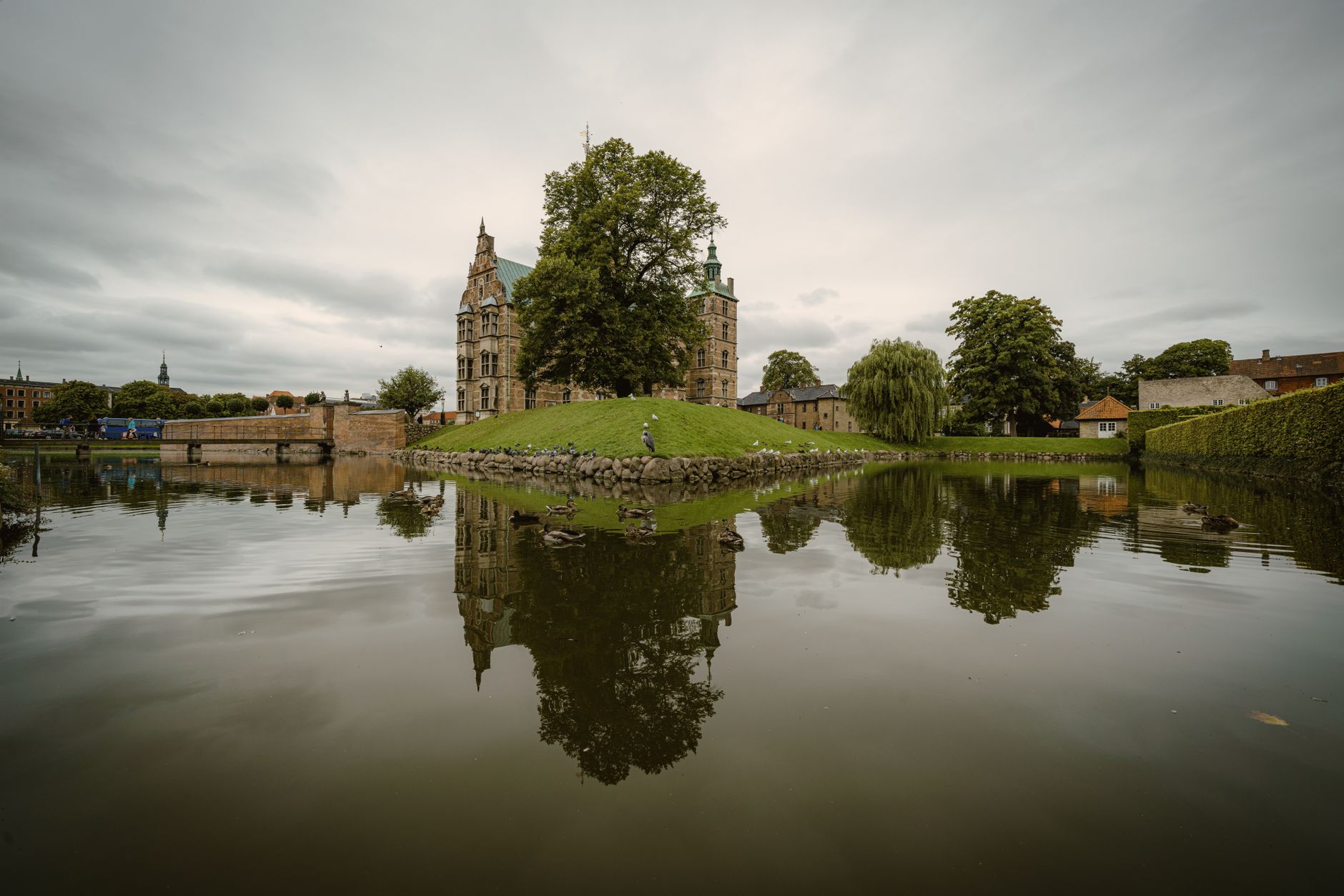
Denmark is a land of dramatic seasonal transformations. One month you are cycling along Copenhagen’s sparkling canals under a midnight twilight, and the next, you are seeking refuge in a candlelit café, cradling a warm mug of gløgg while rain patters against the windowpane.
Choosing when to visit this Scandinavian gem depends entirely on what you want to experience. Whether you are chasing the summer music festivals, embarking on a coastal road trip, or looking to experience the true meaning of hygge (the Danish concept of cozy contentment) during the winter holidays, timing is everything.
To help you plan, we have put together this definitive seasonal guide. For a complete overview of the country’s top attractions, check out our comprehensive destination guide, or jump straight into planning with our Voyage Roams Trip Planner.
1. The Golden Summer: June to August
Best for: Outdoor festivals, beach holidays, island hopping, and endless daylight.
Summer is undeniably the peak travel season in Denmark. During these months, the country shakes off its winter slumber and bursts into a vibrant, outdoor-centric paradise. With temperatures hovering between a pleasant 18°C and 25°C (64°F to 77°F) and daylight lasting up to 17 hours, Danes spend every spare moment outside.
What to Do:
- *Experience Midsummer (Sankthansaften):* On June 23rd, join locals on beaches and lakeside shores across the country to watch giant bonfires, sing traditional songs, and celebrate the summer solstice.
- Explore the Danish Riviera: Head north of Copenhagen to the sandy beaches of Hornbæk or visit the far northern tip of Jutland, Skagen, where the Baltic and North Seas meet.
- Festival Season: Denmark hosts world-class music events, most notably the Roskilde Festival (one of Europe’s largest music and arts festivals) and the Copenhagen Jazz Festival.
Local Pro-Tip: In summer, Copenhagen’s harbor baths (like Islands Brygge) are the social hubs of the city. Pack a swimsuit, grab some local pastries, and join the locals for a refreshing dip in the clean harbor water. After swimming, explore Denmark's culinary scene with our guide to food and drink highlights.
2. The Shoulder Seasons: Spring (April to May) & Autumn (September to October)
Best for: Cultural sightseeing, budget travelers, and crowd-free photography.
If you prefer to avoid crowds and high peak-season prices, the shoulder seasons are arguably the best times to visit Denmark.
Spring (April–May):
In spring, Denmark wakes up to cherry blossoms and fields of yellow rapeseed. While April can still bring a biting wind, May is often gorgeous, with mild weather and locals eagerly setting up outdoor cafe seating. It is the perfect time to explore the historic streets of Aarhus or visit Odense, the birthplace of Hans Christian Andersen.
Autumn (September–October):
Autumn brings a spectacular display of golden foliage, particularly in Denmark’s ancient beech forests like Rold Skov. The air turns crisp, and the country moves indoors, marking the beginning of the cozy season. September still offers decent daylight hours for exploring, while October brings the dramatic, misty coastal weather that is perfect for beachcombing and storm-watching.
To see how to weave these shoulder months into an efficient travel route, explore our perfectly timed itinerary.
3. The Cozy Winter: November to March
Best for: Christmas magic, museum hopping, and experiencing hygge.
Winter in Denmark is cold, dark, and damp, with temperatures averaging around 0°C to 4°C (32°F to 39°F) and the sun setting as early as 3:30 PM in December. However, do not let that deter you. This is the season when Denmark’s legendary hygge comes to life.
What to Do:
- Christmas Markets (November–December): Copenhagen’s historic amusement park, Tivoli Gardens, transforms into a glittering winter wonderland with thousands of fairy lights, wooden stalls, and hot spiced wine.
- The Copenhagen Light Festival (February): This month-long festival brightens the dark winter nights with stunning light installations along the canals and historic buildings.
- Museum Hopping: Cozy up inside world-class institutions like the Louisiana Museum of Modern Art or the National Museum of Denmark.
Winter Wardrobe Tip: The secret to surviving a Danish winter is layering. Invest in a high-quality, windproof and waterproof winter coat, a wool beanie, insulated gloves, and a sturdy pair of walking boots.
4. Seasonal Budget Breakdown
Denmark is notoriously expensive, but planning your trip around the right season can help keep your expenses in check. For more money-saving strategies across Europe, head over to our budget travel guides.
| Season | Accommodation Cost | Crowds | Weather | Best For |
| :--- | :--- | :--- | :--- | :--- |
| High Season (June–Aug) | Expensive (Peak Rates) | High | Warm & Sunny | Beaches, Festivals, Biking |
| Shoulder Season (Apr–May, Sept–Oct) | Moderate | Medium to Low | Cool & Variable | City Breaks, Museums, Foliage |
| Low Season (Nov–Mar) | Budget-friendly (except Dec) | Low | Cold & Dark | Hygge, Christmas Markets |
5. Traveler's FAQ & Practical Takeaways
What is the absolute best month to visit Denmark?
If you want the best balance of warm weather, long days, and active outdoor life, June is the absolute best month. The summer crowds are not as dense as they are in July and August, and the country is alive with midsummer celebrations.
When is the cheapest time to fly to Denmark?
The cheapest time to visit is during the late winter and early spring shoulder months of January, February, and March. You will find the lowest rates on hotels and flights, though some outdoor attractions and regional ferries may operate on reduced schedules.
How many days do I need in Denmark?
To fully experience Copenhagen and take a quick day trip to historic Roskilde or Kronborg Castle (the setting of Shakespeare's Hamlet), 4 to 5 days is ideal. If you want to explore the Jutland peninsula or the island of Funen, plan for 7 to 10 days.
Is Denmark rainy year-round?
Yes, rain is common in Denmark throughout the year. August and October tend to be the wettest months, while February is historically the driest. Always pack an umbrella or a waterproof jacket, regardless of when you visit!
Ready to Turn This Story Into Your Next Adventure?
Save places to your custom wishlist or map out a step-by-step day plan with Voyage Roams.
Elena Vance
Elena travels the globe reporting on cultural heritage, street food trails, and budget exploration for Voyage Roams.
Related Stories & Guides
 destinations
The Ultimate Guide to the Best Beaches in Chile: Pacific Coastlines & Hidden Coves
 destinations
The Most Beautiful Places to Visit in New Zealand
 destinations