When is the Best Time to Visit Dublin? A Season-by-Season Guide
Navigate Ireland's vibrant capital through shoulder seasons, festival peaks, and cozy winter escapes.

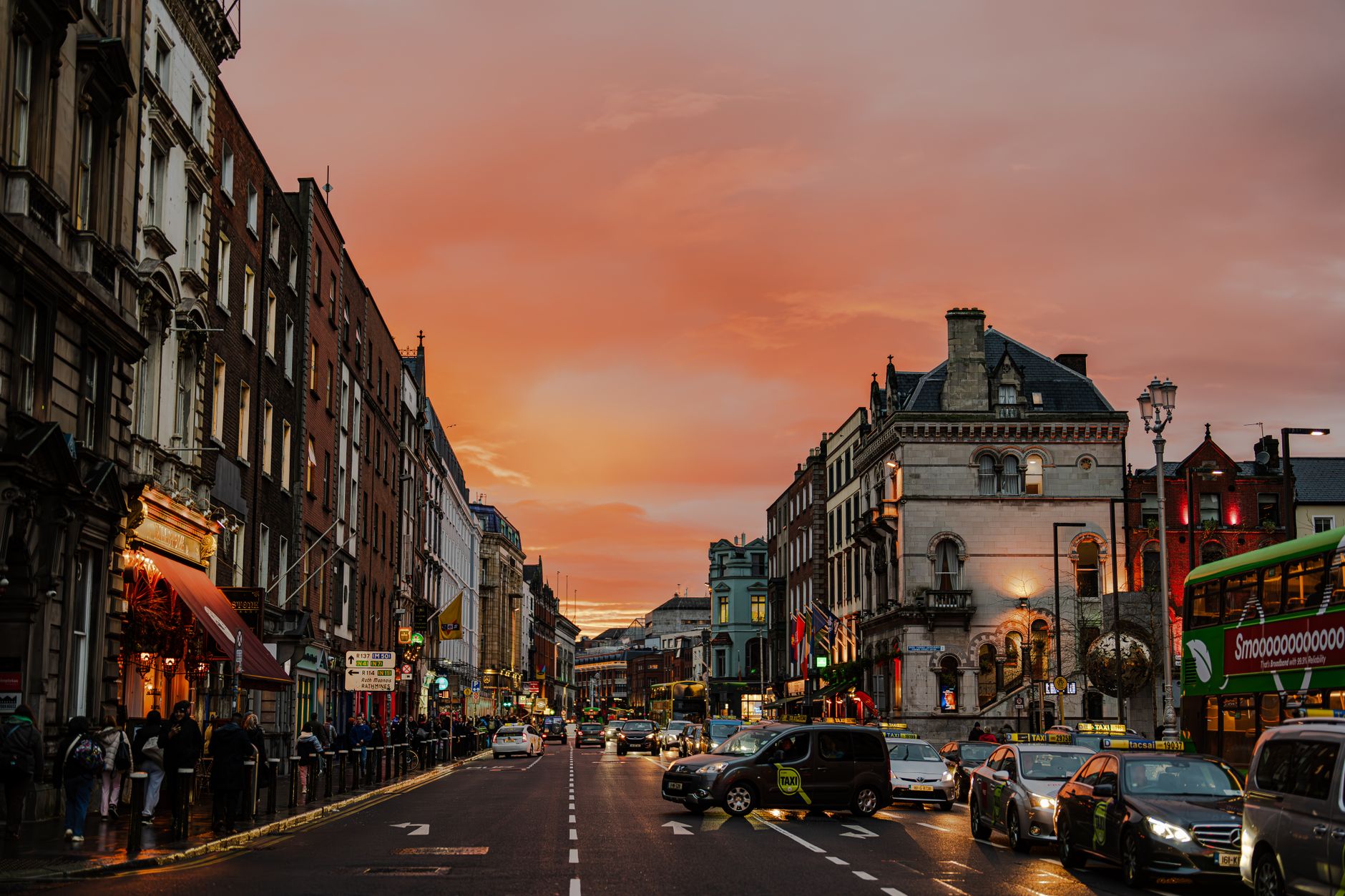
Dublin is a city of stories, where every cobblestone whispers tales of literary giants, Viking settlers, and musical legends. But timing your trip right can transform your experience from a soggy, crowded weekend into an unforgettable Celtic adventure. Whether you are chasing long summer days or moody winter hearths, this guide breaks down the best time to experience the Irish capital.
For a broader overview of the city's top sights, explore our Comprehensive Guide. To map out your days efficiently, take a look at our Tested Itinerary Plan.
Spring (March to May): Blossoms and Cultural Awakening
Spring is arguably one of the best times to experience Dublin. The city thaws from the damp winter chill, parks like St. Stephen’s Green burst into vibrant color, and the tourist crowds have yet to peak.
- Weather: Crisp and refreshing, with daytime temperatures averaging 10°C to 15°C (50°F to 59°F).
- Highlights: St. Patrick’s Festival in mid-March turns the entire city into a massive, multi-day celebration of Irish arts, parades, and music.
- Crowds: Moderate, though hotel rates spike sharply during St. Patrick's weekend.
Cultural Pro-Tip: Skip the overcrowded tourist traps on St. Patrick’s Day and head over to Smithfield for local community parades and traditional music sessions in neighborhood pubs.
Summer (June to August): Festivals, Sunlight, and Peak Energy
Summer brings long, lingering daylight—often with the sun setting past 10:00 PM—and an electric outdoor energy. Sidewalk cafes spill onto the streets, and open-air concerts fill historic parks.
- Weather: The warmest of the year, averaging 18°C to 20°C (64°F to 68°F), though sudden Atlantic showers are always possible.
- Highlights: Outdoor festivals, Bloom in the Park horticulture event, and Bram Stoker-themed summer events.
- Crowds: High. Expect peak pricing for flights and accommodation, and book major attractions like the Book of Kells months in advance.
If you are watching your spending during the high season, consult our Budget Travel Guides for smart ways to save on dining and transport.
Autumn (September to November): Cozy Pubs and Literary Feasts
As the summer crowds disperse, Dublin shifts into a cozy, contemplative gear. The golden autumn leaves frame the Georgian architecture, and the cultural calendar kicks into high gear.
- Weather: Cool and atmospheric, dropping from 14°C down to 9°C (57°F to 48°F).
- Highlights: Culture Night in September, when museums, galleries, and historic buildings open their doors for free late-night events.
- Crowds: Low to moderate, offering a more authentic, relaxed pace for exploring.
Winter (December to February): Festive Lights and Hearthside Sessions
Winter in Dublin is all about "craic"—the uniquely Irish blend of fun, conversation, and music. While the days are short, the city sparkles with festive holiday lights along Grafton Street and Henry Street.
- Weather: Chilly and damp, with temperatures hovering around 5°C to 8°C (41°F to 46°F).
- Highlights: Traditional Christmas markets, cozy pub sessions by roaring turf fires, and the Dublin New Year's Festival.
- Crowds: Low, outside of the immediate Christmas and New Year holiday weeks.
For culinary inspiration during the colder months—from hearty beef and Guinness stews to modern Irish dining—check out our curated Food & Drink Highlights.
Budget Breakdown Across Seasons
Planning your finances is crucial when visiting Dublin, as pricing fluctuates dramatically depending on the month.
- 1High Season (June–August & St. Patrick's Week): Highest hotel rates, airfares, and tour prices. Expect to pay upwards of €180–€300+ per night for a central mid-range hotel.
- 2Shoulder Season (April–May & September–October): The sweet spot. Flights and accommodations drop by 20% to 30%, and weather remains pleasant.
- 3Low Season (November–February, excluding holidays): Best deals on accommodation. Many boutique hotels offer winter packages that include spa access or dining credits.
Traveler's Practical FAQ
- What is the absolute best month to visit? May and September offer the ideal combination of manageable crowds, pleasant weather, and vibrant cultural events.
- Do I need a car in Dublin? No. Dublin is a remarkably walkable city with an efficient public transit network, including the DART (coastal train) and Luas (tram system).
- How should I pack? Always pack layers and a high-quality waterproof jacket. Irish weather can transition from brilliant sunshine to a sudden shower in minutes.
Ready to build your dream itinerary? Use the interactive Voyage Roams Trip Planner to customize your Dublin getaway based on your personal travel style and budget.
Ready to Turn This Story Into Your Next Adventure?
Save places to your custom wishlist or map out a step-by-step day plan with Voyage Roams.
Elena Vance
Elena travels the globe reporting on cultural heritage, street food trails, and budget exploration for Voyage Roams.
Related Stories & Guides
 destinations
The Complete Guide to Mexico Visa and Entry Requirements
 destinations
Chasing Petals: The Ultimate Guide to the Best US Cherry Blossom Destinations
 destinations