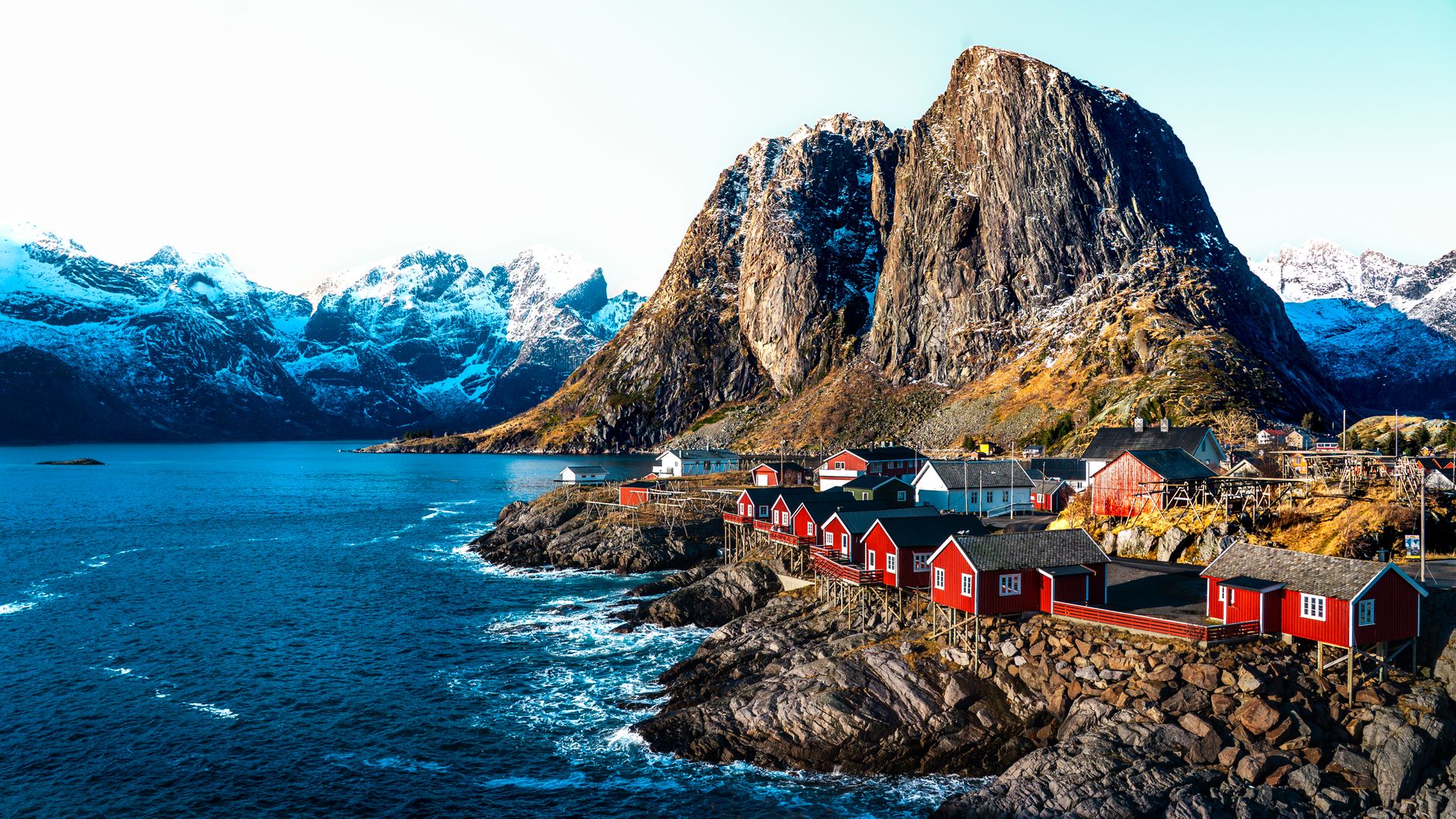
The Ultimate Guide: Best Time to Visit Hawaii for Every Traveler
Discover the ideal months for perfect weather, smaller crowds, whale watching, and epic surf on the islands.


Introduction: Chasing the Aloha Spirit
Deciding when to pack your bags for the Hawaiian archipelago depends entirely on what kind of traveler you are. Do you dream of towering winter swells on the North Shore, or are you seeking tranquil summer waters ideal for snorkeling with sea turtles? While Hawaii is a year-round paradise, understanding its microclimates and seasonal rhythms is the secret to an unforgettable journey. Before booking your flights, map out your must-see spots using our Voyage Roams Trip Planner.
High Season vs. Low Season: Weather and Crowds
Hawaii essentially experiences two primary seasons: summer (mid-April to October) and winter (November to mid-April).
- High Season (Winter & Holidays): Mid-December through March brings mainland travelers escaping the cold. Expect peak hotel rates, packed beaches, and a vibrant festive atmosphere, particularly on Maui and O'ahu.
- Shoulder Season (Spring & Fall): April to May and September to November are widely considered the sweet spots. Weather is glorious, room rates drop significantly, and popular trails are blissfully uncrowded.
- Low Season (Summer): Temperatures rise, trade winds cool things down, and families vacation during school breaks. It's warm, dry, and ideal for water sports.
Cultural Pro-Tip: Traveling during the shoulder months not only saves you money but also respects local infrastructure by diffusing tourism density. For more ways to save, browse our Budget Travel Guides.
Winter (December – February): Big Surf and Majestic Whales
Winter transforms Hawaii's northern shores into an adrenaline-pumping amphitheater. North swells produce legendary waves that attract the world's elite surfers, particularly at Oahu's Banzai Pipeline.
At the same time, thousands of endangered humpback whales migrate from Alaska to the warm, shallow waters of the Auau Channel between Maui, Molokai, and Lanai. Booking a catamaran tour during these months is an absolute must.
- Pros: Peak whale watching, dramatic surf exhibitions, festive holiday ambiance.
- Cons: Highest accommodation prices, frequent rain showers on windward (eastern) coasts, packed rental car lots.
Spring (March – May): Blooming Landscapes and Perfect Temps
Spring is arguably the most pleasant time to explore the islands. Rainfall decreases, temperatures hover comfortably in the mid-80s (°F), and the island flora is in full, vibrant bloom following winter rains.
If you are planning an active holiday, consult our meticulously Tested Itinerary Plan to maximize your spring adventure across multiple islands.
Summer (June – August): Ultimate Beach Days and Snorkeling
Summer brings calm, crystal-clear ocean conditions to the northern and western shores, making it the premier season for snorkeling, paddleboarding, and swimming. Molokini Crater off Maui and Hanauma Bay on O'ahu offer underwater visibility that stretches for dozens of feet.
- Pros: Warmest ocean temperatures, calmest seas for swimming, great for family travel.
- Cons: Higher humidity, peak family travel rates in July and August, afternoon sun can be intense.
Secret Spot: Skip the crowded beaches of Waikiki in the summer and head to the secluded coves of Kauai's West Side, where the waters remain glassy and locals gather for sunset.
Fall (September – November): Warm Waters and Empty Trails
Often called the 'magic window,' autumn in Hawaii offers warm ocean temperatures left over from summer combined with a dramatic drop in tourist numbers after Labor Day. Hiking trails in Volcanoes National Park on the Big Island or traversing the Kalalau Trail on Kauai are infinitely more enjoyable without the summer rush.
To dive deeper into specific island highlights, explore our comprehensive Comprehensive Guide.
Practical Traveler's Takeaways
- Best Overall Time to Visit: April to May and September to November offer the ideal balance of great weather, fewer crowds, and fair pricing.
- Best for Surfing: November through February (North Shores).
- Best for Whale Watching: January through March.
- Best for Budget Travelers: Late April (after Spring Break, before Memorial Day) and September to October.
Ready to Turn This Story Into Your Next Adventure?
Save places to your custom wishlist or map out a step-by-step day plan with Voyage Roams.
Elena Vance
Elena travels the globe reporting on cultural heritage, street food trails, and budget exploration for Voyage Roams.