Introduction: Decoding the Japanese Calendar
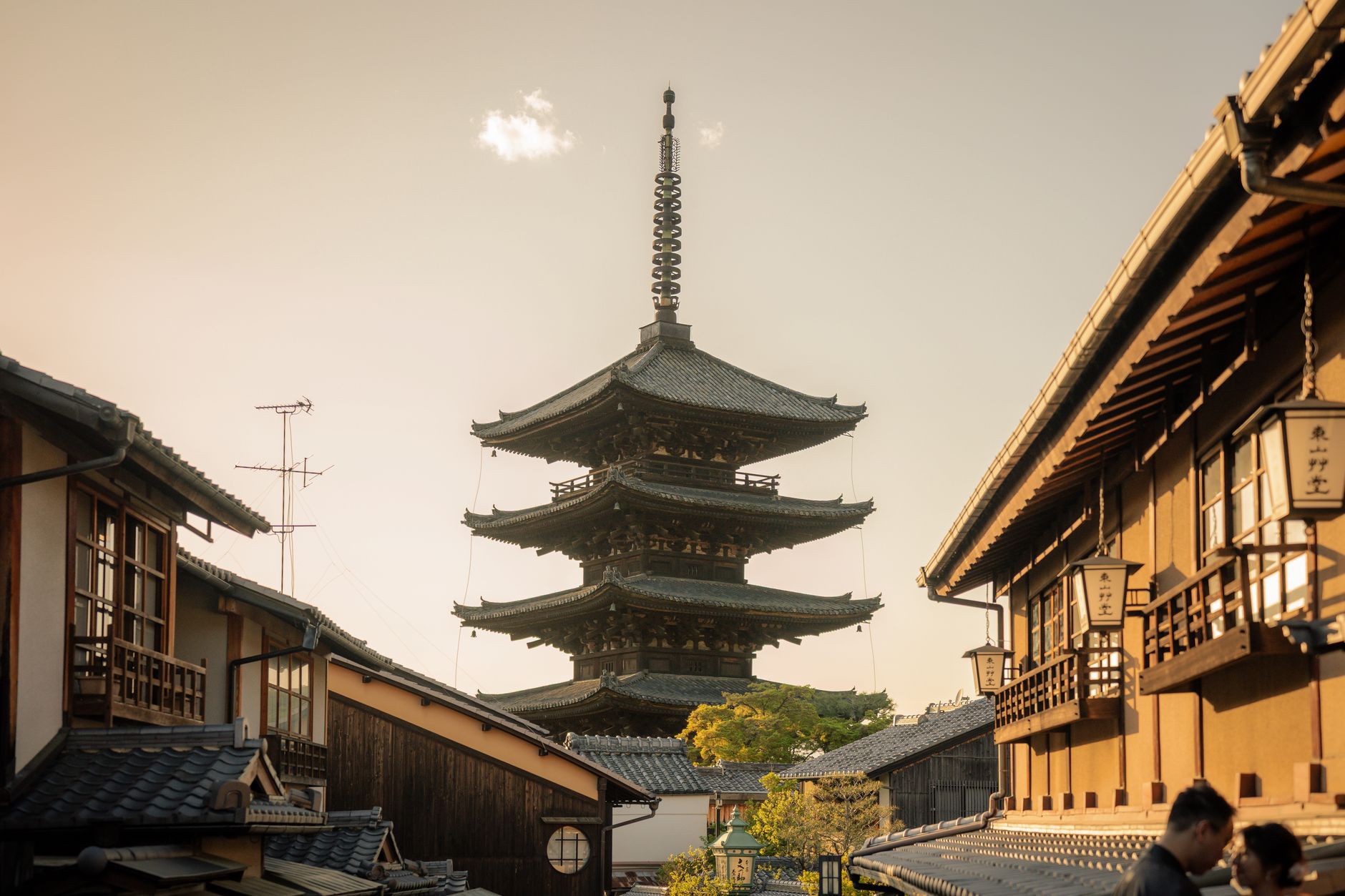
Planning a journey to the Land of the Rising Sun requires more than just booking a flight; it demands a careful calibration with nature. Japan is a country defined by its dramatic micro-seasons, where the landscape transforms overnight from snow-draped alpine wonderlands to pastel oceans of cherry blossoms. Whether you are crafting a bespoke itinerary using our Tested Itinerary Plan or diving deep into our Comprehensive Guide, timing is everything.
To help you anchor your travel dates, let's break down Japan's four distinct seasons, revealing when to find the best weather, the lowest crowds, and the most immersive cultural experiences.
Spring (March to May): Cherry Blossoms and Mild Weather
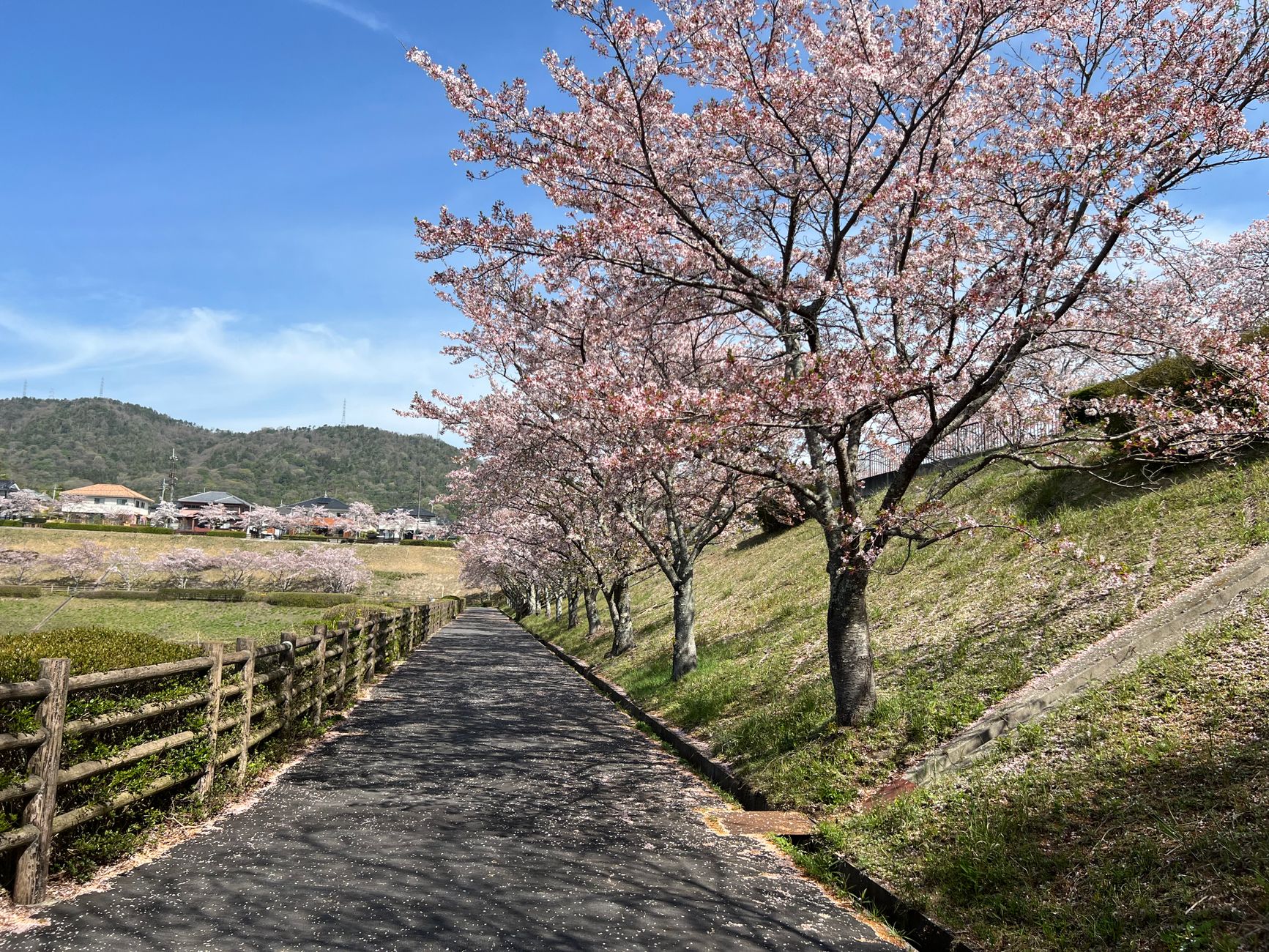
Spring is undeniably the crown jewel of Japanese tourism. Beginning in late March and rolling through April, the country erupts in sakura (cherry blossoms). This is a period of immense national celebration, known as hanami (flower viewing).
- Weather: Crisp, sunny days with average temperatures ranging from 10°C to 20°C (50°F–68°F).
- Crowds: Exceptionally high. Hotels book out months in advance, and iconic spots like Kyoto's Philosopher's Path or Tokyo's Ueno Park swarm with travelers.
- Best For: Photography enthusiasts, garden lovers, and first-time visitors seeking iconic scenery.
Cultural Pro-Tip: To escape the tourist crush during peak sakura season, skip Kyoto and head to northern destinations like Hirosaki Castle in Aomori or Kakunodate, where historic samurai districts frame thousands of blooming trees in serene solitude.
Summer (June to August): Festivals, Peaks, and Humidity
Summer in Japan is hot, humid, and vibrant. While June brings the tsuyu (rainy season) to the mainland—excluding Hokkaido—July and August burst open with high-energy festivals (matsuri) and incredible mountain hiking opportunities.
- Weather: Hot and sticky, with temperatures frequently topping 35°C (95°F) in urban centers like Tokyo and Kyoto.
- Crowds: Moderate in cities, but heavy around coastal resorts and mountain trails during the Obon festival in August.
- Best For: Festival chasers, outdoor adventurers tackling the Northern Alps, and budget-conscious travelers willing to brave the heat.
For those looking to balance costs during warmer months, explore our curated Budget Travel Guides for money-saving hacks.
Autumn (September to November): The Reign of Foliage
Ask seasoned Japan travelers for their favorite season, and many will whisper: autumn. Known as koyo or momiji, the turning of the leaves from emerald to fiery crimson and gold rivals spring in its sheer visual splendor.
- Weather: Cool, crisp, and stable. Ideal conditions for walking city streets and mountain trails.
- Crowds: High, particularly in October and November, though generally more manageable than spring.
- Best For: Foodies sampling autumn harvests, hikers, and landscape photographers.
Secret Spot: While Kyoto's autumn temples are legendary, the mountain gorges of Nikko and the rugged trails of Daisetsuzan National Park in Hokkaido offer equally breathtaking foliage with a fraction of the foot traffic.
Winter (December to February): Powder Snow and Onsen Bliss
Winter transforms northern Japan and the mountainous interior into a silent, snow-covered paradise. Hokkaido boasts some of the finest powder snow on the planet, drawing skiers and snowboarders from across the globe, while Honshu's hot springs (onsen) offer steaming sanctuaries against the chill.
- Weather: Bitterly cold in the north and mountains; crisp and clear in Tokyo and Kyoto.
- Crowds: Low in major cities (except around New Year), but high in ski hubs like Niseko and Hakuba.
- Best For: Skiers, snowboarders, luxury travelers seeking traditional ryokan stays, and anyone eager to savor authentic Japanese comfort food.
Dive into local culinary traditions by exploring our dedicated Food & Drink Highlights section.
Practical Takeaways: When Should You Go?
Choosing the ideal month depends entirely on your travel style and priorities. Use the following breakdown to lock in your dates:
- 1For First-Timers: Late March to mid-April (Cherry Blossoms) or October to November (Autumn Leaves).
- 2For Budget Travelers: January to February (post-New Year) or June (rainy season, lower hotel rates).
- 3For Outdoor Enthusiasts: July to August (Mount Fuji climbing season) or January to February (Skiing).
Ready to map out your adventure? Use our interactive Voyage Roams Trip Planner to build a custom itinerary tailored to your preferred season.