Best Time to Visit Moab: A Seasonal Guide
Navigate red rock country with our insider breakdown of weather, crowds, and prime adventure windows.

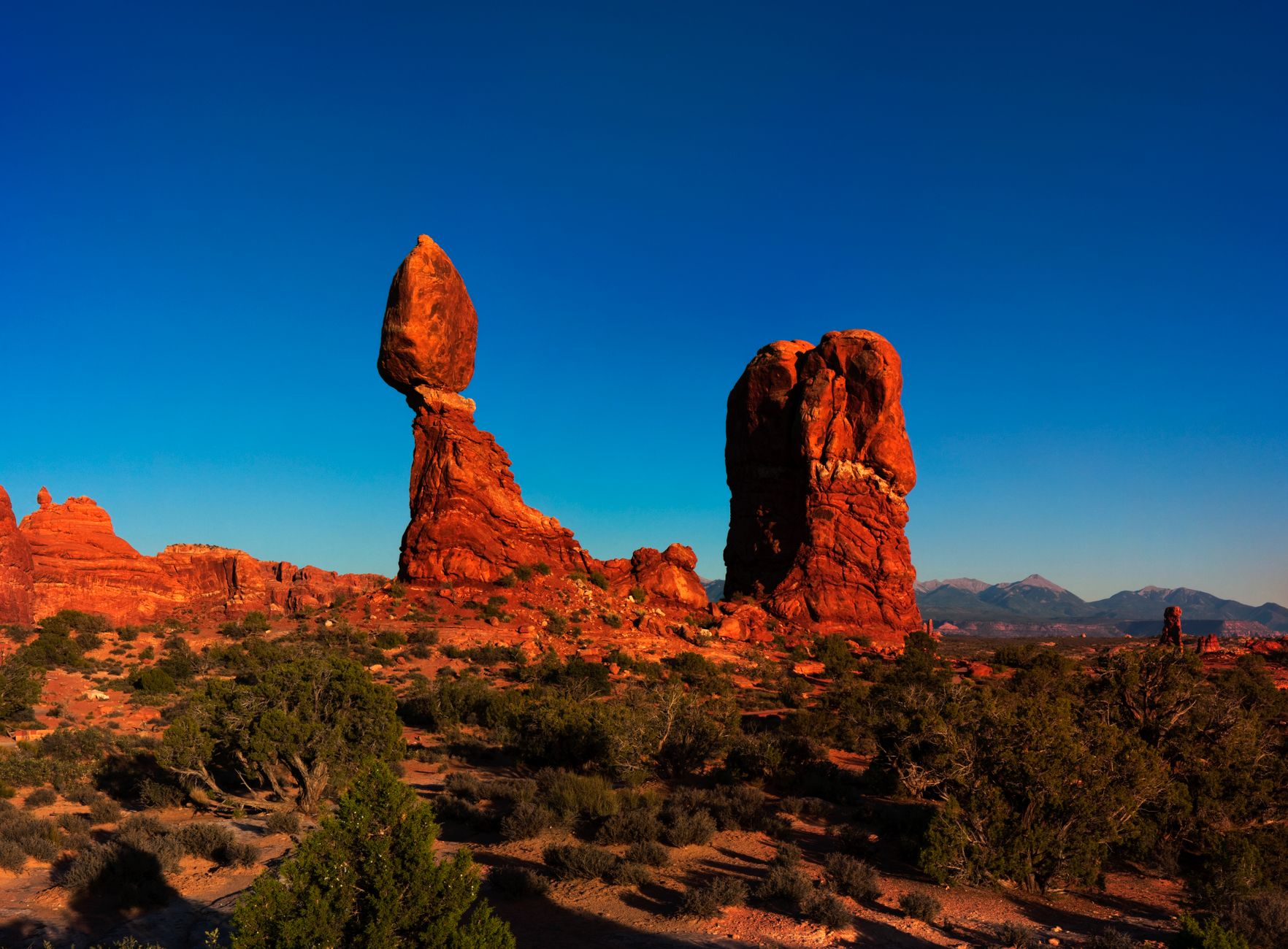
Introduction to Moab's Desert Rhythm
Nestled in the high desert of southeastern Utah, Moab is a mythical mecca for outdoor enthusiasts, photographers, and road-trippers alike. Flanked by the iconic stone monoliths of Arches National Park and the sheer sandstone canyons of Canyonlands, timing your journey here can make the difference between a serene wilderness retreat and a sweltering, gridlocked marathon. Before you pack your hiking boots, use the Voyage Roams Trip Planner to map out your desert logistics.
Whether you are chasing golden-hour light across Delicate Arch or testing your mountain biking prowess on the legendary Slickrock Trail, understanding Moab’s dramatic seasonal shifts is essential. For a broader look at desert itineraries, check out our Tested Itinerary Plan.
Spring (March to May): The Prime Adventure Window
Spring is widely considered the crown jewel of the Moab calendar. Daytime temperatures hover comfortably in the 60s and 70s, making it the ultimate season for strenuous hikes and multi-pitch climbing.
- March: Crisp mornings give way to pleasant afternoons, though winter winds can occasionally sweep through the canyons.
- April: Wildflowers begin to peek through the cryptobiotic soil, and the landscape bursts with vibrant contrast against the red stone.
- May: Temperatures rise into the upper 70s and low 80s. This is peak season, meaning park congestion reaches its annual crescendo.
Cultural Pro-Tip: Because spring brings high demand, Arches National Park utilizes a timed-entry reservation system. Secure your vehicle pass months in advance to avoid being turned away at the gate.
Summer (June to August): Surviving the Scorching Heat
Summer in Moab is not for the faint of heart. Temperatures routinely soar past 100°F (38°C), turning the canyon floors into natural convection ovens. However, for well-prepared travelers, summer offers empty trails at sunrise and brilliant stargazing by night.
- Early Mornings are Mandatory: Hit the trails by 6:00 AM to finish hiking before the brutal midday sun peaks.
- Water Activities: The nearby Colorado River becomes the star of the show. Paddleboarding, rafting, and jet-boating offer refreshing escapes from the heat.
- Stargazing: Moab is home to some of the darkest skies in the country. Summer nights are warm enough for late-night astronomy sessions.
For those traveling on a tighter wallet during shoulder months, review our expert advice on Budget Travel Guides to save on summer gear rentals and lodging.
Autumn (September to November): The Photographer's Golden Hour
As the summer heat relinquishes its grip, autumn steps in as Moab's most visually stunning season. September mirrors the pleasant temperatures of spring, while October and November introduce crisp, cool air and stunning fall foliage along the river corridors.
- September: Crowds begin to thin out from the summer rush, and river flows stabilize.
- October: The cottonwood trees along the Colorado River turn a brilliant golden-yellow, contrasting sharply against the red rock towers.
- November: Temperatures drop significantly, bringing peaceful solitude to the national parks, though nights can dip below freezing.
If you want to dive deeper into the region's breathtaking landscapes, read our Comprehensive Guide for hidden overlooks and secret trailheads.
Winter (December to February): Solitude and Snow-Dusted Red Rocks
Winter in Moab is an entirely different universe. Snow dustings transform the red sandstone into a surreal holiday postcard, with crimson arches capped in pristine white powder.
- Unmatched Solitude: You may find yourself with popular arches and viewpoints entirely to yourself.
- Budget-Friendly: Accommodation rates and rental cars hit their lowest annual prices.
- Variable Weather: Roads can occasionally become icy, and certain unpaved backcountry routes become impassable.
Summary: When Should You Go?
Ultimately, the best time to visit depends on your tolerance for heat and crowds:
- 1Best Overall Experience: April and October for perfect weather and vibrant scenery.
- 2Best for Budget Travelers: December through February for deep lodging discounts.
- 3Best for River Runners: June through August for maximum aquatic adventure.
Practical Takeaways
- Hydration is Key: The desert air dehydrates you rapidly. Carry at least one gallon of water per person, per day.
- Protect the Soil: Never step on biological soil crusts; they take centuries to form.
- Book Early: Regardless of the season, prime campsites and hotels book out up to six months in advance.
Ready to Turn This Story Into Your Next Adventure?
Save places to your custom wishlist or map out a step-by-step day plan with Voyage Roams.
Elena Vance
Elena travels the globe reporting on cultural heritage, street food trails, and budget exploration for Voyage Roams.
Related Stories & Guides
 destinations
San Francisco vs Los Angeles: The Ultimate California City Comparison Guide
 destinations
The Ultimate Albania First-Time Visitor's Guide: Unlocking Europe's Best-Kept Secret
 destinations