
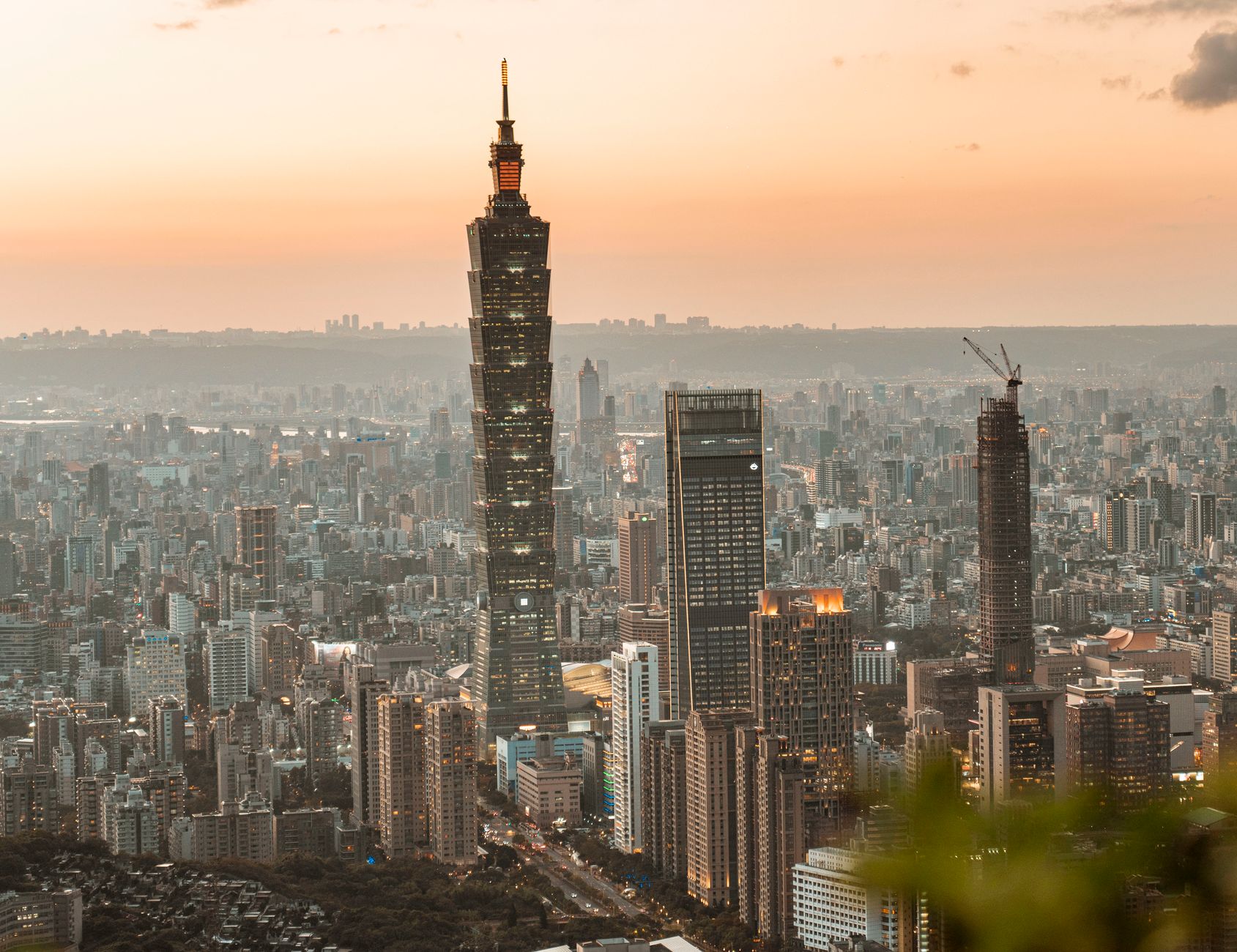
Introduction: The Ever-Changing Charm of Formosa
Taiwan, historically known as Ilha Formosa ("Beautiful Island"), is a land of dramatic contrasts. Within its compact borders, you will find neon-lit 21st-century metropolises, mist-shrouded alpine peaks rising over 3,000 meters, and tropical white-sand beaches. Because of this diverse topography, deciding on the best time to visit Taiwan depends entirely on what you want to experience.
Are you looking to hike through the marble walls of Taroko Gorge under clear skies, soak in steaming sulfur baths while winter winds howl, or feast on street food during a neon-drenched summer night? Before booking your flights, check out our Comprehensive Guide to Taiwan to orient yourself, or map out your day-by-day route using our 10-Day Taiwan Itinerary Plan.
Here is our deep-dive, seasonally broken down guide to help you choose the perfect window for your Taiwanese adventure.
1. Autumn (September to November) – The Golden Window
Ask any seasoned traveler or local, and they will likely tell you that autumn is the absolute best time to visit Taiwan. During these months, the oppressive humidity of the summer lifts, leaving behind crisp air, exceptionally clear skies, and comfortable temperatures ranging from 22°C to 28°C (71°F to 82°F).
Why Autumn is Unbeatable:
- Perfect Hiking Weather: This is the prime season to tackle Taiwan's world-class peaks. If you are aiming to hike Yushan (Jade Mountain) or explore the dramatic cliffs of the east coast, autumn offers the most stable atmospheric conditions. For those seeking high-altitude thrills, explore our curated Adventure Trails Guide.
- Mid-Autumn Festival (Moon Festival): Occurring in late September or early October, this national holiday transforms the country. The air smells of barbecued meats, as families gather on sidewalks to grill, eat pomelos, and share sweet mooncakes under the brightest full moon of the year.
- Sun Moon Lake Fireworks Festival: Held annually in October or November, this event pairs classical music and spectacular fireworks over the reflective waters of Taiwan's most famous alpine lake.
Cultural Pro-Tip: Autumn is highly popular for local tourism. If you plan to visit Sun Moon Lake or Alishan during October or November, book your accommodation and high-speed rail tickets at least one month in advance.
2. Spring (March to May) – Cherry Blossoms and Mild Breezes
Spring in Taiwan is a poetic season of renewal, marked by mild temperatures and blooming flora. Temperatures hover around a pleasant 20°C to 25°C (68°F to 77°F), making it an excellent time for urban exploration and cycling.
Highlights of Spring:
- Cherry Blossom Season (Sakura): You do not need to go to Japan to experience stunning cherry blossoms. From late January through March, Taiwan's mountainsides pinken with blossoms. The best viewing spots include Yangmingshan National Park (just outside Taipei), the Alishan Forest Recreation Area, and Wuling Farm.
- The Matsu Pilgrimage: Held around April (the 23rd day of the third lunar month), this is one of the world's largest religious festivals. Millions of devotees follow the statue of the sea goddess Matsu across central Taiwan in a spectacular, noisy parade of firecrackers, palanquins, and traditional theater.
The "Plum Rain" Caveat:
By late May, Taiwan enters the Meiyu (Plum Rain) season. This is characterized by persistent afternoon downpours and high humidity as warm air masses from the south collide with cooler northern fronts. Pack a sturdy umbrella and lightweight waterproof layers if traveling during this transition.
3. Winter (December to February) – Hot Springs and Lantern Festivals
Winter in Taiwan is mild compared to mainland East Asia, with temperatures in Taipei averaging 15°C to 18°C (59°F to 64°F). However, the damp northern winds can make it feel much colder than the thermometer suggests. In the south (Kaohsiung and Kenting), winter remains pleasantly warm and dry.
The Ultimate Winter Experiences:
- Hot Spring Culture: Taiwan boasts one of the highest concentrations of thermal springs in the world. Spend cold winter afternoons soaking in the sulfuric waters of Beitou, the sodium-bicarbonate "beauty springs" of Wulai, or the rare mud springs of Guanziling.
- The Pingxi Sky Lantern Festival: Held during the first full moon of the Lunar New Year (usually February), thousands of glowing paper lanterns carrying written wishes are launched simultaneously into the night sky over the mountain town of Pingxi. It is an unforgettable, deeply emotional spectacle.
- Lunar New Year: While incredibly festive, keep in mind that many family-run shops, night markets, and restaurants close for the first three days of the Lunar New Year. Transport is also heavily congested.
To customize your seasonal route and ensure you don't miss out on these winter festivals, try the interactive Voyage Roams Trip Planner.
4. Summer (June to August) – Festivals, Typhoons, and High-Altitude Escapes
Summer in Taiwan is hot, humid, and energetic. Temperatures consistently soar past 33°C (91°F), and the afternoon humidity can feel intense. However, if you love water sports, coastal vibes, and lively night scenes, summer has its own distinct magic.
Navigating Summer in Taiwan:
- Escape to the Mountains: When the cities sizzle, locals head to the hills. High-altitude resorts like Alishan, Qingjing Farm, and Mount Taiping offer refreshing temperatures that rarely exceed 20°C.
- Feast on Night Market Delicacy: Summer is the peak season for Taiwan's legendary mango shaved ice—mountainous bowls of fluffy ice topped with fresh, sweet Irwin mangoes and condensed milk. Delve into the world-class culinary scene with our Taiwan Food & Drink Highlights.
- The Typhoon Risk: July through September is typhoon season. While Taiwan boasts world-class infrastructure designed to withstand these tropical storms, they can disrupt flights, cause landslides in mountainous areas, and close national parks. Always monitor the Central Weather Administration (CWA) updates.
5. Taiwan's Microclimates: North vs. South
Taiwan is bisected by the Tropic of Cancer, creating two distinct climate zones: subtropical in the north and tropical in the south. This geographical split means you can experience completely different weather on the same day.
| Region | Winter Weather (Dec - Feb) | Summer Weather (Jun - Aug) | Rainfall Patterns |
|---|---|---|---|
| Northern Taiwan (Taipei, Jiufen, Keelung) | Cool, damp, overcast. Highs of 15°C-18°C. | Hot, humid, frequent afternoon thunderstorms. | Rain is common year-round. Keelung is known as the "Rainy Port." |
| Southern Taiwan (Tainan, Kaohsiung, Kenting) | Warm, sunny, dry. Highs of 22°C-26°C. | Very hot, humid, tropical rain showers. | Highly seasonal. Winters are dry; summers bring heavy monsoon rains. |
If you hate rain, base your winter travels in the south. If you want to escape the blistering summer heat, head to the central mountain range.
6. Budget Breakdown & Seasonal Costs
Taiwan is an incredibly high-value destination, but prices fluctuate based on domestic holidays and seasonal demand. Check out our Budget Travel Guides for more tips on stretching your New Taiwan Dollar (NTD).
Peak Season (October – November, Lunar New Year, Cherry Blossom Season)
- Accommodation: Prices spike by 30% to 50%, particularly in hot spring resorts (Beitou) and mountain retreats (Alishan).
- Transport: High-Speed Rail (THSR) and trains sell out weeks in advance around Lunar New Year.
Shoulder Season (March – May, September)
- Accommodation: Moderate pricing with excellent deals available mid-week.
- Crowds: Popular spots like Jiufen Old Street and Taroko Gorge are far more manageable.
Low Season (June – August)
- Accommodation: Significant discounts in major cities, though beach destinations like Kenting see peak pricing.
- Perks: Flight deals are common, though you must be flexible due to potential typhoon delays.
7. Practical Takeaways & FAQ
What is the single best month to visit Taiwan?
October is widely considered the best single month. It offers the lowest average rainfall, comfortable autumn temperatures, and sits just outside the main typhoon window.
When is the cheapest time to fly to Taiwan?
Late September (just before the autumn rush) and mid-to-late spring (April and May) typically offer the lowest airfares and hotel rates, excluding holiday weekends.
Summary Checklist for Packing:
- [ ] Spring/Autumn: Light layers, a windbreaker, comfortable walking shoes, and a compact travel umbrella.
- [ ] Summer: Breathable, moisture-wicking clothing, high-SPF sunscreen, sunglasses, and insect repellent (essential for protection against the infamous black biting midges).
- [ ] Winter: A warm, water-resistant coat (especially for Taipei and the north), thermal undergarments if heading into the mountains, and swimwear for the hot springs.


