The Ultimate Caribbean Snorkeling Guide: Under the Turquoise Mirror
A deep-dive guide to the most pristine reefs, hidden coves, and marine encounters in the Caribbean Sea.

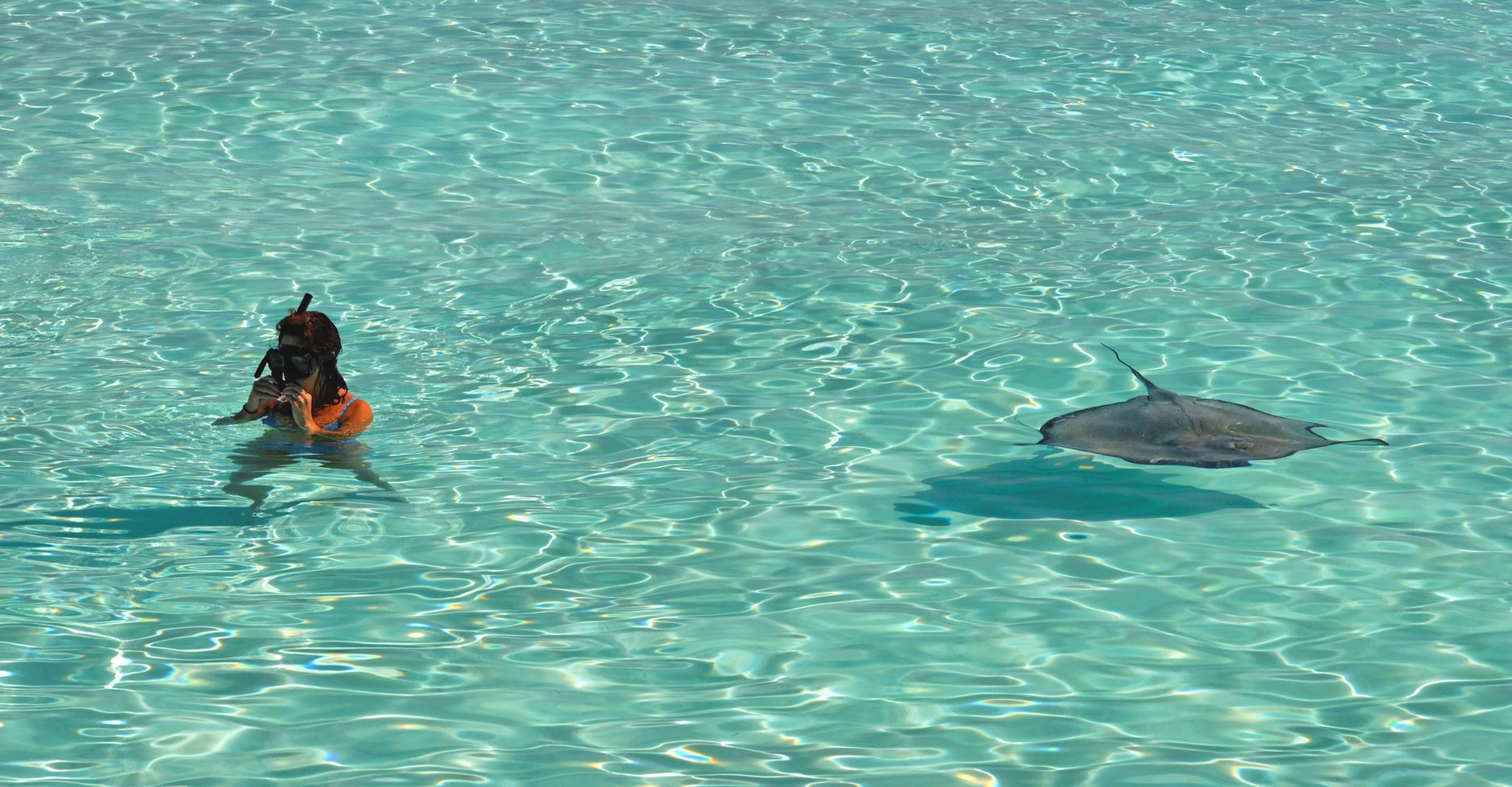
The Caribbean isn't just a destination; it's an invitation to step off the edge of the dry world and into a mesmerizing, sun-dappled universe. Beneath the turquoise mirror of these warm waters lies one of the planet's most diverse ecosystems. From the barrier reefs of Belize to the volcanic vents of Dominica, the Caribbean offers unparalleled access to vibrant coral gardens, ancient shipwrecks, and majestic marine wildlife.
Whether you're a seasoned freediver or a first-timer slipping on a mask, this comprehensive Caribbean snorkeling guide will lead you to the most pristine reefs, help you budget for your aquatic expedition, and ensure you travel with conservation in mind. Ready to map out your next escape? Use the Voyage Roams Trip Planner to customize your tropical route.
1. The Crown Jewels: Top Caribbean Snorkeling Destinations
To experience the absolute best of the Caribbean's underwater realm, you must know where the marine life thrives. Here are the undisputed capitals of Caribbean snorkeling:
Belize: The Hol Chan Marine Reserve
As part of the Mesoamerican Barrier Reef—the second-largest barrier reef system in the world—Belize is a diver's and snorkeler's paradise. At Hol Chan Marine Reserve, you'll swim through a narrow channel in the reef where nurse sharks, southern stingrays, and green sea turtles gather in astonishing numbers. For more details on exploring this Central American gem, read our Comprehensive Guide to Belize.
Bonaire: The Shore Snorkeling Capital
Bonaire is unique because its entire coastline is designated as a protected marine park. You don't need expensive boat charters here; simply pull your rental truck over at any of the yellow roadside stones, walk into the water, and you're instantly surrounded by parrotfish, elkhorn coral, and passing tarpon.
St. John, USVI: Trunk Bay & Waterlemon Cay
Trunk Bay is famous for its underwater snorkeling trail, complete with submerged plaques that identify coral species and marine habitats. However, if you want to escape the crowds, head to Waterlemon Cay in Leinster Bay. It is widely considered the best snorkeling spot on St. John, home to cushion sea stars, spotted eagle rays, and green sea turtles grazing on seagrass beds. Plan your island hopping with our Tested Itinerary Plan for the USVI.
Insider Pro-Tip: When snorkeling Waterlemon Cay, enter the water from the sandy beach area at the end of the trail rather than scrambling over the cobblestones. Keep your eyes peeled along the reef edge for resident hawksbill turtles!
2. Off-the-Beaten-Path: Secret Reefs and Hidden Coves
If you want to avoid the cruise ship crowds and experience untouched marine wilderness, look to these lesser-known treasures:
- Dominica's Champagne Reef: Located on the southwest coast of this lush volcanic island, geothermal vents push streams of warm bubbles through the ocean floor, creating the sensation of swimming in a giant glass of champagne. You'll see unique creatures like batfish, seahorses, and flying gurnards.
- Saba Marine Park: Saba is a dramatic volcanic peak rising straight out of the ocean. Its underwater pinnacles are legendary among scuba divers, but its shallow tide pools and protected coves offer intrepid snorkelers a look at pristine, untouched hard corals and abundant reef sharks.
To discover more off-grid aquatic excursions, check out our curated Adventure Trails hub.
3. Gear Guide: What to Pack for Underwater Exploration
Having the right gear can make or break your snorkeling experience. While renting is always an option, owning your gear ensures a perfect fit and better hygiene.
- 1A Low-Volume Mask: Look for a mask with a high-quality silicone skirt that molds to your face to prevent leaks.
- 2Dry Snorkel: A dry-top valve closes automatically when submerged, preventing you from swallowing salt water.
- 3Trek Fins: Shorter, travel-friendly fins provide excellent maneuverability in tight reef spaces without taking up too much room in your luggage.
- 4UPF 50+ Rash Guard: This protects your back from the blistering tropical sun and eliminates the need for excessive sunscreen, which can harm delicate corals.
4. Budgeting for Your Undersea Adventure
Snorkeling is one of the most budget-friendly ways to experience the ocean, but costs can creep up depending on how you access the reefs. Here is a realistic breakdown of what to expect:
| Expense Category | Shore Snorkeling (DIY) | Guided Boat Tour |
| :--- | :--- | :--- |
| Gear Rental | $10 – $15 per day | Included in tour price |
| Park Entry Fees | Free – $10 (e.g., Bonaire Nature Tag) | Usually included |
| Transport | $0 (Walk-in) or Car Rental | $45 – $120 per person |
| Guide Expertise | None | High (spotting hidden marine life) |
| Total Est. Cost | $10 – $25 / day | $50 – $150 / excursion |
If you are looking to maximize your experiences while keeping costs low, browse through our Budget Travel Guides for money-saving island hacks.
5. Marine Etiquette and Reef Conservation
Our oceans are under immense stress from climate change, overfishing, and tourism. As responsible travelers, we must practice strict reef etiquette to ensure these wonders survive for generations to come:
- Never Touch the Coral: Coral is a living animal. Touching it can scrape off its protective mucus layer, leaving it vulnerable to fatal infections.
- Use Reef-Safe Sunscreen Only: Traditional sunscreens contain chemicals like oxybenzone and octinoxate, which bleach coral reefs. Look for active ingredients like non-nano zinc oxide or titanium dioxide.
- Maintain Proper Buoyancy: Keep your fins up. Kicking sand up onto the reef can smother and choke coral polyps.
- Do Not Feed the Wildlife: Feeding fish disrupts their natural diet and ecological role, often making them aggressive toward humans.
6. Traveler's FAQ & Practical Takeaways
When is the best time of year to snorkel the Caribbean?
While the Caribbean is a year-round destination, the best underwater visibility and calmest seas occur from December to April. Avoid the peak hurricane season (August to October) when tropical storms can churn up the water, reducing visibility to zero for days.
Are there dangerous marine animals I should worry about?
Most marine life is entirely harmless if left unbothered. Sharks are generally timid and uninterested in snorkelers. The animals to watch out for are lionfish (venomous spines), fire coral (causes painful skin burns), and sea urchins (do not step on them!). Always look before you step or put your hands down.
Do I need to be an expert swimmer to snorkel?
No, but basic swimming proficiency is highly recommended. If you are not a strong swimmer, always wear a snorkel vest (which can be inflated for extra buoyancy) and go with a professional guide who can assist you in the water.
Ready to Turn This Story Into Your Next Adventure?
Save places to your custom wishlist or map out a step-by-step day plan with Voyage Roams.
Elena Vance
Elena travels the globe reporting on cultural heritage, street food trails, and budget exploration for Voyage Roams.
Planning a trip to Belize?
Discover verified places to visit, neighborhood recommendations, seasonality charts, and tested budgets in our comprehensive Belize portal.